
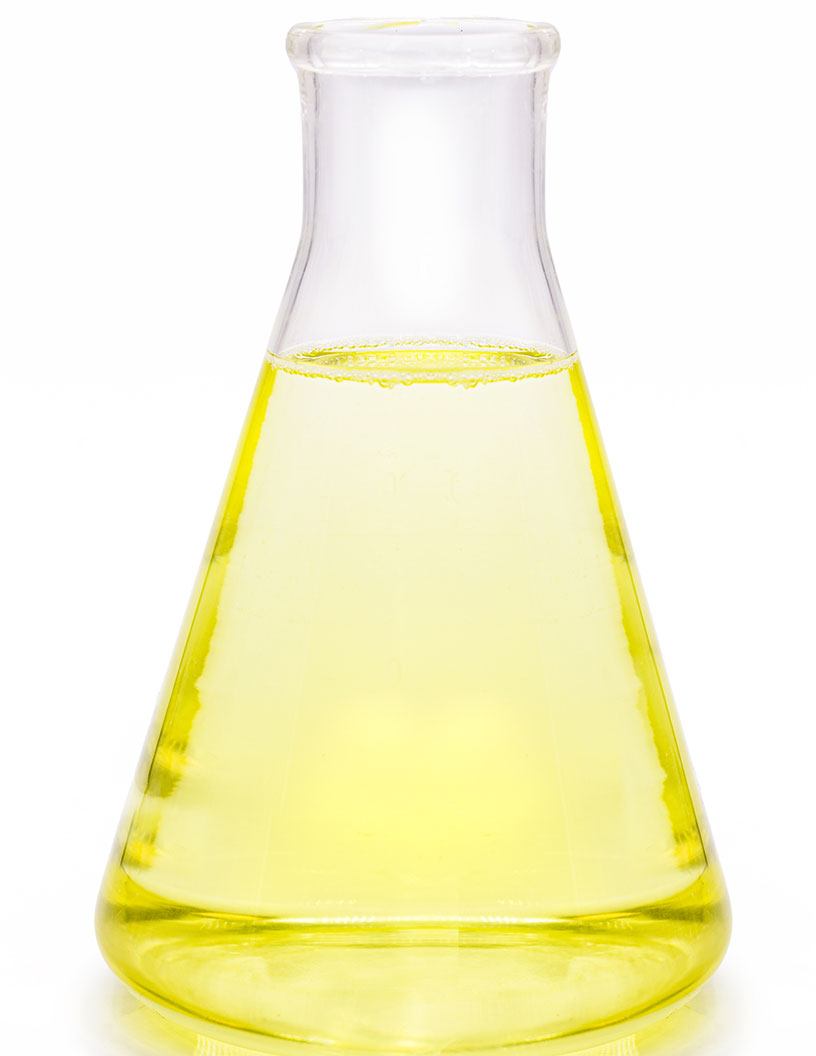


Chlorine Dioxide Market Size 2024-2028
The chlorine dioxide market size is forecast to increase by USD 312.93 million at a CAGR of 5.38% between 2023 and 2028.
- The market is witnessing significant growth due to the increasing demand for this versatile compound in various industries. In the spa and wellness sector, chlorine dioxide is gaining popularity as an effective sanitizer for swimming pools, offering superior disinfection capabilities compared to traditional chlorine. The textile industry is another major consumer of chlorine dioxide, using it as a bleaching agent and a finishing agent for fabrics. In the packaging industry, chlorine dioxide is employed as a water and wastewater treatment chemical to ensure the hygiene and safety of food products, particularly In the fast food industry.
- Moreover, the expansion of chlorine dioxide production units by market companies is driving the growth of this market. However, logistical challenges related to the transportation and handling of hazardous chemicals pose a significant challenge to market growth. In the pulp and paper industry, chlorine dioxide is used as a biocide to prevent microbial growth during the production process. Hydrogen peroxide and sodium chlorate are commonly used In the production of chlorine dioxide.
What will be the Size of the Chlorine Dioxide Market During the Forecast Period?
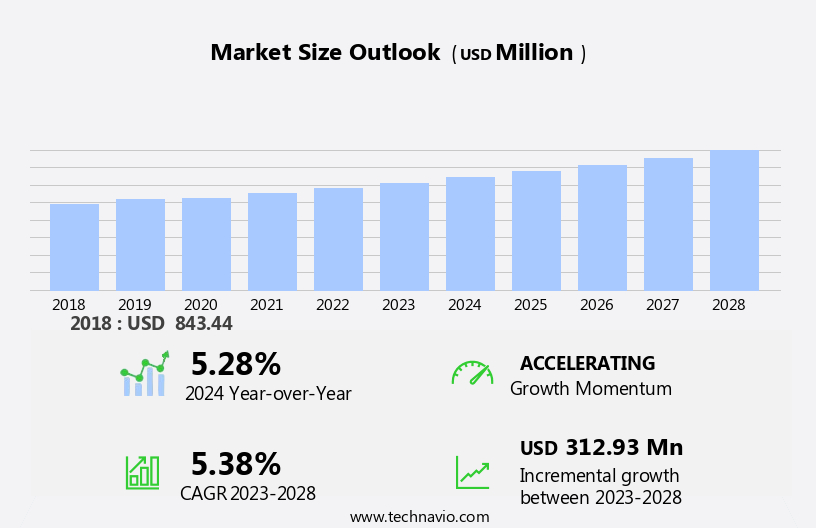
- The market encompasses the production and application of chlorine dioxide, a versatile chemical compound used primarily for water and wastewater treatment, as well as in various industries such as food and beverage, paper and pulp processing, and surface disinfection. Driven by environmental concerns and stringent government regulations, the market's growth is fueled by the need for effective antimicrobial agents to address waterborne diseases, urbanization, and industrial pollution. Rapid industrialization and developing economies further expand market opportunities.
- However, regulatory restrictions and health concerns related to organochlorine compounds may pose challenges. In the food industry, chlorine dioxide's use as a bleaching agent and disinfectant in water treatment for ready-to-eat food, fast food, and beverages ensures food safety. In the water and wastewater management sector, chlorine dioxide is used as a sanitizer and an oxidizing agent to remove organic matter and heavy metals from water. Furthermore, the construction industry is adopting chlorine dioxide as a disinfectant in water treatment equipment to ensure the cleanliness and safety of water supplies. Market trends include the adoption of closed-loop systems for efficient use and the increasing focus on surface disinfection to combat pathogens in various industries.
How is this Chlorine Dioxide Industry segmented and which is the largest segment?
The chlorine dioxide industry research report provides comprehensive data (region-wise segment analysis), with forecasts and estimates in "USD million" for the period 2024-2028, as well as historical data from 2018-2022 for the following segments.
- Type
- Gas
- Liquid
- Powder
- Application
- Water treatment
- Pulp and paper industry
- Textile industry
- Others
- Geography
- North America
- US
- Europe
- Germany
- UK
- APAC
- China
- India
- South America
- Middle East and Africa
- North America
By Type Insights
- The gas segment is estimated to witness significant growth during the forecast period.
Chlorine dioxide is a stable, reddish-brown, corrosive, and toxic liquid used primarily as a bleaching agent in paper and pulp processing and as a disinfectant in various industries. Its applications include municipal water treatment, food and beverage processing, wastewater treatment, and surface disinfection. In water treatment, chlorine dioxide is effective against waterborne pathogens and industrial pollution, ensuring drinking water safety and maintaining optimal water pH values. In the food industry, it serves as an antimicrobial agent in ready-to-eat food, fast food, and poultry processing, enhancing food safety and shelf life. Urbanization in developing economies necessitates advanced water treatment solutions, making chlorine dioxide an essential component in integrated water treatment systems.
In the education sector, there is a growing awareness of the benefits of chlorine dioxide as a disinfectant and sanitizer, leading to an increase in demand. Automation In the production and application of chlorine dioxide is also a key trend In the market, offering cost savings and improved efficiency. Automation and resource conservation are key trends in its use, with closed-loop systems and disinfection processes ensuring environmental safety. Despite its benefits, regulatory restrictions due to health concerns, such as endometriosis, cancer, and environmental safety, necessitate careful handling and disposal. Chlorine dioxide is an oxidizing agent that plays a crucial role in disinfection processes, ensuring surface sterilization and maintaining water resource management.
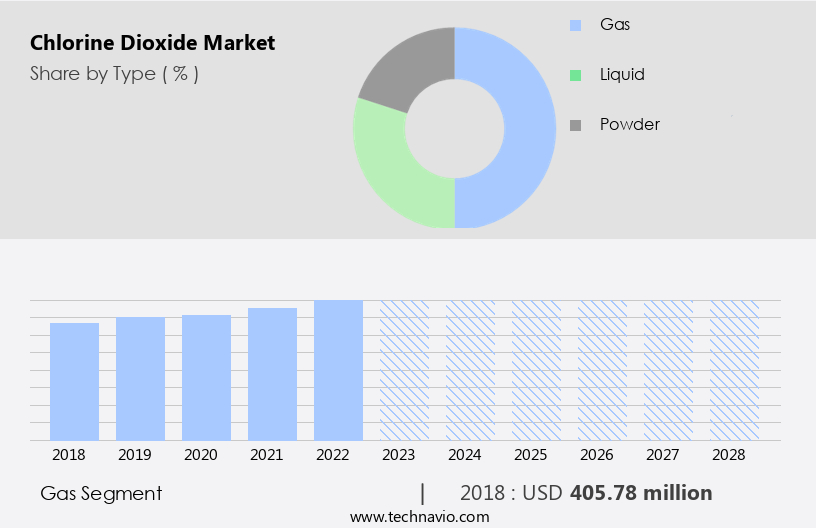
Get a glance at the market report of share of various segments Request Free Sample
The gas segment was valued at USD 405.78 million in 2018 and showed a gradual increase during the forecast period.
Regional Analysis
- North America is estimated to contribute 35% to the growth of the global market during the forecast period.
Technavio's analysts have elaborately explained the regional trends and drivers that shape the market during the forecast period.
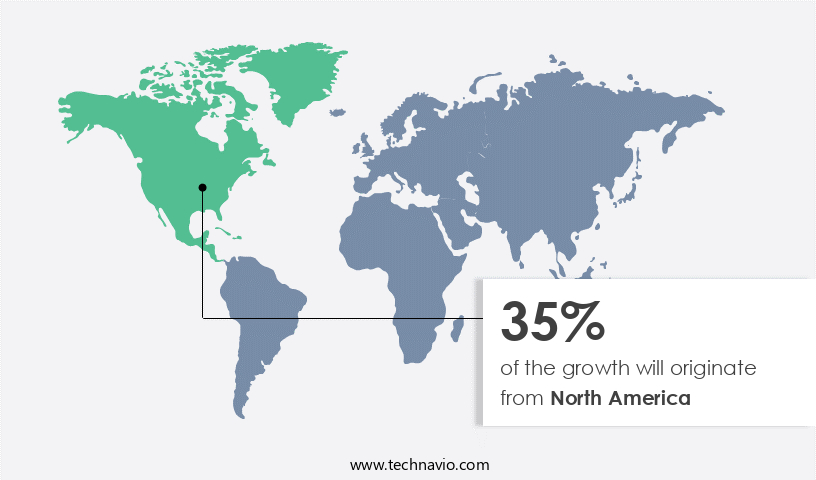
For more insights on the market size of various regions, Request Free Sample
The market in North America is expected to expand due to advancements in water and wastewater treatment technologies and the construction of purification plants. The escalating demand for water in various residential and industrial applications is boosting the usage of Chlorine Dioxide as a water treatment chemical In the US. In the municipal sector, water treatment equipment is essential for residential and commercial complexes, catering to the rising population and increasing water requirements from households and restaurants. Industrially, economic growth and an expanding industrial base fuel the demand for water. Chlorine Dioxide finds extensive applications in industries such as Wastewater Treatment, Food & Beverage, Paper & Pulp Processing, and Bleaching Agents, among others.
Its antimicrobial properties make it an effective disinfectant in various industries, including Poultry Processing and Surface Sterilization. Environmental safety and integrated water treatment systems are gaining traction, leading to the adoption of Chlorine Dioxide as an oxidizing agent in Drinking Water Safety and Waterborne Diseases prevention. Urbanization and the rise of Ready-to-Eat Food and Fast Food industries necessitate stringent food safety regulations, further increasing the demand for Chlorine Dioxide as a disinfectant. Closed-loop systems and automation in water resource management are also driving the market growth. Despite its benefits, regulatory restrictions due to environmental concerns and health issues, such as Endometriosis, Cancer, and other waterborne diseases, may hinder market growth.
Market Dynamics
Our researchers analyzed the data with 2023 as the base year, along with the key drivers, trends, and challenges. A holistic analysis of drivers will help companies refine their marketing strategies to gain a competitive advantage.
What are the key market drivers leading to the rise In the adoption of Chlorine Dioxide Industry?
Scarcity of water leading to increasing use of chlorine dioxide is the key driver of the market.
- The market is witnessing significant growth due to increasing environmental concerns and the need for effective water and wastewater treatment solutions. Chlorine Dioxide is extensively used as an antimicrobial agent in various industries, including Wastewater Treatment, Food & Beverage, Paper & Pulp Processing, and Municipal Water Treatment. In the Food & Beverage Industry, it is used as a bleaching agent and a disinfectant in Poultry Processing and Ready-to-Eat Food and Fast Food production to ensure food safety. Moreover, Chlorine Dioxide's use as a surface disinfectant in Industrial Wastewater treatment and closed-loop systems is essential for preventing waterborne diseases and maintaining water resource management.
- Rapid industrialization and urbanization in Developing Economies have led to increased industrial pollution, necessitating stricter regulatory restrictions on the use of Organochlorine Compounds. Chlorine Dioxide, being a non-persistent oxidizing agent, is a preferred alternative. However, there are health concerns regarding the use of Chlorine Dioxide, such as Endometriosis, Cancer, and other adverse effects. Therefore, there is a growing emphasis on environmental safety and integrated water treatment processes. Automation and resource conservation are also critical factors driving the market's growth. In summary, the market is poised for growth due to its essential role in addressing water scarcity, ensuring food safety, and providing effective disinfection processes.
What are the market trends shaping the Chlorine Dioxide Industry?
Expansion of chlorine dioxide production units by market players is the upcoming market trend.
- Chlorine dioxide, an oxidizing agent, is increasingly utilized in various industries due to its antimicrobial properties and ability to act as a bleaching agent. The demand is driven by its applications in wastewater treatment, food & beverage processing, and paper & pulp processing, among others. The rapid industrialization and urbanization in developing economies have led to an increase in industrial pollution and health concerns, resulting in a greater focus on water treatment and food safety. Environmental concerns have also influenced the market dynamics, with regulatory restrictions on organochlorine compounds driving the adoption as a safer alternative. In the food & beverage industry, it is used for surface disinfection and water treatment to ensure the safety of ready-to-eat food and fast food.
- In the paper & pulp processing industry, it is used as a bleaching agent to improve product shelf life and maintain water pH values. The expanding food industry and increasing awareness of waterborne diseases have led to the adoption in poultry processing and drinking water safety. Industrial wastewater treatment and surface sterilization are other applications. The integration of automation and water resource management systems in industrial processes has further increased the demand. Companies are investing In production to meet the growing demand and comply with environmental safety regulations. For instance, ERCO Worldwide recently opened a PurDOX production plant to serve as its flagship location for producing for water treatment applications. This expansion allows the company to invest in environmental control technologies and enhance its sustainability efforts.
What challenges does the Chlorine Dioxide Industry face during its growth?
Logistic problems related to hazardous chemicals is a key challenge affecting the industry growth.
- Chlorine dioxide, an essential oxidizing agent, finds extensive applications in various industries, including wastewater treatment, paper & pulp processing, and food & beverage industry. In wastewater treatment, it serves as an effective disinfectant, addressing environmental concerns by eliminating waterborne diseases. In the food & beverage sector, it functions as an antimicrobial agent, ensuring food safety through surface disinfection and pathogen elimination. The paper & pulp processing industry utilizes it as a bleaching agent, while municipal water treatment employs it to maintain drinking water safety. Rapid industrialization and urbanization in developing economies have fueled the demand, particularly in industrial wastewater treatment and poultry processing.
- However, regulatory restrictions on the use of organochlorine compounds and growing health concerns, such as endometriosis, cancer, and other diseases, have imposed challenges on the market. Industrial pollution and environmental safety are also critical issues that need to be addressed. The market is witnessing significant advancements, with integrated water treatment systems, automation, and resource conservation gaining popularity. Closed-loop systems and surface sterilization processes are increasingly being adopted for disinfection, ensuring efficient and eco-friendly applications. Water resource management and disinfection processes are crucial aspects of usage, with water pH values and product shelf life being essential factors to consider. Chlorine dioxide's versatility as a disinfectant and its ability to neutralize pathogens make it an indispensable tool in ensuring food safety, particularly for ready-to-eat food and fast food establishments.
Exclusive Customer Landscape
The market forecasting report includes the adoption lifecycle of the market, market growth and forecasting, covering from the innovator's stage to the laggard's stage. It focuses on adoption rates in different regions based on penetration. Furthermore, the market report also includes key purchase criteria and drivers of price sensitivity to help companies evaluate and develop their market growth analysis strategies.
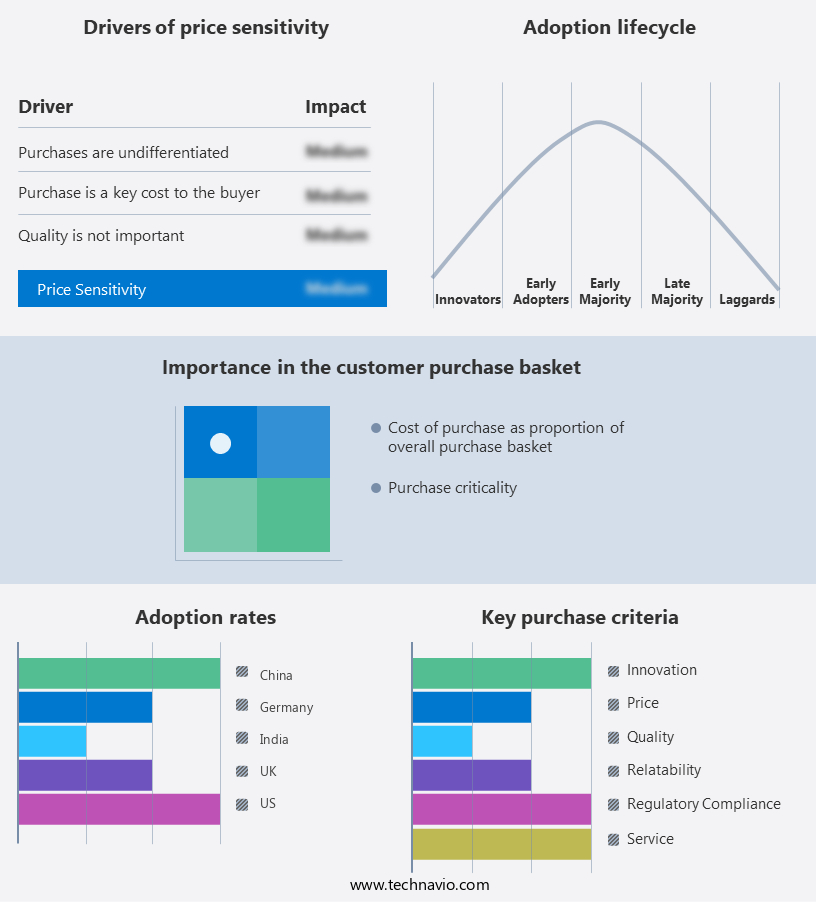
Customer Landscape
Key Companies & Market Insights
Companies are implementing various strategies, such as strategic alliances, chlorine dioxide market forecast, partnerships, mergers and acquisitions, geographical expansion, and product/service launches, to enhance their presence In the industry.
The industry research and growth report includes detailed analyses of the competitive landscape of the market and information about key companies, including:
- Accepta Ltd.
- Arihant Aqua Chem
- CDG Environmental LLC
- Dongying Shengya Chemical Co. Ltd.
- Ecolab Inc.
- ECOSTERILE MKT. Pvt. Ltd.
- ERCO Worldwide
- Feedwater Ltd.
- Filo Lifesciences Pvt. Ltd.
- GO2 International
- Industrie De Nora Spa
- Kemira Oyj
- Kresko Projects Pvt. Ltd.
- Lenntech BV
- LONGCHANG CHEMICAL
- PureLine
- Scotmas Group Ltd.
- SMM Distributors
- SVS AQUA Technologies
- Tristel Plc
- VASU CHEMICALS LLP
- Veolia Environnement SA
- Vizag Chemical International
Qualitative and quantitative analysis of companies has been conducted to help clients understand the wider business environment as well as the strengths and weaknesses of key industry players. Data is qualitatively analyzed to categorize companies as pure play, category-focused, industry-focused, and diversified; it is quantitatively analyzed to categorize companies as dominant, leading, strong, tentative, and weak.
Research Analyst Overview
The market encompasses the production, application, and consumption of this versatile compound in various industries. Chlorine dioxide, an oxidizing agent, is widely used for its disinfectant and bleaching properties. Its application spans across wastewater treatment, food and beverage processing, paper and pulp industries, and water treatment. In the realm of wastewater treatment, it plays a pivotal role due to its effectiveness against a broad spectrum of microorganisms, including bacteria, viruses, and parasites. Environmental concerns have fueled the demand for alternative disinfectants to replace traditional chlorine-based agents. It offers several advantages, such as minimal formation of disinfection by-products and a lower risk of creating resistant strains. The food and beverage industry is another significant market. As consumer health concerns continue to grow, the demand for food safety and hygiene has become paramount. It serves as an effective antimicrobial agent In the processing of ready-to-eat food, fast food, and poultry. It is particularly useful in surface disinfection and sterilization processes to ensure the elimination of pathogens and maintain product shelf life. The paper and pulp industry utilizes the bleaching process to improve the brightness and whiteness of paper products. This application is essential for industries that require high-quality, visually appealing products, such as printing and publishing.
Chlorine dioxide's use as a bleaching agent is not limited to the paper industry. It is also employed in water treatment, particularly in municipal water treatment systems, to improve water quality and ensure drinking water safety. In developing economies, where urbanization and industrialization are rapid, the demand for clean water and effective disinfection methods is increasing. Regulatory restrictions on the use of organochlorine compounds have led to the growing adoption as an alternative. End-users in industries such as water treatment, food processing, and paper and pulp are increasingly turning due to its environmental safety and health benefits.
The global trend towards resource conservation and integrated water treatment systems has further boosted the market. Automation and closed-loop systems have streamlined production processes and improved efficiency, leading to cost savings and increased productivity. However, the market is not without challenges. Industrial pollution and the potential health concerns associated with its use necessitate stringent regulations and monitoring. Waterborne diseases, such as cholera and typhoid, continue to pose significant threats, driving the demand for effective disinfection methods. Thus, the market is characterized by its diverse applications in various industries, including wastewater treatment, food and beverage processing, and paper and pulp. Its versatility, environmental benefits, and effectiveness against a broad spectrum of microorganisms make it an essential component in ensuring public health and safety. The market is driven by factors such as increasing urbanization, regulatory restrictions, and consumer health concerns, and is expected to continue growing In the coming years.
|
Market Scope |
|
|
Report Coverage |
Details |
|
Page number |
166 |
|
Base year |
2023 |
|
Historic period |
2018-2022 |
|
Forecast period |
2024-2028 |
|
Growth momentum & CAGR |
Accelerate at a CAGR of 5.38% |
|
Market growth 2024-2028 |
USD 312.93 million |
|
Market structure |
Fragmented |
|
YoY growth 2023-2024(%) |
5.28 |
|
Key countries |
US, China, India, Germany, and UK |
|
Competitive landscape |
Leading Companies, Market Positioning of Companies, Competitive Strategies, and Industry Risks |
What are the Key Data Covered in this Chlorine Dioxide Market Research and Growth Report?
- CAGR of the Chlorine Dioxide industry during the forecast period
- Detailed information on factors that will drive the growth and forecasting between 2024 and 2028
- Precise estimation of the size of the market and its contribution of the industry in focus to the parent market
- Accurate predictions about upcoming growth and trends and changes in consumer behaviour
- Growth of the market across North America, Europe, APAC, South America, and Middle East and Africa
- Thorough analysis of the market's competitive landscape and detailed information about companies
- Comprehensive analysis of factors that will challenge the chlorine dioxide market growth of industry companies
We can help! Our analysts can customize this chlorine dioxide market research report to meet your requirements.
 RIA -
RIA - 
