



Data Storage Hardware Market Size 2026-2030
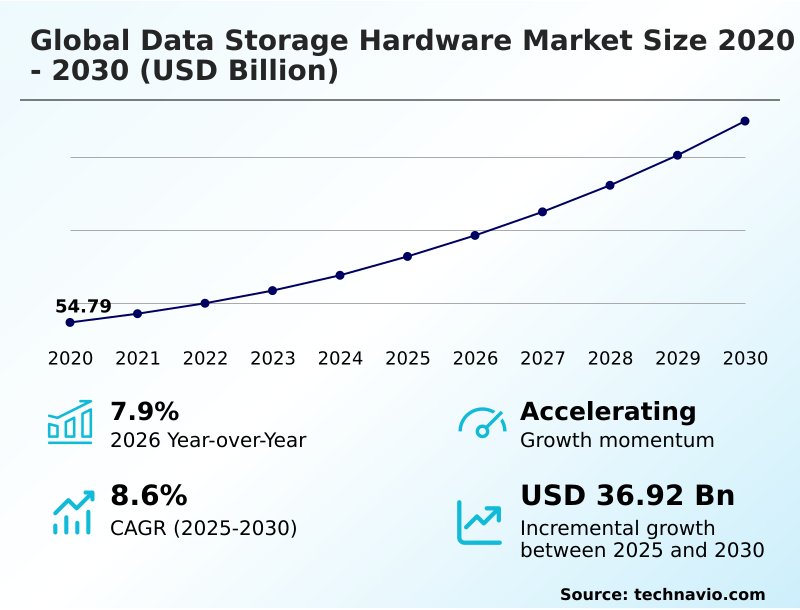
The data storage hardware market size is valued to increase by USD 36.92 billion, at a CAGR of 8.6% from 2025 to 2030. Expansion of AI Infrastructure will drive the data storage hardware market.
Major Market Trends & Insights
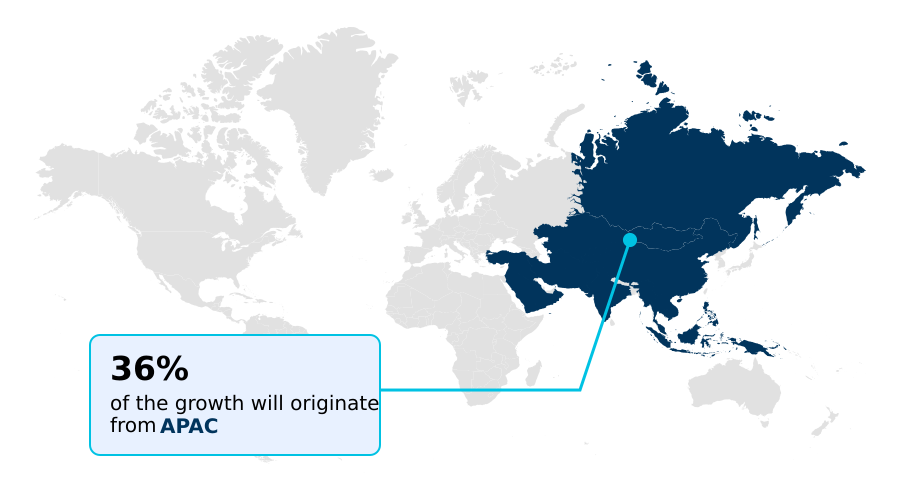
- APAC dominated the market and accounted for a 35.9% growth during the forecast period.
- By Product - Hard disk drives segment was valued at USD 26.59 billion in 2024
- By Platform - Direct attached storage segment accounted for the largest market revenue share in 2024
Market Size & Forecast
- Market Opportunities: USD 54.91 billion
- Market Future Opportunities: USD 36.92 billion
- CAGR from 2025 to 2030 : 8.6%
Market Summary
- The data storage hardware market is undergoing a period of robust expansion, driven by the escalating global need for reliable digital infrastructure. As enterprises and consumers generate unprecedented volumes of data, the demand for scalable physical hardware to manage this information grows in parallel.
- This growth is catalyzed by the mainstream adoption of cloud computing and the rapid integration of advanced analytics and AI. Organizations are systematically replacing legacy magnetic systems with modern enterprise-grade storage hardware, including advanced silicon-based alternatives, to achieve superior processing speeds and greater energy efficiency.
- A key business scenario is in global supply chain management, where real-time tracking of assets generates continuous streams of unstructured information. This compels logistics firms to invest heavily in resilient physical repositories and edge computing storage to process data locally, reducing latency and reliance on centralized servers.
- The proliferation of connected devices within the internet of things ecosystem further amplifies this trend, creating a perpetual cycle of hardware procurement and innovation focused on managing massive datasets securely and efficiently.
What will be the Size of the Data Storage Hardware Market during the forecast period?
Get Key Insights on Market Forecast (PDF) Get Free Sample
How is the Data Storage Hardware Market Segmented?
The data storage hardware industry research report provides comprehensive data (region-wise segment analysis), with forecasts and estimates in "USD million" for the period 2026-2030, as well as historical data from 2020-2024 for the following segments.
- Product
- Hard disk drives
- Solid state drives
- Others
- Platform
- Direct attached storage
- Storage area network
- Network attached storage
- Type
- Secondary storage
- Portable storage
- Geography
- North America
- US
- Canada
- Mexico
- APAC
- China
- India
- Japan
- Europe
- Germany
- UK
- France
- Middle East and Africa
- Saudi Arabia
- UAE
- South Africa
- South America
- Brazil
- Argentina
- Colombia
- Rest of World (ROW)
- North America
By Product Insights
The hard disk drives segment is estimated to witness significant growth during the forecast period.
The data storage hardware market is segmented by product, platform, and geography. Hard disk drives remain integral for bulk capacity needs, particularly in constructing large-scale, cost-effective data lakes.
Their low cost-per-gigabyte makes them the foundation for nearline storage repositories in hyperscale data center infrastructure, supporting archival storage workflows.
Innovations like heat-assisted magnetic recording and helium-filled hard disk drives continually increase platter density, ensuring their relevance for long-term data retention. Organizations depend on this magnetic platter technology to manage vast archives and comply with data retention and privacy regulations.
Despite the rise of faster media, these drives form the critical backbone of modern infrastructure, with software-defined storage platforms orchestrating their use in resilient architectures that provide a 99.9% uptime for business continuity planning.
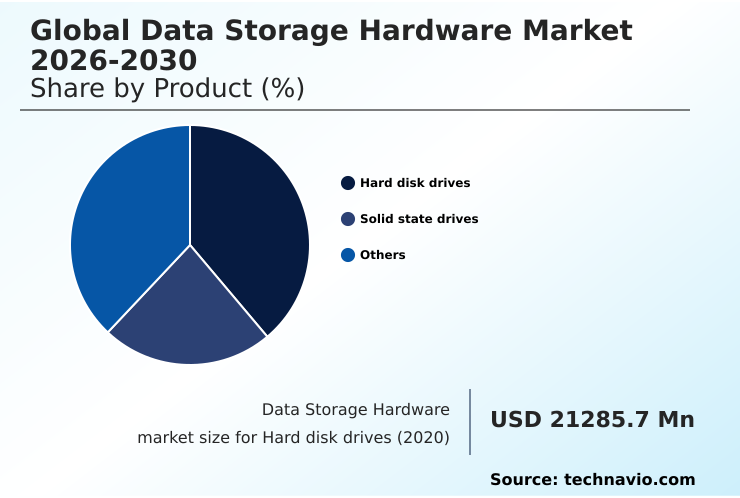
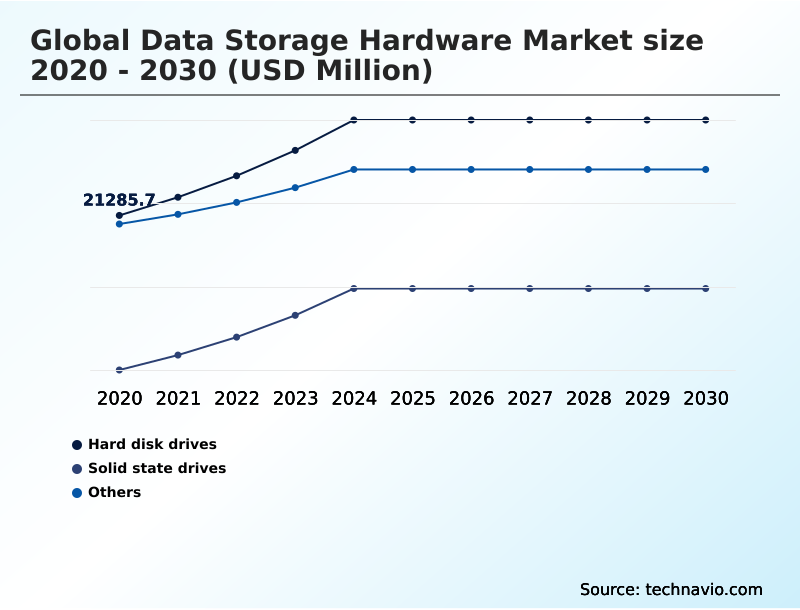
The Hard disk drives segment was valued at USD 26.59 billion in 2024 and showed a gradual increase during the forecast period.
Regional Analysis
APAC is estimated to contribute 35.9% to the growth of the global market during the forecast period.Technavio’s analysts have elaborately explained the regional trends and drivers that shape the market during the forecast period.
See How Data Storage Hardware Market Demand is Rising in APAC Get Free Sample
The geographic landscape of the data storage hardware market is shifting, with APAC demonstrating the most accelerated growth, expanding 28% faster than the European market. This expansion is driven by rapid industrialization and data sovereignty frameworks that mandate local infrastructure.
In North America, mature markets prioritize mission-critical storage and advanced solid-state drive architecture for compute-intensive applications. European adoption is shaped by strict regulations and a focus on a circular data storage economy, impacting hardware refresh cycles.
Across regions, the build-out of facilities for iot data aggregation and ai model training datasets is universal.
This has led to a 15% increase in procurement of specialized edge computing storage solutions to enable low latency data access and operational telemetry analysis in developing markets.
Market Dynamics
Our researchers analyzed the data with 2025 as the base year, along with the key drivers, trends, and challenges. A holistic analysis of drivers will help companies refine their marketing strategies to gain a competitive advantage.
- Strategic planning in the data storage hardware market requires a nuanced understanding of evolving trade-offs. A primary consideration is the cost per gigabyte comparison hdd vs ssd, which dictates tiering strategies for data-intensive workloads. While SSDs offer superior performance, the impact of helium-filled drives on tco makes HDDs compelling for mass archiving.
- For high-performance needs, understanding nvme over fabrics performance benefits is critical for designing low-latency architectures. The decision between block vs file vs object storage selection depends entirely on the application, from transactional databases to unstructured data lakes. Enterprises are also grappling with hybrid cloud storage integration challenges and managing data gravity in hyperscale environments.
- A key focus is optimizing storage for ai workloads, which demands high throughput and parallel processing capabilities. Security is a non-negotiable factor, with a growing need for quantum-resistant encryption for data archives and protocols for secure data erasure for hardware decommissioning.
- Sustainability has also become a strategic imperative, necessitating sustainable data storage lifecycle management and a focus on power efficiency in high-density storage. From a technical perspective, improving iops for database applications through flash-based solutions and selecting the right raid configuration for data redundancy are fundamental.
- Furthermore, the effectiveness of data deduplication in backup appliances, the viability of software-defined storage for private clouds, and the specialized storage requirements for autonomous vehicles are all critical evaluation points.
- Decisions on the all-flash array vs hybrid array tco are now common, with tape storage for long-term archiving still proving more cost-effective for cold data by over 50% in some use cases. Finally, addressing data sovereignty compliance in europe and deploying edge computing storage for the iot represent major growth vectors.
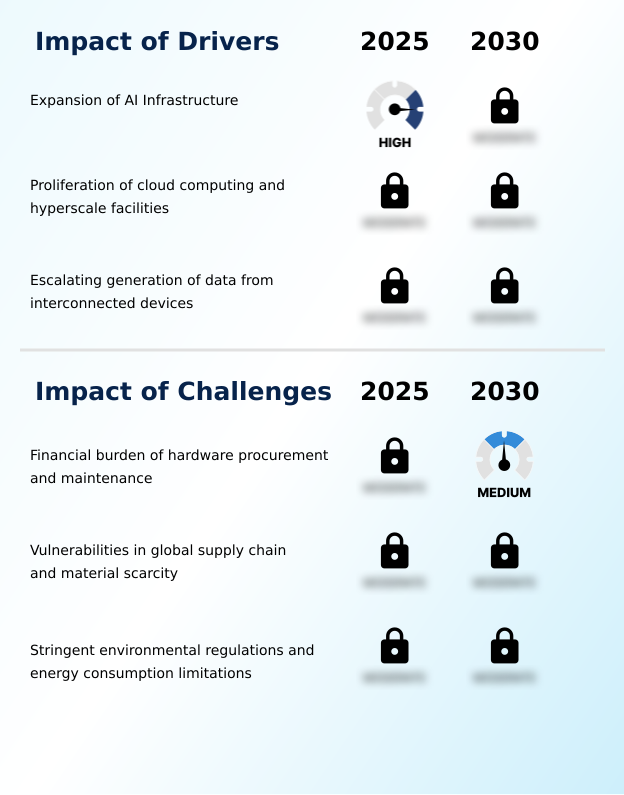
What are the key market drivers leading to the rise in the adoption of Data Storage Hardware Industry?
- The expansion of AI infrastructure is a primary driver for the market, demanding massive computational power and unprecedented volumes of data storage hardware.
- The proliferation of AI and cloud computing is the paramount driver. The expansion of hyperscale data centers, which centralize enterprise-grade storage hardware, accounts for over 60% of bulk storage procurement.
- These facilities demand all-flash nvme storage and automated tape libraries for high throughput data processing and tiered data lifecycle management. The explosion of data from interconnected devices, particularly for predictive analytics frameworks, compels organizations to expand their physical storage footprint.
- This has resulted in a 35% year-over-year increase in demand for mass-capacity storage enclosures.
- The need to support data-intensive workloads and ensure rapid disaster recovery protocols fuels continuous investment in advanced hardware like unified hybrid cloud storage solutions and robust host bus adapters.
What are the market trends shaping the Data Storage Hardware Industry?
- The adoption of high-density storage mediums is a key market trend. This is driven by the need to maximize capacity within existing physical footprints.
- A defining trend is the shift toward high-density storage mediums to address physical space constraints in data centers. Advancements in quad-level cell flash memory and 3d nand technology are increasing the density of solid-state drives, with some solutions delivering a 40% capacity increase in the same form factor. This pursuit of spatial efficiency necessitates innovative thermal management solutions.
- Concurrently, the integration of quantum-resistant cryptography into hardware is becoming standard practice to counter future security threats. Enterprises are adopting self-encrypting drives with embedded hardware-based encryption, which can process cryptographic operations 25% faster than software-based methods. This focus on security is a response to evolving data integrity verification requirements and the need for cyber-resilient infrastructure.
What challenges does the Data Storage Hardware Industry face during its growth?
- The financial burden of hardware procurement and maintenance is a significant challenge, creating a high barrier to entry and straining corporate budgets.
- Significant challenges persist, primarily the financial burden of procurement and geopolitical supply chain disruptions. The high cost of block-level storage arrays and persistent memory modules creates a barrier for many enterprises, concentrating purchasing power among hyperscalers. Supply chain vulnerabilities for essential components like semiconductors and rare earth metals can cause production delays of up to 20 weeks.
- Furthermore, stringent environmental regulations on power usage effectiveness metrics and electronic waste recycling add complexity. Hardware must now meet sustainability targets, leading to the development of components like storage-class memory designed for lower power consumption. Navigating these financial, logistical, and regulatory pressures while ensuring data-at-rest encryption and secure hardware decommissioning complicates asset management services.
Exclusive Technavio Analysis on Customer Landscape
The data storage hardware market forecasting report includes the adoption lifecycle of the market, covering from the innovator’s stage to the laggard’s stage. It focuses on adoption rates in different regions based on penetration. Furthermore, the data storage hardware market report also includes key purchase criteria and drivers of price sensitivity to help companies evaluate and develop their market growth analysis strategies.
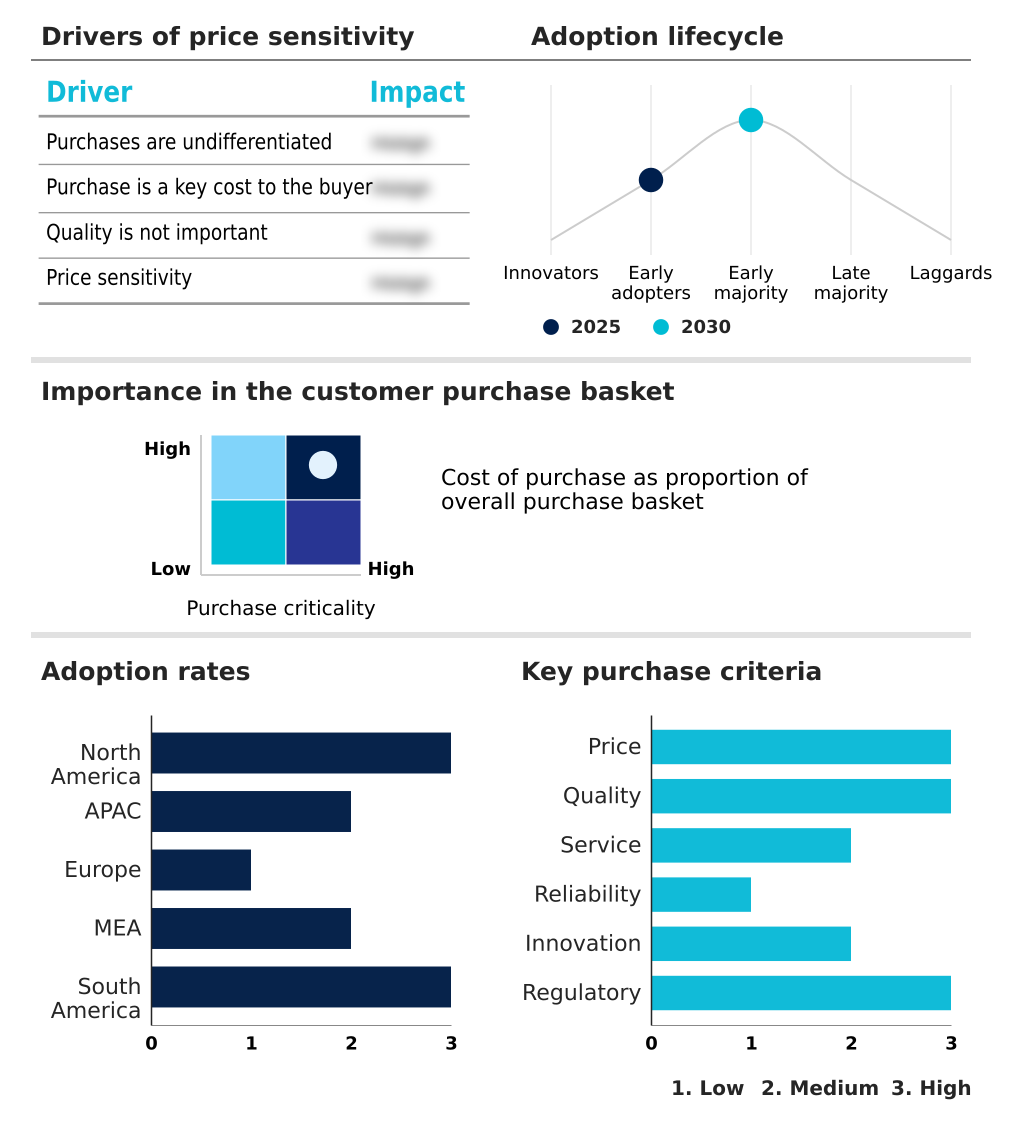
Customer Landscape of Data Storage Hardware Industry
Competitive Landscape
Companies are implementing various strategies, such as strategic alliances, data storage hardware market forecast, partnerships, mergers and acquisitions, geographical expansion, and product/service launches, to enhance their presence in the industry.
Cisco Systems Inc. - Enterprise storage infrastructure and array solutions are engineered to address comprehensive server and data management requirements for modern data centers.
The industry research and growth report includes detailed analyses of the competitive landscape of the market and information about key companies, including:
- Cisco Systems Inc.
- DataDirect Networks Inc.
- Dell Technologies Inc.
- Fujitsu Ltd.
- Hewlett Packard Enterprise Co.
- Hitachi Vantara LLC
- Huawei Technologies Co. Ltd.
- IBM Corp.
- Infinidat Ltd.
- Kingston Technology Co. Inc.
- Kioxia Corp.
- Micron Technology Inc.
- NetApp Inc.
- Pure Storage Inc.
- QNAP Systems Inc.
- Samsung Electronics Co. Ltd.
- Seagate Technology LLC
- SK hynix Co. Ltd.
- Super Micro Computer Inc.
- Western Digital Corp.
Qualitative and quantitative analysis of companies has been conducted to help clients understand the wider business environment as well as the strengths and weaknesses of key industry players. Data is qualitatively analyzed to categorize companies as pure play, category-focused, industry-focused, and diversified; it is quantitatively analyzed to categorize companies as dominant, leading, strong, tentative, and weak.
Recent Development and News in Data storage hardware market
- In February, 2025, DataCore expanded its universal storage suite by acquiring the parallel file system business of Arcastream, enhancing its support for demanding AI and HPC workloads.
- In October, 2024, a leading vendor announced a strategic partnership with a cybersecurity firm to embed quantum-resistant cryptographic algorithms directly into the firmware of its next-generation self-encrypting drives.
- In December, 2024, a major hardware manufacturer launched a new line of enterprise SSDs featuring advanced 3D NAND technology, achieving a 20% increase in storage density and a 15% reduction in power consumption per terabyte.
- In April, 2025, a consortium of technology companies established a new industry standard for sustainable data storage, outlining a framework for circular economic models, including rare earth metal recovery and electronic waste recycling protocols.
Dive into Technavio’s robust research methodology, blending expert interviews, extensive data synthesis, and validated models for unparalleled Data Storage Hardware Market insights. See full methodology.
| Market Scope | |
|---|---|
| Page number | 296 |
| Base year | 2025 |
| Historic period | 2020-2024 |
| Forecast period | 2026-2030 |
| Growth momentum & CAGR | Accelerate at a CAGR of 8.6% |
| Market growth 2026-2030 | USD 36916.1 million |
| Market structure | Fragmented |
| YoY growth 2025-2026(%) | 7.9% |
| Key countries | US, Canada, Mexico, China, India, Japan, South Korea, Australia, Indonesia, Germany, UK, France, Italy, The Netherlands, Spain, Saudi Arabia, UAE, South Africa, Israel, Turkey, Brazil, Argentina and Colombia |
| Competitive landscape | Leading Companies, Market Positioning of Companies, Competitive Strategies, and Industry Risks |
Research Analyst Overview
- The data storage hardware market is defined by a relentless drive for density, speed, and intelligence. The core technological landscape pivots between magnetic media, with innovations like heat-assisted magnetic recording and shingled magnetic recording in helium-filled hard disk drives, and flash-based solid-state drive architecture.
- This flash segment is advancing through quad-level cell flash memory, multi-level cell flash, and 3d nand technology, often delivered via non-volatile memory express interfaces. Enterprise-grade storage hardware now spans a spectrum from high-density storage mediums to specialized mission-critical storage.
- For boardroom decisions, the choice between on-premises software-defined storage platforms and cloud infrastructure now hinges on total cost of ownership, which is heavily influenced by the efficiency of components such as host bus adapters and raid controller firmware.
- Architectures are also evolving, with storage area network fabric and internet small computer systems interface connecting all-flash nvme storage, unified hybrid cloud storage, and traditional block-level storage arrays. For long-term archiving, automated tape libraries and nearline storage repositories remain crucial, while optical storage formats serve niche roles.
- Security is paramount, driving adoption of self-encrypting drives with hardware-based encryption and quantum-resistant cryptography for data-at-rest encryption. The market also includes rackmount san/nas appliances, mass-capacity storage enclosures, and emerging storage-class memory and persistent memory modules.
- This diverse ecosystem is essential for everything from edge computing storage to hyperscale data center infrastructure, increasingly guided by principles of a circular data storage economy and utilizing parallel file systems to manage data deduplication technologies. For instance, implementing advanced deduplication has shown to reduce backup storage needs by up to 30%, directly impacting capital expenditure budgets.
What are the Key Data Covered in this Data Storage Hardware Market Research and Growth Report?
-
What is the expected growth of the Data Storage Hardware Market between 2026 and 2030?
-
USD 36.92 billion, at a CAGR of 8.6%
-
-
What segmentation does the market report cover?
-
The report is segmented by Product (Hard disk drives, Solid state drives, and Others), Platform (Direct attached storage, Storage area network, and Network attached storage), Type (Secondary storage, and Portable storage) and Geography (North America, APAC, Europe, Middle East and Africa, South America)
-
-
Which regions are analyzed in the report?
-
North America, APAC, Europe, Middle East and Africa and South America
-
-
What are the key growth drivers and market challenges?
-
Expansion of AI Infrastructure, Financial burden of hardware procurement and maintenance
-
-
Who are the major players in the Data Storage Hardware Market?
-
Cisco Systems Inc., DataDirect Networks Inc., Dell Technologies Inc., Fujitsu Ltd., Hewlett Packard Enterprise Co., Hitachi Vantara LLC, Huawei Technologies Co. Ltd., IBM Corp., Infinidat Ltd., Kingston Technology Co. Inc., Kioxia Corp., Micron Technology Inc., NetApp Inc., Pure Storage Inc., QNAP Systems Inc., Samsung Electronics Co. Ltd., Seagate Technology LLC, SK hynix Co. Ltd., Super Micro Computer Inc. and Western Digital Corp.
-
Market Research Insights
- The market's dynamics are shaped by the convergence of massive data generation and stringent operational requirements. Enterprises are navigating complex data sovereignty frameworks, which has led to a 40% increase in localized private cloud deployments. This shift necessitates hardware that supports both high throughput data processing and rigorous data retention and privacy regulations.
- The push for efficiency is evident, as modern hardware enables data-driven decision making that can improve operational uptime by over 15% through predictive maintenance from operational telemetry analysis. Meanwhile, the challenge of unstructured data sprawl is being met with sophisticated data lifecycle management strategies.
- These strategies are critical for business continuity planning and rely on hardware capable of rapid remote data replication to ensure resiliency.
We can help! Our analysts can customize this data storage hardware market research report to meet your requirements.
 RIA -
RIA - 
