
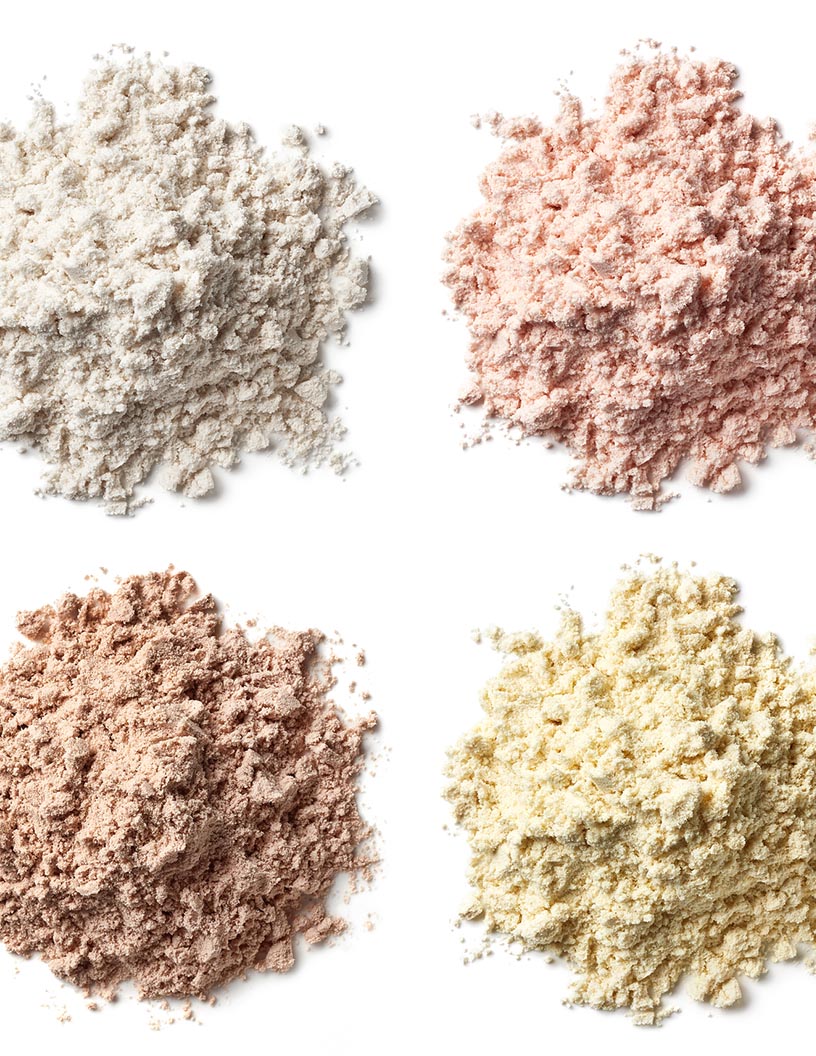


Dextrin Market Size 2024-2028
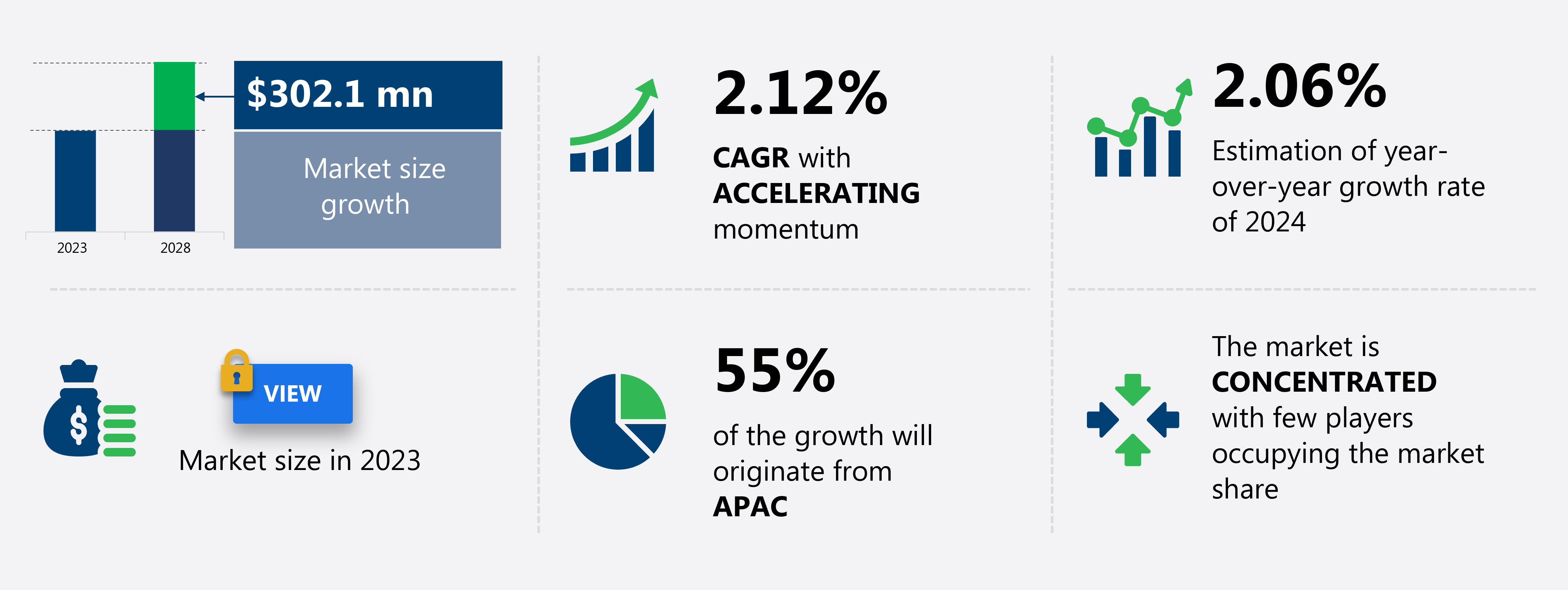
The dextrin market size is forecast to increase by USD 302.1 billion at a CAGR of 2.12% between 2023 and 2028.
- In the global market, the demand for dextrin is witnessing significant growth due to its applications in various industries. In the healthcare domain, the increasing number of obese people and the subsequent rise in the production of medicines require dextrin as a binding agent and emulsifier. In the cosmetic sector, dextrin's film-forming capacity makes it an ideal choice for manufacturing high-quality skincare and makeup products. Furthermore, dextrin's use as a thickener and food finishing product in the food industry is contributing to its market expansion. Additionally, specialty industries such as paper, textile, and adhesives are also utilizing dextrin for its textile coating, stiffness, and weight enhancement properties. The growing trend towards chemical-free products is also fueling the demand for dextrin as a natural alternative to synthetic additives. Overall, the market is expected to grow steadily due to these factors and the rising demand from various end-use industries.
What will be the Size of the Market During the Forecast Period?
- Dextrin, a type of polysaccharide derived from starch, has gained significant attention in the health and wellness industry due to its numerous health benefits. This content provides an in-depth analysis of the market, focusing on its production, applications, and market dynamics. Production and Applications: Dextrin is produced through the hydrolysis of starch, resulting in various forms such as white dextrin and yellow dextrin. The powdered form of dextrin, including wheat-based dextrin, is widely used in various industries, including food and beverage, pharmaceuticals, and cosmetics. In the food industry, dextrin is used as a thickening agent, stabilizer, and sweetener in various applications, including alcohol-free beer, sugar-free foods, and calorie-free beverages. In the pharmaceutical industry, dextrin is used in the production of dextrin probiotic supplements, which aid in immune function, digestive health, and the reduction of bad cholesterol levels. Market Dynamics: the market is driven by several factors, including the increasing awareness of health and wellness, the growing demand for natural ingredients, and the rising prevalence of chronic diseases such as heart disease and diabetes.
- Moreover, the market is also influenced by various trends, such as the preference for calorie-free and zero sugar products, and the increasing demand for functional foods and beverages. Health Benefits: Dextrin has several health benefits, including the ability to improve mineral absorption, regulate blood sugar levels, and support immune function. It also has potential applications in the treatment of vaginal and urinary tract infections. Additionally, dextrin has been shown to have a positive impact on triglyceride levels, making it an attractive ingredient for functional foods and beverages. Conclusion: the market is expected to grow significantly in the coming years, driven by the increasing demand for natural ingredients, functional foods, and beverages, and the growing awareness of health and wellness. The versatility of dextrin, its various forms, and its numerous health benefits make it an attractive ingredient for various industries, including food and beverage, pharmaceuticals, and cosmetics. As research continues to uncover new applications and health benefits of dextrin, its market potential is expected to expand further.
How is this market segmented and which is the largest segment?
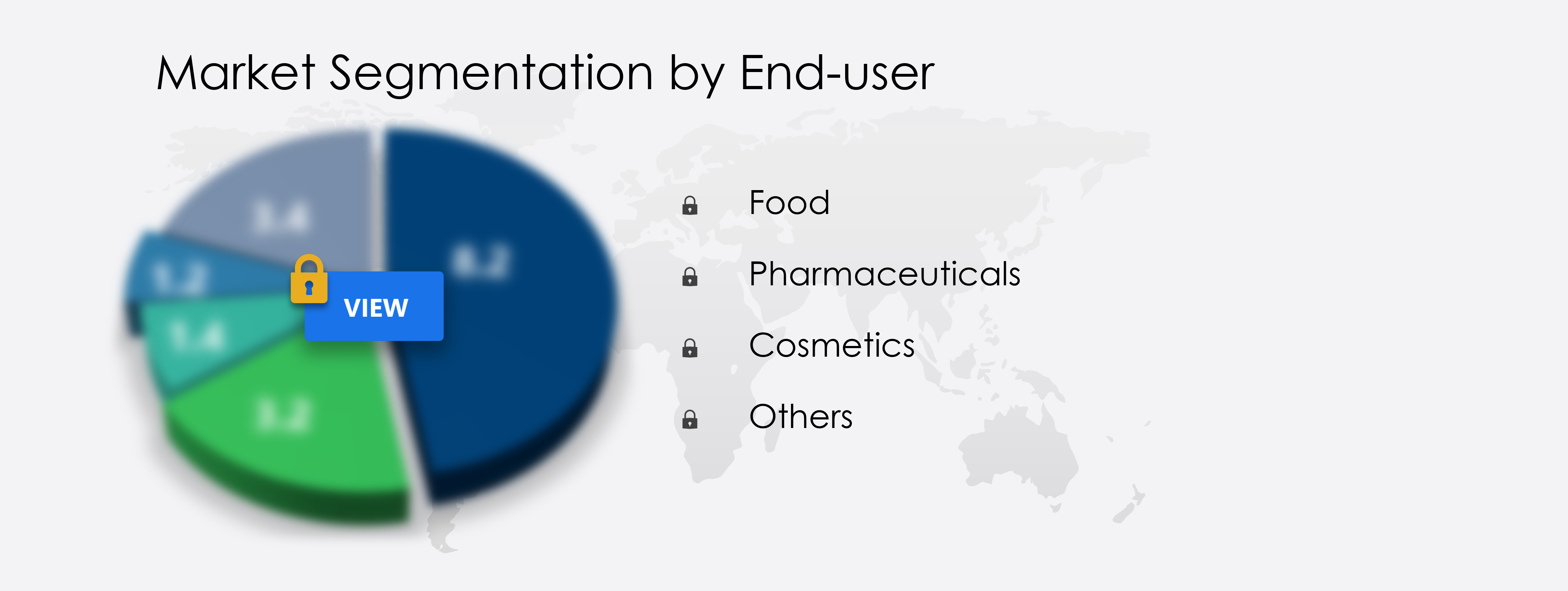
The market research report provides comprehensive data (region-wise segment analysis), with forecasts and estimates in "USD million" for the period 2024-2028, as well as historical data from 2018-2022 for the following segments.
- End-user
- Food
- Pharmaceuticals
- Cosmetics
- Others
- Geography
- APAC
- China
- Japan
- Europe
- Germany
- UK
- North America
- US
- South America
- Middle East and Africa
- APAC
By End-user Insights
- The food segment is estimated to witness significant growth during the forecast period.
Dextrin is a carbohydrate derived from the hydrolysis of starch and glycogen. In the healthcare domain, dextrin is utilized in various applications due to its filmforming capacity. In the cosmetic sector, it functions as a texturizer and thickener in lotions and creams. In specialty industries, dextrin serves as a binding agent and emulsifier in medicines. Moreover, dextrin is employed as a textile coating to enhance stiffness and the weight of textile. It is also a popular food finishing product, providing thickness and stability to various food items. Notably, dextrin is a chemical-free alternative to synthetic thickeners, making it a preferred choice in numerous industries.
Wheat dextrin, a specific type of dextrin, is extensively used in the food industry as a thickener, emulsifier, and extender. It is a rich source of fiber, particularly soluble fiber, which offers numerous health benefits. Consuming a diet rich in fiber can lead to weight loss, improved skin health, higher bone density, and lower cholesterol levels. Additionally, it promotes regular bowel movements and enhances nutrient absorption in the body. In summary, dextrin, particularly wheat dextrin, is a versatile carbohydrate with a wide range of applications in various industries, including food, cosmetics, and healthcare. Its ability to function as a thickener, emulsifier, and binding agent makes it an essential ingredient in numerous products.
Furthermore, its health benefits, such as weight loss and improved nutrient absorption, make it a preferred choice for consumers seeking natural and chemical-free alternatives.
Get a glance at the market report of share of various segments Request Free Sample
Regional Analysis
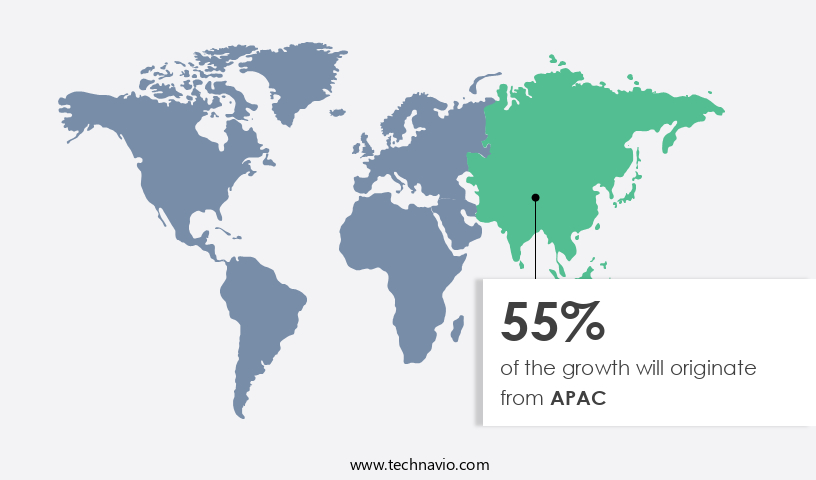
- APAC is estimated to contribute 55% to the growth of the global market during the forecast period.
Technavio's analysts have elaborately explained the regional trends and drivers that shape the market during the forecast period.
For more insights on the market share of various regions Request Free Sample
The market in APAC is experiencing significant growth due to the expansion of various end-use industries, including food and beverage, pharmaceuticals, cosmetics, paper, and textiles. The increasing preference for calorie-free, zero sugar, and alcohol-free beer, as well as shelf-stable foods, has boosted the demand for dextrin in the region. In developing countries like China and India, the improvement of economic conditions and rising disposable income levels have led to a surge in the consumption of packaged and processed foods. Furthermore, APAC's pharmaceutical sector is undergoing rapid growth, making it a stronghold for drug manufacturers, particularly in countries such as India, China, and Japan. Dextrin, a low molecular carbohydrate, is colorless, odorless, and tasteless, making it an ideal ingredient for various applications in these industries. Tate & Lyle, a leading supplier of specialty food ingredients, is one of the major players in the market.
Market Dynamics
Our researchers analyzed the data with 2023 as the base year, along with the key drivers, trends, and challenges. A holistic analysis of drivers will help companies refine their marketing strategies to gain a competitive advantage.
What are the key market drivers leading to the rise in the adoption of the Dextrin Market?
The growing global pharmaceutical industry is the key driver of the market.
- Dextrin, a low molecular carbohydrate derived from the hydrolysis of unmodified or modified starches, plays a significant role in various industries, including healthcare, food, and textile. In the healthcare domain, dextrin is utilized as a suspension agent and binder in tablet formulations, an adhesive and stiffening agent in surgical dressings, and a diluent in tablet and capsule formulations. It serves as a plasticizer and adhesive in sugar coating and functions as a thickening agent in pharmaceutical suspensions. The pharmaceutical industry, which comprises prescription and over-the-counter drugs, is anticipated to experience considerable expansion during the forecast period, driving the demand for dextrin.
- Factors contributing to market growth include the increasing geriatric population and new product launches by pharmaceutical manufacturers. Beyond pharmaceuticals, dextrin finds applications in food processing as a thickener, food finishing product, and emulsifier. In the cosmetic sector, it is used as a filmforming capacity agent and in textile industries as a coating and textile sizing agent. Dextrin is also used in specialty industries, such as paper, textile, and adhesives, as a tackifier, stiffness enhancer, and for faster-drying properties. It is available in various forms, including white dextrin, yellow dextrin, and dry distemper, and is derived from wheat-based dextrin, tapioca, rice, potatoes, and other non-wheat sources. However, potential side effects, such as gastrointestinal discomfort, may limit market growth.
What are the market trends shaping the Dextrin Market?
Rising demand from the gluten-free food segment is the upcoming trend in the market.
- Dextrin, a type of polysaccharide, is derived from unmodified or modified starches, including wheat-based dextrin and indigestible dextrin. This low molecular carbohydrate is odorless, tasteless, and colorless, making it an ideal thickener, emulsifier, and binding agent in various industries. In the healthcare domain, dextrin is used in medicines, particularly in the production of dextrin probiotic supplements, which support human microbiome health and improve immune function. It also plays a role in the treatment of vaginal and urinary tract infections. In the food industry, dextrin is used as a food additive, thickener, and food finishing product. It is also used in the production of shelf-stable foods and alcohol-free beer.
-
In the cosmetic sector, dextrin is used for its filmforming capacity and faster-drying properties in textile coating, adhesives, and coatings. Dextrin is also derived from non-wheat sources like tapioca, rice, and potatoes, making it suitable for the production of gluten-free food. The consumption of gluten-free food is on the rise due to the increasing awareness of celiac disease and its associated digestive health issues. Moreover, dextrin has health benefits, including improved triglyceride levels, reduced risk of heart diseases, and better mineral absorption. However, it is essential to note that excessive consumption of dextrin may lead to side effects, such as bloating, diarrhea, and flatulence.
What challenges does the Dextrin Market face during the growth?
Growing demand for fresh foods is a key challenge affecting the market growth.
-
The market encompasses a wide range of applications in various industries, including the healthcare domain, food and beverage, cosmetics, and specialty industries. Dextrin, a water-soluble polysaccharide derived from unmodified or modified starches, is gaining popularity due to its unique properties, such as filmforming capacity, faster-drying properties, and thickener functionality. In the healthcare sector, dextrin is used as a binding agent, emulsifier, and textile coating in medicines, adhesives, and coatings. It is also used as a prebiotic and fiber source in food processing, particularly in the production of fiber-rich, nutritional, and functional foods for human and animal consumption. In the food industry, dextrin is used as a thickener, food finishing product, and stabilizer in various food applications such as sauces, baked goods, and beverages.
-
However, it is also used in the production of calorie-free, zero sugar, and low molecular carbohydrate food additives, including maltodextrin, cyclodextrin, and amylodextrin. In the cosmetic sector, dextrin is used in the production of vaginal and urinary tract infection treatments, as well as in the manufacture of cosmetic products such as lotions, creams, and gels. Dextrin is also used in the textile industry as a size press agent, textile coating, and textile sizing agent, providing benefits such as improved stiffness, weight, and tack. It is also used in the production of paper, including dry distemper and calendar stack, and in the manufacture of bag, envelope seams, and machinability agents.
Exclusive Customer Landscape
The market forecasting report includes the adoption lifecycle of the market, covering from the innovator's stage to the laggard's stage. It focuses on adoption rates in different regions based on penetration. Furthermore, the market report also includes key purchase criteria and drivers of price sensitivity to help companies evaluate and develop their market growth analysis strategies.
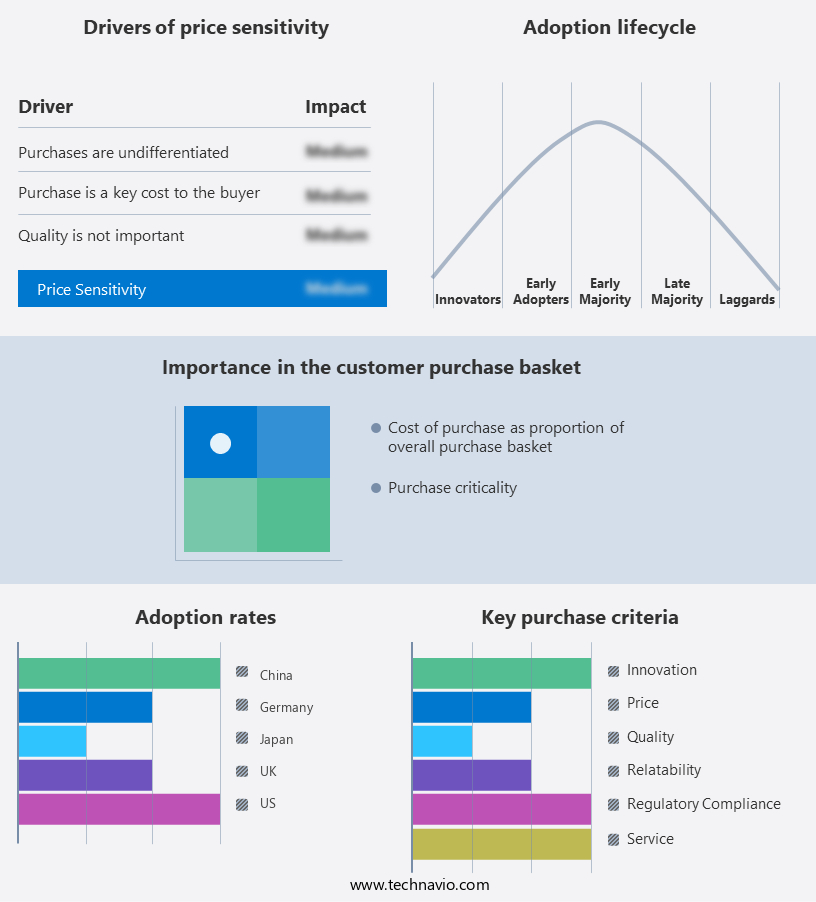
Customer Landscape
Key Companies & Market Insights
Companies are implementing various strategies, such as strategic alliances, market forecast , partnerships, mergers and acquisitions, geographical expansion, and product/service launches, to enhance their presence in the market.
The market research and growth report includes detailed analyses of the competitive landscape of the market and information about key companies, including:
- Cargill Inc.
- Emsland Starke GmbH
- GlaxoSmithKline Plc
- Ingredion Inc.
- Meelunie BV
- Oxygen Essentials For Life
- Parchem Fine and Specialty Chemicals Inc.
- Roquette Freres SA
- Royal Avebe
- Sanstar Bio Polymers Ltd.
- Sunar Misir Entegre Tesisleri San. ve Tic. A.S.
- Tate and Lyle PLC
- Visco Starch
Qualitative and quantitative analysis of companies has been conducted to help clients understand the wider business environment as well as the strengths and weaknesses of key market players. Data is qualitatively analyzed to categorize companies as pure play, category-focused, industry-focused, and diversified; it is quantitatively analyzed to categorize companies as dominant, leading, strong, tentative, and weak.
Research Analyst Overview
Dextrin, a type of indigestible carbohydrate, plays a crucial role in various industries and health applications. Derived from unmodified or modified starches, this low molecular carbohydrate comes in powdered form, including wheat-based dextrin. Dextrin interacts with the human microbiome and intestinal microflora, contributing to immune function and potential benefits for heart health. In the healthcare domain, dextrin is used in medicines as a binding agent, emulsifier, and thickener. It aids in the absorption of minerals and helps lower bad cholesterol levels. Dextrin's filmforming capacity is also beneficial in cosmetic sector applications, such as vaginal and urinary tract infection treatments.
Moreover, the food and beverage industries utilize dextrin as a calorie-free, zero sugar thickener and food finishing product. It's also used in the production of shelf-stable foods and as a hydrolysis product in starch and glycogen. Dextrin's versatility extends to the textile industry, where it's used as a coating for improving stiffness, weight, and tack. It's also employed in adhesives, coatings, and textile sizing. In the paper industry, dextrin is used for its faster-drying properties and as a size press additive. Natural sources of dextrin include tapioca, rice, and potatoes, making it a gluten-free alternative.
Similarly, dextrin's applications span across various industries, from specialty industries like film and paper to small and medium-sized manufacturing. Its use in the cosmetic sector, food processing, and pharmaceutical industries contributes to its growing market analysis. While dextrin offers numerous benefits, it's essential to consider potential side effects and interactions with other medications. Always consult a healthcare professional for advice regarding dextrin use.
|
Market Scope |
|
|
Report Coverage |
Details |
|
Page number |
141 |
|
Base year |
2023 |
|
Historic period |
2018-2022 |
|
Forecast period |
2024-2028 |
|
Growth momentum & CAGR |
Accelerate at a CAGR of 2.12% |
|
Market growth 2024-2028 |
USD 302.1 million |
|
Market structure |
Concentrated |
|
YoY growth 2023-2024(%) |
2.06 |
|
Key countries |
US, China, Germany, Japan, and UK |
|
Competitive landscape |
Leading Companies, Market Positioning of Companies, Competitive Strategies, and Industry Risks |
What are the Key Data Covered in this Market Research and Growth Report?
- CAGR of the market during the forecast period
- Detailed information on factors that will drive the market growth and forecasting between 2024 and 2028
- Precise estimation of the size of the market and its contribution of the market in focus to the parent market
- Accurate predictions about upcoming market growth and trends and changes in consumer behaviour
- Growth of the market across APAC, Europe, North America, South America, and Middle East and Africa
- Thorough analysis of the market's competitive landscape and detailed information about companies
- Comprehensive analysis of factors that will challenge the growth of market companies
We can help! Our analysts can customize this market research report to meet your requirements. Get in touch
 RIA -
RIA - 
