



Europe Digital Educational Publishing Market Size 2025-2029
The Europe digital educational publishing market size is forecast to increase by USD 5.85 billion, at a CAGR of 17.3% between 2024 and 2029.
- The market is experiencing significant growth due to several key trends. Innovative marketing strategies by publishers of digital education content are driving market expansion. The increasing popularity of connected learning, which integrates technology into traditional educational methods, is another major growth factor. The availability of an abundance of open-source educational material online is also contributing to the market's growth. Additionally, the integration of technology such as laptops, tablets, smartphones, and augmented reality (AR) into education is transforming the learning experience.
- Furthermore, online education platforms, massive open online courses (MOOCs), and software featuring gamification, artificial intelligence (AI), and machine learning are gaining traction in both K-12 and higher education sectors. Professional development opportunities for educators and the availability of educational content in various formats, including e-books, podcasts, and videos, are also fueling market growth. LED displays and furniture designed for digital learning environments are also emerging trends in the market. Overall, the market is poised for continued growth as technology continues to revolutionize the educational landscape.
What will be the Size of the market during the Forecast Period?
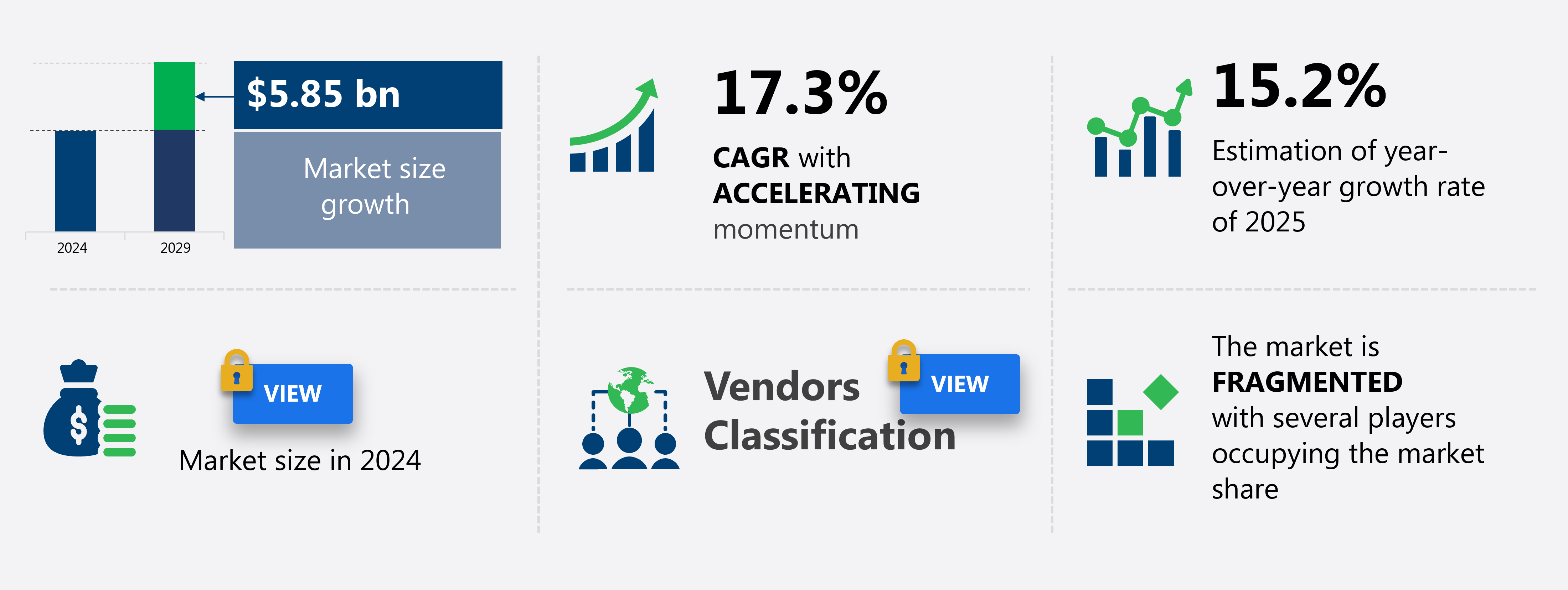
- The market, a segment of the broader digital media industry, continues to experience strong growth as technology increasingly permeates the education sector. This market encompasses various formats such as e-books, online courses, videos and podcasts, and innovative technologies like augmented reality (AR). Driven by the proliferation of smart technology, including laptops, tablets, and smartphones, the market caters to a diverse clientele, including K-12 students, professors, individuals, enterprises, and academic institutions.
- Digital education companies leverage software solutions to deliver self-paced and instructor-led learning experiences, challenging the traditional education system. However, regulatory hurdles, such as accreditation criteria and licensing processes, necessitate careful navigation for market entrants, including startups. Overall, the market's size and direction reflect a dynamic and expanding landscape, with digital media increasingly becoming the preferred medium for education and learning.
How is this market segmented and which is the largest segment?
The market research report provides comprehensive data (region-wise segment analysis), with forecasts and estimates in "USD billion" for the period 2025-2029, as well as historical data from 2019-2023 for the following segments.
- Product
- Digital textbooks
- Digital assessment books
- Others
- End-user
- K-12
- Higher education
- Corporate and skill-based
- Geography
- Europe
- Germany
- UK
- Sweden
- Europe
By Product Insights
- The digital textbooks segment is estimated to witness significant growth during the forecast period.
The market encompasses the production and distribution of e-books, online courses, videos, podcasts, and other digital media for use in K-12, higher education, and corporate learning. Digital textbooks, a key component of this market, offer cost savings compared to traditional printed textbooks, making them increasingly popular. According to recent studies, the cost of printed textbooks in Europe has risen more than healthcare services, new homes, and the general consumer price index. Innovations such as augmented reality (AR) and smart technology, including laptops, smartphones, and tablets, are driving the market's growth. Digital education companies provide self-paced and instructor-led learning opportunities, while online education portals facilitate culture exchange and convergence through transnational cooperation.
The market is further driven by the adoption of high-speed internet and advanced technology, which enhances learner engagement and access to study materials. However, regulatory hurdles, such as accreditation criteria and licensing processes, pose challenges for online education providers. The market caters to learners, professionals, lifelong learners, and enterprises, offering upskilling and reskilling opportunities, certification preparation, and skill assessment. Generative AI is a promising technology that can personalize learning and improve the overall educational experience.
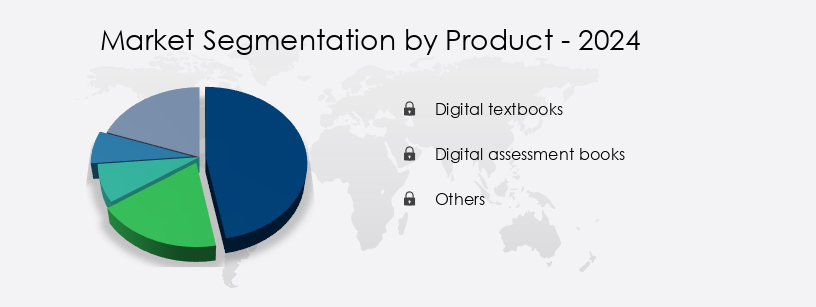
Get a glance at the market report of share of various segments Request Free Sample
Market Dynamics
Our Europe Digital Educational Publishing Market researchers analyzed the data with 2024 as the base year, along with the key drivers, trends, and challenges. A holistic analysis of drivers will help companies refine their marketing strategies to gain a competitive advantage.
What are the key market drivers leading to the rise in adoption of the Europe Digital Educational Publishing Market?
Innovative marketing strategies by digital education content publishers are the key driver of the market.
- Digital educational publishing is experiencing significant growth as major players, including Cengage Learning Inc. And Bertelsmann SE and Co. KGaA, adopt innovative marketing strategies to promote digital textbooks and course materials. These publishers are eliminating the need for physical textbooks by offering digital alternatives, which enhance the effectiveness of learning materials. For instance, The digital media landscape in education is evolving, with the use of laptops, e-books, online learning, videos, and podcasts becoming increasingly popular.
- Professors are leveraging smart technology, including augmented reality (AR), smartphones, tablets, and mobile devices, to deliver engaging content. The K-12 segment is also embracing digital education, with enterprises and academic institutions following suit. Startups are entering the market, offering self-paced and instructor-led learning programs, certifications, and skill assessments through online education portals. Digital education companies are addressing the needs of learners, professionals, and lifelong learners by providing upskilling and reskilling opportunities, improving employability, and fostering personal growth. Despite the advantages of digital education, regulatory hurdles, accreditation criteria, and licensing processes pose challenges for online education providers.
- High-speed internet and advanced technology are essential for learner engagement, while instructors and study materials remain crucial components of the learning experience. Generative AI is revolutionizing digital education by providing certification preparation, skill assessment, and culture exchange through online education portals. Transnational cooperation and culture convergence are fostering a global learning community, allowing professionals and individuals to access courses, programs, and certifications from anywhere in the world.
What are the market trends shaping the Europe Digital Educational Publishing Market?
Growing prominence of connected learning is the upcoming trend In the market.
- The market is transforming the educational landscape by integrating digital media, such as e-books, videos, and podcasts, into the learning process. This shift is not limited to laptops but extends to smartphone devices and tablets. Digital education companies are leveraging advanced technology, including augmented reality (AR), to create learning experiences. The K-12 segment is a significant market, with smart technology enabling self-paced and instructor-led learning. Digital media facilitates learner engagement, providing study materials anytime, anywhere. Professors can create and distribute content, assess skills, and provide certification preparation and assessment. Enterprises and academic institutions are adopting digital education to upskill and reskill their workforce, enhancing employability and personal growth.
- Online education portals offer culture exchange and convergence, enabling transnational cooperation and fostering a global learning community. Generative AI assists in creating personalized courses, programs, and certifications, catering to the diverse needs of professionals and lifelong learners. However, regulatory hurdles, such as accreditation criteria and licensing processes, pose challenges for online education providers. High-speed internet and advanced technology are essential for effective online education, making access a critical factor. Despite these challenges, the market's potential for learner engagement, instructor interaction, and cost savings make it an attractive alternative to the traditional education system.
What challenges does the Europe Digital Educational Publishing Market face during the growth?
High availability of open-source material is a key challenge affecting market growth.
- The market is experiencing significant disruption from open-source learning platforms and MOOCs, which offer free educational content via laptops, smartphones, and tablets. These platforms, such as EdX and Coursera, enable learners to access flexible and self-paced courses, with some offering certifications for a fee. The popularity of MOOCs is escalating due to their comprehensive and dynamic curricula, providing an alternative or supplement to traditional academic institutions. Digital media, including e-books, videos, and podcasts, are increasingly being adopted for instruction, while augmented reality (AR) technology enhances learning experiences. Digital education companies are leveraging software to cater to enterprises, individuals, and academic institutions, offering instructor-led and self-paced learning programs, certifications, and skill assessments.
- Despite regulatory hurdles, such as accreditation criteria and licensing processes, online education providers are attracting learners from various industries for upskilling and reskilling. High-speed internet and advanced technology are essential for learner engagement and instructor interaction, fostering a culture exchange and convergence in transnational cooperation. Professionals and lifelong learners are prioritizing employability and personal growth through accessible, affordable, and flexible digital educational opportunities.
Exclusive Customer Landscape
The market forecasting report includes the adoption lifecycle of the market, covering from the innovator's stage to the laggard's stage. It focuses on adoption rates in different regions based on penetration. Furthermore, the market report also includes key purchase criteria and drivers of price sensitivity to help companies evaluate and develop their market growth analysis strategies.
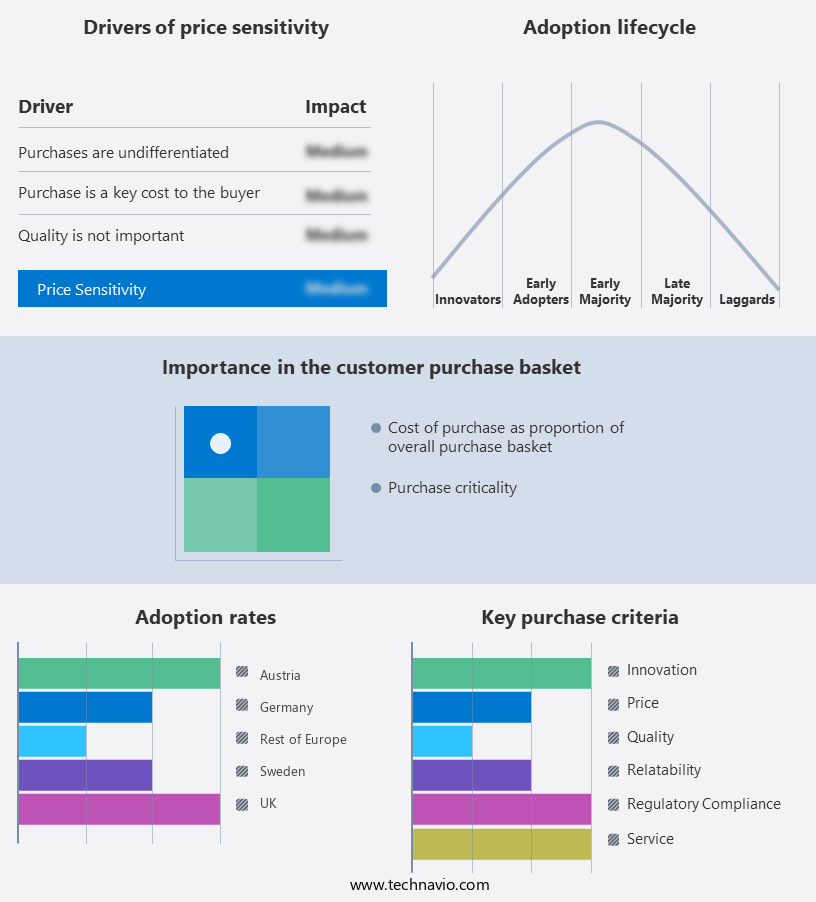
Customer Landscape
Key Companies & Market Insights
Companies are implementing various strategies, such as strategic alliances, market forecast, partnerships, mergers and acquisitions, geographical expansion, and product/service launches, to enhance their presence in the market.
Bertelsmann SE and Co. KGaA - The company offers digital educational publishing solutions such as education and workforce management solutions, the groups companies focus on the healthcare sector, in particular education and training, and deliver innovative ways of teaching and learning for students and professionals, and performance management solutions for organizations.
The market research and growth report includes detailed analyses of the competitive landscape of the market and information about key companies, including:
- Ashwell Publishing Ltd.
- Cambridge University Press
- Cengage Learning Inc.
- Georg von Holtzbrinck GmbH and Co. KG
- Hachette Book Group Inc.
- Haremi Ltd.
- Klett Gruppe
- Learnetic SA
- Mare Nostrum Group
- McGraw Hill LLC
- Pearson Plc
- Pendragon Educational Publishers
- Sanoma Corp.
- Springer Verlag GmbH
- Straive
- Thomson Reuters Corp.
- University of Oxford
- Westchester Publishing Services
- Westermann GmbH and Co.KG
Qualitative and quantitative analysis of companies has been conducted to help clients understand the wider business environment as well as the strengths and weaknesses of key market players. Data is qualitatively analyzed to categorize companies as pure play, category-focused, industry-focused, and diversified; it is quantitatively analyzed to categorize companies as dominant, leading, strong, tentative, and weak.
Research Analyst Overview
The market continues to evolve as technology advances and the demand for flexible, accessible learning solutions grows. This sector encompasses various digital media formats, including e-books, videos and podcasts, which cater to diverse learning styles and preferences. Professors and academic institutions increasingly rely on digital media to supplement traditional classroom instruction. Augmented reality (AR) technology, for instance, offers good learning experiences, enhancing the educational value of textbooks and other study materials. Smart technology, such as laptops, tablets, and smartphones, has become an integral part of the educational landscape. The K-12 segment and higher education institutions have adopted these devices to facilitate self-paced learning and instructor-led sessions.
Further, startups and established digital education companies have emerged, offering innovative software solutions to cater to the evolving needs of learners and enterprises. These companies provide online education portals, certification preparation, skill assessment, and upskilling and reskilling programs. The workforce is undergoing significant changes, with employers increasingly seeking employees with the latest skills and knowledge. Digital education plays a crucial role in this transformation, enabling professionals and lifelong learners to adapt and grow. The regulatory landscape for digital education is complex, with accreditation criteria and licensing processes varying across jurisdictions. Online education providers must navigate these hurdles to ensure their offerings meet the highest standards and maintain learner engagement.
In addition, the convergence of cultures in the market is another significant trend. This convergence enables learners from diverse backgrounds to access a wealth of knowledge and engage in transnational cooperation. The use of high-speed internet and advanced technology has democratized education, making it more accessible to individuals worldwide. Digital education offers numerous benefits, including flexibility, affordability, and the ability to learn at one's own pace.
|
Market Scope |
|
|
Report Coverage |
Details |
|
Page number |
178 |
|
Base year |
2024 |
|
Historic period |
2019-2023 |
|
Forecast period |
2025-2029 |
|
Growth momentum & CAGR |
Accelerate at a CAGR of 17.3% |
|
Market growth 2025-2029 |
USD 5.85 billion |
|
Market structure |
Fragmented |
|
YoY growth 2024-2025(%) |
15.2 |
|
Key countries |
UK, Germany, Sweden, Austria, and Rest of Europe |
|
Competitive landscape |
Leading Companies, Market Positioning of Companies, Competitive Strategies, and Industry Risks |
What are the Key Data Covered in this Market Research and Growth Report?
- CAGR of the market during the forecast period
- Detailed information on factors that will drive the market growth and forecasting between 2025 and 2029
- Precise estimation of the size of the market and its contribution of the market in focus to the parent market
- Accurate predictions about upcoming market growth and trends and changes in consumer behaviour
- Growth of the market across Europe
- Thorough analysis of the market's competitive landscape and detailed information about companies
- Comprehensive analysis of factors that will challenge the growth of market companies
We can help! Our analysts can customize this market research report to meet your requirements.
 RIA -
RIA - 
