



Fitness App Market Size 2026-2030
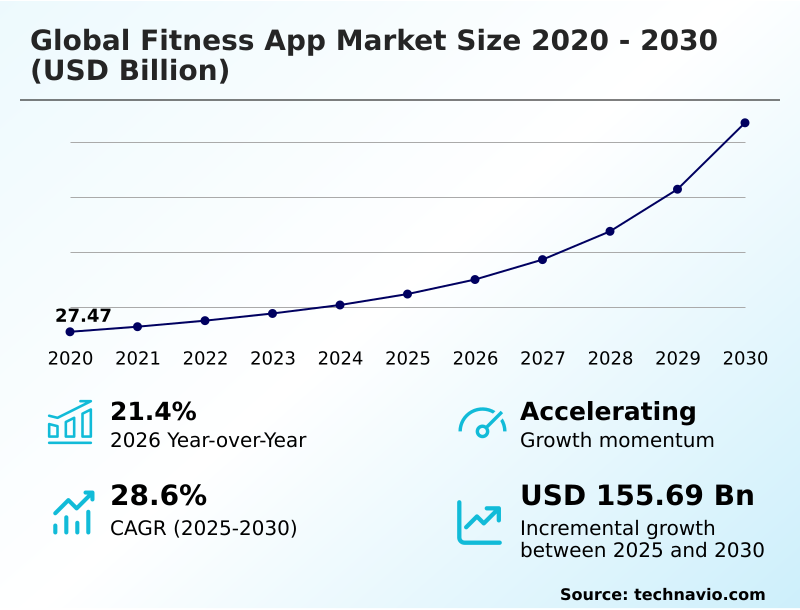
The fitness app market size is valued to increase by USD 155.69 billion, at a CAGR of 28.6% from 2025 to 2030. Institutionalization of AI and predictive health analytics will drive the fitness app market.
Major Market Trends & Insights
- APAC dominated the market and accounted for a 30.5% growth during the forecast period.
- By Gender - Female segment was valued at USD 30.16 billion in 2024
- By Application - Lifestyle monitoring segment accounted for the largest market revenue share in 2024
Market Size & Forecast
- Market Opportunities: USD 189.99 billion
- Market Future Opportunities: USD 155.69 billion
- CAGR from 2025 to 2030 : 28.6%
Market Summary
- The fitness app market is undergoing a profound evolution, moving beyond simple activity logging to become a central component of digital health ecosystems. This transition is driven by the institutionalization of AI-driven coaching and predictive health analytics, which offer users hyper-personalized training and wellness guidance.
- The integration with an expanding array of wearable sensors allows for sophisticated biometric data analysis, tracking metrics like heart rate variability and sleep quality to deliver actionable insights.
- For instance, corporations are increasingly adopting these platforms for their wellness programs, using aggregated, anonymized data to measure the ROI of their health initiatives by correlating app engagement with reduced absenteeism, demonstrating a tangible business case.
- However, this data-rich environment creates challenges related to user attrition and the critical need for robust data privacy, pushing developers to innovate on engagement and security. The market's future hinges on creating a seamless, valuable, and trustworthy cross-device user experience that integrates into both personal and professional life.
What will be the Size of the Fitness App Market during the forecast period?
Get Key Insights on Market Forecast (PDF) Get Free Sample
How is the Fitness App Market Segmented?
The fitness app industry research report provides comprehensive data (region-wise segment analysis), with forecasts and estimates in "USD million" for the period 2026-2030, as well as historical data from 2020-2024 for the following segments.
- Gender
- Female
- Male
- Application
- Lifestyle monitoring
- Health monitoring
- Others
- Platform
- iOS
- Android
- Geography
- North America
- US
- Canada
- Mexico
- APAC
- China
- India
- Japan
- Europe
- Germany
- UK
- France
- South America
- Brazil
- Argentina
- Middle East and Africa
- Saudi Arabia
- UAE
- South Africa
- Rest of World (ROW)
- North America
By Gender Insights
The female segment is estimated to witness significant growth during the forecast period.
The female segment shows high engagement with holistic wellness platforms and community-driven fitness, prioritizing diverse exercise modalities and specialized health tracking.
These users leverage mobile software applications for specific life stages, driving demand for at-home exercise programming that integrates mental health and social connectivity.
Consequently, platforms that deliver a guided, progressive fitness journey through personalized workout algorithms and biometric feedback systems see higher adoption.
The integration of gamification architecture has been shown to increase daily active user rates by nearly 30%, demonstrating a clear path to improving retention within this demographic.
This reflects a broader trend where data-driven coaching and habit-formation engines are essential for sustained engagement, moving beyond basic workout libraries to offer a comprehensive digital fitness transformation.
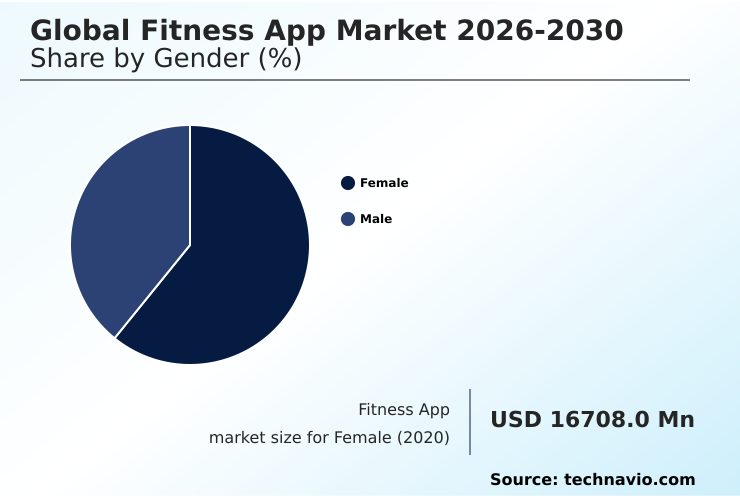
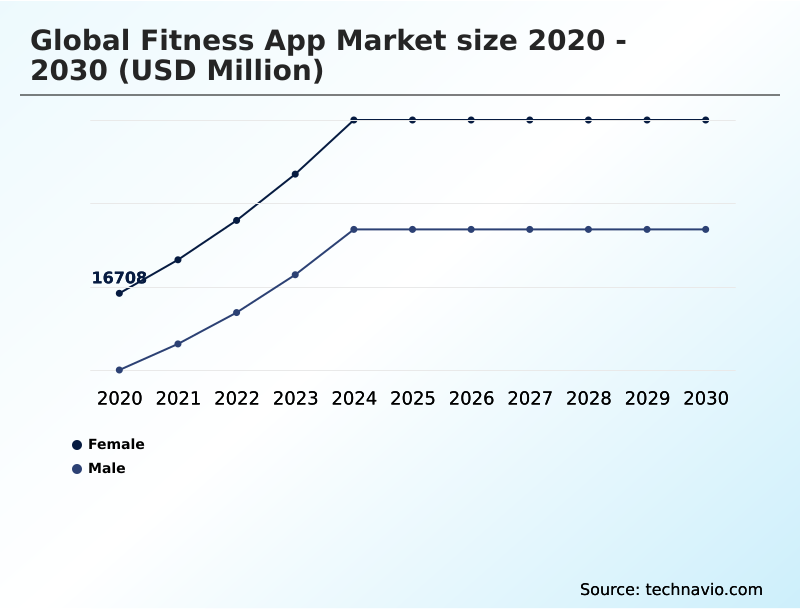
The Female segment was valued at USD 30.16 billion in 2024 and showed a gradual increase during the forecast period.
Regional Analysis
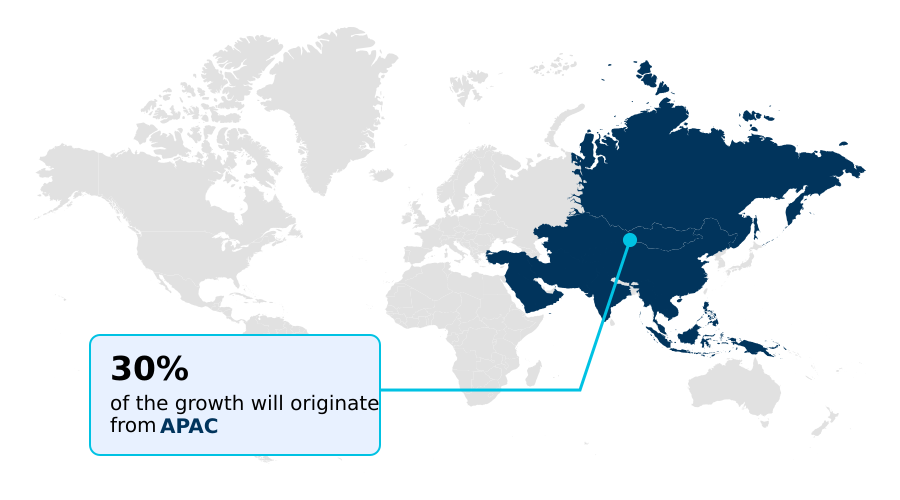
APAC is estimated to contribute 30.5% to the growth of the global market during the forecast period.Technavio’s analysts have elaborately explained the regional trends and drivers that shape the market during the forecast period.
See How Fitness App Market Demand is Rising in APAC Get Free Sample
The geographic landscape is dynamic, with APAC emerging as the fastest-growing region, contributing approximately 30.5% of the market's incremental growth, driven by rapid smartphone adoption and a rising middle class.
This contrasts with North America, which remains a primary revenue generator and presents a 30.36% market opportunity, characterized by high adoption of premium subscription-based fitness models and connected fitness ecosystems.
In Europe, stringent data privacy regulations influence the development of digital therapeutics frameworks. These mature markets are seeing a rise in remote coaching models and virtual running clubs.
The development of AI-powered health platforms and software-only biometric analysis is crucial for penetrating emerging economies, where localized content and affordable freemium business models are key to capturing market share and building sustainable user bases.
Market Dynamics
Our researchers analyzed the data with 2025 as the base year, along with the key drivers, trends, and challenges. A holistic analysis of drivers will help companies refine their marketing strategies to gain a competitive advantage.
- The evolution of the fitness app market hinges on moving beyond standalone applications toward a deeply integrated, holistic wellness experience. A core strategic focus is overcoming user attrition in mobile fitness, where initial engagement often fails to translate into long-term retention.
- Successfully integrating wearables with fitness apps is a foundational step, but the real challenge lies in resolving interoperability challenges in fitness tech to ensure seamless cross-platform data synchronization. This allows for the collection of rich biometric data for predictive health, which is essential for advanced AI for personalized workout generation.
- Forward-thinking companies are exploring how to build a decentralized fitness metaverse, leveraging gamification strategies for user retention and creating social accountability in apps. The rise of AI coaches versus human trainers highlights a pivotal shift, raising ethical considerations in AI health coaching while offering scalability.
- To achieve commercial success, platforms must perfect their subscription models for fitness content, scale B2B fitness app solutions for corporate wellness programs, and effectively measure the ROI of these initiatives.
- This complex ecosystem, which also incorporates computer vision for real-time feedback and haptic feedback for motivation, requires a sophisticated approach to data privacy in health tracking apps and developing a hybrid fitness business model that caters to diverse user needs.
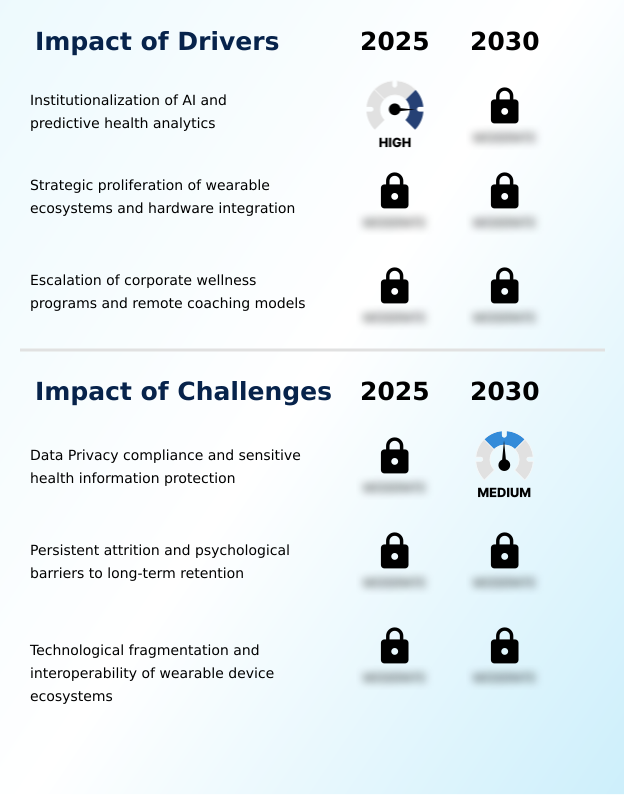
What are the key market drivers leading to the rise in the adoption of Fitness App Industry?
- The institutionalization of AI and the integration of predictive health analytics are key drivers propelling market growth and innovation.
- Growth is primarily fueled by the institutionalization of predictive health analytics and the seamless integration of hardware. The proliferation of wearable ecosystems, where real-time form correction and heart rate variability tracking are standard, anchors user retention.
- This data-driven coaching approach allows platforms to offer tangible, medical-grade value, positioning them as essential preventative healthcare tools.
- Corporate wellness platforms are a significant factor, with enterprise wellness contracts providing stable revenue streams and driving the adoption of B2B fitness solutions. These platforms improve employee productivity by an average of 15% for participating teams.
- The strategic focus on software-only biometric analysis and direct-to-consumer health infrastructure is democratizing access to high-level personal training, making sophisticated health insights available without costly hardware.
What are the market trends shaping the Fitness App Industry?
- The industrialization of generative AI for personalization is a defining market trend. This shift enables hyper-personalized training environments and dynamic user interactions at scale.
- Market trends are coalescing around the industrialization of AI and deep data integration. The shift toward agentic AI coaches and high-fidelity virtual environments is redefining user interaction, with platforms leveraging exercise prescription adjustment for hyper-personalization. This is made possible by continuous glucose monitoring and sleep cycle analysis, enabling a more holistic approach.
- A key development is the move toward decentralized fitness rewards within spatial computing fitness settings, which has been shown to improve engagement by over 25%. This evolution is supported by robust digital health ecosystems and creator economy fitness apps, which are pushing the boundaries of content delivery.
- As a result, the market is transitioning from simple mobile health monitoring to sophisticated, proactive wellness management, where user attrition management becomes a central strategic focus.
What challenges does the Fitness App Industry face during its growth?
- Ensuring compliance with data privacy regulations and protecting sensitive health information represents a key challenge for the industry's growth.
- Key challenges revolve around data security, user retention, and technical fragmentation. Navigating data privacy compliance and protecting sensitive health information is a primary restraint, with non-compliance leading to significant financial penalties that can exceed 4% of global turnover.
- The industry also grapples with persistent user attrition, as the novelty of a new digital interface often fails to translate into long-term habit formation without robust social accountability features. Furthermore, achieving seamless interoperability standards across a fragmented ecosystem of devices is a significant technical hurdle.
- This requires a sophisticated back-end infrastructure, complicating development and increasing costs for platforms aiming to deliver a unified cross-device user experience and maintain a leading position in the digital fitness transformation.
Exclusive Technavio Analysis on Customer Landscape
The fitness app market forecasting report includes the adoption lifecycle of the market, covering from the innovator’s stage to the laggard’s stage. It focuses on adoption rates in different regions based on penetration. Furthermore, the fitness app market report also includes key purchase criteria and drivers of price sensitivity to help companies evaluate and develop their market growth analysis strategies.
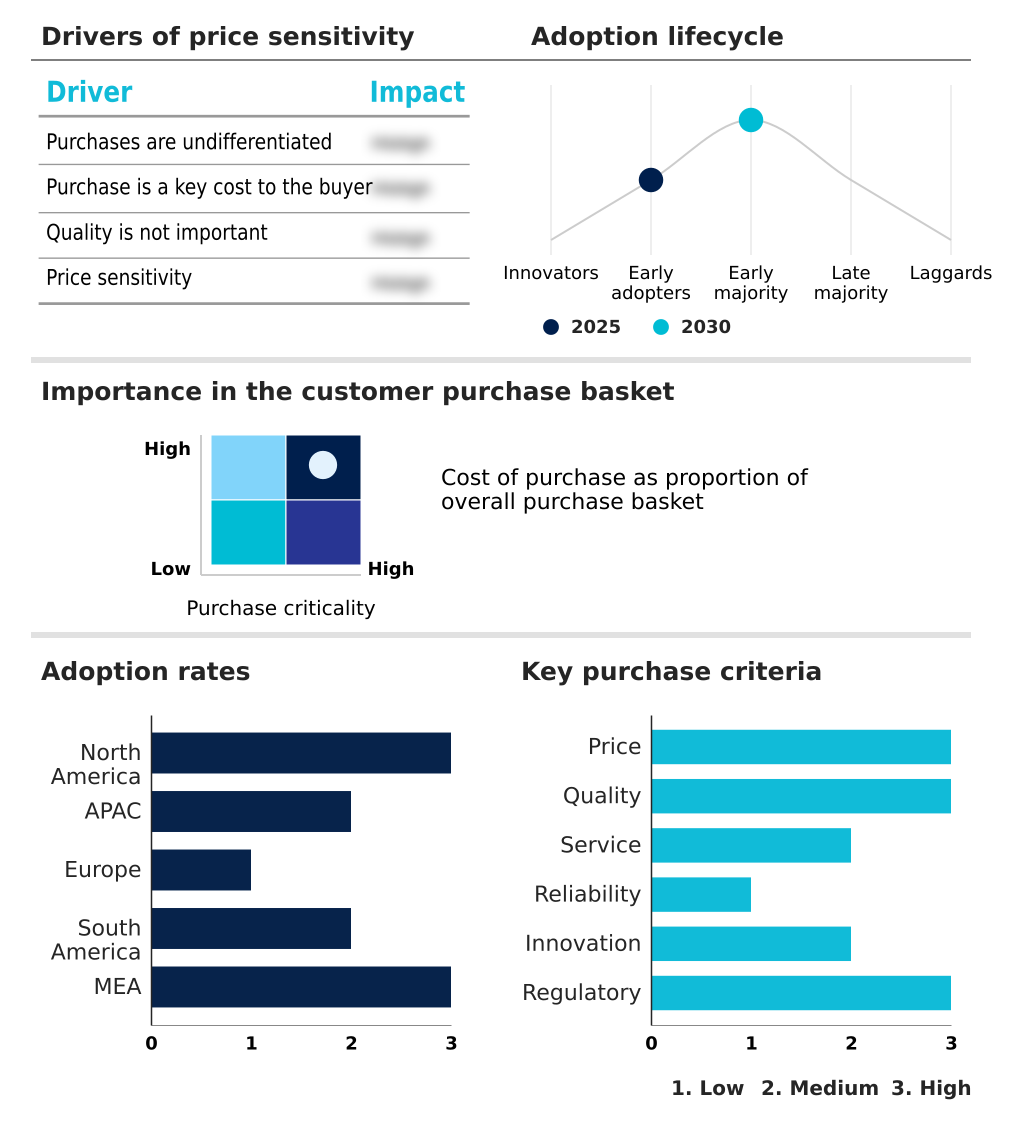
Customer Landscape of Fitness App Industry
Competitive Landscape
Companies are implementing various strategies, such as strategic alliances, fitness app market forecast, partnerships, mergers and acquisitions, geographical expansion, and product/service launches, to enhance their presence in the industry.
Apple Inc. - Delivering integrated digital platforms for personalized health tracking, guided workouts, and AI-driven wellness coaching to enhance user engagement and performance outcomes.
The industry research and growth report includes detailed analyses of the competitive landscape of the market and information about key companies, including:
- Apple Inc.
- BetterMe Ltd.
- Boostcamp
- Centr LLC
- Fitbit LLC
- FitOn Inc.
- Freeletics GmbH
- Future Research Inc.
- Hevy Studios S.L.
- Icon Health and Fitness Inc.
- Jefit Inc.
- Ladder Technologies Inc.
- Myfitnesspal
- Nike Inc.
- Noom Inc.
- Outside Interactive Inc
- Peloton Interactive Inc.
- Strava Inc.
- WHOOP Inc.
- Zwift Inc.
Qualitative and quantitative analysis of companies has been conducted to help clients understand the wider business environment as well as the strengths and weaknesses of key industry players. Data is qualitatively analyzed to categorize companies as pure play, category-focused, industry-focused, and diversified; it is quantitatively analyzed to categorize companies as dominant, leading, strong, tentative, and weak.
Recent Development and News in Fitness app market
- In September 2024, Myfitnesspal announced the acquisition of a nutritional AI startup to enhance its platform's capabilities in providing hyper-personalized meal planning and real-time dietary feedback.
- In November 2024, Mindbody Inc. formed a strategic partnership with a leading ad-tech firm to integrate AI-powered advertising solutions, aiming to deliver personalized promotions without compromising user privacy standards.
- In January 2025, Future Research Inc. successfully closed a Series B funding round, securing significant capital to scale its remote personal training platform and expand its team of elite coaches.
- In April 2025, WHOOP Inc. launched its next-generation proprietary biosensor, which includes advanced capabilities for non-invasive blood pressure monitoring, further strengthening its position in the predictive health analytics space.
Dive into Technavio’s robust research methodology, blending expert interviews, extensive data synthesis, and validated models for unparalleled Fitness App Market insights. See full methodology.
| Market Scope | |
|---|---|
| Page number | 287 |
| Base year | 2025 |
| Historic period | 2020-2024 |
| Forecast period | 2026-2030 |
| Growth momentum & CAGR | Accelerate at a CAGR of 28.6% |
| Market growth 2026-2030 | USD 155692.3 million |
| Market structure | Fragmented |
| YoY growth 2025-2026(%) | 21.4% |
| Key countries | US, Canada, Mexico, China, India, Japan, South Korea, Indonesia, Australia, Germany, UK, France, Italy, Spain, The Netherlands, Brazil, Argentina, Chile, Saudi Arabia, UAE, South Africa, Israel and Turkey |
| Competitive landscape | Leading Companies, Market Positioning of Companies, Competitive Strategies, and Industry Risks |
Research Analyst Overview
- The fitness app market is solidifying its role within the broader digital health infrastructure, driven by automated data synthesis and AI-driven coaching. A key strategic decision for companies is whether to focus on software-centric virtual coaching platforms or pursue deeper cross-platform hardware synchronization with wearable sensor integration.
- The latter approach benefits from an ecosystem where motion model training and biometric data analysis from devices create a high-friction-to-exit environment for users. The use of computer vision for exercise and high-intensity interval training content is now standard. Platforms are differentiating through hyper-personalized training and predictive health insights derived from detailed metabolic tracking and muscular fatigue detection.
- This is achieved via sophisticated personalized workout algorithms that facilitate progressive overload tracking. The successful implementation of gamified social metaverses has been shown to improve user retention by over 30%, proving that a focus on holistic wellness platforms and at-home exercise programming is critical for sustained market relevance.
What are the Key Data Covered in this Fitness App Market Research and Growth Report?
-
What is the expected growth of the Fitness App Market between 2026 and 2030?
-
USD 155.69 billion, at a CAGR of 28.6%
-
-
What segmentation does the market report cover?
-
The report is segmented by Gender (Female, and Male), Application (Lifestyle monitoring, Health monitoring, and Others), Platform (iOS, and Android) and Geography (North America, APAC, Europe, South America, Middle East and Africa)
-
-
Which regions are analyzed in the report?
-
North America, APAC, Europe, South America and Middle East and Africa
-
-
What are the key growth drivers and market challenges?
-
Institutionalization of AI and predictive health analytics, Data Privacy compliance and sensitive health information protection
-
-
Who are the major players in the Fitness App Market?
-
Apple Inc., BetterMe Ltd., Boostcamp, Centr LLC, Fitbit LLC, FitOn Inc., Freeletics GmbH, Future Research Inc., Hevy Studios S.L., Icon Health and Fitness Inc., Jefit Inc., Ladder Technologies Inc., Myfitnesspal, Nike Inc., Noom Inc., Outside Interactive Inc, Peloton Interactive Inc., Strava Inc., WHOOP Inc. and Zwift Inc.
-
Market Research Insights
- Market dynamics are shaped by the dual challenges of user engagement and technological integration. While platforms leverage sophisticated gamification architecture to boost daily active users, with some reporting increases of nearly 30%, the industry still contends with a high rate of user attrition, where up to 80% of new users may disengage within three months.
- This environment forces a focus on creating sticky digital health ecosystems and B2B fitness solutions. The success of direct-to-consumer health infrastructure and corporate wellness platforms demonstrates a shift toward more stable, subscription-based fitness revenue models.
- As interoperability standards improve, the ability to deliver personalized health insights across a fragmented hardware landscape becomes a key competitive differentiator, driving the adoption of consumer-grade fitness apps within broader preventative healthcare tools.
We can help! Our analysts can customize this fitness app market research report to meet your requirements.
 RIA -
RIA - 
