



Gender Reassignment Surgery Market Size 2025-2029
The gender reassignment surgery market size is forecast to increase by USD 374.2 million, at a CAGR of 11.2% between 2024 and 2029.
- The market is experiencing significant growth due to the increasing number of individuals opting for sex change procedures worldwide. This trend is driven by the growing acceptance and recognition of transgender and gender non-conforming individuals, leading to a surge in demand for medical solutions to help them align their physical identity with their gender identity. Advancements in medical technology have also played a crucial role in the market's expansion, enabling surgeons to perform these procedures more safely and effectively than ever before. However, the high cost of gender reassignment surgeries remains a significant challenge for many individuals seeking these procedures.
- Despite this obstacle, the market's potential for growth is substantial, particularly as societal attitudes towards gender identity continue to evolve and more individuals feel empowered to seek out the medical solutions they need to live authentically. Companies operating in this market can capitalize on this trend by offering affordable financing options, partnering with insurance providers, and investing in research and development to further advance surgical techniques and reduce costs.
What will be the Size of the Gender Reassignment Surgery Market during the forecast period?
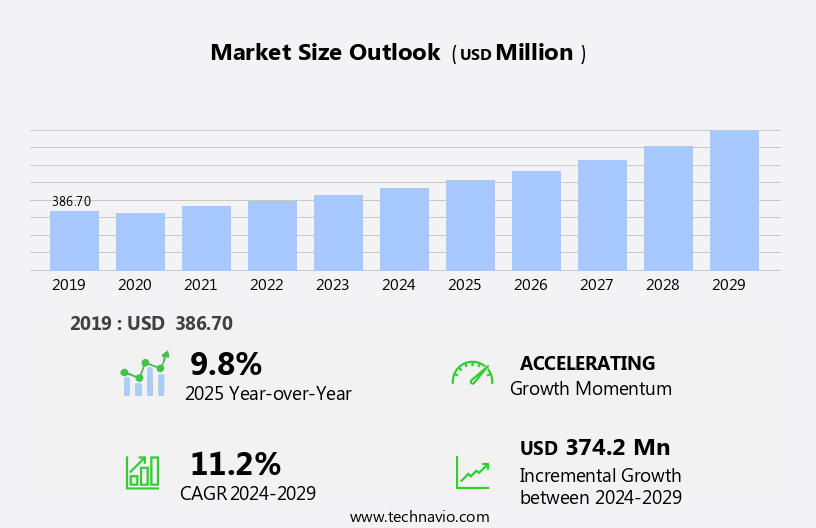
Explore in-depth regional segment analysis with market size data - historical 2019-2023 and forecasts 2025-2029 - in the full report.
Request Free Sample
The market continues to evolve, driven by advancements in medical technology, growing societal acceptance, and increasing demand for comprehensive care. Surgical implants, preoperative counseling, and surgical techniques are constantly improving to enhance patient satisfaction and outcomes. Body image, a significant factor in the decision-making process, is addressed through various means, including social support groups and mental health services. Gender identity, a complex construct, is being explored through clinical trials and psychological counseling, aiming to provide more personalized and effective care. Hormone therapy, a crucial aspect of gender affirmation, is subject to ongoing research and refinement. Healthcare costs, a barrier for many, are being addressed through insurance coverage and medical tourism.
Infection control, surgical risks, and pain management are essential components of quality care, with data analysis and evidence-based practices guiding best practices. Facial feminization and breast augmentation are popular procedures, but genital reconstruction and voice therapy are also gaining attention. Ethical considerations, patient advocacy, and long-term effects are crucial areas of focus. Sexual health, scar management, fertility preservation, and postoperative support are essential aspects of holistic care. Professional guidelines and post-operative care ensure consistent quality, while follow-up appointments and community resources provide ongoing support. Psychosocial assessment and informed consent forms are integral parts of the preoperative process.
Medical imaging and patient education are essential for accurate diagnosis and effective treatment. The market is characterized by continuous dynamism, with ongoing unfolding of market activities and evolving patterns. Adverse events, healthcare access, and patient advocacy are ongoing concerns, requiring constant attention and innovation. The ultimate goal is to improve patient outcomes, enhance quality of life, and ensure ethical and compassionate care.
How is this Gender Reassignment Surgery Industry segmented?
The gender reassignment surgery industry research report provides comprehensive data (region-wise segment analysis), with forecasts and estimates in "USD million" for the period 2025-2029, as well as historical data from 2019-2023 for the following segments.
- Type
- Male to female
- Female to male
- End-user
- Hospitals
- Specialty Clinics
- Ambulatory Surgical Centers (ASCs)
- Distribution Channel
- Public healthcare systems
- Private healthcare providers
- Technology
- Minimally invasive techniques
- Robotic-assisted surgery
- Traditional open surgery
- Patient Demographics
- Age
- Socioeconomic status
- Geography
- North America
- US
- Canada
- Europe
- Germany
- Spain
- UK
- APAC
- India
- Malaysia
- Thailand
- South America
- Argentina
- Brazil
- Rest of World (ROW)
- North America
By Type Insights
The male to female segment is estimated to witness significant growth during the forecast period.
The market encompasses various procedures aimed at helping individuals with gender dysphoria transition into their identified gender. This process often includes hormone therapy and psychological counseling to ensure readiness and understanding of the implications. Hormone therapy, while not mandatory, helps patients align their physical appearance with their gender identity. Surgeries such as vaginoplasty, breast augmentation, facial feminization, and hair transplantation are commonly sought after. Patient satisfaction is a significant factor driving market growth, with research methodologies continually assessing outcomes and long-term effects. Informed consent forms are crucial, ensuring patients are aware of surgical risks, pain management, and potential adverse events.
Mental health services and social support groups play a vital role in the overall well-being of patients, addressing body image concerns and addressing psychosocial assessments. Healthcare costs and insurance coverage are essential considerations, with medical tourism offering more affordable alternatives for some. Ethical considerations and patient advocacy are crucial in ensuring access to quality care and post-operative support. Infection control, surgical techniques, and pain management are essential aspects of the surgical process. Professional guidelines and follow-up appointments ensure the best possible outcomes, with clinical trials and evidence-based practices continually refining surgical techniques and improving patient care. Body dysmorphia and scar management are ongoing concerns, with revision surgery and genital reconstruction available for those requiring additional procedures.
Community resources and patient education are vital in raising awareness and reducing social stigma. In conclusion, the market is a complex and evolving landscape, with a focus on patient satisfaction, research, and ethical considerations. The market caters to various surgical procedures, including breast augmentation, vaginoplasty, and facial feminization, among others. Leading healthcare institutions and specialized clinics, such as the Mount Sinai Center for Transgender Medicine and Surgery, offer comprehensive care and a range of surgical options.
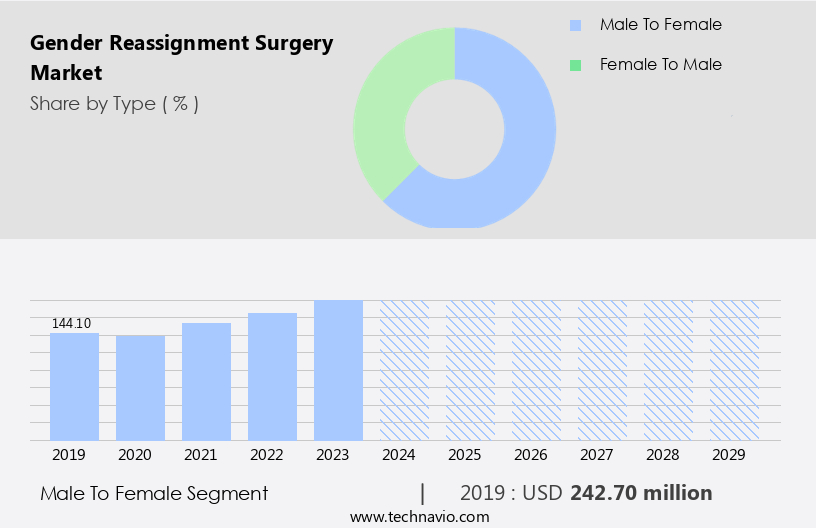
The Male to female segment was valued at USD 242.70 million in 2019 and showed a gradual increase during the forecast period.
Regional Analysis
North America is estimated to contribute 50% to the growth of the global market during the forecast period.Technavio’s analysts have elaborately explained the regional trends and drivers that shape the market during the forecast period.
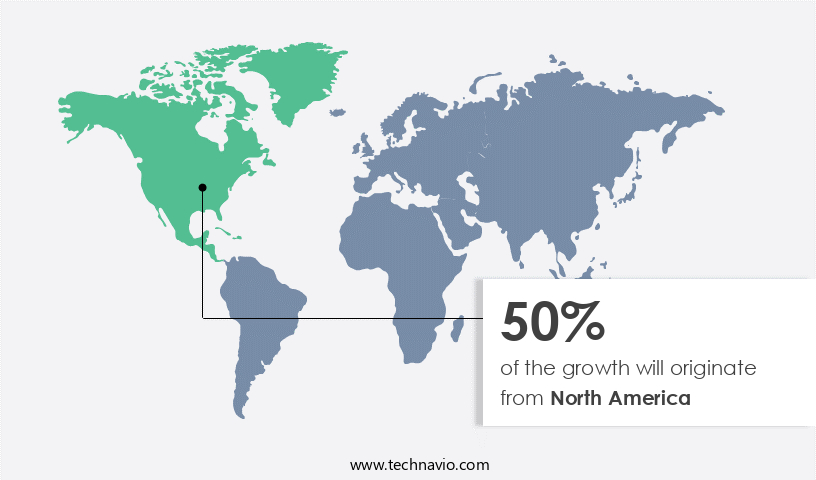
In The market, North America holds a significant share in 2024. This region's dominance can be attributed to the increasing number of people seeking gender reassignment surgeries and the rise in gender dysphoria cases. These surgeries are typically conducted by a team of specialized medical professionals, including board-certified or licensed plastic surgeons. The primary goal is to help transgender individuals achieve both emotional and psychological alignment with their identified gender through functional abilities and physical appearance. Procedures encompass transfeminine bottom and top surgeries, transmasculine top and bottom surgeries, facial feminization surgery, facial masculinization surgery, and various other interventions.
The growth of this market is fueled by factors such as increased acceptance of gender diversity, psychological counseling, hormone therapy, and insurance coverage. Patients undergo extensive preoperative counseling and assessments, including psychosocial evaluations and informed consent processes, to ensure readiness for surgery. Postoperative care includes pain management, scar management, and follow-up appointments. Long-term effects, revision surgeries, and ethical considerations are also crucial aspects of the gender reassignment surgery landscape. The market's evolution involves advancements in surgical techniques, body image enhancement, mental health services, and community resources. Despite these advancements, challenges persist, including surgical risks, infection control, and social stigma.
Ongoing research and clinical trials contribute to refining surgical instruments, improving patient education, and addressing adverse events. Ultimately, the focus remains on enhancing patients' quality of life and overall well-being.
Market Dynamics
Our researchers analyzed the data with 2024 as the base year, along with the key drivers, trends, and challenges. A holistic analysis of drivers will help companies refine their marketing strategies to gain a competitive advantage.
In the evolving healthcare landscape, the market continues to gain significance. This market encompasses various procedures, including gender confirmation surgery, sex reassignment surgery, and gender affirmation surgery. Patients seek these interventions to align their physical identity with their gender identity. Key procedures involve breast augmentation, phalloplasty, vaginoplasty, and facial feminization surgery for transgender women, while hysterectomy, orchidectomy, and metoidioplasty are common for transgender men. Additionally, hormone replacement therapy plays a crucial role in the gender reassignment journey. The market is driven by increasing societal acceptance, growing awareness, and advancements in medical technology. Furthermore, it caters to the diverse needs of the LGBTQ+ community, fostering a more inclusive and affirming healthcare environment.
What are the key market drivers leading to the rise in the adoption of Gender Reassignment Surgery Industry?
- The global market for sex change surgeries is experiencing significant growth, primarily driven by the increasing number of individuals undergoing such procedures.
- The market is witnessing notable expansion due to the rising number of individuals seeking sex change or gender reassignment surgeries worldwide. According to recent research, the demand for gender-affirming procedures, including chest masculinization and genital reconstruction, has been increasing steadily. In the US, this trend is reflected in the significant rise in the number of such surgeries performed annually over the past decade. According to the American Society of Plastic Surgeons, this number is estimated to be between 100-500. Patient satisfaction is a key driver of market growth, with studies indicating high levels of satisfaction among those who have undergone gender reassignment surgery.
- Research methodologies employing psychological counseling, hormone therapy, and a psychosocial assessment are used to ensure informed consent and optimal surgical outcomes. Healthcare costs, insurance coverage, and medical tourism are significant factors influencing the market. While some insurance providers cover gender reassignment surgery, others do not, leading some patients to seek treatment abroad where costs may be lower. Informed consent forms are essential in this context, outlining the risks, benefits, and alternatives to the procedure. Sexual health is another crucial consideration, with sexual function being a primary concern for many patients undergoing gender reassignment surgery. Breast augmentation and legal name change are also common components of the gender reassignment process.
- Ensuring a harmonious patient experience is essential, with a focus on immersive, empathetic care that emphasizes trust and understanding.
What are the market trends shaping the Gender Reassignment Surgery Industry?
- Medical technology is currently experiencing significant advancements, making it a prominent market trend. This sector's continuous innovation and development are shaping the future of healthcare.
- The market is experiencing significant growth due to advancements in medical technology. Innovations in surgical techniques, such as minimally invasive approaches like laparoscopic and robotic-assisted procedures, offer benefits like smaller incisions, reduced blood loss, faster recovery times, and improved cosmetic outcomes for surgeries like vaginoplasty and hysterectomy. In addition, advancements in tissue engineering and regenerative medicine hold potential for enhancing the outcomes of gender reassignment surgeries, particularly in genital reconstruction. Preoperative counseling plays a crucial role in ensuring patients are well-informed and prepared for the surgical process. Mental health services and social support groups are essential for addressing the psychological aspects of gender identity transition.
- Surgical implants, such as breast implants and facial implants, are utilized to help align a person's physical appearance with their gender identity. Clinical trials and data analysis contribute to the ongoing development of safe and effective surgical procedures. Infection control and infection prevention practices are vital in minimizing risks associated with gender reassignment surgeries. Hair transplantation and facial feminization surgeries are also popular options for individuals seeking to align their physical appearance with their gender identity. Overall, the market is driven by a growing awareness and acceptance of transgender and gender non-conforming individuals, as well as advancements in medical technology and surgical techniques.
What challenges does the Gender Reassignment Surgery Industry face during its growth?
- The escalating costs of surgeries pose a significant challenge to the growth of the healthcare industry.
- Gender reassignment surgery, a significant medical intervention, involves various expenses beyond the actual surgical procedure. Pre-surgery expenses include hormone therapy, counseling, and living full-time as a person of the target gender, which can amount to thousands of dollars. The cost of the surgery itself can range from USD200,000 to USD800,000, depending on the type of transition and the healthcare facility. Post-surgery care, including follow-up appointments and ongoing hormone therapy, adds to the overall expense. Outcome measures, such as improved quality of life and psychological well-being, are essential considerations for individuals undergoing gender reassignment surgery. However, challenges persist, including social stigma, adverse events, and ethical considerations.
- Pain management is a crucial aspect of the surgical process, ensuring a comfortable recovery. Scar management and fertility preservation are also essential components of postoperative care. Patient advocacy plays a vital role in ensuring access to quality healthcare for transgender individuals. Professional guidelines and ethical considerations guide the medical community in providing appropriate care. Healthcare access remains a concern for many, with insurance coverage and affordability being significant barriers. In summary, the market encompasses a range of expenses, from pre-surgery hormone therapy and counseling to ongoing care and hormone therapy. Outcome measures, surgical instruments, pain management, social stigma, adverse events, healthcare access, patient advocacy, scar management, fertility preservation, ethical considerations, and postoperative support are essential aspects of this complex medical journey.
Exclusive Customer Landscape
The gender reassignment surgery market forecasting report includes the adoption lifecycle of the market, covering from the innovator’s stage to the laggard’s stage. It focuses on adoption rates in different regions based on penetration. Furthermore, the gender reassignment surgery market report also includes key purchase criteria and drivers of price sensitivity to help companies evaluate and develop their market growth analysis strategies.
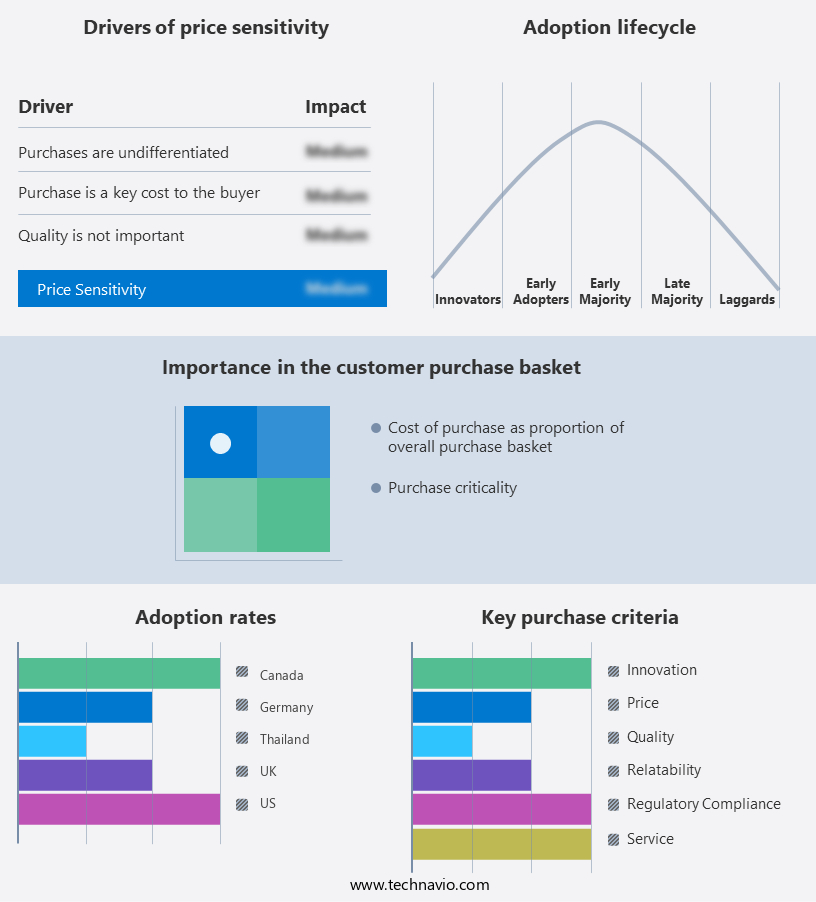
Customer Landscape
Key Companies & Market Insights
Companies are implementing various strategies, such as strategic alliances, gender reassignment surgery market forecast, partnerships, mergers and acquisitions, geographical expansion, and product/service launches, to enhance their presence in the industry.
Mount Sinai Center for Transgender Medicine and Surgery (United States) - The company specializes in providing advanced gender reassignment surgical procedures, including vaginoplasty and labiaplasty. These surgeries are meticulously executed to help individuals align their physical identity with their gender expression. Our team of experienced surgeons utilizes state-of-the-art techniques to ensure optimal results and patient satisfaction. We prioritize patient safety, confidentiality, and individualized care in a supportive and inclusive environment. Our commitment to excellence and innovation drives us to continually refine our procedures and techniques, enhancing our reputation as a trusted leader in the field.
The industry research and growth report includes detailed analyses of the competitive landscape of the market and information about key companies, including:
- Mount Sinai Center for Transgender Medicine and Surgery (United States)
- Chettawut Plastic Surgery Center (Thailand)
- Vancouver Coastal Health (Canada)
- IM Gender Clinic (Spain)
- University Hospital Frankfurt (Germany)
- Ghent University Hospital (Belgium)
- Hospital de ClÃnicas de Porto Alegre (Brazil)
- Phuket Plastic Surgery Institute (Turkey)
- Sava Perovic Foundation Surgery (India)
- Monash Health Gender Clinic (Australia)
- Sheba Medical Center (Israel)
- Ebnesina Hospital (Iran)
- Groote Schuur Hospital (South Africa)
- Ethicon (United States)
- Medtronic (Ireland)
- Stryker (United States)
- B. Braun Melsungen AG (Germany)
- Intuitive Surgical (United States)
- Karl Storz SE & Co. KG (Germany)
- Olympus Corporation (Japan)
Qualitative and quantitative analysis of companies has been conducted to help clients understand the wider business environment as well as the strengths and weaknesses of key industry players. Data is qualitatively analyzed to categorize companies as pure play, category-focused, industry-focused, and diversified; it is quantitatively analyzed to categorize companies as dominant, leading, strong, tentative, and weak.
Recent Development and News in Gender Reassignment Surgery Market
- In January 2024, Medtronic plc, a global healthcare solutions company, announced the acquisition of Ethicon, a division of Johnson & Johnson, focused on surgical sutures and wound closure devices. Medtronic plans to integrate Ethicon's offerings with its own gender reassignment surgery portfolio, enhancing its product offerings and expanding its market reach (Medtronic Press Release, 2024).
- In March 2024, the European Parliament passed a resolution advocating for equal access to gender reassignment surgery and hormone therapy for transgender individuals, further boosting the European the market (European Parliament Press Release, 2024).
- In April 2025, Merck KGaA, a leading pharmaceutical and life sciences company, revealed its collaboration with the University of California, San Francisco (UCSF) to develop a novel, non-surgical approach to gender affirming treatments. This partnership aims to address the unmet need for less invasive alternatives to traditional gender reassignment surgeries (Merck KGaA Press Release, 2025).
- In May 2025, the US Food and Drug Administration (FDA) granted approval to Organon, a global specialty pharmaceutical company, for its new formulation of estradiol valerate, a hormone therapy used in gender reassignment treatments. This approval marks a significant milestone in the advancement of hormone therapies for transgender individuals (Organon Press Release, 2025).
Research Analyst Overview
- In the dynamic the market, advancements in various technologies are shaping the landscape. Data analytics and artificial intelligence (AI) are revolutionizing patient care through predictive modeling and personalized medicine. Gene therapy and stem cell research are exploring new frontiers in tissue engineering and minimally invasive surgery. Health economics and cost-effectiveness analysis are driving the adoption of these innovative techniques. Three-dimensional modeling and surgical simulation are enhancing the precision and safety of procedures. Cultural competency and patient privacy are becoming essential components of healthcare informatics, ensuring equitable access to care. Laser surgery and augmented reality (AR) are transforming the surgical experience, offering more accurate and less invasive procedures.
- Big data and machine learning (ML) are enabling more efficient and effective healthcare delivery. Health policy and global health initiatives are promoting the integration of these technologies into gender reassignment surgery practices. Virtual reality (VR) and public health collaborations are expanding access to care and improving patient outcomes. Data security remains a critical concern, with the need for robust systems to protect sensitive patient information. The integration of these advanced technologies is reshaping the market, offering new opportunities and challenges for healthcare providers and insurers.
Dive into Technavio’s robust research methodology, blending expert interviews, extensive data synthesis, and validated models for unparalleled Gender Reassignment Surgery Market insights. See full methodology.
|
Market Scope |
|
|
Report Coverage |
Details |
|
Page number |
192 |
|
Base year |
2024 |
|
Historic period |
2019-2023 |
|
Forecast period |
2025-2029 |
|
Growth momentum & CAGR |
Accelerate at a CAGR of 11.2% |
|
Market growth 2025-2029 |
USD 374.2 million |
|
Market structure |
Fragmented |
|
YoY growth 2024-2025(%) |
9.8 |
|
Key countries |
US, UK, Germany, Canada, Thailand, Spain, Brazil, India, Argentina, Malaysia, and Rest of World(ROW) |
|
Competitive landscape |
Leading Companies, Market Positioning of Companies, Competitive Strategies, and Industry Risks |
What are the Key Data Covered in this Gender Reassignment Surgery Market Research and Growth Report?
- CAGR of the Gender Reassignment Surgery industry during the forecast period
- Detailed information on factors that will drive the growth and forecasting between 2025 and 2029
- Precise estimation of the size of the market and its contribution of the industry in focus to the parent market
- Accurate predictions about upcoming growth and trends and changes in consumer behaviour
- Growth of the market across North America, Europe, Asia, and Rest of World (ROW)
- Thorough analysis of the market’s competitive landscape and detailed information about companies
- Comprehensive analysis of factors that will challenge the gender reassignment surgery market growth of industry companies
We can help! Our analysts can customize this gender reassignment surgery market research report to meet your requirements.
 RIA -
RIA - 
