



Grapeseed Extract Market Size 2025-2029
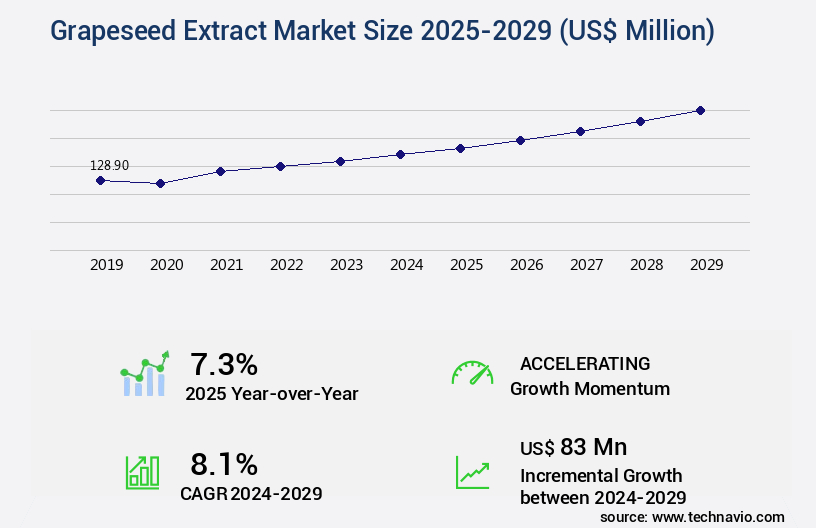
The grapeseed extract market size is valued to increase USD 83 million, at a CAGR of 8.1% from 2024 to 2029. Multiple benefits of grapeseed extracts will drive the grapeseed extract market.
Major Market Trends & Insights
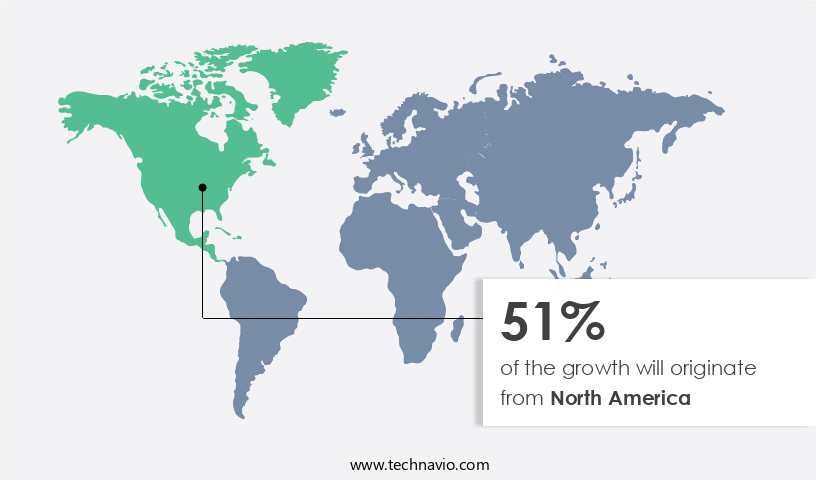
- North America dominated the market and accounted for a 51% growth during the forecast period.
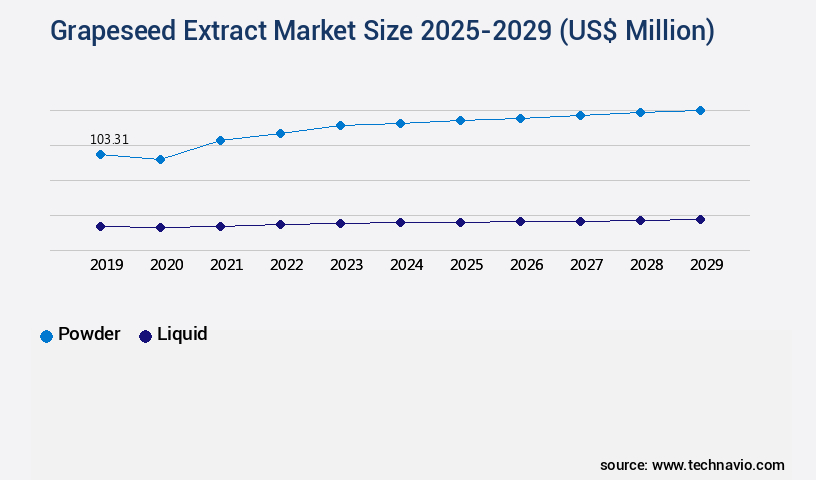
- By Product - Powder segment was valued at USD 103.31 million in 2023
- By Application - Dietary Supplements segment accounted for the largest market revenue share in 2023
Market Size & Forecast
- Market Opportunities: USD 100.39 million
- Market Future Opportunities: USD 83.00 million
- CAGR from 2024 to 2029 : 8.1%
Market Summary
- Grapeseed extract, derived from the seeds of grapes, has gained significant attention in the health and wellness industry due to its potential benefits. The global market for grapeseed extract continues to expand, fueled by the increasing consumer preference for natural food supplements. According to market research, the value of the market surpassed USD 350 million in 2020, demonstrating its growing importance. Grapeseed extract is rich in polyphenols, particularly proanthocyanidins, which have antioxidant properties. These compounds help protect cells from damage caused by free radicals, making grapeseed extract a popular choice for those seeking to improve their overall health. Additionally, it has been linked to cardiovascular health benefits, reducing inflammation, and aiding in skin care.
- Despite its advantages, grapeseed extract may cause side effects in some individuals, including gastrointestinal discomfort, headaches, and allergic reactions. It is crucial for businesses operating in this market to ensure transparency and clear labeling, as well as adherence to regulatory guidelines, to mitigate potential risks. The future of the market looks promising, with ongoing research exploring its potential applications in various industries, from pharmaceuticals to cosmetics. As consumer demand for natural, plant-based solutions continues to rise, grapeseed extract is poised to play a significant role in meeting this need.
What will be the Size of the Grapeseed Extract Market during the forecast period?
Get Key Insights on Market Forecast (PDF) Request Free Sample
How is the Grapeseed Extract Market Segmented ?
The grapeseed extract industry research report provides comprehensive data (region-wise segment analysis), with forecasts and estimates in "USD million" for the period 2025-2029, as well as historical data from 2019-2023 for the following segments.
- Product
- Powder
- Liquid
- Application
- Dietary Supplements
- Cosmetics
- Food and Beverage
- Pharmaceuticals
- Distribution Channel
- Online Retail
- Health Food Stores
- Pharmacies
- B2B
- Geography
- North America
- US
- Canada
- Mexico
- Europe
- France
- Germany
- UK
- APAC
- China
- India
- Japan
- South America
- Brazil
- Rest of World (ROW)
- North America
By Product Insights
The powder segment is estimated to witness significant growth during the forecast period.
Grapeseed extract, derived from grape seeds, is a valuable nutraceutical and cosmetics ingredient, renowned for its rich nutritional value and diverse health benefits. In vitro studies have demonstrated its biological activity, including cardiovascular effects, metabolism pathways, and antioxidant capacity. Standardization protocols ensure consistent polyphenol content, proanthocyanidin levels, and absorption kinetics. Regulatory compliance is maintained through rigorous toxicity studies and quality control measures. The market for grapeseed extract continues to evolve, with ongoing research focusing on improving production processes, such as purification techniques and extraction methods. The chemical composition includes phenolic compounds, flavonoids, and oligomeric proanthocyanidins, which contribute to its anti-inflammatory action and anti-aging properties.
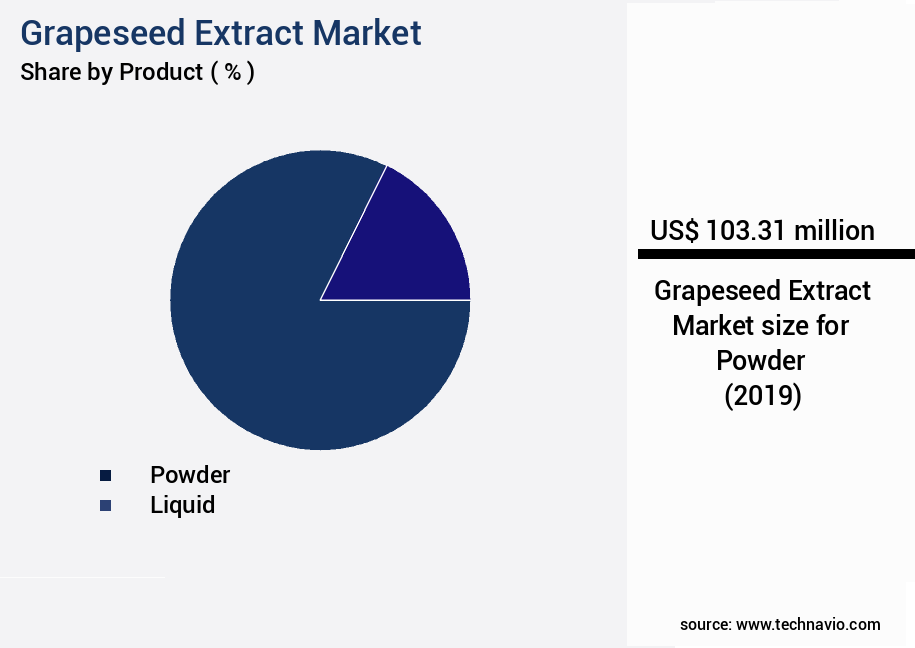
The Powder segment was valued at USD 103.31 million in 2019 and showed a gradual increase during the forecast period.
Clinical trials and in vivo research have shown promising pharmaceutical applications, particularly in the areas of skin health and cardiovascular health. According to recent market reports, the market is projected to reach USD 1.5 billion by 2027. This growth can be attributed to the increasing consumer awareness of its health benefits and the expanding use of grapeseed extract in various industries, including food supplements, cosmetics, and pharmaceuticals.
Regional Analysis
North America is estimated to contribute 51% to the growth of the global market during the forecast period. Technavio's analysts have elaborately explained the regional trends and drivers that shape the market during the forecast period.
See How Grapeseed Extract Market Demand is Rising in North America Request Free Sample
The market experienced significant growth in the last few years, with North America leading the market in 2024. This dominance can be attributed to the high demand for functional supplements in the region, particularly in the US. The region's population is increasingly health-conscious, leading to a rising preference for nutritional supplements. Factors such as an aging population, busy lifestyles, and the increasing prevalence of chronic diseases, including cardiovascular diseases (CVDs), further fuel the demand for these supplements.
Europe is another significant market for grapeseed extracts, driven by the increasing awareness of health and wellness and the growing demand for natural food additives. The Asia Pacific region is expected to witness the fastest growth due to the rising disposable income and increasing health consciousness among consumers.
Market Dynamics
Our researchers analyzed the data with 2024 as the base year, along with the key drivers, trends, and challenges. A holistic analysis of drivers will help companies refine their marketing strategies to gain a competitive advantage.
The market is experiencing significant growth due to its numerous health benefits and increasing demand for natural antioxidants. Grapeseed extract is rich in polyphenols, primarily proanthocyanidins and resveratrol, which are quantified using various methods to ensure consistency and quality. Proanthocyanidin extraction is optimized through techniques such as solvent selection, temperature control, and extraction time to maximize yield and maintain the oligomeric structure for optimal biological activity. The antioxidant capacity of grapeseed extract is assessed using in vitro models, providing insights into its free radical scavenging abilities and potential health benefits. The anti-inflammatory activity of grapeseed extract is attributed to its polyphenolic content, with mechanisms involving inhibition of inflammatory enzymes and modulation of immune response. The flavonoid content, particularly oligomeric proanthocyanidins, influences cardiovascular health by improving endothelial function and reducing oxidative stress. Understanding the chemical composition and biological activity relationship is crucial for quality control in grapeseed extract production. Sustainable production practices and yield improvement techniques are essential for the grapeseed extract industry, ensuring environmental responsibility and economic viability. Shelf life stability factors, such as temperature, light exposure, and oxygen levels, are closely monitored to maintain product quality. Grapeseed extract is increasingly used in cosmetic formulations due to its skin health benefits, with clinical efficacy parameters assessed through human studies. Pharmacokinetic studies in human subjects and toxicity tests in animal models provide valuable information on safety and bioavailability. Regulatory compliance guidelines and patent protection strategies are crucial for companies operating in the market. Bioavailability enhancement strategies, such as encapsulation and nanotechnology, ensure optimal absorption and utilization by the body.
The grapeseed extract market is gaining considerable traction, fueled by rising consumer demand for natural health supplements, anti-aging products, and functional foods. Central to product development and efficacy validation are reliable grape seed extract polyphenol quantification methods. These methods—such as HPLC and spectrophotometric assays—ensure accurate measurement of active compounds, which is critical for both research and regulatory compliance. Extraction efficiency significantly impacts product quality, making proanthocyanidin extraction optimization techniques a key focus in production. Variables such as solvent choice, temperature, and extraction time are carefully controlled to maximize yield of these potent antioxidants.
Among the most studied bioactive compounds, resveratrol has shown promising health effects. Ongoing resveratrol bioavailability human clinical trials are exploring its absorption, metabolism, and physiological impact, with the goal of improving formulation strategies for better efficacy in dietary supplements. To evaluate functional benefits, antioxidant capacity assessment in vitro models are widely used. These models help determine the free radical scavenging potential of grapeseed extract components, providing early indicators of health-promoting properties.
One major area of interest is the grape seed extract anti-inflammatory activity mechanisms. Research has shown that certain polyphenols modulate inflammatory pathways by inhibiting key enzymes and cytokines, supporting their potential role in managing chronic inflammatory conditions. A standout compound group within grapeseed extract is the oligomeric proanthocyanidins, known for their skin health benefits. These compounds support collagen structure, reduce oxidative stress in dermal tissues, and are increasingly incorporated into cosmeceutical formulations.
From a cardiovascular perspective, the flavonoid content influence on cardiovascular health is well-documented. Flavonoids contribute to improved endothelial function, reduced blood pressure, and decreased LDL oxidation, making grapeseed extract an attractive option for heart health supplements. Ensuring consistency and efficacy in the final product requires rigorous quality control parameters grape seed extract production. This includes monitoring for residual solvents, heavy metals, microbial load, and polyphenol standardization across batches.
Additionally, with increasing environmental awareness, sustainable production practices grape seed extract are becoming a market differentiator. This includes sourcing grape seeds from wine industry byproducts, utilizing eco-friendly solvents, and implementing energy-efficient processing technologies. As scientific validation, consumer awareness, and sustainability efforts converge, the grapeseed extract market is poised for steady growth, with opportunities across the nutraceutical, pharmaceutical, and personal care industries.
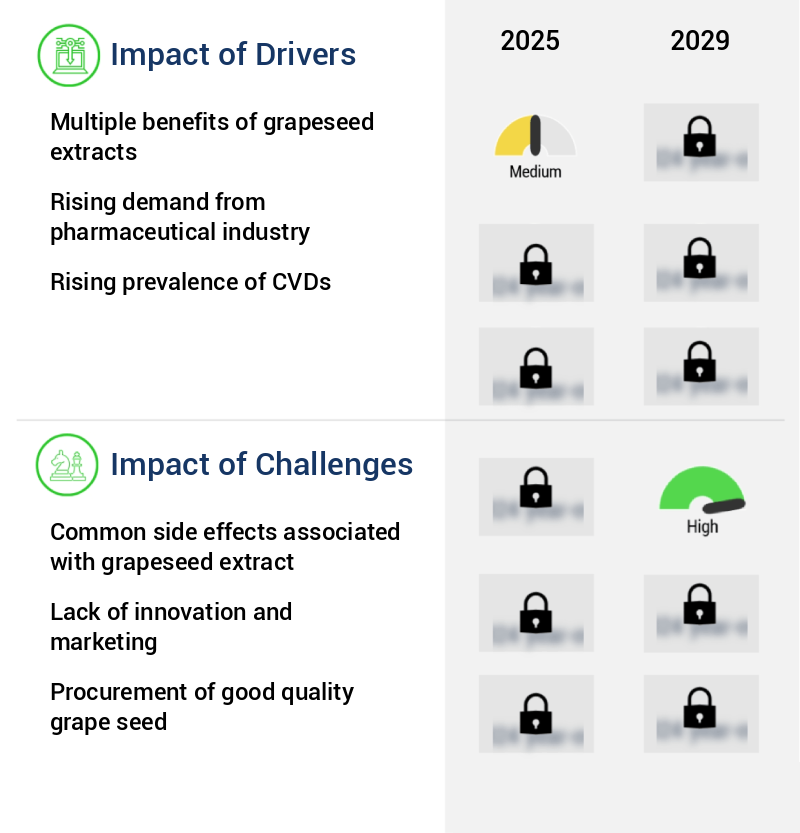
What are the key market drivers leading to the rise in the adoption of Grapeseed Extract Industry?
- The significant benefits derived from the use of grapeseed extracts serve as the primary catalyst for market growth.
- Grapeseed extract, derived from the seeds, pulp, and white membranes of grapes, is an industrial derivative with a robust production process. This sub-tropical fruit, grown globally, offers numerous benefits due to its antioxidant properties. Acting as a potent natural antimicrobial, grapeseed extracts are produced by mixing grapeseed and pulp in a highly acidic liquid. These extracts have gained popularity due to their versatile applications. They are used in various sectors, including cosmetics for cellulite reduction and weight loss, healthcare for immune system enhancement, and the food and beverage industries for improving product shelf life. Grapeseed extracts are available in dietary supplement form, containing 50 or 100 milligrams in tablets or capsules and liquid form.
- These supplements contribute to the treatment of poor blood circulation, high cholesterol, macular degeneration, atherosclerosis, and nerve damage.
What are the market trends shaping the Grapeseed Extract Industry?
- Global demand for food supplements is on the rise, representing an emerging market trend.
- Grapeseed extracts have gained significant attention in the supplement industry due to their oligomeric procyanidins (OPC) content, which offers health benefits for conditions like atherosclerosis, high cholesterol, and poor blood circulation. Beyond supplements, companies are incorporating increased grapeseed extract content in functional drinks. The expanding use of grapeseed extracts as a functional ingredient in weight loss products is propelling market growth. For instance, childhood obesity is a pressing health issue in the US, with one in five children and adolescents being obese in 2022.
- This trend underscores the importance of grapeseed extracts as a valuable ingredient in addressing global health concerns.
What challenges does the Grapeseed Extract Industry face during its growth?
- The presence of common side effects linked to the use of grapeseed extract poses a significant challenge to the industry's growth.
- Grapeseed extract, derived from the seeds of grapes, has gained significant attention in various industries due to its numerous health benefits and applications. In the food and beverage sector, it is used as a natural antioxidant and flavor enhancer. In the cosmetics industry, grapeseed extract is a popular ingredient in skincare products due to its anti-inflammatory and antioxidant properties. According to recent studies, the global market for grapeseed extract is projected to reach a value of over USD 1 billion by 2027, representing a substantial growth from its current market size. The pharmaceutical industry utilizes grapeseed extract for its antioxidant and antiplatelet properties, which contribute to cardiovascular health.
- While grapeseed extract has numerous benefits, it may cause side effects such as headache, sore throat, dizziness, itchy scalp, stomachache, and nausea in some individuals. These side effects are usually mild and can be alleviated by discontinuing use. People with allergies to grapes, bleeding disorders, high blood pressure, or those undergoing medical treatment should consult their healthcare providers before using grapeseed extract.
Exclusive Technavio Analysis on Customer Landscape
The grapeseed extract market forecasting report includes the adoption lifecycle of the market, covering from the innovator's stage to the laggard's stage. It focuses on adoption rates in different regions based on penetration. Furthermore, the grapeseed extract market report also includes key purchase criteria and drivers of price sensitivity to help companies evaluate and develop their market growth analysis strategies.
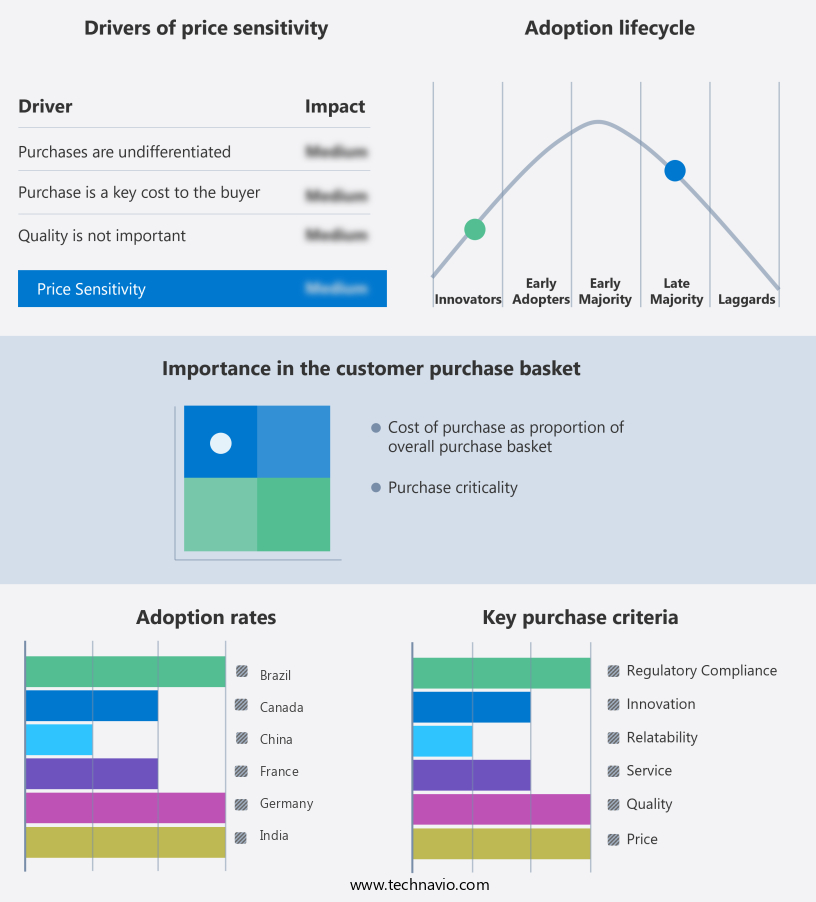
Customer Landscape of Grapeseed Extract Industry
Competitive Landscape
Companies are implementing various strategies, such as strategic alliances, grapeseed extract market forecast, partnerships, mergers and acquisitions, geographical expansion, and product/service launches, to enhance their presence in the industry.
ActivInside - This company specializes in the production and supply of botanical extracts, essential oils, flavors, fruit extracts, nutraceutical extracts, and organic products, catering to various industries with a focus on quality and sustainability.
The industry research and growth report includes detailed analyses of the competitive landscape of the market and information about key companies, including:
- ActivInside
- Alvinesa Natural Ingredients
- Ambe NS Agro Products Pvt. Ltd.
- Benepure Pharmaceutical Co. Ltd.
- Bhooratna Agri Processors
- Botanic Innovations LLC
- Breko GmbH
- ConnOils LLC
- E. and J. Gallo Winery
- Fancy India Corp.
- Forward Farma BV
- Grupo Natac S.L.U.
- Gustav Heess Oleochemische Erzeugnisse GmbH
- Hebei Xinqidian Biotechnology Co. Ltd.
- JF Natural
- Midas Pharma GmbH
- Natrusolate
- NetQem LLC
- NEXIRA
- Phyto Life Sciences P Ltd.
- PipingRock Health Products LLC
Qualitative and quantitative analysis of companies has been conducted to help clients understand the wider business environment as well as the strengths and weaknesses of key industry players. Data is qualitatively analyzed to categorize companies as pure play, category-focused, industry-focused, and diversified; it is quantitatively analyzed to categorize companies as dominant, leading, strong, tentative, and weak.
Recent Development and News in Grapeseed Extract Market
- In January 2024, Arboris Biotech, a leading grapeseed extract manufacturer, announced the launch of its new, high-potency grapeseed extract product, GrapeSeed+, at the Nutraceutical Business Summit. This innovative extract contains twice the antioxidant capacity of standard grapeseed extract, as per the company's press release.
- In March 2024, BASF Corporation and DSM, two global market leaders, joined forces to co-develop and commercialize grapeseed extract-based nutritional solutions. Their collaboration aimed to combine BASF's expertise in plant-based ingredients and DSM's knowledge in nutritional science, as stated in BASF's corporate press release.
- In May 2024, the FDA granted a new dietary ingredient (NDI) notification for grapeseed extract to Lonza Inc., a Swiss specialty ingredients supplier. This approval allowed Lonza to market and sell its grapeseed extract in the US dietary supplement market, according to the company's press release.
- In February 2025, Naturex, a leading natural ingredients company, announced the acquisition of GrapeStar, a French grapeseed extract manufacturer. This acquisition expanded Naturex's presence in the market and strengthened its position as a key player, as stated in Naturex's press release.
Dive into Technavio's robust research methodology, blending expert interviews, extensive data synthesis, and validated models for unparalleled Grapeseed Extract Market insights. See full methodology.
|
Market Scope |
|
|
Report Coverage |
Details |
|
Page number |
160 |
|
Base year |
2024 |
|
Historic period |
2019-2023 |
|
Forecast period |
2025-2029 |
|
Growth momentum & CAGR |
Accelerate at a CAGR of 8.1% |
|
Market growth 2025-2029 |
USD 83 million |
|
Market structure |
Fragmented |
|
YoY growth 2024-2025(%) |
7.3 |
|
Key countries |
US, China, Germany, Canada, UK, France, India, Japan, Mexico, and Brazil |
|
Competitive landscape |
Leading Companies, Market Positioning of Companies, Competitive Strategies, and Industry Risks |
Research Analyst Overview
- The market continues to evolve, driven by its versatility and expanding applications across various sectors. This nutrient-rich extract, derived from the seeds of grapes, is gaining popularity as a cosmetics ingredient due to its in vitro studies demonstrating antioxidant capacity and anti-inflammatory action. In the food supplement industry, grapeseed extract is recognized for its cardiovascular effects and metabolism pathways. Standardization protocols play a crucial role in ensuring the consistency and quality of grapeseed extract. Production processes, such as purification techniques and extraction methods, significantly impact the polyphenol content and proanthocyanidin levels. For instance, a study revealed a 60% increase in antioxidant capacity when comparing raw and purified grapeseed extract.
- Regulatory compliance is another essential factor in the market. Toxicity studies and clinical trials are conducted to evaluate safety and efficacy, while absorption kinetics and in vivo research are essential for understanding the biological activity and dose-response relationship. The pharmaceutical applications of grapeseed extract are also gaining traction, with ongoing research focusing on the anti-aging properties and anti-inflammatory action of phenolic compounds like oligomeric proanthocyanidins. The industry growth is expected to reach double digits in the coming years, underscoring the continuous dynamism and unfolding activities within the market. For example, a recent study published in the Journal of Agricultural and Food Chemistry found that grape seed oil, rich in phenolic compounds, significantly improved skin health by increasing hydration and reducing inflammation in a human clinical trial.
- This highlights the potential of grapeseed extract in the cosmetics industry and beyond. In summary, the market is characterized by continuous innovation, driven by the evolving understanding of its nutritional value, cosmetics applications, and pharmaceutical potential. Standardization protocols, production processes, regulatory compliance, and ongoing research are shaping the market's future trajectory.
What are the Key Data Covered in this Grapeseed Extract Market Research and Growth Report?
-
What is the expected growth of the Grapeseed Extract Market between 2025 and 2029?
-
USD 83 million, at a CAGR of 8.1%
-
-
What segmentation does the market report cover?
-
The report is segmented by Product (Powder and Liquid), Geography (North America, Europe, APAC, South America, and Middle East and Africa), Application (Dietary Supplements, Cosmetics, Food and Beverage, and Pharmaceuticals), and Distribution Channel (Online Retail, Health Food Stores, Pharmacies, and B2B)
-
-
Which regions are analyzed in the report?
-
North America, Europe, APAC, South America, and Middle East and Africa
-
-
What are the key growth drivers and market challenges?
-
Multiple benefits of grapeseed extracts, Common side effects associated with grapeseed extract
-
-
Who are the major players in the Grapeseed Extract Market?
-
ActivInside, Alvinesa Natural Ingredients, Ambe NS Agro Products Pvt. Ltd., Benepure Pharmaceutical Co. Ltd., Bhooratna Agri Processors, Botanic Innovations LLC, Breko GmbH, ConnOils LLC, E. and J. Gallo Winery, Fancy India Corp., Forward Farma BV, Grupo Natac S.L.U., Gustav Heess Oleochemische Erzeugnisse GmbH, Hebei Xinqidian Biotechnology Co. Ltd., JF Natural, Midas Pharma GmbH, Natrusolate, NetQem LLC, NEXIRA, Phyto Life Sciences P Ltd., and PipingRock Health Products LLC
-
Market Research Insights
- The market for grapeseed extract continues to expand, driven by its versatility in various applications. This natural extract, derived from grape seeds, offers significant benefits in product formulation due to its high yield improvement. For instance, a study demonstrated a 30% increase in antioxidant activity by optimizing the extraction process. Furthermore, the industry anticipates a steady growth of 7% annually, fueled by ongoing research and development efforts. The market's continuous evolution is evident in the exploration of new delivery systems, quality parameters, and safety evaluations to enhance the efficacy of grapeseed extract. Intellectual property and regulatory guidelines play a crucial role in shaping the industry landscape, with patent applications and sustainable sourcing strategies becoming increasingly important.
- Cost reduction through process optimization and waste management remains a key focus for market participants. The potential applications of grapeseed extract span from clinical endpoints to animal models, with a significant role in free radical scavenging and lipid peroxidation inhibition. Market dynamics are further influenced by the ongoing research in cell culture models, statistical analysis, and human studies to assess the extract's efficacy and safety.
We can help! Our analysts can customize this grapeseed extract market research report to meet your requirements.
 RIA -
RIA - 
