


High Temperature Superconducting Wires Market Analysis APAC, North America, Europe, South America, Middle East and Africa - US, China, Japan, Germany, South Korea - Size and Forecast 2024-2028

High Temperature Superconducting Wires Market Analysis APAC, North America, Europe, South America, Middle East and Africa - US, China, Japan, Germany, South Korea - Size and Forecast 2024-2028

Published: Jun 2024 174 Pages SKU: IRTNTR75155

Market Overview at a Glance

$307.8 Mn
Market Opportunity
10.09%
CAGR
8.92
YoY growth 2023-2024(%)

High Temperature Superconducting Wires Market Size 2024-2028 

The high temperature superconducting wires market size is forecast to increase by USD 307.8 million at a CAGR of 10.09% between 2023 and 2028.

  • The market is experiencing significant growth due to several key trends. One of the primary factors driving market expansion is the increased adoption of these wires in medical applications, particularly in magnetic resonance imaging (MRI) systems and radiofrequency ablation devices. Additionally, the transition towards renewable energy sources is boosting the demand for high temperature superconducting wires in power generation and power transmission applications. However, the high cost of these wires remains a major challenge for market growth. Despite the cost barrier, the potential benefits of using high temperature superconducting wires, such as increased energy efficiency and reduced energy losses, make them an attractive option for various industries. Overall, the market is expected to witness steady growth in the coming years due to these trends and the ongoing research and development efforts to reduce the cost of high temperature superconducting wires.

What will be the Size of the High Temperature Superconducting Wires Market During the Forecast Period?
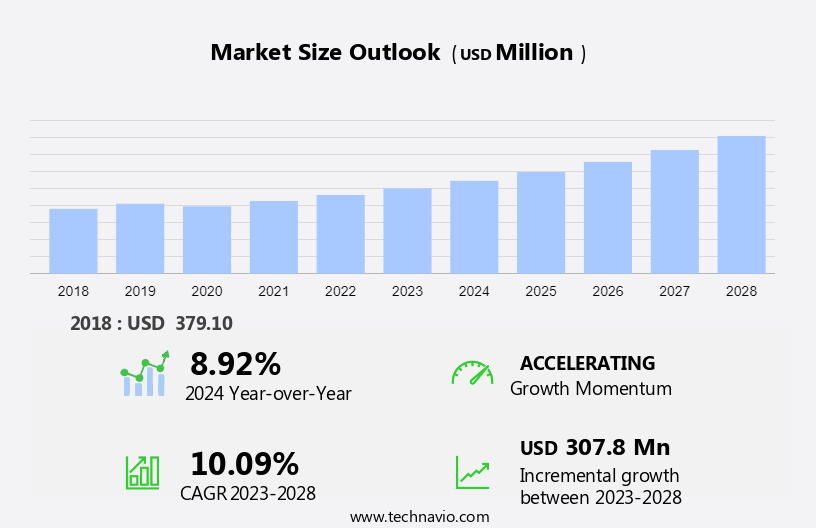
High Temperature Superconducting Wires Market Size

 Request Free Sample

  • The high-temperature superconducting wires market is experiencing significant growth due to the increasing demand for energy-efficient power transmission and distribution solutions. High-temperature superconducting cables, which operate at temperatures above liquid nitrogen, offer advantages over conventional wires, including higher current capacity and lower energy losses. Two main types of high-temperature superconducting cables exist: warm dielectric and cryogenic dielectric. In the power sector, high-temperature superconducting technologies are gaining traction for power transmission infrastructures, particularly in offshore wind farms.
  • Additionally, high-temperature superconducting motors are used in various industries, including motors, maglev trains, nuclear fusion reactors, and particle accelerators. The market is driven by the need for power efficiency and the potential for significant energy savings. Metal alloys, such as niobium-titanium, are commonly used in the production of high-temperature superconducting wires. The market is also expanding into new sectors, including medicine, research, defense, and automotive, as superconducting technology continues to advance. Overall, the high-temperature superconducting wires market is poised for continued growth as the energy sector and other industries seek to improve power efficiency and reduce energy losses.

How is this High Temperature Superconducting Wires Industry segmented and which is the largest segment?

The high temperature superconducting wires industry research report provides comprehensive data (region-wise segment analysis), with forecasts and estimates in "USD million" for the period 2024-2028, as well as historical data from 2018-2022 for the following segments.

  • Type
    • Second generation HT superconductors wires
    • First generation HT superconductors wires
  • Application
    • Healthcare
    • Electronics
    • R and D
    • Others
  • Geography
    • APAC
      • China
      • Japan
      • South Korea
    • North America
      • US
    • Europe
      • Germany
    • South America
    • Middle East and Africa

By Type Insights

  • The second generation HT superconductors wires segment is estimated to witness significant growth during the forecast period.

Second-generation high temperature superconducting wires, with dimensions of approximately 10 mm in width and 100 mm in thickness, are coated with superconductor materials. These wires allow for an intermediate phase where magnetic fields can penetrate as vortexes, enabling operation in higher fields. The energy-efficient and high-power-density electricity delivery facilitated by these wires supports the expansion of clean energy generation, transmission, storage, and conversion. Advancements in manufacturing technology have increased the appeal of second-generation high temperature superconducting wires within the power transmission industry, contributing to the growth of the market in the renewable energy sector, particularly in wind energy farms.

The capacity addition in onshore wind energy relies on the enhanced conductivity and load capacities offered by these wires for transmission lines. Cryogens are utilized to cool the wires to the required low temperatures for superconductivity.
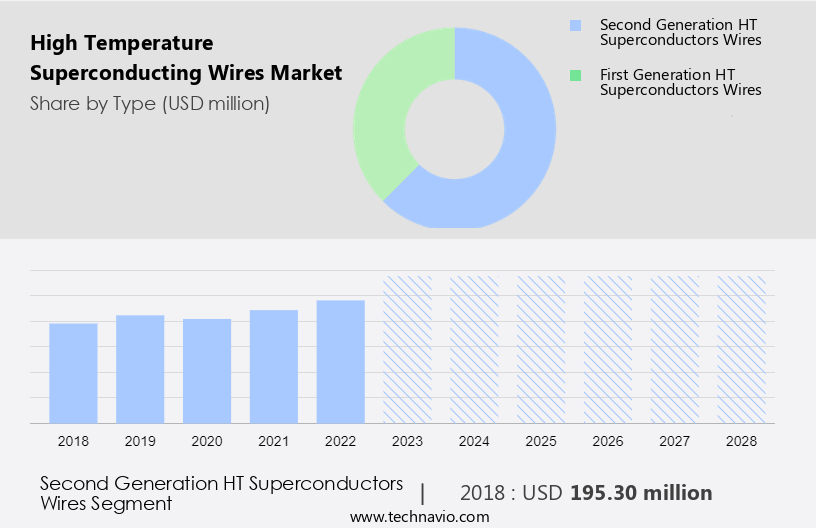
High Temperature Superconducting Wires Market Size

Get a glance at the  High Temperature Superconducting Wires Industry report of share of various segments Request Free Sample

The Second generation HT superconductors wires segment was valued at USD 195.30 million in 2018 and showed a gradual increase during the forecast period.

Regional Analysis

  • APAC is estimated to contribute 48% to the growth of the global market during the forecast period.

Technavio's analysts have elaborately explained the regional trends and drivers that shape the market during the forecast period.
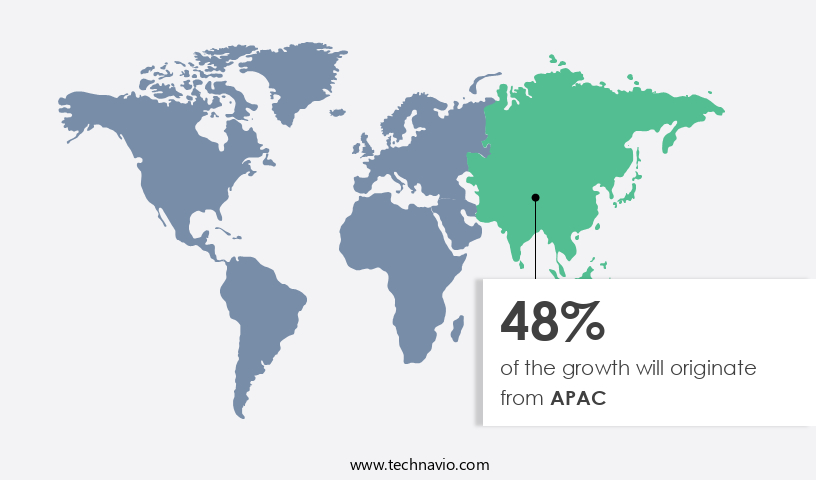
High Temperature Superconducting Wires Market Share by Geography

For more insights on the market share of various regions, Request Free Sample

The market in APAC is experiencing significant growth due to increasing investments in renewable energy infrastructure. Governments in the region are prioritizing the development of high-voltage power grids, with notable projects. The energy sector's shift towards cleaner and more efficient energy sources is driving the demand for high temperature superconducting wires, which offer increased power efficiency compared to traditional cooling methods such as cryogenic systems using helium or nitrogen cooling. The market's growth is further boosted by applications in the medicine, research, and defense sectors, where low-temperature superconducting technology provides advantages in terms of energy savings and improved performance.

Market Dynamics

Our high temperature superconducting wires market researchers analyzed the data with 2023 as the base year, along with the key drivers, trends, and challenges. A holistic analysis of drivers will help companies refine their marketing strategies to gain a competitive advantage.

What are the key market drivers leading to the rise in the adoption of High Temperature Superconducting Wires Industry?

Increased adoption of high temperature superconducting wires in medical applications is the key driver of the market.

  • The market is experiencing significant growth due to the increasing demand for high-performance magnetic devices, particularly in the medical sector. Superconducting magnets are essential components of medical equipment such as MRI scanners, CT scans, magnetic resonance spectrometers, and particle beam therapy systems, which require high magnetic fields for precise imaging and diagnosis. To meet the demands of these industries, manufacturers are investing in the development of advanced superconducting wires using high-temperature superconductors like Niobium-Titanium. These wires offer improved conductivity, higher load capacities, and lower energy consumption compared to conventional wires. The power transmission and distribution sectors are also exploring the use of high-temperature superconducting cables for power efficiency and energy savings.
  • Superconducting cables can transmit power with minimal energy loss, making them an attractive alternative to conventional cables for power transmission infrastructures. The utility segment, renewable industry, and wind energy farms are potential markets for high-temperature superconducting cables, with onshore wind capacity expected to reach new heights. Superconducting technologies are also gaining traction in other industries such as transportation, where they are used in MagLev trains, and nuclear fusion reactors, particle accelerators, and other advanced applications. The cost-efficiency and economies of scale of high-temperature superconducting wires are driving their adoption in various sectors. However, the lack of expertise in manufacturing and handling these wires presents a challenge for widespread adoption.

What are the market trends shaping the High Temperature Superconducting Wires Industry?

The growing adoption of renewable energy is the upcoming trend in the market.

  • The High-temperature superconducting wires market is witnessing significant growth due to the increasing adoption of high-temperature superconducting cables for power transmission and distribution. High-temperature superconducting cables offer enhanced conductivity, which results in increased load capacities and improved power efficiency. These cables can operate at temperatures above the boiling point of liquid nitrogen, making them suitable for various applications such as motors, generators, and transmission lines. The utility segment and the renewable industry, particularly wind energy farms, are major contributors to the market's growth. Capacity addition in onshore and offshore wind farms is driving the demand for high-temperature superconducting cables to transmit power efficiently.
  • The consortiums involved in the development of transmission lines for these projects are investing in superconducting technologies to reduce energy losses and improve cost efficiency. Superconducting technologies are also being explored for applications in nuclear fusion reactors, MagLev trains, particle accelerators, and other industries such as transportation, electric vehicles, and magnetic levitation. The use of superconducting wires in MRI scanners, CT scans, magnetic resonance spectrometers, and particle beam therapy in the medical sector is also increasing. The market's growth is influenced by the energy sector's shift towards renewable energy sources, urbanization, and the development of smart cities. The manufacturing cost of high-temperature superconducting wires is expected to decrease due to economies of scale and advancements in metal alloys like Niobium-Titanium.

What challenges does High Temperature Superconducting Wires Industry face during its growth?

The high cost of high temperature superconducting wires is a key challenge affecting the industry growth.

  • High temperature superconducting wires have gained significant attention in various industries due to their ability to transmit large currents with minimal energy loss. These wires are primarily used in high-performance applications such as power transmission, motors, and generators in the utility segment and the renewable industry, particularly in wind energy farms. The use of high temperature superconducting cables in onshore and offshore wind capacity addition can increase conductivity, load capacities, and power efficiency. The development of warm and cryogenic dielectric cables has further expanded the applications of high temperature superconducting wires. These cables can operate at temperatures above the boiling point of liquid nitrogen, eliminating the need for extensive cryogenic systems.
  • However, the high cost of high temperature superconducting wires, which is primarily due to the use of expensive metal alloys such as Niobium-Titanium, has been a significant barrier to their widespread adoption. Despite the high cost, the potential cost-efficiency and economies of scale of high temperature superconducting wires make them an attractive option for power transmission infrastructures. Superconducting technologies are also being explored in various sectors, including nuclear fusion reactors, particle accelerators, and MagLev trains. In addition, high temperature superconducting wires have potential applications in medical diagnostics, transportation, electric vehicles, and magnetic levitation systems. The development of high temperature superconducting wires is a complex process that requires a high level of expertise.

Exclusive Customer Landscape

The high temperature superconducting wires market forecasting report includes the adoption lifecycle of the market, covering from the innovator's stage to the laggard's stage. It focuses on adoption rates in different regions based on penetration. Furthermore, the market report also includes key purchase criteria and drivers of price sensitivity to help companies evaluate and develop their market growth analysis strategies.
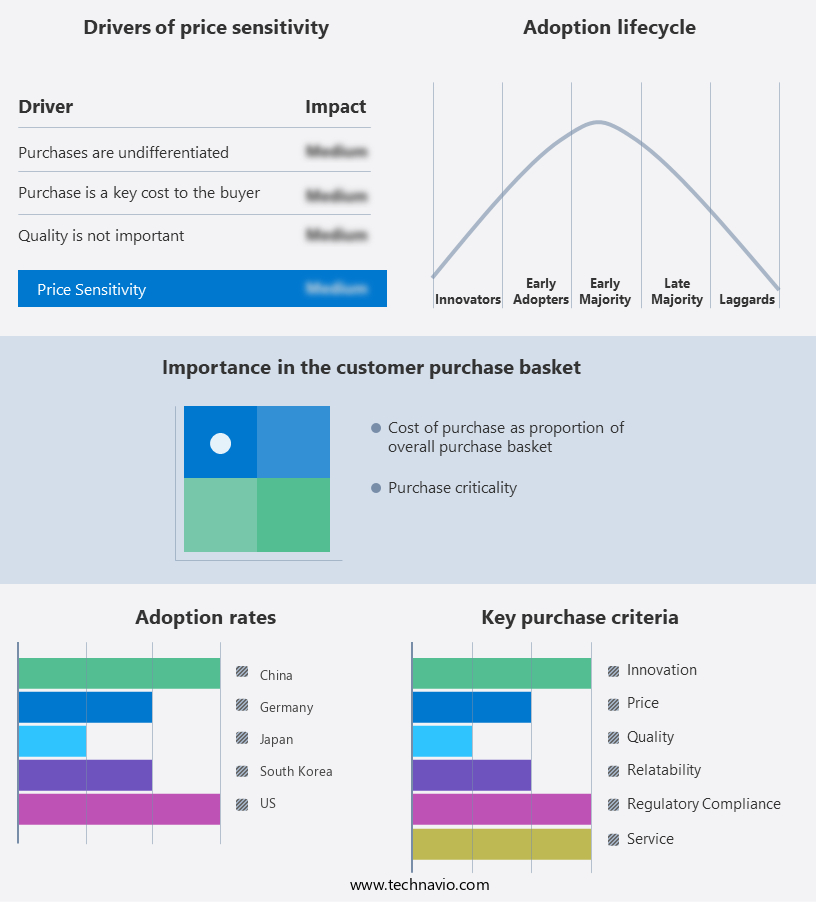
High Temperature Superconducting Wires Market Share by Geography

 Customer Landscape

Key Companies & Market Insights

Companies are implementing various strategies, such as strategic alliances, market forecast, partnerships, mergers and acquisitions, geographical expansion, and product/service launches, to enhance their presence in the industry. The high temperature superconducting wires industry research and growth report includes detailed analyses of the competitive landscape of the market and information about key companies, including:

  • American Superconductor Corp.
  • Bruker Corp.
  • Fujikura Ltd.
  • Furukawa Electric Co. Ltd.
  • High Temperature Superconductors Inc.
  • Hitachi Ltd.
  • Innova Superconductor Technology Co. Ltd.
  • Japan Superconductor Technology Inc.
  • MetOx Technologies Inc.
  • Southwire Co. LLC
  • Sumitomo Electric Industries Ltd.
  • SuNam Co. Ltd.
  • Supercon Inc.
  • THEVA Dunnschichttechnik GmbH

Qualitative and quantitative analysis of companies has been conducted to help clients understand the wider business environment as well as the strengths and weaknesses of key industry players. Data is qualitatively analyzed to categorize companies as pure play, category-focused, industry-focused, and diversified; it is quantitatively analyzed to categorize companies as dominant, leading, strong, tentative, and weak.

Research Analyst Overview

High-temperature superconducting wires have emerged as a significant advancement in the realm of electrical conductivity, offering enhanced power transmission capabilities compared to conventional wires. These innovative cables, which can conduct electricity with minimal resistance even at relatively high temperatures, have a wide range of applications in various sectors. Power transmission is one of the primary areas where high-temperature superconducting cables have gained considerable attention. The High Temperature Superconducting Wires Market is experiencing significant growth due to advancements in the medicine sector, research sector, and defense sector, with applications spanning from automotive sector and distribution cables to cryogenic and warm dielectric cable. The utility segment and renewable energy industries, in particular, stand to benefit from these advanced cables. In power transmission, high-temperature superconducting cables can increase the capacity of existing power lines, reduce energy losses, and improve overall power efficiency.

Furthermore, high-temperature superconducting cables can be categorized into different types based on the dielectric medium used, such as warm dielectric cables and cryogenic dielectric cables. Warm dielectric cables operate at temperatures slightly above room temperature, while cryogenic dielectric cables require cooling, typically with liquid nitrogen. Both types offer distinct advantages, including increased current carrying capacity and improved power efficiency. Motors and generators are other essential applications for high-temperature superconducting wires. These components can benefit from the increased efficiency and reduced energy losses associated with superconducting technologies. In the context of motors, high-temperature superconducting wires can lead to more powerful and energy-efficient electric motors, which can be employed in various industries, including transportation and manufacturing.

High Temperature Superconducting Wires Market Scope

Report Coverage

Details

Page number

174

Base year

2023

Historic period

2018-2022

Forecast period

2024-2028

Growth momentum & CAGR

Accelerate at a CAGR of 10.09%

Market Growth 2024-2028

USD 307.8 million

Market structure

Concentrated

YoY growth 2023-2024(%)

8.92

Key countries

US, China, Japan, Germany, and South Korea

Competitive landscape

Leading Companies, Market Positioning of Companies, Competitive Strategies, and Industry Risks

Request Free Sample

What are the Key Data Covered in this Market Research and Growth Report?

  • CAGR of the High Temperature Superconducting Wires industry during the forecast period
  • Detailed information on factors that will drive the market growth and forecasting between 2024 and 2028
  • Precise estimation of the size of the market  and its contribution of the industry in focus to the parent market
  • Accurate predictions about upcoming market growth and trends and changes in consumer behaviour
  • Growth of the market across APAC, North America, Europe, South America, and Middle East and Africa
  • Thorough analysis of the market's competitive landscape and detailed information about companies
  • Comprehensive analysis of factors that will challenge the growth of industry companies

We can help! Our analysts can customize this market research report to meet your requirements. Get in touch

1 Executive Summary

  • 1.1 Market overview
    • Executive Summary - Chart on Market Overview
    • Executive Summary - Data Table on Market Overview
    • Executive Summary - Chart on Global Market Characteristics
    • Executive Summary - Chart on Market by Geography
    • Executive Summary - Chart on Market Segmentation by Type
    • Executive Summary - Chart on Market Segmentation by Application
    • Executive Summary - Chart on Incremental Growth
    • Executive Summary - Data Table on Incremental Growth
    • Executive Summary - Chart on Company Market Positioning

2 Market Landscape

  • 2.1 Market ecosystem
    • Parent Market
    • Data Table on - Parent Market
  • 2.2 Market characteristics
    • Market characteristics analysis
  • 2.3 Value chain analysis
    • Value Chain Analysis

3 Market Sizing

  • 3.1 Market definition
    • Offerings of companies included in the market definition
  • 3.2 Market segment analysis
    • Market segments
  • 3.3 Market size 2023
    • 3.4 Market outlook: Forecast for 2023-2028
      • Chart on Global - Market size and forecast 2023-2028 ($ million)
      • Data Table on Global - Market size and forecast 2023-2028 ($ million)
      • Chart on Global Market: Year-over-year growth 2023-2028 (%)
      • Data Table on Global Market: Year-over-year growth 2023-2028 (%)

    4 Historic Market Size

    • 4.1 Global High Temperature Superconducting Wires Market 2018 - 2022
      • Historic Market Size - Data Table on Global High Temperature Superconducting Wires Market 2018 - 2022 ($ million)
    • 4.2 Type segment analysis 2018 - 2022
      • Historic Market Size - Type Segment 2018 - 2022 ($ million)
    • 4.3 Application segment analysis 2018 - 2022
      • Historic Market Size - Application Segment 2018 - 2022 ($ million)
    • 4.4 Geography segment analysis 2018 - 2022
      • Historic Market Size - Geography Segment 2018 - 2022 ($ million)
    • 4.5 Country segment analysis 2018 - 2022
      • Historic Market Size - Country Segment 2018 - 2022 ($ million)

    5 Five Forces Analysis

    • 5.1 Five forces summary
      • Five forces analysis - Comparison between 2023 and 2028
    • 5.2 Bargaining power of buyers
      • Bargaining power of buyers - Impact of key factors 2023 and 2028
    • 5.3 Bargaining power of suppliers
      • Bargaining power of suppliers - Impact of key factors in 2023 and 2028
    • 5.4 Threat of new entrants
      • Threat of new entrants - Impact of key factors in 2023 and 2028
    • 5.5 Threat of substitutes
      • Threat of substitutes - Impact of key factors in 2023 and 2028
    • 5.6 Threat of rivalry
      • Threat of rivalry - Impact of key factors in 2023 and 2028
    • 5.7 Market condition
      • Chart on Market condition - Five forces 2023 and 2028

    6 Market Segmentation by Type

    • 6.1 Market segments
      • Chart on Type - Market share 2023-2028 (%)
      • Data Table on Type - Market share 2023-2028 (%)
    • 6.2 Comparison by Type
      • Chart on Comparison by Type
      • Data Table on Comparison by Type
    • 6.3 Second generation HT superconductors wires - Market size and forecast 2023-2028
      • Chart on Second generation HT superconductors wires - Market size and forecast 2023-2028 ($ million)
      • Data Table on Second generation HT superconductors wires - Market size and forecast 2023-2028 ($ million)
      • Chart on Second generation HT superconductors wires - Year-over-year growth 2023-2028 (%)
      • Data Table on Second generation HT superconductors wires - Year-over-year growth 2023-2028 (%)
    • 6.4 First generation HT superconductors wires - Market size and forecast 2023-2028
      • Chart on First generation HT superconductors wires - Market size and forecast 2023-2028 ($ million)
      • Data Table on First generation HT superconductors wires - Market size and forecast 2023-2028 ($ million)
      • Chart on First generation HT superconductors wires - Year-over-year growth 2023-2028 (%)
      • Data Table on First generation HT superconductors wires - Year-over-year growth 2023-2028 (%)
    • 6.5 Market opportunity by Type
      • Market opportunity by Type ($ million)
      • Data Table on Market opportunity by Type ($ million)

    7 Market Segmentation by Application

    • 7.1 Market segments
      • Chart on Application - Market share 2023-2028 (%)
      • Data Table on Application - Market share 2023-2028 (%)
    • 7.2 Comparison by Application
      • Chart on Comparison by Application
      • Data Table on Comparison by Application
    • 7.3 Healthcare - Market size and forecast 2023-2028
      • Chart on Healthcare - Market size and forecast 2023-2028 ($ million)
      • Data Table on Healthcare - Market size and forecast 2023-2028 ($ million)
      • Chart on Healthcare - Year-over-year growth 2023-2028 (%)
      • Data Table on Healthcare - Year-over-year growth 2023-2028 (%)
    • 7.4 Electronics - Market size and forecast 2023-2028
      • Chart on Electronics - Market size and forecast 2023-2028 ($ million)
      • Data Table on Electronics - Market size and forecast 2023-2028 ($ million)
      • Chart on Electronics - Year-over-year growth 2023-2028 (%)
      • Data Table on Electronics - Year-over-year growth 2023-2028 (%)
    • 7.5 R and D - Market size and forecast 2023-2028
      • Chart on R and D - Market size and forecast 2023-2028 ($ million)
      • Data Table on R and D - Market size and forecast 2023-2028 ($ million)
      • Chart on R and D - Year-over-year growth 2023-2028 (%)
      • Data Table on R and D - Year-over-year growth 2023-2028 (%)
    • 7.6 Others - Market size and forecast 2023-2028
      • Chart on Others - Market size and forecast 2023-2028 ($ million)
      • Data Table on Others - Market size and forecast 2023-2028 ($ million)
      • Chart on Others - Year-over-year growth 2023-2028 (%)
      • Data Table on Others - Year-over-year growth 2023-2028 (%)
    • 7.7 Market opportunity by Application
      • Market opportunity by Application ($ million)
      • Data Table on Market opportunity by Application ($ million)

    8 Customer Landscape

    • 8.1 Customer landscape overview
      • Analysis of price sensitivity, lifecycle, customer purchase basket, adoption rates, and purchase criteria

    9 Geographic Landscape

    • 9.1 Geographic segmentation
      • Chart on Market share by geography 2023-2028 (%)
      • Data Table on Market share by geography 2023-2028 (%)
    • 9.2 Geographic comparison
      • Chart on Geographic comparison
      • Data Table on Geographic comparison
    • 9.3 APAC - Market size and forecast 2023-2028
      • Chart on APAC - Market size and forecast 2023-2028 ($ million)
      • Data Table on APAC - Market size and forecast 2023-2028 ($ million)
      • Chart on APAC - Year-over-year growth 2023-2028 (%)
      • Data Table on APAC - Year-over-year growth 2023-2028 (%)
    • 9.4 North America - Market size and forecast 2023-2028
      • Chart on North America - Market size and forecast 2023-2028 ($ million)
      • Data Table on North America - Market size and forecast 2023-2028 ($ million)
      • Chart on North America - Year-over-year growth 2023-2028 (%)
      • Data Table on North America - Year-over-year growth 2023-2028 (%)
    • 9.5 Europe - Market size and forecast 2023-2028
      • Chart on Europe - Market size and forecast 2023-2028 ($ million)
      • Data Table on Europe - Market size and forecast 2023-2028 ($ million)
      • Chart on Europe - Year-over-year growth 2023-2028 (%)
      • Data Table on Europe - Year-over-year growth 2023-2028 (%)
    • 9.6 South America - Market size and forecast 2023-2028
      • Chart on South America - Market size and forecast 2023-2028 ($ million)
      • Data Table on South America - Market size and forecast 2023-2028 ($ million)
      • Chart on South America - Year-over-year growth 2023-2028 (%)
      • Data Table on South America - Year-over-year growth 2023-2028 (%)
    • 9.7 Middle East and Africa - Market size and forecast 2023-2028
      • Chart on Middle East and Africa - Market size and forecast 2023-2028 ($ million)
      • Data Table on Middle East and Africa - Market size and forecast 2023-2028 ($ million)
      • Chart on Middle East and Africa - Year-over-year growth 2023-2028 (%)
      • Data Table on Middle East and Africa - Year-over-year growth 2023-2028 (%)
    • 9.8 US - Market size and forecast 2023-2028
      • Chart on US - Market size and forecast 2023-2028 ($ million)
      • Data Table on US - Market size and forecast 2023-2028 ($ million)
      • Chart on US - Year-over-year growth 2023-2028 (%)
      • Data Table on US - Year-over-year growth 2023-2028 (%)
    • 9.9 China - Market size and forecast 2023-2028
      • Chart on China - Market size and forecast 2023-2028 ($ million)
      • Data Table on China - Market size and forecast 2023-2028 ($ million)
      • Chart on China - Year-over-year growth 2023-2028 (%)
      • Data Table on China - Year-over-year growth 2023-2028 (%)
    • 9.10 Japan - Market size and forecast 2023-2028
      • Chart on Japan - Market size and forecast 2023-2028 ($ million)
      • Data Table on Japan - Market size and forecast 2023-2028 ($ million)
      • Chart on Japan - Year-over-year growth 2023-2028 (%)
      • Data Table on Japan - Year-over-year growth 2023-2028 (%)
    • 9.11 Germany - Market size and forecast 2023-2028
      • Chart on Germany - Market size and forecast 2023-2028 ($ million)
      • Data Table on Germany - Market size and forecast 2023-2028 ($ million)
      • Chart on Germany - Year-over-year growth 2023-2028 (%)
      • Data Table on Germany - Year-over-year growth 2023-2028 (%)
    • 9.12 South Korea - Market size and forecast 2023-2028
      • Chart on South Korea - Market size and forecast 2023-2028 ($ million)
      • Data Table on South Korea - Market size and forecast 2023-2028 ($ million)
      • Chart on South Korea - Year-over-year growth 2023-2028 (%)
      • Data Table on South Korea - Year-over-year growth 2023-2028 (%)
    • 9.13 Market opportunity by geography
      • Market opportunity by geography ($ million)
      • Data Tables on Market opportunity by geography ($ million)

    10 Drivers, Challenges, and Opportunity/Restraints

    • 10.1 Market drivers
      • 10.2 Market challenges
        • 10.3 Impact of drivers and challenges
          • Impact of drivers and challenges in 2023 and 2028
        • 10.4 Market opportunities/restraints

          11 Competitive Landscape

          • 11.1 Overview
            • 11.2 Competitive Landscape
              • Overview on criticality of inputs and factors of differentiation
            • 11.3 Landscape disruption
              • Overview on factors of disruption
            • 11.4 Industry risks
              • Impact of key risks on business

            12 Competitive Analysis

            • 12.1 Companies profiled
              • Companies covered
            • 12.2 Market positioning of companies
              • Matrix on companies position and classification
            • 12.3 American Superconductor Corp.
              • American Superconductor Corp. - Overview
              • American Superconductor Corp. - Business segments
              • American Superconductor Corp. - Key offerings
              • American Superconductor Corp. - Segment focus
            • 12.4 Bruker Corp.
              • Bruker Corp. - Overview
              • Bruker Corp. - Business segments
              • Bruker Corp. - Key news
              • Bruker Corp. - Key offerings
              • Bruker Corp. - Segment focus
            • 12.5 Fujikura Ltd.
              • Fujikura Ltd. - Overview
              • Fujikura Ltd. - Business segments
              • Fujikura Ltd. - Key offerings
              • Fujikura Ltd. - Segment focus
            • 12.6 Furukawa Electric Co. Ltd.
              • Furukawa Electric Co. Ltd. - Overview
              • Furukawa Electric Co. Ltd. - Business segments
              • Furukawa Electric Co. Ltd. - Key news
              • Furukawa Electric Co. Ltd. - Key offerings
              • Furukawa Electric Co. Ltd. - Segment focus
            • 12.7 High Temperature Superconductors Inc.
              • High Temperature Superconductors Inc. - Overview
              • High Temperature Superconductors Inc. - Product / Service
              • High Temperature Superconductors Inc. - Key offerings
            • 12.8 Hitachi Ltd.
              • Hitachi Ltd. - Overview
              • Hitachi Ltd. - Business segments
              • Hitachi Ltd. - Key news
              • Hitachi Ltd. - Key offerings
              • Hitachi Ltd. - Segment focus
            • 12.9 Innova Superconductor Technology Co. Ltd.
              • Innova Superconductor Technology Co. Ltd. - Overview
              • Innova Superconductor Technology Co. Ltd. - Product / Service
              • Innova Superconductor Technology Co. Ltd. - Key offerings
            • 12.10 Japan Superconductor Technology Inc.
              • Japan Superconductor Technology Inc. - Overview
              • Japan Superconductor Technology Inc. - Product / Service
              • Japan Superconductor Technology Inc. - Key offerings
            • 12.11 MetOx Technologies Inc.
              • MetOx Technologies Inc. - Overview
              • MetOx Technologies Inc. - Product / Service
              • MetOx Technologies Inc. - Key offerings
            • 12.12 Southwire Co. LLC
              • Southwire Co. LLC - Overview
              • Southwire Co. LLC - Product / Service
              • Southwire Co. LLC - Key offerings
            • 12.13 Sumitomo Electric Industries Ltd.
              • Sumitomo Electric Industries Ltd. - Overview
              • Sumitomo Electric Industries Ltd. - Business segments
              • Sumitomo Electric Industries Ltd. - Key news
              • Sumitomo Electric Industries Ltd. - Key offerings
              • Sumitomo Electric Industries Ltd. - Segment focus
            • 12.14 SuNam Co. Ltd.
              • SuNam Co. Ltd. - Overview
              • SuNam Co. Ltd. - Product / Service
              • SuNam Co. Ltd. - Key offerings
            • 12.15 Supercon Inc.
              • Supercon Inc. - Overview
              • Supercon Inc. - Product / Service
              • Supercon Inc. - Key offerings
            • 12.16 THEVA Dunnschichttechnik GmbH
              • THEVA Dunnschichttechnik GmbH - Overview
              • THEVA Dunnschichttechnik GmbH - Product / Service
              • THEVA Dunnschichttechnik GmbH - Key offerings

            13 Appendix

            • 13.1 Scope of the report
              • 13.2 Inclusions and exclusions checklist
                • Inclusions checklist
                • Exclusions checklist
              • 13.3 Currency conversion rates for US$
                • Currency conversion rates for US$
              • 13.4 Research methodology
                • Research methodology
              • 13.5 Data procurement
                • Information sources
              • 13.6 Data validation
                • Data validation
              • 13.7 Validation techniques employed for market sizing
                • Validation techniques employed for market sizing
              • 13.8 Data synthesis
                • Data synthesis
              • 13.9 360 degree market analysis
                • 360 degree market analysis
              • 13.10 List of abbreviations
                • List of abbreviations

              Research Methodology

              Technavio presents a detailed picture of the market by way of study, synthesis, and summation of data from multiple sources. The analysts have presented the various facets of the market with a particular focus on identifying the key industry influencers. The data thus presented is comprehensive, reliable, and the result of extensive research, both primary and secondary.

              INFORMATION SOURCES

              Primary sources

              • Manufacturers and suppliers
              • Channel partners
              • Industry experts
              • Strategic decision makers

              Secondary sources

              • Industry journals and periodicals
              • Government data
              • Financial reports of key industry players
              • Historical data
              • Press releases

              DATA ANALYSIS

              Data Synthesis

              • Collation of data
              • Estimation of key figures
              • Analysis of derived insights

              Data Validation

              • Triangulation with data models
              • Reference against proprietary databases
              • Corroboration with industry experts

              REPORT WRITING

              Qualitative

              • Market drivers
              • Market challenges
              • Market trends
              • Five forces analysis

              Quantitative

              • Market size and forecast
              • Market segmentation
              • Geographical insights
              • Competitive landscape

              Interested in this report?

              Get your sample now to see our research methodology and insights!

              Download Now

              Frequently Asked Questions

              High Temperature Superconducting Wires market growth will increase by $ 307.8 mn during 2024-2028 .

              The High Temperature Superconducting Wires market is expected to grow at a CAGR of 10.09% during 2024-2028 .

              High Temperature Superconducting Wires market is segmented by Type( Second generation HT superconductors wires, First generation HT superconductors wires) Application( Healthcare, Electronics, R and D, Others)

              American Superconductor Corp., Bruker Corp., Fujikura Ltd., Furukawa Electric Co. Ltd., High Temperature Superconductors Inc., Hitachi Ltd., Innova Superconductor Technology Co. Ltd., Japan Superconductor Technology Inc., MetOx Technologies Inc., Southwire Co. LLC, Sumitomo Electric Industries Ltd., SuNam Co. Ltd., Supercon Inc., THEVA Dunnschichttechnik GmbH are a few of the key vendors in the High Temperature Superconducting Wires market.

              APAC will register the highest growth rate of 48% among the other regions. Therefore, the High Temperature Superconducting Wires market in APAC is expected to garner significant business opportunities for the vendors during the forecast period.

              US, China, Japan, Germany, South Korea

              • Increased adoption of high temperature superconducting wires in medical applicationsThe rising demand for medical devices and equipment is driving the growth of the global high temperature superconducting wires market. Superconducting magnets have many applications in medical devices owing to their ability to generate high magnetic fields. The MRI imaging devices use superconducting magnets for the mentioned ability. Currently is the driving factor this market.
              • high-field superconducting magnets are produced using commercially available high temperature superconducting wires.MRI device manufacturers are focusing on working on advances in superconducting technologies to enhance the overall performance of their systems. The aim of the manufacturers is to increase the magnetic fields of the devices while reducing their size. Increased demand for high-performance is the driving factor this market.
              • robust is the driving factor this market.
              • and low-cost superconducting wires has led to the rapid development of advanced alternatives. Globally is the driving factor this market.
              • the number of MRI installations is increasing and will continue to rise during the forecast period. The MRI systems continue to advance in terms of resolution and speed because the technologies of superconducting materials and magnets continue to grow.Apart from MRI is the driving factor this market.
              • other types of healthcare equipment that integrate high temperature superconducting wires are ULF-MRI is the driving factor this market.
              • MEG is the driving factor this market.
              • MSI is the driving factor this market.
              • and NMRI. These are the diagnostic devices used in the healthcare sector. They significantly incorporate high temperature superconducting wires and superconducting magnets for the generation of high magnetic fields. The increased adoption of high temperature superconducting wires in medical applications will drive the growth of the global high temperature superconducting wires market during the forecast period. is the driving factor this market.

              The High Temperature Superconducting Wires market vendors should focus on grabbing business opportunities from the Second generation HT superconductors wires segment as it accounted for the largest market share in the base year.
