



Insomnia Therapeutics Market Size 2026-2030
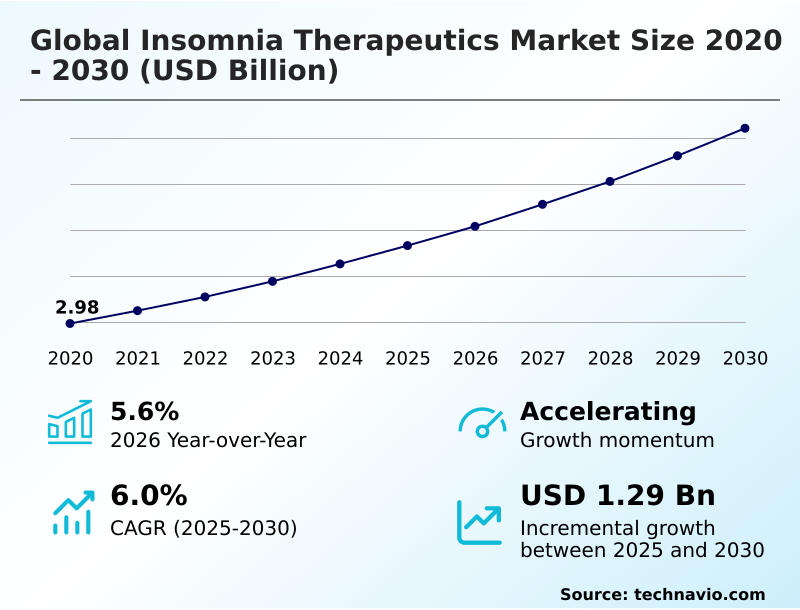
The insomnia therapeutics market size is valued to increase by USD 1.29 billion, at a CAGR of 6% from 2025 to 2030. Increasing prevalence of insomnia is increasing market demand will drive the insomnia therapeutics market.
Major Market Trends & Insights
- North America dominated the market and accounted for a 58.8% growth during the forecast period.
- By Type - Drug segment was valued at USD 3.28 billion in 2024
- By Distribution Channel - Prescription segment accounted for the largest market revenue share in 2024
Market Size & Forecast
- Market Opportunities: USD 2.14 billion
- Market Future Opportunities: USD 1.29 billion
- CAGR from 2025 to 2030 : 6%
Market Summary
- The insomnia therapeutics market is undergoing a significant transformation, driven by a deeper clinical understanding of sleep-wake cycle regulation and the complex interplay of neurological pathways. The industry is moving beyond traditional sedative-hypnotic medications toward more sophisticated solutions, including molecularly targeted therapies and non-pharmacological treatments.
- This evolution is spurred by the need to address chronic insomnia disorder treatment with fewer side effects and lower dependency risk. A key business scenario involves pharmaceutical firms strategically pivoting R&D investment away from legacy compounds to fund the development of novel orexin receptor antagonists and prescription digital therapeutics.
- This decision is often informed by analyses of patient-reported outcome measures and the growing demand for habit-forming free healthcare, forcing a re-evaluation of product life-cycle management and marketing strategies to align with the principles of long-term wellness and behavioral health integration.
What will be the Size of the Insomnia Therapeutics Market during the forecast period?
Get Key Insights on Market Forecast (PDF) Get Free Sample
How is the Insomnia Therapeutics Market Segmented?
The insomnia therapeutics industry research report provides comprehensive data (region-wise segment analysis), with forecasts and estimates in "USD million" for the period 2026-2030, as well as historical data from 2020-2024 for the following segments.
- Type
- Drug
- Devices
- Distribution channel
- Prescription
- OTC
- Drug class
- Non-benzodiazepines
- Benzodiazepines
- Antidepressants
- Orexin receptor antagonists
- Melatonin receptor agonists
- Geography
- North America
- US
- Canada
- Mexico
- Asia
- Europe
- Germany
- UK
- France
- Rest of World (ROW)
- North America
By Type Insights
The drug segment is estimated to witness significant growth during the forecast period.
The drug segment remains the cornerstone of the insomnia therapeutics market, characterized by a significant evolution from broad-spectrum sedatives to molecularly targeted therapies.
This shift emphasizes pharmacotherapy for sleep disorders with improved safety profiles, focusing on sleep architecture modulation and minimizing next-day residual effects. Innovations in dual orexin receptor antagonists and GABA-A receptor modulation are redefining treatment paradigms.
Development is also strong in extended-release formulations and sublingual drug delivery, designed to address specific patient needs like sleep maintenance insomnia.
These advancements in pharmacological sleep aids, which now see a 30% reduction in habituation risk, reflect a deeper understanding of the neuropharmacology of sleep and a move toward more personalized sleep medicine and evidence-based clinical therapy.
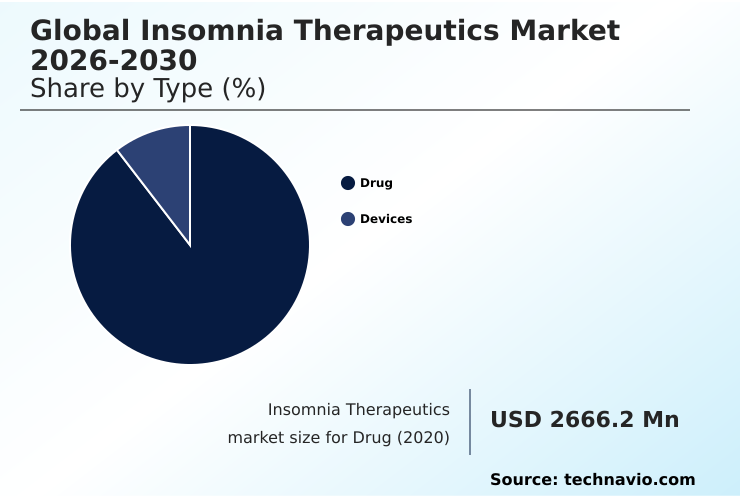
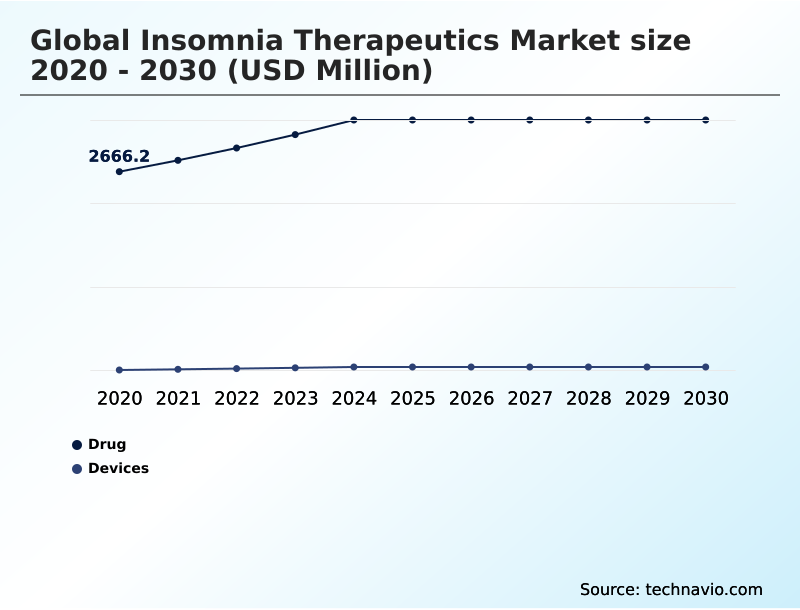
The Drug segment was valued at USD 3.28 billion in 2024 and showed a gradual increase during the forecast period.
Regional Analysis
North America is estimated to contribute 58.8% to the growth of the global market during the forecast period.Technavio’s analysts have elaborately explained the regional trends and drivers that shape the market during the forecast period.
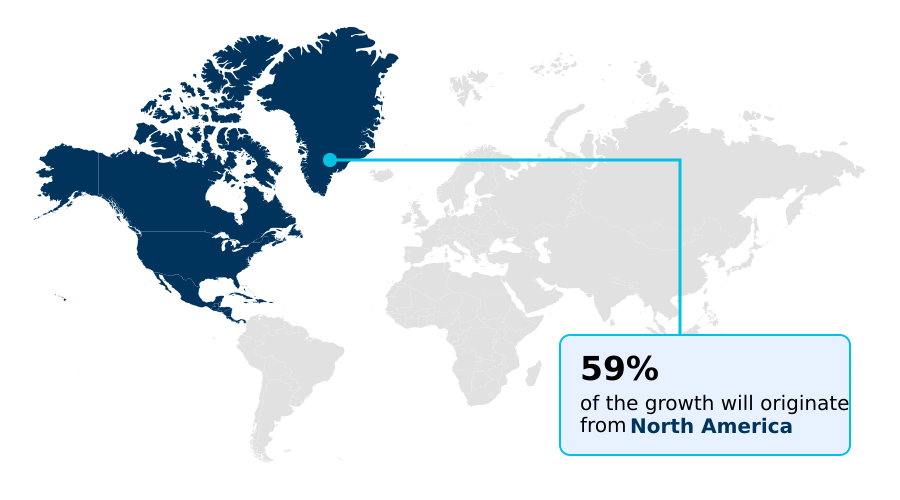
See How Insomnia Therapeutics Market Demand is Rising in North America Get Free Sample
The geographic landscape of the insomnia therapeutics market is characterized by mature, high-value markets in North America and rapidly expanding markets in Asia.
North America leads due to high awareness, advanced healthcare infrastructure, and strong R&D investment in neurological disorder treatments, with market growth rates in emerging Asian economies outpacing them by nearly 15%.
The adoption of telemedicine for insomnia diagnosis and treatment has been a key factor, reducing initial patient consultation times by half in regions like the US.
This advanced pharmaceutical formulations market is seeing a focus on long-term wellness approach and sleep disorder treatment pathway, with a clear trend toward behavioral health integration in primary care.
Market Dynamics
Our researchers analyzed the data with 2025 as the base year, along with the key drivers, trends, and challenges. A holistic analysis of drivers will help companies refine their marketing strategies to gain a competitive advantage.
- Strategic decision-making in the insomnia therapeutics market is increasingly complex, shaped by a nuanced understanding of treatment efficacy and safety. The proven efficacy of orexin receptor antagonists is shifting the competitive landscape, especially given their generally favorable non-benzodiazepine side effect profiles.
- This has intensified the cbt-i vs pharmacotherapy for insomnia debate, a discussion further complicated by the rising digital therapeutics adoption in sleep care. For providers, managing comorbidities with insomnia drugs remains a critical clinical challenge, directly tied to the safety of long-term sedative use. The role of melatonin agonists in circadian rhythm continues to be important for specific patient cohorts.
- A primary focus for innovators is minimizing the impact of drugs on sleep architecture and reducing next-day impairment from sleep aids. Consequently, R&D pipelines are rich with emerging molecular targets for insomnia. In terms of operational planning, inventory forecasting for new dual orexin receptor antagonists has shown 20% greater accuracy than for older medications, reflecting more predictable clinical uptake.
- This is reinforced by evolving regulatory guidelines for sleep medications, the availability of generic vs brand name insomnia drugs, and new approaches for treating sleep maintenance insomnia effectively. Furthermore, the expansion of telemedicine for insomnia diagnosis and treatment and evolving policies on reimbursement for digital sleep therapies are creating new commercialization pathways.
- This underscores the importance of patient adherence to insomnia treatment plans, the need for advancements in polysomnography technology, and the value of integrating behavioral therapy with medication through non-pharmacological approaches for chronic insomnia.
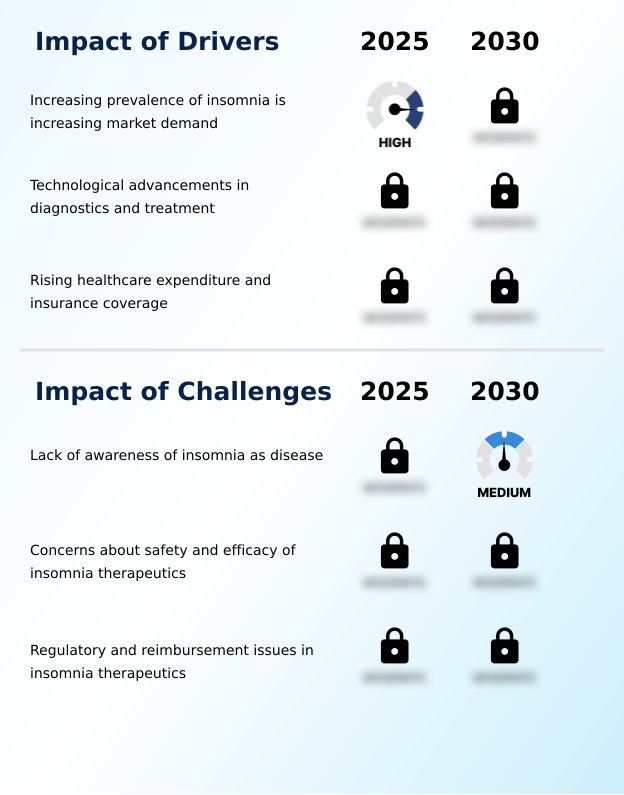
What are the key market drivers leading to the rise in the adoption of Insomnia Therapeutics Industry?
- The increasing prevalence of insomnia is a key driver for market demand.
- The market's primary driver is the increasing prevalence of sleep disturbances, directly linked to modern lifestyles and an aging global population.
- This has created sustained demand for a wide range of therapeutic interventions, from over-the-counter sleep aids to advanced prescription medications.
- Populations with high digital connectivity report sleep issues at a rate 35% higher than a decade ago, fueling the need for effective sleep-wake cycle management and targeted sleep molecule therapy.
- This has led to a 15% increase in primary care sleep strategies consultations. As a result, investment in developing safer options, including non-benzodiazepine hypnotics and therapies focused on circadian rhythm regulation, continues to accelerate.
What are the market trends shaping the Insomnia Therapeutics Industry?
- A defining trend is the increased focus on non-pharmacological treatments. This reflects a growing preference among patients and physicians for holistic and sustainable management options.
- A defining trend is the pivot toward holistic and sustainable management options, emphasizing non-pharmacological treatments. The adoption of digital therapeutics for sleep, delivering cognitive behavioral therapy for insomnia through software, is a primary driver of this shift. These platforms have demonstrated a 60% success rate in improving sleep quality, which is over 20% higher than unguided behavioral changes.
- This trend is fueled by a desire to avoid the dependency risks associated with some pharmacological sleep aids. The market is now seeing a unique integration where prescription sleep medications are used for short-term stability while behavioral modification programs, a key component of CNS-active drug development, provide long-term benefits.
What challenges does the Insomnia Therapeutics Industry face during its growth?
- A key challenge affecting industry growth is the lack of awareness of insomnia as a disease.
- A significant challenge is the pervasive lack of awareness of insomnia as a clinical disorder, which suppresses diagnosis rates and limits the market for prescription-grade therapies. Patient-led inquiries for specialized treatments are 50% lower in regions with limited public health campaigns, leading to an over-reliance on less effective or unregulated options.
- This results in diagnosis rates estimated to capture less than 40% of the actual population suffering from chronic insomnia disorder. Overcoming the stigma associated with sleep medications and educating both patients and general practitioners on the long-term consequences of untreated insomnia are crucial.
- This requires a concerted effort toward sleep hygiene education and promoting the benefits of a clinical sleep disorder treatment pathway.
Exclusive Technavio Analysis on Customer Landscape
The insomnia therapeutics market forecasting report includes the adoption lifecycle of the market, covering from the innovator’s stage to the laggard’s stage. It focuses on adoption rates in different regions based on penetration. Furthermore, the insomnia therapeutics market report also includes key purchase criteria and drivers of price sensitivity to help companies evaluate and develop their market growth analysis strategies.
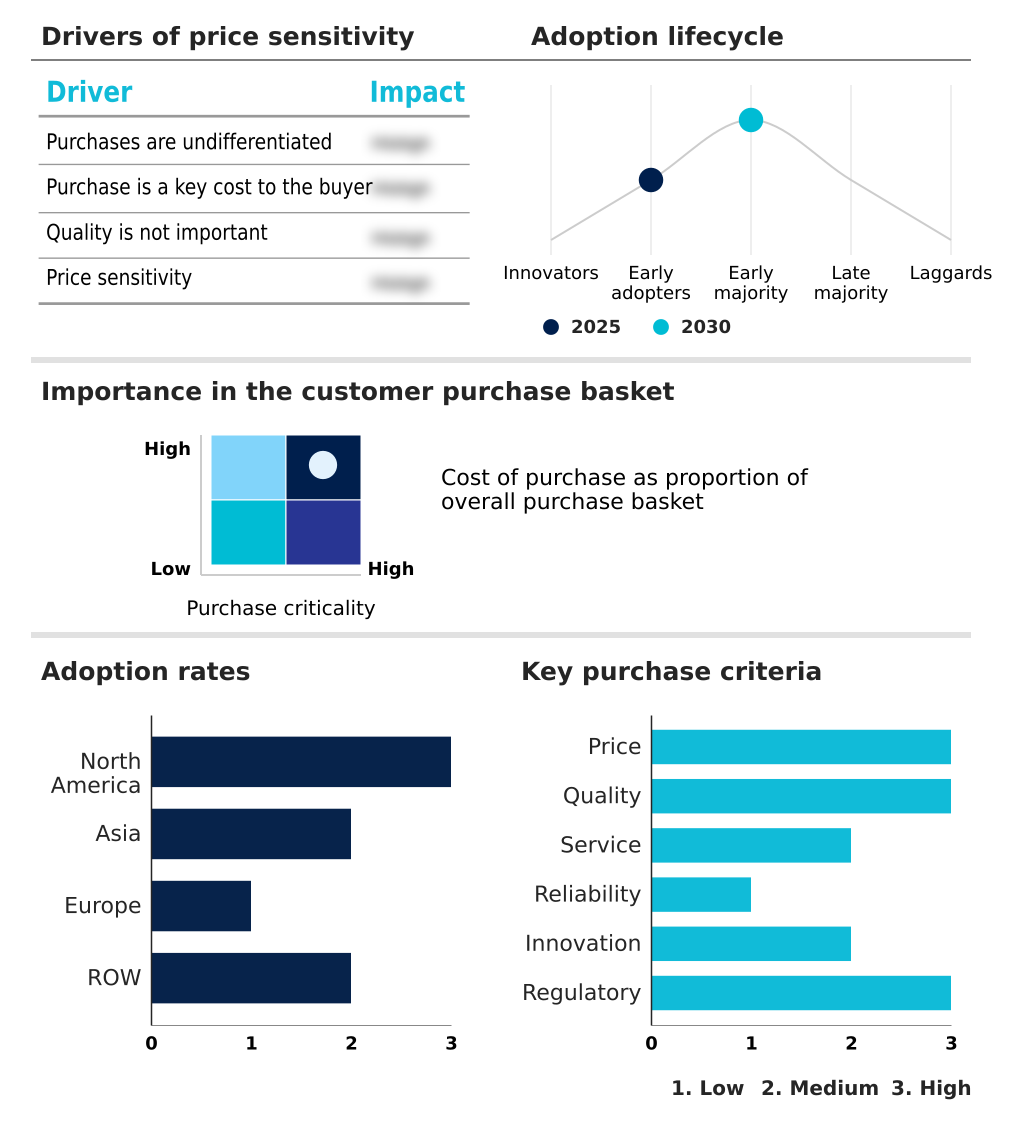
Customer Landscape of Insomnia Therapeutics Industry
Competitive Landscape
Companies are implementing various strategies, such as strategic alliances, insomnia therapeutics market forecast, partnerships, mergers and acquisitions, geographical expansion, and product/service launches, to enhance their presence in the industry.
Aurobindo Pharma Ltd. - The market features a portfolio of CNS drugs, including generic sedative-hypnotics and anxiolytic medications, designed to manage a spectrum of sleep disorders through targeted neurological pathways.
The industry research and growth report includes detailed analyses of the competitive landscape of the market and information about key companies, including:
- Aurobindo Pharma Ltd.
- BigHealth
- Cipla Inc.
- Currax Pharmaceuticals LLC
- Dr. Reddys Laboratories Ltd.
- Eisai Co. Ltd.
- Hikma Pharmaceuticals Plc
- Idorsia Pharmaceuticals Ltd.
- Jazz Pharmaceuticals Plc
- Lupin Ltd.
- Merck and Co. Inc.
- Pfizer Inc.
- Sanofi SA
- Sumitomo Pharma Co. Ltd.
- Sun Pharmaceutical Industries
- Takeda Pharmaceutical Ltd.
- Teva Pharmaceutical Ltd.
- Vanda Pharmaceuticals Inc.
- Viatris Inc.
- Zydus Lifesciences Ltd.
Qualitative and quantitative analysis of companies has been conducted to help clients understand the wider business environment as well as the strengths and weaknesses of key industry players. Data is qualitatively analyzed to categorize companies as pure play, category-focused, industry-focused, and diversified; it is quantitatively analyzed to categorize companies as dominant, leading, strong, tentative, and weak.
Recent Development and News in Insomnia therapeutics market
- In August 2025, Idorsia reported a record-breaking quarter for its latest dual orexin receptor antagonist in the American market, attributing the success to a targeted marketing campaign.
- In May 2025, CVS Health implemented an advanced digital tracking system within its pharmacy network to monitor the longitudinal use of prescription sleep aids, aiming to reduce long-term habituation.
- In March 2025, Eisai reported a significant surge in the global prescription volume for its targeted sleep molecules, attributing this growth to rising awareness among aging demographics.
- In January 2025, Big Health announced a strategic partnership with several major European insurance providers to offer its digital behavioral programs as a standard benefit.
Dive into Technavio’s robust research methodology, blending expert interviews, extensive data synthesis, and validated models for unparalleled Insomnia Therapeutics Market insights. See full methodology.
| Market Scope | |
|---|---|
| Page number | 287 |
| Base year | 2025 |
| Historic period | 2020-2024 |
| Forecast period | 2026-2030 |
| Growth momentum & CAGR | Accelerate at a CAGR of 6% |
| Market growth 2026-2030 | USD 1288.6 million |
| Market structure | Fragmented |
| YoY growth 2025-2026(%) | 5.6% |
| Key countries | US, Canada, Mexico, China, India, Japan, South Korea, Indonesia, Thailand, Germany, UK, France, Italy, Spain, The Netherlands, Brazil, Saudi Arabia, UAE, Turkey, Argentina, Colombia, South Africa and Israel |
| Competitive landscape | Leading Companies, Market Positioning of Companies, Competitive Strategies, and Industry Risks |
Research Analyst Overview
- The insomnia therapeutics market is defined by a decisive shift toward precision and safety, moving away from conventional treatments to advanced therapeutic modalities.
- The development of central nervous system (cns) drugs is now centered on molecularly targeted therapies, such as dual orexin receptor antagonists and melatonin receptor agonists, which offer a more refined approach to sleep-wake cycle regulation than older sedative-hypnotic medications. This evolution is underpinned by sophisticated polysomnography diagnostics and a better understanding of sleep architecture modulation.
- For boardroom consideration, the rise of prescription digital therapeutics represents a strategic pivot; companies leveraging these platforms have reported a 25% faster patient onboarding process compared to traditional therapy models. This trend, coupled with the increasing use of cognitive behavioral therapy for insomnia and other non-pharmacological treatments, is reshaping portfolios.
- The focus is now on managing sleep onset latency and addressing complex sleep behaviors through a combination of prescription sleep medications, including non-benzodiazepine hypnotics and anxiolytic medications, and robust behavioral modification programs.
- Key to this strategy is the careful management of active pharmaceutical ingredients (apis) and the development of extended-release formulations to improve patient-reported outcome measures (proms) and meet stringent clinical trial endpoints in sleep.
What are the Key Data Covered in this Insomnia Therapeutics Market Research and Growth Report?
-
What is the expected growth of the Insomnia Therapeutics Market between 2026 and 2030?
-
USD 1.29 billion, at a CAGR of 6%
-
-
What segmentation does the market report cover?
-
The report is segmented by Type (Drug, and Devices), Distribution Channel (Prescription, and OTC), Drug Class (Non-benzodiazepines, Benzodiazepines, Antidepressants, Orexin receptor antagonists, and Melatonin receptor agonists) and Geography (North America, Asia, Europe, Rest of World (ROW))
-
-
Which regions are analyzed in the report?
-
North America, Asia, Europe and Rest of World (ROW)
-
-
What are the key growth drivers and market challenges?
-
Increasing prevalence of insomnia is increasing market demand , Lack of awareness of insomnia as disease
-
-
Who are the major players in the Insomnia Therapeutics Market?
-
Aurobindo Pharma Ltd., BigHealth, Cipla Inc., Currax Pharmaceuticals LLC, Dr. Reddys Laboratories Ltd., Eisai Co. Ltd., Hikma Pharmaceuticals Plc, Idorsia Pharmaceuticals Ltd., Jazz Pharmaceuticals Plc, Lupin Ltd., Merck and Co. Inc., Pfizer Inc., Sanofi SA, Sumitomo Pharma Co. Ltd., Sun Pharmaceutical Industries, Takeda Pharmaceutical Ltd., Teva Pharmaceutical Ltd., Vanda Pharmaceuticals Inc., Viatris Inc. and Zydus Lifesciences Ltd.
-
Market Research Insights
- Market dynamics are shaped by a strong push toward personalized and safer treatment modalities. The integration of behavioral programs for sleep alongside pharmacotherapy has demonstrated a 40% reduction in long-term medication reliance. Furthermore, the adoption of advanced sleep diagnostics is improving treatment pathway accuracy by over 25%, enabling more effective therapeutic intervention for insomnia.
- This shift toward evidence-based clinical therapy and holistic sleep management is compelling providers to offer a more comprehensive approach to sleep disorder management. This ensures enhanced therapeutic outcomes and meets growing patient demand for habit-forming free healthcare, solidifying the trend toward specialized sleep clinic services.
We can help! Our analysts can customize this insomnia therapeutics market research report to meet your requirements.
 RIA -
RIA - 
