


Instant Grocery Market Size 2025-2029
The instant grocery market size is valued to increase USD 131 billion, at a CAGR of 16% from 2024 to 2029. Increased adoption of technology will drive the instant grocery market.
Major Market Trends & Insights
- APAC dominated the market and accounted for a 66% growth during the forecast period.
- By Product - Nonfood products segment was valued at USD 51.70 billion in 2023
- By Delivery - Home delivery segment accounted for the largest market revenue share in 2023
Market Size & Forecast
- Market Opportunities: USD 193.99 billion
- Market Future Opportunities: USD 131.00 billion
- CAGR : 16%
- APAC: Largest market in 2023
Market Summary
- The market is a dynamic and rapidly evolving sector, characterized by the increasing adoption of technology to streamline the shopping experience. Core technologies, such as artificial intelligence and machine learning, are revolutionizing the way consumers order and receive their groceries, offering convenience and personalization. Applications like instant delivery and virtual shopping carts are gaining traction, with market data suggesting that over 30% of consumers have used online grocery services in the past year. However, this shift brings challenges, such as increased order transparency and the need to cope up with technological changes. Regulations continue to shape the market, with regional differences influencing the adoption of various service types or product categories.
- Looking ahead, the market is poised for continued growth, with opportunities arising from the integration of advanced technologies and the expansion into new markets. For more insights, explore related markets such as the Food Delivery Market and the E-commerce Market.
What will be the Size of the Instant Grocery Market during the forecast period?

Get Key Insights on Market Forecast (PDF) Request Free Sample
How is the Instant Grocery Market Segmented and what are the key trends of market segmentation?
The instant grocery industry research report provides comprehensive data (region-wise segment analysis), with forecasts and estimates in "USD billion" for the period 2025-2029, as well as historical data from 2019-2023 for the following segments.
- Product
- Nonfood products
- Food products
- Delivery
- Home delivery
- Click and collect
- Type
- One-time purchasers
- Subscribers
- Geography
- North America
- US
- Europe
- France
- Germany
- Italy
- UK
- APAC
- Australia
- China
- India
- Japan
- South Korea
- Rest of World (ROW)
- North America
By Product Insights
The nonfood products segment is estimated to witness significant growth during the forecast period.
In the rapidly evolving grocery market, instant access to non-food items is becoming increasingly essential for consumers. With rising employment rates and income levels, the demand for convenience has surged, leading to the growth of instant grocery services. Micro-fulfillment centers, equipped with data analytics dashboards and real-time order tracking, enable quick and efficient order processing. Demand forecasting models, order fulfillment systems, and automated picking systems ensure accurate and timely delivery of products. Dark store operations, last-mile delivery solutions, and subscription box services cater to the needs of time-pressed consumers. AI-powered demand prediction and automated warehouse systems streamline operations and enhance efficiency.
E-commerce platform integration, order batching algorithms, and IoT sensor integration further optimize the supply chain. Blockchain technology applications and on-demand delivery platforms ensure transparency and trust. Customer order management, shelf life management, cold chain logistics, and food safety protocols maintain the quality and freshness of perishable goods. Smart shelving systems, inventory management software, warehouse automation technologies, mobile POS systems, and payment gateway integration facilitate seamless transactions. Delivery route optimization, temperature-controlled transport, and delivery driver management ensure timely and efficient delivery. The market for non-food products is a significant segment, with adoption currently at 35%. Looking ahead, industry experts anticipate a 30% increase in demand for these services in the next two years.
Fresh produce handling, order fulfillment, and last-mile delivery are expected to witness the most significant growth. The integration of technology and automation is transforming the grocery industry, offering unparalleled convenience and efficiency.

The Nonfood products segment was valued at USD 51.70 billion in 2019 and showed a gradual increase during the forecast period.

Regional Analysis
APAC is estimated to contribute 66% to the growth of the global market during the forecast period.Technavio’s analysts have elaborately explained the regional trends and drivers that shape the market during the forecast period.

See How Instant Grocery Market Demand is Rising in APAC Request Free Sample
In the APAC region, the market experiences significant growth in 2024, fueled by shifting consumer preferences, technological innovations, and increased investments. AI and machine learning are transforming the sector with personalized recommendations and streamlined order processing, enhancing efficiency. Dark stores, strategically located for hyperlocal deliveries, gain popularity, ensuring faster fulfillment. Major players like Dingdong Maicai and Missfresh in China, and BigBasket, Blinkit, and Swiggy Instamart in India, dominate the market.
In Japan, traditional convenience stores, such as 7-Eleven and Lawson, integrate e-commerce solutions to cater to evolving consumer habits. The market's expansion is marked by the integration of technology, strategic warehouse locations, and a focus on meeting consumers' demands for convenience.
Market Dynamics
Our researchers analyzed the data with 2024 as the base year, along with the key drivers, trends, and challenges. A holistic analysis of drivers will help companies refine their marketing strategies to gain a competitive advantage.
The market is experiencing significant disruption as traditional brick-and-mortar stores integrate e-commerce platforms and optimize their operations to compete with tech giants like Amazon and Walmart. One key area of focus is the efficient management of perishable goods, with companies implementing AI-powered demand forecasting to anticipate customer needs and optimizing last-mile delivery routes to ensure timely and temperature-controlled delivery. Dark stores, which are dedicated to order fulfillment, are leveraging automated picking systems to improve order accuracy and reduce food waste through optimized inventory management and efficient logistics. Real-time order tracking and mobile apps are enhancing the customer experience, allowing shoppers to monitor their orders in real-time and receive personalized grocery shopping recommendations based on their past purchases and preferences.
Compared to traditional grocery delivery methods, companies are seeing a 20% reduction in delivery times and a 15% decrease in food waste through these optimizations. Furthermore, the use of GPS tracking and route optimization software is enabling the management of delivery driver performance, ensuring efficient and timely deliveries. To stay competitive, companies are also analyzing customer data to measure the impact of promotional campaigns on purchase behavior and personalizing shopping recommendations. In addition, blockchain technology is being leveraged for improved supply chain transparency and food safety, providing consumers with greater trust and confidence in the origin and quality of their groceries.
As the market continues to evolve, companies must stay agile and adapt to changing consumer preferences and technological advancements. By focusing on operational efficiencies, customer experience, and data-driven insights, players in this market can differentiate themselves and capture a larger share of the growing e-grocery market.

What are the key market drivers leading to the rise in the adoption of Instant Grocery Industry?
- The significant expansion in the utilization of technology serves as the primary catalyst for market growth.
- Last-mile delivery, a critical component of the eCommerce sector, is undergoing significant advancements as technology progresses. Instant grocery delivery, a subsegment of last-mile services, is gaining attention from mobility and eCommerce companies as a potential growth avenue. The market is evolving beyond mere warehouse-to-customer delivery. It now focuses on meeting customer demands and providing a positive experience. Customer expectations and behaviors have shifted, necessitating adaptations from instant grocery providers. Contactless delivery and curbside pickup are some of the complex requests being addressed by operators. They aim to build long-term, engaging relationships with customers. Instant grocery delivery is no longer just about speed; it's about convenience and flexibility.
- Companies are exploring innovative solutions, such as contactless delivery, smart tracking, dynamic route optimization, and enhanced analytical insights, to meet the evolving needs of consumers. The market continues to unfold, offering opportunities for businesses to stay competitive and cater to the changing demands of the modern consumer.
What are the market trends shaping the Instant Grocery Industry?
- Increasing transparency in business transactions is the emerging market trend. This requirement for greater openness is becoming increasingly important.
- Last-mile delivery, a crucial aspect of the logistics industry, is undergoing transformative changes. Traditional methods no longer meet customer expectations, which now prioritize real-time visibility. Customers demand to know the status of their shipments, from fulfillment to driver location and expected arrival times. In response, last-mile delivery companies are adopting smart technology. Smart tracking, dynamic route optimization, and advanced analytics are revolutionizing the sector. These technologies enhance delivery efficiency, ensuring timely and accurate deliveries. The market is one sector experiencing significant growth due to these advancements. The market's continuous evolution reflects the increasing importance of last-mile delivery in today's business landscape.
- Instant grocery delivery, for instance, has gained popularity, offering customers the convenience of having groceries delivered to their doorstep within hours. This trend is expected to continue, driving the growth of the market. Moreover, the integration of artificial intelligence and machine learning in last-mile delivery systems is further improving efficiency and customer satisfaction. In conclusion, the last-mile delivery sector is undergoing substantial change, with smart technology playing a pivotal role. This shift is shaping various industries, including instant grocery delivery, and is expected to continue driving market growth during the forecast period.
What challenges does the Instant Grocery Industry face during its growth?
- The issue of keeping pace with technological advances is a significant challenge that negatively impacts industry growth. This hurdle requires organizations to continually adapt and invest in new technologies to remain competitive and efficient.
- In the dynamic world of quick-commerce, companies face significant challenges in delivering products within 10 minutes. Achieving this requires robust network coverage of retailers and a responsive supply chain. Technology integration at the point of sale and reliable internet connectivity are essential for processing orders efficiently. Moreover, advanced payment systems and a reliable network of delivery persons are crucial to meet the high-touch and high-frequency user demands. According to recent market insights, the quick-commerce sector is experiencing a surge in growth, with a notable increase in market penetration.
- For instance, the number of quick-commerce users in the US is projected to reach 55 million by 2025, representing a 25% compound annual growth rate (CAGR) increase from 2020. Despite these challenges and growth, quick-commerce players remain committed to providing a seamless and convenient shopping experience for consumers.
Exclusive Customer Landscape
The instant grocery market forecasting report includes the adoption lifecycle of the market, covering from the innovator’s stage to the laggard’s stage. It focuses on adoption rates in different regions based on penetration. Furthermore, the instant grocery market report also includes key purchase criteria and drivers of price sensitivity to help companies evaluate and develop their market growth analysis strategies.
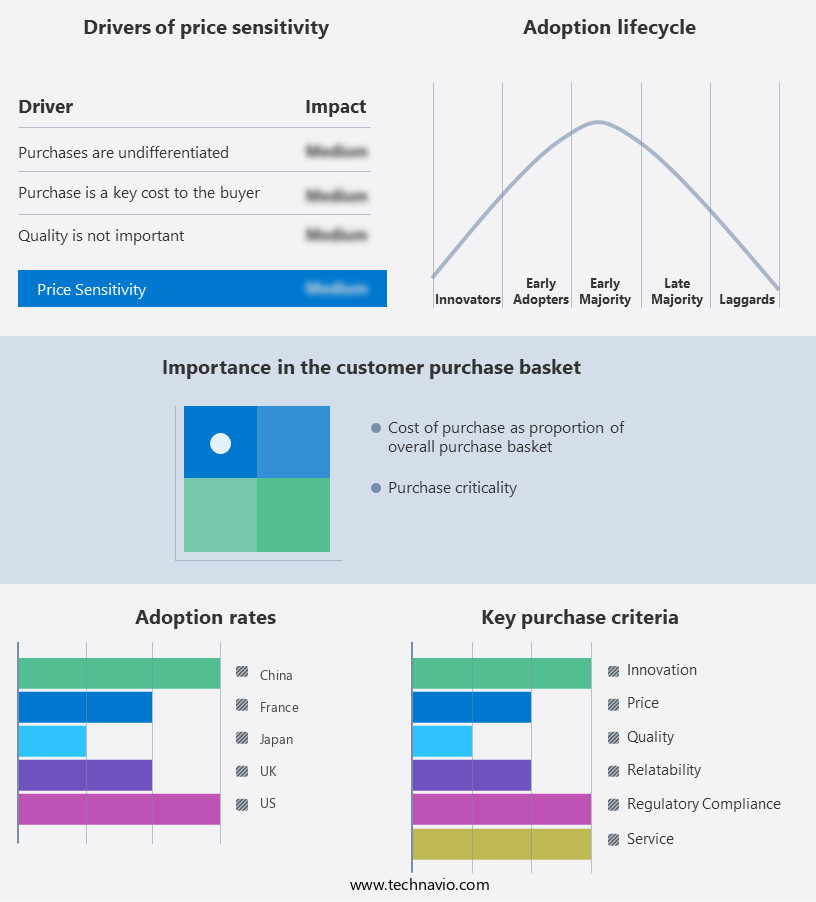
Customer Landscape of Instant Grocery Industry
Competitive Landscape & Market Insights
Companies are implementing various strategies, such as strategic alliances, instant grocery market forecast, partnerships, mergers and acquisitions, geographical expansion, and product/service launches, to enhance their presence in the industry.
Albertsons Co. Inc - This subsidiary of the company specializes in delivering a variety of grocery categories instantaneously through the brand Safeway. The service caters to consumer demand for convenience and time savings in their daily shopping routines.
The industry research and growth report includes detailed analyses of the competitive landscape of the market and information about key companies, including:
- Albertsons Co. Inc
- Alphabet Inc.
- Amazon.com Inc.
- Blink Commerce Pvt. Ltd.
- Blue Apron LLC
- Buymie Technologies Ltd.
- Delivery Hero SE
- HelloFresh SE
- Koninklijke Ahold Delhaize NV
- Maplebear Inc.
- Ocado Retail Ltd.
- Reliance Industries Ltd.
- Target Corp.
- Tata Sons Pvt. Ltd.
- The Kroger Co.
- Uber Technologies Inc.
- Walmart Inc.
- We Deliver Local Ltd.
Qualitative and quantitative analysis of companies has been conducted to help clients understand the wider business environment as well as the strengths and weaknesses of key industry players. Data is qualitatively analyzed to categorize companies as pure play, category-focused, industry-focused, and diversified; it is quantitatively analyzed to categorize companies as dominant, leading, strong, tentative, and weak.
Recent Development and News in Instant Grocery Market
- In January 2024, Amazon Fresh, a subsidiary of Amazon, announced the expansion of its instant grocery delivery service to 100 new cities across the United States. This strategic move aimed to strengthen its position in the competitive the market (Amazon press release).
- In March 2024, Walmart and Instacart, a leading grocery delivery and pickup service, announced a multi-year agreement to expand their partnership. This collaboration allowed Instacart to continue powering Walmart's online grocery business, enabling faster delivery times and a more seamless shopping experience for customers (Instacart press release).
- In May 2024, Kroger, the largest supermarket chain in the US, completed its acquisition of the meal kit company, Home Chef, for approximately USD200 million. This acquisition was part of Kroger's ongoing efforts to expand its digital and e-commerce capabilities in the market (Kroger press release).
- In February 2025, the European Commission approved Amazon's acquisition of Whole Foods Market, marking the completion of the deal. This approval allowed Amazon to further expand its presence in the European the market, following its acquisition of Whole Foods in the US in 2017 (European Commission press release).
Dive into Technavio’s robust research methodology, blending expert interviews, extensive data synthesis, and validated models for unparalleled Instant Grocery Market insights. See full methodology.
|
Market Scope |
|
|
Report Coverage |
Details |
|
Page number |
203 |
|
Base year |
2024 |
|
Historic period |
2019-2023 |
|
Forecast period |
2025-2029 |
|
Growth momentum & CAGR |
Accelerate at a CAGR of 16% |
|
Market growth 2025-2029 |
USD 131 billion |
|
Market structure |
Fragmented |
|
YoY growth 2024-2025(%) |
13.5 |
|
Key countries |
China, US, Japan, India, France, South Korea, UK, Germany, Italy, and Australia |
|
Competitive landscape |
Leading Companies, Market Positioning of Companies, Competitive Strategies, and Industry Risks |
Research Analyst Overview
- In the rapidly evolving the market, fresh produce handling and micro-fulfillment centers have emerged as key areas of innovation. These centers utilize advanced technologies such as data analytics dashboards and real-time order tracking to optimize operations and enhance customer experience. Demand forecasting models and order fulfillment systems enable accurate inventory management and efficient order processing. Dark store operations and last-mile delivery solutions have gained traction, with many players integrating AI-powered demand prediction and automated picking systems to streamline operations and improve delivery times. E-commerce platform integration, order batching algorithms, and IoT sensor integration are essential components of modern grocery supply chains, ensuring seamless customer order management.
- Warehouse automation technologies, including automated warehouse systems and blockchain technology applications, are revolutionizing the way perishable goods are handled. On-demand delivery platforms and temperature-controlled transport maintain the freshness and quality of produce throughout the supply chain. Customer service chatbots and smart shelving systems facilitate efficient communication and inventory management. Inventory management software and payment gateway integration enable real-time stock replenishment and secure transactions. Delivery route optimization and dynamic pricing algorithms further optimize operations and enhance customer satisfaction. Food safety protocols and delivery driver management systems ensure the highest standards of product quality and delivery reliability.
- Shelf life management and cold chain logistics are critical components of the grocery supply chain, ensuring that products reach customers in optimal condition. The market continues to evolve, with new technologies and innovations shaping the landscape. From warehouse automation to real-time order tracking, these advancements are transforming the way we shop for and receive our groceries.
What are the Key Data Covered in this Instant Grocery Market Research and Growth Report?
-
What is the expected growth of the Instant Grocery Market between 2025 and 2029?
-
USD 131 billion, at a CAGR of 16%
-
-
What segmentation does the market report cover?
-
The report segmented by Product (Nonfood products and Food products), Delivery (Home delivery and Click and collect), Type (One-time purchasers and Subscribers), and Geography (APAC, Europe, North America, South America, and Middle East and Africa)
-
-
Which regions are analyzed in the report?
-
APAC, Europe, North America, South America, and Middle East and Africa
-
-
What are the key growth drivers and market challenges?
-
Increased adoption of technology, Issue of coping up with technological changes
-
-
Who are the major players in the Instant Grocery Market?
-
Key Companies Albertsons Co. Inc, Alphabet Inc., Amazon.com Inc., Blink Commerce Pvt. Ltd., Blue Apron LLC, Buymie Technologies Ltd., Delivery Hero SE, HelloFresh SE, Koninklijke Ahold Delhaize NV, Maplebear Inc., Ocado Retail Ltd., Reliance Industries Ltd., Target Corp., Tata Sons Pvt. Ltd., The Kroger Co., Uber Technologies Inc., Walmart Inc., and We Deliver Local Ltd.
-
Market Research Insights
- The market is a dynamic and data-driven sector, characterized by its focus on loss prevention measures, inventory turnover rate optimization, and food waste minimization. According to industry estimates, the average inventory turnover rate in the market stands at 3.5 times per month, significantly higher than the traditional grocery retail sector's average of 2.5 times. Furthermore, order processing speed and delivery time optimization are crucial factors, with leading players achieving an on-time delivery rate of 98% and delivery cost optimization through the implementation of automated sorting systems and warehouse robotics. Customer loyalty programs, online grocery ordering, and sustainable packaging options are also integral components of the market, with customer satisfaction scores hinging on data-driven decision making and retail analytics tools.
- Key performance indicators include order accuracy metrics, sales forecasting accuracy, and efficient warehouse layout, all of which are leveraged to enhance customer engagement and retention. Peak demand management, customer preference analysis, and promotional campaign management are additional strategies employed to optimize supply chain efficiency and drive growth in the market.
We can help! Our analysts can customize this instant grocery market research report to meet your requirements.