

Micro Servers Market Analysis North America, APAC, Europe, South America, Middle East and Africa - US, China, Germany, Japan, UK - Size and Forecast 2024-2028

Micro Servers Market Analysis North America, APAC, Europe, South America, Middle East and Africa - US, China, Germany, Japan, UK - Size and Forecast 2024-2028

Published: Jul 2024 157 Pages SKU: IRTNTR74982

Market Overview at a Glance

$32.80 B
Market Opportunity
10.87%
CAGR
9.53
YoY growth 2023-2024(%)

Micro Servers Market Size 2024-2028 

The micro servers market size is forecast to increase by USD 32.8 billion at a CAGR of 10.87% between 2023 and 2028.

  • The micro servers market is experiencing significant growth due to the increasing demand for Internet services, smart devices, and social networks. With the wave in data generation from various sources, there is a rising need for high-density servers that offer low power consumption. Cloud services, including hybrid cloud solutions, are also driving market growth as businesses seek to store and process data more efficiently. The trend toward edge computing is another key factor, as organizations look to reduce latency and improve performance by processing data closer to the source. Additionally, increasing investments in data centers and data center consolidation are contributing to market expansion.

What will be the Size of the Market During the Forecast Period?
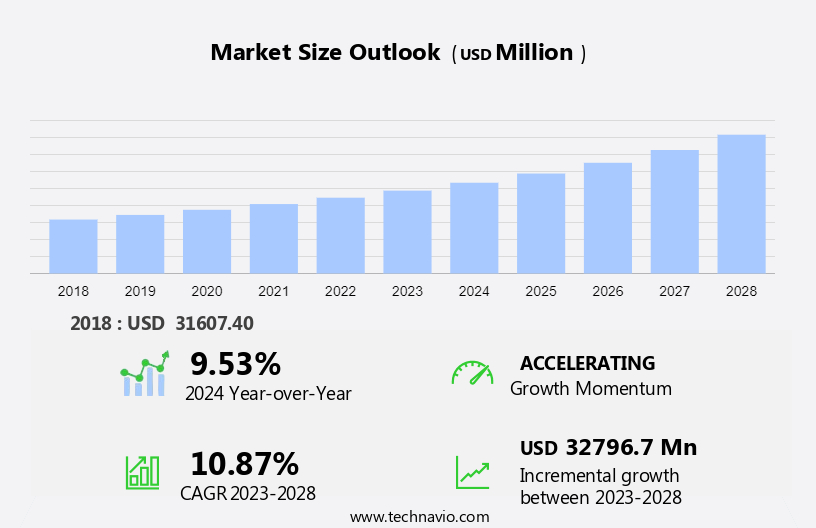
Micro Servers Market Size

 Request Free Sample

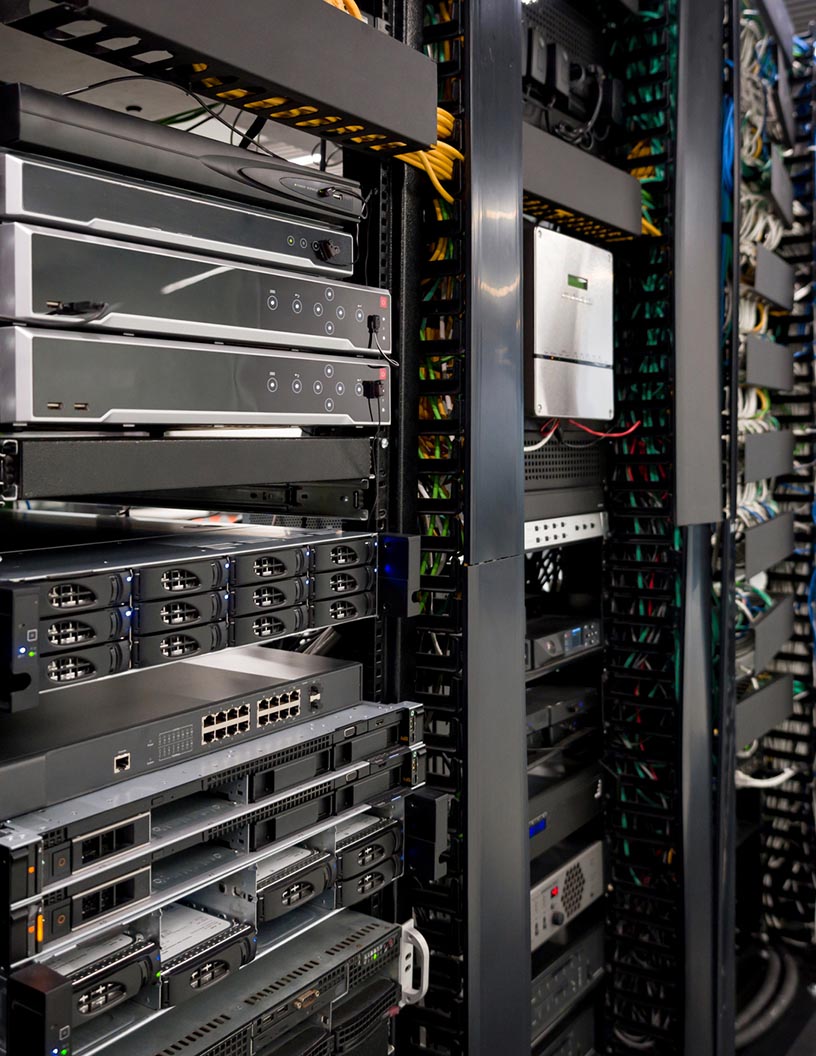
  • Micro servers, also known as computing nodes, have gained significant attention in the technology industry due to their unique hardware configurations. These servers, which utilize low-power processors, RAM, and storage, offer several advantages for businesses seeking to optimize energy costs and physical space requirements. The microserver architecture is a scalable solution that allows organizations to add or remove servers as needed, ensuring system reliability and flexibility. This architecture contrasts with high-end servers, which may not offer the same level of flexibility and can consume more energy and physical space. Micro servers are particularly suitable for applications that require low power consumption, such as web hosting, cloud services, and social networks. One of the key benefits of micro servers is their redundancy. By deploying multiple micro servers, organizations can ensure that their systems remain available even if one server fails.
  • Micro servers consume less power than traditional servers, making them an energy-efficient solution. Additionally, their compact size allows for high-density deployments, reducing the overall footprint of the data center. Micro servers can be used in various applications, from personal computers to enterprise-class rack servers and blade servers. They can also be integrated into hybrid cloud environments, where they can be used in conjunction with public cloud providers and private clouds. In conclusion, micro servers offer several advantages for businesses seeking to optimize their IT infrastructure. Their low power consumption, scalability, and redundancy make them an attractive option for applications that require high availability and efficient use of resources. When evaluating micro servers, it is essential to consider the specific requirements of your organization and choose a solution that aligns with your business goals and budget.

How is this market segmented and which is the largest segment?

The market research report provides comprehensive data (region-wise segment analysis), with forecasts and estimates in "USD million" for the period 2024-2028, as well as historical data from 2018-2022 for the following segments.

  • End-user
    • Large enterprises
    • Small and medium enterprises
  • Application
    • Data center
    • Cloud computing
    • Media storage
    • Data analytics
  • Geography
    • North America
      • US
    • APAC
      • China
      • Japan
    • Europe
      • Germany
      • UK
    • South America
    • Middle East and Africa

By End-user Insights

  • The large enterprises segment is estimated to witness significant growth during the forecast period.

Micro server architecture has gained significant traction among large enterprises in the US and North America, particularly those with a widespread presence in various industries and geographical locations. Traditional monolithic servers can be costly and complex for organizations with multiple offices, stores, or plants, due to the high expense of hardware and the requirement for substantial physical space. In contrast, micro servers offer an efficient solution for data processing and management, reducing the need for extensive hardware and enabling easy data access and sharing between workplaces. The digital transformation trend, driven by economic development and the increasing importance of data, is fueling the adoption of micro servers.

Cloud-based services, which enable remote access to tools and information, are becoming increasingly popular. The demand for these services is projected to continue growing, leading to an increased reliance on micro servers for data processing and management during the forecast period. Micro servers provide system reliability and redundancy, ensuring that critical data is protected and accessible at all times. This is particularly important for organizations with mission-critical applications or those operating in regulated industries. The use of micro servers also enables organizations to scale their IT infrastructure as needed, making it a cost-effective solution for managing data and processing power.
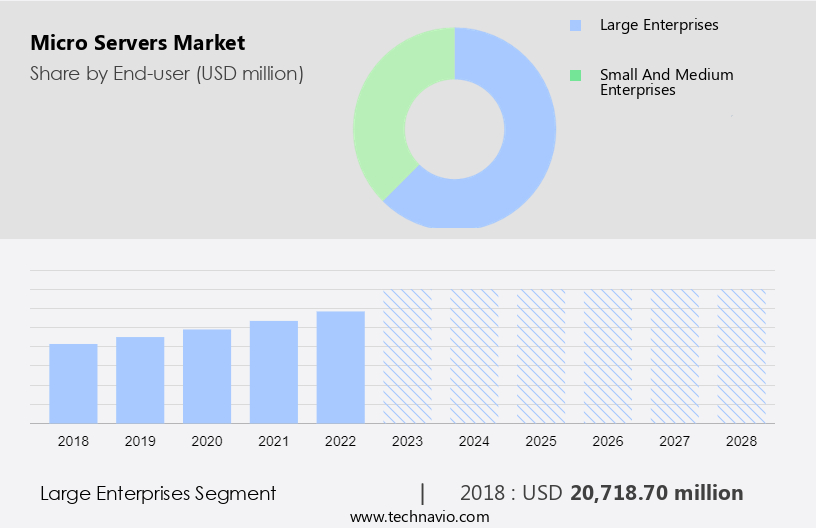
Micro Servers Market Size

Get a glance at the market report of share of various segments Request Free Sample

The large enterprises segment was valued at USD 20.72 billion in 2018 and showed a gradual increase during the forecast period.

Regional Analysis

  • APAC is estimated to contribute 39% to the growth of the global market during the forecast period.

Technavio's analysts have elaborately explained the regional trends and drivers that shape the market during the forecast period.
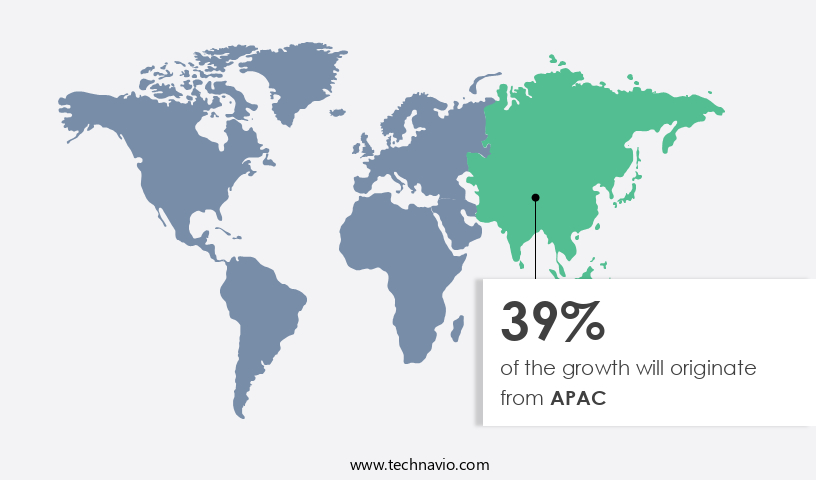
Micro Servers Market Share by Geography

For more insights on the market share of various regions Request Free Sample

The micro servers market in North America is experiencing significant growth due to the increasing demand for cloud services among businesses in the United States and Canada. Enterprises are shifting towards cloud solutions to minimize their operational and capital expenses associated with on-premises data centers. Hyperscale cloud providers, such as Amazon Web Services (AWS), Microsoft, and Oracle, are popular choices for businesses due to their ability to offer scalable computing capacity at affordable prices. Moreover, investments in telecommunications network infrastructure in the region are on the rise, fueled by the proliferation of Internet of Things (IoT) devices and the emergence of big data analytics.

Further, the adoption of rack-mounted servers, powered by 64-bit processors and System-on-Chips (SoCs) from leading hardware manufacturers like Intel and ARM, is also gaining traction in the region. These servers offer high performance and energy efficiency, making them an ideal choice for data-intensive applications. In summary, the micro servers market in North America is witnessing growth due to the increasing adoption of cloud services, the rise in data traffic, and the demand for high-performance servers. The region's established data centers, such as Apple's six data centers, are contributing to the market's growth.

Market Dynamics

Our researchers analyzed the data with 2023 as the base year, along with the key drivers, trends, and challenges. A holistic analysis of drivers will help companies refine their marketing strategies to gain a competitive advantage.

What are the key market drivers leading to the rise in adoption of Micro Servers Market?

The shift toward edge computing is the key driver of the market.

  • The market is experiencing significant growth due to the increasing adoption of edge computing in various sectors, including autonomous vehicles, smart manufacturing, and smart cities. Edge computing is a network architecture that enables data processing and storage near the source, reducing latency and enhancing server response. This architecture has gained popularity among small and medium-sized enterprises (SMEs) and large-scale enterprises alike, seeking efficient and secure data management solutions. Edge data centers are being established to accommodate the growing demand for compact servers, which are essential components of edge computing. The increasing use of smartphones, social platforms, and big data applications further fuels the demand for micro servers.
  • Edge computing offers several advantages, such as faster data processing, improved security, and reduced bandwidth requirements, making it an attractive solution for various industries. Micro servers are compact and energy-efficient servers designed for edge computing applications. They offer high processing power and can be easily integrated into various systems, making them an ideal choice for enterprises looking to optimize their data management infrastructure. The enterprise end-user segment is expected to dominate the market due to the increasing demand for efficient and secure data management solutions. In conclusion, the market is poised for growth due to the rising adoption of edge computing and the increasing demand for efficient and secure data management solutions.

What are the market trends shaping the Micro Servers Market?

Increased investments in data centers and particularly hyper-scale data centers (HDCs) is the upcoming trend in the market.

  • Micro servers, a more advanced iteration of conventional data centers, have gained significant traction due to the escalating demand for higher data storage capacity and enhanced computing speed. The market experienced notable growth in 2022, driven by substantial investments from public cloud providers, such as hyperscalers, in expanding and constructing new data centers. Over the past few years, these companies have collectively poured approximately USD 200 billion into capacity expansion and the establishment of new data centers. For instance, Google announced an investment of USD 13 billion to build new data centers. These investments from hyperscalers are fueling the expansion of The market.
  • Public cloud providers, including hyperscalers, are increasingly turning to micro servers to support their Big Data analytics initiatives. Micro servers offer a greater number of physical servers and virtual machines compared to traditional servers, making them an ideal solution for handling the massive data processing requirements of Big Data analytics. As per the latest market research, The market is expected to continue its upward trajectory, with increasing adoption across various industries. The market is anticipated to grow at a steady pace, driven by the surging demand for cloud computing services and the need for high-performance computing solutions.

What challenges does Micro Servers Market face during the growth?

Increasing data center consolidation is a key challenge affecting market growth.

  • The market is experiencing growth due to the increasing demand for Internet services and the proliferation of smart devices. With the generation of massive amounts of data from social networks and various devices, there is a rising need for efficient and low-power solutions for cloud services. High-density micro servers are gaining popularity as they offer a cost-effective and energy-efficient alternative to traditional servers. Data center consolidation is a significant trend driving the market's growth. Service providers are adopting hybrid cloud solutions to optimize their IT infrastructure and reduce costs. Hybrid cloud allows organizations to leverage both public and private cloud services, providing the benefits of both worlds.
  • The consolidation of data centers leads to significant cost savings for service providers. By reducing the number of physical data centers, they can save on hardware and operational expenses. Additionally, micro servers' low power consumption makes them an attractive option for organizations seeking to minimize their carbon footprint. In conclusion, the US market is poised for growth due to the increasing demand for Internet services, the proliferation of smart devices, and the trend toward data center consolidation. High-density micro servers offer a cost-effective and energy-efficient solution for cloud services, making them an attractive option for organizations seeking to optimize their IT infrastructure.

Exclusive Customer Landscape

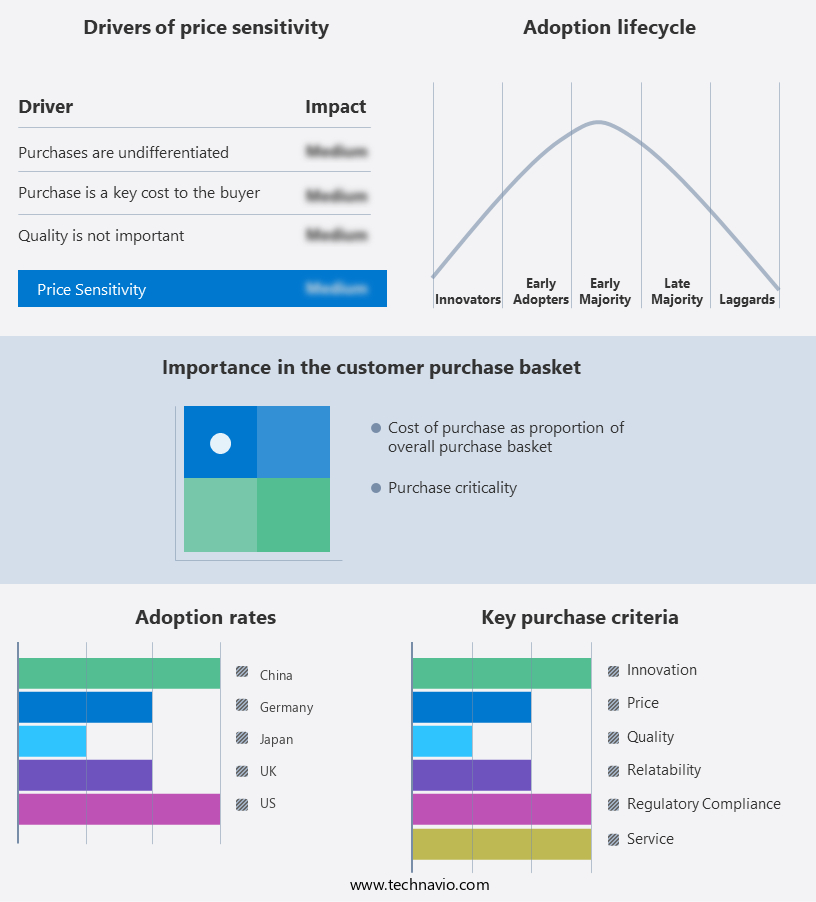
The market forecasting report includes the adoption lifecycle of the market, covering from the innovator's stage to the laggard's stage. It focuses on adoption rates in different regions based on penetration. Furthermore, the market report also includes key purchase criteria and drivers of price sensitivity to help companies evaluate and develop their market growth analysis strategies.
Micro Servers Market Share by Geography

 Customer Landscape

Key Companies & Market Insights

Companies are implementing various strategies, such as strategic alliances, market forecast, partnerships, mergers and acquisitions, geographical expansion, and product/service launches, to enhance their presence in the market. The market research and growth report includes detailed analyses of the competitive landscape of the market and information about key companies, including:

  • Acer Inc.
  • Dawning Information Industry Co. Ltd.
  • Dell Technologies Inc.
  • Fujitsu Ltd.
  • Hewlett Packard Enterprise Co.
  • Inspur Group.
  • Intel Corp.
  • IRON Global Inc.
  • Lenovo Group Ltd.
  • Plat Home Co. Ltd.
  • Quanta Computer Inc.
  • Super Micro Computer Inc.

Qualitative and quantitative analysis of companies has been conducted to help clients understand the wider business environment as well as the strengths and weaknesses of key market players. Data is qualitatively analyzed to categorize companies as pure play, category-focused, industry-focused, and diversified; it is quantitatively analyzed to categorize companies as dominant, leading, strong, tentative, and weak.

Research Analyst Overview

Micro servers, also known as computing nodes, are compact hardware configurations designed for data processing in various applications. These servers utilize low-power processors, RAM, and storage to minimize energy costs and physical space requirements. The microserver architecture offers scalability and redundancy, ensuring system reliability for digital transformation initiatives. Micro servers are increasingly popular in data centers due to their ability to process large volumes of data in real-time. They are essential for cloud computing, virtualization, containerization technologies, and edge computing. These servers cater to diverse industries, including data analytics, web hosting, network services, and IoT solutions. Micro servers are not limited to data centers alone.

Additionally, the enterprise end-user segment benefits from micro servers in various sectors such as smart manufacturing, smart cities, and 5G solutions. Micro servers enable economic development by reducing energy costs and physical space requirements, making them an attractive option for organizations seeking to optimize their IT infrastructure. With advancements in processors, including 64-bit processors and System-on-Chips (SoCs) from Intel and ARM, micro servers continue to evolve and offer enhanced performance and capabilities.

Market Scope

Report Coverage

Details

Page number

157

Base year

2023

Historic period

2018-2022

Forecast period

2024-2028

Growth momentum & CAGR

Accelerate at a CAGR of 10.87%

Market growth 2024-2028

USD 32.80 billion

Market structure

Concentrated

YoY growth 2023-2024(%)

9.53

Key countries

US, China, Germany, Japan, and UK

Competitive landscape

Leading Companies, Market Positioning of Companies, Competitive Strategies, and Industry Risks

Request Free Sample

What are the Key Data Covered in this Market Research and Growth Report?

  • CAGR of the market during the forecast period
  • Detailed information on factors that will drive the market growth and forecasting between 2024 and 2028
  • Precise estimation of the size of the market  and its contribution of the market in focus to the parent market
  • Accurate predictions about upcoming market growth and trends and changes in consumer behaviour
  • Growth of the market across North America, APAC, Europe, South America, and Middle East and Africa
  • Thorough analysis of the market's competitive landscape and detailed information about companies
  • Comprehensive analysis of factors that will challenge the growth of market companies

We can help! Our analysts can customize this market research report to meet your requirements. Get in touch

1 Executive Summary

  • 1.1 Market overview
    • Executive Summary - Chart on Market Overview
    • Executive Summary - Data Table on Market Overview
    • Executive Summary - Chart on Global Market Characteristics
    • Executive Summary - Chart on Market by Geography
    • Executive Summary - Chart on Market Segmentation by End-user
    • Executive Summary - Chart on Market Segmentation by Application
    • Executive Summary - Chart on Incremental Growth
    • Executive Summary - Data Table on Incremental Growth
    • Executive Summary - Chart on Company Market Positioning

2 Market Landscape

  • 2.1 Market ecosystem
    • Parent Market
    • Data Table on - Parent Market
  • 2.2 Market characteristics
    • Market characteristics analysis
  • 2.3 Value chain analysis
    • Value Chain Analysis

3 Market Sizing

  • 3.1 Market definition
    • Offerings of companies included in the market definition
  • 3.2 Market segment analysis
    • Market segments
  • 3.3 Market size 2023
    • 3.4 Market outlook: Forecast for 2023-2028
      • Chart on Global - Market size and forecast 2023-2028 ($ million)
      • Data Table on Global - Market size and forecast 2023-2028 ($ million)
      • Chart on Global Market: Year-over-year growth 2023-2028 (%)
      • Data Table on Global Market: Year-over-year growth 2023-2028 (%)

    4 Historic Market Size

    • 4.1 Global Micro Servers Market 2018 - 2022
      • Historic Market Size - Data Table on Global Micro Servers Market 2018 - 2022 ($ million)
    • 4.2 End-user segment analysis 2018 - 2022
      • Historic Market Size - End-user Segment 2018 - 2022 ($ million)
    • 4.3 Application segment analysis 2018 - 2022
      • Historic Market Size - Application Segment 2018 - 2022 ($ million)
    • 4.4 Geography segment analysis 2018 - 2022
      • Historic Market Size - Geography Segment 2018 - 2022 ($ million)
    • 4.5 Country segment analysis 2018 - 2022
      • Historic Market Size - Country Segment 2018 - 2022 ($ million)

    5 Five Forces Analysis

    • 5.1 Five forces summary
      • Five forces analysis - Comparison between 2023 and 2028
    • 5.2 Bargaining power of buyers
      • Bargaining power of buyers - Impact of key factors 2023 and 2028
    • 5.3 Bargaining power of suppliers
      • Bargaining power of suppliers - Impact of key factors in 2023 and 2028
    • 5.4 Threat of new entrants
      • Threat of new entrants - Impact of key factors in 2023 and 2028
    • 5.5 Threat of substitutes
      • Threat of substitutes - Impact of key factors in 2023 and 2028
    • 5.6 Threat of rivalry
      • Threat of rivalry - Impact of key factors in 2023 and 2028
    • 5.7 Market condition
      • Chart on Market condition - Five forces 2023 and 2028

    6 Market Segmentation by End-user

    • 6.1 Market segments
      • Chart on End-user - Market share 2023-2028 (%)
      • Data Table on End-user - Market share 2023-2028 (%)
    • 6.2 Comparison by End-user
      • Chart on Comparison by End-user
      • Data Table on Comparison by End-user
    • 6.3 Large enterprises - Market size and forecast 2023-2028
      • Chart on Large enterprises - Market size and forecast 2023-2028 ($ million)
      • Data Table on Large enterprises - Market size and forecast 2023-2028 ($ million)
      • Chart on Large enterprises - Year-over-year growth 2023-2028 (%)
      • Data Table on Large enterprises - Year-over-year growth 2023-2028 (%)
    • 6.4 Small and medium enterprises - Market size and forecast 2023-2028
      • Chart on Small and medium enterprises - Market size and forecast 2023-2028 ($ million)
      • Data Table on Small and medium enterprises - Market size and forecast 2023-2028 ($ million)
      • Chart on Small and medium enterprises - Year-over-year growth 2023-2028 (%)
      • Data Table on Small and medium enterprises - Year-over-year growth 2023-2028 (%)
    • 6.5 Market opportunity by End-user
      • Market opportunity by End-user ($ million)
      • Data Table on Market opportunity by End-user ($ million)

    7 Market Segmentation by Application

    • 7.1 Market segments
      • Chart on Application - Market share 2023-2028 (%)
      • Data Table on Application - Market share 2023-2028 (%)
    • 7.2 Comparison by Application
      • Chart on Comparison by Application
      • Data Table on Comparison by Application
    • 7.3 Data center - Market size and forecast 2023-2028
      • Chart on Data center - Market size and forecast 2023-2028 ($ million)
      • Data Table on Data center - Market size and forecast 2023-2028 ($ million)
      • Chart on Data center - Year-over-year growth 2023-2028 (%)
      • Data Table on Data center - Year-over-year growth 2023-2028 (%)
    • 7.4 Cloud computing - Market size and forecast 2023-2028
      • Chart on Cloud computing - Market size and forecast 2023-2028 ($ million)
      • Data Table on Cloud computing - Market size and forecast 2023-2028 ($ million)
      • Chart on Cloud computing - Year-over-year growth 2023-2028 (%)
      • Data Table on Cloud computing - Year-over-year growth 2023-2028 (%)
    • 7.5 Media storage - Market size and forecast 2023-2028
      • Chart on Media storage - Market size and forecast 2023-2028 ($ million)
      • Data Table on Media storage - Market size and forecast 2023-2028 ($ million)
      • Chart on Media storage - Year-over-year growth 2023-2028 (%)
      • Data Table on Media storage - Year-over-year growth 2023-2028 (%)
    • 7.6 Data analytics - Market size and forecast 2023-2028
      • Chart on Data analytics - Market size and forecast 2023-2028 ($ million)
      • Data Table on Data analytics - Market size and forecast 2023-2028 ($ million)
      • Chart on Data analytics - Year-over-year growth 2023-2028 (%)
      • Data Table on Data analytics - Year-over-year growth 2023-2028 (%)
    • 7.7 Market opportunity by Application
      • Market opportunity by Application ($ million)
      • Data Table on Market opportunity by Application ($ million)

    8 Customer Landscape

    • 8.1 Customer landscape overview
      • Analysis of price sensitivity, lifecycle, customer purchase basket, adoption rates, and purchase criteria

    9 Geographic Landscape

    • 9.1 Geographic segmentation
      • Chart on Market share by geography 2023-2028 (%)
      • Data Table on Market share by geography 2023-2028 (%)
    • 9.2 Geographic comparison
      • Chart on Geographic comparison
      • Data Table on Geographic comparison
    • 9.3 North America - Market size and forecast 2023-2028
      • Chart on North America - Market size and forecast 2023-2028 ($ million)
      • Data Table on North America - Market size and forecast 2023-2028 ($ million)
      • Chart on North America - Year-over-year growth 2023-2028 (%)
      • Data Table on North America - Year-over-year growth 2023-2028 (%)
    • 9.4 APAC - Market size and forecast 2023-2028
      • Chart on APAC - Market size and forecast 2023-2028 ($ million)
      • Data Table on APAC - Market size and forecast 2023-2028 ($ million)
      • Chart on APAC - Year-over-year growth 2023-2028 (%)
      • Data Table on APAC - Year-over-year growth 2023-2028 (%)
    • 9.5 Europe - Market size and forecast 2023-2028
      • Chart on Europe - Market size and forecast 2023-2028 ($ million)
      • Data Table on Europe - Market size and forecast 2023-2028 ($ million)
      • Chart on Europe - Year-over-year growth 2023-2028 (%)
      • Data Table on Europe - Year-over-year growth 2023-2028 (%)
    • 9.6 South America - Market size and forecast 2023-2028
      • Chart on South America - Market size and forecast 2023-2028 ($ million)
      • Data Table on South America - Market size and forecast 2023-2028 ($ million)
      • Chart on South America - Year-over-year growth 2023-2028 (%)
      • Data Table on South America - Year-over-year growth 2023-2028 (%)
    • 9.7 Middle East and Africa - Market size and forecast 2023-2028
      • Chart on Middle East and Africa - Market size and forecast 2023-2028 ($ million)
      • Data Table on Middle East and Africa - Market size and forecast 2023-2028 ($ million)
      • Chart on Middle East and Africa - Year-over-year growth 2023-2028 (%)
      • Data Table on Middle East and Africa - Year-over-year growth 2023-2028 (%)
    • 9.8 US - Market size and forecast 2023-2028
      • Chart on US - Market size and forecast 2023-2028 ($ million)
      • Data Table on US - Market size and forecast 2023-2028 ($ million)
      • Chart on US - Year-over-year growth 2023-2028 (%)
      • Data Table on US - Year-over-year growth 2023-2028 (%)
    • 9.9 China - Market size and forecast 2023-2028
      • Chart on China - Market size and forecast 2023-2028 ($ million)
      • Data Table on China - Market size and forecast 2023-2028 ($ million)
      • Chart on China - Year-over-year growth 2023-2028 (%)
      • Data Table on China - Year-over-year growth 2023-2028 (%)
    • 9.10 Germany - Market size and forecast 2023-2028
      • Chart on Germany - Market size and forecast 2023-2028 ($ million)
      • Data Table on Germany - Market size and forecast 2023-2028 ($ million)
      • Chart on Germany - Year-over-year growth 2023-2028 (%)
      • Data Table on Germany - Year-over-year growth 2023-2028 (%)
    • 9.11 Japan - Market size and forecast 2023-2028
      • Chart on Japan - Market size and forecast 2023-2028 ($ million)
      • Data Table on Japan - Market size and forecast 2023-2028 ($ million)
      • Chart on Japan - Year-over-year growth 2023-2028 (%)
      • Data Table on Japan - Year-over-year growth 2023-2028 (%)
    • 9.12 UK - Market size and forecast 2023-2028
      • Chart on UK - Market size and forecast 2023-2028 ($ million)
      • Data Table on UK - Market size and forecast 2023-2028 ($ million)
      • Chart on UK - Year-over-year growth 2023-2028 (%)
      • Data Table on UK - Year-over-year growth 2023-2028 (%)
    • 9.13 Market opportunity by geography
      • Market opportunity by geography ($ million)
      • Data Tables on Market opportunity by geography ($ million)

    10 Drivers, Challenges, and Opportunity/Restraints

    • 10.1 Market drivers
      • 10.2 Market challenges
        • 10.3 Impact of drivers and challenges
          • Impact of drivers and challenges in 2023 and 2028
        • 10.4 Market opportunities/restraints

          11 Competitive Landscape

          • 11.1 Overview
            • 11.2 Competitive Landscape
              • Overview on criticality of inputs and factors of differentiation
            • 11.3 Landscape disruption
              • Overview on factors of disruption
            • 11.4 Industry risks
              • Impact of key risks on business

            12 Competitive Analysis

            • 12.1 Companies profiled
              • Companies covered
            • 12.2 Market positioning of companies
              • Matrix on companies position and classification
            • 12.3 Acer Inc.
              • Acer Inc. - Overview
              • Acer Inc. - Business segments
              • Acer Inc. - Key news
              • Acer Inc. - Key offerings
              • Acer Inc. - Segment focus
            • 12.4 Dawning Information Industry Co. Ltd.
              • Dawning Information Industry Co. Ltd. - Overview
              • Dawning Information Industry Co. Ltd. - Product / Service
              • Dawning Information Industry Co. Ltd. - Key offerings
            • 12.5 Dell Technologies Inc.
              • Dell Technologies Inc. - Overview
              • Dell Technologies Inc. - Business segments
              • Dell Technologies Inc. - Key news
              • Dell Technologies Inc. - Key offerings
              • Dell Technologies Inc. - Segment focus
            • 12.6 Fujitsu Ltd.
              • Fujitsu Ltd. - Overview
              • Fujitsu Ltd. - Business segments
              • Fujitsu Ltd. - Key news
              • Fujitsu Ltd. - Key offerings
              • Fujitsu Ltd. - Segment focus
            • 12.7 Hewlett Packard Enterprise Co.
              • Hewlett Packard Enterprise Co. - Overview
              • Hewlett Packard Enterprise Co. - Business segments
              • Hewlett Packard Enterprise Co. - Key news
              • Hewlett Packard Enterprise Co. - Key offerings
              • Hewlett Packard Enterprise Co. - Segment focus
            • 12.8 Inspur Group.
              • Inspur Group. - Overview
              • Inspur Group. - Key offerings
            • 12.9 Intel Corp.
              • Intel Corp. - Overview
              • Intel Corp. - Business segments
              • Intel Corp. - Key news
              • Intel Corp. - Key offerings
              • Intel Corp. - Segment focus
            • 12.10 IRON Global Inc.
              • IRON Global Inc. - Overview
              • IRON Global Inc. - Product / Service
              • IRON Global Inc. - Key offerings
            • 12.11 Lenovo Group Ltd.
              • Lenovo Group Ltd. - Overview
              • Lenovo Group Ltd. - Business segments
              • Lenovo Group Ltd. - Key news
              • Lenovo Group Ltd. - Key offerings
              • Lenovo Group Ltd. - Segment focus
            • 12.12 Plat Home Co. Ltd.
              • Plat Home Co. Ltd. - Overview
              • Plat Home Co. Ltd. - Product / Service
              • Plat Home Co. Ltd. - Key offerings
            • 12.13 Quanta Computer Inc.
              • Quanta Computer Inc. - Overview
              • Quanta Computer Inc. - Business segments
              • Quanta Computer Inc. - Key offerings
              • Quanta Computer Inc. - Segment focus
            • 12.14 Super Micro Computer Inc.
              • Super Micro Computer Inc. - Overview
              • Super Micro Computer Inc. - Business segments
              • Super Micro Computer Inc. - Key news
              • Super Micro Computer Inc. - Key offerings
              • Super Micro Computer Inc. - Segment focus

            13 Appendix

            • 13.1 Scope of the report
              • 13.2 Inclusions and exclusions checklist
                • Inclusions checklist
                • Exclusions checklist
              • 13.3 Currency conversion rates for US$
                • Currency conversion rates for US$
              • 13.4 Research methodology
                • Research methodology
              • 13.5 Data procurement
                • Information sources
              • 13.6 Data validation
                • Data validation
              • 13.7 Validation techniques employed for market sizing
                • Validation techniques employed for market sizing
              • 13.8 Data synthesis
                • Data synthesis
              • 13.9 360 degree market analysis
                • 360 degree market analysis
              • 13.10 List of abbreviations
                • List of abbreviations

              Research Methodology

              Technavio presents a detailed picture of the market by way of study, synthesis, and summation of data from multiple sources. The analysts have presented the various facets of the market with a particular focus on identifying the key industry influencers. The data thus presented is comprehensive, reliable, and the result of extensive research, both primary and secondary.

              INFORMATION SOURCES

              Primary sources

              • Manufacturers and suppliers
              • Channel partners
              • Industry experts
              • Strategic decision makers

              Secondary sources

              • Industry journals and periodicals
              • Government data
              • Financial reports of key industry players
              • Historical data
              • Press releases

              DATA ANALYSIS

              Data Synthesis

              • Collation of data
              • Estimation of key figures
              • Analysis of derived insights

              Data Validation

              • Triangulation with data models
              • Reference against proprietary databases
              • Corroboration with industry experts

              REPORT WRITING

              Qualitative

              • Market drivers
              • Market challenges
              • Market trends
              • Five forces analysis

              Quantitative

              • Market size and forecast
              • Market segmentation
              • Geographical insights
              • Competitive landscape

              Interested in this report?

              Get your sample now to see our research methodology and insights!

              Download Now

              Frequently Asked Questions

              Micro Servers market growth will increase by $ 32796.7 mn during 2024-2028.

              The Micro Servers market is expected to grow at a CAGR of 10.87% during 2024-2028.

              Micro Servers market is segmented by End-user( Large enterprises, Small and medium enterprises, medium enterprises) Application( Data center, Cloud computing, Media storage, Data analytics)

              Acer Inc., Dawning Information Industry Co. Ltd., Dell Technologies Inc., Fujitsu Ltd., Hewlett Packard Enterprise Co., Inspur Group., Intel Corp., IRON Global Inc., Lenovo Group Ltd., Plat Home Co. Ltd., Quanta Computer Inc., Super Micro Computer Inc. are a few of the key vendors in the Micro Servers market.

              APAC will register the highest growth rate of 39% among the other regions. Therefore, the Micro Servers market in APAC is expected to garner significant business opportunities for the vendors during the forecast period.

              US, China, Germany, Japan, UK

              • Shift toward edge computingThe growth of the global micro servers market is driven by the increasing deployment of edge computing is the driving factor this market.
              • which is resulting in the construction of edge data centers and contributing to the demand for micro servers.Edge computing is a network architecture wherein data is stored and processed near the place where it originates. The edge server in a network serves as the connection between separate networks. One of the advantages of edge computing is that the stored data remains close to the client machine is the driving factor this market.
              • thereby reducing latency and improving server response. This type of network architecture was initially implemented by SMEs is the driving factor this market.
              • but the growing demand for efficient and secure data management has spurred its implementation in large-scale enterprises.The growing volume of data generation in end-user industries is the driving factor this market.
              • such as telecommunication is the driving factor this market.
              • manufacturing is the driving factor this market.
              • and energy is the driving factor this market.
              • has increased the demand for more technologically advanced edge platforms. Therefore is the driving factor this market.
              • market vendors are developing and introducing new edge computing platforms to help clients improve their data management capabilities at the edge of the network. For instance is the driving factor this market.
              • HPE announced the launch of the HPE Edgeline EL8000 Converged Edge System. The system is specifically designed for communication service providers to process vast amounts of data in real time directly at the edge is the driving factor this market.
              • based on open standards to boost flexibility and reduce costs. Furthermore is the driving factor this market.
              • the market is witnessing an increased demand for NVMe-enabled SSDs is the driving factor this market.
              • which help achieve higher efficiency in edge computing than SAS/SATA SSDs. Hence is the driving factor this market.
              • the growing deployment of edge computing will drive the demand for storage solutions for edge data centers is the driving factor this market.
              • which is the driving factor this market.
              • in turn is the driving factor this market.
              • is expected to drive the growth of the market in focus during the forecast period. is the driving factor this market.

              The Micro Servers market vendors should focus on grabbing business opportunities from the Large enterprises segment as it accounted for the largest market share in the base year.
              RIA - Research AI Assistant
              Ask RIA
