


US Neurodiagnostic And Monitoring Devices Market Size 2025-2029
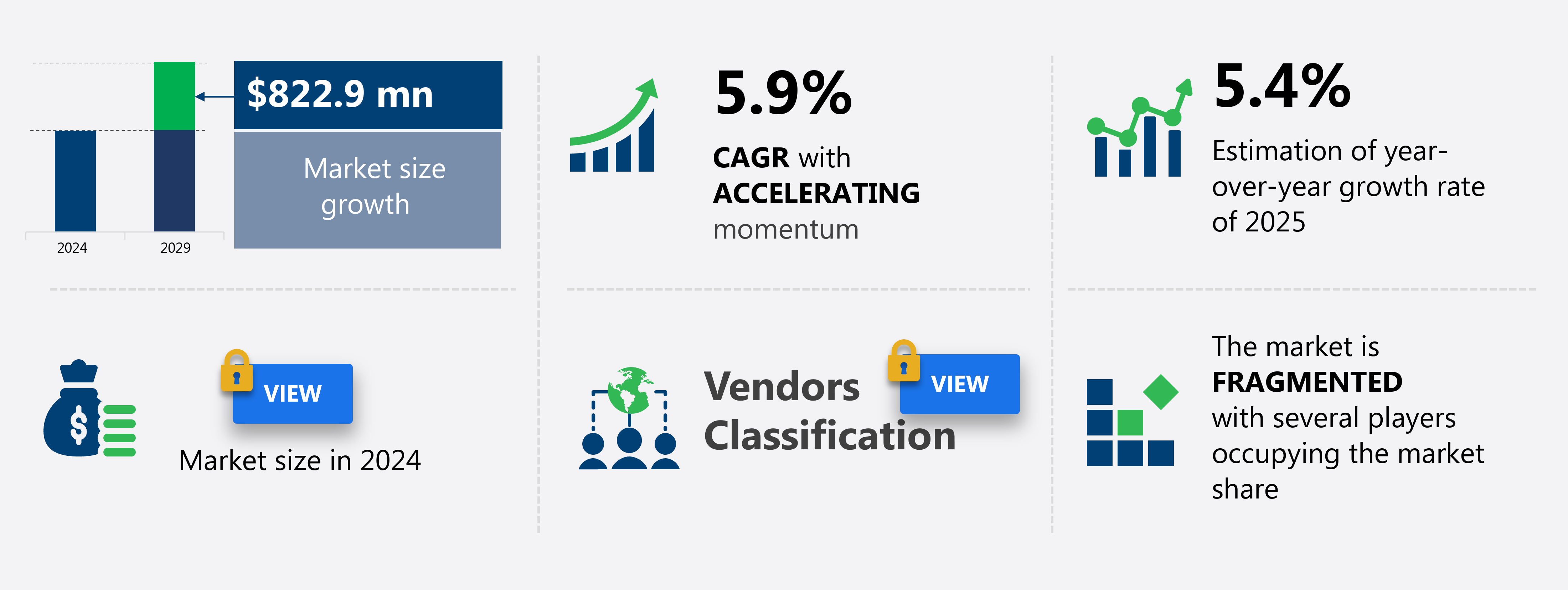
The neurodiagnostic and monitoring devices market size in US is forecast to increase by USD 822.9 million at a CAGR of 5.9% between 2024 and 2029.
-
The neurodiagnostic and monitoring devices market is experiencing significant growth due to the increasing incidences and prevalence of neurological conditions. Neurological disorders, such as epilepsy, Parkinson's disease, and Alzheimer's disease, are on the rise, driving the demand for advanced neurodiagnostic and monitoring devices. Computer vision and machine learning applications are transforming the field of neurodiagnostics, enabling accurate diagnosis and monitoring of neurological conditions. In-vitro diagnostics, genomics, and proteomics also play a significant role in neurodiagnostics. The integration of these advanced technologies is revolutionizing clinical practice and improving patient outcomes.
-
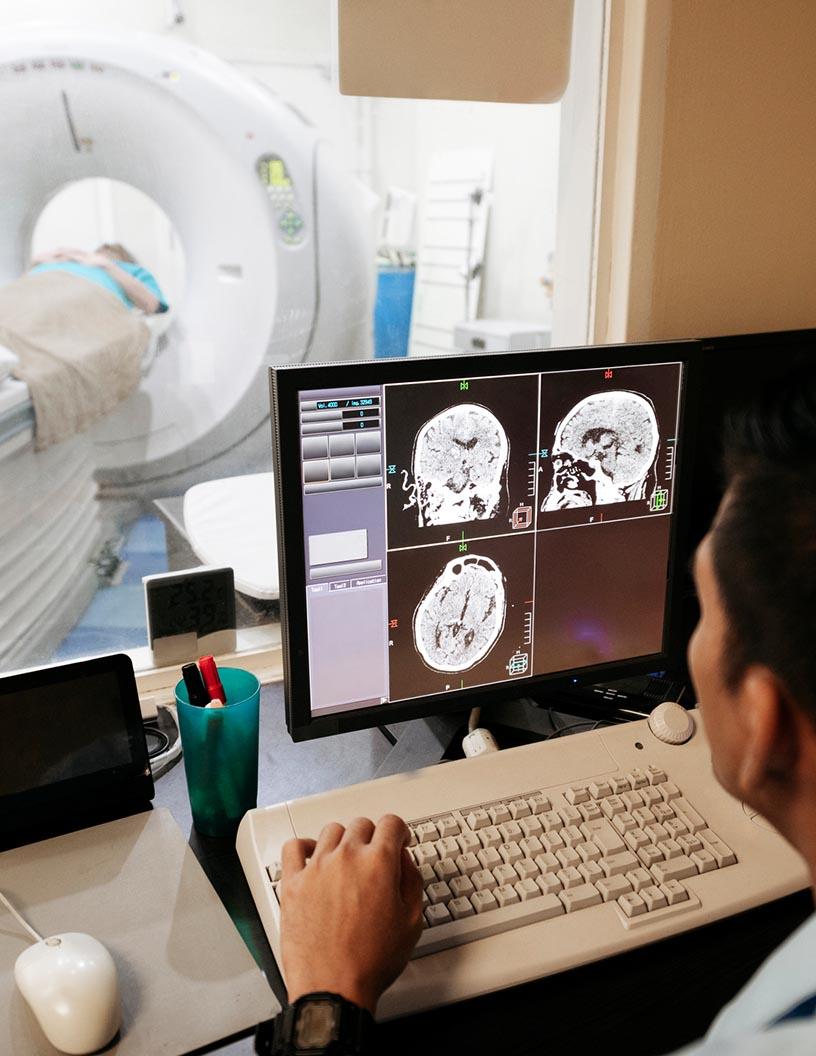
Despite this, the market's potential for innovation and improvement in patient care makes it an exciting and dynamic space to watch. Technological advances in this field, including the development of wearable devices and non-invasive monitoring systems, are also contributing to market growth. However, the high costs associated with these devices remain a challenge for both patients and healthcare providers, potentially limiting market expansion. Neurological examinations are conducted in various settings, such as hospitals and surgical centers, utilizing advanced neurodiagnostic devices like CT scanners, MRI scanners, PET scanners, and ultrasound imaging systems.
What will be the Size of the market During the Forecast Period?
-
The neurodiagnostic and monitoring devices market encompasses various technologies, including electroencephalography (EEG), electromyography (EMG), electrocardiography (ECG), magnetoencephalography (MEG), and computer vision. These technologies employ advanced techniques such as artificial neural networks, machine learning (ML), deep learning (DL), recurrent neural networks, time-frequency analysis, wavelet analysis, and spectral analysis. Medical informatics plays a crucial role in the market, enabling data security, privacy, and big data analytics. Digital health, mobile health, home healthcare, and personalized medicine are driving the demand for these devices. Cognitive neuroscience applications, such as cognitive training and brain plasticity assessment, are also gaining traction. EEG, ECG, and EMG devices are used extensively in clinical practice guidelines, drug development, and patient education.
-
Neurorehabilitation therapy and cognitive neuroscience research benefit from advanced signal processing techniques like feature extraction, event-related potential (ERP), and signal averaging. AI and ML algorithms are increasingly used for analyzing QEEG, ERP, and MEG data, enhancing diagnostic accuracy and facilitating precision medicine. Patient engagement is crucial, with cloud computing and mobile health solutions offering convenient access to neurodiagnostic data and analysis. Data privacy and security remain critical concerns, necessitating robust solutions to protect sensitive patient information. However, the high cost of neurology devices is a significant challenge for the market.
How is this market segmented and which is the largest segment?
The market research report provides comprehensive data (region-wise segment analysis), with forecasts and estimates in "USD million" for the period 2025-2029, as well as historical data from 2019-2023 for the following segments.
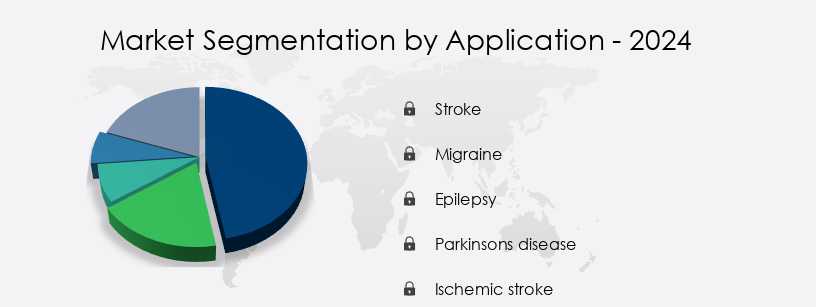
- Application
- Stroke
- Migraine
- Epilepsy
- Parkinsons disease
- Ischemic stroke
- Product
- ICP monitoring devices
- EEG devices
- EMG devices
- Others
- End-user
- Hospitals
- Clinics
- Laboratories
- Technology
- Non-invasive monitoring
- Invasive monitoring
- Geography
- North America
- US
- North America
By Application Insights
The stroke segment is estimated to witness significant growth during the forecast period. The neurodiagnostic and monitoring devices market in the US is witnessing significant growth, driven by the integration of advanced technologies such as machine learning and neural networks. Mental health professionals and sleep specialists are increasingly utilizing brain mapping and diagnostic imaging to assess cognitive function and identify conditions like Alzheimer's disease and Parkinson's disease. In sports medicine, neurodiagnostic devices are essential for concussion management and the diagnosis of neuromuscular disorders. Intensive care units and emergency medicine departments rely on neurodiagnostic devices for seizure monitoring, patient safety, and pain management, including neuropathic pain and chronic pain. FDA approval and regulatory compliance are crucial factors in the market, with medical device manufacturers continually innovating to meet these requirements.
Neurodegenerative diseases like multiple sclerosis and spinal cord injuries necessitate the use of implantable devices and wearable sensors for remote patient monitoring and data acquisition. Deep learning and data analysis are improving signal processing and artifact rejection, enhancing the accuracy of neurodiagnostic devices. Emerging applications include cognitive enhancement, evoked potential assessment, and the use of brain-computer interfaces for neural rehabilitation. Neonatal care and critical care settings also benefit from these advancements, with noise reduction and ce marking ensuring the safety and efficacy of these devices.
Clinical trials and research continue to drive innovation in this dynamic and evolving market. Companies like GE Healthcare and Siemens Healthineers are at the forefront of this innovation, developing specialized imaging procedures through magnetic resonance imaging (MRI), computed tomography (CT), and positron emission tomography (PET) scanners. In-vitro diagnostics, such as blood tests for neurological biomarkers, are gaining traction due to their ability to provide more accurate results for conditions like dementia and migraine.
Get a glance at the market report of share of various segments Request Free Sample
Market Dynamics
Our US Neurodiagnostic and Monitoring Devices Market researchers analyzed the data with 2024 as the base year, along with the key drivers, trends, and challenges. A holistic analysis of drivers will help companies refine their marketing strategies to gain a competitive advantage.
What are the key market drivers leading to the rise in adoption of US Neurodiagnostic And Monitoring Devices Market?
-
Increasing incidences and prevalence of neurological conditions is the key driver of the market. Neurodiagnostic and monitoring devices play a crucial role in the diagnosis and management of various neurological disorders, such as epilepsy, stroke, Parkinson's disease, and brain tumors. These conditions, which can be caused by bacterial and viral infections, genetic factors, or a lack of immune response, pose a significant risk to patient safety and can result in disabilities or even be fatal. Healthcare professionals utilize advanced technologies, including EEG, EMG, MEG, and ICP, to diagnose neurological diseases and facilitate interventions for improved patient outcomes. One of the most common neurological disorders is Parkinson's disease, which affects a growing percentage of the aging population.
-
According to The World Bank, approximately 17% of the US population is aged 65 and above, increasing the prevalence of this condition. Neurodiagnostic and monitoring devices enable early detection and effective management of neurological disorders, ensuring the best possible care for patients. Moreover, the advancements in technology have led to the development of implantable devices and wearable sensors for seizure monitoring, evoked potential assessment, and cognitive enhancement. These innovative solutions are particularly beneficial for individuals with neurodegenerative diseases, such as multiple sclerosis, and those requiring neonatal care. Regulatory compliance is essential to ensure the safety and efficacy of these devices, making it crucial for manufacturers to adhere to stringent quality standards.
What are the market trends shaping the US Neurodiagnostic and Monitoring Devices Market?
-
Technological advances in neurodiagnostic and monitoring devices is the upcoming trend in the market. Neurodiagnostic and monitoring devices play a crucial role in the healthcare industry, particularly in diagnosing and managing various neurological conditions. These devices are widely used in hospitals, clinics, and Ambulatory Surgical Centers (ASCs) to investigate neurological disorders, including mental health issues, sleep disorders, Alzheimer's disease, neuromuscular disorders, neuropathic pain, sports injuries, and concussions. Neurodiagnostic devices, including magnetic resonance imaging (MRI), ultrasound imaging systems, computed tomography (CT), molecular diagnostics, and neurodegenerative disease tests, play a pivotal role in diagnosing neurological disorders.
-
The potential benefits of these devices extend to intensive care units, where they aid in pain management and monitoring critical patients' neurological status. The growing prevalence of neurological disorders and the increasing focus on personalized medicine are expected to fuel the growth of the neurodiagnostic and monitoring devices market in the US. The integration of advanced technologies such as machine learning algorithms, brain mapping, and cognitive function assessment has significantly improved the accuracy and efficiency of these devices. Moreover, the introduction of wearable devices for continuous monitoring has increased patient adherence and reduced healthcare costs.
What challenges does US Neurodiagnostic and Monitoring Devices Market face during the growth?
-
High costs associated with neurodiagnostic and monitoring devices is a key challenge affecting the market growth. Neurodiagnostic and monitoring devices play a crucial role in identifying and investigating neurological conditions, including epilepsy, spinal cord injury, traumatic brain injury, dementia, stroke, and brain tumor. These procedures are primarily conducted in hospitals, clinics, and ambulatory surgical centers by trained medical professionals. Deep learning algorithms and advanced signal processing techniques are increasingly being used to enhance the accuracy of neurodiagnostic procedures, such as EEG, evoked potential, polysomnogram, nerve conduction study, long-term monitoring, and intraoperative neuromonitoring.
-
However, the potential benefits of early diagnosis and effective treatment of neurological conditions make the investment worthwhile. Clinical trials and CE marking are essential steps in the development and commercialization of neurodiagnostic and monitoring devices. Data analysis and signal processing are critical components of neurodiagnostic technology, enabling healthcare professionals to make informed decisions about patient care. Sleep disorders, premature infants, and critical care patients are among the populations that particularly benefit from neurodiagnostic and monitoring devices. Artifact rejection and noise reduction technologies are essential for ensuring the reliability of neurodiagnostic data. The high cost of neurodiagnostic procedures and devices is a significant challenge for both healthcare providers and patients.
Exclusive Customer Landscape
The market forecasting report includes the adoption lifecycle of the market, covering from the innovator's stage to the laggard's stage. It focuses on adoption rates in different regions based on penetration. Furthermore, the market report also includes key purchase criteria and drivers of price sensitivity to help companies evaluate and develop their market growth analysis strategies.
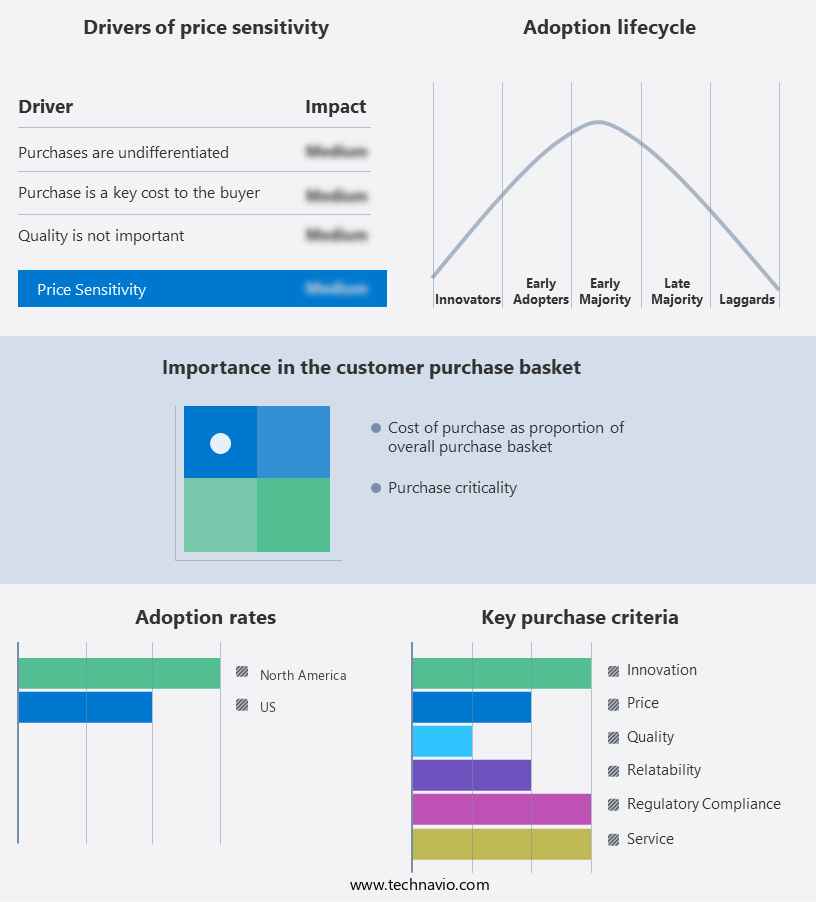
Customer Landscape
Key Companies & Market Insights
Companies are implementing various strategies, such as strategic alliances, market forecast , partnerships, mergers and acquisitions, geographical expansion, and product/service launches, to enhance their presence in the market.
Advanced Brain Monitoring Inc. - The company specializes in neurodiagnostic and monitoring solutions, featuring advanced technologies like mobile EEG systems from the Stat X series and B Alert systems.
The market research and growth report includes detailed analyses of the competitive landscape of the market and information about key companies, including:
- Advanced Brain Monitoring Inc.
- Ambu AS
- Bio Signal Group Corp.
- Cadwell Industries Inc.
- Compumedics Ltd.
- Delsys Inc.
- ELMIKO BIOSIGNALS sp. z o.o.
- General Electric Co.
- Jordan NeuroScience
- Koninklijke Philips NV
- Lifelines Neuro Company LLC
- Masimo Corp.
- Medtronic Plc
- Motion Lab Systems Inc
- Natus Medical Inc.
- neurocare group AG
- Nihon Kohden Corp.
- NovaSignal Corp.
- RAUMEDIC AG
- Viasonix Ltd.
Qualitative and quantitative analysis of companies has been conducted to help clients understand the wider business environment as well as the strengths and weaknesses of key market players. Data is qualitatively analyzed to categorize companies as pure play, category-focused, industry-focused, and diversified; it is quantitatively analyzed to categorize companies as dominant, leading, strong, tentative, and weak.
Recent Development and News in Neurodiagnostic And Monitoring Devices Market In US
- In March 2023, Medtronic, a leading medical technology company, announced the FDA approval of its new Envision ET System, an advanced neurodiagnostic monitoring platform designed to provide real-time, continuous intraoperative monitoring of brain function during neurosurgical procedures. This innovation is expected to enhance patient safety and improve surgical outcomes (Medtronic Press Release, 2023).
- In July 2024, Philips and Microsoft entered into a strategic partnership to develop integrated solutions for neurological care. This collaboration aims to leverage Microsoft's Azure AI platform and Philips' expertise in neurodiagnostic devices to create intelligent diagnostic tools and improve patient care (Philips Press Release, 2024).
- In November 2024, Natus Medical Incorporated, a leading provider of medical devices and services, completed the acquisition of NeuroWave Systems, a pioneer in non-invasive neurodiagnostic monitoring. This acquisition is expected to strengthen Natus' product portfolio and expand its presence in the neurodiagnostic monitoring market (Natus Medical Press Release, 2024).
- In January 2025, the European Commission approved the use of Siemens Healthineers' Neurology and Neuromodulation portfolio, which includes neurodiagnostic and monitoring devices, in all EU member states. This approval marks a significant expansion for Siemens Healthineers in the European market and underscores its commitment to providing advanced neurodiagnostic solutions (Siemens Healthineers Press Release, 2025).
Research Analyst Overview
The neurodiagnostic and monitoring devices market continues to evolve, driven by advancements in technology and increasing applications across various sectors. In emergency medicine, these devices play a crucial role in diagnosing and managing critical conditions, such as seizures and traumatic brain injuries. Evoked potential technology, for instance, assists in assessing neurological function, while seizure monitoring systems ensure timely intervention for seizure control. Patient safety is another key area where neurodiagnostic devices are making a significant impact. Implantable devices and wearable sensors enable continuous monitoring, providing real-time data on vital signs and neurological conditions. This is particularly important for patients with neurodegenerative diseases, such as multiple sclerosis and Parkinson's disease, where early detection and intervention can significantly improve outcomes.
Cognitive enhancement and neurorehabilitation are emerging applications, with devices designed to improve cognitive function and aid in the recovery of neurological injuries. Neonatal care also benefits from these advancements, with devices enabling early detection and intervention for premature infants and those at risk of neurological complications. Regulatory compliance remains a critical factor in the market, with stringent regulations governing the development, manufacturing, and use of neurodiagnostic devices. Medical device manufacturers invest heavily in research and development to ensure their products meet these requirements, while healthcare professionals rely on these devices to provide accurate and reliable diagnoses and treatments.
Wireless monitoring and data acquisition systems are revolutionizing remote patient monitoring, enabling real-time data analysis and signal processing. Deep learning algorithms and neural networks are being integrated into these systems to improve artifact rejection and noise reduction, ensuring accurate data analysis. The ongoing unfolding of market activities and evolving patterns in the neurodiagnostic and monitoring devices market reflect the continuous quest for innovation and improvement in patient care. Applications span from intensive care units and critical care to sports medicine, pain management, and sleep disorders. The integration of brain-computer interfaces and neural networks promises even more advanced capabilities, further expanding the market's reach and potential.
The Neurodiagnostic and Monitoring Devices Market in the US is advancing with cutting-edge technologies like electroencephalogram (EEG) and electromyogram (EMG) for precise neural assessments. Electrocardiogram (ECG) remains essential for tracking cardiovascular responses in neurological conditions. Innovations in quantitative EEG (QEEG) enhance brainwave analysis, offering deeper insights into disorders like epilepsy and sleep dysfunction. Convolutional neural networks improve pattern recognition in neurodiagnostic imaging, enabling efficient diagnostics. Health informatics drives data-driven decision-making, enhancing patient care and research. The integration of artificial intelligence (AI) optimizes predictive analytics, streamlining neurological assessments.
Dive into Technavio's strong research methodology, blending expert interviews, extensive data synthesis, and validated models for unparalleled Neurodiagnostic and Monitoring Devices Market in US insights. See full methodology.
|
Market Scope |
|
|
Report Coverage |
Details |
|
Page number |
202 |
|
Base year |
2024 |
|
Historic period |
2019-2023 |
|
Forecast period |
2025-2029 |
|
Growth momentum & CAGR |
Accelerate at a CAGR of 5.9% |
|
Market growth 2025-2029 |
USD 822.9 million |
|
Market structure |
Fragmented |
|
YoY growth 2024-2025(%) |
5.4 |
|
Key countries |
US |
|
Competitive landscape |
Leading Companies, Market Positioning of Companies, Competitive Strategies, and Industry Risks |
What are the Key Data Covered in this Market Research and Growth Report?
- CAGR of the market during the forecast period
- Detailed information on factors that will drive the market growth and forecasting between 2025 and 2029
- Precise estimation of the size of the market and its contribution of the market in focus to the parent market
- Accurate predictions about upcoming market growth and trends and changes in consumer behaviour
- Growth of the market across US
- Thorough analysis of the market's competitive landscape and detailed information about companies
- Comprehensive analysis of factors that will challenge the growth of market companies
We can help! Our analysts can customize this market research report to meet your requirements. Get in touch
 RIA -
RIA - 
