
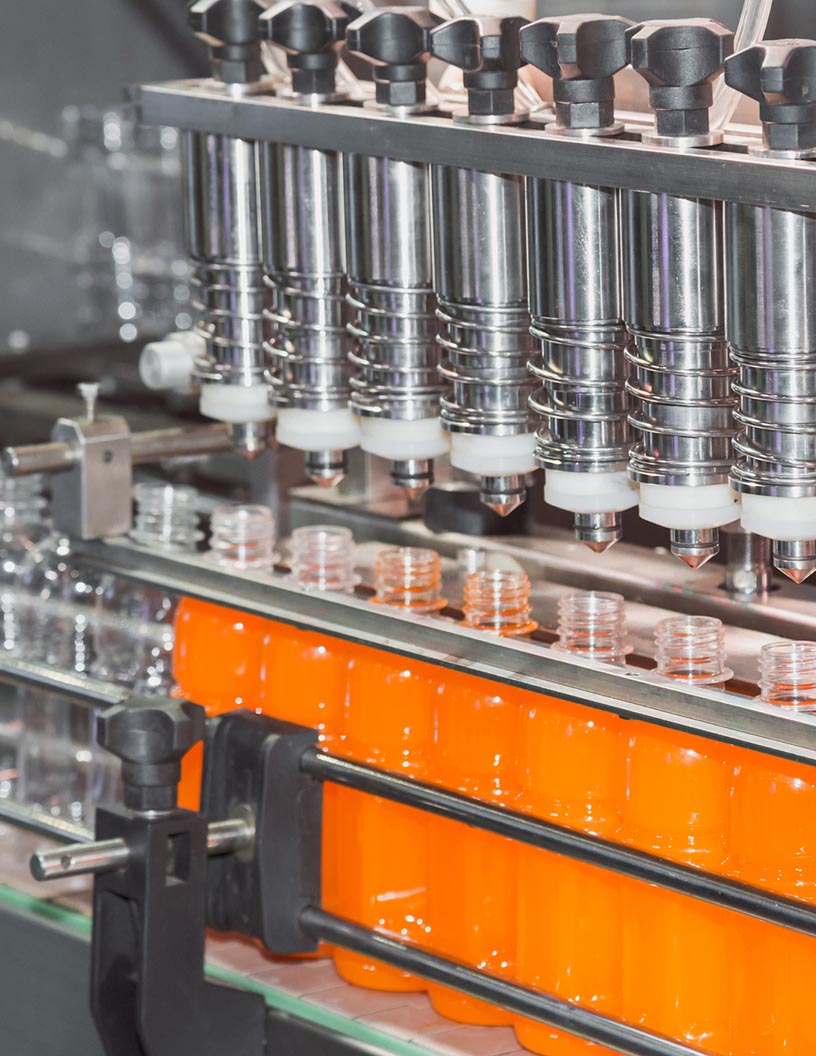


Plastic Processing Machinery Market Size 2026-2030
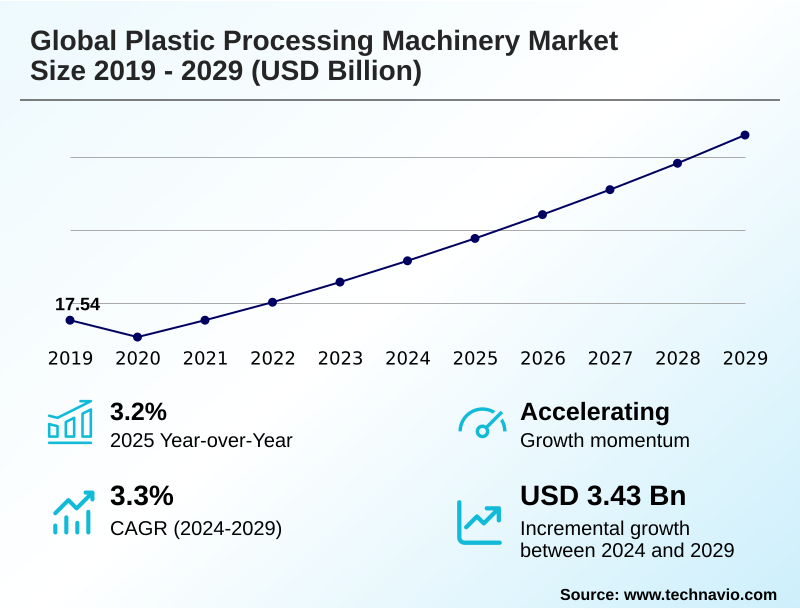
The plastic processing machinery market size is valued to increase by USD 3.67 billion, at a CAGR of 3.5% from 2025 to 2030. Surging demand from core end-user industries will drive the plastic processing machinery market.
Major Market Trends & Insights
- APAC dominated the market and accounted for a 51.8% growth during the forecast period.
- By End-user - Packaging segment was valued at USD 8.29 billion in 2024
- By Product - IMM segment accounted for the largest market revenue share in 2024
Market Size & Forecast
- Market Opportunities: USD 6.36 billion
- Market Future Opportunities: USD 3.67 billion
- CAGR from 2025 to 2030 : 3.5%
Market Summary
- The plastic processing machinery market is undergoing a significant transformation, driven by the convergence of sustainability mandates and digitalization. The relentless demand from end-user industries such as automotive, construction, and packaging for lightweight, durable, and cost-effective components ensures consistent market momentum.
- This is compelling manufacturers to move beyond traditional equipment, focusing on innovations in plastic processing machinery that deliver higher efficiency and precision. A key trend is the shift towards all-electric and hybrid systems, which offer superior energy savings and cleaner operation, crucial for sectors like medical device manufacturing.
- For example, a processor upgrading to an all-electric system for a cleanroom application can reduce particulate contamination and lower energy costs, ensuring compliance while improving profitability. The adoption of Industry 4.0 principles is another critical factor, integrating automation, robotics, and data analytics to create intelligent, self-optimizing production environments.
- However, this technological sophistication introduces challenges related to high capital investment and a widening skills gap, requiring operators to possess hybrid expertise in both mechanical systems and data management. Success in this evolving landscape depends on balancing innovation with practical solutions that address the total cost of ownership and support circular economy goals.
What will be the Size of the Plastic Processing Machinery Market during the forecast period?
Get Key Insights on Market Forecast (PDF) Get Free Sample
How is the Plastic Processing Machinery Market Segmented?
The plastic processing machinery industry research report provides comprehensive data (region-wise segment analysis), with forecasts and estimates in "USD million" for the period 2026-2030, as well as historical data from 2020-2024 for the following segments.
- End-user
- Packaging
- Construction
- Automotive
- Others
- Product
- IMM
- Extrusion machine
- BMM
- Others
- Type
- Automatic
- Semi-automatic
- Geography
- APAC
- China
- Japan
- India
- Europe
- Germany
- UK
- France
- North America
- US
- Canada
- Mexico
- South America
- Brazil
- Argentina
- Middle East and Africa
- Saudi Arabia
- UAE
- South Africa
- Rest of World (ROW)
- APAC
By End-user Insights
The packaging segment is estimated to witness significant growth during the forecast period.
The packaging segment is a primary driver, shaped by a dual focus on performance and sustainability. The demand for turnkey automation systems is high, as companies strive for operational excellence.
A strong research and development focus has led to end-to-end manufacturing solutions that integrate with manufacturing execution systems via the industrial internet of things. Technologies such as in-mold labeling offer aesthetic and functional advantages for rigid containers.
For shorter runs characteristic of high-mix production or low-volume production, machinery like vacuum forming machines using a single-surface mold provides a cost-effective alternative. Meanwhile, rotational molding machines are used for bulk containers.
The adoption of advanced techniques like direct compounding has reduced material handling steps, contributing to a 10% improvement in production efficiency for certain packaging applications.
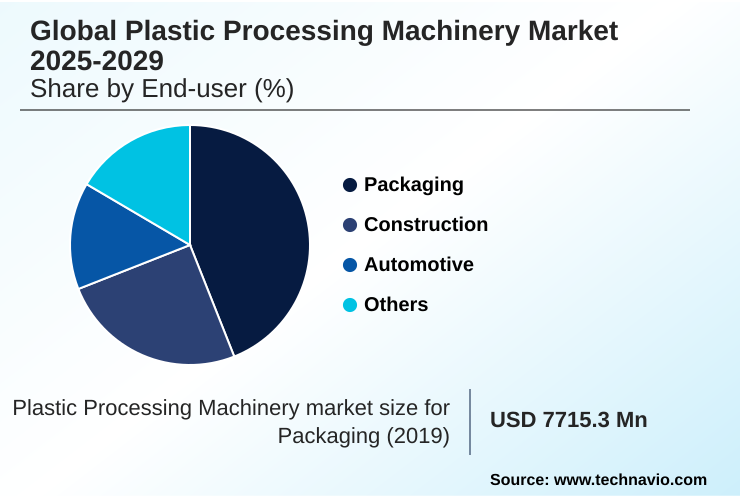
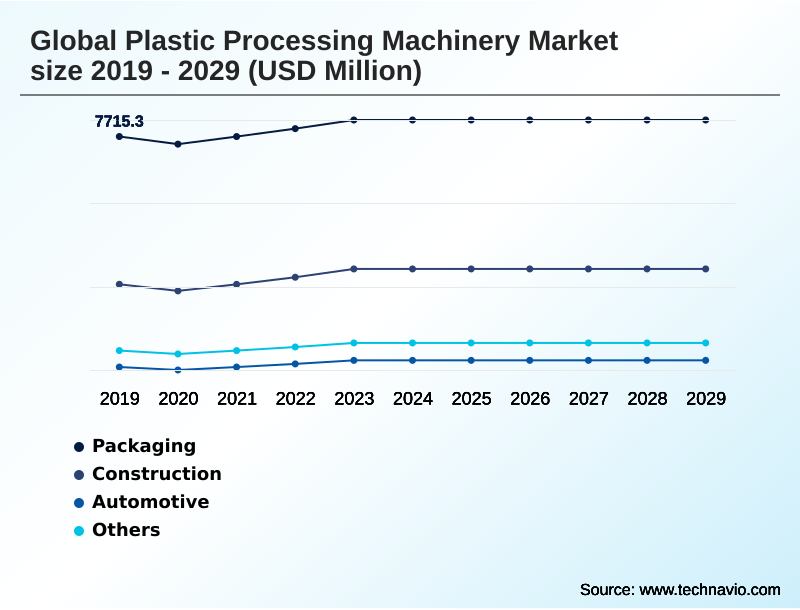
The Packaging segment was valued at USD 8.29 billion in 2024 and showed a gradual increase during the forecast period.
Regional Analysis
APAC is estimated to contribute 51.8% to the growth of the global market during the forecast period.Technavio’s analysts have elaborately explained the regional trends and drivers that shape the market during the forecast period.
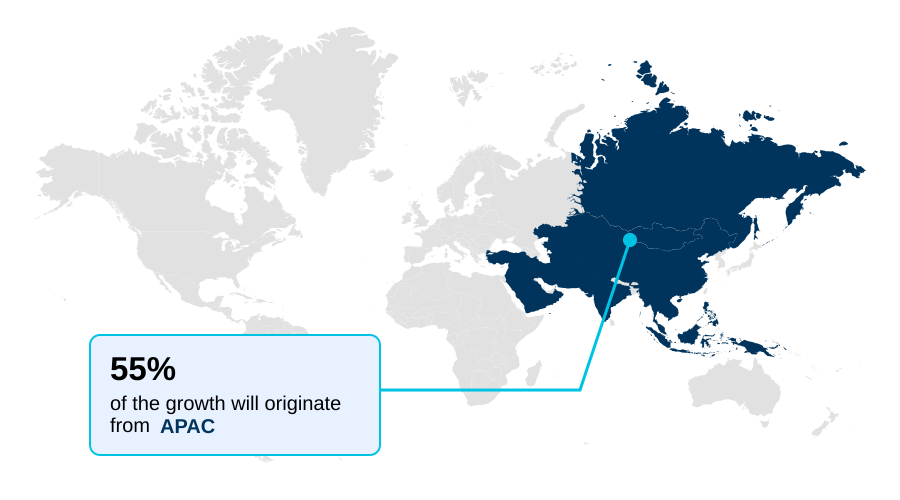
See How Plastic Processing Machinery Market Demand is Rising in APAC Get Free Sample
The market's geographic landscape is defined by regional specializations in high-value manufacturing. APAC leads in large-scale production facilities using high-volume extrusion systems and blow molding machines.
North America and Europe focus on advanced applications, requiring micro-molding machines for electronics and medical devices demanding cleanroom environment operation. These regions see high adoption of multi-component injection molding for complex automotive parts.
The push for circular economy principles is universal, with facilities in Europe showing a 25% higher rate of processing materials like crystallized PET (CPET) than other regions.
Technologies such as rotomolding for large parts and chopped fiber processing for composites are gaining traction globally, supported by systems offering enhanced process parameter monitoring and enhanced traceability to meet diverse regulatory standards.
Market Dynamics
Our researchers analyzed the data with 2025 as the base year, along with the key drivers, trends, and challenges. A holistic analysis of drivers will help companies refine their marketing strategies to gain a competitive advantage.
- Strategic decision-making in the plastic processing machinery market now hinges on a nuanced understanding of specific use cases and technological trade-offs. The debate over the energy efficiency of all-electric vs hydraulic machines is a central factor in ROI calculation for new plastic processing equipment, with all-electric models demonstrating clear advantages in precision-driven sectors.
- For instance, the Global Plastic Processing Machinery Market 2026-2030 for medical device manufacturing demands machinery that can handle high-performance polymer processing requirements in sterile environments, making electric systems a necessity. Concurrently, the Global Plastic Processing Machinery Market 2026-2030 for packaging sustainability is defined by the processing challenges of post-consumer recyclate, driving innovation in blow molding machinery for rPET bottle production.
- The circular economy impact on machinery design is profound, influencing everything from material handling to final part quality. Industry 4.0 applications in injection molding are transforming factory floors, where predictive maintenance benefits in plastic manufacturing have reduced downtime more than threefold compared to reactive maintenance schedules.
- The role of additive manufacturing in mold making, particularly regarding the benefits of conformal cooling in injection molds, is enhancing the productivity of conventional molding. For consumer products, multi-component injection molding for consumer goods allows for greater design freedom. Meanwhile, extrusion machinery for construction material production and micro-molding for electronic components serve entirely different ends of the scale spectrum.
- The rising automation impact on plastic processing labor costs justifies investment in upgrading older machinery for energy efficiency and new specialized machinery for advanced composites, particularly for the Global Plastic Processing Machinery Market 2026-2030 for automotive lightweighting. The choice between thermoforming vs injection molding for packaging remains a key consideration based on volume and complexity.
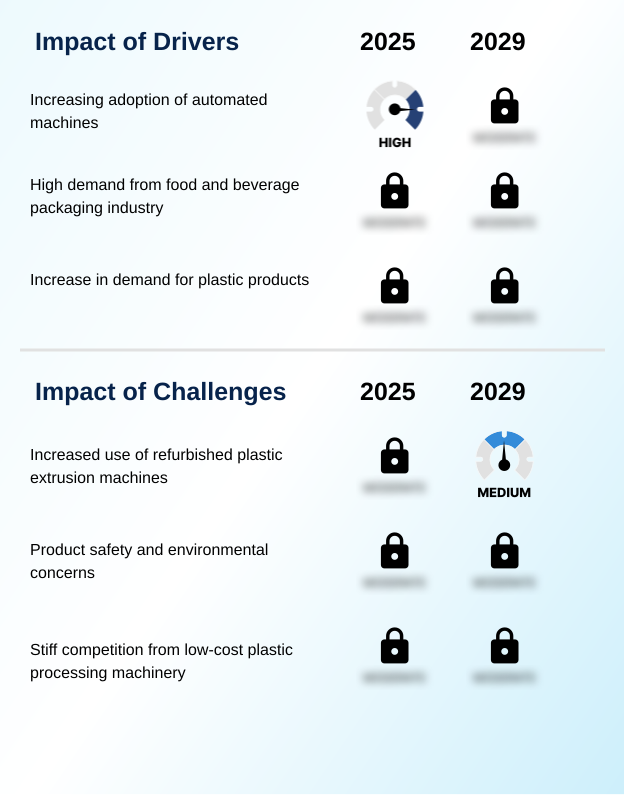
What are the key market drivers leading to the rise in the adoption of Plastic Processing Machinery Industry?
- Surging demand from core end-user industries, including packaging, automotive, and construction, serves as the key driver for market growth.
- Demand from key sectors propels the market, with lightweighting initiatives in automotive driving the adoption of advanced composites and high-performance polymers. This requires precision engineering solutions.
- Sustainable plastics manufacturing is another major driver, increasing the need for all-electric injection molding machines and hybrid injection molding machines that can lower energy use by over 40% compared to older hydraulic models.
- This significantly impacts the total cost of ownership. For packaging, sophisticated film stretching lines and sheet extrusion lines are essential for creating complex barrier films, while multilayer blow molding systems support the production of containers with recycled content.
- Smart factory integration, facilitated by intuitive human-machine interfaces, allows for enhanced process control and efficiency, making it a critical competitive differentiator for manufacturers.
What are the market trends shaping the Plastic Processing Machinery Industry?
- The emergence of smart manufacturing ecosystems represents a pivotal upcoming trend. This involves the deep integration of machinery into connected digital frameworks, moving beyond traditional automation.
- The shift toward an agile production environment is reshaping the plastic processing machinery market. Integration of cyber-physical systems enables remote monitoring and management, transforming standalone equipment into interconnected assets. Advanced software now delivers prescriptive analytics, facilitating data-driven process optimization and reducing material waste by up to 15%. This is critical for high-tolerance component manufacturing.
- In tooling, the use of conformal cooling channels created via advanced tooling production has been shown to cut cycle times by over 20%. The focus on sustainability drives demand for thermoforming machines capable of handling materials like polylactic acid (PLA) and processing high percentages of post-consumer recyclate.
- Innovations such as co-injection capabilities further support this by allowing layered structures that incorporate recycled content without compromising surface finish, a key factor in achieving operational excellence.
What challenges does the Plastic Processing Machinery Industry face during its growth?
- Intensifying regulatory scrutiny and the overarching imperative for sustainability present a key challenge affecting industry growth.
- Navigating the digital manufacturing ecosystem presents a key challenge, particularly the skilled labor gap needed to manage complex equipment like servo-driven injection molding machines. While these offer opportunities for operational cost reduction, their effective use depends on a trained workforce.
- Supply chain resilience is tested by the need to handle a wider range of materials, including bio-based plastics and biodegradable plastics. This requires advanced material variability management and specialized screw and barrel design. Furthermore, processing recycled content necessitates robust melt filtration systems to ensure product quality.
- Companies investing in two-platen injection molding machines or reaction process machinery must also consider the carbon footprint reduction mandates, which can increase compliance costs by up to 10% if not managed proactively.
Exclusive Technavio Analysis on Customer Landscape
The plastic processing machinery market forecasting report includes the adoption lifecycle of the market, covering from the innovator’s stage to the laggard’s stage. It focuses on adoption rates in different regions based on penetration. Furthermore, the plastic processing machinery market report also includes key purchase criteria and drivers of price sensitivity to help companies evaluate and develop their market growth analysis strategies.
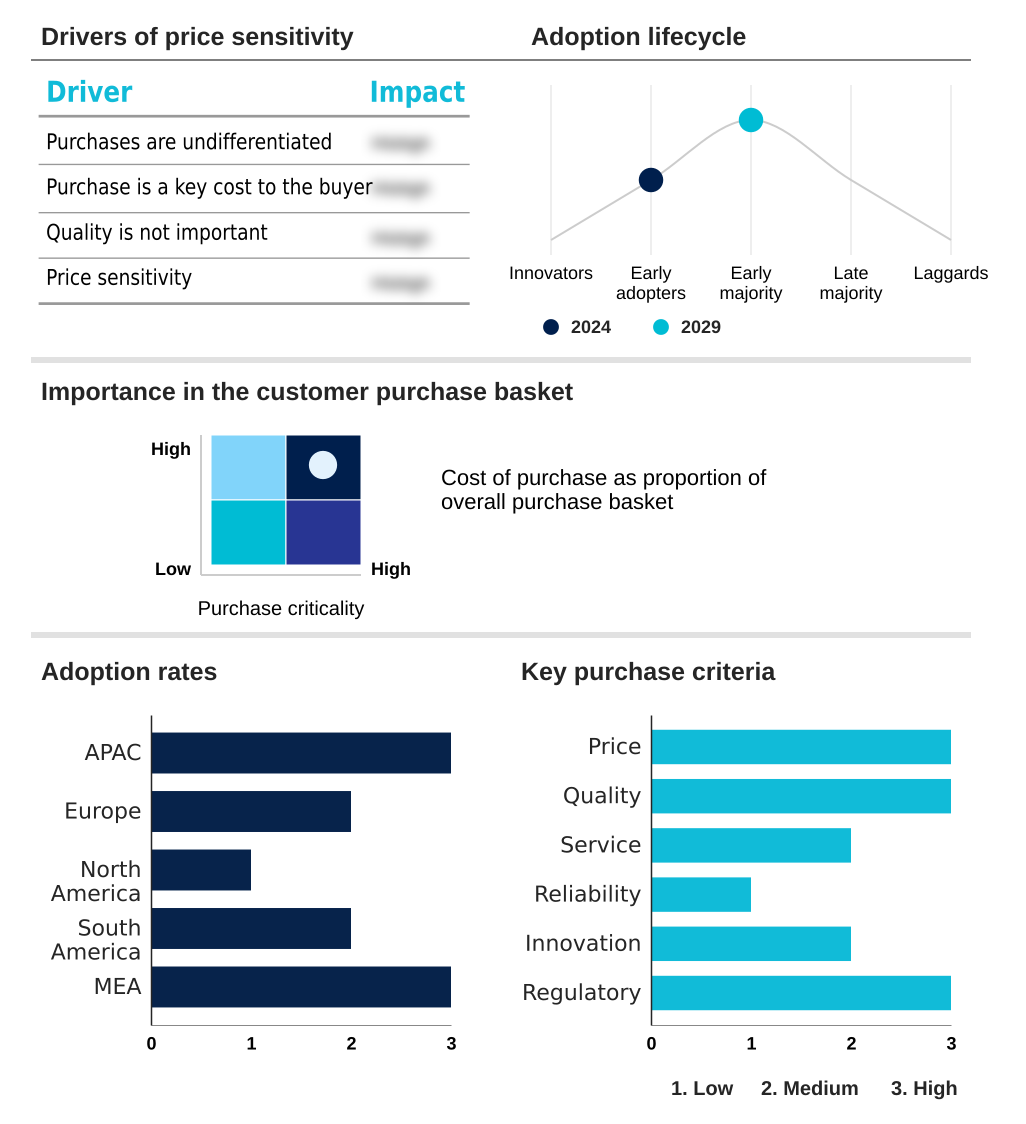
Customer Landscape of Plastic Processing Machinery Industry
Competitive Landscape
Companies are implementing various strategies, such as strategic alliances, plastic processing machinery market forecast, partnerships, mergers and acquisitions, geographical expansion, and product/service launches, to enhance their presence in the industry.
ARBURG GmbH Co. KG - Analyzes offerings including high-end injection molding machines, hybrid models, and turnkey automation systems engineered for superior precision and efficiency in plastics processing.
The industry research and growth report includes detailed analyses of the competitive landscape of the market and information about key companies, including:
- ARBURG GmbH Co. KG
- BEKUM Maschinenfabriken GmbH
- Bruckner Group SE
- Chen Hsong Holdings Ltd.
- Davis Standard LLC
- ENGEL AUSTRIA GmbH
- Graham Engineering Corp.
- Haitian International Holdings Ltd.
- Husky Technologies
- Kautex Maschinenbau System GmbH
- KraussMaffei Group GmbH
- LS MTRON Ltd.
- Milacron LLC
- Nissei ASB Machine Co. Ltd.
- NISSEI PLASTIC INDUSTRIAL Co
- Reifenhauser Group
- Shibaura Machine Co. Ltd.
- Sumitomo Heavy Industries Ltd.
- Tederic Machinery Co. Ltd.
- The Japan Steel Works Ltd.
Qualitative and quantitative analysis of companies has been conducted to help clients understand the wider business environment as well as the strengths and weaknesses of key industry players. Data is qualitatively analyzed to categorize companies as pure play, category-focused, industry-focused, and diversified; it is quantitatively analyzed to categorize companies as dominant, leading, strong, tentative, and weak.
Recent Development and News in Plastic processing machinery market
- In February 2025, Bain Capital acquired a majority stake in the Milacron Injection Moulding and Extrusion business, a move intended to accelerate the company's growth and capitalize on reshoring trends in domestic manufacturing.
- In November 2024, Husky Technologies announced a strategic partnership with a leading polymer supplier to co-develop integrated systems optimized for processing high-content rPET in beverage packaging preforms, enhancing circular economy capabilities.
- In September 2024, KraussMaffei Group GmbH launched its next-generation all-electric PX injection molding machines, featuring enhanced energy efficiency and a novel direct compounding technology to reduce material costs for processors.
- In April 2025, Haitian International Holdings Ltd. completed the expansion of its manufacturing facility in India, increasing its production capacity of servo-hydraulic injection molding machines to meet rising regional demand from the automotive and consumer goods sectors.
Dive into Technavio’s robust research methodology, blending expert interviews, extensive data synthesis, and validated models for unparalleled Plastic Processing Machinery Market insights. See full methodology.
| Market Scope | |
|---|---|
| Page number | 300 |
| Base year | 2025 |
| Historic period | 2020-2024 |
| Forecast period | 2026-2030 |
| Growth momentum & CAGR | Accelerate at a CAGR of 3.5% |
| Market growth 2026-2030 | USD 3665.7 million |
| Market structure | Fragmented |
| YoY growth 2025-2026(%) | 3.3% |
| Key countries | China, Japan, India, South Korea, Australia, Indonesia, Germany, UK, France, Italy, Spain, The Netherlands, US, Canada, Mexico, Brazil, Argentina, Chile, Saudi Arabia, UAE, South Africa, Israel and Turkey |
| Competitive landscape | Leading Companies, Market Positioning of Companies, Competitive Strategies, and Industry Risks |
Research Analyst Overview
- The plastic processing machinery market is evolving from equipment sales to an ecosystem of intelligent solutions. Boardroom decisions are influenced by systems supporting sustainable plastics manufacturing and smart factory integration. The adoption of all-electric injection molding machines and hybrid injection molding machines is a strategic move for operational cost reduction, with some firms achieving a 30% decrease in energy consumption.
- The market is driven by lightweighting initiatives and the demand for precision engineering solutions. Technologies enabling the use of high-performance polymers and advanced composites are critical. A significant research and development focus is on material variability management, especially for post-consumer recyclate, requiring advanced melt filtration systems and specialized screw and barrel design. This push aligns with circular economy principles.
- The growing complexity highlights the industry's skilled labor gap, compelling a shift towards more intuitive human-machine interfaces and end-to-end manufacturing solutions.
What are the Key Data Covered in this Plastic Processing Machinery Market Research and Growth Report?
-
What is the expected growth of the Plastic Processing Machinery Market between 2026 and 2030?
-
USD 3.67 billion, at a CAGR of 3.5%
-
-
What segmentation does the market report cover?
-
The report is segmented by End-user (Packaging, Construction, Automotive, and Others), Product (IMM, Extrusion machine, BMM, and Others), Type (Automatic, and Semi-automatic) and Geography (APAC, Europe, North America, South America, Middle East and Africa)
-
-
Which regions are analyzed in the report?
-
APAC, Europe, North America, South America and Middle East and Africa
-
-
What are the key growth drivers and market challenges?
-
Surging demand from core end-user industries, Intensifying regulatory scrutiny and imperative for sustainability
-
-
Who are the major players in the Plastic Processing Machinery Market?
-
ARBURG GmbH Co. KG, BEKUM Maschinenfabriken GmbH, Bruckner Group SE, Chen Hsong Holdings Ltd., Davis Standard LLC, ENGEL AUSTRIA GmbH, Graham Engineering Corp., Haitian International Holdings Ltd., Husky Technologies, Kautex Maschinenbau System GmbH, KraussMaffei Group GmbH, LS MTRON Ltd., Milacron LLC, Nissei ASB Machine Co. Ltd., NISSEI PLASTIC INDUSTRIAL Co, Reifenhauser Group, Shibaura Machine Co. Ltd., Sumitomo Heavy Industries Ltd., Tederic Machinery Co. Ltd. and The Japan Steel Works Ltd.
-
Market Research Insights
- Market dynamics are shaped by the convergence of efficiency demands and sustainability goals. The adoption of data-driven process optimization has enabled some manufacturers to improve output consistency by over 15%. Smart factory integration, a core component of the digital manufacturing ecosystem, is becoming a standard for achieving operational excellence and supply chain resilience.
- The move towards an agile production environment supports both high-mix production and large-scale production facilities. Technologies facilitating remote monitoring and management have proven to reduce unplanned downtime by 20%, directly lowering the total cost of ownership.
- The imperative for carbon footprint reduction is accelerating the shift to machinery that not only consumes less energy but also supports circular economy principles, creating a more competitive and resilient industry.
We can help! Our analysts can customize this plastic processing machinery market research report to meet your requirements.
 RIA -
RIA - 
