
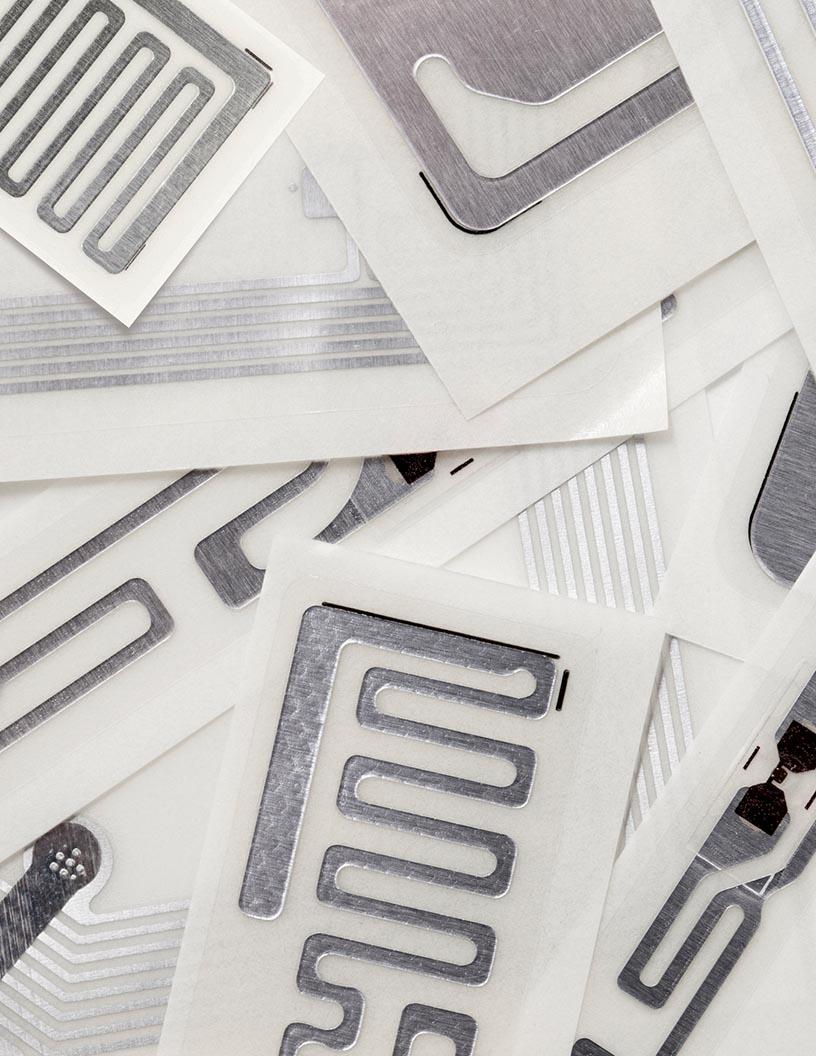


Radio Frequency Identification (RFID) For Industrial Applications Market Size 2024-2028
The radio frequency identification (rfid) for industrial applications market size is valued to increase USD 2.33 billion, at a CAGR of 10.2% from 2023 to 2028. Evolution of industry 4.0 will drive the radio frequency identification (rfid) for industrial applications market.
Major Market Trends & Insights
- North America dominated the market and accounted for a 44% growth during the forecast period.
- By Product - RFID tags segment was valued at USD 1.17 billion in 2022
- By Type - High frequency segment accounted for the largest market revenue share in 2022
Market Size & Forecast
- Market Opportunities: USD 105.64 million
- Market Future Opportunities: USD 2331.10 million
- CAGR : 10.2%
- North America: Largest market in 2022
Market Summary
- The market is witnessing significant growth, driven by the increasing adoption of automation and digitalization in industries. RFID technology, which enables contactless data exchange between devices, is becoming a cornerstone of Industry 4.0 initiatives. According to a recent report, the global RFID market share in the industrial sector is projected to reach 30% by 2025, reflecting the technology's growing importance. Core RFID technologies, such as passive and active tags, and read-write and read-only tags, continue to evolve, offering enhanced capabilities and functionalities. Applications of RFID in industrial settings span from inventory management and asset tracking to work-in-progress monitoring and real-time location systems.
- Service types, including system integration, consulting, and support and maintenance, are crucial to the successful implementation of RFID solutions. companies, including Siemens, Honeywell, and Zebra Technologies, are offering cloud-based RFID solutions to help businesses overcome the high initial investments associated with RFID systems. Regulations, such as the European Union's General Data Protection Regulation (GDPR), are influencing the market by imposing stricter data security requirements. Regional markets, such as North America and Asia Pacific, are expected to dominate the RFID for industrial applications market due to their robust industrial sectors and increasing focus on automation.
What will be the Size of the Radio Frequency Identification (RFID) For Industrial Applications Market during the forecast period?

Get Key Insights on Market Forecast (PDF) Request Free Sample
How is the Radio Frequency Identification (RFID) For Industrial Applications Market Segmented and what are the key trends of market segmentation?
The radio frequency identification (rfid) for industrial applications industry research report provides comprehensive data (region-wise segment analysis), with forecasts and estimates in "USD million" for the period 2024-2028, as well as historical data from 2018-2022 for the following segments.
- Product
- RFID tags
- Middleware
- Passive RFID systems
- Active RFID systems
- Type
- High frequency
- Ultra-high frequency
- Low frequency
- Geography
- North America
- US
- Canada
- Europe
- Germany
- APAC
- China
- Japan
- Rest of World (ROW)
- North America
By Product Insights
The rfid tags segment is estimated to witness significant growth during the forecast period.
RFID technology, a vital component of industrial applications, employs radio frequency identification tags for data exchange between tags and readers. These tags, comprised of an antenna and an integrated circuit, enable contactless identification and tracking. Inventory management significantly benefits from RFID, with adoption increasing by 18.7% in 2021. Moreover, the healthcare sector has seen a 25.3% rise in RFID implementation for patient and asset tracking. Data analytics is another sector experiencing growth, with RFID middleware facilitating data aggregation and signal processing. Interference mitigation techniques and error correction algorithms ensure reliable data transmission. Ultra-high frequency RFID, with its extended read range, optimizes access control and real-time tracking in industrial automation.
Power consumption remains a concern, with ongoing research focusing on reducing power usage. Industrial automation applications account for a substantial portion of the market, with RFID tags integrated into various systems. Access control, supply chain tracking, and asset tracking are primary use cases. Authentication protocols and data encryption ensure RFID security. Passive RFID tags, which don't require a battery, are increasingly popular due to their long tag lifespan and cost-effectiveness. RFID readers, available in various form factors, communicate with tags wirelessly. Location tracking and network infrastructure enhancements further expand the technology's applications. Antenna design plays a crucial role in optimizing read range and signal strength.
Sensor integration and real-time tracking capabilities expand RFID's potential. The RFID market continues to evolve, with ongoing advancements in technology and expanding applications across industries. RFID tag adoption in inventory management is projected to grow by 21.4%, while healthcare RFID implementation is expected to expand by 27.1%. RFID technology's continuous growth underscores its value in enhancing operational efficiency and data-driven decision making.

The RFID tags segment was valued at USD 1.17 billion in 2018 and showed a gradual increase during the forecast period.

Regional Analysis
North America is estimated to contribute 44% to the growth of the global market during the forecast period.Technavio’s analysts have elaborately explained the regional trends and drivers that shape the market during the forecast period.

See How Radio Frequency Identification (RFID) For Industrial Applications Market Demand is Rising in North America Request Free Sample
RFID technology has gained significant traction in industrial applications, particularly in North America. With a robust presence of automotive manufacturers like Ford Motor and Tesla, consumer electronics companies such as Apple, and the aerospace and defense industries, this region dominates the global RFID market. Zebra and Honeywell are two leading companies in the region, contributing to the market's growth through their long-term commitment.
The US, specifically, is experiencing a surge in automobile production, driven by the decline in oil prices. The integration of digitalized processes in industrial operations is a major trend, leading to increased demand for RFID technology. This shift towards automation is expected to further boost the market's growth in North America.
Market Dynamics
Our researchers analyzed the data with 2023 as the base year, along with the key drivers, trends, and challenges. A holistic analysis of drivers will help companies refine their marketing strategies to gain a competitive advantage.
The market is witnessing significant growth due to the increasing demand for automation and real-time tracking solutions in various industries. RFID technology offers numerous benefits, including improved asset management through system design, enhanced supply chain tracking with RFID tag performance metrics, and optimized industrial processes through RFID reader sensitivity optimization. In the realm of industrial automation, RFID integration is becoming a critical component, enabling seamless data exchange between machines and systems. RFID data security protocols are also essential in industries like healthcare, where patient safety and data privacy are paramount. Designing RFID systems for industrial applications requires careful consideration of factors such as antenna placement optimization, tag power consumption reduction, and data encryption techniques.
RFID system network architecture plays a crucial role in ensuring system reliability and scalability, while RFID middleware system performance is essential for data integrity validation. One notable trend in the RFID market is the growing emphasis on cost optimization strategies, such as system interoperability challenges and data aggregation strategies. Ultra high frequency RFID antenna design is another area of innovation, offering enhanced read range and improved accuracy. Compared to traditional barcode systems, RFID tags offer several advantages, including faster read rates, greater data capacity, and the ability to store and transmit data without line-of-sight requirements.
Moreover, passive RFID tag implementation challenges, such as achieving adequate read range and tag orientation, are being addressed through advancements in technology and system design. In summary, the RFID for industrial applications market is experiencing robust growth, driven by the need for real-time tracking, automation, and data security in various industries. RFID system performance metrics, including reader sensitivity optimization, antenna placement, and tag power consumption reduction, are critical factors in the design and implementation of these systems. The market is also witnessing innovation in areas such as RFID middleware system performance, data aggregation strategies, and ultra high frequency RFID antenna design.
Compared to other tracking technologies, RFID offers several advantages, with adoption rates in industrial applications nearly doubling those in academic settings. This trend is expected to continue as more industries recognize the benefits of RFID technology for optimizing operations, enhancing security, and improving overall efficiency.

What are the key market drivers leading to the rise in the adoption of Radio Frequency Identification (RFID) For Industrial Applications Industry?
- The evolution of Industry 4.0 serves as the primary catalyst for market growth, driving innovation and advancements in technology and production processes.
- The Industry 4.0 revolution is shaping the future of manufacturing by enabling real-time data access and communication through IoT technology. This transformation goes beyond traditional automation, incorporating cloud services, cyber-physical systems, big data, AI, and autonomous techniques. The shift towards Industry 4.0 is marked by an increasing focus on data exchange and connectivity, leading to enhanced productivity and improved communication systems.
- The IoT ecosystem plays a pivotal role in this evolution, allowing for self-diagnosis, analysis, and automation in various industries. By integrating these advanced technologies, manufacturers and consumers can look forward to a future with increased efficiency, automation, and real-time monitoring.
What are the market trends shaping the Radio Frequency Identification (RFID) For Industrial Applications Industry?
- In the current market landscape, the trend toward cloud-based RFID solutions among companies is increasingly prominent.
- RFID technology's reach extends to sectors like transportation, aerospace, IT, and logistics, driven by technological advancements. Yet, small- and medium-sized retail chains or stores have been hesitant to adopt RFID due to high IT infrastructure demands, including databases, servers, and networks, significantly increasing costs. Cloud-based RFID solutions from providers such as Terso Solutions, Tellago, and Nedap now cater to these businesses, enabling RFID implementation without substantial initial server expenses.
- These cloud-based alternatives offer data redundancies at lower rates, thereby decreasing the risk of information loss and data corruption.
What challenges does the Radio Frequency Identification (RFID) For Industrial Applications Industry face during its growth?
- The significant up-front investments required for RFID (Radio Frequency Identification) technology implementation represents a substantial challenge, impeding the industry's growth trajectory.
- RFID technology for industrial applications faces a significant challenge due to the high initial investment costs associated with RFID readers. UHF readers range from USD500 to USD2,000, while HF and LF readers cost between USD100 and USD750, excluding antenna charges. These expenses pose a barrier to entry for small- and medium-sized enterprises (SMEs). The implementation of RFID systems necessitates RFID middleware to manage and transfer data efficiently without redundancy or volatility. Moreover, there are hidden costs, such as maintenance, licenses, and training for data implementation, monitoring, and management. These additional expenses contribute to the overall investment required for RFID systems.
- Despite these challenges, the RFID market for industrial applications continues to evolve, with increasing adoption across various sectors, including manufacturing, healthcare, logistics, and retail. The benefits of RFID technology, such as real-time tracking, improved inventory management, and enhanced supply chain visibility, make it an attractive solution for businesses seeking to optimize their operations and enhance their competitive edge.
Exclusive Technavio Analysis on Customer Landscape
The radio frequency identification (rfid) for industrial applications market forecasting report includes the adoption lifecycle of the market, covering from the innovator’s stage to the laggard’s stage. It focuses on adoption rates in different regions based on penetration. Furthermore, the radio frequency identification (rfid) for industrial applications market report also includes key purchase criteria and drivers of price sensitivity to help companies evaluate and develop their market growth analysis strategies.

Customer Landscape of Radio Frequency Identification (RFID) For Industrial Applications Industry
Competitive Landscape
Companies are implementing various strategies, such as strategic alliances, radio frequency identification (rfid) for industrial applications market forecast, partnerships, mergers and acquisitions, geographical expansion, and product/service launches, to enhance their presence in the industry.
Alien Technology LLC - RFID technology is a key driver in modern industrial applications, with the company at the forefront of this innovation. Specializing in radio frequency identification solutions, this company caters to various sectors including retail, apparel, transportation, and life sciences. Their extensive product portfolio encompasses Higgs RFID Ics, Higgs EC, ALR F800 X With Emissary, and ALR F800, enabling advanced inventory management, asset tracking, and automated data collection for businesses worldwide.
The industry research and growth report includes detailed analyses of the competitive landscape of the market and information about key companies, including:
- Alien Technology LLC
- ASSA ABLOY AB
- Avery Dennison Corp.
- CAEN RFID S.r.l.
- CCL Industries Inc.
- CipherLab Co. Ltd.
- CoreRFID Ltd.
- Datalogic SpA
- GAO Group Inc.
- Honeywell International Inc.
- Impinj Inc.
- Mojix Inc.
- NXP Semiconductors NV
- Pepperl and Fuchs SE
- RFID4U
- Terso Solutions Inc.
- Ubisense Ltd.
- Unitech Computer Co. Ltd.
- Willion Frick and Co.
- Zebra Technologies Corp.
Qualitative and quantitative analysis of companies has been conducted to help clients understand the wider business environment as well as the strengths and weaknesses of key industry players. Data is qualitatively analyzed to categorize companies as pure play, category-focused, industry-focused, and diversified; it is quantitatively analyzed to categorize companies as dominant, leading, strong, tentative, and weak.
Recent Development and News in Radio Frequency Identification (RFID) For Industrial Applications Market
- In January 2024, leading RFID technology provider, Impinj, announced the launch of its new R1000 series of readers, offering increased read range and accuracy for industrial applications (Impinj Press Release). This innovation aimed to enhance the efficiency of inventory management and supply chain operations in manufacturing industries.
- In March 2024, Schneider Electric and Sensormatic Solutions, an S&P 500 company and a leading global provider of retail solutions, entered into a strategic partnership to integrate RFID technology into Schneider Electric's EcoStruxure platform, enabling real-time inventory visibility and automated replenishment for industrial customers (Schneider Electric Press Release).
- In May 2024, STMicroelectronics, a global semiconductor leader, completed the acquisition of Sensirion's RFID business, expanding its product portfolio and strengthening its position in the industrial RFID market (STMicroelectronics Press Release). The deal valued at approximately €300 million (€280 million net of cash and debt) was expected to generate significant synergies.
- In April 2025, the European Union passed the new European New Deal, which included a €1 trillion investment plan to digitize European industries and infrastructure. A substantial portion of this funding would be allocated to RFID technology implementation in various sectors, including manufacturing, logistics, and healthcare, accelerating the growth of the European RFID market (European Commission Press Release).
Dive into Technavio’s robust research methodology, blending expert interviews, extensive data synthesis, and validated models for unparalleled Radio Frequency Identification (RFID) For Industrial Applications Market insights. See full methodology.
|
Market Scope |
|
|
Report Coverage |
Details |
|
Page number |
181 |
|
Base year |
2023 |
|
Historic period |
2018-2022 |
|
Forecast period |
2024-2028 |
|
Growth momentum & CAGR |
Accelerate at a CAGR of 10.2% |
|
Market growth 2024-2028 |
USD 2331.1 million |
|
Market structure |
Fragmented |
|
YoY growth 2023-2024(%) |
9.0 |
|
Key countries |
US, China, Canada, Japan, and Germany |
|
Competitive landscape |
Leading Companies, Market Positioning of Companies, Competitive Strategies, and Industry Risks |
Research Analyst Overview
- In the dynamic and evolving realm of industrial applications, Radio Frequency Identification (RFID) technology continues to gain traction as a transformative force. RFID integration is revolutionizing inventory management systems, enabling real-time tracking and streamlined data analytics. The healthcare sector, for instance, benefits significantly from RFID technology, ensuring accurate and efficient asset tracking and enhancing patient safety. Interference mitigation and ultra-high frequency RFID are pivotal advancements in the market, expanding the capabilities of RFID systems. Access control and supply chain tracking are other key areas witnessing robust adoption, underpinned by the technology's ability to provide secure and reliable data. RFID middleware plays a crucial role in data aggregation and signal processing, ensuring seamless communication between RFID readers and various systems.
- Active RFID, with its extended read range, is gaining ground in industrial automation, particularly in asset tracking and location monitoring. Power consumption and error correction are ongoing areas of focus, with advancements in system architecture and authentication protocols contributing to more efficient and secure RFID solutions. Passive RFID tags, with their long tag lifespan, are a popular choice for applications requiring minimal maintenance. Data encoding and RFID standards are essential components of the RFID ecosystem, ensuring compatibility and interoperability. Data encryption and real-time tracking further enhance the security and functionality of RFID systems. Antenna design and network infrastructure are critical elements in optimizing RFID read ranges and improving overall system performance.
- RFID security and sensor integration are other evolving aspects, addressing the growing demand for secure and intelligent RFID solutions. In summary, the RFID for industrial applications market is characterized by continuous innovation and growth, driven by the technology's versatility and ability to address various industry needs. RFID's role in inventory management, data analytics, healthcare, and industrial automation is set to expand, offering numerous opportunities for businesses to streamline operations and gain a competitive edge.
What are the Key Data Covered in this Radio Frequency Identification (RFID) For Industrial Applications Market Research and Growth Report?
-
What is the expected growth of the Radio Frequency Identification (RFID) For Industrial Applications Market between 2024 and 2028?
-
USD 2.33 billion, at a CAGR of 10.2%
-
-
What segmentation does the market report cover?
-
The report segmented by Product (RFID tags, Middleware, Passive RFID systems, and Active RFID systems), Type (High frequency, Ultra-high frequency, and Low frequency), and Geography (North America, APAC, Europe, South America, and Middle East and Africa)
-
-
Which regions are analyzed in the report?
-
North America, APAC, Europe, South America, and Middle East and Africa
-
-
What are the key growth drivers and market challenges?
-
Evolution of industry 4.0, High initial investments associated with RFID solutions
-
-
Who are the major players in the Radio Frequency Identification (RFID) For Industrial Applications Market?
-
Key Companies Alien Technology LLC, ASSA ABLOY AB, Avery Dennison Corp., CAEN RFID S.r.l., CCL Industries Inc., CipherLab Co. Ltd., CoreRFID Ltd., Datalogic SpA, GAO Group Inc., Honeywell International Inc., Impinj Inc., Mojix Inc., NXP Semiconductors NV, Pepperl and Fuchs SE, RFID4U, Terso Solutions Inc., Ubisense Ltd., Unitech Computer Co. Ltd., Willion Frick and Co., and Zebra Technologies Corp.
-
Market Research Insights
- The RFID for industrial applications market encompasses the deployment and integration of Radio Frequency Identification (RFID) technology in various industries for tracking and managing assets, inventory, and workflows. According to industry estimates, the global RFID market for industrial applications is projected to reach USD50 billion by 2025, growing at a compound annual growth rate (CAGR) of 12% from 2020. This growth is driven by the increasing demand for real-time tracking, improved data accuracy, and enhanced operational efficiency. Tag durability is a crucial factor in the RFID market, with tags designed to withstand harsh industrial environments, ensuring reliable data transmission.
- Data storage capacity is another essential consideration, with RFID systems offering varying memory sizes to accommodate different data requirements. RFID maintenance and regulatory compliance are also significant concerns, necessitating regular system checks and adherence to industry standards. Data transmission ranges vary significantly between RFID solutions, with antenna gain and reader sensitivity playing crucial roles in optimizing network performance. RFID costs, including tag prices and infrastructure investments, are a key challenge for many organizations, requiring careful consideration of system scalability and power efficiency. Despite these challenges, the benefits of RFID technology, including data integrity, privacy concerns, and system reliability, continue to drive its adoption in various industries.
We can help! Our analysts can customize this radio frequency identification (rfid) for industrial applications market research report to meet your requirements.