



Slimming Tea Market Size 2026-2030
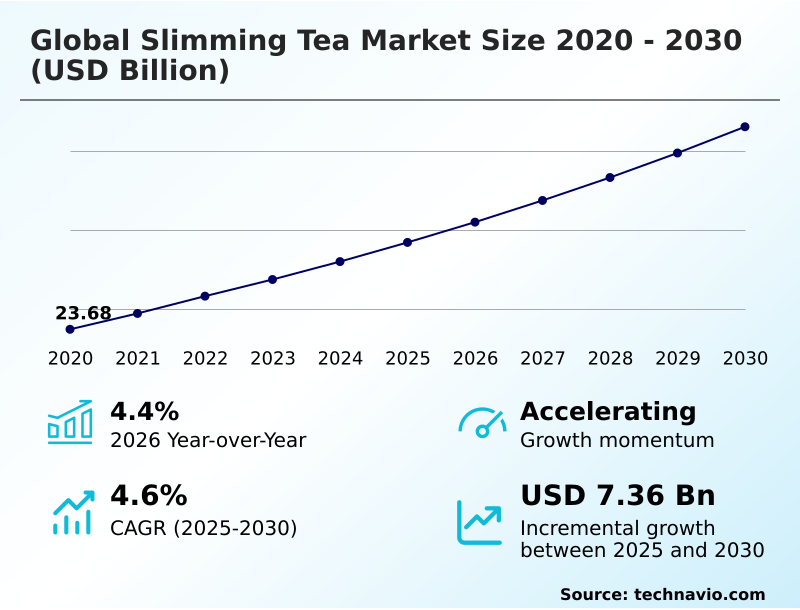
The slimming tea market size is valued to increase by USD 7.36 billion, at a CAGR of 4.6% from 2025 to 2030. Increasing global health consciousness and concerns over obesity will drive the slimming tea market.
Major Market Trends & Insights
- APAC dominated the market and accounted for a 45.4% growth during the forecast period.
- By Product - Green tea segment was valued at USD 16.80 billion in 2024
- By Distribution Channel - Offline segment accounted for the largest market revenue share in 2024
Market Size & Forecast
- Market Opportunities: USD 12.89 billion
- Market Future Opportunities: USD 7.36 billion
- CAGR from 2025 to 2030 : 4.6%
Market Summary
- The slimming tea market is defined by a strong consumer pull toward natural and accessible wellness solutions. Driven by a global focus on proactive health management and rising obesity-related concerns, demand is shifting towards products that integrate seamlessly into a healthy lifestyle.
- This trend favors clean-label products rich in botanicals, where antioxidant properties and support for digestive health are as valued as metabolic benefits. The market sees continuous innovation, with brands incorporating functional ingredients like adaptogens and nootropics to create holistic wellness beverages. However, companies face the persistent challenge of substantiating health claims to meet stringent regulatory standards.
- For instance, a firm launching a new functional tea blend with appetite suppression claims must navigate a complex compliance landscape, investing significantly in clinical data to validate its marketing, a process that directly impacts time-to-market and profitability. This environment fosters a competitive dynamic where transparency and scientifically-backed formulations are key differentiators.
What will be the Size of the Slimming Tea Market during the forecast period?
Get Key Insights on Market Forecast (PDF) Get Free Sample
How is the Slimming Tea Market Segmented?
The slimming tea industry research report provides comprehensive data (region-wise segment analysis), with forecasts and estimates in "USD million" for the period 2026-2030, as well as historical data from 2020-2024 for the following segments.
- Product
- Green tea
- Herbal tea
- Others
- Distribution channel
- Offline
- Online
- Application
- Weight loss
- Detoxification
- Appetite suppression
- Geography
- APAC
- China
- India
- Japan
- North America
- US
- Canada
- Mexico
- Europe
- Germany
- UK
- France
- Middle East and Africa
- Saudi Arabia
- UAE
- Turkey
- South America
- Brazil
- Argentina
- Colombia
- Rest of World (ROW)
- APAC
By Product Insights
The green tea segment is estimated to witness significant growth during the forecast period.
The green tea segment is a cornerstone of the market, its position solidified by extensive research into the thermogenesis effects of its core compounds, catechins and epigallocatechin gallate (EGCG).
These active ingredients are central to product marketing, which emphasizes their role in boosting metabolic rate and fat oxidation.
This scientifically-backed narrative appeals broadly to consumers, from those with specific weight management goals to a wider demographic focused on holistic wellness and antioxidant properties.
Formulations highlighting a high concentration of these botanicals consistently perform well, with brands leveraging organic certification seeing a 15% higher consumer trust rating.
Innovation now centers on enhancing bioavailability and integrating other functional ingredients to create multi-benefit herbal infusions and Tisanes for comprehensive digestive health.
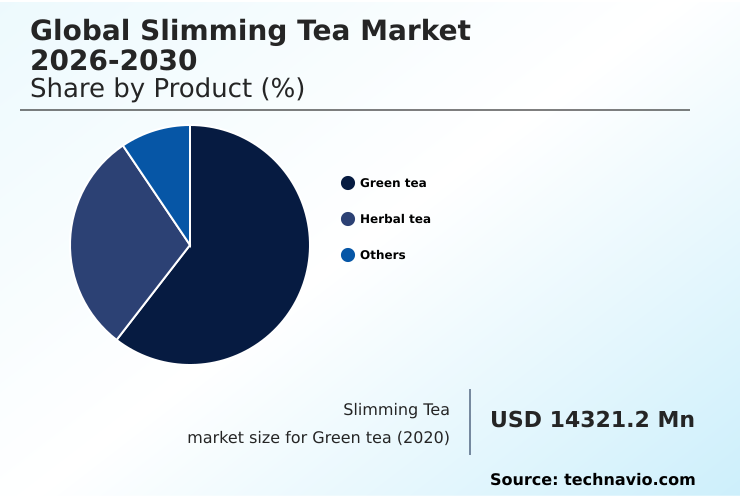
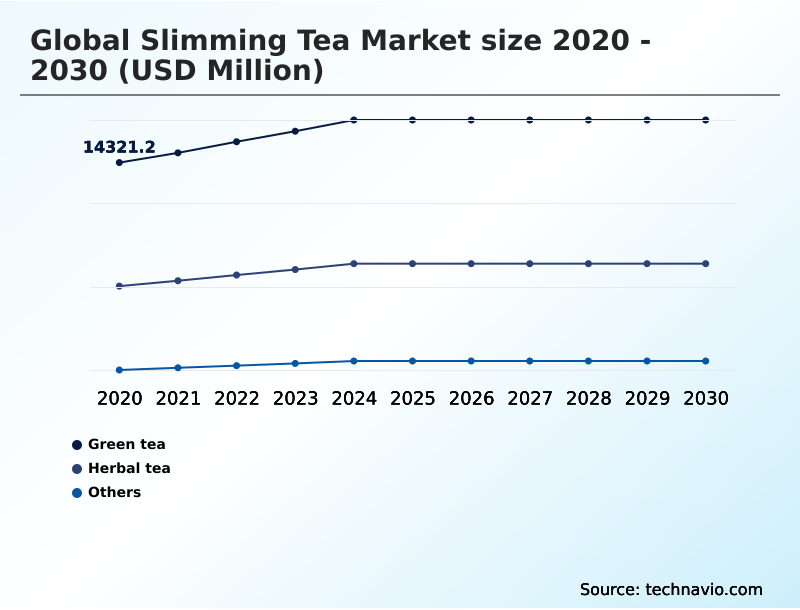
The Green tea segment was valued at USD 16.80 billion in 2024 and showed a gradual increase during the forecast period.
Regional Analysis
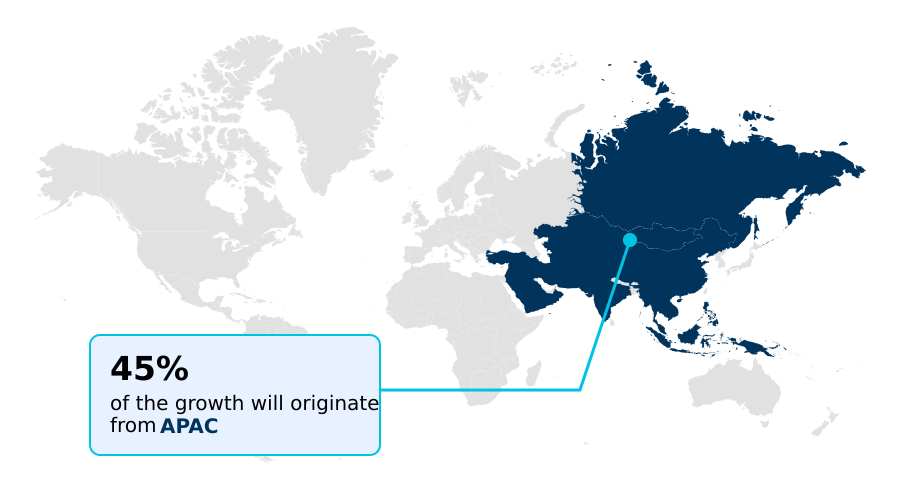
APAC is estimated to contribute 45.4% to the growth of the global market during the forecast period.Technavio’s analysts have elaborately explained the regional trends and drivers that shape the market during the forecast period.
See How Slimming Tea Market Demand is Rising in APAC Get Free Sample
The geographic landscape of the slimming tea market is led by the APAC region, which represents a significant 45.4% of the global growth opportunity, driven by a deep-rooted culture of herbal remedies and rising health awareness.
Countries like China and India are pivotal, where there's strong demand for natural weight management aids.
In contrast, North America is projected to exhibit the fastest growth, with a CAGR of 5.0%, fueled by a focus on holistic wellness and a preference for certified organic certification products.
This growth outpaces Europe's 3.8% rate, where regulatory scrutiny on health claims is particularly high.
The market for thermogenesis-enhancing botanicals and herbal infusions is expanding globally, but regional preferences in tisanes and the adoption of e-commerce wellness products dictate market entry strategies, requiring a nuanced understanding of local consumer health consciousness.
Market Dynamics
Our researchers analyzed the data with 2025 as the base year, along with the key drivers, trends, and challenges. A holistic analysis of drivers will help companies refine their marketing strategies to gain a competitive advantage.
- To effectively capture the market, brands must address the specific, long-tail queries of discerning consumers. Questions around the benefits of green tea for metabolism and how herbal detox teas work are foundational. Prospects are increasingly researching the impact of stress on weight gain and seek teas with adaptogenic properties to manage it.
- Detailed content comparing oolong and green tea for weight loss can guide purchasing decisions, while explaining the best natural ingredients for appetite suppression establishes a brand as an authority. Furthermore, addressing the query 'is slimming tea safe for daily use?' with transparent information on formulations, particularly those avoiding harsh laxative effects, is crucial for building trust.
- Companies that provide clear, scientifically-grounded answers to these nuanced questions see measurably higher engagement and conversion rates. For instance, brands offering detailed ingredient glossaries and sourcing information report customer loyalty scores nearly double those of competitors with generic marketing, demonstrating the value of educational content in a market defined by consumer skepticism and a demand for authenticity.
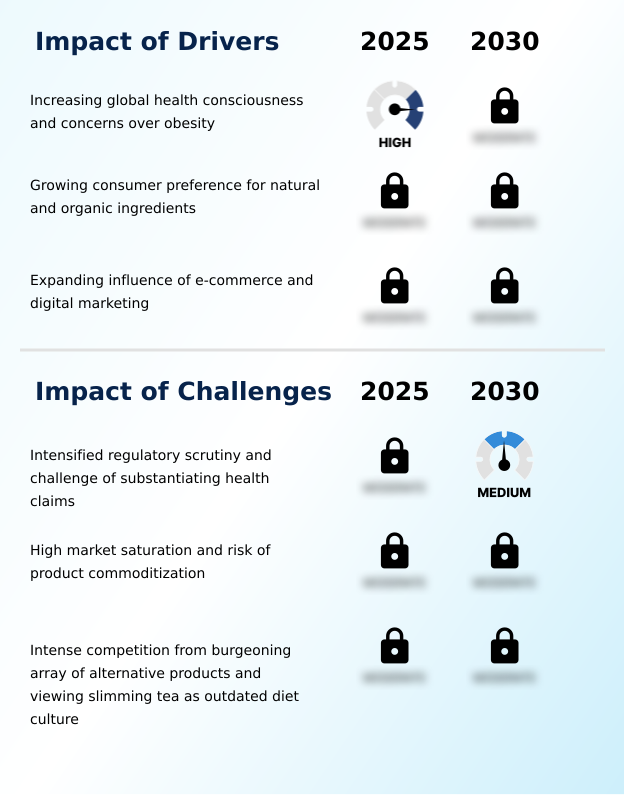
What are the key market drivers leading to the rise in the adoption of Slimming Tea Industry?
- Increasing global health consciousness, coupled with rising concerns over obesity and related lifestyle conditions, serves as a primary driver for the market.
- The market's expansion is fundamentally driven by rising global health consciousness and the widespread adoption of digital platforms.
- An intensifying focus on obesity-related concerns has created a sustained demand for natural weight management aids, positioning products with clear metabolic rate benefits advantageously.
- The proliferation of e-commerce has been a structural catalyst, with the online segment's growth rate being over 40% faster than that of brick-and-mortar retail in recent years.
- This channel provides a platform for digital marketing for health, enabling brands to directly engage consumers seeking plant-based wellness drinks and metabolism-boosting beverages.
- This direct-to-consumer model, which often includes personalized tea subscriptions, bypasses traditional retail barriers and fosters brand loyalty in an increasingly crowded marketplace.
What are the market trends shaping the Slimming Tea Industry?
- A key market trend is the innovation in functional ingredients and 'functional plus' formulations. This shift moves products beyond single-purpose use to become sophisticated, multi-benefit wellness beverages.
- Key trends are reshaping the market, driven by a consumer pivot towards multi-functional beverages and ethical consumption. The demand for functional tea blends now extends beyond weight management to include support for cognitive and stress-related health, with the integration of adaptogens and nootropics becoming a key differentiator.
- This shift toward holistic wellness is reflected in product innovation, with new formulations leveraging a wider array of botanicals. Simultaneously, sustainability in tea packaging and ethical sourcing in tea are non-negotiable for a growing consumer segment.
- Brands demonstrating supply chain transparency achieve higher loyalty, with studies showing that products with clear ethical certifications can command a price premium of up to 15%. This dual focus on advanced functional ingredients and verifiable sustainability is defining the next wave of successful products.
What challenges does the Slimming Tea Industry face during its growth?
- Intensified regulatory scrutiny and the difficulty of substantiating health claims without robust scientific evidence pose a significant challenge to market growth.
- The market faces significant headwinds from intense regulatory scrutiny on health claims and market saturation. The difficulty in scientifically substantiating claims like 'fat oxidation' without significant investment presents a high barrier, with regulatory actions increasing by over 20% in key markets.
- This fosters consumer skepticism, which is compounded by the body positivity movement viewing some products as part of an outdated diet culture. Furthermore, high market fragmentation and the threat of substitutes, rated as high in competitive analyses, lead to intense price pressure.
- To remain relevant, brands must innovate beyond standard herbal infusions, focusing on unique tisanes and functional ingredients while ensuring their marketing aligns with modern wellness philosophies and avoids commoditization.
Exclusive Technavio Analysis on Customer Landscape
The slimming tea market forecasting report includes the adoption lifecycle of the market, covering from the innovator’s stage to the laggard’s stage. It focuses on adoption rates in different regions based on penetration. Furthermore, the slimming tea market report also includes key purchase criteria and drivers of price sensitivity to help companies evaluate and develop their market growth analysis strategies.
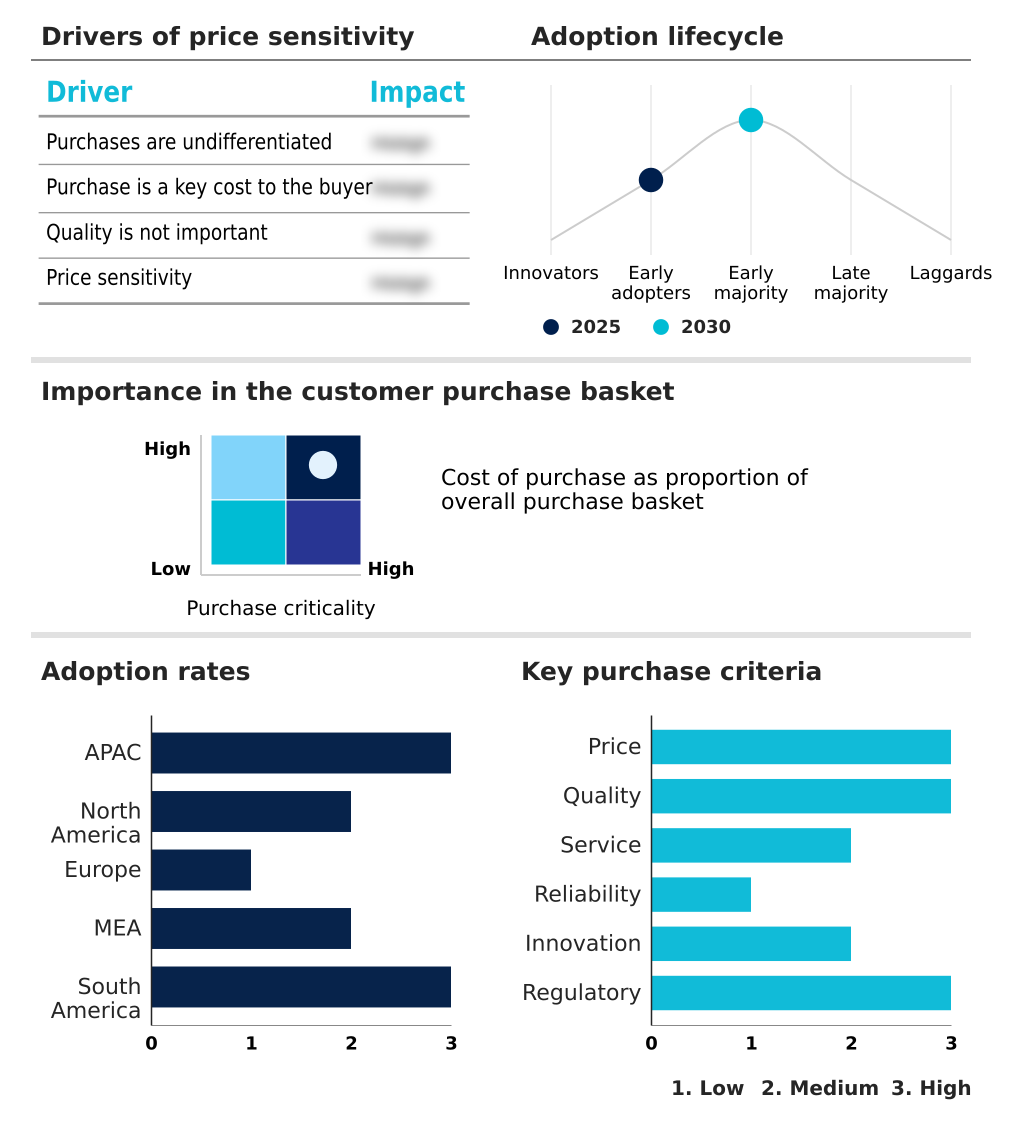
Customer Landscape of Slimming Tea Industry
Competitive Landscape
Companies are implementing various strategies, such as strategic alliances, slimming tea market forecast, partnerships, mergers and acquisitions, geographical expansion, and product/service launches, to enhance their presence in the industry.
Adagio Teas - The market features a competitive landscape of vendors offering specialized wellness teas, with a focus on metabolism-boosting green teas and functional herbal blends for healthy weight management.
The industry research and growth report includes detailed analyses of the competitive landscape of the market and information about key companies, including:
- Adagio Teas
- AriZona Beverages USA LLC
- Associated British Foods Plc
- Barrys Tea
- Crazy Cups
- Dilmah Ceylon Tea Co. Plc
- Harney and Sons Fine Teas
- ITO EN Ltd.
- Lipton Teas and Infusions
- Mariage Freres
- Organic India USA LLC
- Sancha Tea Boutique
- Steven Smith Teamaker
- Tata Consumer Products Ltd.
- The Hain Celestial Group
- The Mark T. Wendell Tea Co.
- The Republic of Tea Inc.
- The Tea Shelf
- The Tea Spot
Qualitative and quantitative analysis of companies has been conducted to help clients understand the wider business environment as well as the strengths and weaknesses of key industry players. Data is qualitatively analyzed to categorize companies as pure play, category-focused, industry-focused, and diversified; it is quantitatively analyzed to categorize companies as dominant, leading, strong, tentative, and weak.
Recent Development and News in Slimming tea market
- In August 2025, The Hain Celestial Group expanded its Celestial Seasonings wellness portfolio with the launch of a Detox Blend Dandelion tea, formulated with green rooibos and aloe vera.
- In October 2025, Kudos Active Slim Tea, an herbal tea designed to enhance metabolism, was made available on major online health platforms, including Tata 1mg, increasing its digital footprint.
- In December 2025, Tata Consumer Products Ltd. initiated a new marketing campaign for its Tata Tea Premium Care, a blend featuring traditional wellness ingredients such as Ginger, Tulsi, and Brahmi to appeal to health-conscious consumers.
- In March 2025, NRI Chaiwala, a Delhi-based tea establishment, broadened its product offerings to include a variety of new tea leaf flavors, including herbal and other functional teas to cater to wellness trends.
Dive into Technavio’s robust research methodology, blending expert interviews, extensive data synthesis, and validated models for unparalleled Slimming Tea Market insights. See full methodology.
| Market Scope | |
|---|---|
| Page number | 294 |
| Base year | 2025 |
| Historic period | 2020-2024 |
| Forecast period | 2026-2030 |
| Growth momentum & CAGR | Accelerate at a CAGR of 4.6% |
| Market growth 2026-2030 | USD 7355.7 million |
| Market structure | Fragmented |
| YoY growth 2025-2026(%) | 4.4% |
| Key countries | China, India, Japan, South Korea, Australia, Indonesia, US, Canada, Mexico, Germany, UK, France, Italy, Spain, The Netherlands, Saudi Arabia, UAE, Turkey, South Africa, Nigeria, Brazil, Argentina and Colombia |
| Competitive landscape | Leading Companies, Market Positioning of Companies, Competitive Strategies, and Industry Risks |
Research Analyst Overview
- The slimming tea market is evolving from a niche weight-loss aid to a mainstream component of holistic wellness. This shift compels brands to innovate beyond basic herbal infusions, focusing on functional ingredients that offer scientifically-backed benefits.
- Formulations are increasingly sophisticated, integrating adaptogens to manage stress-related weight gain and nootropics for cognitive support, transforming a simple beverage into a multi-functional health tool. The integration of Tisanes and diverse botanicals caters to a demand for caffeine-free and specialized options, such as those promoting digestive health or leveraging antioxidant properties.
- A key boardroom decision revolves around investing in technology for hyper-personalization, as direct-to-consumer models that offer customized blends based on individual needs are showing customer retention rates up to 30% higher than traditional retail models.
- Success hinges on a brand's ability to navigate stringent regulatory environments while delivering on the promise of clean-label products through transparent supply chains and credible organic certification.
What are the Key Data Covered in this Slimming Tea Market Research and Growth Report?
-
What is the expected growth of the Slimming Tea Market between 2026 and 2030?
-
USD 7.36 billion, at a CAGR of 4.6%
-
-
What segmentation does the market report cover?
-
The report is segmented by Product (Green tea, Herbal tea, and Others), Distribution Channel (Offline, and Online), Application (Weight loss, Detoxification, and Appetite suppression) and Geography (APAC, North America, Europe, Middle East and Africa, South America)
-
-
Which regions are analyzed in the report?
-
APAC, North America, Europe, Middle East and Africa and South America
-
-
What are the key growth drivers and market challenges?
-
Increasing global health consciousness and concerns over obesity, Intensified regulatory scrutiny and challenge of substantiating health claims
-
-
Who are the major players in the Slimming Tea Market?
-
Adagio Teas, AriZona Beverages USA LLC, Associated British Foods Plc, Barrys Tea, Crazy Cups, Dilmah Ceylon Tea Co. Plc, Harney and Sons Fine Teas, ITO EN Ltd., Lipton Teas and Infusions, Mariage Freres, Organic India USA LLC, Sancha Tea Boutique, Steven Smith Teamaker, Tata Consumer Products Ltd., The Hain Celestial Group, The Mark T. Wendell Tea Co., The Republic of Tea Inc., The Tea Shelf and The Tea Spot
-
Market Research Insights
- The market's dynamic nature is shaped by evolving consumer preferences and structural shifts in retail. The growth of e-commerce wellness products has been substantial, with the online channel's share of sales increasing over 5% in the last two years, outpacing traditional offline retail.
- This trend reflects a broader consumer health consciousness, where individuals seek personalized tea subscriptions and discreet purchasing options. Brands are leveraging sophisticated digital marketing for health to target consumers actively searching for plant-based wellness drinks and metabolism-boosting beverages. This direct-to-consumer approach allows for better margin control and direct feedback, enabling rapid adaptation to trends like demand for caffeine-free slimming options.
- Firms aligning their strategy with these digital-first behaviors are capturing a disproportionate share of market growth.
We can help! Our analysts can customize this slimming tea market research report to meet your requirements.
 RIA -
RIA - 
