



Weight Management Market Size 2026-2030
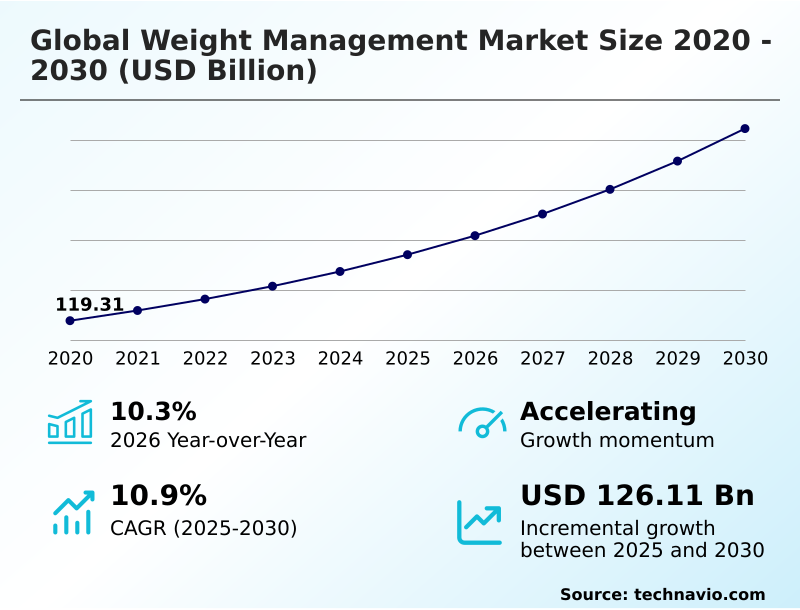
The weight management market size is valued to increase by USD 126.11 billion, at a CAGR of 10.9% from 2025 to 2030. Technological innovation in pharmacological and medicalized therapies will drive the weight management market.
Major Market Trends & Insights
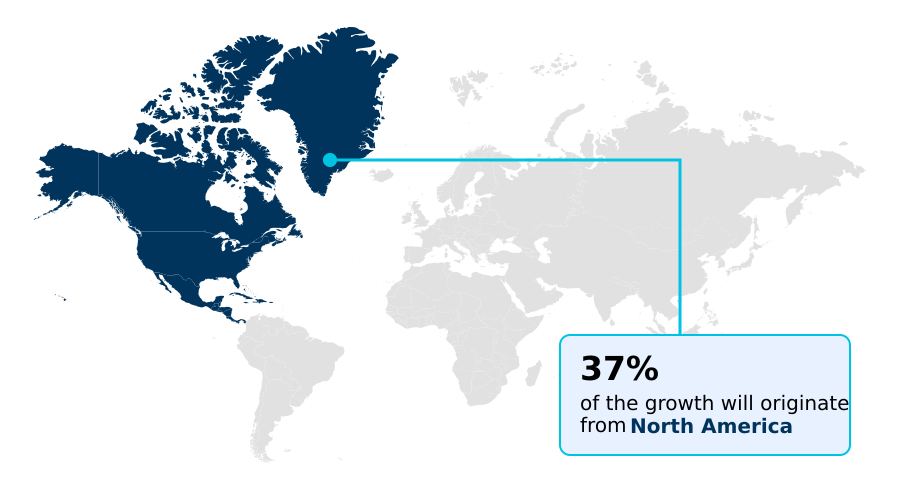
- North America dominated the market and accounted for a 37.3% growth during the forecast period.
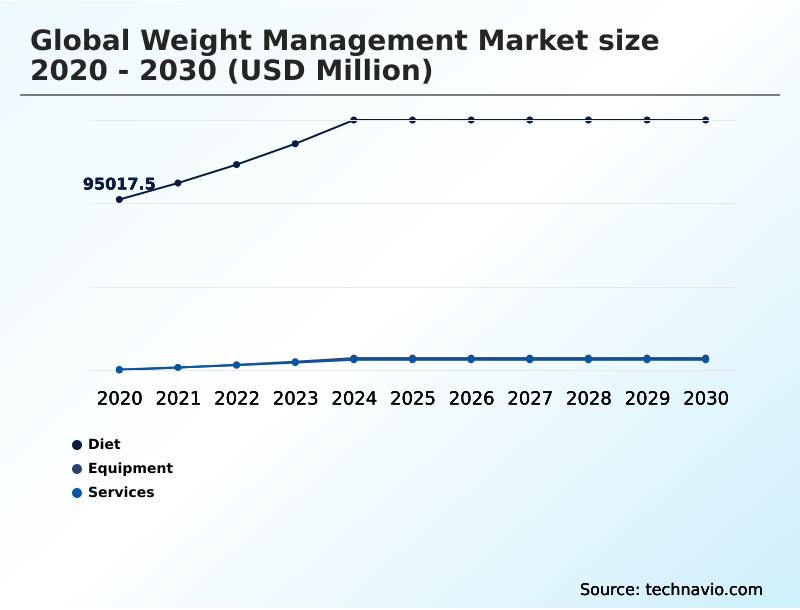
- By Type - Diet segment was valued at USD 133.71 billion in 2024
- By Distribution Channel - Offline segment accounted for the largest market revenue share in 2024
Market Size & Forecast
- Market Opportunities: USD 192.11 billion
- Market Future Opportunities: USD 126.11 billion
- CAGR from 2025 to 2030 : 10.9%
Market Summary
- The weight management market is undergoing a profound transformation, shifting from conventional diet and exercise regimens to a sophisticated ecosystem integrating medical science and digital technology. Central to this evolution is the increasing recognition of obesity as a chronic condition requiring sustained, data-driven interventions.
- The proliferation of digital health platforms and biowearables enables real-time biological data collection, facilitating personalized nutrition plans tailored to an individual’s unique metabolic needs. Innovations in pharmacotherapy for obesity are providing effective bariatric surgery alternatives, while AI-driven dietetics offers scalable, personalized coaching.
- A key business application involves using machine learning algorithms to analyze continuous glucose monitor (CGM) data, identifying patterns that inform lifestyle modification support and preventive care programs.
- For instance, a provider could use this data to dynamically adjust a user's meal plan, improving blood glucose stabilization and boosting patient adherence strategies by over 40%, thereby enhancing the long-term value and clinical efficacy of their direct-to-consumer subscription service. This data-centric approach, focused on sustainable weight loss and holistic wellness ecosystems, defines the industry's future trajectory.
What will be the Size of the Weight Management Market during the forecast period?
Get Key Insights on Market Forecast (PDF) Get Free Sample
How is the Weight Management Market Segmented?
The weight management industry research report provides comprehensive data (region-wise segment analysis), with forecasts and estimates in "USD million" for the period 2026-2030, as well as historical data from 2020-2024 for the following segments.
- Type
- Diet
- Equipment
- Services
- Distribution channel
- Offline
- Online
- End-user
- Fitness centers and health clubs
- Commercial weight loss centers
- Online weight loss programs
- Slimming centers
- Others
- Geography
- North America
- US
- Canada
- Mexico
- Asia
- Europe
- Germany
- UK
- France
- Rest of World (ROW)
- North America
By Type Insights
The diet segment is estimated to witness significant growth during the forecast period.
The diet segment is evolving from generic caloric restriction toward scientifically validated nutritional support and functional food formulation. This includes meal replacements and dietary supplements utilizing high-purity protein isolates to support body composition analysis and muscle preservation.
A key development is the integration of personalized feedback, as an analysis showed 58% of users discovered unexpected glucose spikes from foods previously considered healthy, prompting better calorie density management.
The rise of medicalized weight management, driven by advances like dual and triple-acting agonists, has created demand for companion nutrition.
This approach, which includes professional nutritional counseling, is now focused on precise food and beverage fortification that complements both lifestyle choices and clinical interventions, including minimally invasive procedures and aesthetic weight solutions.
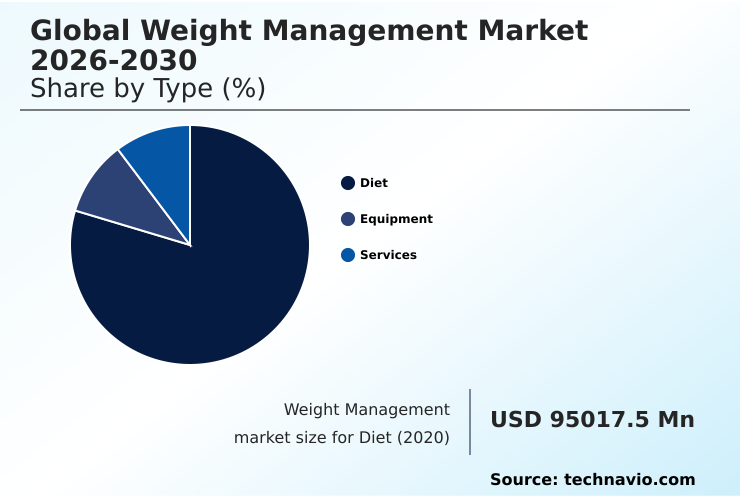
The Diet segment was valued at USD 133.71 billion in 2024 and showed a gradual increase during the forecast period.
Regional Analysis
North America is estimated to contribute 37.3% to the growth of the global market during the forecast period.Technavio’s analysts have elaborately explained the regional trends and drivers that shape the market during the forecast period.
See How Weight Management Market Demand is Rising in North America Get Free Sample
The market landscape varies significantly by region. North America leads in adopting advanced pharmacotherapy for obesity and digital therapeutics (DTx), accounting for over 37% of market expansion.
This region has a mature infrastructure for chronic disease management and widespread corporate wellness initiatives. In contrast, Asia, representing over 33% of growth potential, is rapidly adopting virtual coaching services and mobile-first holistic wellness ecosystems.
Key drivers here include government-led public health campaigns and rising consumer demand for lifestyle modification support.
Across all regions, data privacy in health apps is a growing concern, while the core goal remains achieving blood glucose stabilization through integrated, accessible solutions.
Market Dynamics
Our researchers analyzed the data with 2025 as the base year, along with the key drivers, trends, and challenges. A holistic analysis of drivers will help companies refine their marketing strategies to gain a competitive advantage.
- The strategic discourse in the weight management market increasingly centers on the comparative effectiveness of emerging solutions. A key debate is oral glp-1 agonists vs injectables, where oral formulations promise to significantly improve patient uptake and simplify distribution logistics.
- Another critical area is the application of cgm for non-diabetic weight loss, which is redefining personalized health by providing immediate metabolic feedback. Businesses are exploring the ai personalized nutrition plan benefits, aiming to create highly adaptive and engaging user experiences.
- As pharmacotherapy for obesity becomes mainstream, there is a growing focus on supportive nutrition for lean muscle preservation and the integration of behavioral therapy for weight management. The role of metabolic health monitoring with wearables is now central to precision health in weight control, although companies still face challenges in digital health engagement.
- Overcoming regulatory hurdles for new therapies and navigating complex insurance coverage for obesity medication are pivotal for market access. This has led to a re-evaluation of medicalized vs lifestyle weight loss approaches, highlighting the effectiveness of integrated models.
- For instance, platforms that combine medication with telehealth in nutritional counseling services have shown a 25% higher long-term retention rate than programs without digital support. The market is also addressing the needs of high-protein diets for glp-1 users and the future of digital therapeutics.
- Integrating biowearables with fitness apps is now a standard, shaping holistic wellness program components and enabling data-driven chronic disease prevention. The focus on online coaching for behavioral change and understanding the cost-effectiveness of pharmacotherapy for obesity will determine the next wave of innovation.
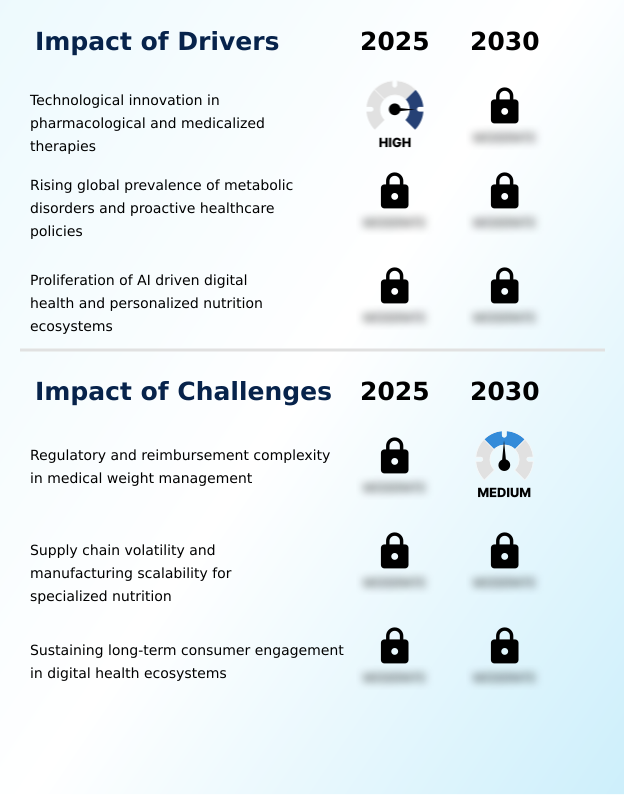
What are the key market drivers leading to the rise in the adoption of Weight Management Industry?
- Technological innovation in pharmacological treatments and medicalized therapies is a key driver advancing the weight management market.
- A key driver is the innovation in bariatric surgery alternatives, particularly the development of non-peptide oral medications that leverage advanced appetite suppression mechanisms and gut hormone regulation.
- These treatments, often supported by telehealth nutritional counseling and structured meal planning from commercial weight loss centers, are becoming more accessible through evolving insurance reimbursement frameworks. This medicalization creates demand for specialized companion nutrition focused on lean muscle mass preservation.
- The regulatory approval process for these new therapies is a critical factor, while on the nutritional side, maintaining a resilient supply chain for nutrition is vital for companies.
- These preventive care programs show a 25% better long-term outcome than non-medical approaches.
What are the market trends shaping the Weight Management Industry?
- A fundamental trend reshaping the market is the development and commercialization of oral non-peptide medications. This shift from injectable to oral small-molecule pharmacotherapy is pivotal for increasing patient adherence and expanding market reach.
- A dominant market trend is the shift toward medicalized weight management, driven by the development of oral small-molecule therapies as alternatives to injectable GLP-1 receptor agonists. This pivot in prescription pharmaceuticals improves accessibility and supports sustainable weight loss. Simultaneously, the adoption of biowearables like continuous glucose monitors (CGMs) is transforming consumer engagement models.
- These devices provide the data for metabolic health monitoring and enable dynamic personalized nutrition plans, which have seen adherence rates improve by over 30% when delivered through integrated digital health platforms. This convergence of pharmaceutical innovation and technology is fostering an ecosystem focused on clinical weight reduction, reinforced by proactive healthcare policies.
What challenges does the Weight Management Industry face during its growth?
- The complexity of regulatory and reimbursement frameworks for medical weight management presents a significant challenge to industry growth.
- A primary challenge is sustaining long-term user engagement in online weight loss programs and direct-to-consumer subscriptions, where churn rates can exceed 70% in six months. While behavioral adherence technology and AI-driven dietetics promise data-driven weight control, translating insights from real-time biological data into lasting habit change remains difficult.
- Integrating systems for comprehensive genetic profile analysis and leveraging a metabolic analytics engine for fat oxidation optimization requires significant investment. Fitness and health clubs face similar issues integrating digital tools. Developing effective patient adherence strategies and scalable integrated care models that deliver proven evidence-based interventions is essential for overcoming digital fatigue and demonstrating value to users.
Exclusive Technavio Analysis on Customer Landscape
The weight management market forecasting report includes the adoption lifecycle of the market, covering from the innovator’s stage to the laggard’s stage. It focuses on adoption rates in different regions based on penetration. Furthermore, the weight management market report also includes key purchase criteria and drivers of price sensitivity to help companies evaluate and develop their market growth analysis strategies.
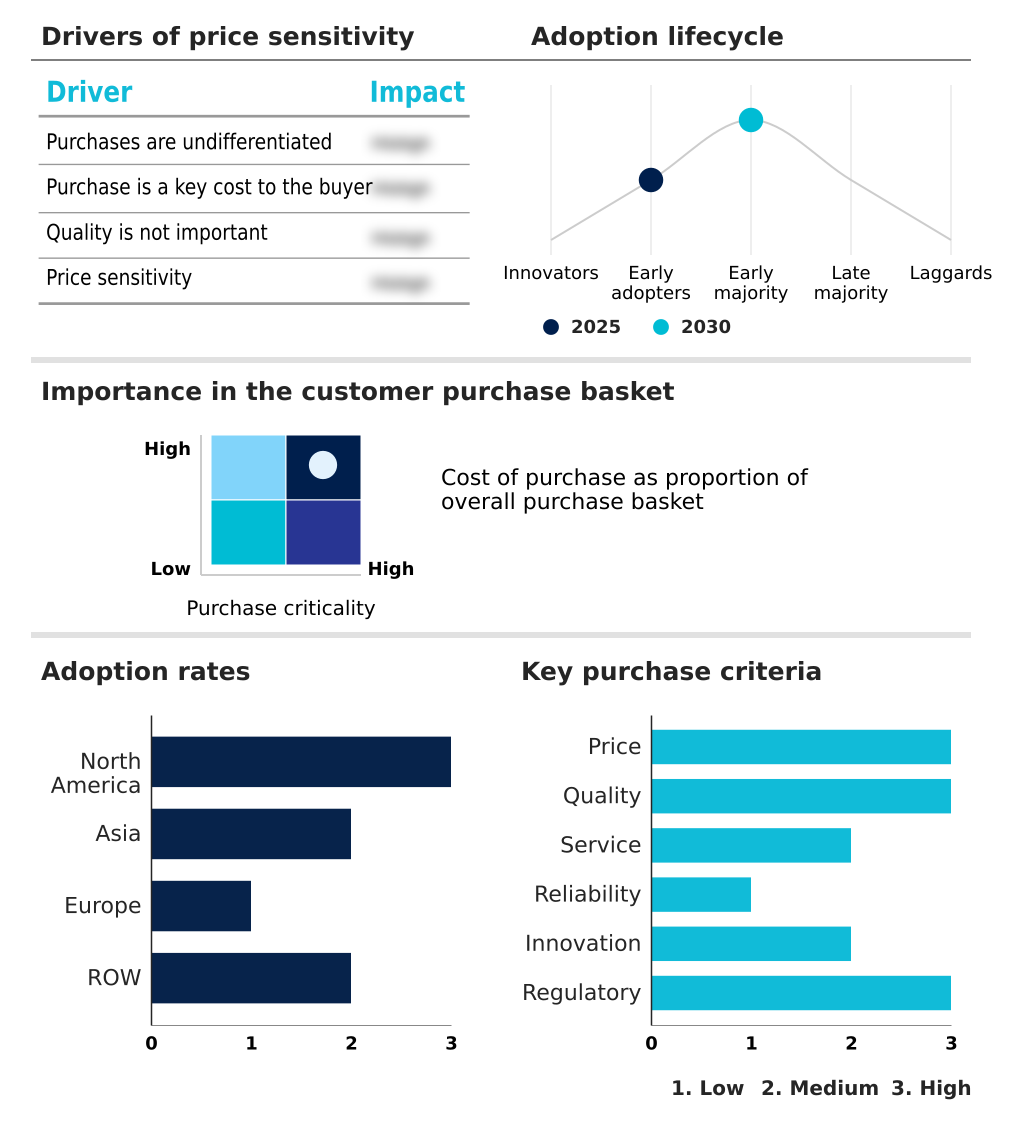
Customer Landscape of Weight Management Industry
Competitive Landscape
Companies are implementing various strategies, such as strategic alliances, weight management market forecast, partnerships, mergers and acquisitions, geographical expansion, and product/service launches, to enhance their presence in the industry.
Abbott Laboratories - Offers prescription pharmaceuticals targeting obesity and metabolic disorders, providing clinically validated solutions for long-term weight reduction and management of related chronic conditions.
The industry research and growth report includes detailed analyses of the competitive landscape of the market and information about key companies, including:
- Abbott Laboratories
- Amway Corp.
- Eli Lilly and Co.
- Fermentis Life Sciences Pvt. Ltd.
- Forever Living Products
- Glanbia plc
- GNC Holdings LLC
- Herbalife International Inc.
- Medifast Inc.
- MyMediSlim
- Nature Sure
- Natures Sunshine Products Inc.
- Natures Way Brands LLC
- Nestle SA
- Novo Nordisk AS
- Nu Skin Enterprises Inc.
- Nutricore Biosciences Pvt. Ltd.
- RITS Lifesciences Pvt Ltd.
- Sunova Products
- True Protein Pty Ltd.
Qualitative and quantitative analysis of companies has been conducted to help clients understand the wider business environment as well as the strengths and weaknesses of key industry players. Data is qualitatively analyzed to categorize companies as pure play, category-focused, industry-focused, and diversified; it is quantitatively analyzed to categorize companies as dominant, leading, strong, tentative, and weak.
Recent Development and News in Weight management market
- In March, 2025, Abbott Laboratories launched an expansive metabolic health initiative in the US centered on its Lingo continuous glucose monitor (CGM), designed to provide non-diabetic users with real-time metabolic insights to inform dietary choices.
- In January, 2025, GNC Holdings, LLC announced a partnership with Jenny Craig to introduce the GNC Total Lean Program, integrating structured nutritional coaching with GNC's retail presence and supplement portfolio across its store network.
- In November, 2024, Noom, Inc. announced a strategic collaboration with a leading meal-kit delivery service to integrate its AI-powered behavioral coaching platform, aiming to improve user adherence to personalized nutrition plans through pre-portioned, healthy meal options.
- In April, 2025, Eli Lilly and Co. reported positive top-line results from the final Phase III clinical trial of its next-generation oral GLP-1 receptor agonist, showing a statistically significant improvement in weight reduction over existing treatments and plans for an expedited regulatory submission.
Dive into Technavio’s robust research methodology, blending expert interviews, extensive data synthesis, and validated models for unparalleled Weight Management Market insights. See full methodology.
| Market Scope | |
|---|---|
| Page number | 294 |
| Base year | 2025 |
| Historic period | 2020-2024 |
| Forecast period | 2026-2030 |
| Growth momentum & CAGR | Accelerate at a CAGR of 10.9% |
| Market growth 2026-2030 | USD 126108.7 million |
| Market structure | Fragmented |
| YoY growth 2025-2026(%) | 10.3% |
| Key countries | US, Canada, Mexico, China, India, Japan, South Korea, Indonesia, Thailand, Germany, UK, France, Italy, Spain, The Netherlands, Brazil, Saudi Arabia, UAE, Turkey, Argentina, Chile, South Africa and Israel |
| Competitive landscape | Leading Companies, Market Positioning of Companies, Competitive Strategies, and Industry Risks |
Research Analyst Overview
- The weight management market is rapidly evolving beyond traditional methods, driven by a convergence of advanced pharmaceuticals and digital technologies. The advent of GLP-1 receptor agonists and oral small-molecule therapies, including non-peptide oral medications and dual and triple-acting agonists, represents a paradigm shift toward effective pharmacotherapy for obesity.
- These bariatric surgery alternatives leverage sophisticated appetite suppression mechanisms and gut hormone regulation. This medicalization is complemented by a surge in technology, with digital health platforms, biowearables, and continuous glucose monitors (CGMs) enabling precise metabolic health monitoring. The integration of an advanced metabolic analytics engine with real-time biological data has enabled a 30% more accurate body composition analysis.
- These platforms facilitate personalized nutrition plans based on genetic profile analysis and utilize AI-driven dietetics and behavioral adherence technology for data-driven weight control.
- The ecosystem also includes specialized companion nutrition, functional food formulation with high-purity protein isolates, and services like telehealth nutritional counseling and virtual coaching services to support lean muscle mass preservation, fat oxidation optimization, and blood glucose stabilization, forming comprehensive holistic wellness ecosystems.
- Boardroom decisions are now centered on navigating the integration of digital therapeutics (DTx) and optimizing calorie density management within meal replacement programs and portion-controlled nutrition offerings.
What are the Key Data Covered in this Weight Management Market Research and Growth Report?
-
What is the expected growth of the Weight Management Market between 2026 and 2030?
-
USD 126.11 billion, at a CAGR of 10.9%
-
-
What segmentation does the market report cover?
-
The report is segmented by Type (Diet, Equipment, and Services), Distribution Channel (Offline, and Online), End-user (Fitness centers and health clubs, Commercial weight loss centers, Online weight loss programs, Slimming centers, and Others) and Geography (North America, Asia, Europe, Rest of World (ROW))
-
-
Which regions are analyzed in the report?
-
North America, Asia, Europe and Rest of World (ROW)
-
-
What are the key growth drivers and market challenges?
-
Technological innovation in pharmacological and medicalized therapies, Regulatory and reimbursement complexity in medical weight management
-
-
Who are the major players in the Weight Management Market?
-
Abbott Laboratories, Amway Corp., Eli Lilly and Co., Fermentis Life Sciences Pvt. Ltd., Forever Living Products, Glanbia plc, GNC Holdings LLC, Herbalife International Inc., Medifast Inc., MyMediSlim, Nature Sure, Natures Sunshine Products Inc., Natures Way Brands LLC, Nestle SA, Novo Nordisk AS, Nu Skin Enterprises Inc., Nutricore Biosciences Pvt. Ltd., RITS Lifesciences Pvt Ltd., Sunova Products and True Protein Pty Ltd.
-
Market Research Insights
- The market is defined by a convergence of pharmaceutical breakthroughs and digital innovation. The rise of medicalized weight management is reshaping consumer engagement models, with a focus on clinical weight reduction and long-term chronic disease management. Adoption of integrated care models has improved outcomes in preventive care programs by over 30% compared to siloed approaches.
- Furthermore, the efficiency of the supply chain for nutrition, particularly for specialized food and beverage fortification, is critical, as optimized logistics can reduce costs by up to 15%. As proactive healthcare policies and insurance reimbursement frameworks adapt, access to prescription pharmaceuticals and evidence-based interventions expands, driving demand for comprehensive precision health solutions that combine behavioral therapy modules and personalized support.
We can help! Our analysts can customize this weight management market research report to meet your requirements.
 RIA -
RIA - 
