


Smart Grid IT Systems Market Size 2024-2028
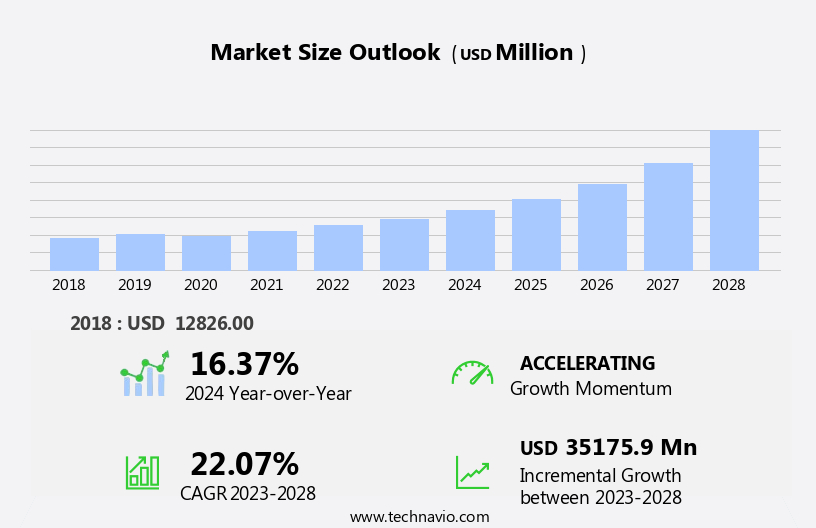
The smart grid it systems market size is forecast to increase by USD 35.18 billion, at a CAGR of 22.07% between 2023 and 2028.
- The market is experiencing significant growth due to the escalating demand for energy efficiency and cost savings. Utility service providers are increasingly embracing advanced IT systems to optimize energy management and improve grid reliability. However, high implementation costs pose a substantial challenge for market expansion. The integration of renewable energy sources and the need for real-time data processing and analysis are key drivers propelling the market forward. Additionally, the increasing adoption of IoT technologies and smart home solutions are creating new opportunities for market participants.
- Despite these opportunities, the high initial investment required for implementing smart grid systems remains a significant obstacle, necessitating collaborative efforts between stakeholders to offset costs and accelerate adoption. Companies seeking to capitalize on market opportunities must focus on innovative financing models and cost-effective solutions to navigate the challenges and capture a competitive edge.
What will be the Size of the Smart Grid IT Systems Market during the forecast period?
The market is characterized by continuous evolution and dynamic market activities. This sector encompasses various applications, including data analytics, acquisition, and security, as well as voltage control, real-time monitoring, and interoperability standards. The integration of machine learning and outage management enhances grid reliability and resilience, while renewable energy integration necessitates privacy compliance and grid modeling. Edge computing and grid automation facilitate customer engagement and energy efficiency, with software-as-a-service (SaaS) platforms enabling seamless access to data visualization and artificial intelligence capabilities. Electric vehicles and distributed generation are integral components of the smart grid, requiring network optimization and blockchain technology for secure and efficient energy transactions.
Wireless communication networks and open-source software play a crucial role in the development and implementation of these advanced systems. Power system simulation and SCADA systems ensure the efficient operation of the grid, while billing and metering and demand response solutions optimize energy consumption and distribution. The ongoing integration of these technologies and applications shapes the smart grid landscape, with new developments and trends continually emerging to address the evolving energy needs of various sectors. The market's dynamic nature underscores the importance of staying informed and adaptable to ensure optimal performance and efficiency.
How is this Smart Grid IT Systems Industry segmented?
The smart grid it systems industry research report provides comprehensive data (region-wise segment analysis), with forecasts and estimates in "USD million" for the period 2024-2028, as well as historical data from 2018-2022 for the following segments.
- Application
- Energy Management System
- Distribution Management System
- Outage management system
- Data analytics
- End-user
- Residential
- Commercial
- Industrial
- Geography
- North America
- US
- Europe
- Germany
- UK
- APAC
- China
- Japan
- MEA
- UAE
- South America
- Brazil
- Rest of World (ROW)
- North America
By Application Insights
The energy management system segment is estimated to witness significant growth during the forecast period.
The market is witnessing significant growth due to the integration of advanced technologies such as data analytics, data acquisition, and real-time monitoring. These technologies enable utilities to collect and analyze data from various sources, including smart meters, IoT sensors, and SCADA systems. The data is used for grid reliability, load balancing, network optimization, and demand response, among other applications. Data security is a critical concern in the market, with privacy compliance and cybersecurity measures essential to protect sensitive customer information. Renewable energy integration and voltage control are other key trends, with machine learning and artificial intelligence used for grid modeling and power system simulation.
Energy trading and interoperability standards facilitate the seamless exchange of energy between utilities and consumers, while outage management and grid automation ensure grid reliability. Cloud computing and edge computing provide scalable and cost-effective solutions for data processing and analysis. The increasing adoption of electric vehicles and distributed generation sources, such as solar and wind, is driving the need for advanced energy management systems. Software-as-a-Service (SaaS) solutions and billing and metering systems enable real-time energy usage tracking and customer engagement. Blockchain technology and wireless communication networks offer secure and decentralized solutions for energy transactions and grid management.
Open source software and power system simulation tools enable utilities to optimize their grids and reduce costs. Overall, the market is evolving to meet the demands of a more decentralized and data-driven energy landscape, with a focus on energy efficiency, customer engagement, and grid reliability.
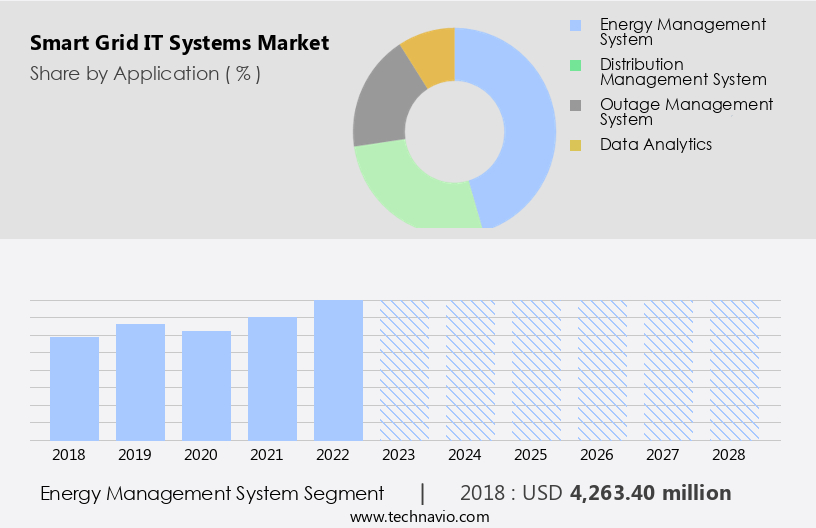
The Energy Management System segment was valued at USD 4.26 billion in 2018 and showed a gradual increase during the forecast period.
Regional Analysis
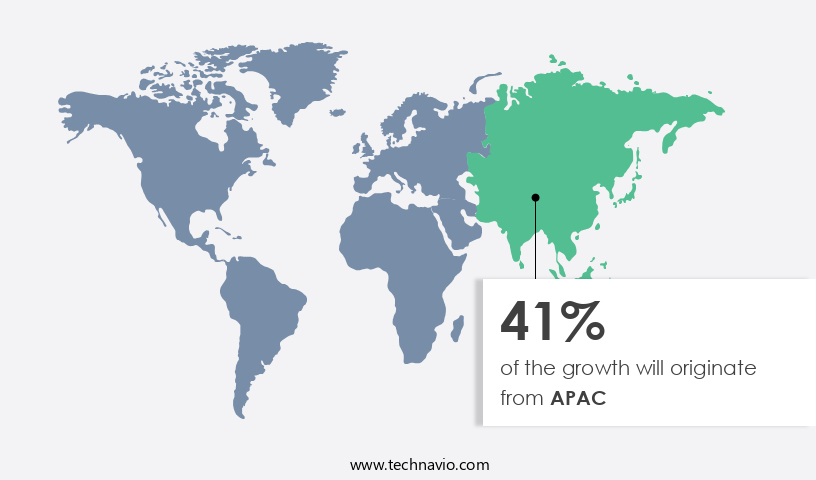
APAC is estimated to contribute 41% to the growth of the global market during the forecast period.Technavio's analysts have elaborately explained the regional trends and drivers that shape the market during the forecast period.
The European power industry is witnessing significant advancements in smart grid IT systems, driven by climate change policies and the need to transition to renewable energy sources. Smart grid projects in Europe are anticipated to grow due to the Paris Climate Agreement, which aims to reduce carbon emissions in the region. The integration of renewable energy sources necessitates advanced IT systems for data analytics, data acquisition, and real-time monitoring. Data security, privacy compliance, and interoperability standards are crucial to ensure the smooth functioning of these systems. Voltage control, machine learning, and grid modeling are essential components of smart grid IT systems, enabling grid reliability, load balancing, and network optimization.
IoT sensors and wireless communication networks facilitate the collection and transmission of data for grid automation and customer engagement. Energy trading and demand response are integral to energy efficiency and the integration of distributed generation and electric vehicles. Cloud computing and edge computing provide scalable and cost-effective solutions for processing and analyzing large volumes of data. Artificial intelligence and power system simulation are essential for predictive maintenance, fault detection, and outage management. Blockchain technology offers secure and transparent energy transactions, while SCADA systems and billing and metering ensure accurate and efficient energy management. In conclusion, the European the market is experiencing significant growth due to the need to reduce carbon emissions, ensure grid reliability, and facilitate the integration of renewable energy sources.
The market is characterized by the adoption of advanced technologies such as data analytics, data acquisition, machine learning, and artificial intelligence, among others. The market is expected to continue evolving, driven by the increasing demand for energy efficiency, customer engagement, and grid automation.
Market Dynamics
Our researchers analyzed the data with 2023 as the base year, along with the key drivers, trends, and challenges. A holistic analysis of drivers will help companies refine their marketing strategies to gain a competitive advantage.
What are the key market drivers leading to the rise in the adoption of Smart Grid IT Systems Industry?
- The escalating need for energy efficiency and cost savings serves as the primary market catalyst.
- The global energy landscape is undergoing a significant transformation due to the increasing population and the resulting demand for energy resources. Utility companies are facing the challenge of maintaining grid reliability while keeping costs in check. To address these issues, they are increasingly adopting smart grid IT systems. These advanced technologies enable outage management, renewable energy integration, and grid modeling, among other functionalities. Smart grid IT systems leverage IoT sensors, cloud computing, data visualization, artificial intelligence, and grid reliability to optimize energy distribution and consumption.
- With privacy compliance at the forefront, these systems ensure secure and efficient energy management. As the world population continues to grow, reaching an estimated 9.6 billion by 2050, the demand for energy resources will increase. Smart grid IT systems will play a crucial role in meeting this demand while maintaining grid reliability and cost efficiency.
What are the market trends shaping the Smart Grid IT Systems Industry?
- The rising importance of utility service providers in energy management is a notable market trend. This development reflects the growing recognition of these companies' expertise and their ability to optimize energy usage effectively.
- The power industry is undergoing significant transformation, primarily driven by the need to reduce greenhouse gas emissions and the adoption of smart grids. Traditional utility operations, which focused on power generation, transmission, and distribution, have evolved with the advent of smart grids. These advanced systems enable two-way communication and facilitate the transfer of excess power back into the grid through the installation of smart meters. This creates an opportunity for utility service providers to engage with customers, encouraging them to participate in demand response programs and conserve energy through education. The increasing availability of smart home devices and real-time power consumption information empowers consumers to actively contribute to grid functions.
- Key technologies, such as load balancing, edge computing, grid automation, energy efficiency, software-as-a-service (SaaS), electric vehicles (EVs), and distributed generation (DG), are essential components of smart grids. Network optimization plays a crucial role in ensuring efficient energy distribution and managing the integration of renewable energy sources. In conclusion, the power industry is witnessing a shift towards more interactive and efficient energy management systems. Smart grids are revolutionizing the way electricity is produced, distributed, and consumed, enabling a more harmonious relationship between utility providers and consumers. By leveraging advanced technologies and fostering customer engagement, the industry is poised to address the challenges of a more complex and decentralized power system.
What challenges does the Smart Grid IT Systems Industry face during its growth?
- The high implementation costs pose a significant challenge to the growth of the industry. This barrier to entry can be attributed to various factors, including the expense of acquiring necessary technology, training personnel, and integrating new systems into existing infrastructure. Overcoming these costs remains a critical focus for businesses aiming to expand and remain competitive within their respective markets.
- The market faces a significant challenge with the high cost of implementing these advanced technologies. This expense hinders companies from focusing on adopting new technologies to enhance distribution operations and productivity. The cost of implementing smart grid IT systems varies based on several factors, including the level of integration, data accuracy requirements, and necessary functionalities. A high level of integration, essential for seamless smart grid operations, increases costs further. Key technologies driving the market include blockchain technology, wireless communication networks, open source software, power system simulation, SCADA systems, billing and metering, and demand response.
- These technologies enable improved efficiency, reliability, and flexibility in power distribution. Blockchain technology ensures secure and transparent data transactions, while wireless communication networks facilitate real-time data exchange between grid components. Open source software reduces implementation costs and allows for customization, while power system simulation and SCADA systems optimize power distribution and monitor grid performance. Billing and metering systems enable accurate and real-time energy consumption tracking, and demand response systems help balance power supply and demand. In conclusion, despite the high implementation costs, the benefits of smart grid IT systems, such as increased efficiency, reliability, and flexibility, make them a worthwhile investment for the energy sector.
- Companies must focus on optimizing their implementation strategies to minimize costs while maximizing the benefits of these advanced technologies.
Exclusive Customer Landscape
The smart grid it systems market forecasting report includes the adoption lifecycle of the market, covering from the innovator's stage to the laggard's stage. It focuses on adoption rates in different regions based on penetration. Furthermore, the smart grid it systems market report also includes key purchase criteria and drivers of price sensitivity to help companies evaluate and develop their market growth analysis strategies.
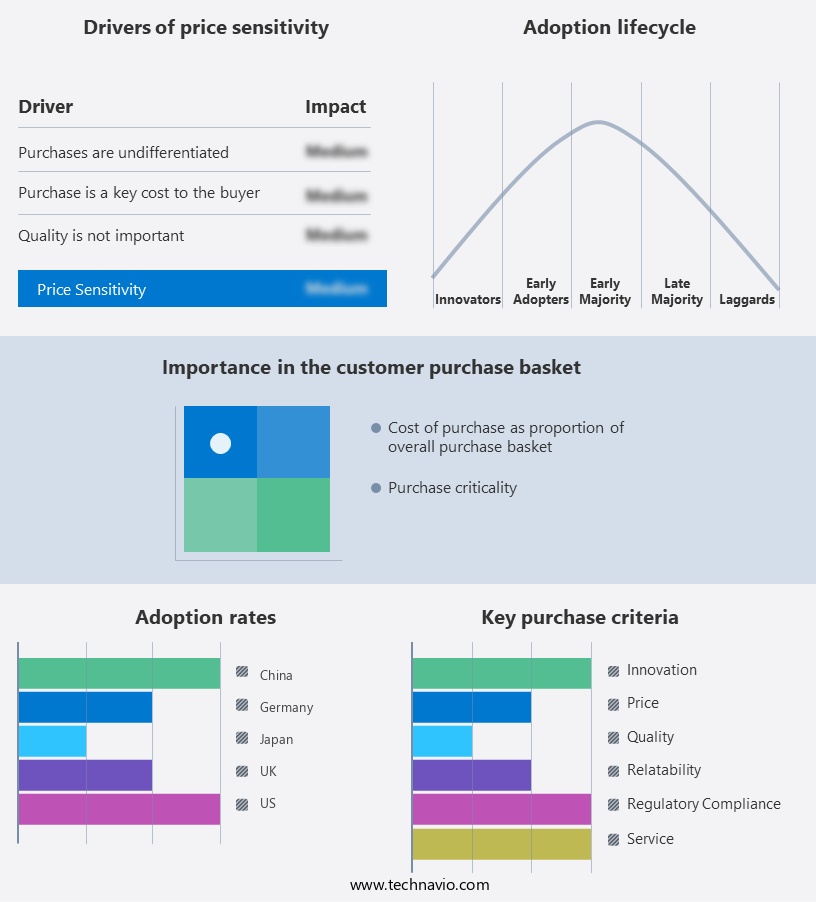
Customer Landscape
Key Companies & Market Insights
Companies are implementing various strategies, such as strategic alliances, smart grid it systems market forecast, partnerships, mergers and acquisitions, geographical expansion, and product/service launches, to enhance their presence in the industry.
ABB Ltd. - This company specializes in advanced IT solutions for smart grids, focusing on distribution automation, substation automation, and advanced metering infrastructure applications. Our system is designed to enhance the efficiency and reliability of power distribution networks, utilizing cutting-edge technology to optimize grid performance and improve energy management. By integrating real-time data analysis and predictive analytics, our solution enables utilities to respond proactively to grid issues and minimize power outages. Additionally, our system supports seamless communication between grid components, ensuring optimal energy flow and reducing overall operational costs.
The industry research and growth report includes detailed analyses of the competitive landscape of the market and information about key companies, including:
- ABB Ltd.
- Cisco Systems Inc.
- Eaton Corp. Plc
- ENEL X srl
- General Electric Co.
- Globema SP Z O O
- Honeywell International Inc.
- International Business Machines Corp.
- Itron Inc.
- Kamstrup AS
- Mitsubishi Electric Corp.
- Oracle Corp.
- SAP SE
- Schneider Electric SE
- Siemens AG
- TANTALUS SYSTEM HOLDING INC.
- Tech Mahindra Ltd.
- Trilliant Holdings Inc.
- Wipro Ltd.
- Xylem Inc.
Qualitative and quantitative analysis of companies has been conducted to help clients understand the wider business environment as well as the strengths and weaknesses of key industry players. Data is qualitatively analyzed to categorize companies as pure play, category-focused, industry-focused, and diversified; it is quantitatively analyzed to categorize companies as dominant, leading, strong, tentative, and weak.
Recent Development and News in Smart Grid IT Systems Market
- In March 2025, Siemens Energy and Siemens Digital Industries announced the integration of their energy management and automation solutions into a unified Smart Grid IT platform, aiming to enhance grid stability and optimize energy distribution (Siemens Press Release). This strategic move combines the strengths of both entities, creating a more comprehensive offering for utilities and grid operators.
- In July 2024, IBM and ENEL, the Italian power company, signed a multi-year agreement to deploy IBM's AI and IoT technologies for predictive maintenance and grid optimization across ENEL's European network (IBM Press Release). This collaboration marks a significant step towards advanced analytics and automation in the smart grid sector.
- In October 2024, ABB secured a USD150 million contract from the Saudi Arabian Electricity Company to deploy its Ability Microgrid Plus solution, expanding its presence in the Middle East and contributing to the region's renewable energy integration efforts (ABB Press Release). This strategic win highlights ABB's competitive edge in the microgrid market.
- In February 2025, the European Union passed the Electricity Grid Regulation, aiming to create a more interconnected and flexible European electricity grid, enabling the integration of renewable energy sources and improving grid resilience (European Commission Press Release). This regulatory initiative sets the stage for significant growth opportunities in the market.
Research Analyst Overview
- The market is experiencing significant growth, driven by the integration of renewable energy sources and the need for grid resilience. Communication protocols play a crucial role in enabling data logging and real-time energy management, while energy storage optimization and utility operations rely on advanced data acquisition units and grid planning. Regulatory compliance and power quality are essential considerations for grid modernization, as infrastructure development continues to prioritize sustainability initiatives. Fault detection and network security are critical components of grid stability, ensuring reliable energy consumption monitoring and power system protection. Renewable energy forecasting and demand side management are also essential for optimizing energy efficiency and network expansion.
- Data governance and system optimization are key to ensuring network security and effective intrusion detection. Smart city applications, such as smart home integration, further expand the scope of the market, requiring advanced energy management and metering devices. Overall, the market is characterized by a focus on grid stability, renewable energy integration, and infrastructure development, as well as a growing emphasis on data acquisition, analysis, and utilization for system optimization and regulatory compliance.
Dive into Technavio's robust research methodology, blending expert interviews, extensive data synthesis, and validated models for unparalleled Smart Grid IT Systems Market insights. See full methodology.
|
Market Scope |
|
|
Report Coverage |
Details |
|
Page number |
195 |
|
Base year |
2023 |
|
Historic period |
2018-2022 |
|
Forecast period |
2024-2028 |
|
Growth momentum & CAGR |
Accelerate at a CAGR of 22.07% |
|
Market growth 2024-2028 |
USD 35175.9 million |
|
Market structure |
Fragmented |
|
YoY growth 2023-2024(%) |
16.37 |
|
Key countries |
US, China, Germany, UK, and Japan |
|
Competitive landscape |
Leading Companies, Market Positioning of Companies, Competitive Strategies, and Industry Risks |
What are the Key Data Covered in this Smart Grid IT Systems Market Research and Growth Report?
- CAGR of the Smart Grid IT Systems industry during the forecast period
- Detailed information on factors that will drive the growth and forecasting between 2024 and 2028
- Precise estimation of the size of the market and its contribution of the industry in focus to the parent market
- Accurate predictions about upcoming growth and trends and changes in consumer behaviour
- Growth of the market across Europe, APAC, North America, South America, and Middle East and Africa
- Thorough analysis of the market's competitive landscape and detailed information about companies
- Comprehensive analysis of factors that will challenge the smart grid it systems market growth of industry companies
We can help! Our analysts can customize this smart grid it systems market research report to meet your requirements.
 RIA -
RIA - 
