



Sneakers Market Size 2026-2030
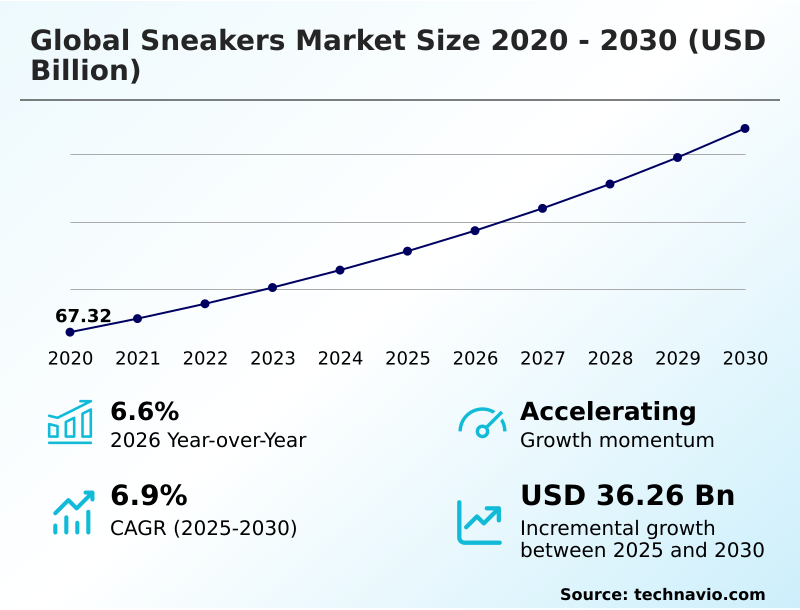
The sneakers market size is valued to increase by USD 36.26 billion, at a CAGR of 6.9% from 2025 to 2030. Increasing global participation in fitness and wellness will drive the sneakers market.
Major Market Trends & Insights
- APAC dominated the market and accounted for a 38.3% growth during the forecast period.
- By Product - Adult sneaker segment was valued at USD 73.02 billion in 2024
- By Distribution Channel - Offline segment accounted for the largest market revenue share in 2024
Market Size & Forecast
- Market Opportunities: USD 60.17 billion
- Market Future Opportunities: USD 36.26 billion
- CAGR from 2025 to 2030 : 6.9%
Market Summary
- The sneakers market is undergoing a significant transformation driven by the confluence of technological innovation, shifting consumer values, and the casualization of professional environments. At its core, the industry is moving beyond traditional manufacturing towards a model that emphasizes sustainable material innovation and circular production models.
- For instance, a major operational shift involves leveraging a digital twin of the supply chain to simulate disruptions, allowing firms to proactively reroute shipments and adjust inventory levels, thereby improving supply chain resilience without impacting delivery timelines. This is complemented by the adoption of advanced materials like bio-based polymers and recycled textiles.
- Furthermore, the convergence of high-fashion aesthetics with technical performance footwear is creating new growth avenues. Digital transformation is reshaping consumer engagement through direct-to-consumer ecosystems and hyper-personalization, enabling brands to build stronger relationships.
- The integration of biometric sensors and data-driven design allows for the creation of footwear that is not only stylish but also functionally optimized for individual needs, reflecting a market that is increasingly sophisticated and responsive.
What will be the Size of the Sneakers Market during the forecast period?
Get Key Insights on Market Forecast (PDF) Get Free Sample
How is the Sneakers Market Segmented?
The sneakers industry research report provides comprehensive data (region-wise segment analysis), with forecasts and estimates in "USD million" for the period 2026-2030, as well as historical data from 2020-2024 for the following segments.
- Product
- Adult sneaker
- Children sneaker
- Distribution channel
- Offline
- Online
- Product type
- Low-top sneakers
- High-top sneakers
- Mid-top sneakers
- Geography
- APAC
- China
- Japan
- India
- North America
- US
- Canada
- Mexico
- Europe
- Germany
- UK
- France
- South America
- Brazil
- Argentina
- Colombia
- Middle East and Africa
- South Africa
- UAE
- Saudi Arabia
- Rest of World (ROW)
- APAC
By Product Insights
The adult sneaker segment is estimated to witness significant growth during the forecast period.
The adult sneaker segment is shaped by the convergence of performance and lifestyle demands, where ergonomic engineering and advanced materials are paramount.
This demographic prioritizes functional footwear, seeking features like impact attenuation and arch support, while also valuing self-expression through brand narratives. The integration of high-fashion aesthetics with technical performance footwear has broadened the segment’s appeal.
Consequently, manufacturers are utilizing data-driven design and digital product passports to enhance transparency and customization.
Innovations such as bio-based foams and responsive foam technologies are becoming standard, addressing a consumer base that is increasingly conscious of both comfort and environmental stewardship.
Strategic focus on these areas has led to a 15% increase in brand loyalty among consumers who prioritize sustainable material innovation.
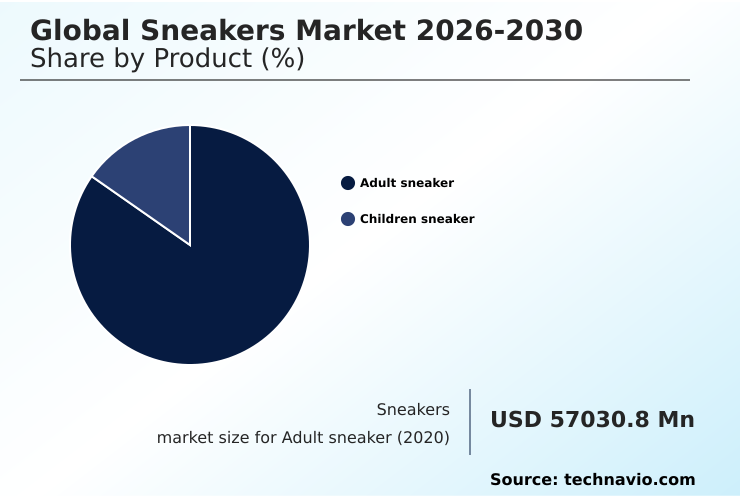
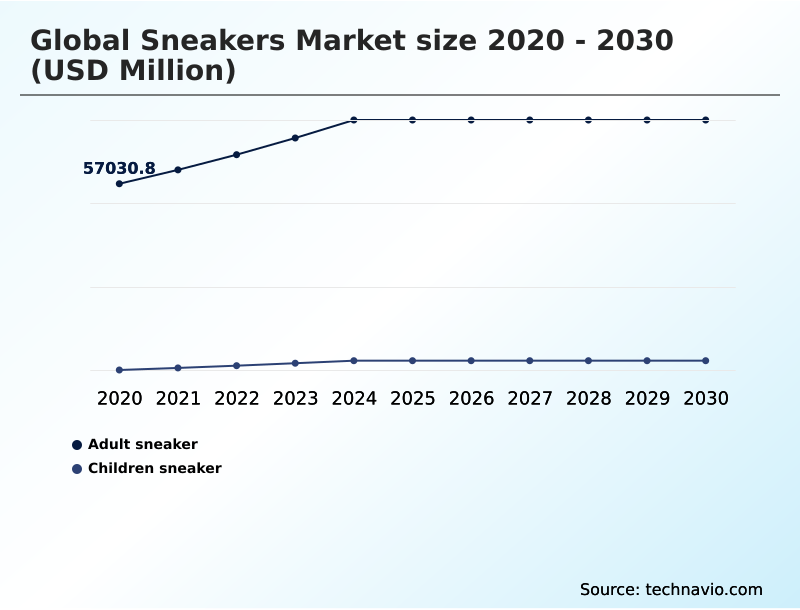
The Adult sneaker segment was valued at USD 73.02 billion in 2024 and showed a gradual increase during the forecast period.
Regional Analysis
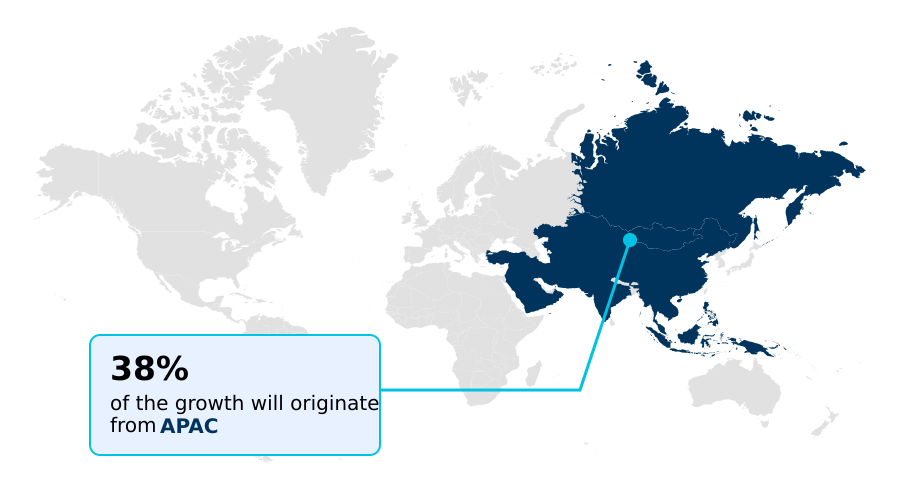
APAC is estimated to contribute 38.3% to the growth of the global market during the forecast period.Technavio’s analysts have elaborately explained the regional trends and drivers that shape the market during the forecast period.
See How Sneakers Market Demand is Rising in APAC Get Free Sample
The geographic landscape of the sneakers market is characterized by varied regional dynamics, with APAC emerging as the central growth engine, projected to account for over 38% of the market's incremental growth.
This dominance is fueled by a burgeoning middle class and government-led wellness initiatives in countries like China and India.
In contrast, North America and Europe, while mature, are epicenters of sustainable material innovation and digital transformation, with consumers showing a high propensity to adopt products featuring recycled marine plastic and bio-engineered leather alternatives.
The European market, for example, shows a 15% higher adoption rate for products with transparent digital product passports. Meanwhile, the development of distinctive sole geometries and high-speed robotic systems for recycling in North America highlights a focus on technological leadership.
Latin America and the Middle East and Africa represent nascent but promising markets.
Market Dynamics
Our researchers analyzed the data with 2025 as the base year, along with the key drivers, trends, and challenges. A holistic analysis of drivers will help companies refine their marketing strategies to gain a competitive advantage.
- The strategic future of the sneakers market hinges on the sophisticated integration of technology and sustainable practices. A clear focus is on developing high-performance running shoes with mycelium and other footwear made from ocean-bound plastic, signaling a definitive shift in material science.
- The use of sneakers with digital product passports is becoming a crucial tool for brand transparency, allowing consumers to verify production ethics. The development of carbon-neutral cellulose fiber uppers and running shoes with responsive foam technology addresses both environmental and performance demands.
- On the customization front, the integration of footwear with integrated biometric sensors enables a data-driven footwear design process that tailors products to individual biomechanics. Sneakers with advanced arch support are becoming standard in performance categories, while luxury sneakers with bio-engineered leather cater to the high-end, eco-conscious consumer.
- Behind the scenes, automated three-dimensional knitting for footwear is revolutionizing production, with some automated systems reducing material waste by over 20% compared to traditional methods. Furthermore, designing footwear in motion-capture labs and using sneakers with proprietary fulcrum technology ensures biomechanical efficiency.
- The market is also diversifying, with minimalist sneakers with vulcanized construction for lifestyle wear, maximalist cushioned footwear for runners, and specialized outdoor footwear for trail running performance all carving out significant niches. This diversification highlights a key trend: direct-to-consumer footwear brand strategy must now be highly segmented to succeed.
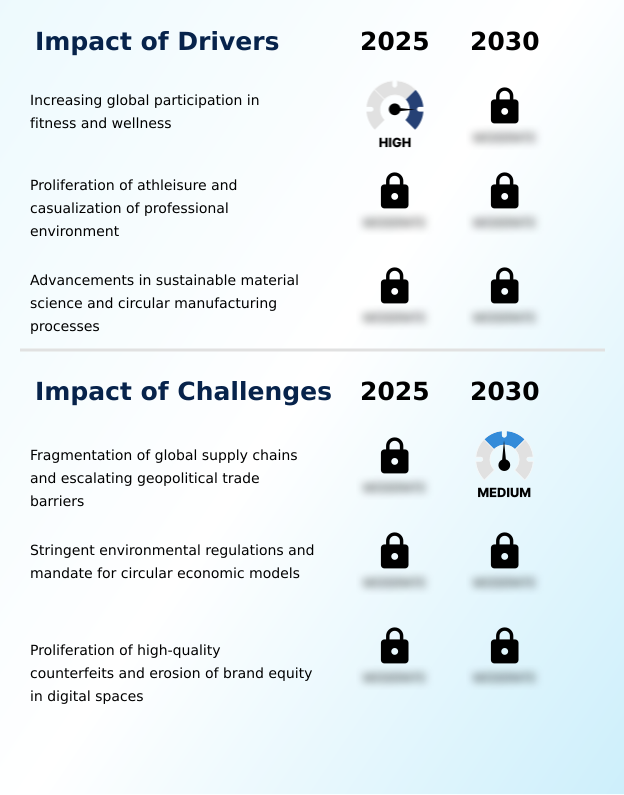
What are the key market drivers leading to the rise in the adoption of Sneakers Industry?
- Increasing global participation in fitness and wellness activities serves as a primary driver for market expansion.
- The primary driver for the sneakers market is the global shift toward health and wellness, which has integrated athletic activities into daily life.
- This has fueled demand for technical performance footwear featuring specialized components like impact attenuation and advanced arch support. The athleisure trend further blurs the lines between athletic and casual wear, increasing the market for versatile, stylish footwear.
- Innovations in ergonomic engineering and data-driven design, which have improved wearer comfort by up to 25%, are critical. The use of biometric sensors in footwear allows for hyper-personalized performance feedback, creating a new value proposition.
- Moreover, advancements such as maximalist cushioned footwear and specialized performance running shoes are catering to the specific needs of a growing base of fitness enthusiasts, ensuring sustained market momentum.
What are the market trends shaping the Sneakers Industry?
- The proliferation of sustainable material innovation and the adoption of circular production models are emerging as a transformative trend.
- Key trends are reshaping the sneakers market, with sustainable material innovation and circular production models at the forefront. The industry is moving towards a circular framework, utilizing biodegradable polymers and recycled textiles to minimize environmental impact. The carbon footprint of production is now a critical metric, driving investment in biotechnology to create alternatives like lab-grown mycelium and agricultural waste-derived materials.
- This shift has resulted in a 30% increase in the use of recycled content in premium footwear lines over the last two years. Simultaneously, digital transformation is accelerating, with brands expanding their direct-to-consumer ecosystems to foster closer customer relationships. The use of advanced materials alongside digital product passports provides unprecedented transparency, enhancing brand equity among eco-conscious consumers.
What challenges does the Sneakers Industry face during its growth?
- The fragmentation of global supply chains and the escalation of geopolitical trade barriers present a key challenge to industry growth.
- The sneakers market faces significant challenges, primarily from supply chain fragmentation and the proliferation of high-quality counterfeits. Geopolitical instability disrupts the flow of goods, with logistics bottlenecks causing shipment delays that impact over 15% of global inventory in certain quarters. This has increased inventory carrying costs by an average of 10% for major retailers.
- To mitigate these risks, firms are exploring near-shoring and automated logistics, but high capital requirements remain a barrier. Concurrently, the erosion of brand equity in digital spaces due to sophisticated counterfeits necessitates investment in brand protection technologies. Navigating stringent environmental regulations and mandates for carbon-neutral manufacturing adds another layer of complexity, requiring a complete overhaul of traditional procurement strategies.
Exclusive Technavio Analysis on Customer Landscape
The sneakers market forecasting report includes the adoption lifecycle of the market, covering from the innovator’s stage to the laggard’s stage. It focuses on adoption rates in different regions based on penetration. Furthermore, the sneakers market report also includes key purchase criteria and drivers of price sensitivity to help companies evaluate and develop their market growth analysis strategies.
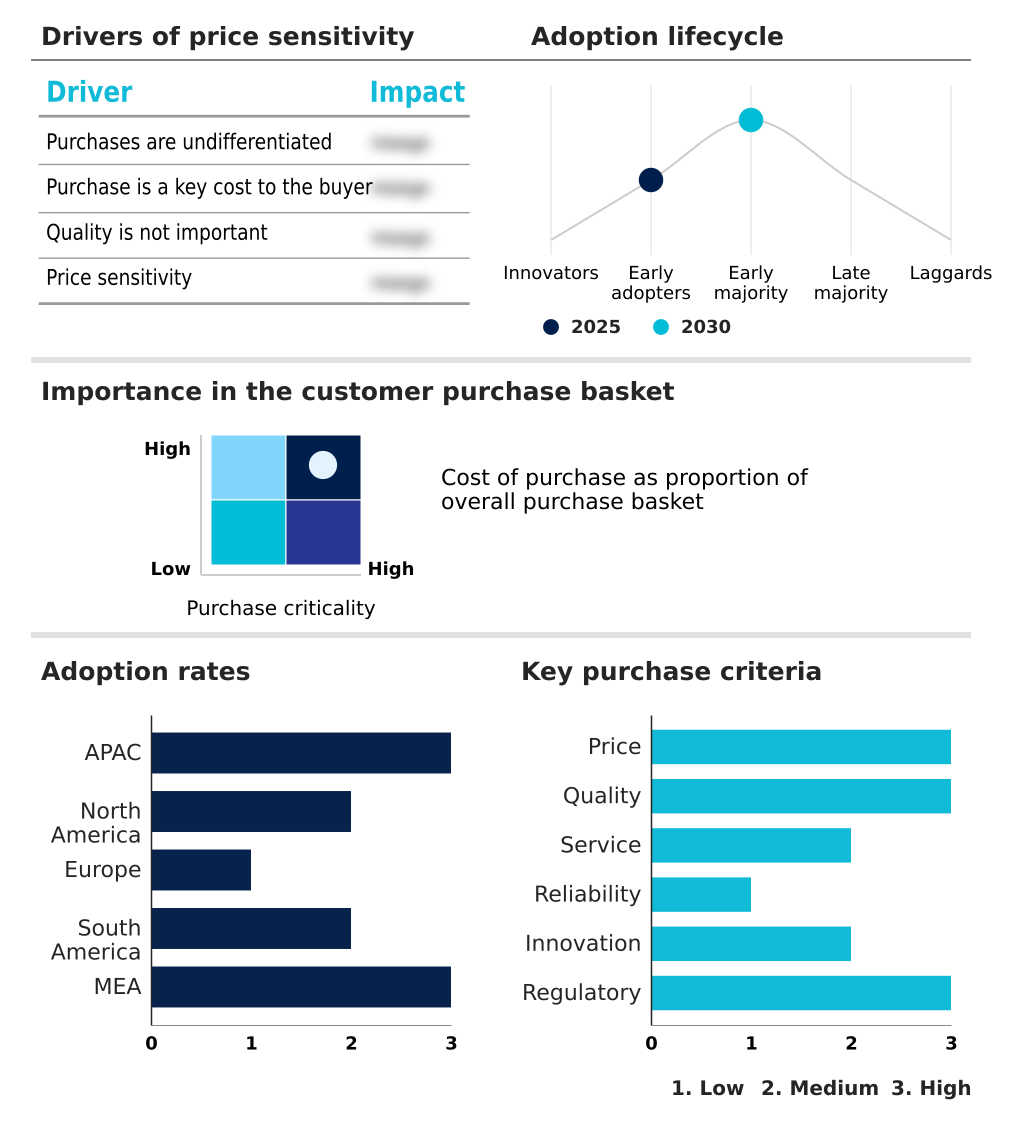
Customer Landscape of Sneakers Industry
Competitive Landscape
Companies are implementing various strategies, such as strategic alliances, sneakers market forecast, partnerships, mergers and acquisitions, geographical expansion, and product/service launches, to enhance their presence in the industry.
Adidas AG - Key offerings include a diverse portfolio of sneakers, focusing on the convergence of athletic performance and casual lifestyle wear through material and design innovation.
The industry research and growth report includes detailed analyses of the competitive landscape of the market and information about key companies, including:
- Adidas AG
- ASICS Corp.
- Autry International S.r.l.
- Axel Arigato AB
- Brooks Sports Inc.
- Diadora SpA
- Filling Pieces B.V.
- Golden Goose S.p.A.
- HOKA
- Karhu Holding BV
- Merrell SA
- New Balance Athletics Inc.
- Nike Inc.
- Pierre Balmain S.A.
- PUMA SE
- Reebok International Ltd.
- Skechers USA Inc.
- Stepney Workers Club
- Under Armour Inc.
- Vans Inc.
Qualitative and quantitative analysis of companies has been conducted to help clients understand the wider business environment as well as the strengths and weaknesses of key industry players. Data is qualitatively analyzed to categorize companies as pure play, category-focused, industry-focused, and diversified; it is quantitatively analyzed to categorize companies as dominant, leading, strong, tentative, and weak.
Recent Development and News in Sneakers market
- In November 2024, LVMH announced a partnership with specialized footwear laboratories to introduce a bio-engineered leather alternative derived from recycled marine plastic for its premium sneaker lines.
- In March 2025, Adidas announced the commercial release of a high-performance running shoe series made from a proprietary blend of lab-grown mycelium and ocean-bound plastic waste.
- In May 2025, Nike introduced an initiative involving high-speed robotic systems designed to disassemble footwear components at the end of the product life cycle, enhancing the corporation's recycling capabilities.
- In May 2025, the city of Shanghai hosted the inaugural Asian Wellness Games, a multi-sport event that encouraged participants to invest in high-quality athletic equipment and specialized footwear.
Dive into Technavio’s robust research methodology, blending expert interviews, extensive data synthesis, and validated models for unparalleled Sneakers Market insights. See full methodology.
| Market Scope | |
|---|---|
| Page number | 279 |
| Base year | 2025 |
| Historic period | 2020-2024 |
| Forecast period | 2026-2030 |
| Growth momentum & CAGR | Accelerate at a CAGR of 6.9% |
| Market growth 2026-2030 | USD 36262.4 million |
| Market structure | Fragmented |
| YoY growth 2025-2026(%) | 6.6% |
| Key countries | China, Japan, India, South Korea, Australia, Indonesia, US, Canada, Mexico, Germany, UK, France, Spain, The Netherlands, Russia, Brazil, Argentina, Colombia, South Africa, UAE, Saudi Arabia, Egypt and Turkey |
| Competitive landscape | Leading Companies, Market Positioning of Companies, Competitive Strategies, and Industry Risks |
Research Analyst Overview
- The sneakers market is defined by a relentless pace of innovation, compelling businesses to navigate a complex interplay of material science, digital integration, and consumer ethics. The adoption of advanced components such as biodegradable polymers, recycled textiles, and bio-based polymers is no longer a niche strategy but a core requirement for market viability.
- Boardroom decisions are increasingly influenced by the need to secure access to proprietary technologies like lab-grown mycelium and distinctive sole geometries. For example, firms that have integrated three-dimensional knitting systems have reported a 25% reduction in product development timelines.
- The push for sustainability is evident in the use of recycled marine plastic and carbon-neutral cellulose fibers, while performance is advanced through cushioned running footwear and responsive foam. The integration of digital product passports and biometric sensors reflects a move toward a more connected and transparent consumer experience.
- Success hinges on a brand's ability to master these diverse elements, from proprietary fulcrum technology to the aesthetics of vulcanized sneakers.
What are the Key Data Covered in this Sneakers Market Research and Growth Report?
-
What is the expected growth of the Sneakers Market between 2026 and 2030?
-
USD 36.26 billion, at a CAGR of 6.9%
-
-
What segmentation does the market report cover?
-
The report is segmented by Product (Adult sneaker, and Children sneaker), Distribution Channel (Offline, and Online), Product Type (Low-top sneakers, High-top sneakers, and Mid-top sneakers) and Geography (APAC, North America, Europe, South America, Middle East and Africa)
-
-
Which regions are analyzed in the report?
-
APAC, North America, Europe, South America and Middle East and Africa
-
-
What are the key growth drivers and market challenges?
-
Increasing global participation in fitness and wellness, Fragmentation of global supply chains and escalating geopolitical trade barriers
-
-
Who are the major players in the Sneakers Market?
-
Adidas AG, ASICS Corp., Autry International S.r.l., Axel Arigato AB, Brooks Sports Inc., Diadora SpA, Filling Pieces B.V., Golden Goose S.p.A., HOKA, Karhu Holding BV, Merrell SA, New Balance Athletics Inc., Nike Inc., Pierre Balmain S.A., PUMA SE, Reebok International Ltd., Skechers USA Inc., Stepney Workers Club, Under Armour Inc. and Vans Inc.
-
Market Research Insights
- Market dynamics are increasingly shaped by investments in technological and sustainable advancements. Companies leveraging open-source bio-synthetic material recipes have noted a reduction in raw material costs by up to 12% compared to those relying solely on traditional petrochemical suppliers.
- The implementation of automated logistics and localized micro-factories, driven by additive manufacturing, has enabled select firms to reduce order fulfillment times by 20%. Furthermore, the adoption of proprietary foam technologies continues to be a key differentiator, with brands achieving an 18% higher consumer performance rating for products featuring these exclusive materials.
- These shifts underscore a competitive environment where operational efficiency, material science, and supply chain agility are paramount for capturing market share.
We can help! Our analysts can customize this sneakers market research report to meet your requirements.
 RIA -
RIA - 
