
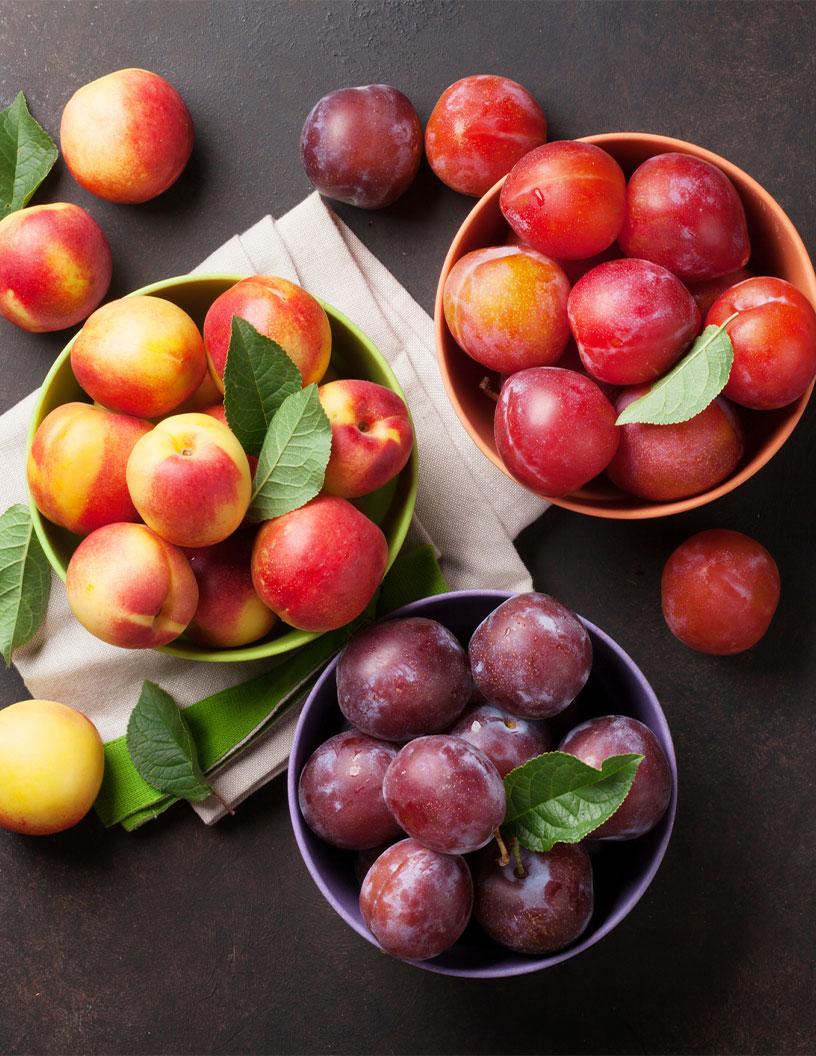


Stone Fruit Market Size 2025-2029
The stone fruit market size is forecast to increase by USD 20.02 billion, at a CAGR of 4% between 2024 and 2029.
- The market is experiencing significant growth in Europe, driven by the increasing production and consumption of peaches and nectarines. This trend is further fueled by the growing awareness and promotion of the health benefits associated with consuming these fruits. However, the market faces a notable challenge in its high dependence on weather conditions. Unfavorable weather can lead to crop losses and supply chain disruptions, posing a significant risk to market stability. To capitalize on the market's opportunities, companies must focus on implementing robust supply chain strategies and invest in research and development to improve crop resilience against weather-related risks.
- Additionally, targeting health-conscious consumers through effective marketing campaigns can help boost demand for stone fruits. Overall, the market presents a dynamic and challenging landscape, requiring strategic planning and agility to navigate weather risks and capitalize on the growing consumer interest in these nutritious fruits.
What will be the Size of the Stone Fruit Market during the forecast period?

Explore in-depth regional segment analysis with market size data - historical 2019-2023 and forecasts 2025-2029 - in the full report.
Request Free Sample
The market continues to evolve, shaped by dynamic market dynamics and various sectors. Quality control and soil health are paramount in ensuring optimal yield and product quality. Irrigation systems and precision agriculture are revolutionizing farming practices, enhancing water usage efficiency and reducing environmental impact. Export markets and food processing sectors are leveraging advanced technology for traceability systems, cold storage, and food safety. Innovations in packaging, from sustainable materials to extended shelf life, are addressing food waste concerns. Processing efficiency, acidity levels, and consumer preferences for dried and canned fruit are driving market growth. Sustainability certifications and environmental sustainability are increasingly important, influencing pricing strategies and brand loyalty.
Soil fertility and nutrient management are crucial for maintaining optimal growing conditions. Post-harvest handling, including texture analysis and ripening processes, is essential for preserving fruit quality. Energy consumption and supply chain management are areas of focus for reducing carbon footprint and enhancing distribution channels. Farm labor, transportation logistics, and international trade are significant factors in the market's intricacies. Disease control and water conservation are essential for sustainable farming practices. Government regulations and agricultural subsidies play a role in market dynamics, while pest management and harvesting techniques ensure a consistent supply. In the realm of stone fruit production, the interplay of these factors creates a complex and ever-changing landscape, with ongoing unfolding and evolving patterns shaping the market.
How is this Stone Fruit Industry segmented?
The stone fruit industry research report provides comprehensive data (region-wise segment analysis), with forecasts and estimates in "USD billion" for the period 2025-2029, as well as historical data from 2019-2023 for the following segments.
- Distribution Channel
- Offline
- Online
- Type
- Peaches and nectarines
- Plums
- Mangoes
- Cherries
- Others
- Geography
- North America
- US
- Canada
- Europe
- France
- Germany
- Italy
- Spain
- APAC
- China
- India
- South Korea
- South America
- Brazil
- Rest of World (ROW)
- North America
By Distribution Channel Insights
The offline segment is estimated to witness significant growth during the forecast period.
The market dynamics and trends encompass various aspects, including distribution channels, consumer preferences, and sustainable farming practices. Offline distribution, primarily through hygienic supermarkets, department stores, and convenience stores, remains a significant segment. Major players, such as Tesco Plc and Walmart Inc., dominate this sector, offering a wide array of stone fruits under their brands. The growing number of retailers entering the market is anticipated to boost offline sales. Environmental sustainability is a critical factor influencing the stone fruit industry. Irrigation systems ensure optimal water usage, while precision agriculture and soil fertility management enhance yield. Traceability systems and food safety measures ensure consumer confidence.
Frozen stone fruits, with extended shelf life, are gaining popularity due to their convenience and reduced food waste. Brand loyalty is a crucial pricing strategy for market players. Cold storage facilities enable year-round availability, while processing efficiency and acidity levels maintain product quality. Consumer preferences for organic, dried, and canned fruits are driving innovation in packaging materials and sustainability certifications. Export markets, particularly in Europe and Asia, are expanding, necessitating efficient supply chain management and transportation logistics. Government regulations and agricultural subsidies impact production costs and market prices. Disease control, water conservation, and farm labor are essential concerns for environmental sustainability and ethical business practices.
Processing techniques, such as texture analysis and ripening processes, ensure consistent product quality. High-density planting and harvesting techniques optimize yield, while post-harvest handling and fruit preserves maintain freshness. Sustainability certifications, such as USDA Organic and Fair Trade, are increasingly important for market differentiation. Innovations in food processing, including cold pasteurization and high-pressure processing, ensure food safety and extended shelf life. Data analytics and yield optimization technologies help farmers improve crop rotation, nutrient management, and pest management. The carbon footprint of the stone fruit industry is under scrutiny, with a focus on reducing energy consumption and improving efficiency. The market is a dynamic and evolving landscape, shaped by consumer preferences, sustainable farming practices, and technological advancements.
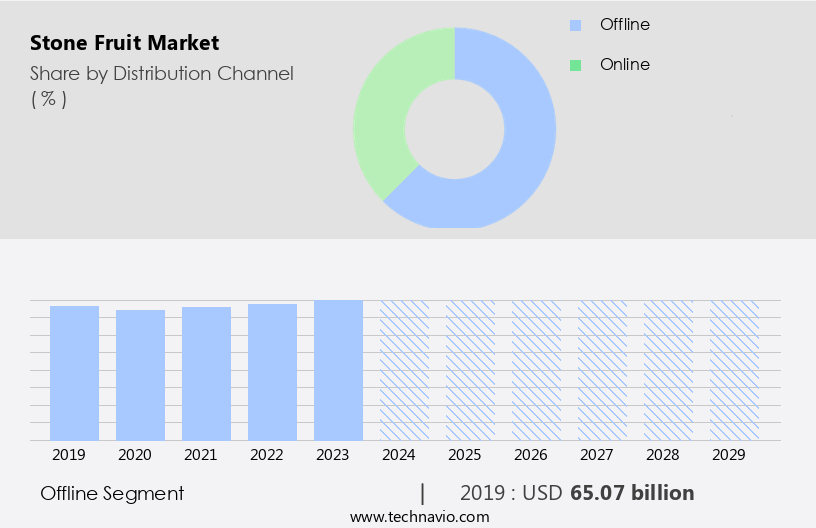
The Offline segment was valued at USD 65.07 billion in 2019 and showed a gradual increase during the forecast period.
Regional Analysis
APAC is estimated to contribute 40% to the growth of the global market during the forecast period. Technavio's analysts have elaborately explained the regional trends and drivers that shape the market during the forecast period.
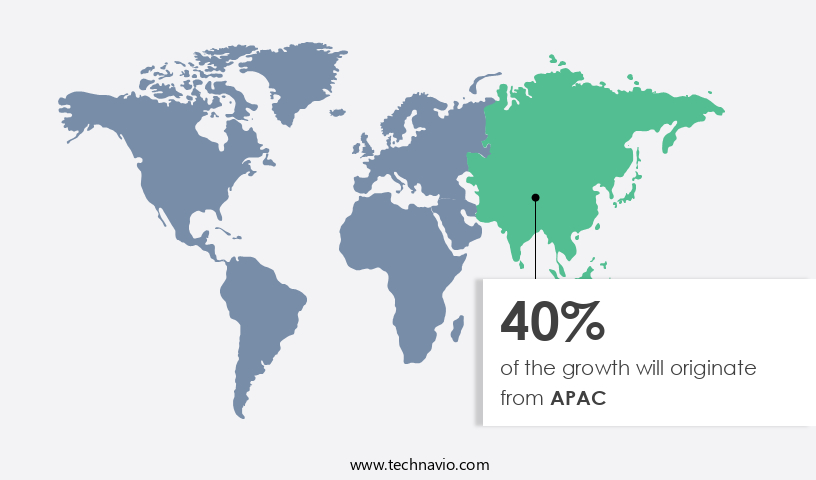
The market in the APAC region is experiencing significant growth due to increasing health consciousness, shifting dietary preferences, and a growing appreciation for exotic fruits. China, a major player in this market, leads as the world's largest producer and exporter, accounting for over 90% of the global market share. The Chinese fruit industry primarily focuses on the Bing variety, renowned for its large size and sweet taste. Irrigation systems and precision agriculture are crucial in ensuring optimal yield and soil health. Shelf life and traceability systems are essential for maintaining food safety and brand loyalty. Waste reduction strategies and energy-efficient cold storage are key to minimizing environmental impact and reducing costs.
Food processing techniques, including freezing, texture analysis, and fruit preserves, help extend the shelf life and enhance the overall consumer experience. Sustainability certifications, water conservation, and disease control are essential components of the supply chain management process. Consumer preferences for organic farming, canned fruit, and dried fruit continue to influence market trends. Processing efficiency, acidity levels, and post-harvest handling are critical factors in ensuring product quality and meeting food safety regulations. The market is also impacted by factors such as government regulations, water usage, transportation logistics, and international trade, all of which influence pricing strategies and distribution channels.
Market Dynamics
Our researchers analyzed the data with 2024 as the base year, along with the key drivers, trends, and challenges. A holistic analysis of drivers will help companies refine their marketing strategies to gain a competitive advantage.
Nestled within the expansive horticultural industry lies the vibrant and thriving market. This market showcases a diverse range of succulent fruits, including peaches, nectarines, plums, cherries, and apricots. Each stone fruit variety boasts unique flavors, textures, and colors, captivating consumers worldwide. Orchardists meticulously cultivate these fruits, employing sustainable farming practices to ensure optimal ripeness and sweetness. The market caters to various segments, including fresh produce retailers, food processors, and exporters. Consumers crave stone fruits for their nutritional benefits, with each fruit rich in vitamins, minerals, and fiber. Stone fruits are versatile, used in a myriad of culinary applications, from baking to preserving, and are also popular for their health-promoting properties. The market continues to grow, fueled by increasing consumer demand for natural, healthy, and delicious food options.
What are the key market drivers leading to the rise in the adoption of Stone Fruit Industry?
- The significant increase in peach and nectarine production and consumption levels in Europe serves as the primary market driver.
- The European market, specifically for peaches and nectarines, experienced significant growth in 2023, reaching a value of USD 4.7 billion, marking a 5.2% increase from the previous year. This expansion can be attributed to the high per capita consumption of these fruits in the European Union (EU). Italy, Greece, and Spain were the leading consumers, collectively accounting for 75% of the total consumption, with volumes of 1.1 million tons, 900,000 tons, and 700,000 tons, respectively. Key market drivers include the implementation of advanced technologies such as irrigation systems, traceability systems, and cold storage facilities, ensuring longer shelf life and reducing food waste.
- Pricing strategies, waste reduction, and energy consumption efficiency are also essential factors influencing market growth. Furthermore, environmental sustainability and texture analysis are becoming increasingly important in supply chain management. The market for frozen fruit is also gaining traction due to its extended shelf life and convenience. These factors collectively contribute to the growth and development of the European market.
What are the market trends shaping the Stone Fruit Industry?
- The consumption of berries is gaining increasing recognition due to their numerous health benefits, making them a popular trend in the market. Awareness and promotion of these benefits are driving demand for berries in various industries, including food and beverage, cosmetics, and pharmaceuticals.
- The market is driven by the numerous health advantages linked to the consumption of berries and the rising consumer awareness of these benefits. Antioxidants, which are abundant in berries, play a crucial role in neutralizing free radicals, unstable molecules generated during metabolism. The food and beverage industry is witnessing a surge in demand for antioxidants due to their extensive use in energy drinks, bars, and powders. Consequently, berries are gaining significant traction in the food and beverage, as well as the personal care industries. Some of the key health benefits of berries include their antioxidant properties, which help regulate free radicals, and their potential role in improving cardiovascular health, cognitive function, and eye health.
- Quality control measures, such as soil health, nutrient management, and precision agriculture, are essential to maintaining the optimal growing conditions for stone fruits and ensuring their nutritional value and food safety. Packaging innovation plays a vital role in preserving the fruit's freshness and extending its shelf life, while processing efficiency and acidity levels are crucial factors in food processing. Ultimately, consumer preferences for dried and canned fruits continue to fuel market growth.
What challenges does the Stone Fruit Industry face during its growth?
- The industry's growth is significantly influenced by the high dependence on unfavorable weather conditions, posing a substantial challenge.
- Stone fruit production is susceptible to the impact of adverse weather conditions, which can negatively influence yield and quality. Natural calamities such as heavy rain, floods, tropical storms, and droughts pose significant risks to the market. These events can lead to the destruction of irrigation systems and loss of harvest, ultimately affecting the volume and quality of the crop yield. Climatic conditions are changing globally, with severe droughts and floods becoming more frequent in various regions. To mitigate these risks, stone fruit farmers employ various strategies such as yield optimization, post-harvest handling, and disease control. Sustainability certifications, including organic farming and water conservation practices, are increasingly important in the industry.
- Data analytics is used to optimize water usage and improve farm labor efficiency. Fruit preserves provide an alternative revenue stream during off-seasons. Distribution channels and retail sales are crucial for market growth, requiring effective supply chain management and marketing strategies.
Exclusive Customer Landscape
The stone fruit market forecasting report includes the adoption lifecycle of the market, covering from the innovator's stage to the laggard's stage. It focuses on adoption rates in different regions based on penetration. Furthermore, the stone fruit market report also includes key purchase criteria and drivers of price sensitivity to help companies evaluate and develop their market growth analysis strategies.
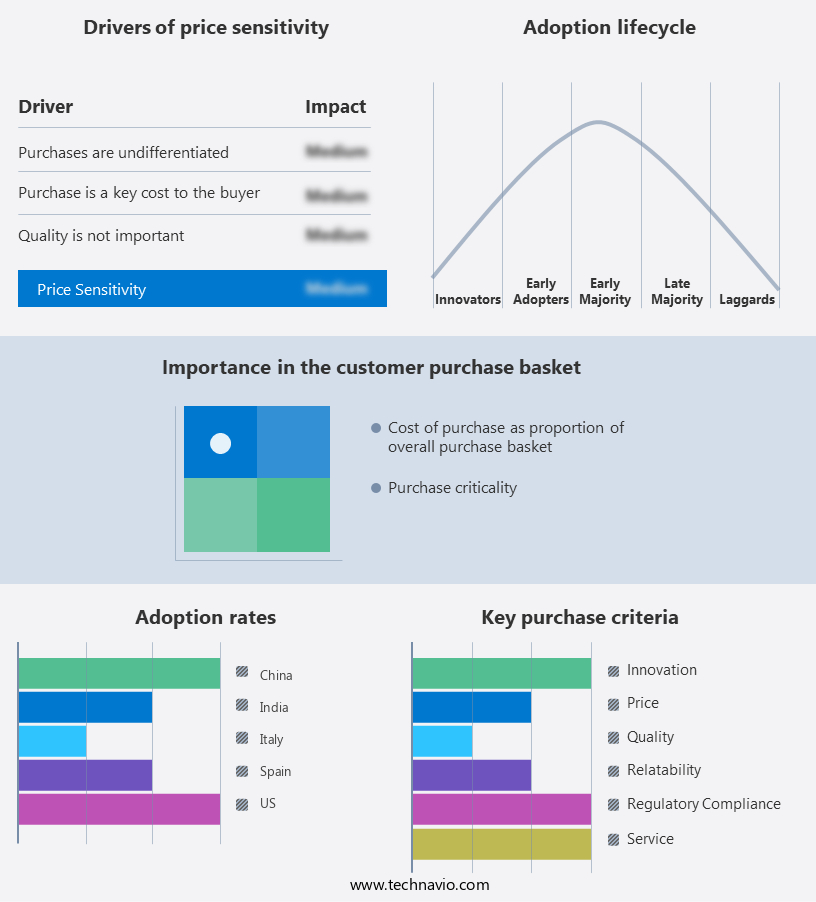
Customer Landscape
Key Companies & Market Insights
Companies are implementing various strategies, such as strategic alliances, stone fruit market forecast, partnerships, mergers and acquisitions, geographical expansion, and product/service launches, to enhance their presence in the industry.
Dole plc - The company specializes in providing a selection of premium stone fruits, including peaches and nectarines, available in their raw or packaged forms.
The industry research and growth report includes detailed analyses of the competitive landscape of the market and information about key companies, including:
- Dole plc
- Driscolls Inc.
- Family Tree Farms
- Fruit World Co.
- Gargiulo Produce
- Giumarra Vineyards
- Hortifrut SA
- Mount Adams Fruit
- Naturipe Farms LLC
- Oneonta Starr Ranch Growers
- Pacific Trellis Fruit
- Prima Wawona
- PSB PRODUCCION VEGETAL SL
- Sahyadri Farms Post Harvest Care Ltd.
- Salix Fruits
- SAT Plus Berries
- Stemilt Growers LLC
- Sun World International LLC
- Titan Farms LLC.
Qualitative and quantitative analysis of companies has been conducted to help clients understand the wider business environment as well as the strengths and weaknesses of key industry players. Data is qualitatively analyzed to categorize companies as pure play, category-focused, industry-focused, and diversified; it is quantitatively analyzed to categorize companies as dominant, leading, strong, tentative, and weak.
Recent Development and News in Stone Fruit Market
- In January 2024, SunWorld International, a leading stone fruit breeder and marketer, announced the successful launch of its new peach variety, 'SunSweet Red Haven,' at the annual Fresh Produce and Flower Association of New Zealand (FPANZ) conference (SunWorld International Press Release, 2024). This variety, known for its exceptional sweetness and firmness, was expected to revolutionize the global peach market.
- In March 2024, Dole Food Company, a major player in the stone fruit industry, entered into a strategic partnership with Blue River Technology, a leading precision agriculture technology provider. This collaboration aimed to improve Dole's farming practices and increase the yield and quality of its stone fruit crops using Blue River's precision agriculture solutions (Dole Food Company Press Release, 2024).
- In April 2025, The Hershey Company, a renowned confectionery manufacturer, acquired a minority stake in SunMaid Growers of California, a significant player in the dried the market. The investment was aimed at expanding Hershey's presence in the healthy snacks segment and strengthening its relationship with SunMaid (The Hershey Company Press Release, 2025).
- In May 2025, the European Union (EU) approved the use of methyl bromide as a quarantine and pre-shipment fumigant for stone fruits imported from non-EU countries. This decision was expected to boost the global stone fruit trade, as many countries, including the United States, heavily relied on methyl bromide for controlling pests and diseases during the shipping process (European Commission Press Release, 2025).
Research Analyst Overview
- In the dynamic market, soil testing plays a crucial role in optimizing orchard management and ensuring high yield per hectare. Crop insurance mitigates financial risk for farmers, while adherence to grading standards maintains brand positioning and consumer trust. Trade agreements and tariff barriers impact pricing models, necessitating market research and sales forecasting. Pest-resistant varieties and pruning techniques minimize supply chain risks, as do logistics optimization and weather pattern analysis. Fruit maturity, sensory evaluation, and consumer demographics guide marketing strategies and new product launches.
- Disease resistance and fertilizer application are essential for tree health, while quality assurance and risk management ensure a competitive advantage. Global competition, investment opportunities, and pollinator health are ongoing concerns for industry players. Circular economy initiatives, sustainable packaging, and waste management are increasingly important for long-term success.
Dive into Technavio's robust research methodology, blending expert interviews, extensive data synthesis, and validated models for unparalleled Stone Fruit Market insights. See full methodology.
|
Market Scope |
|
|
Report Coverage |
Details |
|
Page number |
204 |
|
Base year |
2024 |
|
Historic period |
2019-2023 |
|
Forecast period |
2025-2029 |
|
Growth momentum & CAGR |
Accelerate at a CAGR of 4% |
|
Market growth 2025-2029 |
USD 20.02 billion |
|
Market structure |
Fragmented |
|
YoY growth 2024-2025(%) |
3.6 |
|
Key countries |
China, US, Spain, Italy, India, France, South Korea, Germany, Brazil, and Canada |
|
Competitive landscape |
Leading Companies, Market Positioning of Companies, Competitive Strategies, and Industry Risks |
What are the Key Data Covered in this Stone Fruit Market Research and Growth Report?
- CAGR of the Stone Fruit industry during the forecast period
- Detailed information on factors that will drive the growth and forecasting between 2025 and 2029
- Precise estimation of the size of the market and its contribution of the industry in focus to the parent market
- Accurate predictions about upcoming growth and trends and changes in consumer behaviour
- Growth of the market across APAC, Europe, North America, Middle East and Africa, and South America
- Thorough analysis of the market's competitive landscape and detailed information about companies
- Comprehensive analysis of factors that will challenge the stone fruit market growth of industry companies
We can help! Our analysts can customize this stone fruit market research report to meet your requirements.
 RIA -
RIA - 
