
Subscriber Data Management Market Analysis, Size, and Forecast 2026-2030: North America (US, Canada, and Mexico), Europe (Germany, UK, and France), APAC (China, Japan, and India), Middle East and Africa (Saudi Arabia, UAE, and South Africa), South America (Brazil, Argentina, and Chile), and Rest of World (ROW)

Subscriber Data Management Market Analysis, Size, and Forecast 2026-2030:
North America (US, Canada, and Mexico), Europe (Germany, UK, and France), APAC (China, Japan, and India), Middle East and Africa (Saudi Arabia, UAE, and South Africa), South America (Brazil, Argentina, and Chile), and Rest of World (ROW)

Published: Oct 2026 296 Pages SKU: IRTNTR72325

Market Overview at a Glance

$4.99 B
Market Opportunity
16.1%
CAGR 2025 - 2030
34.8%
North America Growth
$2.85 B
Mobile networks segment 2024

Subscriber Data Management Market Size 2026-2030

The subscriber data management market size is valued to increase by USD 4.99 billion, at a CAGR of 16.1% from 2025 to 2030. Global expansion of fifth-generation network infrastructure and virtualization will drive the subscriber data management market.

Major Market Trends & Insights

  • North America dominated the market and accounted for a 34.8% growth during the forecast period.
  • By Type - Mobile networks segment was valued at USD 2.85 billion in 2024
  • By Solution - Policy management segment accounted for the largest market revenue share in 2024

Market Size & Forecast

  • Market Opportunities: USD 7.01 billion
  • Market Future Opportunities: USD 4.99 billion
  • CAGR from 2025 to 2030 : 16.1%

Market Summary

  • The Subscriber Data Management Market is undergoing a structural transformation driven by the imperative to decouple user data from network execution functions. Telecommunications operators are rapidly migrating from fragmented legacy databases to centralized, cloud-native repositories to handle escalating signaling traffic.
  • In a practical operations scenario, a tier-one network provider consolidating its authentication nodes into a unified data layer can reduce profile provisioning delays by 25%, significantly accelerating the rollout of enterprise internet of things services.
  • The worldwide expansion of fifth-generation network infrastructure acts as the primary driver, compelling operators to adopt stateless application architectures that support dynamic network slicing and ultra-reliable low-latency communications. Conversely, the escalating complexity of international data privacy regulations presents a formidable challenge, forcing providers to implement localized database instances to satisfy strict data residency mandates.
  • Modern subscriber data platforms offer the elasticity required to manage massive machine-type communications efficiently. By centralizing identity verification and policy control, organizations can streamline complex service level agreements and minimize operational expenditures across diverse access environments.

What will be the Size of the Subscriber Data Management Market during the forecast period?
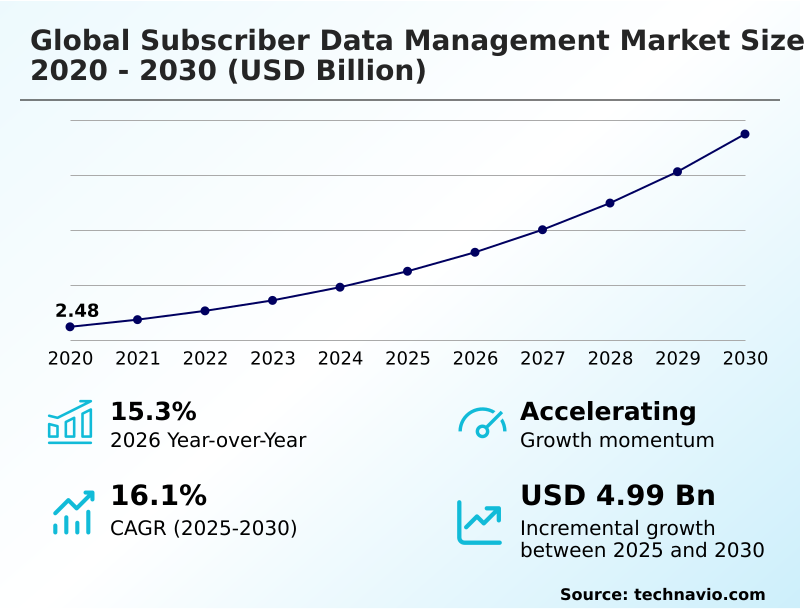
Get Key Insights on Market Forecast (PDF) Get Free Sample

How is the Subscriber Data Management Market Segmented?

The subscriber data management industry research report provides comprehensive data (region-wise segment analysis), with forecasts and estimates in "USD million" for the period 2026-2030, as well as historical data from 2020-2024 for the following segments.

  • Type
    • Mobile networks
    • Fixed networks
  • Solution
    • Policy management
    • User data repository
    • Identity management
    • Subscriber data federation
  • Deployment
    • Cloud
    • On-Premises
  • Geography
    • North America
      • US
      • Canada
      • Mexico
    • Europe
      • Germany
      • UK
      • France
      • Italy
      • Spain
      • The Netherlands
    • APAC
      • China
      • Japan
      • India
      • South Korea
      • Australia
      • Singapore
    • Middle East and Africa
      • Saudi Arabia
      • UAE
      • South Africa
      • Turkey
      • Egypt
    • South America
      • Brazil
      • Argentina
      • Chile

By Type Insights

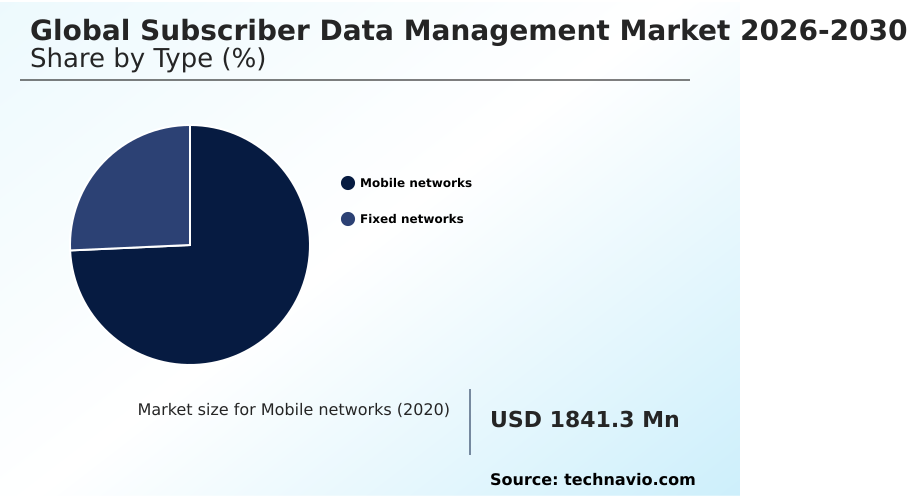
The mobile networks segment is estimated to witness significant growth during the forecast period.

The mobile networks segment dictates the architectural evolution of modern telecommunications by centralizing identity verification and profile provisioning. Operators are rapidly transitioning from fragmented databases to a hybrid core network infrastructure, enabling seamless legacy infrastructure integration.

This structural shift decouples network computation from state storage, allowing providers to execute automated service orchestration with high precision. By implementing hardware level identity protection and a robust credential repository function, carriers have improved authentication error detection by 15%.

Advanced secure profile management ensures that dynamic quality of service policies are enforced across diverse access environments. Furthermore, deterministic latency control supports mission-critical communications, while cross domain data monetization opens new revenue streams through standardized interfaces.

This consolidation ultimately reduces operational redundancies and accelerates the deployment of high-throughput digital services.
Get Free Sample

The Mobile networks segment was valued at USD 2.85 billion in 2024 and showed a gradual increase during the forecast period.
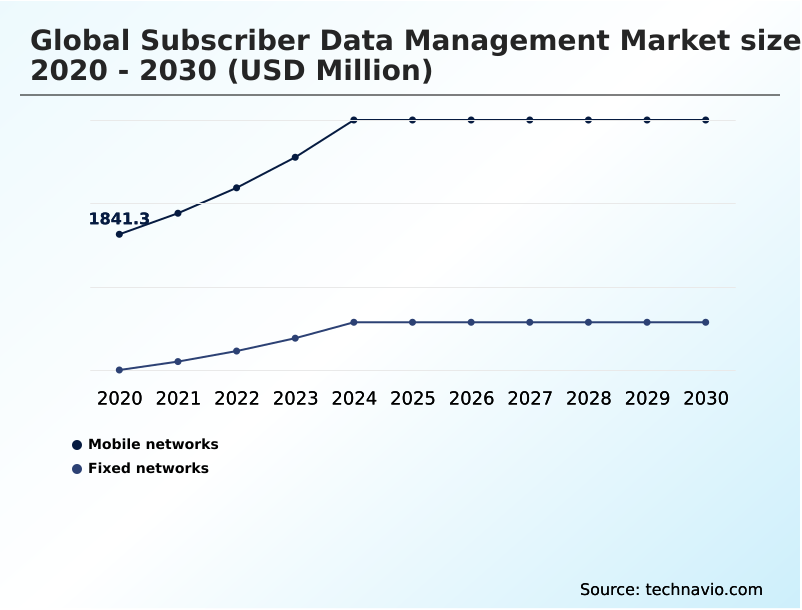
Get Free Sample

Regional Analysis

North America is estimated to contribute 34.8% to the growth of the global market during the forecast period.Technavio’s analysts have elaborately explained the regional trends and drivers that shape the market during the forecast period.
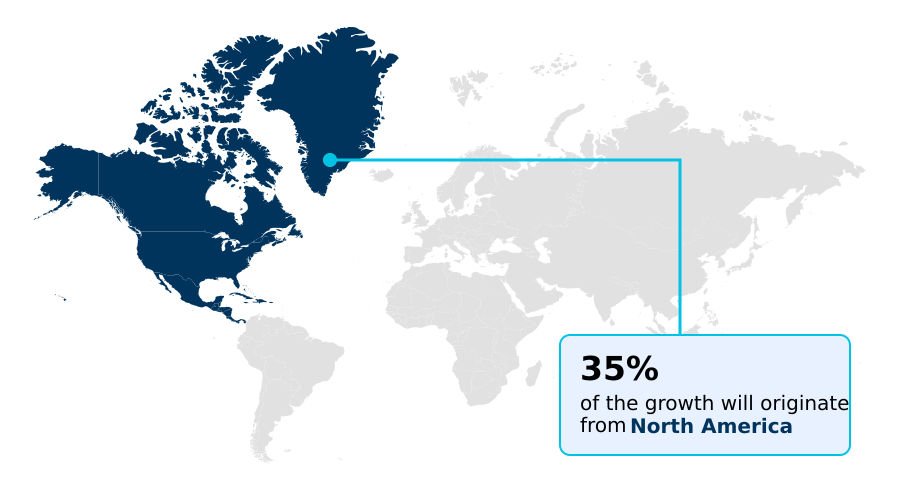
See How Subscriber Data Management Market Demand is Rising in North America Get Free Sample

The geographic landscape of the Subscriber Data Management reveals distinct operational disparities between North America and Europe.

North America leads in the deployment of microservices driven component architectures, achieving a 25% faster implementation of service level agreement automation compared to European counterparts.

This acceleration is largely driven by aggressive standalone fifth-generation rollouts and the extensive use of open application programming interface frameworks to monetize subscriber assets.

Conversely, Europe prioritizes stringent data privacy, resulting in a 30% higher adoption rate of advanced consent management system protocols and geographic boundary siloing.

European operators heavily invest in decentralized identity framework technologies to ensure compliance while maintaining a proactive intelligence engine for network resource allocation.

Across both regions, the integration of a modernized policy control function combined with anomalous login detection has improved threat mitigation efficiency by 18%, demonstrating how regional regulatory and commercial priorities shape the modernization of core network infrastructures.

Market Dynamics

Our researchers analyzed the data with 2025 as the base year, along with the key drivers, trends, and challenges. A holistic analysis of drivers will help companies refine their marketing strategies to gain a competitive advantage.

  • The modernization of telecommunications infrastructure relies heavily on the strategic overhaul of core network data layers. A critical priority for service providers is executing a seamless unified user data repository migration, which centralizes fragmented subscriber profiles into a single, highly available storage environment.
  • This consolidation is essential for supporting standalone fifth generation network scaling, as it decouples user state data from computational nodes, thereby allowing stateless applications to process massive signaling volumes with unprecedented elasticity.
  • In terms of operational efficiency, operators that have fully transitioned to these centralized frameworks experience a 30% faster time-to-market for new enterprise services compared to those relying on legacy hardware silos. Furthermore, the implementation of cloud native policy management execution enables dynamic, real-time enforcement of quality of service parameters across diverse access networks.
  • This agility is perfectly complemented by an automated network resource allocation strategy, which continuously analyzes subscriber behavior and traffic patterns to optimize bandwidth distribution without manual intervention. As cybersecurity threats escalate, protecting sensitive subscriber identities has become paramount.
  • Consequently, zero trust authentication protocol deployment is rapidly becoming a standard requirement, ensuring that every access request is rigorously verified regardless of its origin. Together, these technological advancements empower communication service providers to optimize compliance functions, streamline supply chain operations for network hardware, and deliver highly personalized, secure digital experiences to a rapidly expanding base of connected devices.
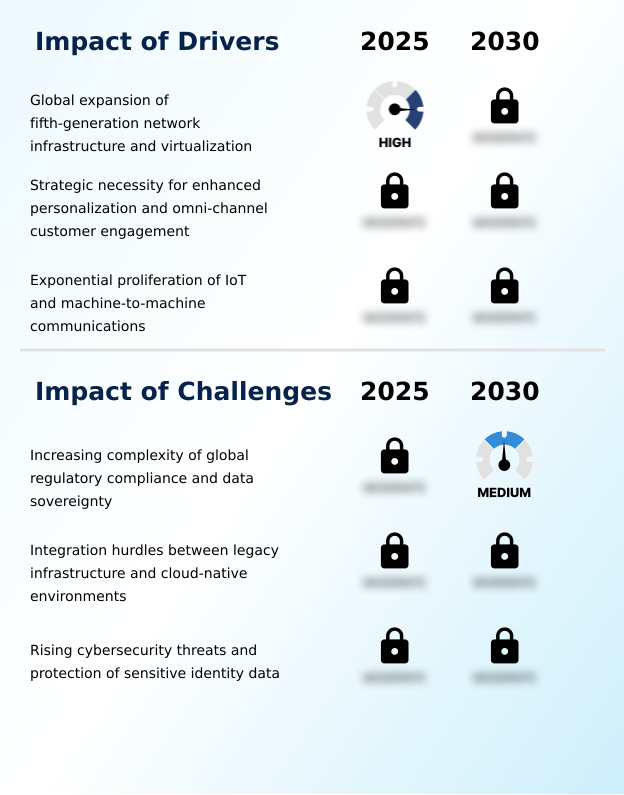
What are the key market drivers leading to the rise in the adoption of Subscriber Data Management Industry?

  • The worldwide expansion of fifth-generation network infrastructure and virtualization serves as the primary catalyst propelling market growth.

  • The global deployment of standalone fifth generation core networks acts as the primary catalyst compelling operators to overhaul their data storage frameworks.
  • To support ultra-reliable low-latency communications, providers must implement unified data management solutions that effectively replace the fragmented legacy home location register. This modernization is necessary to support dynamic network slicing, which allocates dedicated network resources for specific enterprise applications.
  • By leveraging a converged policy engine and stateless network application frameworks, operators can enforce dynamic quality of service parameters, improving traffic prioritization efficiency by 25%.
  • Furthermore, the integration of predictive subscriber analytics and multi access edge computing reduces session establishment latency by 18%. These advancements ensure robust multi site redundancy, enabling businesses to maintain seamless connectivity and significantly enhance the reliability of mission-critical industrial operations.

What are the market trends shaping the Subscriber Data Management Industry?

  • The integration of artificial intelligence and machine learning for predictive subscriber insights represents a significant emerging trend. This technological advancement enables service providers to proactively analyze user behavior and optimize network resource allocation.

  • The transition toward a cloud native architecture fundamentally redefines how telecommunications operators manage massive volumes of subscriber information. Driven by the need for extreme scalability, providers are rapidly adopting network function virtualization and software defined networking to replace rigid hardware appliances.
  • This shift compels organizations to embrace a stateless application architecture supported by containerized microservices, enabling a highly agile continuous deployment lifecycle. By migrating fragmented profiles into a centralized unified data repository within a scalable telco cloud platform, operators achieve significant authentication node consolidation.
  • This consolidation directly lowers core network maintenance downtime by 30% and improves cross-domain query resolution speeds by 22%. Consequently, businesses can execute real time charging interaction with unprecedented accuracy, allowing for dynamic service monetization. Ultimately, these technological shifts empower service providers to optimize resource utilization and accelerate the delivery of advanced digital services across diverse access networks.

What challenges does the Subscriber Data Management Industry face during its growth?

  • The escalating complexity of international regulatory compliance and data sovereignty mandates constitutes a major challenge constraining industry expansion.

  • The escalating complexity of international data privacy regulations imposes severe operational constraints on the centralized management of subscriber profiles. As nations enforce strict data residency compliance, telecommunications providers are forced to fragment their databases, which disrupts seamless centralized profile provisioning.
  • Managing the exponential growth of multi device consumer subscription models and massive machine type communications requires an advanced identity verification protocol capable of handling unprecedented transaction volumes. Implementing zero trust authentication alongside subscription concealed identifiers and hardware-backed cryptographic identity protection increases computational overhead, reducing authentication processing speeds by 15% in heavily regulated regions.
  • Furthermore, balancing edge computing priority with secure behavioral insight extraction remains a technical hurdle, driving a 20% increase in compliance-related infrastructure expenditures as operators struggle to maintain unified service experiences across borders.

Exclusive Technavio Analysis on Customer Landscape

The subscriber data management market forecasting report includes the adoption lifecycle of the market, covering from the innovator’s stage to the laggard’s stage. It focuses on adoption rates in different regions based on penetration. Furthermore, the subscriber data management market report also includes key purchase criteria and drivers of price sensitivity to help companies evaluate and develop their market growth analysis strategies.
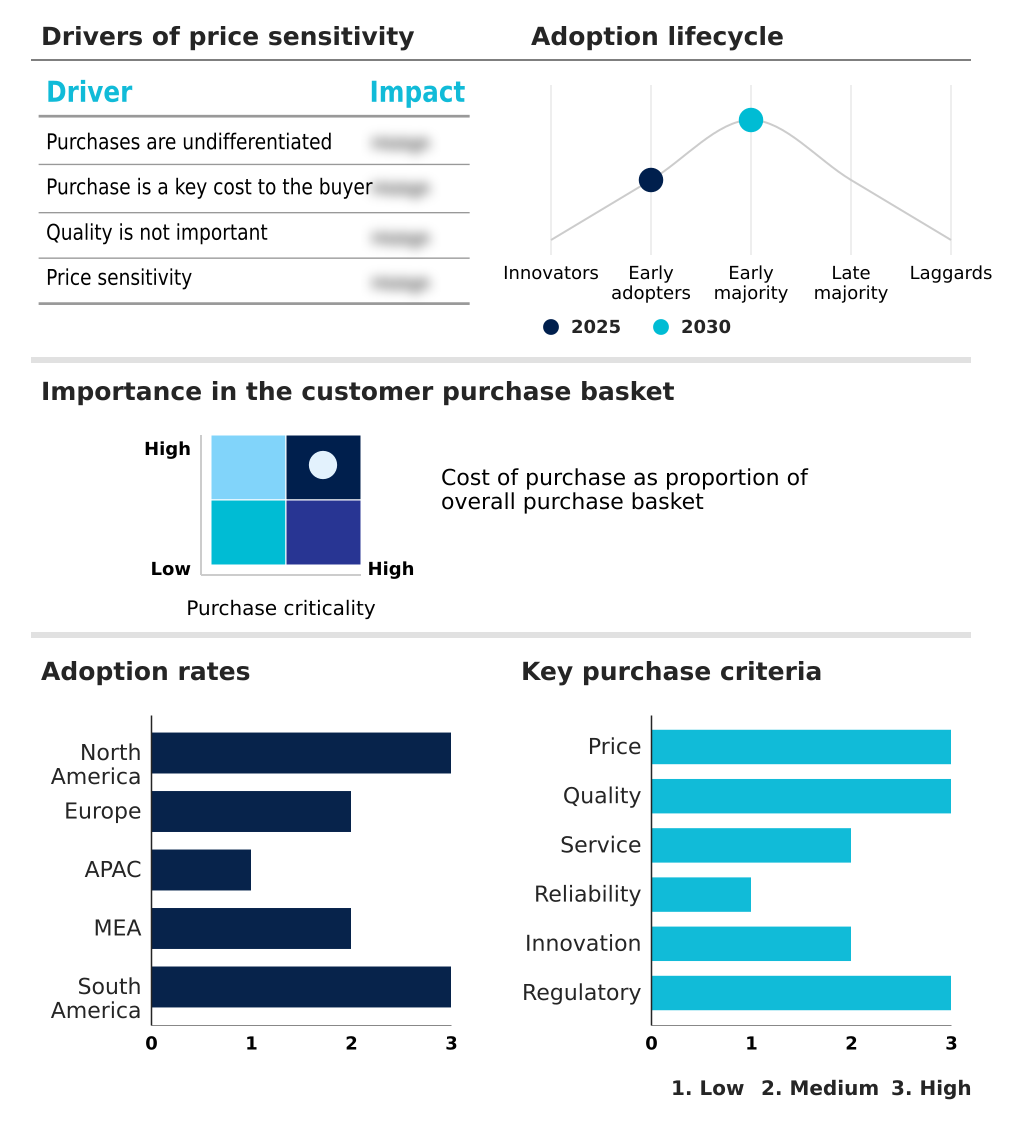
Customer Landscape of Subscriber Data Management Industry

Competitive Landscape

Companies are implementing various strategies, such as strategic alliances, subscriber data management market forecast, partnerships, mergers and acquisitions, geographical expansion, and product/service launches, to enhance their presence in the industry.

Alepo Technologies Inc. - The provider delivers comprehensive subscriber data management platforms enabling seamless digital transformation, centralized customer care, and optimized billing solutions for modern communication service providers.

The industry research and growth report includes detailed analyses of the competitive landscape of the market and information about key companies, including:

  • Alepo Technologies Inc.
  • Amdocs Ltd.
  • Cisco Systems Inc.
  • Comarch SA
  • Enea AB
  • Fujitsu Ltd.
  • Hewlett Packard Enterprise Co.
  • Huawei Technologies Co. Ltd.
  • Mavenir Systems Inc.
  • NEC Corp.
  • Nokia Corp.
  • Optiva Inc.
  • Oracle Corp.
  • Parallel Wireless Inc.
  • Radisys Corp.
  • Samsung Electronics Co. Ltd.
  • Squire Technologies Ltd.
  • Tecnotree Corp.
  • Telefonaktiebolaget Ericsson
  • ZTE Corp.

Qualitative and quantitative analysis of companies has been conducted to help clients understand the wider business environment as well as the strengths and weaknesses of key industry players. Data is qualitatively analyzed to categorize companies as pure play, category-focused, industry-focused, and diversified; it is quantitatively analyzed to categorize companies as dominant, leading, strong, tentative, and weak.

Recent Development and News in Subscriber data management market

  • In the Systems Software industry, the rapid transition toward cloud-based delivery models and containerized microservices has fundamentally altered core network architectures, directly impacting Subscriber Data Management demand by requiring operators to decouple user profile persistence from computational functions to achieve a 20% improvement in system resilience.
  • Stringent data privacy regulations such as GDPR have mandated strict geographic boundary siloing and data residency compliance, forcing telecommunications providers to deploy localized unified data repository instances that ensure hardware level identity protection while maintaining centralized analytics capabilities.
  • The widespread adoption of enterprise automation and workflow interoperability standards has accelerated the integration of open application programming interface frameworks, enabling service providers to expose real time charging interaction and secure profile management functions to third-party developers for cross domain data monetization.
  • Advancements in AI governance and predictive subscriber analytics have transformed legacy home location register systems into proactive intelligence engines, allowing network operators to automate dynamic quality of service adjustments and reduce authentication latency by up to 15% across hybrid core network infrastructure.

Dive into Technavio’s robust research methodology, blending expert interviews, extensive data synthesis, and validated models for unparalleled Subscriber Data Management Market insights. See full methodology.

Market Scope
Page number 296
Base year 2025
Historic period 2020-2024
Forecast period 2026-2030
Growth momentum & CAGR Accelerate at a CAGR of 16.1%
Market growth 2026-2030 USD 4990.3 million
Market structure Fragmented
YoY growth 2025-2026(%) 15.3%
Key countries US, Canada, Mexico, Germany, UK, France, Italy, Spain, The Netherlands, China, Japan, India, South Korea, Australia, Singapore, Saudi Arabia, UAE, South Africa, Turkey, Egypt, Brazil, Argentina and Chile
Competitive landscape Leading Companies, Market Positioning of Companies, Competitive Strategies, and Industry Risks

Request Free Sample

Research Analyst Overview

  • The Subscriber Data Management is undergoing a fundamental paradigm shift as telecommunications operators dismantle legacy hardware silos in favor of a resilient cloud native architecture. Boardroom executives are increasingly prioritizing investments in network function virtualization and software defined networking to fundamentally optimize operational budgeting and accelerate service delivery.
  • By transitioning to a stateless application architecture, communication service providers can process high-volume authentication requests with deterministic reliability. Organizations deploying a centralized unified data repository alongside comprehensive unified data management frameworks have documented a 25% reduction in profile provisioning latency compared to traditional distributed databases.
  • This architectural consolidation is a critical prerequisite for the successful rollout of a standalone fifth generation core, enabling seamless connectivity for millions of concurrent devices. Furthermore, the integration of multi access edge computing allows operators to process critical subscriber policies closer to the end user, drastically reducing network transmission delays.
  • These strategic modernization efforts empower service providers to orchestrate complex service level agreements dynamically while ensuring rigorous compliance with evolving international data residency mandates.

What are the Key Data Covered in this Subscriber Data Management Market Research and Growth Report?

  • What is the expected growth of the Subscriber Data Management Market between 2026 and 2030?

    • USD 4.99 billion, at a CAGR of 16.1%

  • What segmentation does the market report cover?

    • The report is segmented by Type (Mobile networks, and Fixed networks), Solution (Policy management, User data repository, Identity management, and Subscriber data federation), Deployment (Cloud, and On-Premises) and Geography (North America, Europe, APAC, Middle East and Africa, South America)

  • Which regions are analyzed in the report?

    • North America, Europe, APAC, Middle East and Africa and South America

  • What are the key growth drivers and market challenges?

    • Global expansion of fifth-generation network infrastructure and virtualization, Increasing complexity of global regulatory compliance and data sovereignty

  • Who are the major players in the Subscriber Data Management Market?

    • Alepo Technologies Inc., Amdocs Ltd., Cisco Systems Inc., Comarch SA, Enea AB, Fujitsu Ltd., Hewlett Packard Enterprise Co., Huawei Technologies Co. Ltd., Mavenir Systems Inc., NEC Corp., Nokia Corp., Optiva Inc., Oracle Corp., Parallel Wireless Inc., Radisys Corp., Samsung Electronics Co. Ltd., Squire Technologies Ltd., Tecnotree Corp., Telefonaktiebolaget Ericsson and ZTE Corp.

Market Research Insights

  • The Subscriber Data Management Market is rapidly evolving as communication service providers transition toward a continuous deployment lifecycle. By leveraging containerized microservices within a robust telco cloud platform, operators are achieving unprecedented operational agility. This architectural shift facilitates authentication node consolidation, which has been shown to reduce network signaling overhead by 20% and improve transaction throughput by 15%.
  • Furthermore, the integration of real time charging interaction capabilities allows providers to dynamically adjust service parameters based on instantaneous network conditions. These advancements enable telecommunications organizations to streamline complex policy enforcement and optimize resource utilization, ultimately driving a 12% reduction in core network maintenance efforts while ensuring seamless connectivity across diverse device ecosystems.

We can help! Our analysts can customize this subscriber data management market research report to meet your requirements.

Get in touch

1. Executive Summary

1.1 Market overview

Executive Summary - Chart on Market Overview
Executive Summary - Data Table on Market Overview
Executive Summary - Chart on Global Market Characteristics
Executive Summary - Chart on Market by Geography
Executive Summary - Chart on Market Segmentation by Type
Executive Summary - Chart on Market Segmentation by Solution
Executive Summary - Chart on Market Segmentation by Deployment
Executive Summary - Chart on Incremental Growth
Executive Summary - Data Table on Incremental Growth
Executive Summary - Chart on Company Market Positioning

2. Technavio Analysis

2.1 Analysis of price sensitivity, lifecycle, customer purchase basket, adoption rates, and purchase criteria

2.2 Criticality of inputs and Factors of differentiation

Chart on Overview on criticality of inputs and factors of differentiation

2.3 Factors of disruption

Chart on Overview on factors of disruption

2.4 Impact of drivers and challenges

Chart on Impact of drivers and challenges in 2025 and 2030

3. Market Landscape

3.1 Market ecosystem

Chart on Parent Market
Data Table on - Parent Market

3.2 Market characteristics

Chart on Market characteristics analysis

3.3 Value chain analysis

Chart on Value chain analysis

4. Market Sizing

4.1 Market definition

Data Table on Offerings of companies included in the market definition

4.2 Market segment analysis

Market segments

4.3 Market size 2025

4.4 Market outlook: Forecast for 2025-2030

Chart on Global - Market size and forecast 2025-2030 ($ million)
Data Table on Global - Market size and forecast 2025-2030 ($ million)
Chart on Global Market: Year-over-year growth 2025-2030 (%)
Data Table on Global Market: Year-over-year growth 2025-2030 (%)

5. Historic Market Size

5.1 Global Subscriber Data Management Market 2020 - 2024

Historic Market Size - Data Table on Global Subscriber Data Management Market 2020 - 2024 ($ million)

5.2 Type segment analysis 2020 - 2024

Historic Market Size - Type Segment 2020 - 2024 ($ million)

5.3 Solution segment analysis 2020 - 2024

Historic Market Size - Solution Segment 2020 - 2024 ($ million)

5.4 Deployment segment analysis 2020 - 2024

Historic Market Size - Deployment Segment 2020 - 2024 ($ million)

5.5 Geography segment analysis 2020 - 2024

Historic Market Size - Geography Segment 2020 - 2024 ($ million)

5.6 Country segment analysis 2020 - 2024

Historic Market Size - Country Segment 2020 - 2024 ($ million)

6. Qualitative Analysis

6.1 Impact of AI on Global Subscriber Data Management Market

6.2 Impact of Geopolitical Conflict on Global Subscriber Data Management Market

7. Five Forces Analysis

7.1 Five forces summary

Five forces analysis - Comparison between 2025 and 2030

7.2 Bargaining power of buyers

Bargaining power of buyers - Impact of key factors 2025 and 2030

7.3 Bargaining power of suppliers

Bargaining power of suppliers - Impact of key factors in 2025 and 2030

7.4 Threat of new entrants

Threat of new entrants - Impact of key factors in 2025 and 2030

7.5 Threat of substitutes

Threat of substitutes - Impact of key factors in 2025 and 2030

7.6 Threat of rivalry

Threat of rivalry - Impact of key factors in 2025 and 2030

7.7 Market condition

Chart on Market condition - Five forces 2025 and 2030

8. Market Segmentation by Type

8.1 Market segments

Chart on Type - Market share 2025-2030 (%)
Data Table on Type - Market share 2025-2030 (%)

8.2 Comparison by Type

Chart on Comparison by Type
Data Table on Comparison by Type

8.3 Mobile networks - Market size and forecast 2025-2030

Chart on Mobile networks - Market size and forecast 2025-2030 ($ million)
Data Table on Mobile networks - Market size and forecast 2025-2030 ($ million)
Chart on Mobile networks - Year-over-year growth 2025-2030 (%)
Data Table on Mobile networks - Year-over-year growth 2025-2030 (%)

8.4 Fixed networks - Market size and forecast 2025-2030

Chart on Fixed networks - Market size and forecast 2025-2030 ($ million)
Data Table on Fixed networks - Market size and forecast 2025-2030 ($ million)
Chart on Fixed networks - Year-over-year growth 2025-2030 (%)
Data Table on Fixed networks - Year-over-year growth 2025-2030 (%)

8.5 Market opportunity by Type

Market opportunity by Type ($ million)
Data Table on Market opportunity by Type ($ million)

9. Market Segmentation by Solution

9.1 Market segments

Chart on Solution - Market share 2025-2030 (%)
Data Table on Solution - Market share 2025-2030 (%)

9.2 Comparison by Solution

Chart on Comparison by Solution
Data Table on Comparison by Solution

9.3 Policy management - Market size and forecast 2025-2030

Chart on Policy management - Market size and forecast 2025-2030 ($ million)
Data Table on Policy management - Market size and forecast 2025-2030 ($ million)
Chart on Policy management - Year-over-year growth 2025-2030 (%)
Data Table on Policy management - Year-over-year growth 2025-2030 (%)

9.4 User data repository - Market size and forecast 2025-2030

Chart on User data repository - Market size and forecast 2025-2030 ($ million)
Data Table on User data repository - Market size and forecast 2025-2030 ($ million)
Chart on User data repository - Year-over-year growth 2025-2030 (%)
Data Table on User data repository - Year-over-year growth 2025-2030 (%)

9.5 Identity management - Market size and forecast 2025-2030

Chart on Identity management - Market size and forecast 2025-2030 ($ million)
Data Table on Identity management - Market size and forecast 2025-2030 ($ million)
Chart on Identity management - Year-over-year growth 2025-2030 (%)
Data Table on Identity management - Year-over-year growth 2025-2030 (%)

9.6 Subscriber data federation - Market size and forecast 2025-2030

Chart on Subscriber data federation - Market size and forecast 2025-2030 ($ million)
Data Table on Subscriber data federation - Market size and forecast 2025-2030 ($ million)
Chart on Subscriber data federation - Year-over-year growth 2025-2030 (%)
Data Table on Subscriber data federation - Year-over-year growth 2025-2030 (%)

9.7 Market opportunity by Solution

Market opportunity by Solution ($ million)
Data Table on Market opportunity by Solution ($ million)

10. Market Segmentation by Deployment

10.1 Market segments

Chart on Deployment - Market share 2025-2030 (%)
Data Table on Deployment - Market share 2025-2030 (%)

10.2 Comparison by Deployment

Chart on Comparison by Deployment
Data Table on Comparison by Deployment

10.3 Cloud - Market size and forecast 2025-2030

Chart on Cloud - Market size and forecast 2025-2030 ($ million)
Data Table on Cloud - Market size and forecast 2025-2030 ($ million)
Chart on Cloud - Year-over-year growth 2025-2030 (%)
Data Table on Cloud - Year-over-year growth 2025-2030 (%)

10.4 On-Premises - Market size and forecast 2025-2030

Chart on On-Premises - Market size and forecast 2025-2030 ($ million)
Data Table on On-Premises - Market size and forecast 2025-2030 ($ million)
Chart on On-Premises - Year-over-year growth 2025-2030 (%)
Data Table on On-Premises - Year-over-year growth 2025-2030 (%)

10.5 Market opportunity by Deployment

Market opportunity by Deployment ($ million)
Data Table on Market opportunity by Deployment ($ million)

11. Customer Landscape

11.1 Customer landscape overview

Analysis of price sensitivity, lifecycle, customer purchase basket, adoption rates, and purchase criteria

12. Geographic Landscape

12.1 Geographic segmentation

Chart on Market share by geography 2025-2030 (%)
Data Table on Market share by geography 2025-2030 (%)

12.2 Geographic comparison

Chart on Geographic comparison
Data Table on Geographic comparison

12.3 North America - Market size and forecast 2025-2030

Chart on North America - Market size and forecast 2025-2030 ($ million)
Data Table on North America - Market size and forecast 2025-2030 ($ million)
Chart on North America - Year-over-year growth 2025-2030 (%)
Data Table on North America - Year-over-year growth 2025-2030 (%)
Chart on Regional Comparison - North America
Data Table on Regional Comparison - North America

12.3.1 US - Market size and forecast 2025-2030

Chart on US - Market size and forecast 2025-2030 ($ million)
Data Table on US - Market size and forecast 2025-2030 ($ million)
Chart on US - Year-over-year growth 2025-2030 (%)
Data Table on US - Year-over-year growth 2025-2030 (%)

12.3.2 Canada - Market size and forecast 2025-2030

Chart on Canada - Market size and forecast 2025-2030 ($ million)
Data Table on Canada - Market size and forecast 2025-2030 ($ million)
Chart on Canada - Year-over-year growth 2025-2030 (%)
Data Table on Canada - Year-over-year growth 2025-2030 (%)

12.3.3 Mexico - Market size and forecast 2025-2030

Chart on Mexico - Market size and forecast 2025-2030 ($ million)
Data Table on Mexico - Market size and forecast 2025-2030 ($ million)
Chart on Mexico - Year-over-year growth 2025-2030 (%)
Data Table on Mexico - Year-over-year growth 2025-2030 (%)

12.4 Europe - Market size and forecast 2025-2030

Chart on Europe - Market size and forecast 2025-2030 ($ million)
Data Table on Europe - Market size and forecast 2025-2030 ($ million)
Chart on Europe - Year-over-year growth 2025-2030 (%)
Data Table on Europe - Year-over-year growth 2025-2030 (%)
Chart on Regional Comparison - Europe
Data Table on Regional Comparison - Europe

12.4.1 Germany - Market size and forecast 2025-2030

Chart on Germany - Market size and forecast 2025-2030 ($ million)
Data Table on Germany - Market size and forecast 2025-2030 ($ million)
Chart on Germany - Year-over-year growth 2025-2030 (%)
Data Table on Germany - Year-over-year growth 2025-2030 (%)

12.4.2 UK - Market size and forecast 2025-2030

Chart on UK - Market size and forecast 2025-2030 ($ million)
Data Table on UK - Market size and forecast 2025-2030 ($ million)
Chart on UK - Year-over-year growth 2025-2030 (%)
Data Table on UK - Year-over-year growth 2025-2030 (%)

12.4.3 France - Market size and forecast 2025-2030

Chart on France - Market size and forecast 2025-2030 ($ million)
Data Table on France - Market size and forecast 2025-2030 ($ million)
Chart on France - Year-over-year growth 2025-2030 (%)
Data Table on France - Year-over-year growth 2025-2030 (%)

12.4.4 Italy - Market size and forecast 2025-2030

Chart on Italy - Market size and forecast 2025-2030 ($ million)
Data Table on Italy - Market size and forecast 2025-2030 ($ million)
Chart on Italy - Year-over-year growth 2025-2030 (%)
Data Table on Italy - Year-over-year growth 2025-2030 (%)

12.4.5 Spain - Market size and forecast 2025-2030

Chart on Spain - Market size and forecast 2025-2030 ($ million)
Data Table on Spain - Market size and forecast 2025-2030 ($ million)
Chart on Spain - Year-over-year growth 2025-2030 (%)
Data Table on Spain - Year-over-year growth 2025-2030 (%)

12.4.6 The Netherlands - Market size and forecast 2025-2030

Chart on The Netherlands - Market size and forecast 2025-2030 ($ million)
Data Table on The Netherlands - Market size and forecast 2025-2030 ($ million)
Chart on The Netherlands - Year-over-year growth 2025-2030 (%)
Data Table on The Netherlands - Year-over-year growth 2025-2030 (%)

12.5 APAC - Market size and forecast 2025-2030

Chart on APAC - Market size and forecast 2025-2030 ($ million)
Data Table on APAC - Market size and forecast 2025-2030 ($ million)
Chart on APAC - Year-over-year growth 2025-2030 (%)
Data Table on APAC - Year-over-year growth 2025-2030 (%)
Chart on Regional Comparison - APAC
Data Table on Regional Comparison - APAC

12.5.1 China - Market size and forecast 2025-2030

Chart on China - Market size and forecast 2025-2030 ($ million)
Data Table on China - Market size and forecast 2025-2030 ($ million)
Chart on China - Year-over-year growth 2025-2030 (%)
Data Table on China - Year-over-year growth 2025-2030 (%)

12.5.2 Japan - Market size and forecast 2025-2030

Chart on Japan - Market size and forecast 2025-2030 ($ million)
Data Table on Japan - Market size and forecast 2025-2030 ($ million)
Chart on Japan - Year-over-year growth 2025-2030 (%)
Data Table on Japan - Year-over-year growth 2025-2030 (%)

12.5.3 India - Market size and forecast 2025-2030

Chart on India - Market size and forecast 2025-2030 ($ million)
Data Table on India - Market size and forecast 2025-2030 ($ million)
Chart on India - Year-over-year growth 2025-2030 (%)
Data Table on India - Year-over-year growth 2025-2030 (%)

12.5.4 South Korea - Market size and forecast 2025-2030

Chart on South Korea - Market size and forecast 2025-2030 ($ million)
Data Table on South Korea - Market size and forecast 2025-2030 ($ million)
Chart on South Korea - Year-over-year growth 2025-2030 (%)
Data Table on South Korea - Year-over-year growth 2025-2030 (%)

12.5.5 Australia - Market size and forecast 2025-2030

Chart on Australia - Market size and forecast 2025-2030 ($ million)
Data Table on Australia - Market size and forecast 2025-2030 ($ million)
Chart on Australia - Year-over-year growth 2025-2030 (%)
Data Table on Australia - Year-over-year growth 2025-2030 (%)

12.5.6 Singapore - Market size and forecast 2025-2030

Chart on Singapore - Market size and forecast 2025-2030 ($ million)
Data Table on Singapore - Market size and forecast 2025-2030 ($ million)
Chart on Singapore - Year-over-year growth 2025-2030 (%)
Data Table on Singapore - Year-over-year growth 2025-2030 (%)

12.6 Middle East and Africa - Market size and forecast 2025-2030

Chart on Middle East and Africa - Market size and forecast 2025-2030 ($ million)
Data Table on Middle East and Africa - Market size and forecast 2025-2030 ($ million)
Chart on Middle East and Africa - Year-over-year growth 2025-2030 (%)
Data Table on Middle East and Africa - Year-over-year growth 2025-2030 (%)
Chart on Regional Comparison - Middle East and Africa
Data Table on Regional Comparison - Middle East and Africa

12.6.1 Saudi Arabia - Market size and forecast 2025-2030

Chart on Saudi Arabia - Market size and forecast 2025-2030 ($ million)
Data Table on Saudi Arabia - Market size and forecast 2025-2030 ($ million)
Chart on Saudi Arabia - Year-over-year growth 2025-2030 (%)
Data Table on Saudi Arabia - Year-over-year growth 2025-2030 (%)

12.6.2 UAE - Market size and forecast 2025-2030

Chart on UAE - Market size and forecast 2025-2030 ($ million)
Data Table on UAE - Market size and forecast 2025-2030 ($ million)
Chart on UAE - Year-over-year growth 2025-2030 (%)
Data Table on UAE - Year-over-year growth 2025-2030 (%)

12.6.3 South Africa - Market size and forecast 2025-2030

Chart on South Africa - Market size and forecast 2025-2030 ($ million)
Data Table on South Africa - Market size and forecast 2025-2030 ($ million)
Chart on South Africa - Year-over-year growth 2025-2030 (%)
Data Table on South Africa - Year-over-year growth 2025-2030 (%)

12.6.4 Turkey - Market size and forecast 2025-2030

Chart on Turkey - Market size and forecast 2025-2030 ($ million)
Data Table on Turkey - Market size and forecast 2025-2030 ($ million)
Chart on Turkey - Year-over-year growth 2025-2030 (%)
Data Table on Turkey - Year-over-year growth 2025-2030 (%)

12.6.5 Egypt - Market size and forecast 2025-2030

Chart on Egypt - Market size and forecast 2025-2030 ($ million)
Data Table on Egypt - Market size and forecast 2025-2030 ($ million)
Chart on Egypt - Year-over-year growth 2025-2030 (%)
Data Table on Egypt - Year-over-year growth 2025-2030 (%)

12.7 South America - Market size and forecast 2025-2030

Chart on South America - Market size and forecast 2025-2030 ($ million)
Data Table on South America - Market size and forecast 2025-2030 ($ million)
Chart on South America - Year-over-year growth 2025-2030 (%)
Data Table on South America - Year-over-year growth 2025-2030 (%)
Chart on Regional Comparison - South America
Data Table on Regional Comparison - South America

12.7.1 Brazil - Market size and forecast 2025-2030

Chart on Brazil - Market size and forecast 2025-2030 ($ million)
Data Table on Brazil - Market size and forecast 2025-2030 ($ million)
Chart on Brazil - Year-over-year growth 2025-2030 (%)
Data Table on Brazil - Year-over-year growth 2025-2030 (%)

12.7.2 Argentina - Market size and forecast 2025-2030

Chart on Argentina - Market size and forecast 2025-2030 ($ million)
Data Table on Argentina - Market size and forecast 2025-2030 ($ million)
Chart on Argentina - Year-over-year growth 2025-2030 (%)
Data Table on Argentina - Year-over-year growth 2025-2030 (%)

12.7.3 Chile - Market size and forecast 2025-2030

Chart on Chile - Market size and forecast 2025-2030 ($ million)
Data Table on Chile - Market size and forecast 2025-2030 ($ million)
Chart on Chile - Year-over-year growth 2025-2030 (%)
Data Table on Chile - Year-over-year growth 2025-2030 (%)

12.8 Market opportunity by geography

Market opportunity by geography ($ million)
Data Tables on Market opportunity by geography ($ million)

13. Drivers, Challenges, and Opportunity

13.1 Market drivers

Global expansion of fifth-generation network infrastructure and virtualization
Strategic necessity for enhanced personalization and omni-channel customer engagement
Exponential proliferation of IoT and machine-to-machine communications

13.2 Market challenges

Increasing complexity of global regulatory compliance and data sovereignty
Integration hurdles between legacy infrastructure and cloud-native environments
Rising cybersecurity threats and protection of sensitive identity data

13.3 Impact of drivers and challenges

Impact of drivers and challenges in 2025 and 2030

13.4 Market opportunities

Integration of AI and machine learning for predictive subscriber insights
Transition toward cloud-native architectures and microservices for enhanced agility
Shift toward decentralized identity and enhanced consumer sovereignty over personal data

14. Competitive Landscape

14.1 Overview

14.2

Overview on criticality of inputs and factors of differentiation

14.3 Landscape disruption

Overview on factors of disruption

14.4 Industry risks

Impact of key risks on business

15. Competitive Analysis

15.1 Companies profiled

Companies covered

15.2 Company ranking index

15.3 Market positioning of companies

Matrix on companies position and classification

15.4 Amdocs Ltd.

Amdocs Ltd. - Overview
Amdocs Ltd. - Product / Service
Amdocs Ltd. - Key news
Amdocs Ltd. - Key offerings
SWOT

15.5 Cisco Systems Inc.

Cisco Systems Inc. - Overview
Cisco Systems Inc. - Business segments
Cisco Systems Inc. - Key news
Cisco Systems Inc. - Key offerings
Cisco Systems Inc. - Segment focus
SWOT

15.6 Comarch SA

Comarch SA - Overview
Comarch SA - Product / Service
Comarch SA - Key offerings
SWOT

15.7 Enea AB

Enea AB - Overview
Enea AB - Product / Service
Enea AB - Key offerings
SWOT

15.8 Fujitsu Ltd.

Fujitsu Ltd. - Overview
Fujitsu Ltd. - Business segments
Fujitsu Ltd. - Key offerings
Fujitsu Ltd. - Segment focus
SWOT

15.9 Hewlett Packard Enterprise Co.

Hewlett Packard Enterprise Co. - Overview
Hewlett Packard Enterprise Co. - Business segments
Hewlett Packard Enterprise Co. - Key news
Hewlett Packard Enterprise Co. - Key offerings
Hewlett Packard Enterprise Co. - Segment focus
SWOT

15.10 Huawei Technologies Co. Ltd.

Huawei Technologies Co. Ltd. - Overview
Huawei Technologies Co. Ltd. - Product / Service
Huawei Technologies Co. Ltd. - Key offerings
SWOT

15.11 Mavenir Systems Inc.

Mavenir Systems Inc. - Overview
Mavenir Systems Inc. - Product / Service
Mavenir Systems Inc. - Key offerings
SWOT

15.12 NEC Corp.

NEC Corp. - Overview
NEC Corp. - Business segments
NEC Corp. - Key offerings
NEC Corp. - Segment focus
SWOT

15.13 Nokia Corp.

Nokia Corp. - Overview
Nokia Corp. - Business segments
Nokia Corp. - Key news
Nokia Corp. - Key offerings
Nokia Corp. - Segment focus
SWOT

15.14 Oracle Corp.

Oracle Corp. - Overview
Oracle Corp. - Business segments
Oracle Corp. - Key news
Oracle Corp. - Key offerings
Oracle Corp. - Segment focus
SWOT

15.15 Samsung Electronics Co. Ltd.

Samsung Electronics Co. Ltd. - Overview
Samsung Electronics Co. Ltd. - Business segments
Samsung Electronics Co. Ltd. - Key news
Samsung Electronics Co. Ltd. - Key offerings
Samsung Electronics Co. Ltd. - Segment focus
SWOT

15.16 Tecnotree Corp.

Tecnotree Corp. - Overview
Tecnotree Corp. - Product / Service
Tecnotree Corp. - Key offerings
SWOT

15.17 Telefonaktiebolaget Ericsson

Telefonaktiebolaget Ericsson - Overview
Telefonaktiebolaget Ericsson - Business segments
Telefonaktiebolaget Ericsson - Key news
Telefonaktiebolaget Ericsson - Key offerings
Telefonaktiebolaget Ericsson - Segment focus
SWOT

15.18 ZTE Corp.

ZTE Corp. - Overview
ZTE Corp. - Business segments
ZTE Corp. - Key offerings
ZTE Corp. - Segment focus
SWOT

16. Appendix

16.1 Scope of the report

Market definition
Objectives
Notes and caveats

16.2 Inclusions and exclusions checklist

Inclusions checklist
Exclusions checklist

16.3 Currency conversion rates for US$

16.4 Research methodology

16.5 Data procurement

Information sources

16.6 Data validation

16.7 Validation techniques employed for market sizing

16.8 Data synthesis

16.9 360 degree market analysis

16.10 List of abbreviations

Research Methodology

Technavio presents a detailed picture of the market by way of study, synthesis, and summation of data from multiple sources. The analysts have presented the various facets of the market with a particular focus on identifying the key industry influencers. The data thus presented is comprehensive, reliable, and the result of extensive research, both primary and secondary.

INFORMATION SOURCES

Primary sources

  • Manufacturers and suppliers
  • Channel partners
  • Industry experts
  • Strategic decision makers

Secondary sources

  • Industry journals and periodicals
  • Government data
  • Financial reports of key industry players
  • Historical data
  • Press releases

DATA ANALYSIS

Data Synthesis

  • Collation of data
  • Estimation of key figures
  • Analysis of derived insights

Data Validation

  • Triangulation with data models
  • Reference against proprietary databases
  • Corroboration with industry experts

REPORT WRITING

Qualitative

  • Market drivers
  • Market challenges
  • Market trends
  • Five forces analysis

Quantitative

  • Market size and forecast
  • Market segmentation
  • Geographical insights
  • Competitive landscape

Interested in this report?

Get your sample now to see our research methodology and insights!

Download Now

Frequently Asked Questions

Subscriber Data Management market growth will increase by USD 4990.3 million during 2026-2030.

The Subscriber Data Management market is expected to grow at a CAGR of 16.1% during 2026-2030.

Subscriber Data Management market is segmented by Type (Mobile networks, Fixed networks) Solution (Policy management, User data repository, Identity management, Subscriber data federation) Deployment (Cloud, On-Premises)

Alepo Technologies Inc., Amdocs Ltd., Cisco Systems Inc., Comarch SA, Enea AB, Fujitsu Ltd., Hewlett Packard Enterprise Co., Huawei Technologies Co. Ltd., Mavenir Systems Inc., NEC Corp., Nokia Corp., Optiva Inc., Oracle Corp., Parallel Wireless Inc., Radisys Corp., Samsung Electronics Co. Ltd., Squire Technologies Ltd., Tecnotree Corp., Telefonaktiebolaget Ericsson, ZTE Corp. are a few of the key vendors in the Subscriber Data Management market.

North America will register the highest growth rate of 34.8% among the other regions. Therefore, the Subscriber Data Management market in North America is expected to garner significant business opportunities for the vendors during the forecast period.

US, Canada, Mexico, Germany, UK, France, Italy, Spain, The Netherlands, China, Japan, India, South Korea, Australia, Singapore, Saudi Arabia, UAE, South Africa, Turkey, Egypt, Brazil, Argentina, Chile

  • Global expansion of fifth-generation network infrastructure and virtualization is the driving factor this market.

The Subscriber Data Management market vendors should focus on grabbing business opportunities from the Type segment as it accounted for the largest market share in the base year.
RIA - Research AI Assistant
Ask RIA
