



Vegan Yogurt Market Size 2024-2028
The vegan yogurt market size is forecast to increase by USD 7.19 billion at a CAGR of 23.31% between 2023 and 2028.
- The market is experiencing significant growth due to several key trends. Firstly, the frequent launch of new vegan yogurt varieties is attracting a large consumer base. Secondly, the increased online availability of vegan products caters to the convenience of consumers. Lastly, stringent rules and regulations related to food safety standards ensure the production of high-quality vegan yogurt. These factors are driving the growth of the market.
- Additionally, the increasing awareness of animal welfare and ethical consumption is further boosting market demand. Consumers are becoming more health-conscious and are opting for plant-based alternatives to dairy food, making the market a lucrative opportunity for manufacturers. Overall, the market is expected to witness steady growth in the coming years.
What will be the Size of the Vegan Yogurt Market During the Forecast Period?
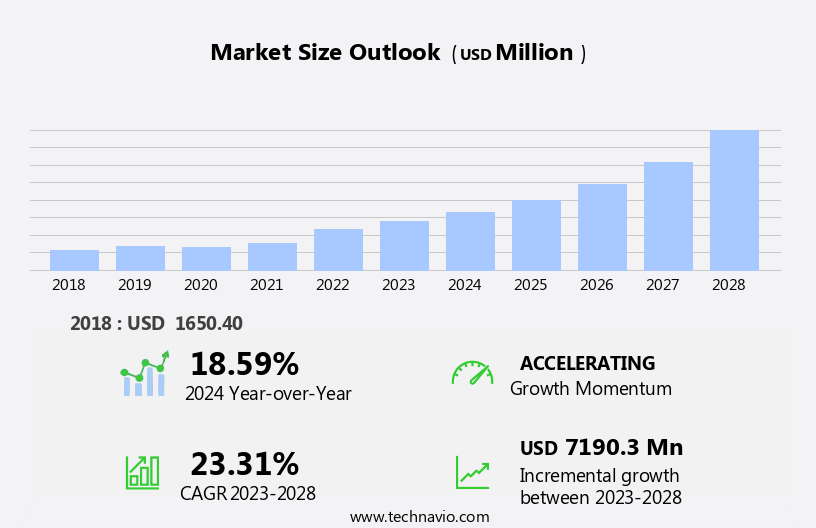
- The plant-based yogurt market has experienced significant growth due to increasing consumer awareness of environmental sustainability and health benefits. With the evolution of vegan alternatives to traditional dairy products, such as milk-based yogurt, the market now offers a wide range of options including those made from almonds and soy.
- Fruit-flavored varieties dominate the market, catering to the taste preferences of consumers, particularly millennials. These products not only provide advanced flavor profiles but also offer nutritional value, including probiotics and nutrients that support gut bacteria, healthy lifestyles, and various dietary needs. As more consumers shift away from dairy-based products due to lactose intolerance, milk allergies, and concerns over cholesterol and blood sugar levels, the labeling of products as vegan has become increasingly important.
- Organic substances and advanced nutritional properties, such as protein, are also key factors driving market growth. Additionally, the emergence of plant-based alternatives to dairy in other categories, such as vegan ghee and plant-based meat, further highlights the potential for continued growth in the market.
How is this Vegan Yogurt Industry segmented and which is the largest segment?
The vegan yogurt industry research report provides comprehensive data (region-wise segment analysis), with forecasts and estimates in "USD billion" for the period 2024-2028, as well as historical data from 2018-2022 for the following segments.
- Product Type
- Almond-based
- Soy-based
- Coconut-based
- Others
- Distribution Channel
- Offline
- Online
- Geography
- North America
- US
- Europe
- Germany
- France
- APAC
- China
- Japan
- South America
- Middle East and Africa
- North America
By Product Type Insights
- The almond-based segment is estimated to witness significant growth during the forecast period.
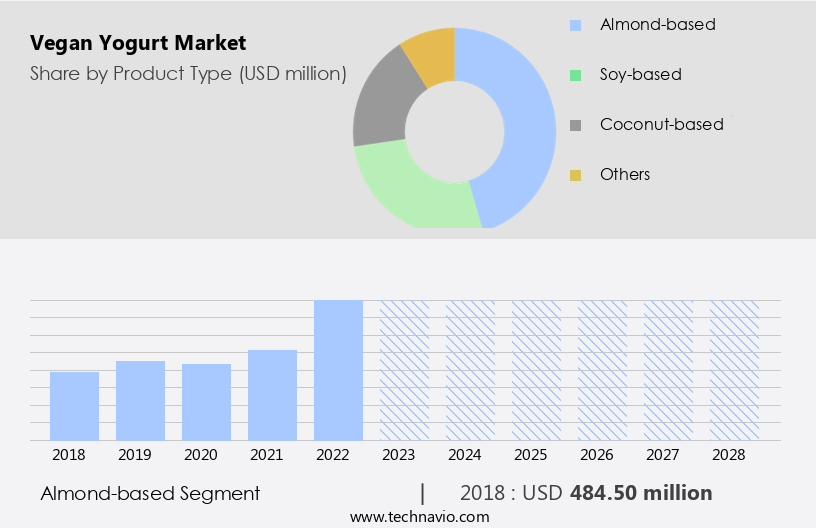
The market, specifically the almond-based segment, is experiencing significant growth due to increasing consumer preference for plant-based nutritional options and the rise of dairy-free diets. Almond yogurt is particularly popular due to its health benefits, including a high vitamin E content that promotes skin health and boosts immunity, as well as a lower calorie count compared to traditional dairy products. The accessibility and nutritional advantages of almonds contribute to the increasing demand for almond-based yogurts. This segment caters to health-conscious consumers and those with lactose intolerance, offering a creamy texture and rich flavor similar to conventional yogurt without the dairy-related issues. The market growth is driven by the millennial demographic, who prioritize ethical and sustainable food choices, and the growing awareness of the health benefits of plant-based diets.
Get a glance at the Vegan Yogurt Industry report of share of various segments Request Free Sample
The Almond-based segment was valued at USD 484.50 million in 2018 and showed a gradual increase during the forecast period.
Regional Analysis
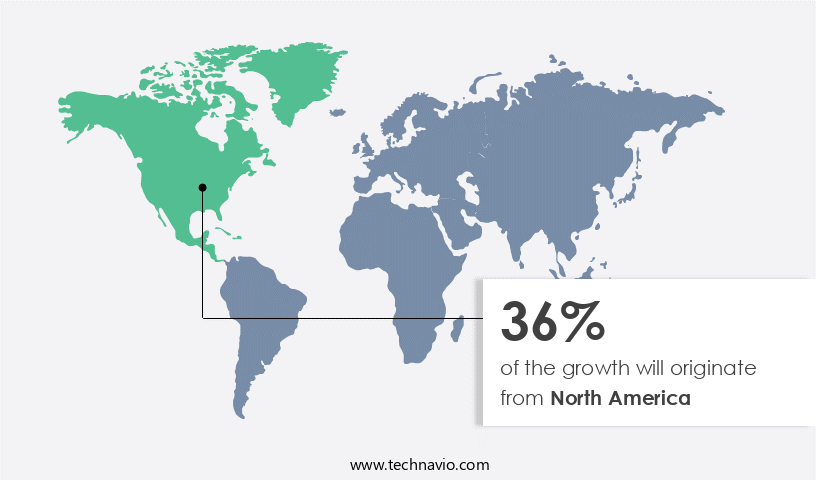
- North America is estimated to contribute 36% to the growth of the global market during the forecast period.
Technavio's analysts have elaborately explained the regional trends and drivers that shape the market during the forecast period.
For more insights on the market share of various regions, Request Free Sample
The market in North America experienced significant growth in 2023, holding the largest share due to increasing consumer preference for plant-based food products. Animal welfare concerns and the environmental impact of dairy production are major drivers for this trend. The US, Canada, and Mexico are key markets for vegan food products, with expanding vegan populations and heightened awareness of the health benefits of plant-based diets fueling market expansion. The North American the market is poised for continued growth, reflecting consumer trends towards more sustainable and health-conscious food choices.
Market Dynamics
Our vegan yogurt market researchers analyzed the data with 2023 as the base year, along with the key drivers, trends, and challenges. A holistic analysis of drivers will help companies refine their marketing strategies to gain a competitive advantage.
What are the key market drivers leading to the rise in the adoption of Vegan Yogurt Industry?
Frequent launches of new vegan yogurt varieties is the key driver of the market.
- The market in the US is witnessing significant growth due to the increasing preference for plant-based dairy alternatives and the health benefits they offer. Dairy-based yogurt consumers are shifting towards vegan options due to environmental concerns, lactose intolerance, and milk allergies. This shift is leading to an influx of new product launches, such as those from Alpro Foods and Silk, which have introduced Greek-style vegan yogurts made from oat, coconut, and soy milk. These products offer advanced flavors and nutritional properties, including high protein content, probiotics, and gut bacteria, making them an attractive choice for those following healthy lifestyles. The market includes various types, such as almond-based, soy-based, rice yogurt, and fruit-flavored options.
- These products are also free from cholesterol and contain essential vitamins and minerals from nuts, seeds, grains, and organic substances. The market's growth is also driven by the rising household penetration of vegan products and the increasing popularity of veganism among millennials. Despite these positives, it is essential to label these products accurately as vegan to cater to the specific dietary needs of consumers. The environmental implications of reducing dairy consumption and the production of vegan yogurt are also significant, as it can help reduce the carbon footprint associated with traditional dairy farming and the environmental implications of slaughterhouses.
What are the market trends shaping the Vegan Yogurt Industry?
Increased online availability of vegan products is the upcoming market trend.
- The market in the US is experiencing significant growth due to the increasing preference for plant-based dairy alternatives and the adoption of healthy lifestyles. This shift in consumer behavior is driven by various factors, including environmental concerns, lactose intolerance, and milk allergies. Plant-based yogurts, such as almond-based and soy-based, offer nutritional value equivalent to their milk-based counterparts, with added benefits like lower cholesterol and blood sugar levels. Manufacturers are innovating to meet consumer demands by introducing advanced flavor profiles, organic substances, and probiotics for gut health. Fruit-flavored vegan yogurts are particularly popular, as they cater to both taste preferences and nutritional needs.
- Vegan yogurt is also free from the environmental implications associated with milk production and the use of slaughterhouses. Online channels have become the fastest-growing distribution channel for vegan yogurt, as consumers prefer the convenience and accessibility offered by e-commerce platforms. Manufacturers are capitalizing on this trend by selling their products directly to consumers through their websites and third-party e-commerce sites. The market is expected to continue growing, as more consumers adopt plant-based diets and seek out nutritious, dairy-free alternatives. Plant-based yogurt is made from various sources, including nuts, seeds, grains, and legumes. Popular options include almond-based, soy-based, flax milk yogurt, hemp yogurt, and rice yogurt.
- These vegan yogurts are rich in vitamins and minerals, making them a healthy addition to any diet. Probiotics are also commonly added to vegan yogurts to provide additional health benefits. In conclusion, the market in the US is growing rapidly due to increasing consumer awareness and preference for plant-based dairy alternatives. Online channels are driving distribution and sales, as consumers seek the convenience and accessibility offered by e-commerce platforms. Manufacturers are innovating to meet consumer demands by introducing new flavors, organic substances, and probiotics, making vegan yogurt a popular and nutritious choice for health-conscious consumers.
What challenges does the Vegan Yogurt Industry face during its growth?
Stringent rules and regulations related to food safety and standards is a key challenge affecting the industry growth.
- The market in the US is witnessing significant growth due to the increasing preference for plant-based dairy alternatives and the adoption of healthy lifestyles. Dairy products, such as milk-based yogurt, face challenges from lactose intolerance and milk allergies, driving consumers towards plant-based yogurts made from almonds, soy, flax milk, hemp, rice, and other nutritional sources. These vegan yogurts offer health benefits, including lower cholesterol, improved blood sugar levels, and the presence of probiotics and gut bacteria. Environmental concerns also contribute to the market's growth, as plant-based yogurts have a lower carbon footprint compared to their dairy counterparts, which often involve the use of resources from animals raised in slaughterhouses.
- Companies offer advanced flavor profiles and organic substances, making vegan yogurts an attractive option for consumers. Flavored yogurt and vegan ghee are also gaining popularity. The market's growth is further driven by the increasing household penetration of vegan products and the shifting preference towards dairy-free and vegan food options among millennials. The soy segment holds a significant market share, but other plant-based sources are also gaining traction. The nutritional value of vegan yogurts, including vitamins and minerals from nuts, seeds, grains, and other sources, further adds to their appeal. The market faces challenges from regulatory requirements and labeling as vegan, but the demand for plant-based yogurts continues to grow.
Exclusive Customer Landscape
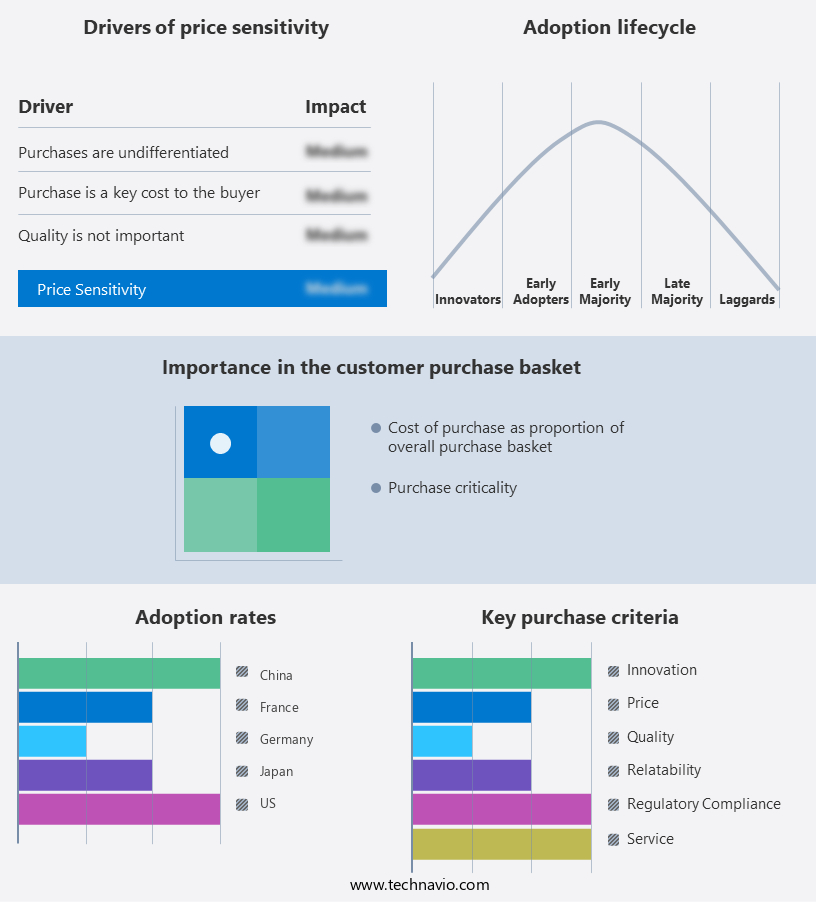
The vegan yogurt market forecasting report includes the adoption lifecycle of the market, covering from the innovator's stage to the laggard's stage. It focuses on adoption rates in different regions based on penetration. Furthermore, the vegan yogurt market report also includes key purchase criteria and drivers of price sensitivity to help companies evaluate and develop their market growth analysis strategies.
Customer Landscape
Key Companies & Market Insights
Companies are implementing various strategies, such as strategic alliances, vegan yogurt market forecast, partnerships, mergers and acquisitions, geographical expansion, and product/service launches, to enhance their presence in the industry.
Barambah Organics Pty Ltd. - The company provides a selection of vegan yogurt options for consumers, including Natural Lactose-Free Yogurt, Real Mango Yogurt, Real Strawberry Yogurt, and Real Blueberry Yogurt.
The industry research and growth report includes detailed analyses of the competitive landscape of the market and information about key companies, including:
- Barambah Organics Pty Ltd.
- Blue Diamond Growers
- Chobani Global Holdings LLC
- COYO Pty Ltd.
- Culina Yogurt
- Daiya Foods Inc.
- Danone SA
- Drums Food International Pvt. Ltd.
- Forager Project
- General Mills Inc.
- Granarolo S.P.A.
- GTs Living Foods
- Kite Hill
- Oatly Group AB
- Regenerative Plant Based Inc.
- SPRINGFIELD CREAMERY
- Stonyfield Farm Inc.
- The Coconut Collaborative ltd.
- The Hain Celestial Group Inc.
- Vitasoy International Holdings Ltd.
Qualitative and quantitative analysis of companies has been conducted to help clients understand the wider business environment as well as the strengths and weaknesses of key industry players. Data is qualitatively analyzed to categorize companies as pure play, category-focused, industry-focused, and diversified; it is quantitatively analyzed to categorize companies as dominant, leading, strong, tentative, and weak.
Research Analyst Overview
The plant-based yogurt market has witnessed significant growth in recent years, driven by various factors including shifting consumer preferences, environmental concerns, and health benefits. This market, which encompasses a wide range of dairy-free alternatives, is transforming the landscape of the food industry. Plant-based yogurt is a popular choice for those following vegan or vegetarian diets, as well as for individuals with lactose intolerance or milk allergies. The environmental implications of animal agriculture have also contributed to the rise of plant-based yogurt, as consumers increasingly seek out more sustainable food options.
The health benefits associated with plant-based yogurt are another key factor driving market growth. These products offer a rich source of essential vitamins and minerals, including calcium, vitamin D, and vitamin B12. Additionally, many plant-based yogurts are fortified with probiotics, which support gut health and contribute to overall wellness. The plant-based yogurt market is diverse, with various types of plant-based milks used as bases, such as almond, soy, flax, hemp, and rice. Each type offers unique nutritional properties and flavors, catering to a wide range of consumer preferences. For instance, almond-based yogurt is known for its creamy texture and subtle sweetness, while soy-based yogurt is a popular choice due to its high protein content.
The market for plant-based yogurt is not limited to traditional fruit-flavored varieties. Brands are constantly innovating and introducing new flavors and textures to cater to diverse consumer tastes. For example, some plant-based yogurts are infused with advanced flavor profiles, such as matcha or turmeric, while others are savory, like vegan ghee or plant-based cheese alternatives. Organic substances and probiotics are increasingly important considerations for consumers in the plant-based yogurt market. Many brands are focusing on using organic ingredients and ensuring their products are labeled as vegan to meet consumer demand. Probiotics, which are live bacteria and yeasts that support gut health, are also a key selling point for many plant-based yogurt brands.
The plant-based yogurt market is not just about taste and health benefits; it's also about convenience and accessibility. Brands are focusing on making plant-based yogurt more accessible to consumers by offering a wide range of packaging sizes and formats, from single-serve cups to larger containers for household use. The shift towards plant-based yogurt is not limited to individual consumers; it's also impacting the foodservice industry. Many restaurants and cafes are offering plant-based yogurt options, further expanding the market and making it more mainstream. In conclusion, the plant-based yogurt market is a dynamic and growing sector of the food industry. Driven by shifting consumer preferences, environmental concerns, and health benefits, it offers a wide range of products catering to diverse tastes and dietary needs. As consumers continue to seek out more sustainable and healthful food options, the plant-based yogurt market is poised for continued growth.
|
Vegan Yogurt Market Scope |
|
|
Report Coverage |
Details |
|
Page number |
158 |
|
Base year |
2023 |
|
Historic period |
2018-2022 |
|
Forecast period |
2024-2028 |
|
Growth momentum & CAGR |
Accelerate at a CAGR of 23.31% |
|
Market growth 2024-2028 |
USD 7.19 billion |
|
Market structure |
Fragmented |
|
YoY growth 2023-2024(%) |
18.59 |
|
Key countries |
US, Germany, China, France, and Japan |
|
Competitive landscape |
Leading Companies, Market Positioning of Companies, Competitive Strategies, and Industry Risks |
What are the Key Data Covered in this Vegan Yogurt Market Research and Growth Report?
- CAGR of the Vegan Yogurt industry during the forecast period
- Detailed information on factors that will drive the Vegan Yogurt growth and forecasting between 2024 and 2028
- Precise estimation of the size of the market and its contribution of the industry in focus to the parent market
- Accurate predictions about upcoming growth and trends and changes in consumer behaviour
- Growth of the market across North America, Europe, APAC, South America, and Middle East and Africa
- Thorough analysis of the market's competitive landscape and detailed information about companies
- Comprehensive analysis of factors that will challenge the vegan yogurt market growth of industry companies
We can help! Our analysts can customize this vegan yogurt market research report to meet your requirements.
 RIA -
RIA - 
