



Algae Products Market Size 2024-2028
The algae products market size is forecast to increase by USD 1.09 billion at a CAGR of 5.7% between 2023 and 2028.
- The market is experiencing significant growth due to the increasing demand for nutritious and healthy food ingredients. Algae extracts derived from both microalgae and macroalgae, including seaweed, are gaining popularity as sources of protein and soluble fibers. The health benefits associated with these extracts are driving market growth. However, high processing costs remain a challenge for market expansion.
- There is a rising consumer preference for natural and sustainable solutions across sectors such as food, pharmaceuticals, cosmetics, and biofuels. Algae-based products are gaining significant attention as they provide a renewable and environmentally friendly source of nutrients, bioactive compounds, and raw materials, aligning with the values of eco-conscious consumers. Algae are a rich source of essential nutrients, including proteins, vitamins, minerals, and omega-3 fatty acids. Increased awareness of these health benefits, such as enhanced immune function, improved cardiovascular health, and better cognitive performance, is fueling the demand for algae-derived dietary supplements, functional foods, and nutraceuticals.
What will be the Size of the Market During the Forecast Period?

How is this market segmented and which is the largest segment?
The market research report provides comprehensive data (region-wise segment analysis), with forecasts and estimates in "USD billion" for the period 2024-2028, as well as historical data from 2018-2022 for the following segments.
- Application
- Food and beverages
- Pharmaceutical
- Personal care
- Dietary supplements
- Others
- Geography
- Europe
- Germany
- UK
- France
- APAC
- China
- North America
- US
- South America
- Middle East and Africa
- Europe
By Application Insights
- The food and beverages segment is estimated to witness significant growth during the forecast period.
The market for algae extracts as food ingredients is experiencing significant growth due to the increasing consumer interest in nutritious and healthy food options. Algae, including microalgae and macroalgae, such as seaweed, are gaining popularity for their functional benefits. These benefits go beyond traditional nutrition and health considerations. While there is substantial evidence supporting the health-promoting properties of algal-derived food products, challenges remain in accurately quantifying these benefits and potential side effects.
Additionally, the nutritional composition of seasonal algal species can vary greatly depending on the geographical region where they are cultivated, impacting their dietary value. The global food and beverage industry is increasingly incorporating algae as a result of growing consumer awareness regarding their health benefits.
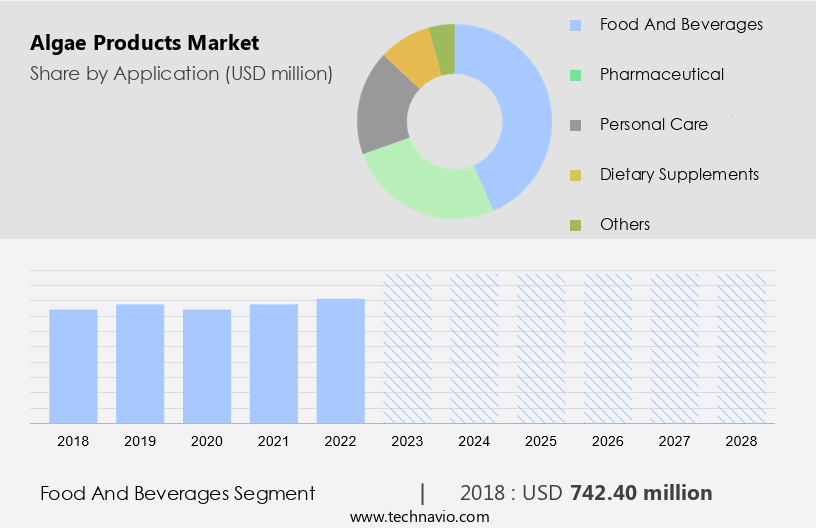
Get a glance at the market report of share of various segments Request Free Sample
The food and beverages segment was valued at USD 742.40 million in 2018 and showed a gradual increase during the forecast period.
Regional Analysis
- APAC is estimated to contribute 31% to the growth of the global market during the forecast period.
Technavio's analysts have elaborately explained the regional trends and drivers that shape the market during the forecast period.

For more insights on the market share of various regions Request Free Sample
The European market for algae products holds the largest share globally, driven primarily by the food and personal care industries. Consumers in Europe are increasingly seeking natural ingredients in their cosmetics and personal care items, leading to a rise in demand for algae-derived flavor compounds and bioactive compounds, including amino acids and carrageenan. Additionally, the preference for plant-based foods and low-sodium diets is fueling the consumption of plant-based meat alternatives and algal sources of protein, such as alginate and seaweed. The European market is poised for continued growth due to these consumer trends.
Market Dynamics
- Algae extracts, derived from both microalgae and macroalgae, have gained significant attention in the US food industry as valuable sources of essential nutrients and functional ingredients. These natural components offer various health benefits and enhance the quality of plant-based foods. Microalgae and seaweed, two primary sources of algae extracts, provide an array of nutritious compounds, including proteins, soluble fibers, polysaccharides, lipids, polyunsaturated fatty acids, pigments, vitamins, and minerals. These nutritional elements contribute to the palatability and sensory properties of food products while offering numerous health benefits.
- Additionally, algae extracts are increasingly being used as food ingredients due to their nutritional value and natural origin. Key market trends include the growing preference for naturally obtained health supplements and the increasing awareness of the health benefits of algae-derived products. Despite the challenges, the market is expected to continue its growth trajectory, driven by consumer demand for healthy and sustainable food options.
- Additionally, proteins derived from algae extracts are a popular alternative to animal-derived proteins, catering to the increasing demand for plant-based foods. Moreover, these proteins are rich in essential amino acid, making them a complete protein source. Soluble fibers and polysaccharides present in algae extracts serve as functional ingredients, improving the texture and mouthfeel of various food products. Additionally, they offer prebiotic properties, promoting gut health and digestive function. Lipids, particularly polyunsaturated fatty acids, are another essential component of algae extracts. These healthy fats contribute to the overall nutritional value of food products and support heart health. Pigments derived from algae extracts, such as astaxanthin and beta-carotene, provide natural coloring agents for food products.
- However, these pigments offer additional health benefits, including antioxidant properties and enhanced nutritional value. Vitamins and minerals found in algae extracts, including vitamin B12, iodine, and iron, are essential nutrients for human health. These micronutrients support various bodily functions and contribute to overall wellness. Bioactive compounds present in algae extracts, such as carrageen and alginate, offer functional benefits to food products. Carrageen is a hydrocolloid used as a thickener and stabilizer, while alginate is a gelling agent. These compounds enhance the texture and stability of food products, improving their overall quality. Traditional algal foods, such as nori, wakame, and spirulina, have been consumed for centuries due to their nutritional value and health benefits.
- In conclusion, today, these foods have found applications in various modern food products, providing consumers with innovative plant-based options. In the context of plant-based meat alternatives, algae extracts offer a sustainable and nutritious solution. These extracts can be used to create textured plant-based proteins, mimicking the taste and texture of animal-derived meat. In conclusion, algae extracts offer a wealth of nutritional and functional benefits for the US food industry. These natural ingredients contribute to the development of healthier, more sustainable plant-based food options, catering to evolving consumer preferences and nutritional needs.
Our researchers analyzed the data with 2023 as the base year, along with the key drivers, trends, and challenges. A holistic analysis of drivers will help companies refine their marketing strategies to gain a competitive advantage.
What are the key market drivers leading to the rise in adoption of Algae Products Market?
Health benefits associated with algae products are the key drivers of the market.
- Algae, as photosynthetic, nucleus-containing organisms found primarily in aquatic environments, offer a wealth of benefits for various industries. One of the most notable applications of algae is in the production of biofuels and animal feed. Algae are rich in protein content, making them an ideal source for animal feed. Chlorella and Arthrospira are two popular types of algae used for this purpose. Moreover, algae are a sustainable source of omega-3 fatty acids, which are essential for human health. These fatty acids, particularly DHA, account for around 96.94% of the omega-3 fats in the brain.
- Additionally, DHA derived from algae serves as a vegan alternative to animal fats-based supplements. Algae products offer numerous health benefits. For instance, during pregnancy, the consumption of DHA omega-3 is crucial for fetal brain growth and supports a healthy pregnancy. Furthermore, DHA consumption during pregnancy results in higher novelty preference on visual recognition memory and higher scores for verbal intelligence in children. Additionally, algae products are beneficial for eye health. In summary, algae products are a sustainable and versatile source of essential nutrients, particularly omega-3 fatty acids, which offer numerous health benefits for both humans and animals.
What are the market trends shaping the Algae Products Market?
Growing demand for naturally obtained health supplements is the upcoming trend in the market.
- Algae products, including Spirulina and brown seaweeds, are gaining popularity due to their natural content of omega-3 fatty acids, antioxidants, and proteins. These nutrients make algae an attractive ingredient in the production of dietary supplements. The increasing preference for naturally sourced supplements among consumers is fueling the growth of The market. Manufacturers are recognizing this trend and are integrating algae products into their supplement offerings. For example, Vegetology, a leading health and beauty products company, produces Opti3 Omega-3 EPA (eicosapentaenoic acid) and DHA (docosahexaenoic acid) supplements using microalgal particles. This makes their supplements a vegetarian alternative to fish oil-based omega-3 supplements.
- Moreover, algae products offer a sustainable and eco-friendly source of Omega-3 supplements. Nuclear power plants, in particular, are exploring the use of algae as a source of nitrogen to reduce their carbon footprint. This additional application of algae products is expected to further expand their market potential. In summary, the rising consumer demand for natural health supplements and the versatility of algae products are driving their adoption across various industries. From dietary supplements to sustainable agriculture, the future of algae products looks promising.
What challenges does Algae Products Market face during the growth?
High processing costs for algae products is a key challenge affecting the market growth.
- Algae products, including power generators, vegetable oil derived from safflowers, olives, peanuts, and diatoms, hold significant potential in various industries. However, the high cost of producing these products from algae is a significant barrier to market growth. The cost of processing algae products, particularly those derived from algal biomass cultivated in open water bodies like ponds, is higher than the current market selling price. To make microalgal production of algae fats economically viable, a multi-product biorefinery is necessary.
- Additionally, while Photobioreactors (PBRs) offer a lower cost for producing algal biomass, most algae are found in open water bodies, necessitating substantial capital and labor investments for processing. The amino acid profile and metabolic procedures of algae make them valuable in human food supplements and other applications, but the high production costs must be addressed to expand market penetration.
Exclusive Customer Landscape
The market forecasting report includes the adoption lifecycle of the market, covering from the innovator's stage to the laggard's stage. It focuses on adoption rates in different regions based on penetration. Furthermore, the market report also includes key purchase criteria and drivers of price sensitivity to help companies evaluate and develop their market growth analysis strategies.
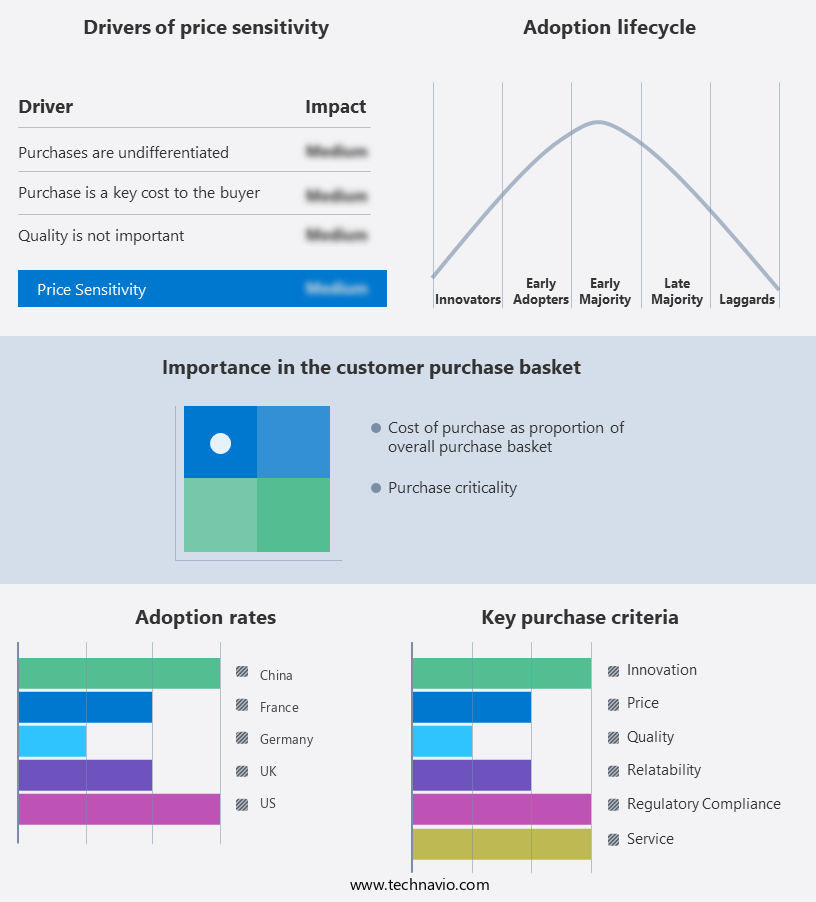
Customer Landscape
Key Companies & Market Insights
Companies are implementing various strategies, such as strategic alliances, market forecast, partnerships, mergers and acquisitions, geographical expansion, and product/service launches, to enhance their presence in the market.
The market research and growth report includes detailed analyses of the competitive landscape of the market and information about key companies, including:
- ACCEL Carrageenan Corp.
- AlgaeCan Biotech Ltd.
- Algatech Ltd.
- Algea
- Algenol
- AstaReal Co. Ltd.
- BASF SE
- QPonics Ltd.
- Cargill Inc.
- Corbion nv
- CP Kelco US Inc.
- Cyanotech Corp.
- DIC Corp.
- DuPont de Nemours Inc.
- EID Parry India Ltd.
- Earthrise Nutritionals LLC
- FENCHEM
- Heliae Development LLC
- Karagen Indonesia CV
- Koninklijke DSM NV
Qualitative and quantitative analysis of companies has been conducted to help clients understand the wider business environment as well as the strengths and weaknesses of key market players. Data is qualitatively analyzed to categorize companies as pure play, category-focused, industry-focused, and diversified; it is quantitatively analyzed to categorize companies as dominant, leading, strong, tentative, and weak.
Latest Market Developments and News
-
In December 2024, Algatech launched a new line of algae-based supplements designed to enhance immune health. The products utilize microalgae with high antioxidant content, catering to the growing consumer demand for natural, plant-based wellness solutions.
-
In November 2024, DSM expanded its algae-based product portfolio by introducing a sustainable omega-3 supplement derived from algae, aimed at meeting the rising demand for plant-based alternatives to fish oil. This product targets consumers seeking eco-friendly and health-conscious sources of essential fatty acids.
-
In October 2024, Cyanotech Corporation entered a strategic partnership with a leading cosmetics company to develop algae-based skincare products. The partnership focuses on using spirulina and other algae ingredients known for their anti-aging and skin-rejuvenating properties.
-
In September 2024, Evonik Industries launched an innovative algae-based feed additive for the animal nutrition market. This new product helps improve gut health and overall growth in livestock, supporting the growing demand for sustainable alternatives to traditional feed ingredients.
Research Analyst Overview
Algae extracts have gained significant attention in the food industry due to their nutritious properties. Both microalgae and macroalgae, including seaweed, are rich sources of proteins, soluble fibers, polysaccharides, lipids, polyunsaturated fatty acids, pigments, vitamins, and minerals. These compounds contribute to the palatability and sensory properties of various plant-based foods. Microalgae and macroalgae extracts are increasingly used as functional ingredients in healthy food products. They offer high protein content, making them an attractive alternative to traditional animal-derived protein sources. Additionally, they contain bioactive compounds, amino acids, and other nutritional and flavor compounds. Traditional algal foods, such as chlorella and arthrospira, have been consumed for centuries due to their nutritional benefits.
In recent years, there has been a growing demand for plant-based meat alternatives, and algae extracts have emerged as a promising solution. Aquatic nucleus-containing organisms, such as diatoms, are also used in various industries, including biofuel production, animal feed, and power generators. Carrageen and alginate, extracted from red seaweed, are commonly used as thickener and stabilizer in food and beverage industries. Brown seaweeds, such as kelp and wakame, are rich in iodine, fiber, and various minerals. They have been used in traditional cuisines for centuries and continue to be a popular ingredient in healthy food products. In summary, algae extracts offer a wide range of benefits for the food industry, from providing essential nutrients to acting as functional ingredients and natural colorants. They are a sustainable and versatile alternative to traditional animal-derived ingredients and contribute to the growing trend of plant-based foods.
|
Market Scope |
|
|
Report Coverage |
Details |
|
Page number |
143 |
|
Base year |
2023 |
|
Historic period |
2018-2022 |
|
Forecast period |
2024-2028 |
|
Growth momentum & CAGR |
Accelerate at a CAGR of 5.7% |
|
Market growth 2024-2028 |
USD 1.09 billion |
|
Market structure |
Fragmented |
|
YoY growth 2023-2024(%) |
5.3 |
|
Key countries |
UK, China, Germany, US, and France |
|
Competitive landscape |
Leading Companies, Market Positioning of Companies, Competitive Strategies, and Industry Risks |
What are the Key Data Covered in this Market Research and Growth Report?
- CAGR of the market during the forecast period
- Detailed information on factors that will drive the market growth and forecasting between 2024 and 2028
- Precise estimation of the size of the market and its contribution of the market in focus to the parent market
- Accurate predictions about upcoming market growth and trends and changes in consumer behaviour
- Growth of the market across Europe, APAC, North America, South America, and Middle East and Africa
- Thorough analysis of the market's competitive landscape and detailed information about companies
- Comprehensive analysis of factors that will challenge the growth of market companies
We can help! Our analysts can customize this market research report to meet your requirements. Get in touch
 RIA -
RIA - 
