


Hair Color Market Size 2025-2029
The hair color market size is forecast to increase by USD 11.44 billion, at a CAGR of 6.3% between 2024 and 2029. The market is characterized by continuous innovation in product formulation and formats, driven by consumer demand for diverse and vibrant looks.
Major Market Trends & Insights
- Europe dominated the market and accounted for a 29% share in 2023.
- The market is expected to grow significantly in North America region as well over the forecast period.
- Based on the Product, the permanent segment led the market and was valued at USD 17.73 billion of the global revenue in 2023.
- Based on the End-user, the women segment accounted for the largest market revenue share in 2023.
Market Size & Forecast
- Market Opportunities: USD 31.84 billion
- Future Opportunities: USD 11.44 billion
- CAGR (2024-2029): 6.3%
- Europe: Largest market in 2023
The market continues to evolve, driven by consumer preferences and technological advancements. The demand for gray coverage and ammonia-free hair color options reflects shifting consumer behavior, as individuals seek safer and more natural alternatives. Safety guidelines, such as patch tests and UV protection, remain crucial considerations in the industry. Hair analysis and color matching are essential components of the hair coloring process, with hair follicle analysis providing valuable insights into individual hair characteristics. Customer loyalty is fostered through pricing strategies and innovative hair color kits, salon services, and temporary hair color applicators. Anti-fade shampoos and conditioners, as well as hair porosity testing, help ensure color retention and prevent color fade.
What will be the Size of the Hair Color Market during the forecast period?

Explore in-depth regional segment analysis with market size data - historical 2019-2023 and forecasts 2025-2029 - in the full report.
Request Free Sample
Allergic reactions and sensitivities necessitate ongoing research and development of herbal hair dyes and color-depositing conditioners. Hair growth cycle, scalp treatments, and hair texture also influence the market, with hair damage repair and root touch-up solutions addressing various hair concerns. Hair coloring tools, such as brushes and bowls, continue to evolve, while hair highlighting, gloss, and lightening remain popular coloring techniques. Marketing and advertising, ingredient sourcing, and sustainable practices are essential aspects of the industry, with professional products and color consultations ensuring optimal results. Product innovation, color correction, and hair masks cater to diverse consumer needs, while hair stylists and color charts provide expert guidance. The semi-permanent segment is the second largest segment of the product and was valued at USD 5.29 billion in 2023.
The market's continuous dynamism is reflected in the ongoing development of hair color removers, color-safe products, and brand awareness initiatives. Recycling programs and sustainable practices further underscore the industry's commitment to environmental responsibility.
Unconventional hair colors, such as pastels and neons, are gaining popularity among consumers, particularly in developed regions. These advancements have led to the development of innovative salon tools and hair care products that ensure hygiene and minimize the use of toxic chemicals, such as ammonia, in hair colorants. However, the market faces challenges in expanding its consumer base in developing countries due to the limited pool of consumers willing to invest in novelty and premium hair color products. This trend is influenced by cultural preferences and economic factors. Companies seeking to capitalize on market opportunities should focus on developing innovative, high-quality products that cater to the evolving preferences of consumers in both developed and developing markets.
Effective marketing strategies, including collaborations with influencers and trendsetters, can help expand reach and attract a broader consumer base. Navigating the challenges of market saturation and price competition will require companies to differentiate their offerings through unique product features, sustainable sourcing, and personalized consumer experiences.
How is this Hair Color Industry segmented?
The hair color industry research report provides comprehensive data (region-wise segment analysis), with forecasts and estimates in "USD billion" for the period 2025-2029, as well as historical data from 2019-2023 for the following segments.
- Product
- Permanent
- Semi-permanent
- Temporary
- Highlights and bleach
- End-user
- Women
- Unisex
- Men
- Formulation
- Conventional (Ammonia-Based, Peroxide-Based)
- Natural & Organic (Ammonia-Free, Herbal, Plant-Based)
- Distribution Channel
- Offline (Supermarkets & Hypermarkets, Specialty Stores, Pharmacies, Department Stores, Salons & Spas)
- Online Retail (E-commerce Websites, Brand Websites)
- Shade Type
- Natural Shades (Browns, Blacks, Blondes)
- Fashion Shades (Vibrant colors like Red, Blue, Purple)
- Pastel Shades
- Geography
- North America
- US
- Canada
- Europe
- France
- Germany
- Italy
- UK
- Middle East and Africa
- Egypt
- KSA
- Oman
- UAE
- APAC
- China
- India
- Japan
- South America
- Argentina
- Brazil
- Rest of World (ROW)
- North America
By Product Insights
The permanent segment is estimated to witness significant growth during the forecast period. The segment was valued at USD 17.73 billion in 2023. It continued to the largest segment at a CAGR of 3.95%.
The market experiences growth, driven by the popularity of permanent hair color. This process, also known as oxidation, involves the combination of an oxidizer like hydrogen peroxide and ammonia with the coloring agent before application. Permanent hair color does not require frequent touch-ups compared to semi-permanent or temporary options. Manufacturers invest significantly in the formulation of permanent hair color products, ensuring long-lasting results while minimizing damage to the hair shaft. Safety guidelines are crucial in the production and use of hair color, with UV protection and ammonia-free options gaining consumer preference. Consumer behavior influences pricing strategies, with hair color kits, hair color bowls, and hair coloring tools available for at-home use.
Hair salon services continue to be a significant market segment, offering professional color matching, color correction, and color consultations. Natural hair dyes derived from herbs and other plant-based sources cater to consumers seeking sustainable practices. Product innovation includes anti-fade shampoos, hair masks, and hair oils for color retention. Color-depositing conditioners and hair gloss offer temporary color enhancement. The hair growth cycle and hair texture influence color selection, with hair porosity and allergic reactions impacting consumer behavior. Sustainable practices and brand awareness are essential, with recycling programs and professional product lines catering to the market. Hair follicle analysis and color matching technology facilitate customized color solutions.
Hair damage repair and root touch-up products address common hair concerns. Color correction tools and hair color charts assist hair stylists in achieving desired results. The market evolves, focusing on consumer needs, safety, and innovation.
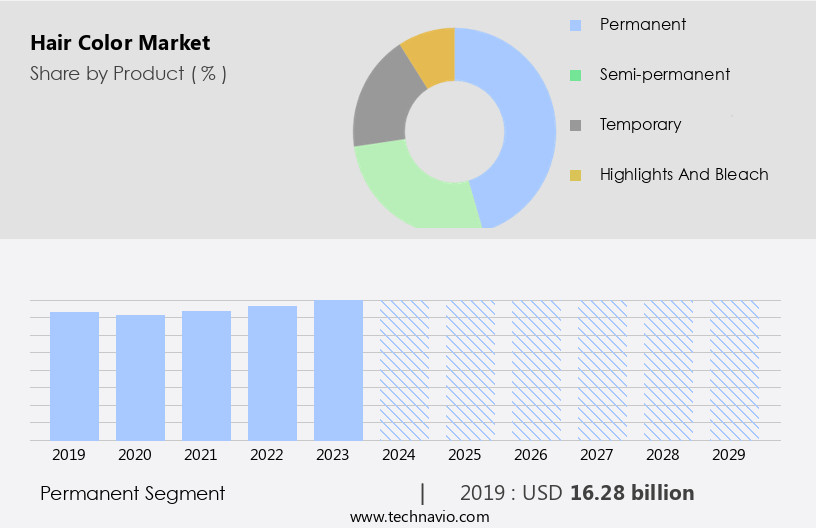
The Permanent segment was valued at USD 16.28 billion in 2019 and showed a gradual increase during the forecast period.
Regional Analysis
Europe is estimated to contribute 29% to the growth of the global market during the forecast period.Technavio's analysts have elaborately explained the regional trends and drivers that shape the market during the forecast period.
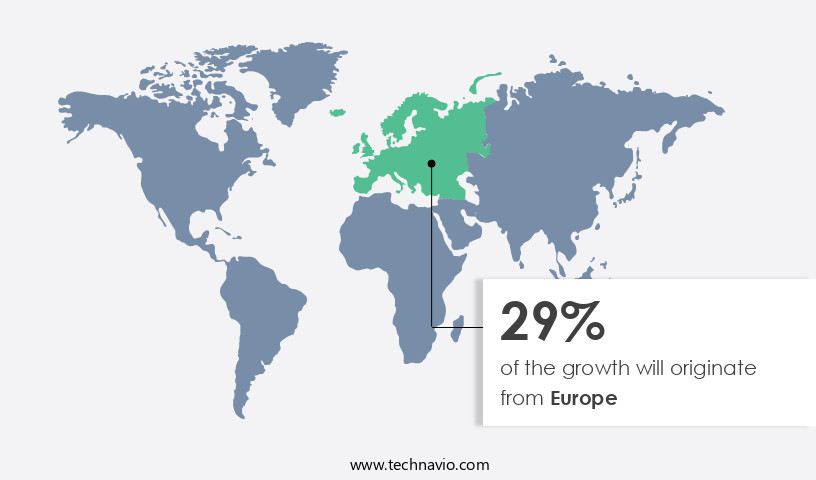
The European market is driven by major contributors, including the UK, France, and Germany. Prominent companies, such as L'Oreal SA, Henkel AG and Co. KgaA, and NATULIQUE Ltd., operate in this region, fueling market growth through competitive intensity. companies are expanding distribution networks and implementing multichannel marketing strategies, particularly in Western European countries. Data suggests that the future opportunities for growth in the Europe region estimates to be around USD 11.44 billion. Consumer behavior is influenced by factors like high disposable income, purchasing power parity, and per capita income. Safety guidelines and UV protection are essential considerations in hair color products. Ammonia-free hair color and patch tests are crucial for ensuring safety and minimizing allergic reactions. Natural hair dyes and consumer behavior trends favor sustainable practices and ingredient sourcing.
Pricing strategies vary for consumer products, including hair color kits, temporary hair color, and hair color applicators. Color matching, hair analysis, and color correction are essential services offered by hair salons. Semi-permanent hair color and hair damage repair are popular choices for customers seeking long-lasting color and improved hair health. Root touch-ups, hair oils, and hair coloring tools are essential accessories for maintaining color-treated hair. Marketing and advertising, product innovation, and color consultation services are integral to brand awareness. Anti-fade shampoos, conditioners, and hair masks are essential for color retention. Hair porosity, texture, and growth cycle influence the effectiveness of hair color products.
Hair follicle analysis and color-depositing conditioners cater to individual hair needs. Sustainable practices and professional products, such as hair glaze, color-safe products, and hair color charts, are essential for maintaining brand loyalty. Recycling programs and ingredient transparency are increasingly important to consumers. Hair stylists play a crucial role in color correction and color matching, ensuring customer satisfaction. Color fade, allergic reactions, and hair damage are common concerns for consumers. Hair color removers and scalp treatments are available to address these issues. Herbal hair dyes and hair highlighting are popular trends in the market. Hair gloss and hair dyes cater to various hair textures and growth cycles.
In conclusion, the European the market is dynamic and evolving, with a focus on safety, sustainability, and consumer preferences. companies are adapting to these trends by offering a wide range of products and services, ensuring customer satisfaction and loyalty.
Market Dynamics
Our researchers analyzed the data with 2024 as the base year, along with the key drivers, trends, and challenges. A holistic analysis of drivers will help companies refine their marketing strategies to gain a competitive advantage.
In the dynamic and innovative market, consumers seek out a wide array of options to enhance their natural hues or experiment with new shades. From vibrant reds and alluring blondes to rich browns and exotic blacks, the spectrum of hair color choices caters to diverse preferences. Brands continually introduce advanced formulas, such as ammonia-free, permanent, semi-permanent, and temporary hair colors, ensuring a perfect match for every individual. Trends like balayage, ombre, and highlights add depth and dimension, while demi-permanent and temporary hair chalks offer a more temporary solution for those desiring a change. The market also embraces various hair types and concerns, with formulas specifically designed for damaged, fine, or color-treated hair. Additionally, natural and organic hair color alternatives, infused with herbal ingredients, cater to the increasing demand for eco-friendly and health-conscious options. The market continues to evolve, offering an extensive range of choices for those seeking to express their unique style and personality.
What are the key market drivers leading to the rise in the adoption of Hair Color Industry?
- Product formulation and format innovation are essential drivers in the market, as companies continually strive to create new and improved offerings to meet consumer demands and maintain a competitive edge.
- The market is characterized by continuous innovation in product formulation and composition, resulting in the production of convenient pre-measured sachets. The formulation process involves two stages: the first focuses on developing the product base, while the second is dedicated to achieving the desired shade. Key considerations during this process include dye stability, color wearability, light fading, and product rheology. Innovations in hair color have led to the creation of ammonia-free and natural hair dyes, as well as those with gray coverage and UV protection. Consumer behavior plays a significant role in market dynamics, with an increasing preference for safer and more environmentally-friendly options.
- When using hair color at home, safety guidelines must be followed, including a patch test before application. Pricing strategies vary, with hair color bowls, brushes, and salon services also contributing to the market's growth. Permanent hair color remains a popular choice, offering long-lasting results. Manufacturers prioritize product quality and consumer satisfaction, emphasizing color vibrancy and longevity. The market's future growth is expected to be driven by these factors, as well as advancements in technology and consumer preferences.
What are the market trends shaping the Hair Color Industry?
- The emergence of vibrant and unconventional hair colors is gaining significant traction in the beauty industry, representing a notable market trend. This growing preference for bold and expressive hair hues reflects a desire for self-expression and individuality among consumers.
- The market is experiencing significant growth due to the increasing trend towards personalized beauty and the rise of vibrant and unconventional hair colors. Consumers are no longer content with standard shades and are instead seeking out bold and brilliant hues, influenced by social media platforms such as Instagram. This trend towards individuality has led to an increased demand for customized hair color solutions. To cater to this demand, manufacturers are offering a wider range of hair color options, including various colorful and unique shades. Hair analysis, such as examining the hair shaft and hair follicle, plays a crucial role in ensuring accurate color matching and optimal color retention.
- Additionally, the use of hair color applicators, anti-fade shampoos, and hair glazes can help enhance the longevity of hair color. However, it is essential to consider hair porosity and potential allergic reactions when selecting and applying hair color. Hair color removers and color consultations can help address these concerns and ensure customer satisfaction. Overall, the market is expected to continue growing as consumers seek out products and services that cater to their unique preferences and needs.
What challenges does the Hair Color Industry face during its growth?
- In developing countries, the limited consumer base for novelty and premium hair colors poses a significant challenge to the industry's growth. This market constraint hinders the expansion and innovation in the hair color sector.
- The market experiences steady growth, particularly in developed regions such as North America and Europe. This is due to the presence of a substantial consumer base in the premium and mass segments. In contrast, consumer segments in Asia Pacific and Middle East & Africa regions have a higher proportion of mass segment customers. The market offers various hair coloring solutions, including herbal hair dyes, hair highlighting, hair gloss, color-depositing conditioners, hair growth cycle treatments, scalp treatments, hair texture-specific hair color kits, semi-permanent hair color, hair damage repair, root touch-ups, hair oils, and hair coloring tools.
- These products cater to diverse consumer preferences and budgets. The demand for premium hair color is more pronounced in developed markets due to the increasing awareness of hair care and styling. Additionally, the market offers innovative solutions for hair concerns, such as damage repair and color-depositing conditioners, making it an immersive and harmonious experience for consumers.
Exclusive Customer Landscape
The hair color market forecasting report includes the adoption lifecycle of the market, covering from the innovator's stage to the laggard's stage. It focuses on adoption rates in different regions based on penetration. Furthermore, the hair color market report also includes key purchase criteria and drivers of price sensitivity to help companies evaluate and develop their market growth analysis strategies.
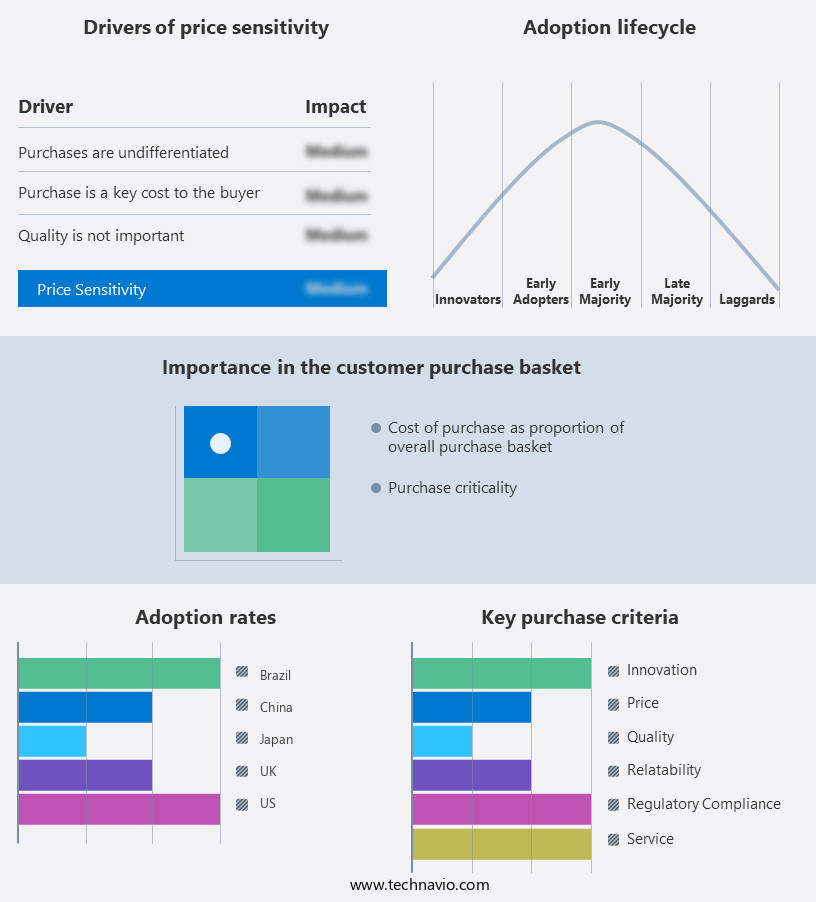
Customer Landscape
Key Companies & Market Insights
Companies are implementing various strategies, such as strategic alliances, hair color market forecast, partnerships, mergers and acquisitions, geographical expansion, and product/service launches, to enhance their presence in the industry.
Amway Corp. - This enterprise specializes in innovative permanent hair colors under the brand name Colour Creation.
The industry research and growth report includes detailed analyses of the competitive landscape of the market and information about key companies, including:
- Amway Corp.
- Cadiveu Professional
- Chatters GP Inc.
- Coty Inc.
- Godrej and Boyce Manufacturing Co. Ltd.
- Henkel AG and Co. KGaA
- Honasa Consumer Pvt. Ltd.
- John Paul Mitchell Systems
- Kao Corp.
- LOreal SA
- Madison Reed Inc.
- MOROCCANOIL
- NATULIQUE
- Natura and Co Holding SA
- NATURIGIN
- Revlon Inc.
- Shiseido Co. Ltd.
- Surya Brasil
- The Estee Lauder Co. Inc.
- Tints of Nature
- Tish and Snooky NYC Inc.
Qualitative and quantitative analysis of companies has been conducted to help clients understand the wider business environment as well as the strengths and weaknesses of key industry players. Data is qualitatively analyzed to categorize companies as pure play, category-focused, industry-focused, and diversified; it is quantitatively analyzed to categorize companies as dominant, leading, strong, tentative, and weak.
Recent Development and News in Hair Color Market
- In January 2024, L'Oreal, a global leader in the hair care industry, launched a new line of vegan hair colors under its popular brand, "Redken." This expansion catered to the growing demand for cruelty-free and environmentally-friendly hair care products (L'Oreal Press Release, 2024).
- In March 2024, Procter & Gamble's subsidiary, Pantene, collaborated with IBM to develop an AI-powered hair color recommendation tool. This innovation aimed to provide consumers with personalized hair color suggestions based on their unique hair type and tone (IBM Press Release, 2024).
- In May 2024, Henkel, a leading hair care company, announced a strategic partnership with the cosmetics giant, Coty. This collaboration focused on expanding Henkel's hair color business in the North American market, with Coty handling sales and distribution (Henkel Press Release, 2024).
- In February 2025, Unilever's Schwarzkopf Professional division received approval for its new hair color line, "Igora Royal," from the European Union's REACH regulatory agency. This approval ensured the line complied with stringent safety regulations, further strengthening Schwarzkopf's position in the European the market (Unilever Press Release, 2025).
Research Analyst Overview
- The market continues to evolve, with trends such as color streaks, pastel hues, and color melt gaining popularity among consumers. Search engine optimization plays a crucial role in reaching potential customers, as they explore various shades and techniques, from traditional hair coloring to innovative metallic and crazy colors. Quality control and shelf life are essential considerations for businesses, ensuring their products maintain their vibrancy and safety under various storage conditions. Social media marketing and content marketing are effective strategies for showcasing new trends and techniques, such as hair keratin treatment, hair bonding, and hair weaving. Brand positioning and product differentiation are key in a competitive market, with companies focusing on ethical sourcing, sustainable packaging, and consumer safety.
- Marketing campaigns, salon partnerships, and influencer collaborations are effective ways to reach a broader audience and build brand loyalty. Product safety and testing procedures are essential in addressing concerns related to chemical reactions and environmental impact. Online sales and retail strategies continue to shape the market, with price competition and innovative retail models shaping consumer behavior. Hair extensions and wig coloring are growing segments, catering to diverse consumer preferences and demands. As the market continues to evolve, businesses must adapt to these trends and consumer expectations while maintaining product quality and sustainability.
Dive into Technavio's robust research methodology, blending expert interviews, extensive data synthesis, and validated models for unparalleled Hair Color Market insights. See full methodology.
|
Market Scope |
|
|
Report Coverage |
Details |
|
Page number |
208 |
|
Base year |
2024 |
|
Historic period |
2019-2023 |
|
Forecast period |
2025-2029 |
|
Growth momentum & CAGR |
Accelerate at a CAGR of 6.3% |
|
Market growth 2025-2029 |
USD 11.44 billion |
|
Market structure |
Fragmented |
|
YoY growth 2024-2025(%) |
5.2 |
|
Key countries |
US, Canada, Germany, UK, Italy, France, China, India, Japan, Brazil, Egypt, UAE, Oman, Argentina, KSA, UAE, Brazil, and Rest of World (ROW) |
|
Competitive landscape |
Leading Companies, Market Positioning of Companies, Competitive Strategies, and Industry Risks |
What are the Key Data Covered in this Hair Color Market Research and Growth Report?
- CAGR of the Hair Color industry during the forecast period
- Detailed information on factors that will drive the growth and forecasting between 2025 and 2029
- Precise estimation of the size of the market and its contribution of the industry in focus to the parent market
- Accurate predictions about upcoming growth and trends and changes in consumer behaviour
- Growth of the market across Europe, North America, APAC, South America, and Middle East and Africa
- Thorough analysis of the market's competitive landscape and detailed information about companies
- Comprehensive analysis of factors that will challenge the hair color market growth of industry companies
We can help! Our analysts can customize this hair color market research report to meet your requirements.