


Home Beer Brewing Machine Market Size 2024-2028
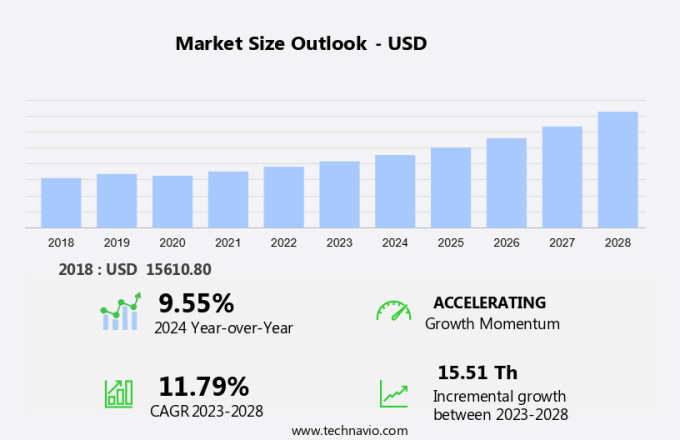
The home beer brewing machine market size is forecast to increase by USD 15.51 thousand at a CAGR of 11.79% between 2023 and 2028.
- The market is witnessing significant advancements with the integration of intelligent displays and seamless Wi-Fi connectivity. Consumers can now monitor and control their brewing processes using tablets, smartphones, and desktops from the comfort of their homes. Remote monitoring capabilities and real-time tracking enable users to oversee production endeavors and ensure unique beer flavors are achieved. The convenience and customization offered by these smart devices have led to an increasing demand. The integration of the Internet of Things (IoT) in home beer brewing machines is a key trend, with Wi-Fi connectivity and mobile applications enabling remote control and monitoring of the brewing process. Furthermore, online shopping platforms provide easy access to these products, making it a popular choice among consumers. The market is expected to grow as the availability of energy-efficient electronics continues to increase and substitutes for traditional beer gain popularity.
What will the size of the market be during the forecast period?
- The market is witnessing significant growth due to the increasing popularity of craft beer and the rise of small-scale brewers. This trend is driven by the independent brewing sector and the desire for unique, handcrafted beer flavors. Full-size brewers are becoming increasingly popular among homebrewers, allowing them to produce larger quantities of beer for house parties and personal consumption. These machines offer automated technology and innovative brewing devices, such as touchscreen displays and Wi-Fi connectivity, enabling hands-free operations and real-time monitoring. Moreover, the market for home beer brewing machines is being fueled by the adoption of user-friendly installation processes and multifunctional machines.
- These machines offer features such as automatic mechanisms for fermenting and manual mechanisms for brewing, catering to both novice and experienced homebrewers. The integration of the Internet of Things (IoT) in home beer brewing machines is a key trend, with Wi-Fi connectivity and mobile applications enabling remote control and monitoring of the brewing process. This allows homebrewers to optimize brewing conditions and receive real-time notifications on their smartphones. Professional-grade brewing machines are also gaining traction in the market, offering advanced features such as multi-tap systems, digital thermostats, and temperature control. These machines cater to the needs of serious homebrewers and provide high-quality beer production capabilities.
How is this market segmented and which is the largest segment?
The market research report provides comprehensive data (region-wise segment analysis), with forecasts and estimates in "USD thousand" for the period 2024-2028, as well as historical data from 2018-2022 for the following segments.
- Distribution Channel
- Offline
- Online
- Product Type
- Mini brewer
- Full size brewer
- Geography
- North America
- Canada
- US
- Europe
- Germany
- APAC
- China
- South America
- Middle East and Africa
- North America
By Distribution Channel Insights
- The offline segment is estimated to witness significant growth during the forecast period.
The market encompasses both online and offline channels for purchasing these devices. In the offline sector, consumers can visit traditional retail stores to purchase brewing machines. These outlets include supermarkets, department stores, specialty shops, and homebrewing supply stores. In these establishments, consumers can physically examine the machines before making a purchase. The offline segment also includes authorized dealers and distributors who collaborate directly with manufacturers to sell brewing machines. These entities may operate independently or as part of larger reseller networks. Automated home beer brewing machines with intuitive interfaces are increasingly popular in the market.
These devices offer automatic mechanisms for brewing, ensuring a consistent and high-quality product. Digital thermostats enable precise temperature control, while multiple taps facilitate serving various beer styles. Removable kegs simplify the process of transferring beer from the brewing vessel to the serving tap. These features cater to the do-it-yourself (DIY) consumer seeking a great brewing experience for non-commercial purposes.

Get a glance at the market report of share of various segments Request Free Sample
The offline segment was valued at USD 10,493.60 in 2018 and showed a gradual increase during the forecast period.
Regional Analysis
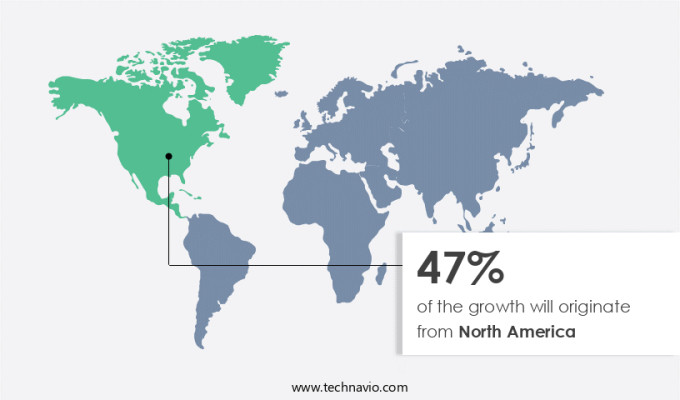
- North America is estimated to contribute 47% to the growth of the global market during the forecast period.
Technavio's analysts have elaborately explained the regional trends and drivers that shape the market during the forecast period.
For more insights on the market share of various regions, Request Free Sample
The market in North America has witnessed substantial growth due to the rising popularity of homebrewing in countries like the United States, Mexico, and Canada. This trend is driven by the increasing consumer preference for beer, making it one of the major revenue contributors in the region's alcoholic beverages industry. The market has seen a significant increase in sales since 2016, with the proliferation of home breweries and small-scale establishments such as restaurants and coffee shops. Manufacturers of home beer brewing machines have responded to this demand by introducing innovative design elements and advanced features. For instance, the direct draw system, such as D System technology, allows for easy and efficient kegging.
Additionally, lightweight CO2 tanks and high-tech ingredients mixing features, enabled through mobile apps and customized alcohol content, add sophistication to the brewing process. The automated segment of the market is also gaining traction, offering increased efficiency and durability. These machines use intelligence to automate various brewing processes, ensuring consistent results and reducing the need for manual intervention. The professional-grade brewing machines used in brewpubs and bars also employ similar technology, making the home version an attractive option for enthusiasts seeking a similar experience. In conclusion, the market in North America is thriving due to the increasing popularity of homebrewing and the continuous innovation by manufacturers in terms of design and features. The adoption of automation and intelligence in these machines offers increased efficiency, durability, and consistency, making them a valuable investment for both hobbyists and small-scale commercial brewers.
Market Dynamics
Our researchers analyzed the data with 2023 as the base year, along with the key drivers, trends, and challenges. A holistic analysis of drivers will help companies refine their marketing strategies to gain a competitive advantage.
What are the key market drivers leading to the rise in adoption of the Home Beer Brewing Machine Market?
The rising disposable income of consumers is the key driver of the market.
- Home beer brewing machines have gained popularity among consumers with higher disposable income levels in the United States. These individuals are increasingly investing in premium ingredients and equipment to create high-quality beer at home. The growth of the craft beer market is another factor fueling the demand for home brewing machines. Craft beer is often priced higher than commercial beer, making it a luxury item for some consumers. By brewing their own beer, they can save money while still enjoying unique and high-quality brews. Home beer brewing involves several processes including mashing, boiling, fermenting, and conditioning. Similar techniques are used in the production of cold brew coffee, Kombucha, and even spirits.
- Home brewers can experiment with various ingredients and recipes to create their unique brews. The ability to produce beer at home also allows for greater flexibility and creativity. The increasing popularity of home beer brewing can be attributed to the growing trend of consumers seeking authentic and personalized experiences. Home brewing provides an opportunity to create a product that is unique to the individual, and the satisfaction of seeing the entire brewing process through from start to finish is a rewarding experience. In conclusion, the growing disposable income levels in the United States are driving the demand for home beer brewing machines.
What are the market trends shaping the Home Beer Brewing Machine Market?
Increasing demand for energy-efficient electronics is the upcoming trend in the market.
- Homebrewers prioritize energy efficiency to minimize costs and conserve energy during the brewing process. Devices like brew kettles, lauter tuns, and wort boilers consume significant energy. In response, home beer brewing machine manufacturers have integrated energy-efficient equipment and technologies into their production processes. This trend aligns with consumer preferences for eco-friendly and energy-savvy products.
- As a result, manufacturers are adopting sustainable raw materials and production techniques to create home beer brewing machines that cater to various consumer requirements. This shift towards energy efficiency is expected to fuel the expansion of The market in the coming years.
What challenges does the Home Beer Brewing Machine Market face during the growth?
Increasing availability of beer substitutes is a key challenge affecting the market growth.
- The market is witnessing significant growth due to advancements in technology. Intelligent displays and seamless Wi-Fi connectivity enable users to monitor and control their brewing process from tablets, smartphones, and desktops. Remote monitoring capabilities and real-time tracking provide convenience and ease of use. Despite these advantages, the market faces competition from ready-to-drink beverages and other alcoholic beverage manufacturing machines.
- Consumers' preferences for unique beer flavors continue to drive demand for home brewing machines. Online shopping platforms offer a wide range of options for consumers to purchase these machines. However, the increasing popularity of other types of alcoholic beverages, such as vodka, whiskey, rum, and brandy, may impact the growth of the market. The cocktail culture's influence in North America and Europe has led to a shift in consumer preferences toward premium spirits, particularly whiskey.
Exclusive Customer Landscape
The market forecasting report includes the adoption lifecycle of the market, covering from the innovator's stage to the laggard's stage. It focuses on adoption rates in different regions based on penetration. Furthermore, the market report also includes key purchase criteria and drivers of price sensitivity to help companies evaluate and develop their market growth analysis strategies.
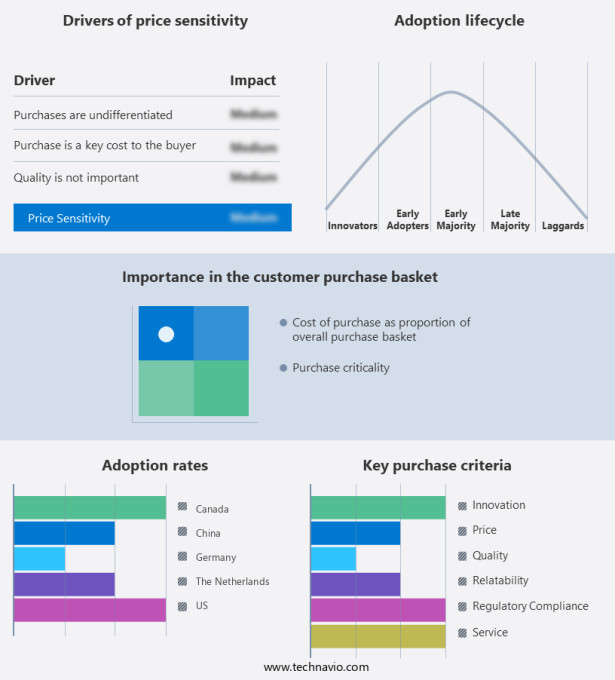
Customer Landscape
Key Companies & Market Insights
Companies are implementing various strategies, such as strategic alliances, market forecast, partnerships, mergers and acquisitions, geographical expansion, and product/service launches, to enhance their presence in the market. The market research and growth report includes detailed analyses of the competitive landscape of the market and information about key companies, including:
- AIBrew Corp.
- BEERMKR
- Blichmann Engineering
- Brew Driver
- Chal Tec GmbH
- Coopers Brewery Ltd.
- Craft a Brew
- Craig Industries Inc.
- Keg King
- Kegco
- Micro Matic USA Inc.
- MiniBrew BV
- NEWITY Ltd.
- Perlick Corp.
- Rahr Corp.
- Speidel Tank und Behalterbau GmbH
- Spike Brewing
- The Middleby Corp.
- True Manufacturing Co. Inc.
- WilliamsWarn NZ Ltd.
Qualitative and quantitative analysis of companies has been conducted to help clients understand the wider business environment as well as the strengths and weaknesses of key market players. Data is qualitatively analyzed to categorize companies as pure play, category-focused, industry-focused, and diversified; it is quantitatively analyzed to categorize companies as dominant, leading, strong, tentative, and weak.
Research Analyst Overview
Home beer brewing machines have gained significant popularity in recent years due to the craft beer movement and the rise of small-scale brewers. These innovative brewing devices cater to both hobbyists and independent brewers seeking to produce unique beer flavors for non-commercial purposes. The market offers a range of options, from manual minibrew systems to automated full-size brewers, each designed to meet the varying needs of consumers. Automated features, such as digital thermostats and Wi-Fi connectivity, enable hands-free operations and real-time tracking, while manual mechanisms allow for more traditional brewing techniques. Consumers can choose from multifunctional machines that also cater to the production of cold brew coffee, kombucha, and even spirits.
Furthermore, The market is witnessing the integration of the Internet of Things (IoT) and sophisticated software, offering user-friendly installation, intuitive interfaces, and seamless Wi-Fi connectivity. These advanced features provide efficiency, intelligence, and durability, making home beer brewing an appealing hobby for many. Homebrewers can purchase these machines through both online and offline channels, with touchscreen displays and mobile applications allowing for easy operation and monitoring. The market also caters to brewpubs, bars, restaurants, and craft breweries, with professional-grade brewing machines designed for pilot batches and larger production endeavors. With the increasing demand for personalized brewing experiences, home beer brewing machines continue to evolve, offering unique features such as multiple taps, removable kegs, and automatic mechanisms for mashing, boiling, fermenting, and conditioning.
|
Market Scope |
|
|
Report Coverage |
Details |
|
Page number |
160 |
|
Base year |
2023 |
|
Historic period |
2018-2022 |
|
Forecast period |
2024-2028 |
|
Growth momentum & CAGR |
Accelerate at a CAGR of 11.79% |
|
Market Growth 2024-2028 |
USD 15.51 thousand |
|
Market structure |
Fragmented |
|
YoY growth 2023-2024(%) |
9.55 |
|
Key countries |
US, China, Germany, Canada, and The Netherlands |
|
Competitive landscape |
Leading Companies, Market Positioning of Companies, Competitive Strategies, and Industry Risks |
What are the Key Data Covered in this Market Research and Growth Report?
- CAGR of the market during the forecast period
- Detailed information on factors that will drive the market growth and forecasting between 2024 and 2028
- Precise estimation of the size of the market and its contribution of the market in focus to the parent market
- Accurate predictions about upcoming market growth and trends and changes in consumer behaviour
- Growth of the market across North America, Europe, APAC, South America, and Middle East and Africa
- Thorough analysis of the market's competitive landscape and detailed information about companies
- Comprehensive analysis of factors that will challenge the growth of market companies
We can help! Our analysts can customize this market research report to meet your requirements. Get in touch