


Hot Drink Market Size 2026-2030
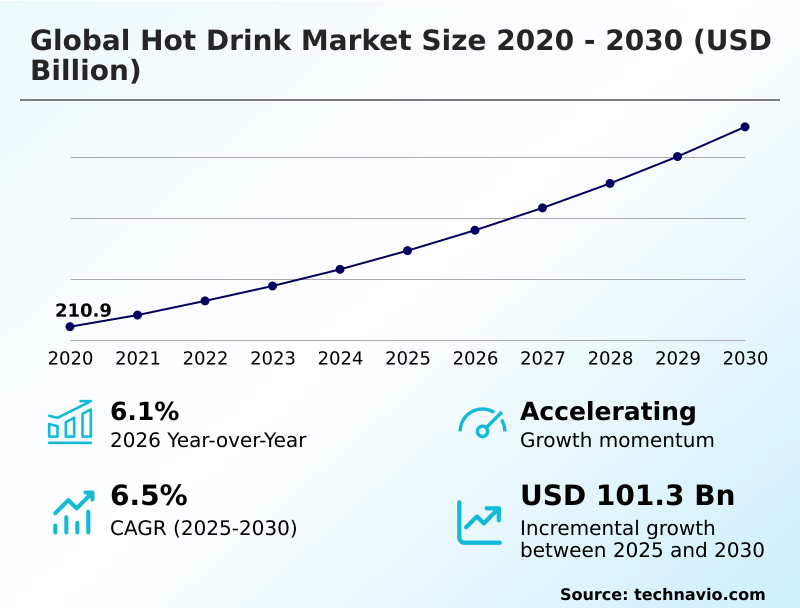
The hot drink market size is valued to increase by USD 101.3 billion, at a CAGR of 6.5% from 2025 to 2030. Rising demand for premium and artisanal hot drink varieties will drive the hot drink market.
Major Market Trends & Insights
- APAC dominated the market and accounted for a 36.9% growth during the forecast period.
- By Distribution Channel - Offline segment was valued at USD 202.1 billion in 2024
- By Type - Coffee segment accounted for the largest market revenue share in 2024
Market Size & Forecast
- Market Opportunities: USD 163.5 billion
- Market Future Opportunities: USD 101.3 billion
- CAGR from 2025 to 2030 : 6.5%
Market Summary
- The Hot Drink Market is undergoing a significant transformation, driven by evolving consumer preferences and technological innovation. A primary driver is the shift toward premiumization, where demand for artisanal coffee varieties, specialty tea blends, and single-origin coffee is reshaping product portfolios.
- This trend is coupled with a growing emphasis on health and wellness, which fuels the adoption of functional ingredients and clean label hot drinks. Technologically, advanced brewing technologies, including automated beverage systems and smart brewing devices with precision brewing capabilities, are enhancing the consumer experience both at home and in commercial settings.
- For instance, a cafe chain can leverage these systems to ensure consistent quality across all locations, reducing training overhead and improving customer satisfaction. However, the industry faces challenges related to sustainability, with a strong push for sustainable packaging materials and ethical sourcing practices, compelling companies to rethink their supply chains and operational footprints to meet new standards and consumer expectations.
What will be the Size of the Hot Drink Market during the forecast period?
Get Key Insights on Market Forecast (PDF) Get Free Sample
How is the Hot Drink Market Segmented?
The hot drink industry research report provides comprehensive data (region-wise segment analysis), with forecasts and estimates in "USD billion" for the period 2026-2030, as well as historical data from 2020-2024 for the following segments.
- Distribution channel
- Offline
- Online
- Type
- Coffee
- Tea
- Cocoa
- End-user
- Residential
- Commercial
- Geography
- APAC
- China
- Japan
- India
- North America
- US
- Canada
- Mexico
- Europe
- Germany
- UK
- France
- South America
- Brazil
- Argentina
- Middle East and Africa
- Saudi Arabia
- UAE
- South Africa
- Rest of World (ROW)
- APAC
By Distribution Channel Insights
The offline segment is estimated to witness significant growth during the forecast period.
The offline segment remains the predominant distribution channel, heavily influenced by an established infrastructure of supermarkets, specialty cafes, and food service outlets.
This channel's strength is rooted in providing immediate product access and a sensory-rich purchasing environment, which are crucial for premium hot beverages and artisanal coffee varieties.
The expansion of modern retail has been a significant factor, with organized retail penetration increasing by over 5% in key urban centers. Consumers' reliance on physical stores for exploring specialty tea blends and single-origin coffee reinforces the channel's dominance.
The growing cafe culture further solidifies this position, transforming hot beverage consumption into an experience-driven activity that online platforms cannot fully replicate, thus shaping hot beverage market dynamics.
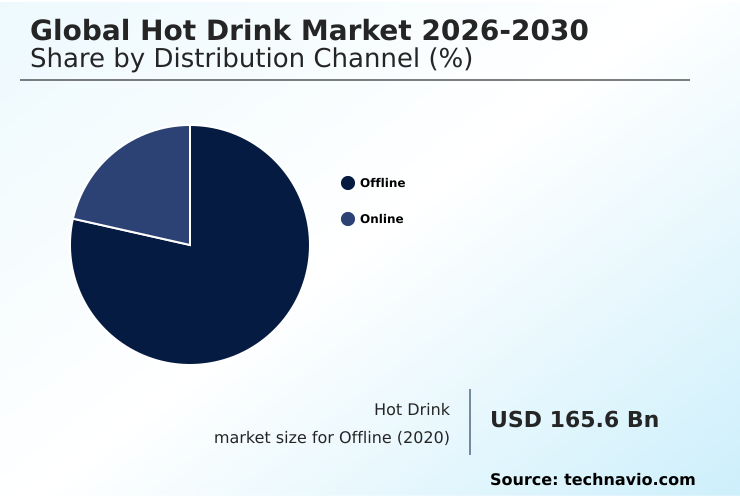
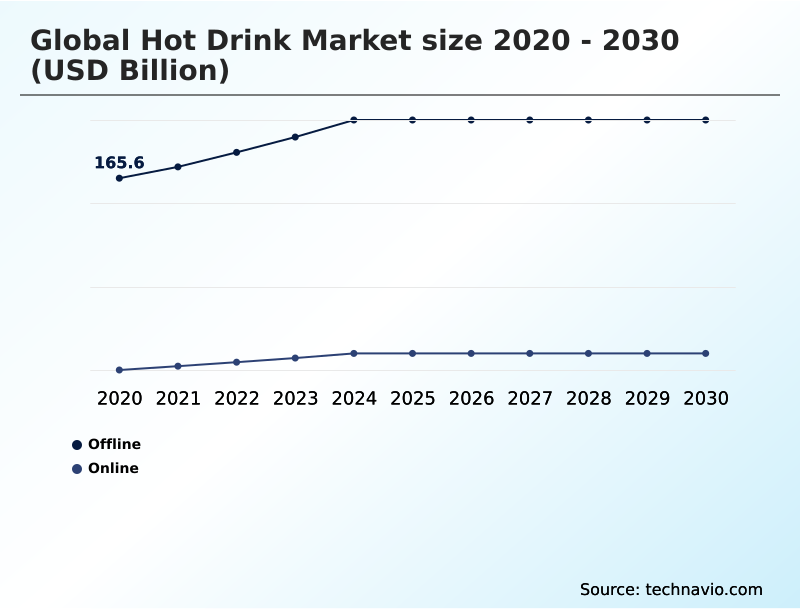
The Offline segment was valued at USD 202.1 billion in 2024 and showed a gradual increase during the forecast period.
Regional Analysis
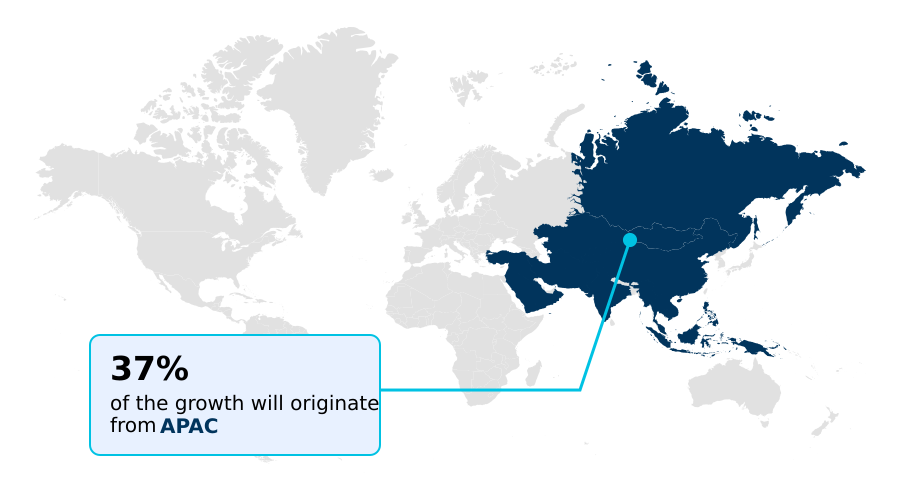
APAC is estimated to contribute 36.9% to the growth of the global market during the forecast period.Technavio’s analysts have elaborately explained the regional trends and drivers that shape the market during the forecast period.
See How Hot Drink Market Demand is Rising in APAC Get Free Sample
The geographic landscape of the market is characterized by varied growth trajectories and consumption patterns. APAC is set to lead growth, expanding at a rate of 6.9%, driven by rising disposable incomes and an expanding cafe culture.
This contrasts with the more mature market in Europe, which shows steady growth of 6.0%. In North America, consumer beverage preferences are shifting toward convenience, fueling the ready-to-drink (RTD) coffee market and the adoption of single-serve beverage solutions.
Across all regions, a global standard is emerging around ethical beverage sourcing, with a pronounced push for fair trade certification and ethically sourced cocoa.
This trend is compelling companies to enhance supply chain transparency, impacting operations from South America to Asia.
The adoption of energy-efficient machines in production facilities is also becoming a key initiative, with some operators reporting energy consumption reductions of over 12%.
Market Dynamics
Our researchers analyzed the data with 2025 as the base year, along with the key drivers, trends, and challenges. A holistic analysis of drivers will help companies refine their marketing strategies to gain a competitive advantage.
- The evolving landscape of the Hot Drink Market is significantly influenced by several interconnected factors. The impact of cafe culture on coffee consumption has fundamentally elevated consumer expectations, directly fueling the demand for premium and artisanal hot drinks. This shift is not just about taste but also about the overall experience, pushing producers to innovate beyond conventional offerings.
- In parallel, there is a strong consumer preference for sustainable hot drink packaging, which is compelling businesses to re-evaluate their supply chains and material choices. Companies that proactively adopt sustainable practices often see brand loyalty metrics improve by up to 20% compared to competitors that lag behind.
- Furthermore, the role of brewing technology in beverage quality cannot be overstated; advanced systems are enabling a level of customization and consistency that supports the premium trend.
- However, the industry is not without its hurdles, as it continues to navigate the challenges of sugar content in hot beverages, which requires significant investment in reformulation and a commitment to transparency to meet the demands of health-conscious consumers.
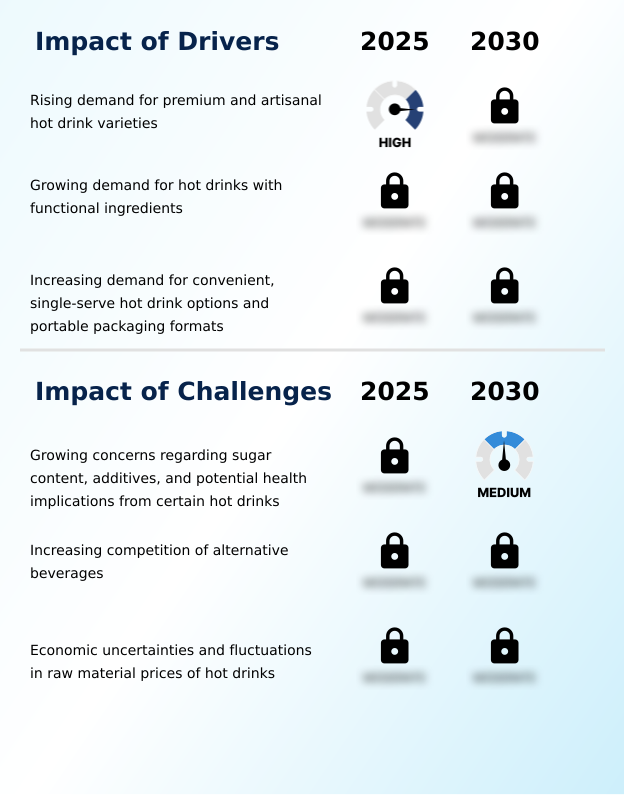
What are the key market drivers leading to the rise in the adoption of Hot Drink Industry?
- The rising demand for premium and artisanal hot drink varieties serves as a key driver propelling market growth.
- Market growth is propelled by the dual drivers of premiumization and convenience, reshaping consumer expectations and purchasing habits.
- The sustained demand for premium and artisanal hot drinks is evident in the burgeoning artisanal beverage market, where premium coffee trends are particularly strong.
- This is complemented by innovations in convenient formats, such as single-serve pods and ready-to-use cold brew coffee concentrates, which facilitate at-home premium experiences.
- Ethical considerations are also a powerful driver, with a clear preference for ethically sourced cocoa and sustainable hot beverage packaging.
- Direct-to-consumer (D2C) hot beverages models are proving highly effective, showing a 30% higher customer lifetime value compared to traditional retail channels.
- Furthermore, firms that adopt biodegradable packaging and other sustainable options see a measurable improvement in brand perception scores, often by more than 10 points.
What are the market trends shaping the Hot Drink Industry?
- Advancements in brewing technologies represent a key upcoming trend in the market. These innovations are set to enhance beverage quality, consistency, and efficiency for consumers and commercial operators.
- Key trends are reshaping the market, primarily driven by a focus on health and wellness. There is a marked increase in demand for clean label hot drinks and low-sugar beverage formulations, as consumers scrutinize ingredient lists more carefully. This trend extends to the rising popularity of plant-based hot drinks and herbal infusions, catering to diverse dietary preferences and wellness goals.
- Beverage technology advancements are enabling greater personalization, a key aspect of hot drink industry trends. For instance, brands offering customizable options through smart applications report customer engagement rates 25% higher than those with static product lines.
- The organic hot drink market is also expanding, with products featuring natural food ingredients seeing new product development rejection rates fall by 15%, highlighting the tangible benefits of aligning with consumer values and health-conscious beverage choices.
What challenges does the Hot Drink Industry face during its growth?
- Growing concerns over sugar content, additives, and the potential health implications of certain products present a significant challenge to industry growth.
- The industry is navigating several complex challenges, primarily related to cost pressures and intense competition. The persistent challenges of sugar content in hot beverages are forcing costly reformulation efforts and creating compliance burdens. While the adoption of advanced brewing technologies is critical for differentiation, the required capital investment can be substantial, with return-on-investment cycles often exceeding 24 months.
- Similarly, the shift to sustainable packaging materials, though demanded by consumers, can increase production costs by up to 8% for some product lines.
- The proliferation of ready-to-drink (RTD) hot drinks and innovations in the ready-to-drink (RTD) coffee market are intensifying competition, which shortens product lifecycles and puts downward pressure on margins, a key concern highlighted in recent coffee and tea market analysis.
Exclusive Technavio Analysis on Customer Landscape
The hot drink market forecasting report includes the adoption lifecycle of the market, covering from the innovator’s stage to the laggard’s stage. It focuses on adoption rates in different regions based on penetration. Furthermore, the hot drink market report also includes key purchase criteria and drivers of price sensitivity to help companies evaluate and develop their market growth analysis strategies.
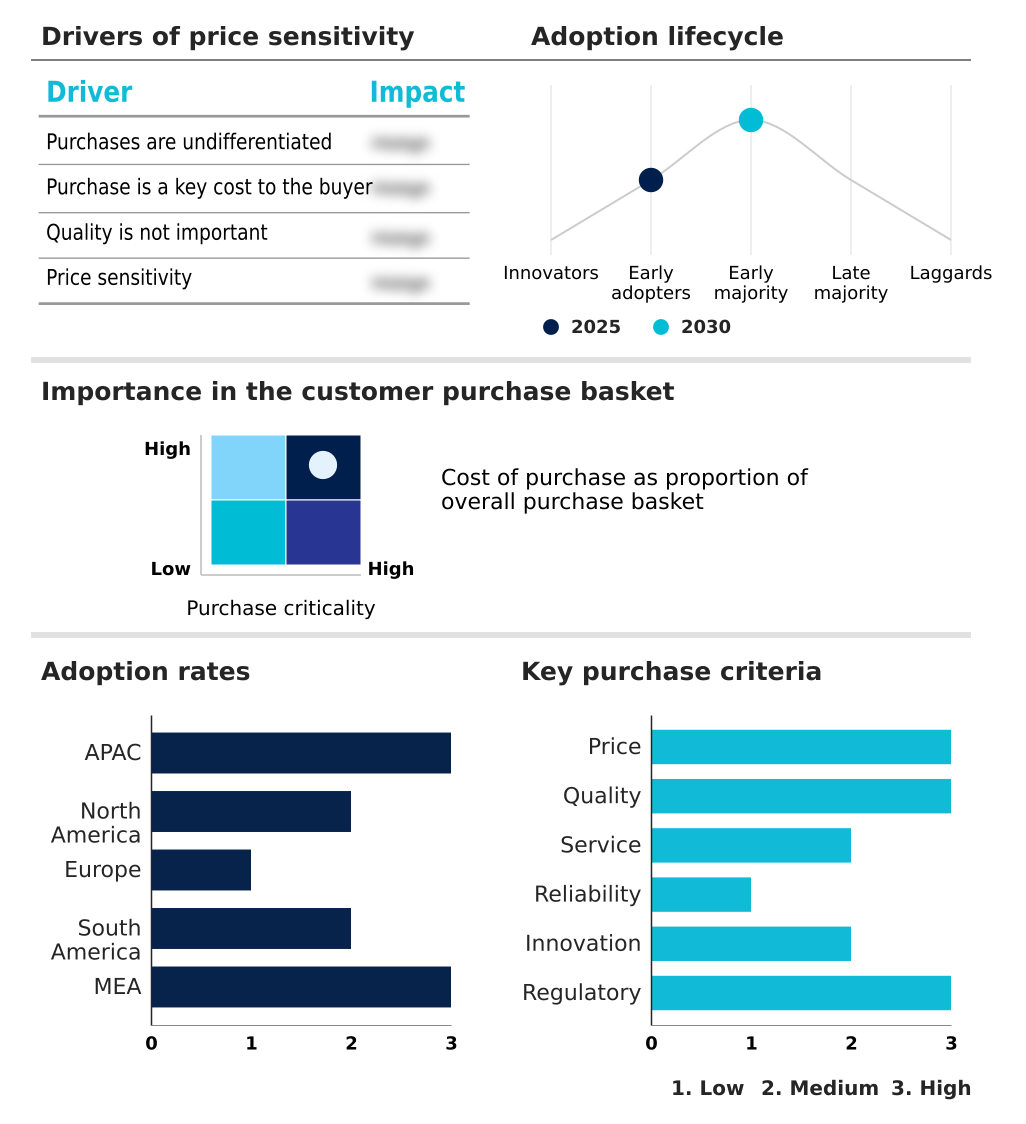
Customer Landscape of Hot Drink Industry
Competitive Landscape
Companies are implementing various strategies, such as strategic alliances, hot drink market forecast, partnerships, mergers and acquisitions, geographical expansion, and product/service launches, to enhance their presence in the industry.
Ajinomoto Co. Inc. - Analysis indicates a portfolio focused on instant and powdered coffee products, strategically targeting convenience-driven consumer segments.
The industry research and growth report includes detailed analyses of the competitive landscape of the market and information about key companies, including:
- Ajinomoto Co. Inc.
- Caffe Nero Group Ltd
- Caribou Coffee Operating Co.
- Harney and Sons Fine Teas
- illycaffe SpA
- JDE Peets NV
- Keurig Dr Pepper Inc.
- Luigi Lavazza SpA
- Massimo Zanetti Beverage
- McDonald Corp.
- Nestle SA
- Olam Group Ltd.
- Starbucks Corp.
- Strauss Group Ltd.
- Tata Consumer Products Ltd.
- Tchibo GmbH
- The Coca Cola Co.
- The Hain Celestial Group
- The J.M. Smucker Co.
- The Kraft Heinz Co.
Qualitative and quantitative analysis of companies has been conducted to help clients understand the wider business environment as well as the strengths and weaknesses of key industry players. Data is qualitatively analyzed to categorize companies as pure play, category-focused, industry-focused, and diversified; it is quantitatively analyzed to categorize companies as dominant, leading, strong, tentative, and weak.
Recent Development and News in Hot drink market
- In May 2025, Nestle announced the reformulation of several of its instant hot beverage products to reduce added sugar content and eliminate artificial additives in response to growing consumer demand for healthier drink options.
- In April 2025, Nestle introduced next-generation coffee brewing machines under its Nespresso line, featuring enhanced precision brewing technology and energy-saving modes designed to improve user experience and reduce environmental footprint.
- In March 2025, Starbucks expanded its premium Reserve coffee line with new single-origin offerings aimed at enhancing the artisanal coffee experience and catering to evolving consumer preferences for high-quality beverages.
- In January 2025, Keurig Dr Pepper launched a new line of fully compostable K-Cup pods for select coffee brands, addressing consumer demand for sustainable single-serve beverage solutions.
Dive into Technavio’s robust research methodology, blending expert interviews, extensive data synthesis, and validated models for unparalleled Hot Drink Market insights. See full methodology.
| Market Scope | |
|---|---|
| Page number | 290 |
| Base year | 2025 |
| Historic period | 2020-2024 |
| Forecast period | 2026-2030 |
| Growth momentum & CAGR | Accelerate at a CAGR of 6.5% |
| Market growth 2026-2030 | USD 101.3 billion |
| Market structure | Fragmented |
| YoY growth 2025-2026(%) | 6.1% |
| Key countries | China, Japan, India, South Korea, Australia, Indonesia, US, Canada, Mexico, Germany, UK, France, Italy, Spain, The Netherlands, Brazil, Argentina, Chile, Saudi Arabia, UAE, South Africa, Israel and Turkey |
| Competitive landscape | Leading Companies, Market Positioning of Companies, Competitive Strategies, and Industry Risks |
Research Analyst Overview
- The market is undergoing a significant transformation characterized by the convergence of premiumization, technology, and sustainability. The demand for premium hot beverages, including artisanal coffee varieties, specialty tea blends, and single-origin coffee, is compelling producers to innovate.
- A key boardroom decision revolves around investment in ethical sourcing practices and securing fair trade certification for products like ethically sourced cocoa to meet consumer expectations. Product development is increasingly focused on functional ingredients, leading to a surge in clean label hot drinks and low-sugar beverage formulations.
- The integration of advanced brewing technologies, such as automated beverage systems and smart brewing devices enabling precision brewing, is enhancing the consumer experience. Simultaneously, the industry is adapting to new consumption formats like ready-to-drink (RTD) hot drinks, cold brew coffee concentrates, and direct-to-consumer (D2C) hot beverages.
- Operationally, the shift toward sustainable packaging materials, including eco-friendly capsules and biodegradable packaging, is critical. Firms adopting energy-efficient machines in their processes have reported operational cost reductions of over 10%, demonstrating a tangible return on sustainability investments in a competitive environment.
What are the Key Data Covered in this Hot Drink Market Research and Growth Report?
-
What is the expected growth of the Hot Drink Market between 2026 and 2030?
-
USD 101.3 billion, at a CAGR of 6.5%
-
-
What segmentation does the market report cover?
-
The report is segmented by Distribution Channel (Offline, and Online), Type (Coffee, Tea, and Cocoa), End-user (Residential, and Commercial) and Geography (APAC, North America, Europe, South America, Middle East and Africa)
-
-
Which regions are analyzed in the report?
-
APAC, North America, Europe, South America and Middle East and Africa
-
-
What are the key growth drivers and market challenges?
-
Rising demand for premium and artisanal hot drink varieties, Growing concerns regarding sugar content, additives, and potential health implications from certain hot drinks
-
-
Who are the major players in the Hot Drink Market?
-
Ajinomoto Co. Inc., Caffe Nero Group Ltd, Caribou Coffee Operating Co., Harney and Sons Fine Teas, illycaffe SpA, JDE Peets NV, Keurig Dr Pepper Inc., Luigi Lavazza SpA, Massimo Zanetti Beverage, McDonald Corp., Nestle SA, Olam Group Ltd., Starbucks Corp., Strauss Group Ltd., Tata Consumer Products Ltd., Tchibo GmbH, The Coca Cola Co., The Hain Celestial Group, The J.M. Smucker Co. and The Kraft Heinz Co.
-
Market Research Insights
- The market is shaped by dynamic shifts in consumer behavior and product innovation. A key aspect of hot beverage market dynamics is the rising popularity of the artisanal beverage market, driven by premium coffee trends. This is complemented by a growing demand for functional drink innovations and healthier alternatives, reflecting a broader trend of health-conscious beverage choices.
- Companies focusing on sustainable hot beverage packaging report material waste reductions of up to 15%.
- Furthermore, analysis of specialty tea consumption patterns reveals that brands offering curated, ethically sourced options achieve customer retention rates approximately 10% higher than those in the mass-market segment, underscoring the value of differentiation and alignment with consumer values in the current coffee and tea market analysis.
We can help! Our analysts can customize this hot drink market research report to meet your requirements.
 RIA -
RIA - 
