


In-flight Catering Services Market Size 2026-2030
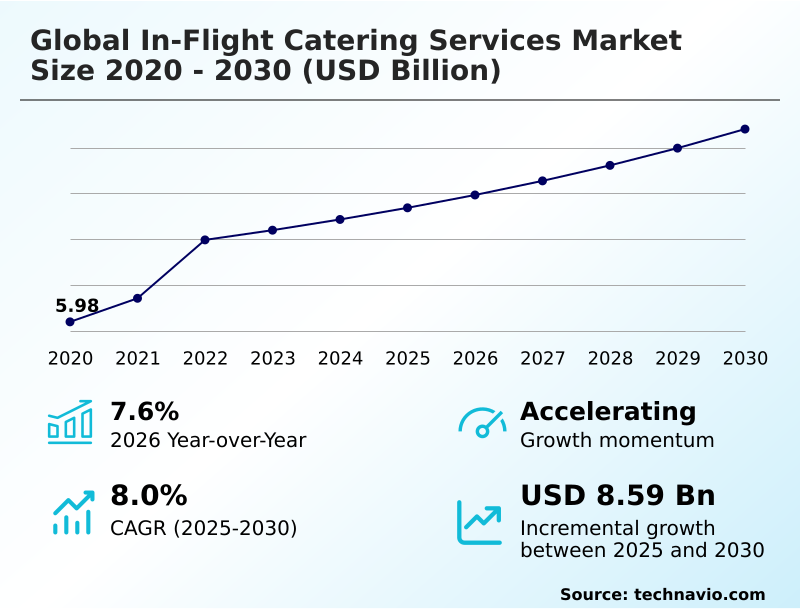
The in-flight catering services market size is valued to increase by USD 8.59 billion, at a CAGR of 8% from 2025 to 2030. Rising demand for premium dining and personalized culinary experiences will drive the in-flight catering services market.
Major Market Trends & Insights
- APAC dominated the market and accounted for a 38.6% growth during the forecast period.
- By Product - Food segment was valued at USD 12.11 billion in 2024
- By Type - Economy class segment accounted for the largest market revenue share in 2024
Market Size & Forecast
- Market Opportunities: USD 21.03 billion
- Market Future Opportunities: USD 8.59 billion
- CAGR from 2025 to 2030 : 8%
Market Summary
- The in-flight catering services market is undergoing a significant transformation, driven by the dual imperatives of enhancing passenger experience and optimizing operational efficiency. Airlines are increasingly leveraging catering as a key differentiator, moving beyond standardized trays to offer gourmet meals, regional specialties, and menus catering to diverse dietary needs.
- This shift necessitates advanced supply chain optimization to manage fresh ingredients globally and ensure compliance with stringent food safety standards. A key trend is the integration of digital platforms that allow for pre-flight meal selection, a strategy that not only improves customer satisfaction but also provides valuable data for demand forecasting, significantly reducing food waste.
- In one business scenario, an airline could use passenger data to tailor menus for specific routes, leading to higher uptake of buy-on-board items and improved inventory management. Simultaneously, the industry faces challenges from volatile ingredient costs and complex logistics.
- Sustainability has also become a central pillar, with a focus on reducing single-use plastics and sourcing ingredients locally to minimize environmental impact. The evolution toward more personalized, sustainable, and technologically integrated catering models defines the current competitive landscape, compelling providers to innovate continuously to meet both airline and passenger expectations for culinary excellence.
What will be the Size of the In-flight Catering Services Market during the forecast period?
Get Key Insights on Market Forecast (PDF) Get Free Sample
How is the In-flight Catering Services Market Segmented?
The in-flight catering services industry research report provides comprehensive data (region-wise segment analysis), with forecasts and estimates in "USD million" for the period 2026-2030, as well as historical data from 2020-2024 for the following segments.
- Product
- Food
- Beverages
- Type
- Economy class
- Business class
- First class
- Source
- Outsourced
- In-house
- Geography
- APAC
- China
- India
- Japan
- Europe
- Germany
- UK
- France
- North America
- US
- Canada
- Mexico
- Middle East and Africa
- UAE
- Saudi Arabia
- South Africa
- South America
- Brazil
- Argentina
- Colombia
- Rest of World (ROW)
- APAC
By Product Insights
The food segment is estimated to witness significant growth during the forecast period.
The food segment is a cornerstone of the in-flight catering services market, evolving beyond basic provisioning to become a key differentiator in airline service.
This segment now emphasizes a premium cabin dining experience, driven by data-driven service personalization through digital pre-ordering systems. Providers are investing in advanced culinary techniques like sous vide cooking and expanding capabilities to include complex requirements such as halal certification.
Operational excellence is maintained through rigorous cold chain logistics and the adoption of automated tray assembly to handle high volumes.
Moreover, there is a strong shift toward sustainability, with the implementation of circular economy principles, sustainable sourcing practices, and the use of biodegradable packaging.
These advancements have allowed some operators to report a 15% year-over-year growth in regional operations by meeting these sophisticated demands.
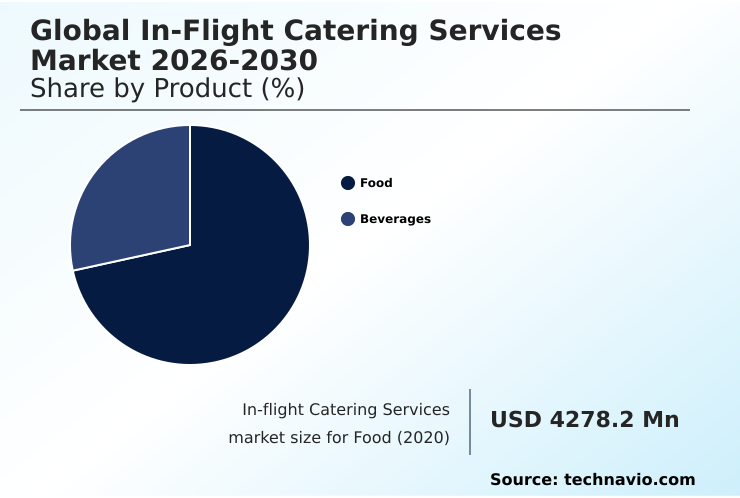
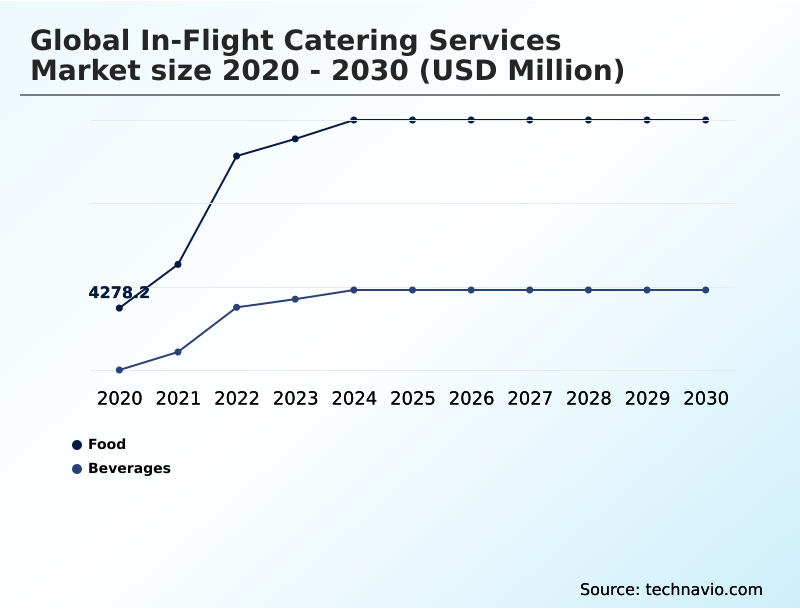
The Food segment was valued at USD 12.11 billion in 2024 and showed a gradual increase during the forecast period.
Regional Analysis
APAC is estimated to contribute 38.6% to the growth of the global market during the forecast period.Technavio’s analysts have elaborately explained the regional trends and drivers that shape the market during the forecast period.
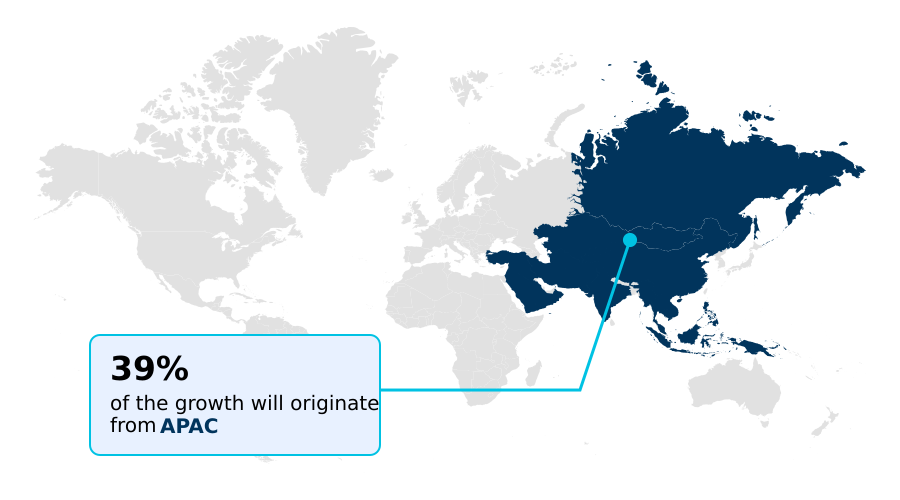
See How In-flight Catering Services Market Demand is Rising in APAC Get Free Sample
The geographic landscape of the in-flight catering services market is characterized by significant regional growth, with APAC leading and contributing 38.6% of the market's incremental growth.
This expansion is supported by investments in high-capacity airport kitchen facilities that leverage technology to manage high-volume in-flight meal delivery logistics.
For instance, new automated units in Europe are enhancing airline service quality by improving the speed and precision of meal assembly.
Key providers are focusing on expanding their airline catering contracts globally, tailoring regional cuisine offerings to meet diverse passenger preferences.
As part of this global strategy, onboard passenger amenities are being upgraded, and food and beverage supply chain networks are being fortified to ensure reliability.
Operational modernization is critical, with some new facilities capable of producing over 50 million meals annually, demonstrating the scale required to serve expanding international and domestic routes.
This regional focus ensures that both full-service and low-cost carrier catering models are supported with efficient and high-quality solutions.
Market Dynamics
Our researchers analyzed the data with 2025 as the base year, along with the key drivers, trends, and challenges. A holistic analysis of drivers will help companies refine their marketing strategies to gain a competitive advantage.
- Navigating the modern aviation landscape requires a deep understanding of the logistics of global in-flight catering and the impact of food waste on airline profits. The future of in-flight catering technology is centered on addressing these issues through data-driven solutions.
- For instance, the role of AI in in-flight catering is becoming pivotal, enabling the technology for personalizing in-flight meals based on passenger history and preferences, which directly addresses challenges in economy class catering by optimizing offerings. In parallel, premium dining trends in business class continue to evolve, with a greater emphasis on gourmet, restaurant-quality experiences.
- A critical aspect is managing dietary restrictions on flights, which demands sophisticated tracking and preparation protocols. The market is also defined by the strategic decision between outsourced vs in-house airline catering, with each model presenting different implications for cost control and quality. Furthermore, the in-flight catering for low-cost carriers segment is innovating with compelling buy-on-board programs.
- Ultimately, improving passenger experience with food is a universal goal, balanced by strict food safety regulations for airlines and the need for cost reduction in airline food services. Optimizing in-flight beverage service optimization also contributes to ancillary revenue.
- Adopting predictive analytics for meal planning has shown to reduce spoilage by more than 15% compared to static loading models, demonstrating a clear path toward profitability and sustainability. The use of sustainable packaging in airline catering is no longer a niche concern but a core operational requirement.
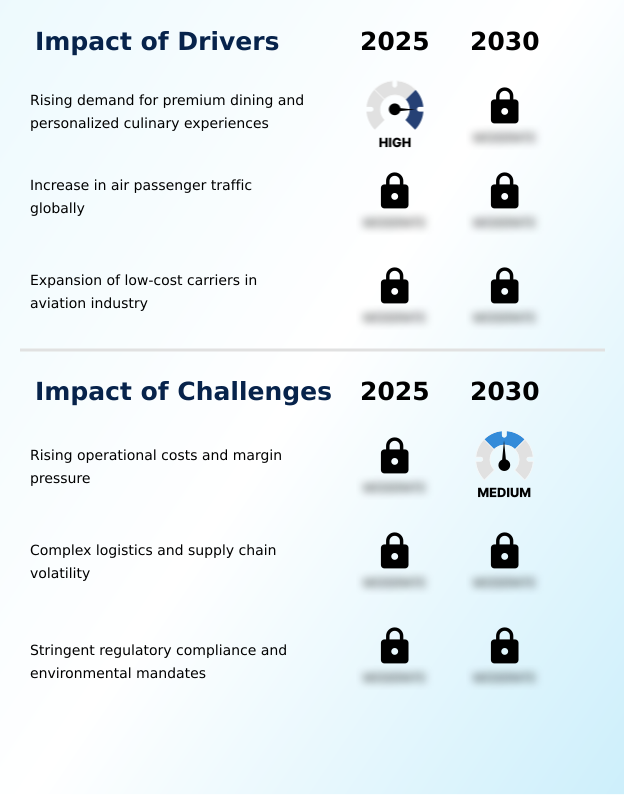
What are the key market drivers leading to the rise in the adoption of In-flight Catering Services Industry?
- The market is primarily driven by the rising demand for premium dining options and highly personalized culinary experiences aboard flights.
- The primary driver for the in-flight catering services market is the rising global passenger volume, which directly fuels demand for both complimentary and buy-on-board offerings.
- Airlines are increasingly using culinary excellence as a competitive differentiator, especially in premium cabins, where gourmet meal preparation contributes significantly to the passenger dining experience. This has led to innovative culinary partnership strategies and a focus on customized meal options.
- Onboard spending is a critical metric, with premium cabin passengers spending up to 30% more on ancillary services, including upgraded food and beverages.
- The expansion of low-cost carriers is also a significant catalyst, creating demand for cost-effective meal solutions that drive ancillary revenue generation.
- These trends are compelling providers to enhance their airline service quality and develop flexible onboard beverage service programs to meet diverse passenger expectations and improve profitability.
What are the market trends shaping the In-flight Catering Services Industry?
- A significant market trend is the shift toward health-conscious menus and the complex integration of specialized dietary options to meet evolving passenger wellness expectations.
- Key trends transforming the in-flight catering services market are centered on digitalization and sustainability. The adoption of real-time inventory management systems, driven by passenger preference analytics, allows for a 15% reduction in food waste by optimizing meal loading. In-flight culinary innovation is also a major focus, with an emphasis on special dietary meals, wellness-focused menus, and greater nutritional transparency.
- This is supported by data-driven service personalization, which enhances the passenger experience. Environmentally, the industry is embracing circular economy principles, leading to a significant shift toward eco-friendly packaging solutions and away from single-use plastics.
- This commitment to sustainable sourcing practices enhances brand reputation and aligns with corporate responsibility goals, with some operators reporting a 10% improvement in supply chain efficiency through localized procurement. These trends collectively reshape menu design and planning and operational strategies.
What challenges does the In-flight Catering Services Industry face during its growth?
- A key market challenge is the pressure of rising operational costs, which continually squeezes profit margins across the industry.
- The in-flight catering services market faces significant challenges from operational complexities and cost pressures. Volatility in the food and beverage supply chain can increase raw material costs by over 15% in a single quarter, directly impacting margins. The logistics of in-flight meal production are inherently complex, requiring flawless in-flight meal delivery logistics to avoid costly spoilage and flight delays.
- Providers must adhere to stringent food safety standards and allergen labeling requirements, with non-compliance posing severe financial and reputational risks. Furthermore, managing large-scale airport kitchen facilities and navigating congested airport environments add to the operational burden.
- The industry also grapples with high labor costs and the need for continuous investment in hygiene monitoring systems and other technologies, making it difficult to maintain profitability, particularly within the price-sensitive economy class segment where margins are already slim.
Exclusive Technavio Analysis on Customer Landscape
The in-flight catering services market forecasting report includes the adoption lifecycle of the market, covering from the innovator’s stage to the laggard’s stage. It focuses on adoption rates in different regions based on penetration. Furthermore, the in-flight catering services market report also includes key purchase criteria and drivers of price sensitivity to help companies evaluate and develop their market growth analysis strategies.
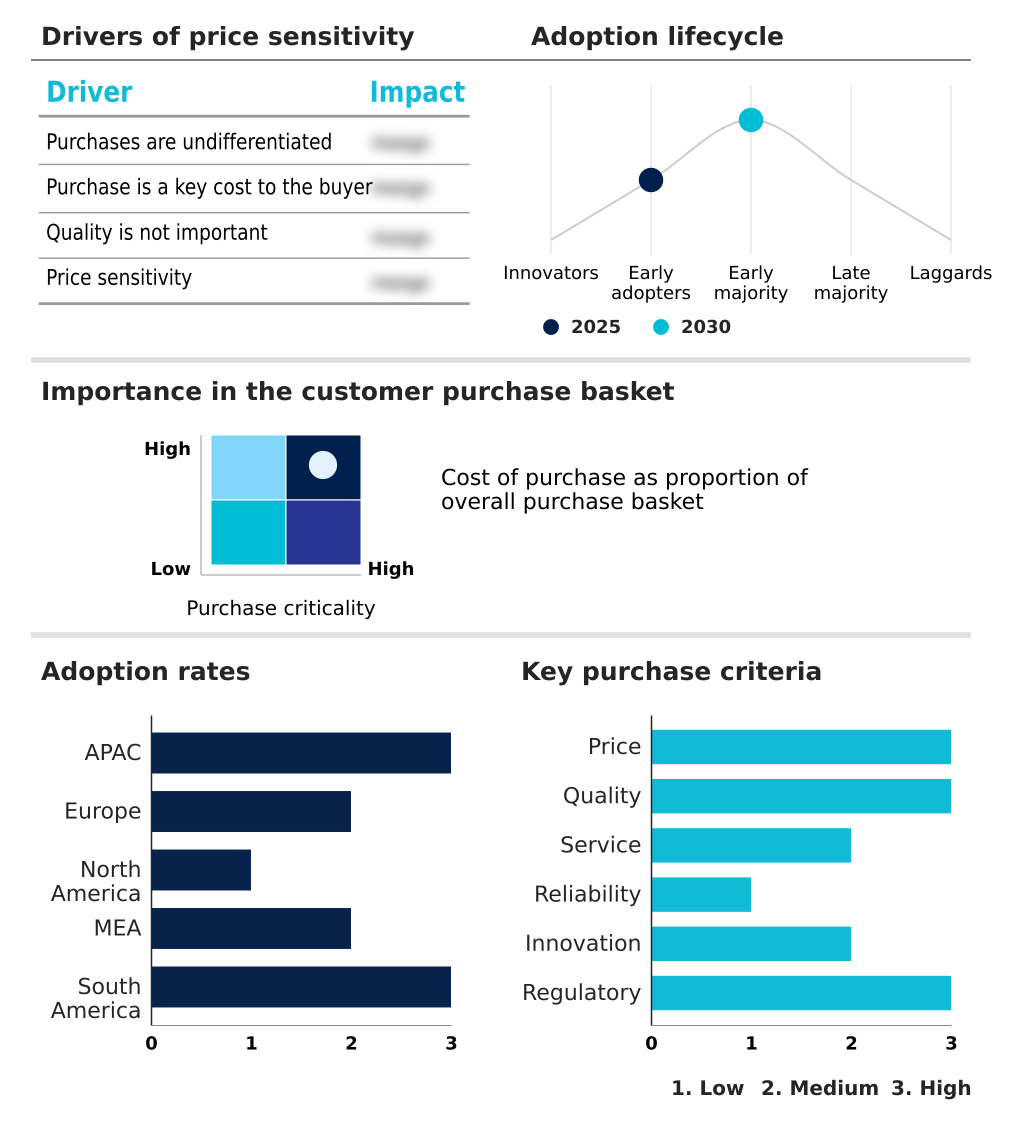
Customer Landscape of In-flight Catering Services Industry
Competitive Landscape
Companies are implementing various strategies, such as strategic alliances, in-flight catering services market forecast, partnerships, mergers and acquisitions, geographical expansion, and product/service launches, to enhance their presence in the industry.
AAS Catering Co. Ltd. - Provides end-to-end airline catering, hospitality, and logistics solutions, driving operational excellence and enhancing the passenger journey through integrated service delivery.
The industry research and growth report includes detailed analyses of the competitive landscape of the market and information about key companies, including:
- AAS Catering Co. Ltd.
- Air Arabia PJSC
- AIR FRANCE
- Ambassador Sky Chef
- Amber Green Corp.
- BizAv International
- CATRION
- DO and CO Aktiengesellschaft
- Flying Food Group LLC
- Frankenberg GmbH
- gategroup
- LSG Group
- Lulu Flight Kitchen Pvt Ltd
- Newrest Group International SAS
- Qatar Airways Group Q.C.S.C.
- Singapore Airlines Ltd.
- TajSATS Air Catering Ltd
- The Emirates Group
- Uday Sky Kitchen
- Universal Weather and Aviation
Qualitative and quantitative analysis of companies has been conducted to help clients understand the wider business environment as well as the strengths and weaknesses of key industry players. Data is qualitatively analyzed to categorize companies as pure play, category-focused, industry-focused, and diversified; it is quantitatively analyzed to categorize companies as dominant, leading, strong, tentative, and weak.
Recent Development and News in In-flight catering services market
- In August 2024, Emirates introduced an expanded pre-flight meal selection service, allowing passengers on 100 main routes to choose their hot main course between 14 days and 24 hours before departure to enhance personalization and reduce food waste.
- In November 2024, LSG Sky Chefs announced a USD 60 million investment in a new fleet of service vehicles, a strategic move to modernize its catering delivery operations and improve service efficiency across its global network.
- In March 2025, dnata was awarded multi-year contracts by Hainan Airlines, Tianjin Air, and Beijing Capital Airlines, requiring the production and delivery of approximately 380,000 meals annually at Melbourne and Sydney airports.
- In May 2025, Newrest inaugurated a 14,000-square-meter in-flight catering unit in Madrid, featuring automated robotic tray assembly lines to improve productivity and streamline meal preparation for multiple airline clients.
Dive into Technavio’s robust research methodology, blending expert interviews, extensive data synthesis, and validated models for unparalleled In-flight Catering Services Market insights. See full methodology.
| Market Scope | |
|---|---|
| Page number | 288 |
| Base year | 2025 |
| Historic period | 2020-2024 |
| Forecast period | 2026-2030 |
| Growth momentum & CAGR | Accelerate at a CAGR of 8% |
| Market growth 2026-2030 | USD 8588.4 million |
| Market structure | Fragmented |
| YoY growth 2025-2026(%) | 7.6% |
| Key countries | China, India, Japan, South Korea, Australia, Thailand, Germany, UK, France, Spain, Italy, The Netherlands, US, Canada, Mexico, UAE, Saudi Arabia, Qatar, South Africa, Egypt, Brazil, Argentina and Colombia |
| Competitive landscape | Leading Companies, Market Positioning of Companies, Competitive Strategies, and Industry Risks |
Research Analyst Overview
- The in-flight catering services market is defined by a strategic push toward operational excellence and enhanced passenger dining experience. Key industry participants are differentiating through superior culinary excellence and sophisticated menu design and planning, which includes offerings for special dietary meals and options that require halal certification.
- The backbone of this industry remains its cold chain logistics and catering logistics support, which are critical for maintaining strict food safety standards. In a significant move towards modernization, companies are implementing automated tray assembly and advanced galley management systems in their in-flight meal production facilities.
- For instance, the deployment of robotics in new kitchens has been shown to increase tray assembly speed by over 20%. Boardroom decisions are increasingly influenced by sustainability mandates, driving the adoption of biodegradable packaging and comprehensive food waste tracking systems. This focus on aviation hospitality extends to onboard retail solutions and buy-on-board services, which are becoming crucial revenue streams.
- Effective supply chain optimization, from gourmet meal preparation to final onboard food provisioning and management of in-flight service equipment, is essential for profitability, particularly with complex allergen labeling requirements and the overall goal of perfecting airline meal preparation.
What are the Key Data Covered in this In-flight Catering Services Market Research and Growth Report?
-
What is the expected growth of the In-flight Catering Services Market between 2026 and 2030?
-
USD 8.59 billion, at a CAGR of 8%
-
-
What segmentation does the market report cover?
-
The report is segmented by Product (Food, and Beverages), Type (Economy class, Business class, and First class), Source (Outsourced, and In-house) and Geography (APAC, Europe, North America, Middle East and Africa, South America)
-
-
Which regions are analyzed in the report?
-
APAC, Europe, North America, Middle East and Africa and South America
-
-
What are the key growth drivers and market challenges?
-
Rising demand for premium dining and personalized culinary experiences, Rising operational costs and margin pressure
-
-
Who are the major players in the In-flight Catering Services Market?
-
AAS Catering Co. Ltd., Air Arabia PJSC, AIR FRANCE, Ambassador Sky Chef, Amber Green Corp., BizAv International, CATRION, DO and CO Aktiengesellschaft, Flying Food Group LLC, Frankenberg GmbH, gategroup, LSG Group, Lulu Flight Kitchen Pvt Ltd, Newrest Group International SAS, Qatar Airways Group Q.C.S.C., Singapore Airlines Ltd., TajSATS Air Catering Ltd, The Emirates Group, Uday Sky Kitchen and Universal Weather and Aviation
-
Market Research Insights
- The market's dynamism is fueled by the strategic use of data-driven service personalization to enhance airline service quality. Providers are leveraging passenger preference analytics and digital pre-ordering systems to offer customized meal options, which has been shown to improve customer satisfaction scores by up to 20%.
- This focus on a premium cabin dining experience and in-flight culinary innovation is creating new opportunities for ancillary revenue generation. The expansion of low-cost carriers is also driving demand for efficient low-cost carrier catering models.
- Regionally, operators are achieving significant growth, with some reporting a 19.8% expansion in key emerging markets by tailoring regional cuisine offerings and optimizing in-flight hospitality services. These strategies underscore a market-wide shift toward technology-enabled, passenger-centric service delivery.
We can help! Our analysts can customize this in-flight catering services market research report to meet your requirements.
 RIA -
RIA - 
