
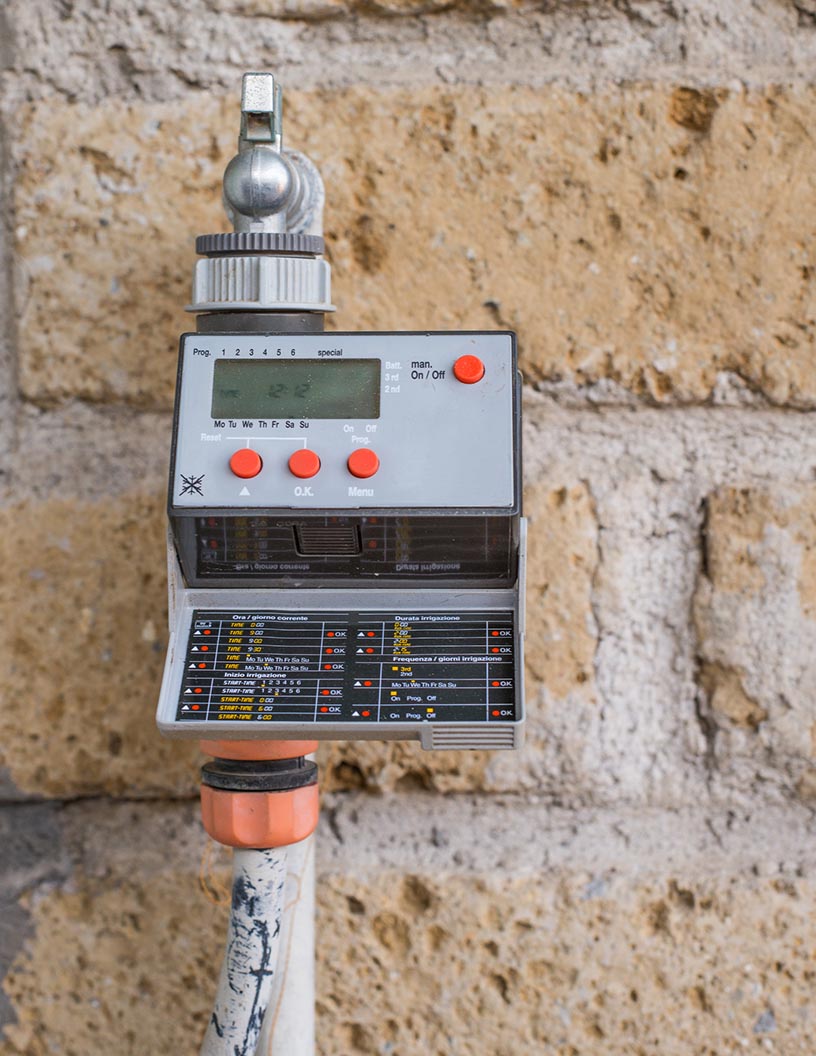


Irrigation Timers And Controllers Market Size 2024-2028
The irrigation timers and controllers market size is forecast to increase by USD 975.8 billion at a CAGR of 13.64% between 2023 and 2028.
- The market is witnessing significant growth due to innovation in product functionality and features. The advent of smart timers and controllers, which enable remote monitoring and automated irrigation systems, is a major trend driving market growth. However, high product and installation costs remain a challenge for market expansion. Additionally, the integration of IoT technology in irrigation systems is a trend that is expected to revolutionize the industry, offering real-time monitoring and automated responses to environmental conditions. Farmers and agricultural organizations In the US are increasingly adopting advanced irrigation technologies to optimize water usage and improve crop yields. The market is expected to continue its growth trajectory, offering opportunities for manufacturers and suppliers.
What will be the Size of the Irrigation Timers And Controllers Market During the Forecast Period?
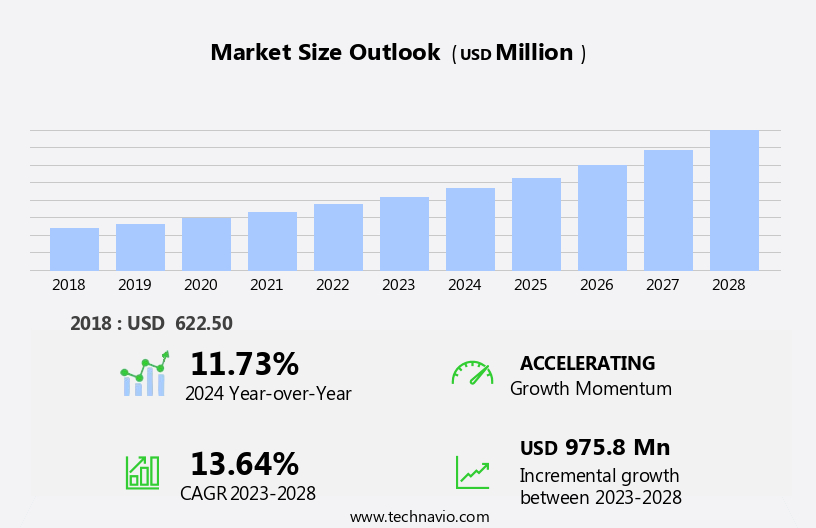
- The market in the United States is experiencing significant growth due to the increasing adoption of advanced irrigation technologies. Smart controllers, including weather-based and sensor-based systems, are gaining popularity for their ability to optimize water usage and improve efficiency. Traditional tap timers continue to be used on agricultural and non-agricultural lands, such as sports grounds, golf courses, residential properties, pastures, parks, industrial commercial buildings, cemeteries, and more. Drought conditions and water conservation concerns are driving the demand for intelligent irrigation controllers, which utilize computer-based systems and modern farming techniques. Mechanical and electromechanical irrigation timers remain common in certain applications, but the shift toward smart irrigation equipment and systems is expected to continue.
- International organizations are promoting the implementation of efficient irrigation control systems to mitigate water scarcity issues and reduce overall water consumption.
How is this Irrigation Timers And Controllers Industry segmented and which is the largest segment?
The irrigation timers and controllers industry research report provides comprehensive data (region-wise segment analysis), with forecasts and estimates in "USD million" for the period 2024-2028, as well as historical data from 2018-2022 for the following segments.
- Application
- Agriculture
- Non-agriculture
- Product
- Smart controllers
- Basic controllers
- Geography
- North America
- US
- Europe
- Germany
- UK
- APAC
- China
- Japan
- South America
- Middle East and Africa
- North America
By Application Insights
- The agriculture segment is estimated to witness significant growth during the forecast period.
The market is experiencing significant growth due to the increasing demand for agricultural automation and climate-smart agriculture. With extreme weather conditions and the depletion of freshwater and groundwater resources, the need for efficient irrigation systems is becoming increasingly important, particularly In the agriculture sector. Irrigation timers and controllers help optimize water usage by automatically adjusting irrigation based on soil moisture levels and weather parameters. These technologies are also gaining popularity In the non-agriculture sector, including residential constructions and DIY home lawns. Major companies offering irrigation solutions for agriculture applications include Rain Bird, among others. The OECD reports that irrigation can increase agricultural productivity by up to 50%, making irrigation timers and controllers essential tools for farmers seeking to maximize yields and profits amidst rising costs and water scarcity.
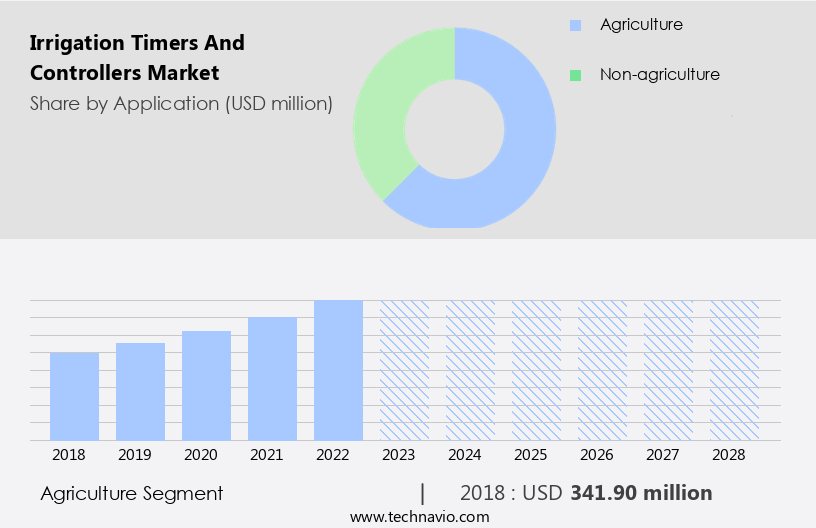
Get a glance at the Irrigation Timers And Controllers Industry report of share of various segments Request Free Sample
The Agriculture segment was valued at USD 341.90 billion in 2018 and showed a gradual increase during the forecast period.
Regional Analysis
- APAC is estimated to contribute 31% to the growth of the global market during the forecast period.
Technavio's analysts have elaborately explained the regional trends and drivers that shape the market during the forecast period.
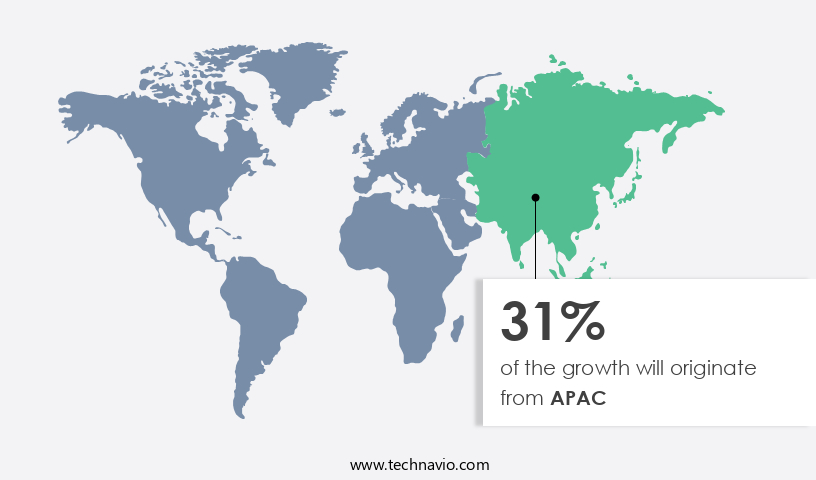
For more insights on the market share of various regions, Request Free Sample
The market in North America, including the US and Canada, is experiencing significant growth due to increasing government initiatives and consumer awareness. Major companies in this market include Hunter Industries, Lindsay Corp. (Lindsay), Nelson Irrigation Corp. (Nelson Irrigation), Orbia Advance, Rain Bird, and The Toro Co. These companies provide various types of irrigation controllers, such as weather-based, sensor-based, smart, and basic timers. The market is driven by factors like government support for sustainable agriculture practices and consumer preference for water-efficient lawn maintenance systems. Smart irrigation equipment and systems, which utilize local weather data and watering schedules, are becoming increasingly popular to minimize water wastage and optimize crop growth.
Drought conditions and evaporation also necessitate the use of advanced irrigation technologies to ensure efficient water usage.
Market Dynamics
Our irrigation timers and controllers market researchers analyzed the data with 2023 as the base year, along with the key drivers, trends, and challenges. A holistic analysis of drivers will help companies refine their marketing strategies to gain a competitive advantage.
What are the key market drivers leading to the rise in adoption of Irrigation Timers And Controllers Industry?
Innovation in product functionality and features is the key driver of the market.
- The market is witnessing significant innovation, with companies introducing smart and automated solutions for efficient water management. Weather-based and Sensor-based controllers are gaining popularity due to their ability to adjust watering schedules based on local weather data and soil moisture levels. For instance, smart controllers can detect evapotranspiration rates, adjusting irrigation accordingly to prevent water wastage. Traditional irrigation types, such as Tap Timers and Basic controllers, are being replaced with modern farming techniques like mechanized irrigation and smart irrigation systems. Governmental policies promoting sustainability and environmental protection are driving the adoption of smart irrigation equipment. Drought conditions and depleting groundwater resources have increased the importance of water conservation.
- Smart irrigation methods, such as micro-irrigation activities, are being adopted for agricultural production on both agricultural and non-agricultural lands. Certified products, such as those from the Irrigation Association, ensure compliance with sustainability standards and food security. Smartphone control systems and battery-operated controlling systems are becoming increasingly popular for landscape irrigation, including Lawns, Gardens, parks, golf courses, and sports grounds. Extreme water temperatures and changing lifestyle trends have led to increased outdoor water usage, making intelligent irrigation controllers essential for efficient water management. Climate-smart agriculture and agri-infrastructure are also driving the demand for advanced irrigation control systems. International organizations, such as the OECD, are promoting the use of soil-moisture based sensors to monitor soil moisture levels and optimize irrigation.
- Weather parameters, including rainfall, temperature, and humidity, are being monitored to optimize irrigation schedules. The agriculture sector, as well as the non-agriculture sector, including residential constructions, DIY home lawns, and industrial commercial buildings, are adopting smart irrigation methods to reduce water wastage and promote sustainable farming practices.
What are the market trends shaping the Irrigation Timers And Controllers Industry?
Advent of smart timers and controllers is the upcoming market trend.
- The market is witnessing significant growth due to the increasing adoption of advanced irrigation technologies. Smart irrigation equipment, such as weather-based and sensor-based controllers, is gaining popularity among farmers and non-agricultural users alike. These smart controllers allow for customized watering schedules based on local weather data, soil moisture levels, and plant requirements. Weather-based controllers adjust irrigation schedules based on current and forecasted weather conditions, while sensor-based controllers use data from soil moisture sensors to optimize water usage. Smart irrigation systems are essential for agricultural production, particularly during drought conditions, as they help conserve water and promote sustainability. Mechanized irrigation systems, including tap timers and basic controllers, are also being upgraded with intelligent technologies to improve efficiency and reduce environmental damage.
- Governmental policies and international organizations are promoting climate-smart agriculture and sustainable farming practices, further driving the demand for smart irrigation methods. Smartphone control systems and battery-operated controlling systems offer added convenience for residential and commercial users, including lawns, gardens, golf courses, and industrial commercial buildings. Micro-irrigation activities, such as drip or trickle irrigation, are also becoming more common as they minimize water wastage and promote sustainable farming. The market for irrigation timers and controllers is expected to continue growing as the demand for water conservation and efficient irrigation methods increases. Climatic conditions, such as extreme water temperatures and weather conditions, are also driving the need for advanced irrigation control systems.
- Modern farming techniques and agricultural automation are increasingly reliant on irrigation control systems to optimize water usage and improve crop yields. The agriculture sector, as well as the non-agriculture sector, including landscapes, sports grounds, and cemeteries, are expected to continue driving the demand for irrigation timers and controllers. The market for irrigation timers and controllers is expected to grow significantly due to the increasing awareness of water conservation and the need to optimize water usage. The market is also being driven by the availability of certified products, changing lifestyle trends, and the growing demand for freshwater and groundwater resources.
- The market is expected to continue growing as more farmers and non-agricultural users adopt smart irrigation methods to improve efficiency and reduce water wastage.
What challenges does Irrigation Timers And Controllers Industry face during the growth?
High product and installation costs is a key challenge affecting the industry growth.
- Irrigation timers and controllers have gained significant traction in both agricultural and non-agricultural sectors due to the adoption of smart irrigation methods. These advanced systems enable efficient water usage by automating watering schedules based on local weather data, soil moisture levels, and plant requirements. Weather-based controllers and sensor-based controllers are popular choices, with the former adjusting irrigation based on weather parameters and the latter using soil-moisture sensors to determine watering needs. Smart irrigation equipment, including these controllers, is crucial for mitigating water wastage during drought conditions and ensuring food security. Traditional irrigation types, such as tap timers and basic controllers, are being replaced by these modern farming techniques.
- Mechanized irrigation systems, including mechanized irrigation timers and electromechanical irrigation timers, are increasingly being adopted for large-scale agricultural production. Governmental policies promoting sustainability and environmental damage prevention are driving the market for irrigation control systems. However, the high product and installation costs remain a barrier to entry for many end-users, particularly farmers with low income. Replacement costs also add to the overall expense. For instance, a Rain Bird ST8O-WIFI Smart Irrigation Indoor/Outdoor WiFi Timer/Controller and 8-Zone controller cost approximately USD 200. The irrigation market caters to various sectors, including agriculture, non-agriculture, residential constructions, and industrial commercial buildings. Applications range from open fields and controlled environment agriculture to lawns, gardens, golf courses, pastures, parks, and cemeteries.
- Micro-irrigation activities, such as drip or trickle irrigation, are increasingly popular for water conservation and sustainability. International organizations, such as the Irrigation Association, are promoting climate-smart agriculture and agri-infrastructure development to address extreme weather conditions and depleting freshwater and groundwater resources. The changing lifestyle and outdoor water usage trends are also driving the demand for irrigation systems. Battery-operated controlling systems and smartphone control systems offer cost-effective alternatives for small-scale irrigation needs. However, extreme water temperatures and mechanical failures can impact system performance. Agricultural automation and computer-based systems are being integrated to optimize irrigation efficiency and reduce water usage.
- Hence, the market is expected to grow despite the high initial investment. The benefits of water conservation, improved crop yields, and reduced environmental impact justify the costs. Continuous advancements in technology and governmental initiatives are expected to drive market growth during the forecast period.
Exclusive Customer Landscape
The irrigation timers and controllers market forecasting report includes the adoption lifecycle of the market, market growth and forecasting, covering from the innovator's stage to the laggard's stage. It focuses on adoption rates in different regions based on penetration. Furthermore, the irrigation timers and controllers market report also includes key purchase criteria and drivers of price sensitivity to help companies evaluate and develop their market growth analysis strategies.
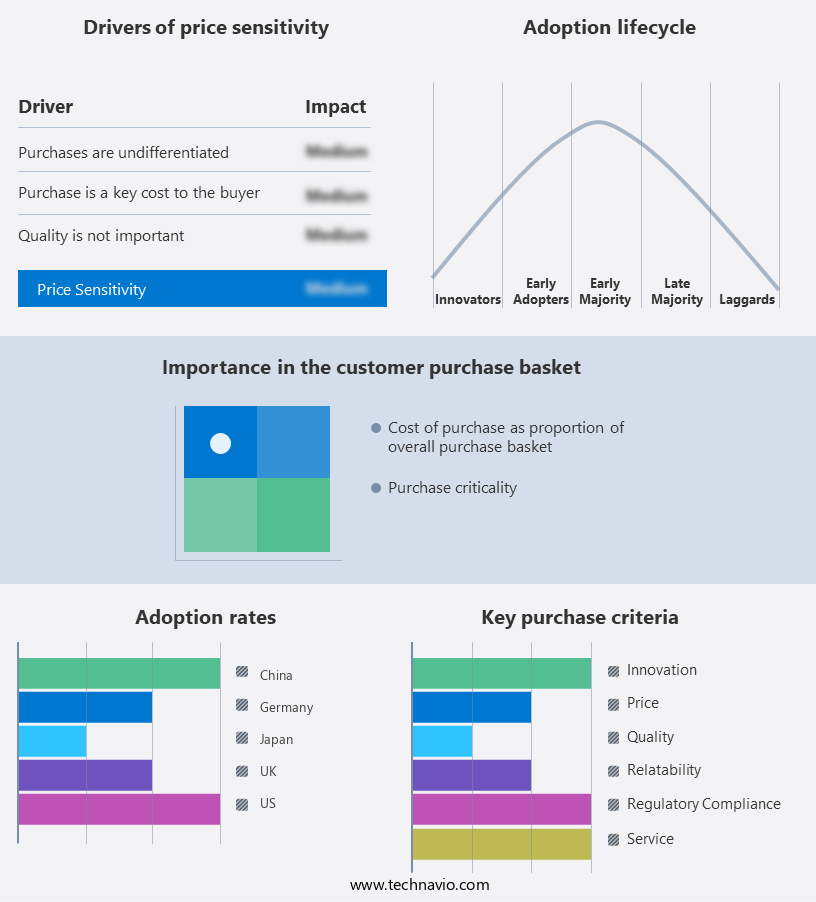
Customer Landscape
Key Companies & Market Insights
Companies are implementing various strategies, such as strategic alliances, irrigation timers and controllers market forecast, partnerships, mergers and acquisitions, geographical expansion, and product/service launches, to enhance their presence In the industry.
The industry research and growth report includes detailed analyses of the competitive landscape of the market and information about key companies, including:
- Bermad CS Ltd.
- California Sensor Corp. dba Calsense
- DIG Corp.
- Fiskars Corp.
- Galcon Bakarim Agricultural Cooperative Society Ltd.
- Holman Industries
- Hunter Industries Inc.
- Husqvarna AB
- HydroPoint Data Systems Inc.
- K-Rain Manufacturing
- Lindsay Corp.
- Nelson Irrigation Corp.
- Orbia Advance Corp. S.A.B. de C.V.
- Rachio Inc.
- Rain Bird Corp.
- Skydrop LLC
- TALGIL Computing & Control LTD
- The Toro Co.
- Valmont Industries Inc.
- Weathermatic
Qualitative and quantitative analysis of companies has been conducted to help clients understand the wider business environment as well as the strengths and weaknesses of key industry players. Data is qualitatively analyzed to categorize companies as pure play, category-focused, industry-focused, and diversified; it is quantitatively analyzed to categorize companies as dominant, leading, strong, tentative, and weak.
Research Analyst Overview
Irrigation timers and controllers have become essential components in modern irrigation systems, facilitating efficient water management and optimizing agricultural production. These devices enable farmers and landscapers to automate watering schedules based on various factors, ensuring optimal moisture levels for different types of crops and vegetation. Two primary categories of irrigation controllers exist: weather-based and sensor-based. Weather-based controllers utilize local weather data to adjust watering schedules, taking into account evapotranspiration rates and precipitation levels. Sensor-based controllers, on the other hand, rely on soil moisture sensors to determine when to water, ensuring that the root zone maintains the appropriate moisture content level. Smart controllers represent the latest advancements in irrigation technology, integrating both weather and sensor data to create customized watering schedules. These controllers can also be connected to smartphone applications, enabling remote control and monitoring capabilities. Irrigation systems are employed across various sectors, including agriculture, landscaping, and non-agricultural applications. In agriculture, irrigation plays a crucial role in ensuring food security, particularly in regions with unfavorable climatic conditions. Modern farming techniques have led to the adoption of smart irrigation methods, such as micro-irrigation activities, which minimize water wastage and promote sustainable farming practices. In the non-agricultural sector, irrigation systems are used for landscaping, maintaining parks and recreational areas, and watering sports grounds, golf courses, and cemeteries.
Residential constructions, including DIY home lawns, also rely on irrigation systems for maintaining outdoor spaces. Governmental policies and international organizations have focused on the importance of sustainable irrigation practices to mitigate environmental damage and conserve freshwater resources. Climate-smart agriculture and agri-infrastructure initiatives aim to promote water conservation and efficient irrigation methods, particularly in areas affected by drought conditions and depleting groundwater resources. Traditional irrigation types, such as tap timers and basic controllers, have been largely replaced by smart irrigation equipment and computer-based systems. Mechanized irrigation systems, including electromechanical and mechanical timers, continue to be used in large-scale agricultural operations, particularly for crops like cereals and grains, oilseeds and pulses, fruits and vegetables, sugarcane, tea, coffee, turf, forage, ornamental crops, and controlled environment agriculture. Hence, irrigation timers and controllers play a vital role in optimizing water usage and promoting sustainable irrigation practices across various sectors. The adoption of smart irrigation methods and technologies, such as weather-based and sensor-based controllers, has led to significant improvements in water conservation and efficient agricultural production. As the demand for water resources continues to grow, the importance of irrigation systems in ensuring food security, maintaining landscapes, and promoting sustainable farming practices will only increase.
|
Irrigation Timers And Controllers Market Scope |
|
|
Report Coverage |
Details |
|
Page number |
162 |
|
Base year |
2023 |
|
Historic period |
2018-2022 |
|
Forecast period |
2024-2028 |
|
Growth momentum & CAGR |
Accelerate at a CAGR of 13.64% |
|
Market growth 2024-2028 |
USD 975.8 million |
|
Market structure |
Fragmented |
|
YoY growth 2023-2024(%) |
11.73 |
|
Key countries |
US, Germany, China, UK, and Japan |
|
Competitive landscape |
Leading Companies, Market Positioning of Companies, Competitive Strategies, and Industry Risks |
What are the Key Data Covered in this Irrigation Timers And Controllers Market Research and Growth Report?
- CAGR of the Irrigation Timers And Controllers industry during the forecast period
- Detailed information on factors that will drive the Irrigation Timers And Controllers growth and forecasting between 2024 and 2028
- Precise estimation of the size of the market and its contribution of the industry in focus to the parent market
- Accurate predictions about upcoming growth and trends and changes in consumer behaviour
- Growth of the market across North America, Europe, APAC, South America, and Middle East and Africa
- Thorough analysis of the market's competitive landscape and detailed information about companies
- Comprehensive analysis of factors that will challenge the irrigation timers and controllers market growth of industry companies
We can help! Our analysts can customize this irrigation timers and controllers market research report to meet your requirements.
 RIA -
RIA - 
