



Low Calorie Snacks Market Size 2024-2028
The low calorie snacks market size is forecast to increase by USD 3.5 billion at a CAGR of 4.5% between 2023 and 2028.
- The market is experiencing significant growth due to shifting consumer preferences towards healthier options. The trend towards healthy snacking is on the rise, with consumers increasingly opting for low calorie alternatives to traditional high-calorie snacks such as ice cream, cakes, pastries, and muffins. This shift is driven in part by concerns over obesity and other health issues. Additionally, the availability of alternative low calorie snack options, such as fruits and vegetables, is contributing to the market's growth. However, the use of artificial preservatives in many low calorie snacks may be a challenge for some consumers, who prefer natural and organic options. Regenerative agriculture, which focuses on sustainable farming practices, is gaining popularity and may provide opportunities for companies to differentiate themselves in the market. New Cultures, a leading provider of plant-based snacks, is one company that is capitalizing on this trend by offering a range of low calorie, natural, and organic snack options to consumers.
What will be the Size of the Market During the Forecast Period?
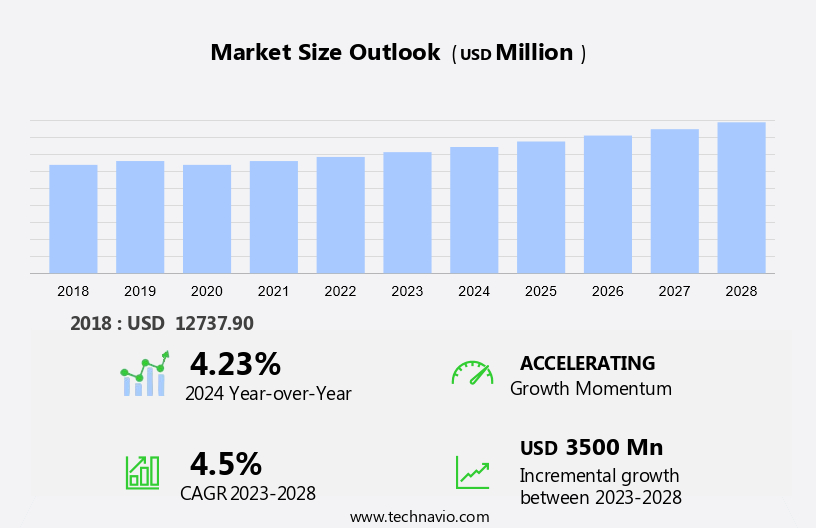
- The snack industry in the United States has witnessed a significant shift towards healthier options in response to the growing awareness of dietary needs and health concerns. The demand for low calorie snacks has risen, particularly among consumers following gluten-free, vegan, organic, and plant-based diets due to their association with various health benefits. Ancient grains, such as quinoa, amaranth, and teff, have gained popularity as innovative healthy snack options due to their high nutritional value and low calorie count. These grains are rich in fiber, protein, and essential minerals, making them an ideal choice for individuals with diabetes, heart disease, or hypertension.
- Superfoods, including chia seeds, goji berries, and nuts, have also emerged as popular low calorie snack options. These functional ingredients offer numerous health benefits, such as improved digestion, enhanced energy levels, and a boosted immune system. Probiotics, another functional ingredient, have gained traction as they support gut health and aid in digestion. The trend towards plant-based diets and veganism has further fueled the demand for low-calorie snacks. Nuts and seeds, which are naturally vegan and gluten-free, have become staple snack items. Grain-free alternatives, such as rice cakes and corn chips, have also gained popularity among consumers looking to reduce their calorie intake.
How is this market segmented and which is the largest segment?
The market research report provides comprehensive data (region-wise segment analysis), with forecasts and estimates in "USD million" for the period 2024-2028, as well as historical data from 2018-2022 for the following segments.
- Distribution Channel
- Offline distribution
- Online distribution
- Product
- Sweet snacks
- Savory snacks
- Geography
- North America
- US
- Europe
- Germany
- UK
- APAC
- China
- Japan
- South America
- Middle East and Africa
- North America
By Distribution Channel Insights
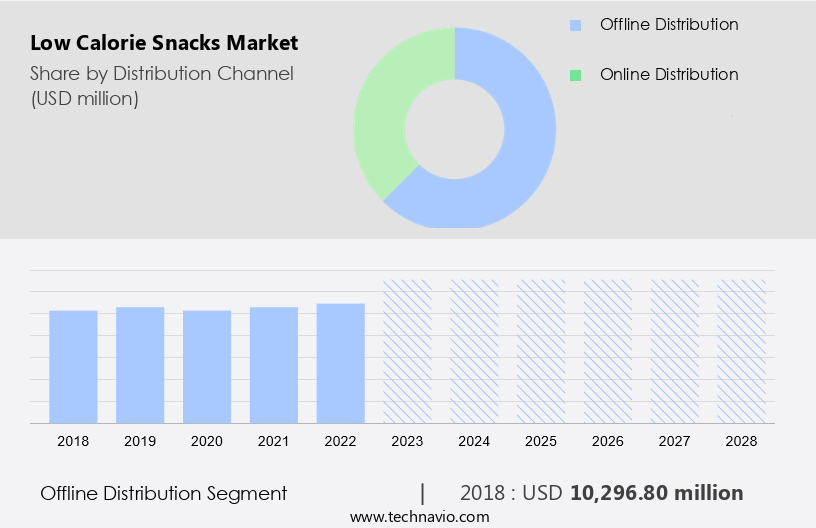
- The offline distribution segment is estimated to witness significant growth during the forecast period.
The market for innovative, low calorie snacks continues to gain traction as consumers seek healthier options. Ancient grains, superfoods, plant-based proteins, functional ingredients, probiotics, and adaptogens are popular trends in this sector. Supermarkets and hypermarkets serve as the primary distribution channels for these snacks in the offline segment. The expansion of the organized retail industry in the country has contributed significantly to the growth of low calorie snack sales. Supermarkets and hypermarkets offer ample shelf space and storage capacity, enabling a wide range of low calorie snack companies to showcase their products. Consumers appreciate the convenience of finding a diverse selection of products under one roof, making these large retail stores a preferred choice. Additionally, bulk purchases at these stores often result in discounts and free products, further encouraging sales.
Get a glance at the market report of share of various segments Request Free Sample
The offline distribution segment was valued at USD 10.29 billion in 2018 and showed a gradual increase during the forecast period.
Regional Analysis
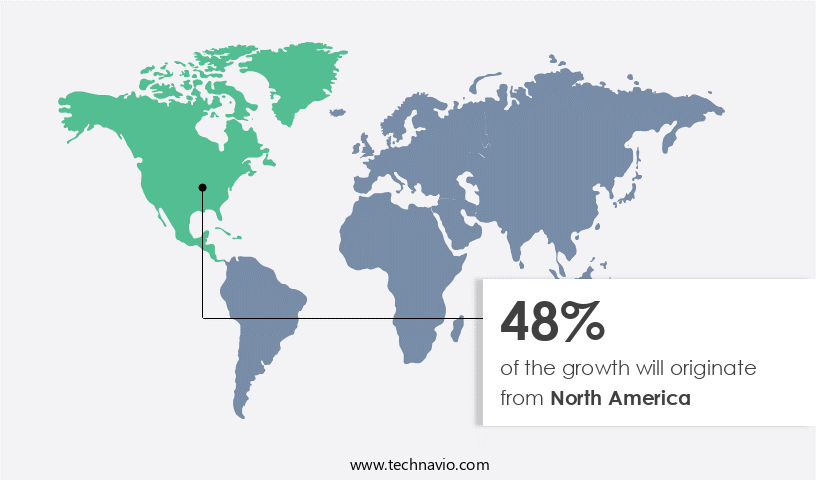
- North America is estimated to contribute 48% to the growth of the global market during the forecast period.
Technavio's analysts have elaborately explained the regional trends and drivers that shape the market during the forecast period.
For more insights on the market share of various regions Request Free Sample
The North American region dominates The market due to several factors, including an increasing number of dual-income households, rising disposable income, and the presence of numerous fast-food chains. The United States is the largest market in North America, with consumers frequently eating out and seeking convenient, on-the-go snack options. Additionally, Mexico exhibits significant growth potential due to its expanding millennial population, evolving consumer lifestyles, and increasing number of retail outlets. Protein intake is a crucial consideration for many consumers in the market. As a result, gluten-free and organic snacks, which often contain high protein content, are gaining popularity.
Furthermore, premium products, such as protein bars and chips, are increasingly being sought after in both conventional and hypermarket retailers. Moreover, there is a growing trend towards environmentally friendly food production and packaging, which is driving demand for sustainable snack options.
Market Dynamics
Our researchers analyzed the data with 2023 as the base year, along with the key drivers, trends, and challenges. A holistic analysis of drivers will help companies refine their marketing strategies to gain a competitive advantage.
What are the key market drivers leading to the rise in the adoption of Low Calorie Snacks Market?
Changing consumer tastes and preferences is the key driver of the market.
- The market is driven by consumer demand for flavorful and natural options. Innovation in the creation of savory snacks, such as corn puffs and pea pops, is essential for market players to retain existing customers and attract new ones. Consumers, particularly the younger demographic, are always seeking novelty and are increasingly interested in trying new low calorie snacks. To meet this demand, manufacturers expand their product lines, introduce new items, and launch new brands. The market's longevity hinges on continuous product development and innovation, and the global low calorie snacks industry is no exception. In the market, the supply chain for low calorie snacks involves various stages from sourcing raw materials to packaging and distribution.
- Packaging types for these snacks vary, with an increasing trend towards eco-friendly and reusable options. Business-to-consumer (B2C) sales, specialty stores, and online platforms are the primary channels for low calorie snack distribution. Malls and other retail establishments also offer a significant presence for these products. Monitor and analyze website performance using tools like Google Analytics to identify areas for improvement.
What are the market trends shaping the low-calorie snack market?
The rising trend of healthy snacking is the upcoming trend in the market.
- The disposable income of individuals has witnessed significant growth both in developed and developing economies. This trend is not exclusive to the US, as the Organization for Economic Co-operation and Development (OECD) states that household disposable income has risen in all member countries since 2021.
- Factors contributing to this growth include the rise in dual household income, per capita income, and a strong employment market. As disposable income increases, consumers' purchasing power expands, leading to potential growth in spending in various sectors, including the animal-free dairy snacks market.
What challenges does Low Calorie Snacks Market face during the growth?
Availability of other substitutes is a key challenge affecting the market growth.
- Consumers' preferences for snacks that offer more energy and nutrition have led to an increasing demand for high calorie options. However, for individuals with medical conditions or those struggling with malnutrition, high calorie snacks are a necessity. Even fitness enthusiasts, such as weightlifters, incorporate high calorie, nutrient-dense snacks into their diets to build muscle or enhance endurance. For those who find it challenging to consume enough calories without feeling overly full, snacking on calorie-rich options between meals is an effective solution.
- Daily caloric intake needs to exceed energy expenditure for weight gain. Low calorie snacks, such as ice cream, cakes, pastries, and muffins, while popular, may not provide the necessary nutrients and calories for optimal health. The shift towards healthier, more sustainable food production methods, like regenerative agriculture, may influence the snack market in the future.
Exclusive Customer Landscape
The market forecasting report includes the adoption lifecycle of the market, covering from the innovator's stage to the laggard's stage. It focuses on adoption rates in different regions based on penetration. Furthermore, the market report also includes key purchase criteria and drivers of price sensitivity to help companies evaluate and develop their market growth analysis strategies.
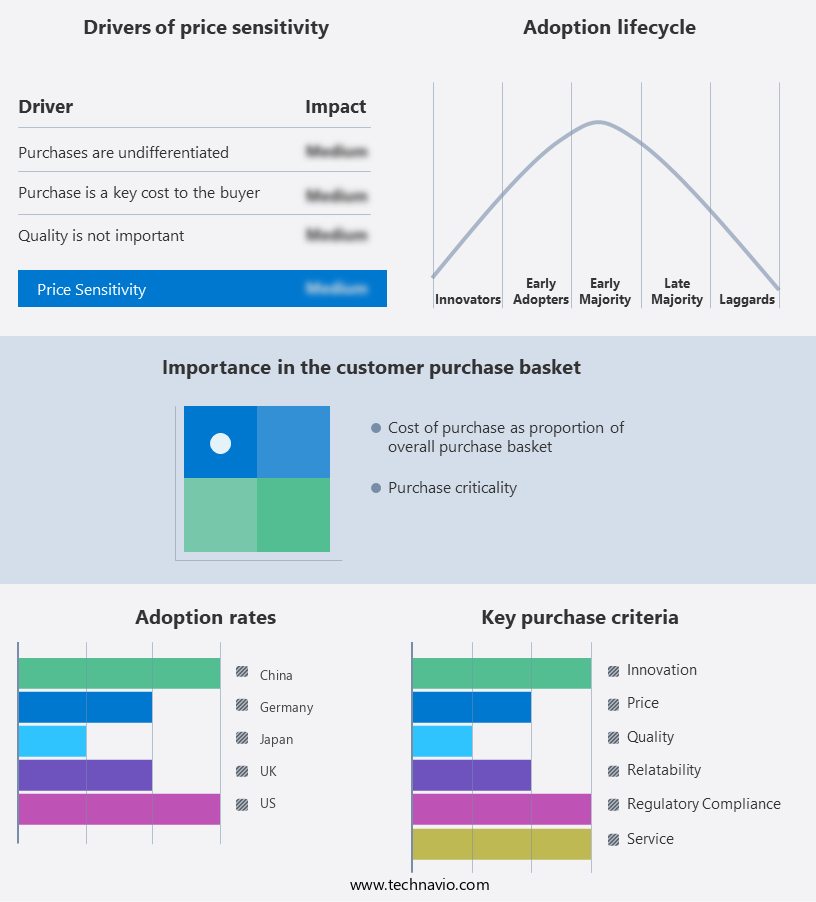
Customer Landscape
Key Companies & Market Insights
Companies are implementing various strategies, such as strategic alliances, market forecast , partnerships, mergers and acquisitions, geographical expansion, and product/service launches, to enhance their presence in the market.
The market research and growth report includes detailed analyses of the competitive landscape of the market and information about key companies, including:
- Ajinomoto Co. Inc.
- Archer Daniels Midland Co.
- Beneo GmbH
- Bernard Food Industries
- Calbee Inc.
- Cargill Inc.
- Conagra Brands Inc.
- Danone SA
- Dole plc
- General Mills Inc.
- Ingredion Inc.
- Mondelez International Inc.
- Nestle SA
- PepsiCo Inc.
- Roast Way Foods
- The Hain Celestial Group Inc.
- Tyson Foods Inc.
- Warrell Corp.
Qualitative and quantitative analysis of companies has been conducted to help clients understand the wider business environment as well as the strengths and weaknesses of key market players. Data is qualitatively analyzed to categorize companies as pure play, category-focused, industry-focused, and diversified; it is quantitatively analyzed to categorize companies as dominant, leading, strong, tentative, and weak.
Research Analyst Overview
The market is witnessing significant growth due to the increasing awareness and adoption of healthy eating habits. With a focus on diets such as gluten-free, vegan, organic, and plant-based, consumers are seeking innovative healthy snack options. Ancient grains, superfoods, and plant-based proteins are popular choices for those following these dietary trends. Functional ingredients like probiotics, adaptogens, and power ingredients are also gaining popularity for their health benefits. The pandemic has led to a shift in food habits, with an increase in home cooking and online sales. Food companies are responding by offering low calorie snacks in various packaged forms, including fruits, nuts, seeds, and baked goods.
Furthermore, these snacks are free from artificial additives, preservatives, and allergens, making them suitable for individuals with specific dietary requirements. The market is diverse, with offerings ranging from sweet snacks like ice cream, cakes, and pastries to savory options like muffins and grain-free alternatives. Premium products made from artisanal and specialty bakery items are also gaining traction. Consumers are increasingly conscious of the environmental impact of their food choices, leading to a preference for environment-friendly food and supply chain practices. The market for low calorie snacks is expected to continue growing as consumers prioritize their health and well-being.
|
Market Scope |
|
|
Report Coverage |
Details |
|
Page number |
158 |
|
Base year |
2023 |
|
Historic period |
2018-2022 |
|
Forecast period |
2024-2028 |
|
Growth momentum & CAGR |
Accelerate at a CAGR of 4.5% |
|
Market Growth 2024-2028 |
USD 3.50 billion |
|
Market structure |
Fragmented |
|
YoY growth 2023-2024(%) |
4.23 |
|
Key countries |
US, China, Germany, UK, and Japan |
|
Competitive landscape |
Leading Companies, Market Positioning of Companies, Competitive Strategies, and Industry Risks |
What are the Key Data Covered in this Market Research and Growth Report?
- CAGR of the market during the forecast period
- Detailed information on factors that will drive the market growth and forecasting between 2024 and 2028
- Precise estimation of the size of the market and its contribution of the market in focus to the parent market
- Accurate predictions about upcoming market growth and trends and changes in consumer behaviour
- Growth of the market across North America, Europe, APAC, South America, and Middle East and Africa
- Thorough analysis of the market's competitive landscape and detailed information about companies
- Comprehensive analysis of factors that will challenge the growth of market companies
We can help! Our analysts can customize this market research report to meet your requirements. Get in touch
 RIA -
RIA - 
