



Loyalty Management Market Size 2026-2030
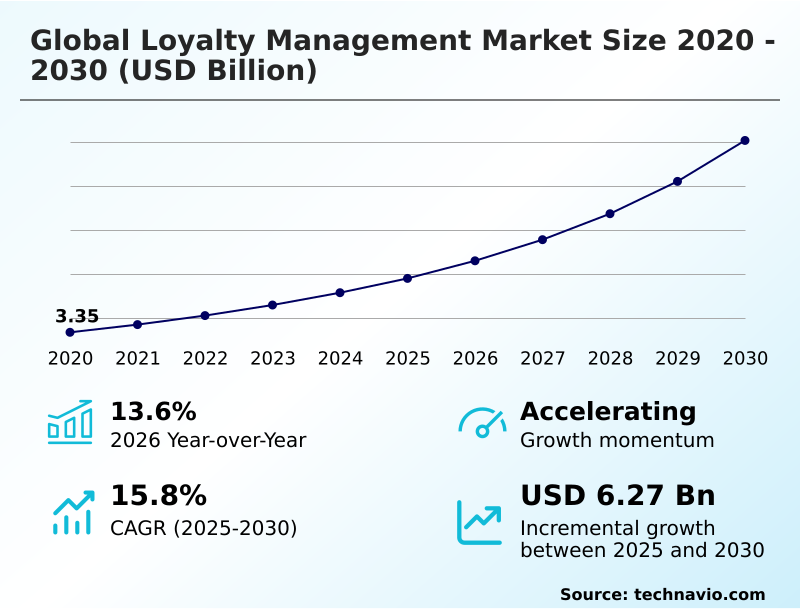
The loyalty management market size is valued to increase by USD 6.27 billion, at a CAGR of 15.8% from 2025 to 2030. Growing customer preference for personalized solutions will drive the loyalty management market.
Major Market Trends & Insights
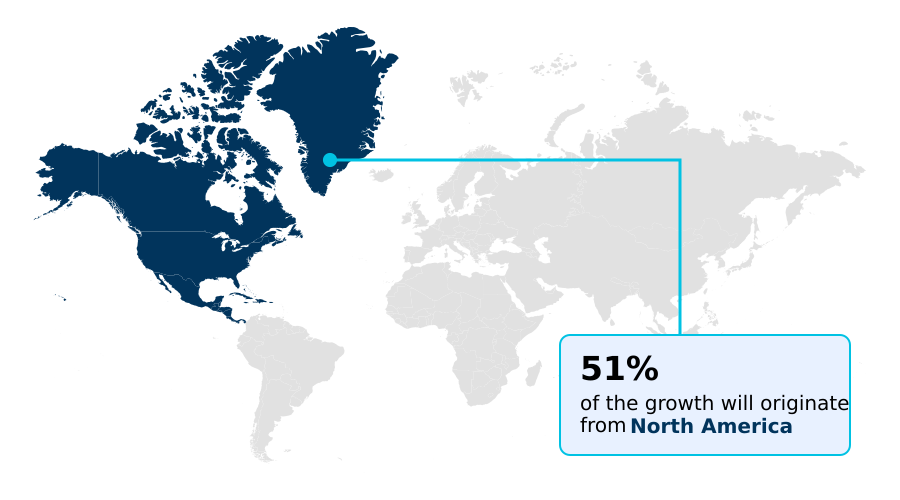
- North America dominated the market and accounted for a 50.7% growth during the forecast period.
- By Deployment - Cloud-based segment was valued at USD 4.26 billion in 2024
- By End-user - Large enterprises segment accounted for the largest market revenue share in 2024
Market Size & Forecast
- Market Opportunities: USD 8.72 billion
- Market Future Opportunities: USD 6.27 billion
- CAGR from 2025 to 2030 : 15.8%
Market Summary
- The Loyalty Management Market is undergoing a significant transformation, moving beyond the simple points-based loyalty system to create sophisticated ecosystems focused on maximizing customer lifetime value (CLV). This evolution is driven by the demand for hyper-personalization, which requires deep behavioral data analytics and robust customer segmentation rules.
- A core trend is the integration of artificial intelligence, powering everything from AI-powered recommendations to predictive churn analytics. For instance, a retail enterprise can deploy churn prediction models to identify at-risk customers and proactively engage them with tailored incentives through a hyper-personalization engine, significantly improving its customer retention rate.
- The adoption of a customer data platform (CDP) has become instrumental in achieving a single customer view, enabling seamless omnichannel rewards program experiences. However, the industry faces challenges related to reward liability management and navigating complex data privacy regulations, pushing firms toward privacy-preserving data sharing techniques.
- The future lies in creating genuine emotional loyalty metrics through experiential rewards design and gamification mechanics, fostering brand advocacy that transcends transactions. This strategic shift requires an API-first loyalty architecture to ensure agility and integration.
What will be the Size of the Loyalty Management Market during the forecast period?
Get Key Insights on Market Forecast (PDF) Get Free Sample
How is the Loyalty Management Market Segmented?
The loyalty management industry research report provides comprehensive data (region-wise segment analysis), with forecasts and estimates in "USD million" for the period 2026-2030, as well as historical data from 2020-2024 for the following segments.
- Deployment
- Cloud-based
- On-premises
- End-user
- Large enterprises
- Small and medium enterprises
- Component
- Solution
- Service
- Geography
- North America
- US
- Canada
- Mexico
- Europe
- Germany
- UK
- France
- APAC
- China
- Japan
- India
- South America
- Brazil
- Argentina
- Middle East and Africa
- Saudi Arabia
- UAE
- Turkey
- Rest of World (ROW)
- North America
By Deployment Insights
The cloud-based segment is estimated to witness significant growth during the forecast period.
The shift to cloud-based deployment models is driven by the need for agility and scalability. These platforms are essential for executing a modern omnichannel rewards program, which demands a single customer view across all touchpoints.
Businesses are leveraging an API-first loyalty architecture for seamless headless commerce integration, enabling capabilities like real-time point redemption and immediate responsiveness. The rise of subscription-based loyalty models and enhanced mobile wallet integration is supported by this infrastructure.
This allows for real-time event triggering and effective closed-loop marketing attribution, which has improved offer take-up rates by over 15% in some deployments.
The architecture also facilitates complex partner ecosystem management, enhancing overall program value and member engagement across various brands.
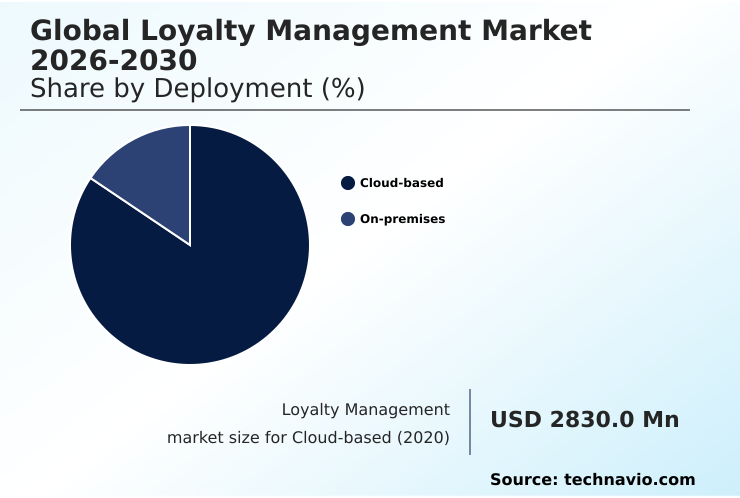
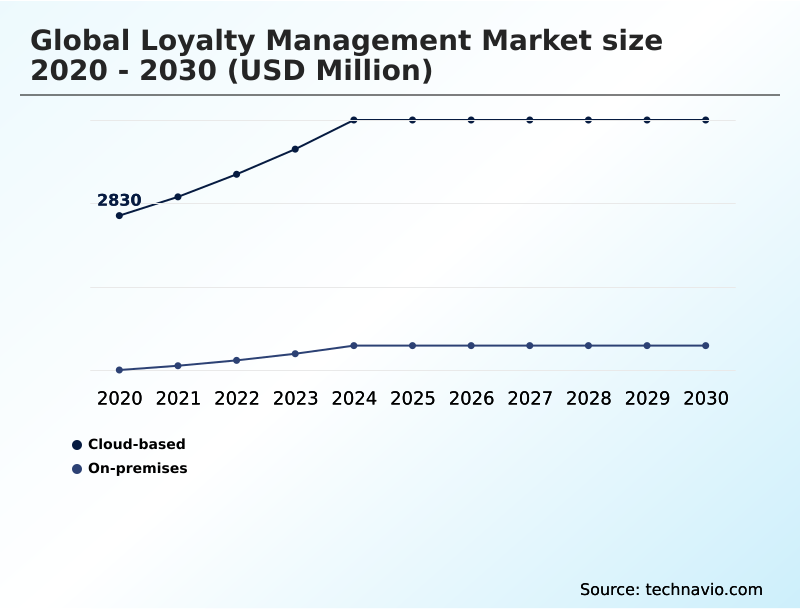
The Cloud-based segment was valued at USD 4.26 billion in 2024 and showed a gradual increase during the forecast period.
Regional Analysis
North America is estimated to contribute 50.7% to the growth of the global market during the forecast period.Technavio’s analysts have elaborately explained the regional trends and drivers that shape the market during the forecast period.
See How Loyalty Management Market Demand is Rising in North America Get Free Sample
North America remains the dominant region, contributing over 50% of the incremental growth, driven by a mature retail environment. Here, the focus has shifted to sophisticated customer journey mapping and enhancing the customer engagement score.
European markets, accounting for approximately 25% of opportunity, emphasize zero-party data collection in compliance with strict privacy laws. In both regions, the use of a card-linked offer platform and the rise of the coalition loyalty program are key strategies.
APAC is a high-growth area, where social loyalty features and a personalized communication cadence are critical for engagement.
Globally, customer identity resolution is a core technical priority for enabling seamless omnichannel experiences, while program ROI calculation and its impact on employee engagement programs are boardroom-level concerns.
Market Dynamics
Our researchers analyzed the data with 2025 as the base year, along with the key drivers, trends, and challenges. A holistic analysis of drivers will help companies refine their marketing strategies to gain a competitive advantage.
- Strategically, organizations are now focused on measuring the impact of tiered rewards to ensure profitability, moving beyond simple engagement metrics. The technical necessity of integrating loyalty with CRM systems has become a baseline requirement for achieving a unified customer view. As part of this, creating best practices for mobile loyalty apps is critical for driving adoption and continuous interaction.
- A major operational concern is using AI to prevent reward fraud, a practice that has proven to be three times more effective than manual reviews. This ties into strategies for reducing program liability, which are essential for financial stability. For growth, companies are exploring building a successful coalition program to expand value for members.
- Many are also planning the transitioning from points to experiential rewards to foster deeper emotional connections. This is especially relevant for a loyalty program for subscription businesses, where retention is paramount. Firms are refining omnichannel customer recognition strategies to ensure seamless experiences across digital and physical worlds.
- This is fueled by leveraging zero-party data for personalization, which builds trust and delivers relevance. The use of gamification in retail loyalty programs is proving effective in boosting engagement frequency. For B2B contexts, calculating customer lifetime value in B2B provides a clear metric for investment. Forward-thinking firms are assessing the impact of blockchain on customer loyalty for security and transparency.
- Furthermore, improving customer engagement with geofencing offers location-based relevance, while analyzing churn with predictive models provides actionable insights for retention teams. Architecturally, implementing a headless loyalty platform offers the flexibility needed for modern commerce. This allows for optimizing card-linked offer campaigns and personalizing rewards based on purchase history.
- Ultimately, the role of CDP in loyalty management is to unify data, while ensuring compliance with data privacy regulations remains a non-negotiable priority throughout.
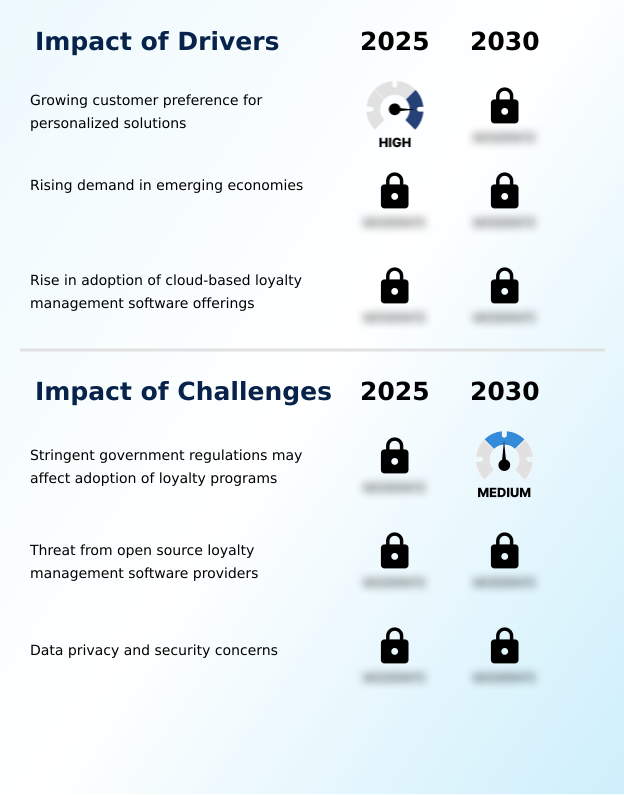
What are the key market drivers leading to the rise in the adoption of Loyalty Management Industry?
- The increasing customer preference for personalized solutions that align with individual needs and behaviors is a key driver for the market.
- The primary driver is the strategic imperative to maximize customer lifetime value (CLV) and boost the overall customer retention rate. Organizations are using behavioral data analytics to inform sophisticated customer segmentation rules, moving beyond basic demographics.
- A robust customer data platform (CDP) is crucial for this, enabling a granular understanding that fuels a well-defined tiered rewards structure.
- This data-centric approach results in a measurable average order value (AOV) uplift, with personalized campaigns showing more than double the engagement of generic ones. In addition to transactional gains, companies are now prioritizing emotional loyalty metrics and customer advocacy measurement.
- This focus extends to B2B channel loyalty programs, where engagement directly impacts sales performance.
What are the market trends shaping the Loyalty Management Industry?
- The growing application of artificial intelligence is creating a market trend for innovative solutions. This shift is redefining customer engagement through predictive and adaptive technologies.
- A significant trend is the application of AI, with a hyper-personalization engine becoming standard for delivering AI-powered recommendations. Organizations are using machine learning for propensity modeling to achieve dynamic incentive optimization, improving conversion rates by over 20% compared to static offers.
- The focus is shifting from transactional value to experiential rewards design, incorporating gamification mechanics and user-generated content (UGC) integration to foster community. Forward-looking companies are exploring blockchain-based rewards and non-fungible token (NFT) rewards to create unique digital assets. Continuous A/B testing for offers allows for data-backed refinement, ensuring programs remain relevant and engaging for customers.
What challenges does the Loyalty Management Industry face during its growth?
- Stringent government regulations concerning data privacy and usage present a key challenge, potentially affecting the widespread adoption of loyalty programs.
- A key challenge is managing the complexities of a traditional points-based loyalty system, which includes effective reward liability management and mitigating fraud. Sophisticated fraud detection algorithms are essential to protect program integrity. While churn prediction models and predictive churn analytics are powerful, their effectiveness is constrained by data governance.
- Implementing privacy-preserving data sharing and federated learning models is becoming critical to navigate stringent regulations, adding layers of technical complexity. Furthermore, initiatives like geofenced offer delivery require explicit user consent, and negative customer feedback analysis shows that privacy concerns can reduce program participation by up to 30%.
- Accurate redemption velocity tracking is also vital for financial forecasting and preventing system abuse.
Exclusive Technavio Analysis on Customer Landscape
The loyalty management market forecasting report includes the adoption lifecycle of the market, covering from the innovator’s stage to the laggard’s stage. It focuses on adoption rates in different regions based on penetration. Furthermore, the loyalty management market report also includes key purchase criteria and drivers of price sensitivity to help companies evaluate and develop their market growth analysis strategies.
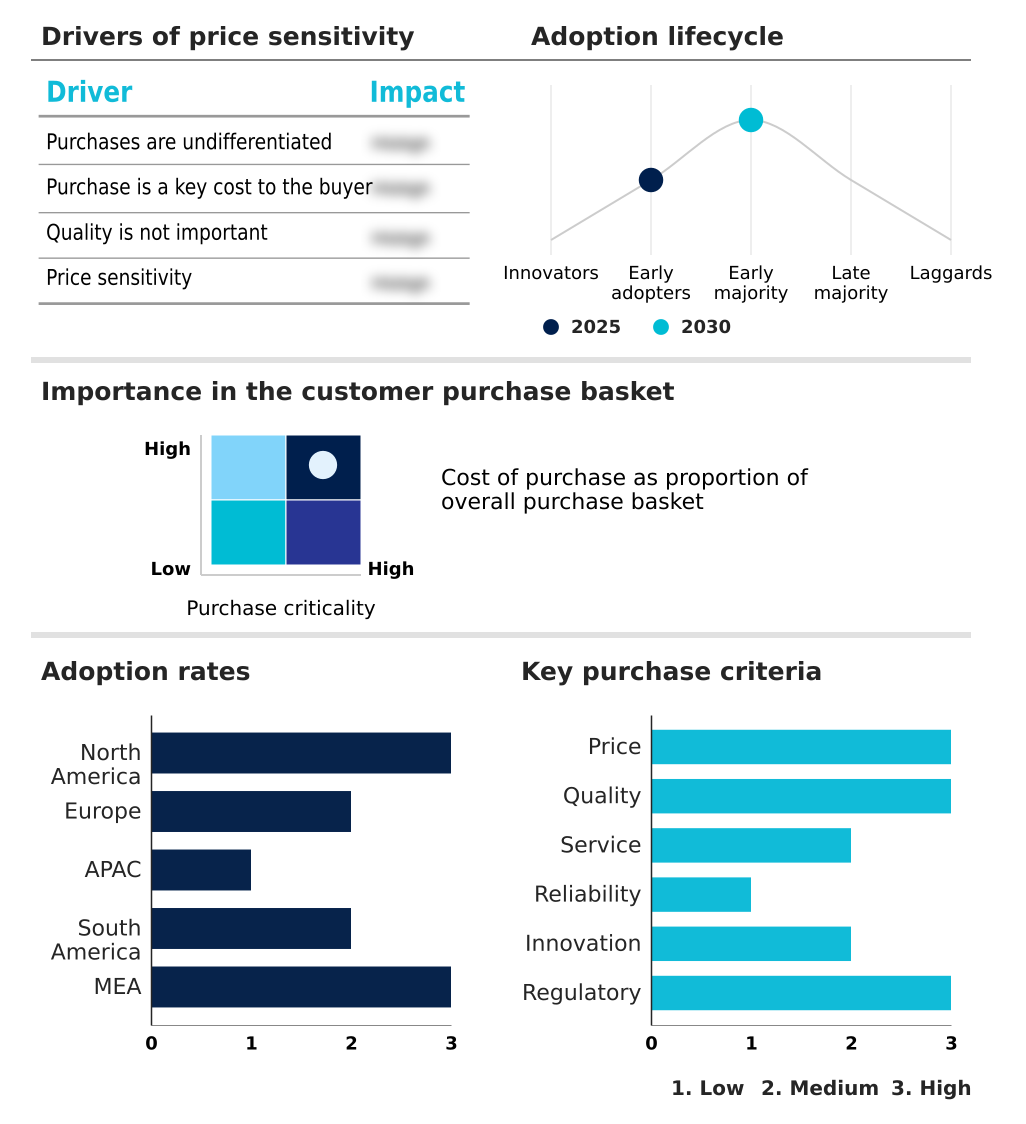
Customer Landscape of Loyalty Management Industry
Competitive Landscape
Companies are implementing various strategies, such as strategic alliances, loyalty management market forecast, partnerships, mergers and acquisitions, geographical expansion, and product/service launches, to enhance their presence in the industry.
Antavo Ltd. - Delivers enterprise loyalty platforms, tiered rewards programs, and omnichannel engagement solutions designed to enhance customer retention and brand affinity.
The industry research and growth report includes detailed analyses of the competitive landscape of the market and information about key companies, including:
- Antavo Ltd.
- Bond Brand Loyalty Inc.
- Braze Inc.
- Epsilon Data Management LLC
- HR.COM Ltd.
- IBM Corp.
- ITA Group
- Kobie Marketing Inc.
- LeadIQ Inc.
- Loyalty Source
- LoyaltyLion Ltd.
- Maritz Motivation Inc.
- Paytronix Systems Inc.
- Qualtrics LLC
- Salesforce Inc.
- SAP SE
- SCAYLE GmbH
- Smile Inc.
- Social Annex Inc.
- Women in Cloud LLC
Qualitative and quantitative analysis of companies has been conducted to help clients understand the wider business environment as well as the strengths and weaknesses of key industry players. Data is qualitatively analyzed to categorize companies as pure play, category-focused, industry-focused, and diversified; it is quantitatively analyzed to categorize companies as dominant, leading, strong, tentative, and weak.
Recent Development and News in Loyalty management market
- In January 2025, SAP introduced an artificial intelligence-powered shopping assistant within its CX AI Toolkit, designed to enhance online shopping through natural language conversations and improve customer retention capabilities.
- In February 2025, Salesforce expanded its Loyalty Management module with new industry-specific templates for the travel, healthcare, and telecommunications sectors, enabling more agile and scalable program deployment.
- In April 2025, Kobie Marketing Inc. announced the establishment of a new technology hub in Bengaluru, India, to accelerate the development of its AI-driven loyalty cloud platform and expand its engineering talent.
- In May 2025, Riyadh Air formed a strategic alliance with Loyalty Juggernaut Inc. to launch its digital loyalty program, utilizing a cloud-native platform to deliver a personalized and digitally integrated travel experience.
Dive into Technavio’s robust research methodology, blending expert interviews, extensive data synthesis, and validated models for unparalleled Loyalty Management Market insights. See full methodology.
| Market Scope | |
|---|---|
| Page number | 277 |
| Base year | 2025 |
| Historic period | 2020-2024 |
| Forecast period | 2026-2030 |
| Growth momentum & CAGR | Accelerate at a CAGR of 15.8% |
| Market growth 2026-2030 | USD 6265.5 million |
| Market structure | Fragmented |
| YoY growth 2025-2026(%) | 13.6% |
| Key countries | US, Canada, Mexico, Germany, UK, France, Italy, Spain, The Netherlands, China, Japan, India, South Korea, Australia, Indonesia, Brazil, Argentina, Chile, Saudi Arabia, UAE, Turkey, South Africa and Israel |
| Competitive landscape | Leading Companies, Market Positioning of Companies, Competitive Strategies, and Industry Risks |
Research Analyst Overview
- From an analytical standpoint, the market is pivoting from transactional rewards to strategic, data-driven engagement ecosystems. Central to this shift is the pursuit of higher customer lifetime value (CLV) through a sophisticated hyper-personalization engine. Organizations are implementing a tiered rewards structure and omnichannel rewards program built on a foundation of granular behavioral data analytics.
- The integration of AI-powered recommendations and predictive churn analytics is no longer a niche capability but a core requirement, with some platforms using churn prediction models to reduce customer attrition by over 20%. The operational backbone for these initiatives is an API-first loyalty architecture that allows for headless commerce integration and real-time point redemption.
- As the market matures, the focus is broadening to include emotional loyalty metrics, gamification mechanics, blockchain-based rewards, and even non-fungible token (NFT) rewards. Managing reward liability management while enabling features like geofenced offer delivery and subscription-based loyalty within a card-linked offer platform remains a key strategic balancing act, guided by customer segmentation rules and zero-party data collection.
- This evolution is captured through diligent customer journey mapping and tracking the overall customer engagement score within both B2C and coalition loyalty program frameworks.
What are the Key Data Covered in this Loyalty Management Market Research and Growth Report?
-
What is the expected growth of the Loyalty Management Market between 2026 and 2030?
-
USD 6.27 billion, at a CAGR of 15.8%
-
-
What segmentation does the market report cover?
-
The report is segmented by Deployment (Cloud-based, and On-premises), End-user (Large enterprises, and Small and medium enterprises), Component (Solution, and Service) and Geography (North America, Europe, APAC, South America, Middle East and Africa)
-
-
Which regions are analyzed in the report?
-
North America, Europe, APAC, South America and Middle East and Africa
-
-
What are the key growth drivers and market challenges?
-
Growing customer preference for personalized solutions, Stringent government regulations may affect adoption of loyalty programs
-
-
Who are the major players in the Loyalty Management Market?
-
Antavo Ltd., Bond Brand Loyalty Inc., Braze Inc., Epsilon Data Management LLC, HR.COM Ltd., IBM Corp., ITA Group, Kobie Marketing Inc., LeadIQ Inc., Loyalty Source, LoyaltyLion Ltd., Maritz Motivation Inc., Paytronix Systems Inc., Qualtrics LLC, Salesforce Inc., SAP SE, SCAYLE GmbH, Smile Inc., Social Annex Inc. and Women in Cloud LLC
-
Market Research Insights
- The market's dynamism is fueled by the strategic integration of advanced technologies to enhance customer engagement and measure returns. The adoption of a customer data platform (CDP) is central, enabling a single customer view that has been shown to improve average order value (AOV) uplift by over 15% in targeted campaigns.
- Effective program ROI calculation is driving investment in platforms that offer superior closed-loop marketing attribution, connecting spend directly to revenue. This focus on measurement is coupled with a push for deeper engagement through experiential rewards design and social loyalty features.
- Moreover, firms leveraging machine learning for propensity modeling report a customer retention rate that is up to two times higher than those relying on manual segmentation, demonstrating the clear performance advantage of data-driven strategies and robust customer identity resolution.
We can help! Our analysts can customize this loyalty management market research report to meet your requirements.
 RIA -
RIA - 
