



Medical Coatings Market Size 2026-2030
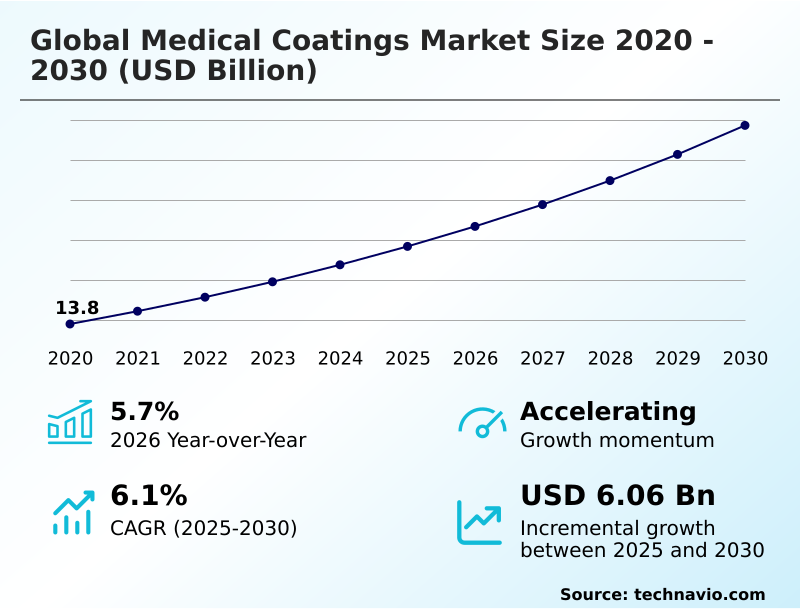
The medical coatings market size is valued to increase by USD 6.06 billion, at a CAGR of 6.1% from 2025 to 2030. Growing geriatric population will drive the medical coatings market.
Major Market Trends & Insights
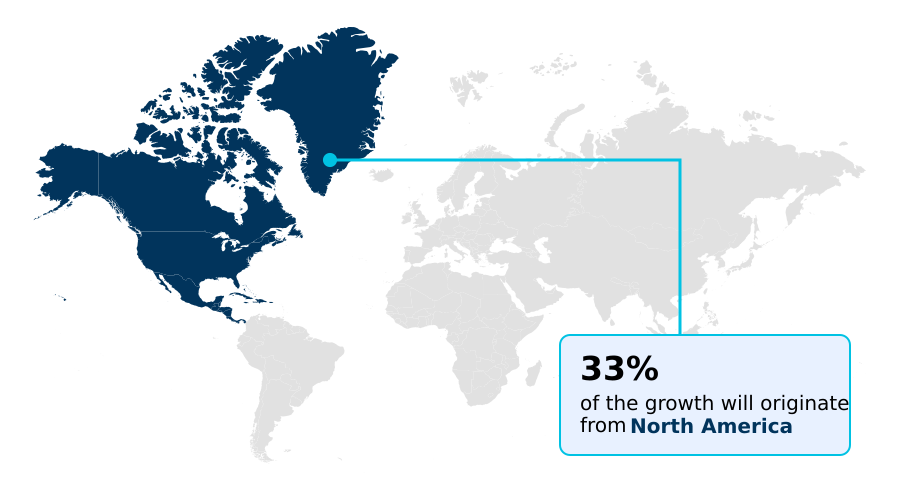
- North America dominated the market and accounted for a 32.7% growth during the forecast period.
- By Application - Medical equipment segment was valued at USD 8.77 billion in 2024
- By Material - Polymers segment accounted for the largest market revenue share in 2024
Market Size & Forecast
- Market Opportunities: USD 9.93 billion
- Market Future Opportunities: USD 6.06 billion
- CAGR from 2025 to 2030 : 6.1%
Market Summary
- The medical coatings market is a critical enabler of modern healthcare, focused on enhancing the safety, performance, and longevity of medical devices through advanced surface modification. Key market drivers include the rising adoption of minimally invasive surgeries, which demand devices with exceptional lubricity and biocompatibility, and the urgent need to combat hospital-acquired infections, fueling innovation in antimicrobial coatings.
- A significant trend is the development of multifunctional surfaces, such as drug-eluting coatings that provide localized therapeutic benefits, and the integration of nanocoating technology to improve wear resistance and osseointegration. However, the industry contends with challenges like stringent regulatory approval processes and volatility in raw material prices.
- For instance, a medical device OEM must navigate this complex landscape, balancing the need for innovative, high-performance coatings, such as those with anti-thrombogenic properties, against the operational pressures of cost control and supply chain stability to maintain a competitive edge.
- The market's trajectory is toward smarter, more active surfaces that are integral to a device's function rather than just a protective layer.
What will be the Size of the Medical Coatings Market during the forecast period?
Get Key Insights on Market Forecast (PDF) Get Free Sample
How is the Medical Coatings Market Segmented?
The medical coatings industry research report provides comprehensive data (region-wise segment analysis), with forecasts and estimates in "USD million" for the period 2026-2030, as well as historical data from 2020-2024 for the following segments.
- Application
- Medical equipment
- Medical implants
- Others
- Material
- Polymers
- Metals
- Type
- Passive
- Active
- Geography
- North America
- US
- Canada
- Mexico
- Europe
- Germany
- France
- UK
- APAC
- China
- Japan
- India
- South America
- Brazil
- Argentina
- Middle East and Africa
- South Africa
- UAE
- Saudi Arabia
- Rest of World (ROW)
- North America
By Application Insights
The medical equipment segment is estimated to witness significant growth during the forecast period.
The medical equipment segment is driven by the imperative to enhance patient safety and device performance. A primary focus is mitigating healthcare-associated infections, as up to 5% of hospitalized patients are affected, spurring demand for surfaces with antimicrobial properties.
Applications of parylene coating and plasma spray coating are critical for creating inert, protective barriers. Moreover, the increasing volume of minimally invasive procedures relies on instruments with superior surface lubricity and biocompatibility, achieved through advanced polymer coatings.
The use of vapor deposition and surface texturing ensures devices like endoscopes and catheters navigate anatomical structures with minimal trauma. This demand for functional surfaces, combining both protective and performance-enhancing features like self-healing properties, defines the segment's trajectory.
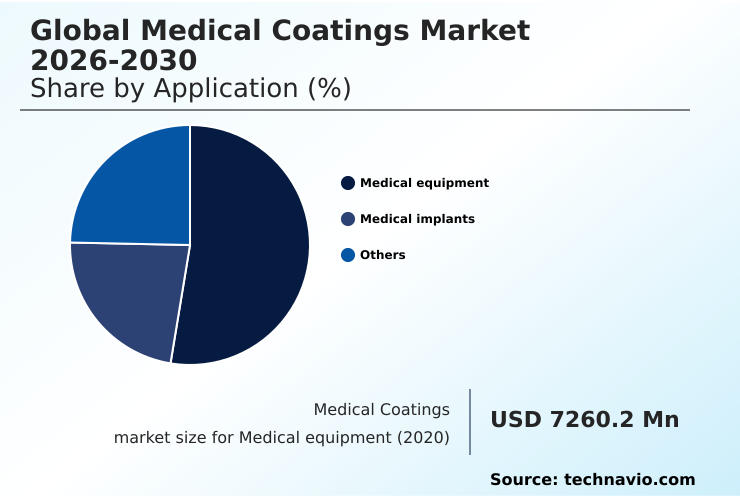
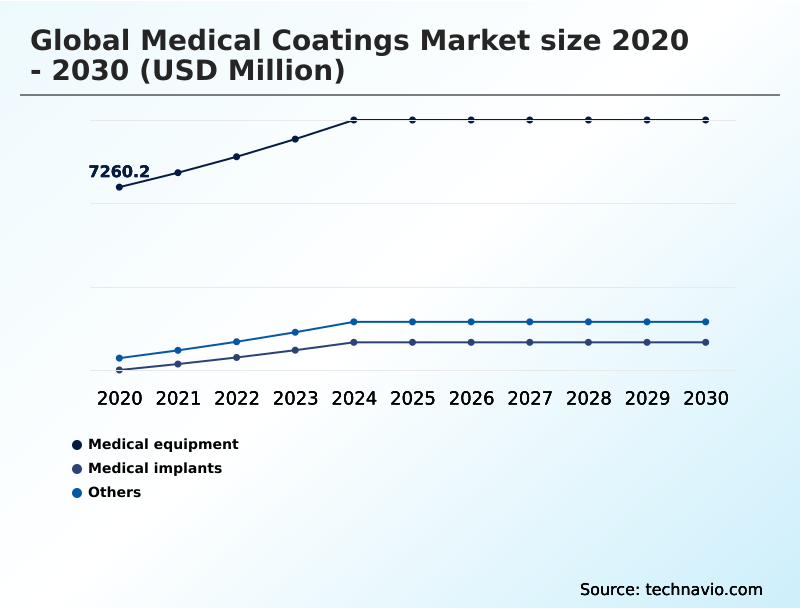
The Medical equipment segment was valued at USD 8.77 billion in 2024 and showed a gradual increase during the forecast period.
Regional Analysis
North America is estimated to contribute 32.7% to the growth of the global market during the forecast period.Technavio’s analysts have elaborately explained the regional trends and drivers that shape the market during the forecast period.
See How Medical Coatings Market Demand is Rising in North America Get Free Sample
The geographic landscape of the market is characterized by established dominance and rapid emergence.
North America remains the largest region, contributing over 32% of the incremental growth, driven by high R&D spending, a robust OEM base, and stringent regulatory standards that foster innovation in areas like anti-fouling coatings and advanced composites.
Meanwhile, APAC is the fastest-growing region, projected to expand at a rate of 7.8%, with China and India at the forefront. This growth is fueled by expanding healthcare access, rising medical tourism, and government initiatives promoting domestic manufacturing.
This shift creates complexities in supply chains, where adherence to diverse regulatory frameworks is as critical as achieving cost-effective production for offerings like biocompatible polymers and metallic coatings.
Market Dynamics
Our researchers analyzed the data with 2025 as the base year, along with the key drivers, trends, and challenges. A holistic analysis of drivers will help companies refine their marketing strategies to gain a competitive advantage.
- Medical device manufacturers are increasingly focused on leveraging advanced surface treatments to improve clinical outcomes and gain a competitive edge. The selection of a hydrophilic coating for neurovascular devices, for example, is critical for ensuring safe and precise navigation through delicate vasculatures.
- Similarly, the development of a drug-eluting coating for coronary stents is a key differentiator, directly impacting long-term patient health by preventing restenosis. For implantable devices, the focus is on long-term stability and integration. The use of biocompatible coatings for medical implants is fundamental, while advanced pvd coatings for orthopedic implants are employed to enhance durability.
- Decision-making involves complex trade-offs; for instance, the wear resistance of titanium nitride coatings must be balanced against manufacturing costs. Innovators are exploring biomimetic surfaces for osseointegration to accelerate healing, a strategy that can reduce post-operative care costs to less than half those of traditional implants.
- This requires mastery of surface modification techniques for implants and a deep understanding of material science, from hydrophilic polymer functionality to the specific benefits of an antimicrobial coating for surgical instruments. The adoption of nanocoating technology in medical devices is opening new frontiers, while the performance of lubricious coatings for guidewire navigation remains a key benchmark for interventional products.
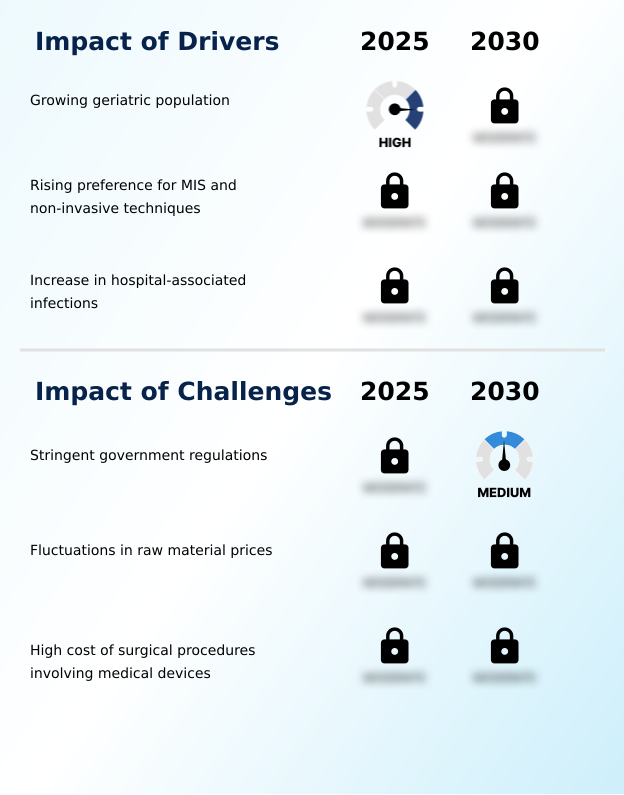
What are the key market drivers leading to the rise in the adoption of Medical Coatings Industry?
- The expanding global geriatric population is a primary driver fueling demand for medical devices and, consequently, the associated coatings market.
- Market growth is fundamentally driven by demographic shifts and the evolution of surgical practice. The expanding geriatric population directly fuels demand for orthopedic and cardiovascular implants, which rely heavily on specialized surface technologies for longevity and biocompatibility.
- Concurrently, the decisive shift toward minimally invasive surgery (MIS), which now constitutes over 70% of certain abdominal and vascular procedures, creates non-negotiable demand for devices with enhanced navigational capabilities.
- The use of hydrophilic surface treatment and lubricious coatings, which can reduce procedural friction by up to 80%, is essential for the catheters and guidewires used in these interventions.
- This synergy between an aging patient base requiring more interventions and a clinical preference for less traumatic procedures ensures sustained, long-term market expansion.
What are the market trends shaping the Medical Coatings Industry?
- Significant technological advancements are shaping the medical coatings industry. These innovations are leading to the development of more effective and specialized coating solutions.
- Key trends are centered on the development of multifunctional and intelligent surfaces. The advent of nanomedicine is driving the adoption of advanced materials that offer superior performance at a microscopic level. For instance, new composite coatings combining lubricity and antimicrobial properties can improve device efficacy by over 25% while simultaneously reducing infection risks.
- This convergence of functionalities addresses multiple clinical needs with a single application. Furthermore, innovations in bioactive glass and bio-ceramics are creating surfaces that actively promote tissue regeneration. The integration of such technologies is compelling, with some applications showing a 40% faster healing response compared to inert materials.
- This evolution is pushing the boundaries of what is possible in implantable device design and therapeutic delivery systems.
What challenges does the Medical Coatings Industry face during its growth?
- The growth of the medical coatings market is constrained by stringent government regulations and complex compliance requirements for medical device applications.
- The market faces significant hurdles from stringent regulatory frameworks and economic pressures. Navigating the EU's Medical Device Regulation (MDR) can extend product development timelines by up to 18 months, representing a substantial barrier for new entrants and innovators. This complex compliance landscape demands extensive biocompatibility testing and documentation, adding considerable overhead.
- Simultaneously, volatility in raw material costs, particularly for petroleum-based polymers and precious metals like silver, has compressed gross margins by as much as 8% in recent quarters. Manufacturers must absorb these unpredictable costs or risk pricing their products out of increasingly cost-sensitive healthcare systems, creating a difficult strategic balancing act between innovation, compliance, and profitability.
Exclusive Technavio Analysis on Customer Landscape
The medical coatings market forecasting report includes the adoption lifecycle of the market, covering from the innovator’s stage to the laggard’s stage. It focuses on adoption rates in different regions based on penetration. Furthermore, the medical coatings market report also includes key purchase criteria and drivers of price sensitivity to help companies evaluate and develop their market growth analysis strategies.
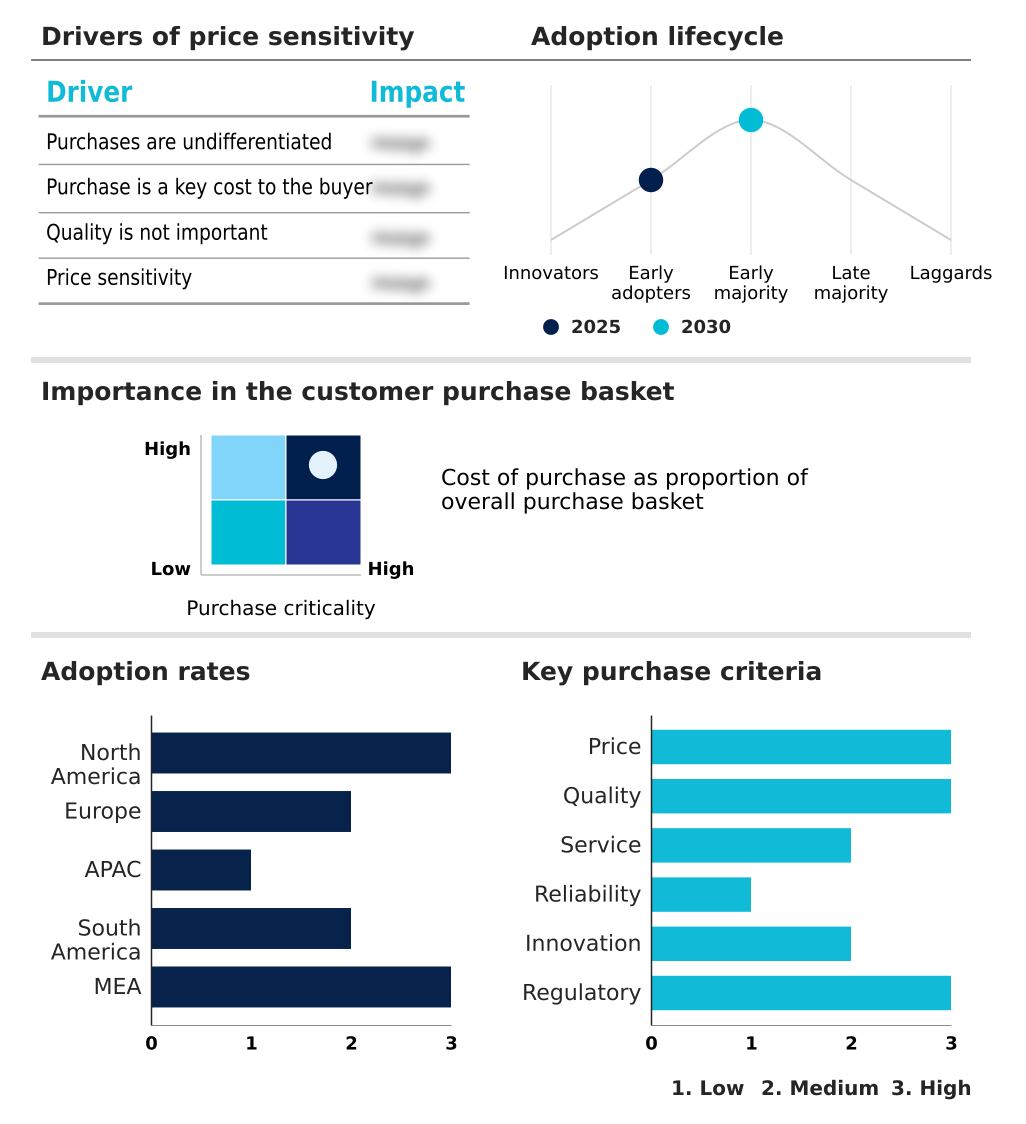
Customer Landscape of Medical Coatings Industry
Competitive Landscape
Companies are implementing various strategies, such as strategic alliances, medical coatings market forecast, partnerships, mergers and acquisitions, geographical expansion, and product/service launches, to enhance their presence in the industry.
Advanced Plating Technologies - Expertise in applying precious metal coatings, such as gold and silver plating, enhances medical device performance by ensuring superior biocompatibility and conductivity for critical applications.
The industry research and growth report includes detailed analyses of the competitive landscape of the market and information about key companies, including:
- Advanced Plating Technologies
- Applied Medical Coatings LLC
- AST Products Inc.
- Biocoat Inc.
- Covalon Technologies Ltd.
- DSM Firmenich AG
- Endura Coatings
- Formacoat LLC
- Freudenberg and Co. KG
- Harland Medical Systems Inc.
- Hydromer Inc.
- KISCO Ltd.
- Materion Corp.
- Medicoat AG
- Merit Medical Systems Inc.
- Miller Stephenson Inc.
- Para Coat Technologies Inc.
- Precision Coating Co. Inc.
- Surgical Coatings LLC
- Surmodics Inc.
Qualitative and quantitative analysis of companies has been conducted to help clients understand the wider business environment as well as the strengths and weaknesses of key industry players. Data is qualitatively analyzed to categorize companies as pure play, category-focused, industry-focused, and diversified; it is quantitatively analyzed to categorize companies as dominant, leading, strong, tentative, and weak.
Recent Development and News in Medical coatings market
- In February 2025, Integer Holdings Corp. finalized its acquisition of Precision Coating Co. Inc., integrating advanced fluoropolymer and surface treatment technologies to expand its capabilities for cardio and vascular medical devices.
- In November 2024, Surmodics Inc. announced a strategic collaboration with a leading research university to accelerate the commercialization of a new nanocoating technology aimed at reducing thrombosis on long-term implantable devices.
- In January 2025, Biocoat Inc. launched its next-generation HYDAK hydrophilic coating, featuring enhanced lubricity and particulate reduction for neurovascular and peripheral catheters, following successful clinical trials.
- In April 2025, Hydromer Inc. received FDA clearance for its Bacticent antimicrobial coating technology for use on urinary catheters, which has demonstrated a significant reduction in catheter-associated urinary tract infections in clinical evaluations.
Dive into Technavio’s robust research methodology, blending expert interviews, extensive data synthesis, and validated models for unparalleled Medical Coatings Market insights. See full methodology.
| Market Scope | |
|---|---|
| Page number | 286 |
| Base year | 2025 |
| Historic period | 2020-2024 |
| Forecast period | 2026-2030 |
| Growth momentum & CAGR | Accelerate at a CAGR of 6.1% |
| Market growth 2026-2030 | USD 6058.0 million |
| Market structure | Fragmented |
| YoY growth 2025-2026(%) | 5.7% |
| Key countries | US, Canada, Mexico, Germany, France, UK, Italy, Spain, The Netherlands, China, Japan, India, South Korea, Australia, Indonesia, Brazil, Argentina, Chile, South Africa, UAE, Saudi Arabia, Egypt and Turkey |
| Competitive landscape | Leading Companies, Market Positioning of Companies, Competitive Strategies, and Industry Risks |
Research Analyst Overview
- The medical coatings market functions as a critical innovation engine, where advancements in material science directly translate to improved patient outcomes. The core of this industry is the pursuit of superior biocompatibility and functionality, whether through lubricity for procedural ease or the active therapeutic effects of drug-eluting coatings.
- The development pipeline is rich with innovations like bioabsorbable polymers and nanocoating technology, which are becoming key differentiators. Boardroom-level strategy increasingly involves balancing the high R&D investment required for these sophisticated technologies against the long-term competitive advantages they secure. For example, next-generation hydrophilic coatings have demonstrated a 90% reduction in surface friction compared to legacy materials.
- This performance leap is not just an incremental improvement but a fundamental enabler for next-generation minimally invasive devices. Firms are leveraging physical vapor deposition (PVD) to create ultra-durable surfaces like titanium nitride and diamond-like carbon, while antimicrobial coatings and anti-thrombogenic properties are now standard expectations for a wide range of devices.
- The application of hydroxyapatite on orthopedic implants to promote osseointegration underscores the trend toward bioactive surfaces, moving beyond passive protection to active biological interaction.
What are the Key Data Covered in this Medical Coatings Market Research and Growth Report?
-
What is the expected growth of the Medical Coatings Market between 2026 and 2030?
-
USD 6.06 billion, at a CAGR of 6.1%
-
-
What segmentation does the market report cover?
-
The report is segmented by Application (Medical equipment, Medical implants, and Others), Material (Polymers, and Metals), Type (Passive, and Active) and Geography (North America, Europe, APAC, South America, Middle East and Africa)
-
-
Which regions are analyzed in the report?
-
North America, Europe, APAC, South America and Middle East and Africa
-
-
What are the key growth drivers and market challenges?
-
Growing geriatric population, Stringent government regulations
-
-
Who are the major players in the Medical Coatings Market?
-
Advanced Plating Technologies, Applied Medical Coatings LLC, AST Products Inc., Biocoat Inc., Covalon Technologies Ltd., DSM Firmenich AG, Endura Coatings, Formacoat LLC, Freudenberg and Co. KG, Harland Medical Systems Inc., Hydromer Inc., KISCO Ltd., Materion Corp., Medicoat AG, Merit Medical Systems Inc., Miller Stephenson Inc., Para Coat Technologies Inc., Precision Coating Co. Inc., Surgical Coatings LLC and Surmodics Inc.
-
Market Research Insights
- Market dynamics are shaped by a push for clinical efficacy and operational efficiency. The adoption of advanced antimicrobial coatings for medical implants has been shown to reduce device-related infection rates by up to 40%, directly impacting patient outcomes and hospital costs. Concurrently, new lubricious coatings for guidewires diminish procedural friction by over 60%, enhancing physician control during complex interventions.
- This performance imperative drives demand for specialized coatings for catheters and coatings for orthopedic implants. The development of durable, wear-resistant coatings also extends instrument life, reducing replacement expenditures by 15% annually in high-volume surgical settings, underscoring the tangible return on investment from advanced surface modification techniques.
We can help! Our analysts can customize this medical coatings market research report to meet your requirements.
 RIA -
RIA - 
