
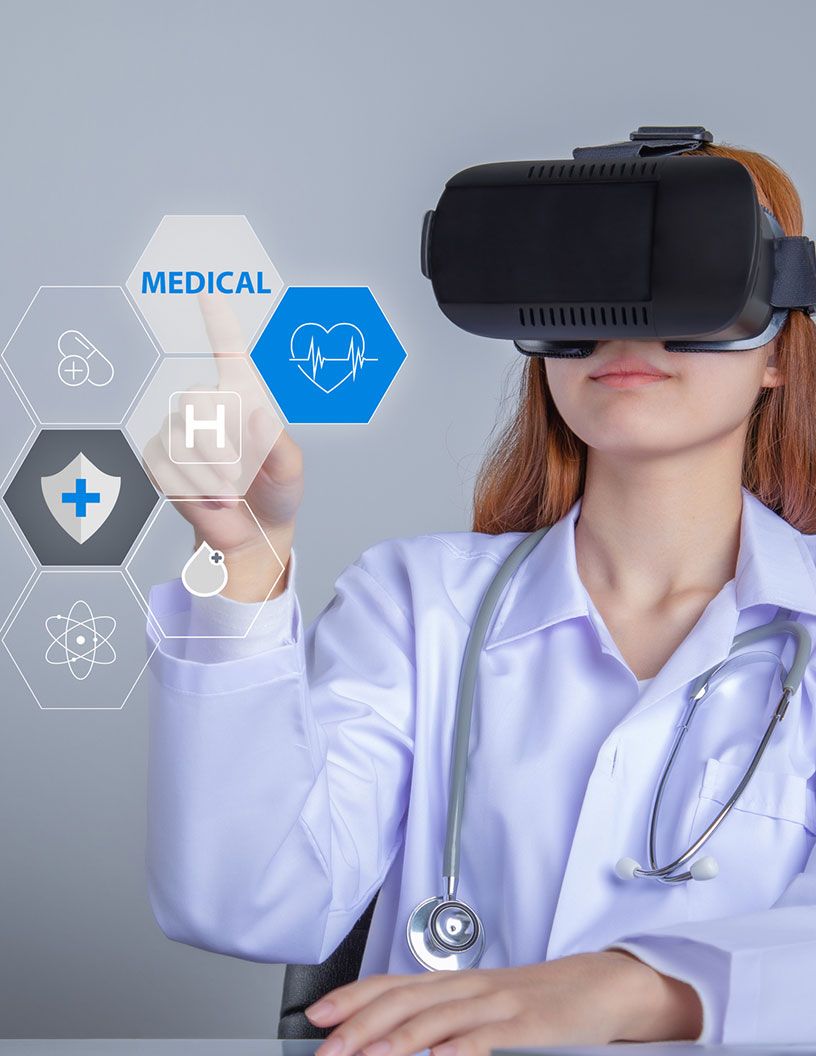


Metaverse In Healthcare Market Size 2024-2028
The metaverse in healthcare market size is forecast to increase by USD 12.19 billion, at a CAGR of 46.12% between 2023 and 2028.
- The market is experiencing significant growth, driven by the push for digitization in healthcare and the increasing implementation of metaverse technology. This technological evolution offers immersive, virtual environments for healthcare delivery, education, and research. However, challenges persist, including intricate infrastructural and integration issues. Infrastructural complexities arise from the need for robust, secure, and scalable platforms capable of handling large volumes of data and users. Integration challenges stem from the need to seamlessly connect various healthcare systems, devices, and applications within the metaverse.
- Addressing these hurdles will require strategic partnerships, innovative solutions, and a commitment to interoperability standards. Companies seeking to capitalize on this market's potential must navigate these challenges effectively, focusing on delivering user-friendly, secure, and efficient metaverse healthcare solutions.
What will be the Size of the Metaverse In Healthcare Market during the forecast period?

Explore in-depth regional segment analysis with market size data - historical 2018-2022 and forecasts 2024-2028 - in the full report.
Request Free Sample
In the ever-evolving landscape of healthcare, immersive digital environments are revolutionizing various sectors, bridging geographic gaps and enhancing access to medical services. Mental health, security services, and patient data are among the areas experiencing significant transformation. Augmented reality (AR) and virtual reality (VR) technologies enable real-time communication between healthcare professionals, facilitating remote consultations and specialist collaborations. Digital twins and virtual healthcare applications offer advanced medical training, refining skills through surgical simulations and clinical diagnosis. Patient monitoring, rehabilitation, and therapy are also benefiting from these innovations. Interactive scenarios, wearable health devices, and hardware enable remote patient monitoring and real-time data collection.
Treatment plans and patient care are being optimized through the integration of AI and machine learning algorithms, ensuring personalized care for each individual. Virtual presence and clinical research are advancing with the help of VR and AR, allowing for trial scenarios and remote diagnostics. Telehealth services and telemedicine are addressing healthcare disparities, providing access to medical professionals in remote areas and underserved communities. Virtual platforms and medical services are seamlessly integrated, enabling therapists to conduct virtual therapy sessions and offering patients exposure therapy for anxiety disorders and phobias. The use of haptic metaverse gadgets and lifelike simulations further enhances the therapeutic experience.
The integration of AI and blockchain technology ensures data safety and ownership, while real-time data sharing and smart contracts streamline medical procedures and treatment planning. The virtual realm offers limitless opportunities for drug discovery, virtual exercises, and complex procedure simulations. Despite these advancements, challenges remain, including cybersecurity concerns and the need for standardized data management protocols. The ongoing unfolding of market activities and evolving patterns in the healthcare sector necessitate continuous adaptation and innovation.
How is this Metaverse In Healthcare Industry segmented?
The metaverse in healthcare industry research report provides comprehensive data (region-wise segment analysis), with forecasts and estimates in "USD million" for the period 2024-2028, as well as historical data from 2018-2022 for the following segments.
- Component
- Hardware
- Software
- Application
- Medical and surgical trainings
- Diagnosis and treatments
- Pre and post surgery planning
- Remote monitoring
- Others
- Geography
- North America
- US
- Canada
- Europe
- Germany
- UK
- APAC
- China
- Rest of World (ROW)
- North America
By Component Insights
The hardware segment is estimated to witness significant growth during the forecast period.
In the dynamic realm of healthcare, immersive digital environments are revolutionizing various aspects of medical care. Mental health services are leveraging Virtual Reality (VR) and Augmented Reality (AR) for exposure therapy and therapeutic interventions, addressing anxiety disorders and phobias. Security services ensure data safety through advanced encryption and blockchain technology, safeguarding patient data and privacy. Patient monitoring incorporates Digital Twins and real-time data collection, enabling healthcare professionals to provide proactive care and timely interventions. Healthcare accessibility is expanded through telehealth services and remote patient monitoring, bridging geographic gaps. Wearable Health Devices and Chips facilitate continuous monitoring, while AI integration and Smart contracts streamline treatment plans and patient care.
Medical professionals utilize VR/AR goods for advanced medical training, surgical simulations, and clinical diagnosis, enhancing skill refinement and patient outcomes. Virtual healthcare applications offer remote therapy sessions, enabling personalized care for chronic pain sufferers and rehabilitation. Medical centers employ AI-driven diagnostic centers and remote diagnostics for clinical research and trial scenarios. The Internet of Things and Medical equipment integrate to provide lifelike simulations and real-time data sharing, aiding drug development and medical simulations. Remote therapy, virtual consultations, and teleconsultation services enable specialists to reach underserved areas and provide expert advice, improving global health equity. Healthcare disparities are addressed through virtual healthcare hubs and telemedicine, ensuring equal access to medical services.
In the virtual realm, patients engage with 3D anatomical models, avatars, and virtual environments, promoting interactive scenarios and pain management. Communication technologies facilitate real-time communication between medical professionals and patients, ensuring effective collaboration and efficient care. Data management and analytics provide valuable insights for clinical research and treatment planning, improving patient outcomes and healthcare services. Despite these advancements, cybersecurity remains a concern, with cybercriminals targeting Medical Device Manufacturers and healthcare infrastructure. However, the integration of AI and advanced security measures is addressing these challenges, ensuring the protection of sensitive patient data and healthcare services.

The Hardware segment was valued at USD 337.10 billion in 2018 and showed a gradual increase during the forecast period.
Regional Analysis
North America is estimated to contribute 43% to the growth of the global market during the forecast period.Technavio’s analysts have elaborately explained the regional trends and drivers that shape the market during the forecast period.

The market in North America is experiencing significant growth, driven by the advanced technology landscape and increasing digitalization in the region's healthcare industry. Factors such as rising healthcare spending and urbanization, coupled with increasing disposable incomes, are fueling the adoption of metaverse technology in healthcare. This innovative technology offers better-quality and convenient services for both patients and healthcare professionals, providing a realistic experience that enhances patient care. Immersive digital environments are revolutionizing mental health services, enabling remote therapy sessions and exposure therapy in the virtual realm. Security services ensure patient data privacy and protection, while patient monitoring and real-time communication facilitate timely interventions and proactive care.
Augmented Reality and Virtual Reality technologies enable lifelike simulations for advanced medical training, surgical simulations, and clinical diagnosis. Healthcare accessibility is improved through telehealth services and remote patient monitoring, bridging geographic gaps and providing personalized care. Digital Twins and 3D anatomical models allow for precise clinical research and diagnosis, while AI integration and smart contracts streamline treatment planning and patient outcomes. Virtual telemedicine hubs and data analytics enable remote diagnostics and chronic pain management, reducing the need for physical travel and improving healthcare equity. Virtual presence and remote therapy sessions offer new opportunities for mental health illnesses and anxiety disorders, while virtual consultations and virtual patient populations enable more efficient and cost-effective clinical trials and therapeutic interventions.
The Internet of Things and medical equipment integration enable real-time data sharing and drug development, while haptic metaverse gadgets offer a more engaging and interactive experience for patients. The healthcare industry's growing adoption of metaverse technology is transforming patient care, from virtual presence and remote therapy to advanced medical training and surgical simulations. The integration of AI, Blockchain, and communication technologies ensures data safety and ownership, enabling more effective and efficient healthcare services for all.
Market Dynamics
Our researchers analyzed the data with 2023 as the base year, along with the key drivers, trends, and challenges. A holistic analysis of drivers will help companies refine their marketing strategies to gain a competitive advantage.
The market is experiencing significant innovation, with virtual environments offering new opportunities for patient care and provider collaboration. Virtual reality (VR) and augmented reality (AR) technologies, such as long_tail_keys_1 and long_tail_keys_2, are transforming medical education and training, enabling more immersive and effective learning experiences. In clinical settings, telemedicine solutions, including long_tail_keys_3 and long_tail_keys_4, are allowing remote consultations and therapies, expanding access to healthcare services for patients in remote areas or with mobility issues. Furthermore, mental health applications, focusing on long_tail_keys_5 and long_tail_keys_6, are providing safe and anonymous spaces for therapy and support. The market is also exploring the use of long-tail_keys_7 and long_tail_keys_8 for medical simulations and research, enabling more accurate and efficient drug discovery and clinical trials. These advancements are revolutionizing the healthcare industry, improving patient outcomes and reducing costs.
What are the key market drivers leading to the rise in the adoption of Metaverse In Healthcare Industry?
- The push for digitization is a crucial driving force in the growth of the healthcare market.
- The healthcare industry is experiencing a digital transformation, with the integration of immersive digital environments and IT-based processes becoming increasingly prevalent. This shift offers numerous benefits, including easier access to healthcare services and more secure management of patient data. Advanced technologies, such as Augmented Reality (AR), Digital Twins, and Virtual Reality (VR), are driving the demand for connected healthcare services. These technologies enable remote monitoring, virtual consultations, and advanced medical training, among other applications. Mental health conditions, such as anxiety disorders and phobias, are being addressed through therapeutic interventions in immersive digital environments. Inflation has not deterred the adoption of these technologies, as they offer cost savings through telehealth services and remote patient monitoring.
- Healthcare professionals can utilize real-time communication and virtual collaboration tools for clinical diagnosis, physical therapy, and surgical simulations. Clinical trials and therapeutic interventions can also be conducted in virtual environments, reducing the need for physical trial scenarios. The integration of chips and advanced analytics further enhances the capabilities of these technologies, providing valuable insights for healthcare providers and patients alike. The digital revolution in healthcare is revolutionizing the way medical science is practiced, offering new opportunities for innovation and growth.
What are the market trends shaping the Metaverse In Healthcare Industry?
- The growing implementation of metaverse technology in healthcare is an emerging market trend. This innovative approach to delivering healthcare services is gaining significant traction and professional recognition.
- The market is experiencing significant growth due to the numerous advantages it offers to medical professionals and patients alike. One of the primary drivers of this market is the cost-efficiency, time-saving, and convenience provided by metaverse solutions. These tools enable healthcare personnel to conduct tests and diagnoses more efficiently, reducing the time and resources required. The easy accessibility of patient scan data and radiology pictures in the metaverse allows for a higher throughput, enabling medical professionals to manage a larger patient volume. This increased capacity is crucial in addressing healthcare disparities and providing medical services to a broader population.
- Furthermore, metaverse platforms offer interactive scenarios for medical training, including surgical training using 3D anatomical models and robot-assisted surgery. These tools can significantly enhance medical education for medical students and medical professionals, ultimately leading to improved patient outcomes. Additionally, remote diagnostics and therapy through virtual platforms enable medical professionals to reach patients in geographically remote areas, expanding access to medical services. The metaverse also offers opportunities for clinical research and mental health illnesses treatment using remote therapy and therapeutic drugs. Overall, the market is a harmonious blend of hardware, electronic components, and virtual platforms, revolutionizing patient care and medical services.
What challenges does the Metaverse In Healthcare Industry face during its growth?
- Infrastructure and integration issues represent significant challenges that hinder industry growth. These complex problems require careful attention and resolution to enable the industry to advance effectively.
- The healthcare industry's adoption of metaverse solutions faces infrastructure and integration challenges. Effective implementation of metaverse applications in healthcare requires reliable high-speed internet access. Any disruptions, such as poor connectivity, electricity shortages, or slow networks, can result in system downtime and negatively impact productivity. This is particularly significant in developing countries. Moreover, the heterogeneous IT environment in healthcare creates integration issues due to varying configurations of metaverse applications. These challenges hinder the widespread adoption of advanced technologies in healthcare, including VR/AR goods, real-time data collection, therapy, medical research, and diagnostic centers. However, the potential benefits of metaverse solutions in healthcare are significant.
- They include improved communication between healthcare providers, enhanced patient security, data management, and teleconsultation services. Furthermore, AI integration can facilitate more accurate diagnoses, treatment planning, and even virtual patient populations for medical procedures. Smart contracts and blockchain technology can streamline healthcare services, including surgeries and recovery processes. Despite these advantages, addressing the infrastructure and integration challenges is crucial to unlocking the full potential of metaverse applications in healthcare and promoting global health equity.
Exclusive Customer Landscape
The metaverse in healthcare market forecasting report includes the adoption lifecycle of the market, covering from the innovator’s stage to the laggard’s stage. It focuses on adoption rates in different regions based on penetration. Furthermore, the metaverse in healthcare market report also includes key purchase criteria and drivers of price sensitivity to help companies evaluate and develop their market growth analysis strategies.

Customer Landscape
Key Companies & Market Insights
Companies are implementing various strategies, such as strategic alliances, metaverse in healthcare market forecast, partnerships, mergers and acquisitions, geographical expansion, and product/service launches, to enhance their presence in the industry.
3D Systems Corp. - This company specializes in metaverse applications for healthcare, delivering advanced solutions like VSP surgical planning and patient-matched technologies. These innovative offerings enhance medical precision and patient care.
The industry research and growth report includes detailed analyses of the competitive landscape of the market and information about key companies, including:
- 3D Systems Corp.
- 8chili Inc.
- AccuVein Inc.
- BioflightVR
- CAE Inc.
- Devden Creative Solutions Pvt. Ltd.
- Dhi Tattva Solutions Pvt. Ltd.
- Eon Reality Inc.
- ImmersiveTouch Inc.
- Intuitive Surgical Inc.
- Koninklijke Philips N.V.
- Medical Realities Ltd.
- Microsoft Corp.
- MindMaze SA
- Â Oodles Technologies Pvt Ltd.Â
- Siemens Healthineers AG
- Sky gate
- UnitedHealth Group Inc.
- Wipro Ltd.
- WorldViz Inc.
Qualitative and quantitative analysis of companies has been conducted to help clients understand the wider business environment as well as the strengths and weaknesses of key industry players. Data is qualitatively analyzed to categorize companies as pure play, category-focused, industry-focused, and diversified; it is quantitatively analyzed to categorize companies as dominant, leading, strong, tentative, and weak.
Recent Development and News in Metaverse In Healthcare Market
- In January 2024, Epic Games, the creator of Fortnite, announced the launch of its healthcare initiative, "Epic Games Health Alliance," in collaboration with several leading healthcare organizations, including Children's Healthcare of Atlanta and Boston Children's Hospital (Epic Games Press Release, 2024). This alliance aimed to explore the potential of using gaming technology in healthcare, including the metaverse, for patient education and care.
- In March 2024, MedStar Health, a not-for-profit healthcare system, partnered with Somnium Space, a metaverse platform, to create a virtual hospital and medical school in the metaverse (MedStar Health Press Release, 2024). This initiative aimed to provide immersive medical education and training opportunities for students and professionals.
- In May 2024, Medimmune, a global biotech company, raised USD200 million in a Series C funding round led by Sequoia Capital and Merck Global Health Innovation Fund (Merck Press Release, 2024). Medimmune planned to use the funds to develop and commercialize its metaverse-based virtual clinical trials platform.
- In April 2025, the U.S. Food and Drug Administration (FDA) issued a policy statement recognizing the potential of using virtual and augmented reality technologies, including the metaverse, in medical education and training (FDA Policy Statement, 2025). This policy shift opened up new opportunities for healthcare organizations to explore the use of metaverse technology in their operations.
Research Analyst Overview
- In the dynamic healthcare market, real-time data collection plays a pivotal role in enhancing patient outcomes through remote monitoring and diagnostics. Healthcare professionals leverage virtual reality and augmented reality technologies to deliver proactive care, particularly in mental health illnesses. Virtual environments enable telemedicine consultations, expanding healthcare accessibility for patients in remote areas. Remote patient monitoring, fueled by artificial intelligence, facilitates timely interventions and improves patient data safety through blockchain technology. Clinical research benefits from medical simulations and virtual patient populations, accelerating therapeutic interventions and advancing medical science.
- Virtual worlds offer opportunities for medical training, enabling healthcare providers to hone their skills in trial scenarios. Digital twins replicate real-world patient conditions, enabling precise diagnoses and personalized treatment plans. Overall, these technologies revolutionize the healthcare industry, transforming patient care and medical training.
Dive into Technavio’s robust research methodology, blending expert interviews, extensive data synthesis, and validated models for unparalleled Metaverse In Healthcare Market insights. See full methodology.
|
Market Scope |
|
|
Report Coverage |
Details |
|
Page number |
177 |
|
Base year |
2023 |
|
Historic period |
2018-2022 |
|
Forecast period |
2024-2028 |
|
Growth momentum & CAGR |
Accelerate at a CAGR of 46.12% |
|
Market growth 2024-2028 |
USD 12187.3 million |
|
Market structure |
Fragmented |
|
YoY growth 2023-2024(%) |
36.27 |
|
Key countries |
US, China, Germany, Canada, and UK |
|
Competitive landscape |
Leading Companies, Market Positioning of Companies, Competitive Strategies, and Industry Risks |
What are the Key Data Covered in this Metaverse In Healthcare Market Research and Growth Report?
- CAGR of the Metaverse In Healthcare industry during the forecast period
- Detailed information on factors that will drive the growth and forecasting between 2024 and 2028
- Precise estimation of the size of the market and its contribution of the industry in focus to the parent market
- Accurate predictions about upcoming growth and trends and changes in consumer behaviour
- Growth of the market across North America, Europe, Asia, and Rest of World (ROW)
- Thorough analysis of the market’s competitive landscape and detailed information about companies
- Comprehensive analysis of factors that will challenge the metaverse in healthcare market growth of industry companies
We can help! Our analysts can customize this metaverse in healthcare market research report to meet your requirements.