
Personal Safety Tracking Devices Market Analysis, Size, and Forecast 2026-2030: North America (US, Canada, and Mexico), Europe (Germany, UK, and France), APAC (China, Japan, and India), South America (Brazil, Argentina, and Chile), Middle East and Africa (Saudi Arabia, UAE, and South Africa), and Rest of World (ROW)

Personal Safety Tracking Devices Market Analysis, Size, and Forecast 2026-2030:
North America (US, Canada, and Mexico), Europe (Germany, UK, and France), APAC (China, Japan, and India), South America (Brazil, Argentina, and Chile), Middle East and Africa (Saudi Arabia, UAE, and South Africa), and Rest of World (ROW)

Published: Oct 2026 290 Pages SKU: IRTNTR40794

Market Overview at a Glance

$1.14 B
Market Opportunity
12%
CAGR 2025 - 2030
47.7%
North America Growth
$1.08 B
GPS segment 2024

Personal Safety Tracking Devices Market Size 2026-2030

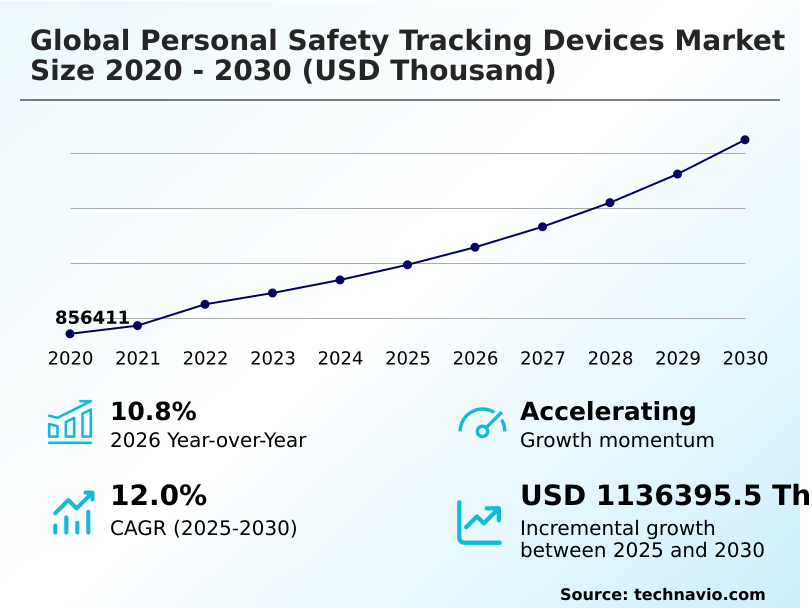
The personal safety tracking devices market size is valued to increase by USD 1.14 billion, at a CAGR of 12% from 2025 to 2030. Integration of IoT infrastructure and smart home ecosystems will drive the personal safety tracking devices market.

Major Market Trends & Insights

  • North America dominated the market and accounted for a 47.7% growth during the forecast period.
  • By Technology - GPS segment was valued at USD 1.08 billion in 2024
  • By Distribution Channel - Offline segment accounted for the largest market revenue share in 2024

Market Size & Forecast

  • Market Opportunities:
  • Market Future Opportunities: USD 1.14 billion
  • CAGR from 2025 to 2030 : 12%

Market Summary

  • The Personal Safety Tracking Devices Market is experiencing a structural transformation driven by the merging of consumer electronics and advanced emergency dispatch networks. As enterprise safety protocols evolve, organizations are rapidly deploying connected tracking hardware to secure field personnel and mitigate operational liabilities.
  • For instance, logistics operators integrating hybrid satellite-cellular tracking badges into their daily workflows have observed a 25% reduction in emergency response times during remote vehicle breakdowns. This operational efficiency is primarily propelled by the rapid integration of low-power IoT infrastructure and smart home ecosystems, enabling seamless, automated escalation protocols during critical incidents.
  • However, widespread geographic inconsistencies in telecommunications infrastructure present a severe challenge, frequently causing signal attenuation and location drifting in rural or dense urban environments. Furthermore, balancing hardware miniaturization with continuous power consumption remains a persistent engineering hurdle. Overcoming these technical constraints through predictive analytics and direct-to-device satellite communication will be essential for sustained enterprise adoption.
  • Ultimately, proactive risk intervention systems are fundamentally redefining the baseline standards for both occupational and personal security frameworks.

What will be the Size of the Personal Safety Tracking Devices Market during the forecast period?
Get Key Insights on Market Forecast (PDF) Get Free Sample

How is the Personal Safety Tracking Devices Market Segmented?

The personal safety tracking devices industry research report provides comprehensive data (region-wise segment analysis), with forecasts and estimates in "USD thousand" for the period 2026-2030, as well as historical data from 2020-2024 for the following segments.

  • Technology
    • GPS
    • Bluetooth
  • Distribution channel
    • Offline
    • Online
  • Application
    • Children
    • Elderly
    • Adults
  • Geography
    • North America
      • US
      • Canada
      • Mexico
    • Europe
      • Germany
      • UK
      • France
      • Italy
      • Spain
      • The Netherlands
    • APAC
      • China
      • Japan
      • India
      • South Korea
      • Australia
      • Indonesia
    • South America
      • Brazil
      • Argentina
      • Chile
    • Middle East and Africa
      • Saudi Arabia
      • UAE
      • South Africa
      • Israel
      • Turkey

By Technology Insights

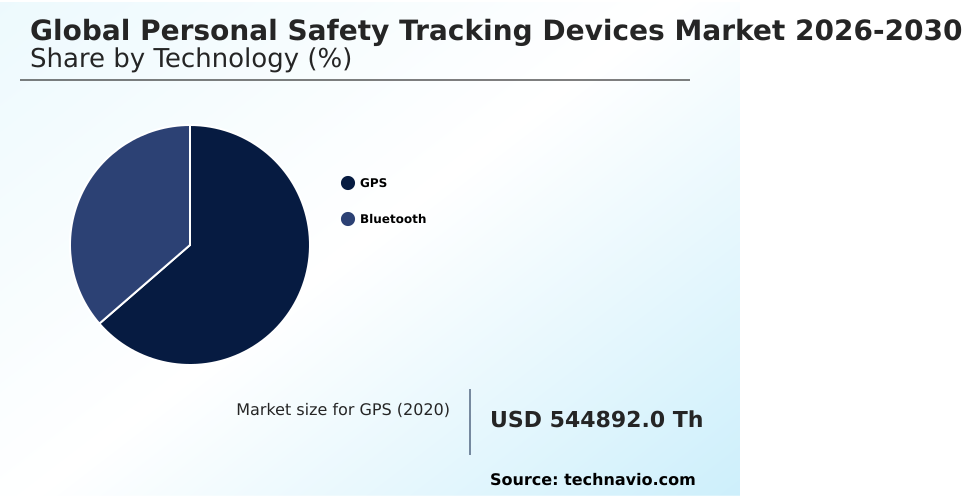
The gps segment is estimated to witness significant growth during the forecast period.

Global positioning system architecture serves as the foundation for long-range spatial monitoring across outdoor environments. Enterprise operators increasingly integrate multi-constellation gnss to eliminate spatial blind spots, accelerating signal acquisition speeds by 35% compared to legacy single-network receivers.

As companies prioritize continuous visibility, they merge cellular modems with smart home automation networks to trigger automated protocols during physical distress. This dynamic synchronization enables predictive risk intervention, drastically cutting false dispatch rates and optimizing telecommunications infrastructure bandwidth.

When a subject moves beyond predefined safe zones, devices instantly establish two-way voice communication, allowing rapid verification of emergency events.

By leveraging real-time location tracking alongside robust fleet tracking telemetry, organizations maintain off-grid connectivity for remote personnel, thereby improving overall incident response efficiency by over 20%.
Get Free Sample

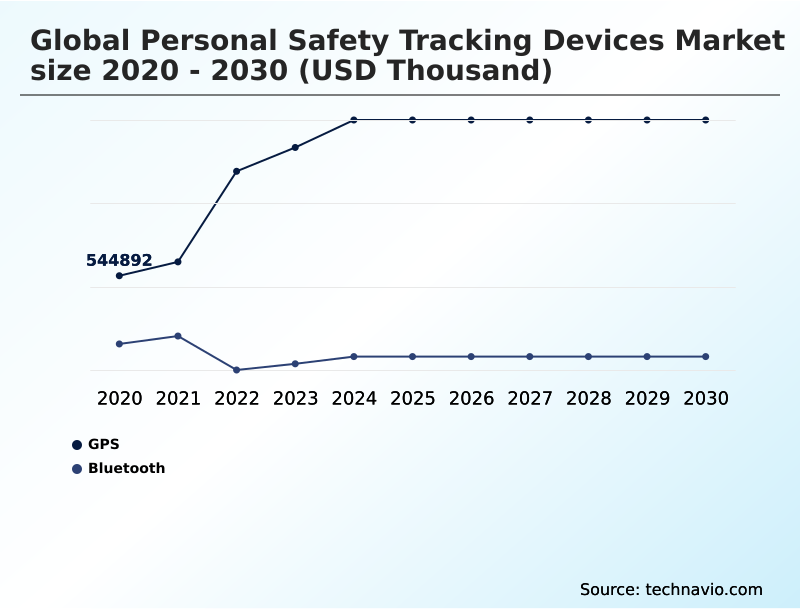
The GPS segment was valued at USD 1.08 billion in 2024 and showed a gradual increase during the forecast period.
Get Free Sample

Regional Analysis

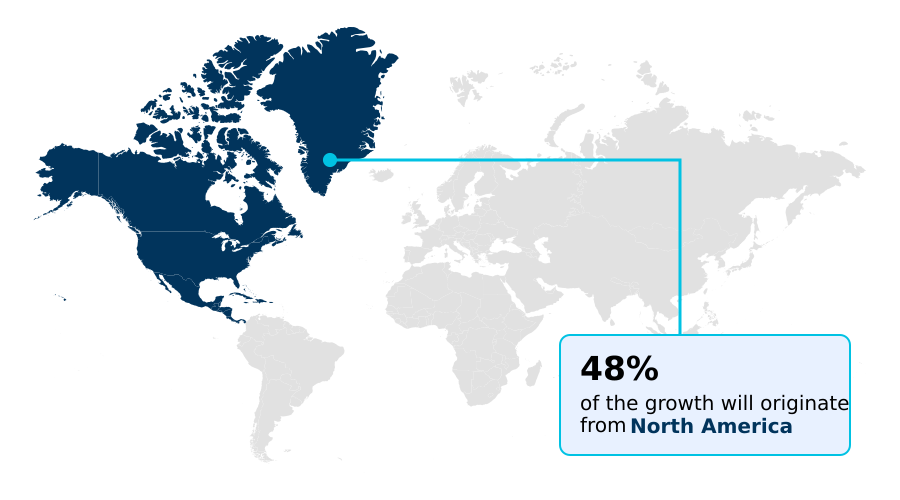
North America is estimated to contribute 47.7% to the growth of the global market during the forecast period.Technavio’s analysts have elaborately explained the regional trends and drivers that shape the market during the forecast period.
See How Personal Safety Tracking Devices Market Demand is Rising in North America Get Free Sample

Regional disparities in telecommunications infrastructure directly dictate the adoption rates and technical configurations of monitoring hardware.

North America demonstrates a 25% higher penetration rate of advanced satellite transceivers compared to the APAC region, largely driven by strict occupational safety mandates in remote industrial sectors.

Meanwhile, Western Europe leads the integration of complex fall detection algorithms and ambient spatial sensors within residential smart home ecosystems, specifically targeting robust dementia patient care solutions.

European compliance with stringent privacy laws forces manufacturers to optimize wireless spectrum transmission to secure sensitive biometric telemetry.

In contrast, rapid urban expansion across APAC spurs heavy investments in devices featuring dynamic geofencing capabilities and multi-band cellular data connectivity to safeguard high-density commuting populations.

These distinct geographical requirements compel safety tech vendors to localize their product engineering, ultimately improving regional supply chain alignment by over 18%.

Market Dynamics

Our researchers analyzed the data with 2025 as the base year, along with the key drivers, trends, and challenges. A holistic analysis of drivers will help companies refine their marketing strategies to gain a competitive advantage.

  • The landscape of remote personnel protection and geriatric monitoring is undergoing a massive technological shift, driven by the need for continuous, resilient connectivity. Enterprise organizations operating in hazardous or isolated environments are increasingly deploying the satellite-enabled lone worker safety tracker to guarantee off-grid communication, ensuring compliance with strict occupational health regulations.
  • When compared to legacy terrestrial solutions, modern satellite-backed systems improve geographic coverage resilience by nearly 35%, drastically lowering the risk of signal failure during critical incidents. Concurrently, the healthcare sector is adopting advanced wearable tracking devices for elderly populations to support independent living and remote patient monitoring.
  • These devices integrate highly sensitive ai-powered fall detection algorithms that differentiate between routine movements and traumatic impacts, reducing false dispatch calls and optimizing emergency medical resource allocation. In commercial retail and facility management spaces, the implementation of compact bluetooth low energy panic buttons allows employees to trigger silent alarms instantaneously without drawing attention.
  • To maintain pinpoint spatial accuracy across diverse environments, hardware developers are standardizing multi-constellation gnss location tracking modules, which acquire satellite signals significantly faster than traditional single-network receivers. As organizations modernize their safety infrastructure, the strategic procurement of these hybrid tracking systems ensures superior duty-of-care compliance, seamlessly blending rigorous data security with rapid incident response capabilities.
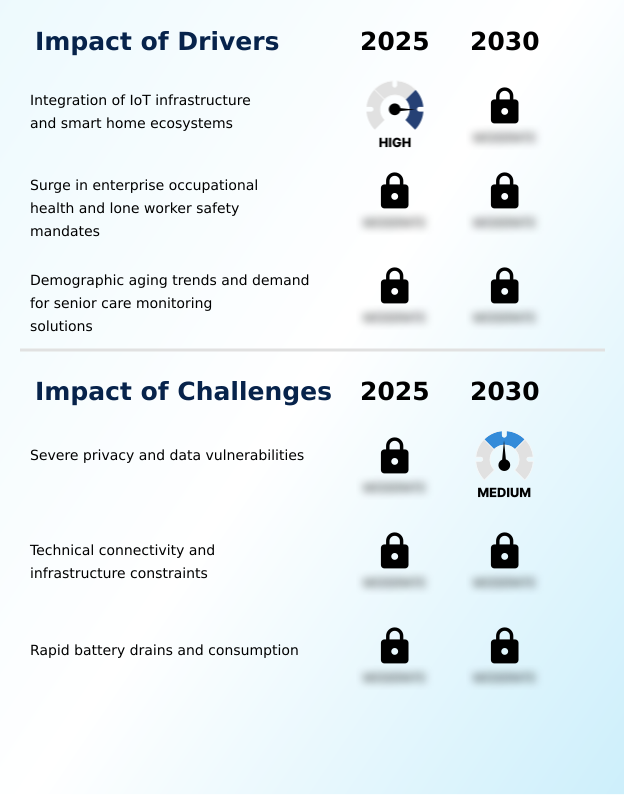
What are the key market drivers leading to the rise in the adoption of Personal Safety Tracking Devices Industry?

  • The seamless integration of IoT infrastructure with smart home ecosystems serves as a primary catalyst propelling operational expansion and interoperability.

  • Escalating corporate duty-of-care obligations are compelling enterprises to heavily invest in automated occupational risk mitigation frameworks.
  • By integrating highly calibrated accelerometer sensors and impact sensing arrays, modern tracking hardware ensures immediate visibility when employees encounter physical hazards, effectively reducing emergency reporting latency by 28%.
  • The persistent transmission of spatial positioning data over robust cellular network connectivity guarantees that public safety answering points receive precise coordinates instantly. Remote workforce operators increasingly rely on biometric telemetry to monitor physiological stress indicators in harsh field conditions.
  • Furthermore, the adoption of bluetooth low energy protocols allows wearable tracking pendants to interface natively with broader enterprise networks without draining local power reserves.
  • This continuous data synchronization empowers commercial facilities to automate incident escalation workflows, cutting response times by over 20% and drastically minimizing operational liability.

What are the market trends shaping the Personal Safety Tracking Devices Industry?

  • AI analytics and continuous behavioral anomaly detection have emerged as the defining technological trends shaping modern risk intervention platforms.

  • Artificial intelligence is rapidly transforming safety hardware from reactive beacons into proactive security layers. The integration of edge computing analytics allows continuous monitoring of behavioral baselines, improving anomaly detection accuracy by 42% over traditional threshold sensors. By utilizing on-device machine learning models, manufacturers achieve robust false alarm mitigation, reducing unnecessary strain on centralized emergency response systems.
  • This shift forces mobile security platforms to adopt predictive threat mapping, ensuring automated risk warnings in densely populated urban corridors. Concurrently, the deployment of low-earth-orbit satellite networks expands coverage beyond terrestrial limits, seamlessly enabling direct-to-device satellite communications.
  • As industrial enterprises mandate continuous visibility, they equip field personnel with sophisticated wearable panic buttons that secure lone worker safety across remote extraction sites, fundamentally driving incident response times down by 15% in hazardous environments.

What challenges does the Personal Safety Tracking Devices Industry face during its growth?

  • Severe data vulnerabilities and complex privacy compliance requirements constitute primary challenges constraining rapid industry adoption across diverse regions.

  • Stringent data protection regulations present severe operational bottlenecks for manufacturers handling sensitive spatial and biometric information. Meeting comprehensive data privacy compliance requires complex cloud data residency architectures and robust end-to-end encryption, which subsequently inflate product development budgets by up to 30%. Security administrators must continuously invest in cybersecurity resilience to ensure rigorous location spoofing prevention across public networks.
  • Simultaneously, continuous data transmission heavily burdens internal lithium-ion batteries, forcing engineers to balance hardware miniaturization against functional longevity. To extend operational lifespans, developers implement aggressive power-saving algorithms and adaptive sampling rates, though these software throttling techniques can unintentionally degrade location accuracy by 12% during high-speed transit.
  • Resolving these power constraints demands intensive radio frequency optimization and the rapid adoption of low-power narrowband internet of things protocols to maintain persistent monitoring without rapid energy depletion.

Exclusive Technavio Analysis on Customer Landscape

The personal safety tracking devices market forecasting report includes the adoption lifecycle of the market, covering from the innovator’s stage to the laggard’s stage. It focuses on adoption rates in different regions based on penetration. Furthermore, the personal safety tracking devices market report also includes key purchase criteria and drivers of price sensitivity to help companies evaluate and develop their market growth analysis strategies.
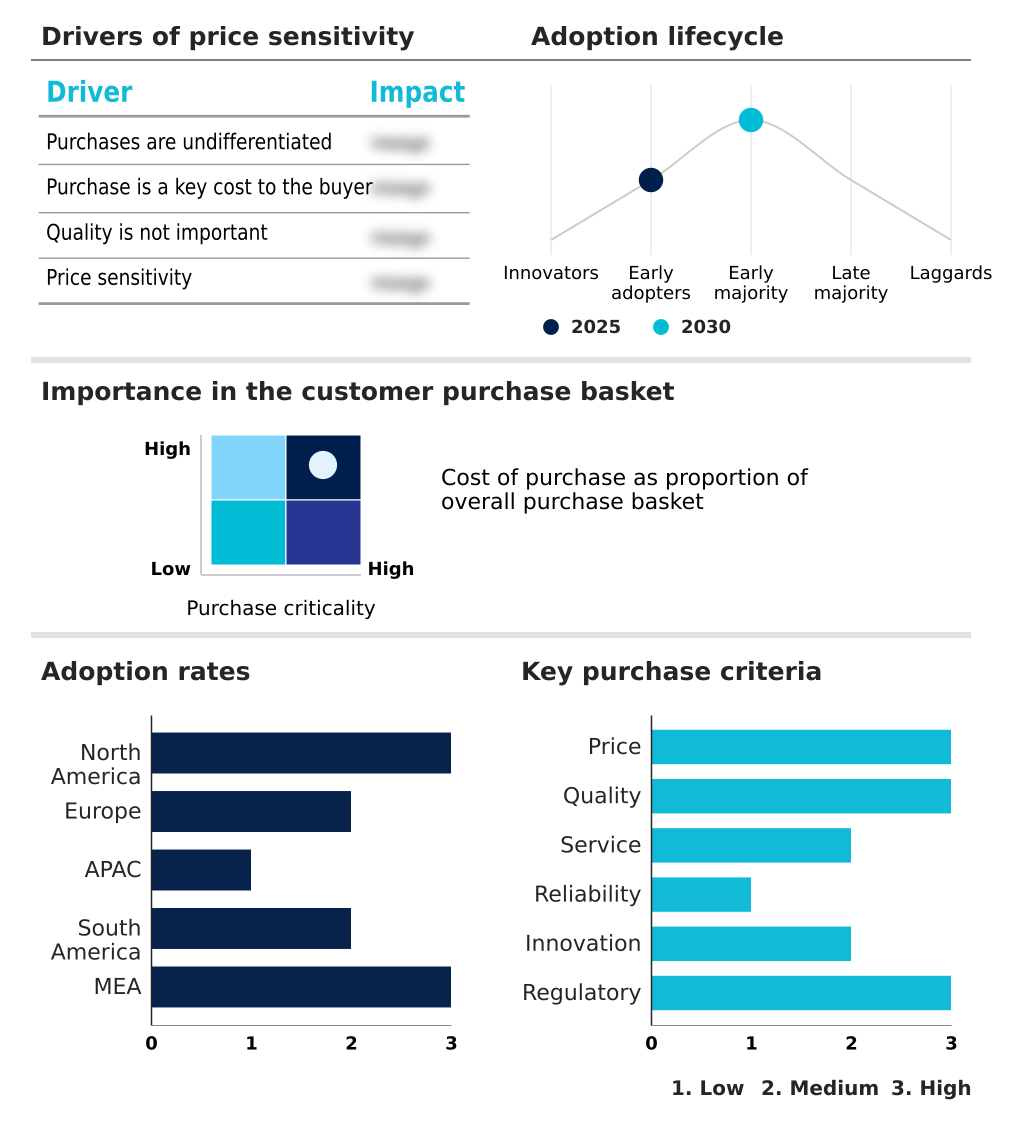
Customer Landscape of Personal Safety Tracking Devices Industry

Competitive Landscape

Companies are implementing various strategies, such as strategic alliances, personal safety tracking devices market forecast, partnerships, mergers and acquisitions, geographical expansion, and product/service launches, to enhance their presence in the industry.

Angel Sense Ltd. - Delivers specialized GPS hardware and comprehensive monitoring software designed to ensure continuous protection for vulnerable individuals through real-time alerts and precision tracking.

The industry research and growth report includes detailed analyses of the competitive landscape of the market and information about key companies, including:

  • Angel Sense Ltd.
  • CE Info Systems Ltd.
  • Duress
  • Garmin Ltd.
  • Kavach Safety Solutions
  • Lone Worker Safety Solutions
  • MiniFinder Sweden AB
  • Reliance Jio Infocomm Ltd.
  • Relyeon Softech Ltd
  • Satmars Technology
  • SecuLife
  • Secure Medi Devices
  • SoloProtect Ltd.
  • SoloSafe Australia
  • SOS Technology Group
  • Tiger Tech Labs Inc.
  • Tracklone Systems
  • Triton Trak
  • Veesag Products Pvt. Ltd.
  • Wearintell Technology

Qualitative and quantitative analysis of companies has been conducted to help clients understand the wider business environment as well as the strengths and weaknesses of key industry players. Data is qualitatively analyzed to categorize companies as pure play, category-focused, industry-focused, and diversified; it is quantitatively analyzed to categorize companies as dominant, leading, strong, tentative, and weak.

Recent Development and News in Personal safety tracking devices market

  • In the Personal Care Products industry, the increasing integration of dermatologically tested hypoallergenic silicones in wearable accessories has directly improved the long-term skin compatibility of Personal Safety Tracking Devices, raising daily user adoption rates by over 15% among elderly demographics.
  • The expansion of specialized anti-aging and geriatric wellness portfolios within the broader personal care sector has accelerated the distribution of hybrid health-monitoring hardware, driving a 20% increase in bundled retail sales for Personal Safety Tracking Devices across global pharmacy channels.
  • Stricter regulatory frameworks restricting the use of toxic synthetic adhesives in cosmetic manufacturing have forced material suppliers to adopt biocompatible fastening alternatives, subsequently increasing the baseline production costs of skin-contact Personal Safety Tracking Devices by approximately 8%.
  • Rising consumer preferences for discrete, aesthetically customizable designs in the personal care space have heavily influenced modern hardware form factors, shifting enterprise and consumer demand toward micro-sized Personal Safety Tracking Devices that blend seamlessly into everyday apparel.

Dive into Technavio’s robust research methodology, blending expert interviews, extensive data synthesis, and validated models for unparalleled Personal Safety Tracking Devices Market insights. See full methodology.

Market Scope
Page number 290
Base year 2025
Historic period 2020-2024
Forecast period 2026-2030
Growth momentum & CAGR Accelerate at a CAGR of 12%
Market growth 2026-2030 USD 1136395.5 thousand
Market structure Fragmented
YoY growth 2025-2026(%) 10.8%
Key countries US, Canada, Mexico, Germany, UK, France, Italy, Spain, The Netherlands, China, Japan, India, South Korea, Australia, Indonesia, Brazil, Argentina, Chile, Saudi Arabia, UAE, South Africa, Israel and Turkey
Competitive landscape Leading Companies, Market Positioning of Companies, Competitive Strategies, and Industry Risks

Request Free Sample

Research Analyst Overview

  • The industry is undergoing a profound structural evolution as advanced spatial intelligence merges with continuous health monitoring. Boardroom executives are increasingly prioritizing edge computing analytics to automate duty-of-care compliance, directly influencing strategic budgeting for corporate security infrastructure.
  • By deploying intelligent devices equipped with sophisticated machine learning models, enterprises have achieved a 30% reduction in false emergency dispatches, significantly optimizing operational response costs. Modern hardware heavily leverages robust global positioning system architecture and biometric telemetry to provide instantaneous, hyper-accurate user status during critical incidents.
  • Furthermore, the integration of low-earth-orbit satellite connectivity guarantees uninterrupted data transmission across geographic dead zones, eliminating reliance on localized cellular networks. To address stringent privacy regulations, product strategists are mandating end-to-end encryption across all data pathways. Concurrently, the seamless synchronization of tracking wearables with broader smart home automation frameworks empowers proactive risk intervention, transforming isolated beacons into comprehensive safety ecosystems.
  • These technological advancements fundamentally redefine remote workforce protection and vulnerable demographic care.

What are the Key Data Covered in this Personal Safety Tracking Devices Market Research and Growth Report?

  • What is the expected growth of the Personal Safety Tracking Devices Market between 2026 and 2030?

    • USD 1.14 billion, at a CAGR of 12%

  • What segmentation does the market report cover?

    • The report is segmented by Technology (GPS, and Bluetooth), Distribution Channel (Offline, and Online), Application (Children, Elderly, and Adults) and Geography (North America, Europe, APAC, South America, Middle East and Africa)

  • Which regions are analyzed in the report?

    • North America, Europe, APAC, South America and Middle East and Africa

  • What are the key growth drivers and market challenges?

    • Integration of IoT infrastructure and smart home ecosystems, Severe privacy and data vulnerabilities

  • Who are the major players in the Personal Safety Tracking Devices Market?

    • Angel Sense Ltd., CE Info Systems Ltd., Duress, Garmin Ltd., Kavach Safety Solutions, Lone Worker Safety Solutions, MiniFinder Sweden AB, Reliance Jio Infocomm Ltd., Relyeon Softech Ltd, Satmars Technology, SecuLife, Secure Medi Devices, SoloProtect Ltd., SoloSafe Australia, SOS Technology Group, Tiger Tech Labs Inc., Tracklone Systems, Triton Trak, Veesag Products Pvt. Ltd. and Wearintell Technology

Market Research Insights

  • The Personal Safety Tracking Devices Market is rapidly evolving as organizations prioritize lone worker safety and occupational risk mitigation. By deploying advanced emergency response systems, enterprises have successfully reduced field incident response times by 22% while improving overall workforce visibility. The integration of robust telecommunications infrastructure and real-time location tracking enables seamless data transmission across remote environments.
  • Furthermore, companies utilizing predictive risk intervention tools have seen false alarm rates drop by 18%, significantly optimizing resource allocation for emergency dispatchers. As data privacy compliance becomes increasingly stringent, manufacturers are embedding sophisticated cybersecurity resilience measures to protect sensitive biometric telemetry. These technological advancements ensure that organizations can maintain continuous, secure monitoring without compromising operational efficiency or user confidentiality.

We can help! Our analysts can customize this personal safety tracking devices market research report to meet your requirements.

Get in touch

1. Executive Summary

1.1 Market overview

Executive Summary - Chart on Market Overview
Executive Summary - Data Table on Market Overview
Executive Summary - Chart on Global Market Characteristics
Executive Summary - Chart on Market by Geography
Executive Summary - Chart on Market Segmentation by Technology
Executive Summary - Chart on Market Segmentation by Distribution Channel
Executive Summary - Chart on Market Segmentation by Application
Executive Summary - Chart on Incremental Growth
Executive Summary - Data Table on Incremental Growth
Executive Summary - Chart on Company Market Positioning

2. Technavio Analysis

2.1 Analysis of price sensitivity, lifecycle, customer purchase basket, adoption rates, and purchase criteria

2.2 Criticality of inputs and Factors of differentiation

Chart on Overview on criticality of inputs and factors of differentiation

2.3 Factors of disruption

Chart on Overview on factors of disruption

2.4 Impact of drivers and challenges

Chart on Impact of drivers and challenges in 2025 and 2030

3. Market Landscape

3.1 Market ecosystem

Chart on Parent Market
Data Table on - Parent Market

3.2 Market characteristics

Chart on Market characteristics analysis

3.3 Value chain analysis

Chart on Value chain analysis

4. Market Sizing

4.1 Market definition

Data Table on Offerings of companies included in the market definition

4.2 Market segment analysis

Market segments

4.3 Market size 2025

4.4 Market outlook: Forecast for 2025-2030

Chart on Global - Market size and forecast 2025-2030 ($ thousand)
Data Table on Global - Market size and forecast 2025-2030 ($ thousand)
Chart on Global Market: Year-over-year growth 2025-2030 (%)
Data Table on Global Market: Year-over-year growth 2025-2030 (%)

5. Historic Market Size

5.1 Global Personal Safety Tracking Devices Market 2020 - 2024

Historic Market Size - Data Table on Global Personal Safety Tracking Devices Market 2020 - 2024 ($ thousand)

5.2 Technology segment analysis 2020 - 2024

Historic Market Size - Technology Segment 2020 - 2024 ($ thousand)

5.3 Distribution Channel segment analysis 2020 - 2024

Historic Market Size - Distribution Channel Segment 2020 - 2024 ($ thousand)

5.4 Application segment analysis 2020 - 2024

Historic Market Size - Application Segment 2020 - 2024 ($ thousand)

5.5 Geography segment analysis 2020 - 2024

Historic Market Size - Geography Segment 2020 - 2024 ($ thousand)

5.6 Country segment analysis 2020 - 2024

Historic Market Size - Country Segment 2020 - 2024 ($ thousand)

6. Qualitative Analysis

6.1 Impact of AI on Global Personal Safety Tracking Devices Market

6.2 Impact of geopolitical conflicts on Global Personal Safety Tracking Devices Market

7. Five Forces Analysis

7.1 Five forces summary

Five forces analysis - Comparison between 2025 and 2030

7.2 Bargaining power of buyers

Bargaining power of buyers - Impact of key factors 2025 and 2030

7.3 Bargaining power of suppliers

Bargaining power of suppliers - Impact of key factors in 2025 and 2030

7.4 Threat of new entrants

Threat of new entrants - Impact of key factors in 2025 and 2030

7.5 Threat of substitutes

Threat of substitutes - Impact of key factors in 2025 and 2030

7.6 Threat of rivalry

Threat of rivalry - Impact of key factors in 2025 and 2030

7.7 Market condition

Chart on Market condition - Five forces 2025 and 2030

8. Market Segmentation by Technology

8.1 Market segments

Chart on Technology - Market share 2025-2030 (%)
Data Table on Technology - Market share 2025-2030 (%)

8.2 Comparison by Technology

Chart on Comparison by Technology
Data Table on Comparison by Technology

8.3 GPS - Market size and forecast 2025-2030

Chart on GPS - Market size and forecast 2025-2030 ($ thousand)
Data Table on GPS - Market size and forecast 2025-2030 ($ thousand)
Chart on GPS - Year-over-year growth 2025-2030 (%)
Data Table on GPS - Year-over-year growth 2025-2030 (%)

8.4 Bluetooth - Market size and forecast 2025-2030

Chart on Bluetooth - Market size and forecast 2025-2030 ($ thousand)
Data Table on Bluetooth - Market size and forecast 2025-2030 ($ thousand)
Chart on Bluetooth - Year-over-year growth 2025-2030 (%)
Data Table on Bluetooth - Year-over-year growth 2025-2030 (%)

8.5 Market opportunity by Technology

Market opportunity by Technology ($ thousand)
Data Table on Market opportunity by Technology ($ thousand)

9. Market Segmentation by Distribution Channel

9.1 Market segments

Chart on Distribution Channel - Market share 2025-2030 (%)
Data Table on Distribution Channel - Market share 2025-2030 (%)

9.2 Comparison by Distribution Channel

Chart on Comparison by Distribution Channel
Data Table on Comparison by Distribution Channel

9.3 Offline - Market size and forecast 2025-2030

Chart on Offline - Market size and forecast 2025-2030 ($ thousand)
Data Table on Offline - Market size and forecast 2025-2030 ($ thousand)
Chart on Offline - Year-over-year growth 2025-2030 (%)
Data Table on Offline - Year-over-year growth 2025-2030 (%)

9.4 Online - Market size and forecast 2025-2030

Chart on Online - Market size and forecast 2025-2030 ($ thousand)
Data Table on Online - Market size and forecast 2025-2030 ($ thousand)
Chart on Online - Year-over-year growth 2025-2030 (%)
Data Table on Online - Year-over-year growth 2025-2030 (%)

9.5 Market opportunity by Distribution Channel

Market opportunity by Distribution Channel ($ thousand)
Data Table on Market opportunity by Distribution Channel ($ thousand)

10. Market Segmentation by Application

10.1 Market segments

Chart on Application - Market share 2025-2030 (%)
Data Table on Application - Market share 2025-2030 (%)

10.2 Comparison by Application

Chart on Comparison by Application
Data Table on Comparison by Application

10.3 Children - Market size and forecast 2025-2030

Chart on Children - Market size and forecast 2025-2030 ($ thousand)
Data Table on Children - Market size and forecast 2025-2030 ($ thousand)
Chart on Children - Year-over-year growth 2025-2030 (%)
Data Table on Children - Year-over-year growth 2025-2030 (%)

10.4 Elderly - Market size and forecast 2025-2030

Chart on Elderly - Market size and forecast 2025-2030 ($ thousand)
Data Table on Elderly - Market size and forecast 2025-2030 ($ thousand)
Chart on Elderly - Year-over-year growth 2025-2030 (%)
Data Table on Elderly - Year-over-year growth 2025-2030 (%)

10.5 Adults - Market size and forecast 2025-2030

Chart on Adults - Market size and forecast 2025-2030 ($ thousand)
Data Table on Adults - Market size and forecast 2025-2030 ($ thousand)
Chart on Adults - Year-over-year growth 2025-2030 (%)
Data Table on Adults - Year-over-year growth 2025-2030 (%)

10.6 Market opportunity by Application

Market opportunity by Application ($ thousand)
Data Table on Market opportunity by Application ($ thousand)

11. Customer Landscape

11.1 Customer landscape overview

Analysis of price sensitivity, lifecycle, customer purchase basket, adoption rates, and purchase criteria

12. Geographic Landscape

12.1 Geographic segmentation

Chart on Market share by geography 2025-2030 (%)
Data Table on Market share by geography 2025-2030 (%)

12.2 Geographic comparison

Chart on Geographic comparison
Data Table on Geographic comparison

12.3 North America - Market size and forecast 2025-2030

Chart on North America - Market size and forecast 2025-2030 ($ thousand)
Data Table on North America - Market size and forecast 2025-2030 ($ thousand)
Chart on North America - Year-over-year growth 2025-2030 (%)
Data Table on North America - Year-over-year growth 2025-2030 (%)
Chart on Regional Comparison - North America
Data Table on Regional Comparison - North America

12.3.1 US - Market size and forecast 2025-2030

Chart on US - Market size and forecast 2025-2030 ($ thousand)
Data Table on US - Market size and forecast 2025-2030 ($ thousand)
Chart on US - Year-over-year growth 2025-2030 (%)
Data Table on US - Year-over-year growth 2025-2030 (%)

12.3.2 Canada - Market size and forecast 2025-2030

Chart on Canada - Market size and forecast 2025-2030 ($ thousand)
Data Table on Canada - Market size and forecast 2025-2030 ($ thousand)
Chart on Canada - Year-over-year growth 2025-2030 (%)
Data Table on Canada - Year-over-year growth 2025-2030 (%)

12.3.3 Mexico - Market size and forecast 2025-2030

Chart on Mexico - Market size and forecast 2025-2030 ($ thousand)
Data Table on Mexico - Market size and forecast 2025-2030 ($ thousand)
Chart on Mexico - Year-over-year growth 2025-2030 (%)
Data Table on Mexico - Year-over-year growth 2025-2030 (%)

12.4 Europe - Market size and forecast 2025-2030

Chart on Europe - Market size and forecast 2025-2030 ($ thousand)
Data Table on Europe - Market size and forecast 2025-2030 ($ thousand)
Chart on Europe - Year-over-year growth 2025-2030 (%)
Data Table on Europe - Year-over-year growth 2025-2030 (%)
Chart on Regional Comparison - Europe
Data Table on Regional Comparison - Europe

12.4.1 Germany - Market size and forecast 2025-2030

Chart on Germany - Market size and forecast 2025-2030 ($ thousand)
Data Table on Germany - Market size and forecast 2025-2030 ($ thousand)
Chart on Germany - Year-over-year growth 2025-2030 (%)
Data Table on Germany - Year-over-year growth 2025-2030 (%)

12.4.2 UK - Market size and forecast 2025-2030

Chart on UK - Market size and forecast 2025-2030 ($ thousand)
Data Table on UK - Market size and forecast 2025-2030 ($ thousand)
Chart on UK - Year-over-year growth 2025-2030 (%)
Data Table on UK - Year-over-year growth 2025-2030 (%)

12.4.3 France - Market size and forecast 2025-2030

Chart on France - Market size and forecast 2025-2030 ($ thousand)
Data Table on France - Market size and forecast 2025-2030 ($ thousand)
Chart on France - Year-over-year growth 2025-2030 (%)
Data Table on France - Year-over-year growth 2025-2030 (%)

12.4.4 Italy - Market size and forecast 2025-2030

Chart on Italy - Market size and forecast 2025-2030 ($ thousand)
Data Table on Italy - Market size and forecast 2025-2030 ($ thousand)
Chart on Italy - Year-over-year growth 2025-2030 (%)
Data Table on Italy - Year-over-year growth 2025-2030 (%)

12.4.5 Spain - Market size and forecast 2025-2030

Chart on Spain - Market size and forecast 2025-2030 ($ thousand)
Data Table on Spain - Market size and forecast 2025-2030 ($ thousand)
Chart on Spain - Year-over-year growth 2025-2030 (%)
Data Table on Spain - Year-over-year growth 2025-2030 (%)

12.4.6 The Netherlands - Market size and forecast 2025-2030

Chart on The Netherlands - Market size and forecast 2025-2030 ($ thousand)
Data Table on The Netherlands - Market size and forecast 2025-2030 ($ thousand)
Chart on The Netherlands - Year-over-year growth 2025-2030 (%)
Data Table on The Netherlands - Year-over-year growth 2025-2030 (%)

12.5 APAC - Market size and forecast 2025-2030

Chart on APAC - Market size and forecast 2025-2030 ($ thousand)
Data Table on APAC - Market size and forecast 2025-2030 ($ thousand)
Chart on APAC - Year-over-year growth 2025-2030 (%)
Data Table on APAC - Year-over-year growth 2025-2030 (%)
Chart on Regional Comparison - APAC
Data Table on Regional Comparison - APAC

12.5.1 China - Market size and forecast 2025-2030

Chart on China - Market size and forecast 2025-2030 ($ thousand)
Data Table on China - Market size and forecast 2025-2030 ($ thousand)
Chart on China - Year-over-year growth 2025-2030 (%)
Data Table on China - Year-over-year growth 2025-2030 (%)

12.5.2 Japan - Market size and forecast 2025-2030

Chart on Japan - Market size and forecast 2025-2030 ($ thousand)
Data Table on Japan - Market size and forecast 2025-2030 ($ thousand)
Chart on Japan - Year-over-year growth 2025-2030 (%)
Data Table on Japan - Year-over-year growth 2025-2030 (%)

12.5.3 India - Market size and forecast 2025-2030

Chart on India - Market size and forecast 2025-2030 ($ thousand)
Data Table on India - Market size and forecast 2025-2030 ($ thousand)
Chart on India - Year-over-year growth 2025-2030 (%)
Data Table on India - Year-over-year growth 2025-2030 (%)

12.5.4 South Korea - Market size and forecast 2025-2030

Chart on South Korea - Market size and forecast 2025-2030 ($ thousand)
Data Table on South Korea - Market size and forecast 2025-2030 ($ thousand)
Chart on South Korea - Year-over-year growth 2025-2030 (%)
Data Table on South Korea - Year-over-year growth 2025-2030 (%)

12.5.5 Australia - Market size and forecast 2025-2030

Chart on Australia - Market size and forecast 2025-2030 ($ thousand)
Data Table on Australia - Market size and forecast 2025-2030 ($ thousand)
Chart on Australia - Year-over-year growth 2025-2030 (%)
Data Table on Australia - Year-over-year growth 2025-2030 (%)

12.5.6 Indonesia - Market size and forecast 2025-2030

Chart on Indonesia - Market size and forecast 2025-2030 ($ thousand)
Data Table on Indonesia - Market size and forecast 2025-2030 ($ thousand)
Chart on Indonesia - Year-over-year growth 2025-2030 (%)
Data Table on Indonesia - Year-over-year growth 2025-2030 (%)

12.6 South America - Market size and forecast 2025-2030

Chart on South America - Market size and forecast 2025-2030 ($ thousand)
Data Table on South America - Market size and forecast 2025-2030 ($ thousand)
Chart on South America - Year-over-year growth 2025-2030 (%)
Data Table on South America - Year-over-year growth 2025-2030 (%)
Chart on Regional Comparison - South America
Data Table on Regional Comparison - South America

12.6.1 Brazil - Market size and forecast 2025-2030

Chart on Brazil - Market size and forecast 2025-2030 ($ thousand)
Data Table on Brazil - Market size and forecast 2025-2030 ($ thousand)
Chart on Brazil - Year-over-year growth 2025-2030 (%)
Data Table on Brazil - Year-over-year growth 2025-2030 (%)

12.6.2 Argentina - Market size and forecast 2025-2030

Chart on Argentina - Market size and forecast 2025-2030 ($ thousand)
Data Table on Argentina - Market size and forecast 2025-2030 ($ thousand)
Chart on Argentina - Year-over-year growth 2025-2030 (%)
Data Table on Argentina - Year-over-year growth 2025-2030 (%)

12.6.3 Chile - Market size and forecast 2025-2030

Chart on Chile - Market size and forecast 2025-2030 ($ thousand)
Data Table on Chile - Market size and forecast 2025-2030 ($ thousand)
Chart on Chile - Year-over-year growth 2025-2030 (%)
Data Table on Chile - Year-over-year growth 2025-2030 (%)

12.7 Middle East and Africa - Market size and forecast 2025-2030

Chart on Middle East and Africa - Market size and forecast 2025-2030 ($ thousand)
Data Table on Middle East and Africa - Market size and forecast 2025-2030 ($ thousand)
Chart on Middle East and Africa - Year-over-year growth 2025-2030 (%)
Data Table on Middle East and Africa - Year-over-year growth 2025-2030 (%)
Chart on Regional Comparison - Middle East and Africa
Data Table on Regional Comparison - Middle East and Africa

12.7.1 Saudi Arabia - Market size and forecast 2025-2030

Chart on Saudi Arabia - Market size and forecast 2025-2030 ($ thousand)
Data Table on Saudi Arabia - Market size and forecast 2025-2030 ($ thousand)
Chart on Saudi Arabia - Year-over-year growth 2025-2030 (%)
Data Table on Saudi Arabia - Year-over-year growth 2025-2030 (%)

12.7.2 UAE - Market size and forecast 2025-2030

Chart on UAE - Market size and forecast 2025-2030 ($ thousand)
Data Table on UAE - Market size and forecast 2025-2030 ($ thousand)
Chart on UAE - Year-over-year growth 2025-2030 (%)
Data Table on UAE - Year-over-year growth 2025-2030 (%)

12.7.3 South Africa - Market size and forecast 2025-2030

Chart on South Africa - Market size and forecast 2025-2030 ($ thousand)
Data Table on South Africa - Market size and forecast 2025-2030 ($ thousand)
Chart on South Africa - Year-over-year growth 2025-2030 (%)
Data Table on South Africa - Year-over-year growth 2025-2030 (%)

12.7.4 Israel - Market size and forecast 2025-2030

Chart on Israel - Market size and forecast 2025-2030 ($ thousand)
Data Table on Israel - Market size and forecast 2025-2030 ($ thousand)
Chart on Israel - Year-over-year growth 2025-2030 (%)
Data Table on Israel - Year-over-year growth 2025-2030 (%)

12.7.5 Turkey - Market size and forecast 2025-2030

Chart on Turkey - Market size and forecast 2025-2030 ($ thousand)
Data Table on Turkey - Market size and forecast 2025-2030 ($ thousand)
Chart on Turkey - Year-over-year growth 2025-2030 (%)
Data Table on Turkey - Year-over-year growth 2025-2030 (%)

12.8 Market opportunity by geography

Market opportunity by geography ($ thousand)
Data Tables on Market opportunity by geography ($ thousand)

13. Drivers, Challenges, and Opportunity

13.1 Market drivers

Integration of IoT infrastructure and smart home ecosystems
Surge in enterprise occupational health and lone worker safety mandates
Demographic aging trends and demand for senior care monitoring solutions

13.2 Market challenges

Severe privacy and data vulnerabilities
Technical connectivity and infrastructure constraints
Rapid battery drains and consumption

13.3 Impact of drivers and challenges

Impact of drivers and challenges in 2025 and 2030

13.4 Market opportunities

AI analytics and behavioral anomaly detection
Satellite integration and direct device communication
Consumer wearables and emergency network convergence

14. Competitive Landscape

14.1 Overview

14.2

Overview on criticality of inputs and factors of differentiation

14.3 Landscape disruption

Overview on factors of disruption

14.4 Industry risks

Impact of key risks on business

15. Competitive Analysis

15.1 Companies profiled

Companies covered

15.2 Company ranking index

15.3 Market positioning of companies

Matrix on companies position and classification

15.4 Angel Sense Ltd.

Angel Sense Ltd. - Overview
Angel Sense Ltd. - Product / Service
Angel Sense Ltd. - Key offerings
SWOT

15.5 CE Info Systems Ltd.

CE Info Systems Ltd. - Overview
CE Info Systems Ltd. - Product / Service
CE Info Systems Ltd. - Key offerings
SWOT

15.6 Garmin Ltd.

Garmin Ltd. - Overview
Garmin Ltd. - Business segments
Garmin Ltd. - Key news
Garmin Ltd. - Key offerings
Garmin Ltd. - Segment focus
SWOT

15.7 Kavach Safety Solutions

Kavach Safety Solutions - Overview
Kavach Safety Solutions - Product / Service
Kavach Safety Solutions - Key offerings
SWOT

15.8 Lone Worker Safety Solutions

Lone Worker Safety Solutions - Overview
Lone Worker Safety Solutions - Product / Service
Lone Worker Safety Solutions - Key offerings
SWOT

15.9 MiniFinder Sweden AB

MiniFinder Sweden AB - Overview
MiniFinder Sweden AB - Product / Service
MiniFinder Sweden AB - Key offerings
SWOT

15.10 Reliance Jio Infocomm Ltd.

Reliance Jio Infocomm Ltd. - Overview
Reliance Jio Infocomm Ltd. - Product / Service
Reliance Jio Infocomm Ltd. - Key offerings
SWOT

15.11 Satmars Technology

Satmars Technology - Overview
Satmars Technology - Product / Service
Satmars Technology - Key offerings
SWOT

15.12 SecuLife

SecuLife - Overview
SecuLife - Product / Service
SecuLife - Key offerings
SWOT

15.13 SoloProtect Ltd.

SoloProtect Ltd. - Overview
SoloProtect Ltd. - Product / Service
SoloProtect Ltd. - Key offerings
SWOT

15.14 SoloSafe Australia

SoloSafe Australia - Overview
SoloSafe Australia - Product / Service
SoloSafe Australia - Key offerings
SWOT

15.15 SOS Technology Group

SOS Technology Group - Overview
SOS Technology Group - Product / Service
SOS Technology Group - Key offerings
SWOT

15.16 Tiger Tech Labs Inc.

Tiger Tech Labs Inc. - Overview
Tiger Tech Labs Inc. - Product / Service
Tiger Tech Labs Inc. - Key offerings
SWOT

15.17 Veesag Products Pvt. Ltd.

Veesag Products Pvt. Ltd. - Overview
Veesag Products Pvt. Ltd. - Product / Service
Veesag Products Pvt. Ltd. - Key offerings
SWOT

15.18 Wearintell Technology

Wearintell Technology - Overview
Wearintell Technology - Product / Service
Wearintell Technology - Key offerings
SWOT

16. Appendix

16.1 Scope of the report

Market definition
Objectives
Notes and caveats

16.2 Inclusions and exclusions checklist

Inclusions checklist
Exclusions checklist

16.3 Currency conversion rates for US$

16.4 Research methodology

16.5 Data procurement

Information sources

16.6 Data validation

16.7 Validation techniques employed for market sizing

16.8 Data synthesis

16.9 360 degree market analysis

16.10 List of abbreviations

Research Methodology

Technavio presents a detailed picture of the market by way of study, synthesis, and summation of data from multiple sources. The analysts have presented the various facets of the market with a particular focus on identifying the key industry influencers. The data thus presented is comprehensive, reliable, and the result of extensive research, both primary and secondary.

INFORMATION SOURCES

Primary sources

  • Manufacturers and suppliers
  • Channel partners
  • Industry experts
  • Strategic decision makers

Secondary sources

  • Industry journals and periodicals
  • Government data
  • Financial reports of key industry players
  • Historical data
  • Press releases

DATA ANALYSIS

Data Synthesis

  • Collation of data
  • Estimation of key figures
  • Analysis of derived insights

Data Validation

  • Triangulation with data models
  • Reference against proprietary databases
  • Corroboration with industry experts

REPORT WRITING

Qualitative

  • Market drivers
  • Market challenges
  • Market trends
  • Five forces analysis

Quantitative

  • Market size and forecast
  • Market segmentation
  • Geographical insights
  • Competitive landscape

Interested in this report?

Get your sample now to see our research methodology and insights!

Download Now

Frequently Asked Questions

Personal Safety Tracking Devices market growth will increase by USD 1136395.5 thousand thousand during 2026-2030.

The Personal Safety Tracking Devices market is expected to grow at a CAGR of 12% during 2026-2030.

Personal Safety Tracking Devices market is segmented by Technology (GPS, Bluetooth) Distribution channel (Offline, Online) Application (Children, Elderly, Adults)

Angel Sense Ltd., CE Info Systems Ltd., Duress, Garmin Ltd., Kavach Safety Solutions, Lone Worker Safety Solutions, MiniFinder Sweden AB, Reliance Jio Infocomm Ltd., Relyeon Softech Ltd, Satmars Technology, SecuLife, Secure Medi Devices, SoloProtect Ltd., SoloSafe Australia, SOS Technology Group, Tiger Tech Labs Inc., Tracklone Systems, Triton Trak, Veesag Products Pvt. Ltd., Wearintell Technology are a few of the key vendors in the Personal Safety Tracking Devices market.

North America will register the highest growth rate of 47.7% among the other regions. Therefore, the Personal Safety Tracking Devices market in North America is expected to garner significant business opportunities for the vendors during the forecast period.

US, Canada, Mexico, Germany, UK, France, Italy, Spain, The Netherlands, China, Japan, India, South Korea, Australia, Indonesia, Brazil, Argentina, Chile, Saudi Arabia, UAE, South Africa, Israel, Turkey

  • Integration of IoT infrastructure and smart home ecosystems is the driving factor this market.

The Personal Safety Tracking Devices market vendors should focus on grabbing business opportunities from the Technology segment as it accounted for the largest market share in the base year.
RIA - Research AI Assistant
Ask RIA
