


Poke Foods Market Size 2026-2030
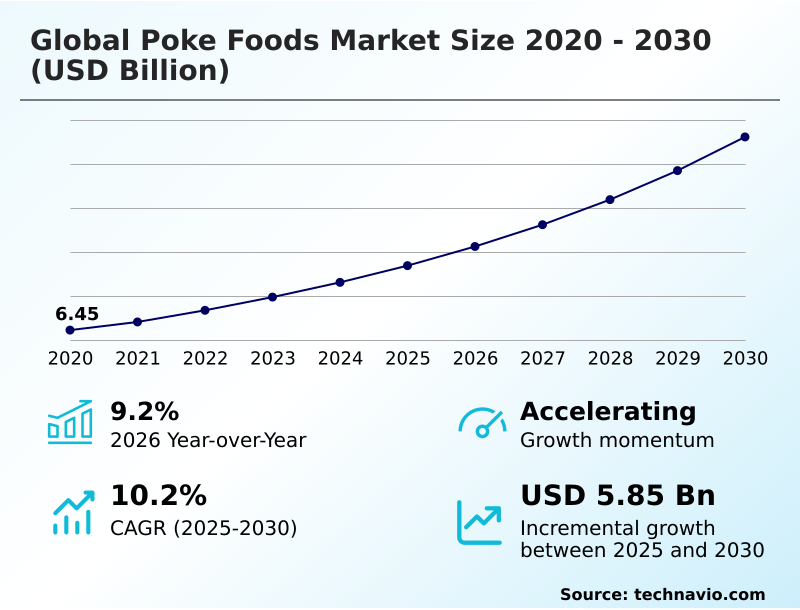
The poke foods market size is valued to increase by USD 5.85 billion, at a CAGR of 10.2% from 2025 to 2030. Increasing number of new companies offering poke foods will drive the poke foods market.
Major Market Trends & Insights
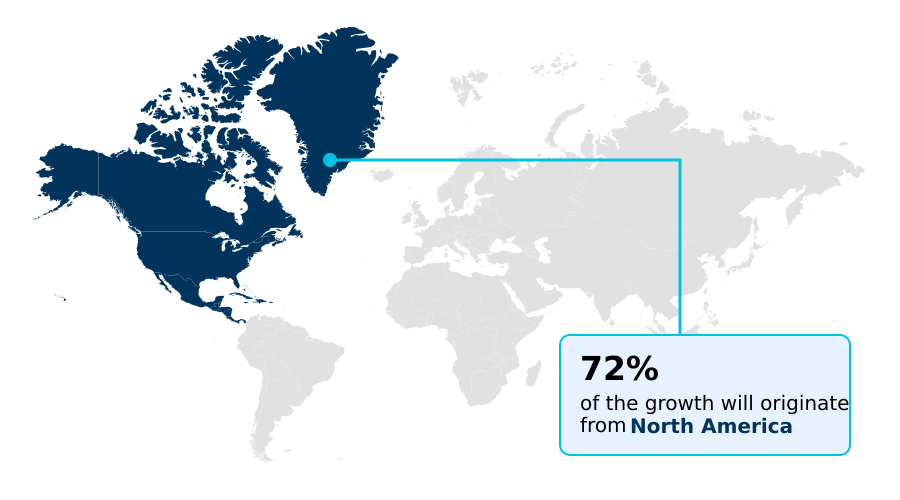
- North America dominated the market and accounted for a 72% growth during the forecast period.
- By Distribution Channel - Offline segment was valued at USD 6.07 billion in 2024
- By Product - Traditional poke bowls segment accounted for the largest market revenue share in 2024
Market Size & Forecast
- Market Opportunities: USD 8.78 billion
- Market Future Opportunities: USD 5.85 billion
- CAGR from 2025 to 2030 : 10.2%
Market Summary
- The poke foods market has evolved from a niche Hawaiian specialty into a mainstream dining category, driven by consumer demand for healthy, customizable, and convenient meals. This expansion is supported by the inherent nutritional benefits of its core components, such as raw fish and fresh vegetables, which align with modern wellness trends.
- The market's dynamism is further fueled by the proliferation of online ordering and delivery platforms, which have widened accessibility beyond urban centers. A key operational focus involves optimizing the cold chain to ensure ingredient freshness and safety from supplier to consumer.
- For instance, a multi-regional chain must implement rigorous supply chain transparency and logistics protocols to maintain consistent quality in its traditional poke bowls across all its franchises, a critical factor for brand reputation. However, the industry navigates challenges including rising ingredient costs and intense competition from other fast-casual dining formats.
- Innovation in plant-based poke options and fusion poke recipes is a primary strategy for brands to differentiate their offerings and attract a broader customer base, ensuring continued relevance and growth.
What will be the Size of the Poke Foods Market during the forecast period?
Get Key Insights on Market Forecast (PDF) Get Free Sample
How is the Poke Foods Market Segmented?
The poke foods industry research report provides comprehensive data (region-wise segment analysis), with forecasts and estimates in "USD million" for the period 2026-2030, as well as historical data from 2020-2024 for the following segments.
- Distribution channel
- Offline
- Online
- Product
- Traditional poke bowls
- Sushi burritos
- Poke salads
- End-user
- Quick service restaurants
- Casual dining
- Retail
- Geography
- North America
- US
- Canada
- Mexico
- Europe
- Germany
- UK
- France
- APAC
- China
- Japan
- India
- South America
- Brazil
- Argentina
- Middle East and Africa
- Saudi Arabia
- UAE
- South Africa
- Rest of World (ROW)
- North America
By Distribution Channel Insights
The offline segment is estimated to witness significant growth during the forecast period.
The offline segment is foundational to the poke foods market, anchored by direct consumer interaction in physical settings. This channel, encompassing hypermarkets, specialty poke restaurants, and retail food sections, allows for real-time ingredient verification, building consumer trust through transparency.
The casual dining experience lets patrons see the marinated raw fish and fresh vegetables firsthand. Quick service restaurant operations capitalize on impulse purchases in high-traffic locations.
In-store engagement, including live preparation and sampling of seasonal menu items, is a key advantage. Retailers also offer pre-packaged poke bowls and poke meal kits for convenience.
Efficient inventory systems are critical; refined inventory management in this segment reduces perishable waste by over 15%, ensuring both quality and profitability through effective temperature-controlled transport and food-grade packaging solutions.
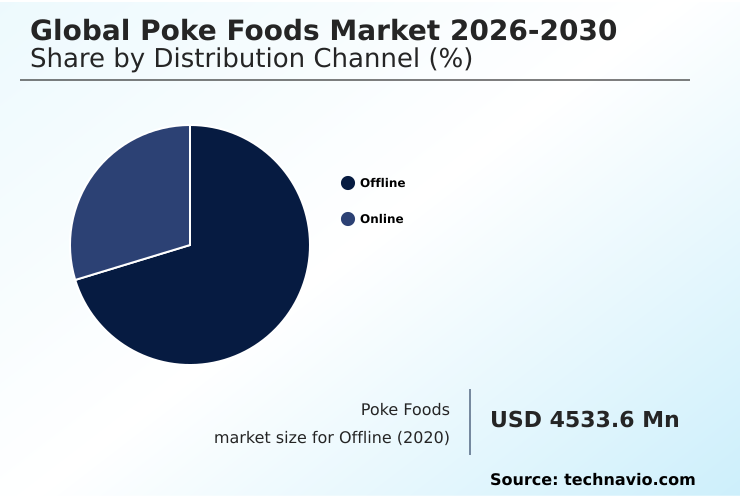
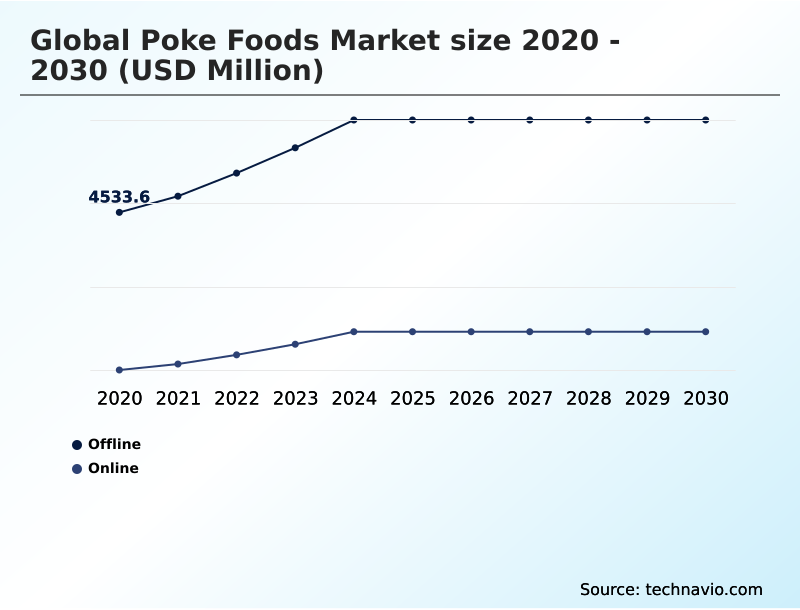
The Offline segment was valued at USD 6.07 billion in 2024 and showed a gradual increase during the forecast period.
Regional Analysis
North America is estimated to contribute 72% to the growth of the global market during the forecast period.Technavio’s analysts have elaborately explained the regional trends and drivers that shape the market during the forecast period.
See How Poke Foods Market Demand is Rising in North America Get Free Sample
The geographic landscape of the poke foods market is led by North America, which accounts for nearly 72% of the market's incremental growth, driven by a mature fast-casual scene and high consumer health awareness.
This region sees extensive use of premium food ingredients and widespread availability of restaurant-quality meal kits. Following, Europe is expanding at the fastest rate, with a projected annual growth of 10.7%, where organic seafood certification is a significant consumer driver.
In this region, brands leverage digital menu platforms and customer loyalty programs to capture market share. The APAC market is also gaining momentum, with a focus on sustainable tuna sourcing and the use of advanced chilled food packaging.
Key to global expansion is the adoption of technologies like automated preparation kiosks and efficient poke delivery services, which make offerings like organic salmon for poke more accessible across diverse urban and suburban areas.
Market Dynamics
Our researchers analyzed the data with 2025 as the base year, along with the key drivers, trends, and challenges. A holistic analysis of drivers will help companies refine their marketing strategies to gain a competitive advantage.
- Strategic success in the poke foods market hinges on navigating complex consumer demands and operational realities. Understanding the health benefits of traditional poke bowls is crucial for marketing, but brands must also address the intense competition between sushi burritos vs traditional poke bowls.
- The rising demand for poke salads with organic seafood highlights a shift toward premium, health-conscious offerings, yet this is challenged by the volatile cost of high-quality raw tuna. The impact of online retailing on poke foods has been transformative, but it introduces challenges in poke food distribution, requiring robust cold-chain logistics.
- Meanwhile, the growth of poke in European markets presents significant poke restaurant franchise opportunities. Differentiating poke from sushi bowls through unique flavor profiles and marketing strategies for poke restaurants is essential.
- Firms that master their poke food supply chain, manage food safety in poke prep, and offer innovative plant-based protein in poke bowls are better positioned to mitigate the impact of rising seafood prices.
- Technology in poke ordering systems and the role of ghost kitchens in the poke market are enabling new service models, while interest in poke bowl meal prep ideas and the nutritional value of customizable poke indicates a move toward integrating poke into daily lifestyles.
- Ultimately, leveraging sustainable sourcing for poke chains is becoming a key factor for long-term brand loyalty, with companies demonstrating this commitment seeing customer retention rates up to 25% higher than their competitors.
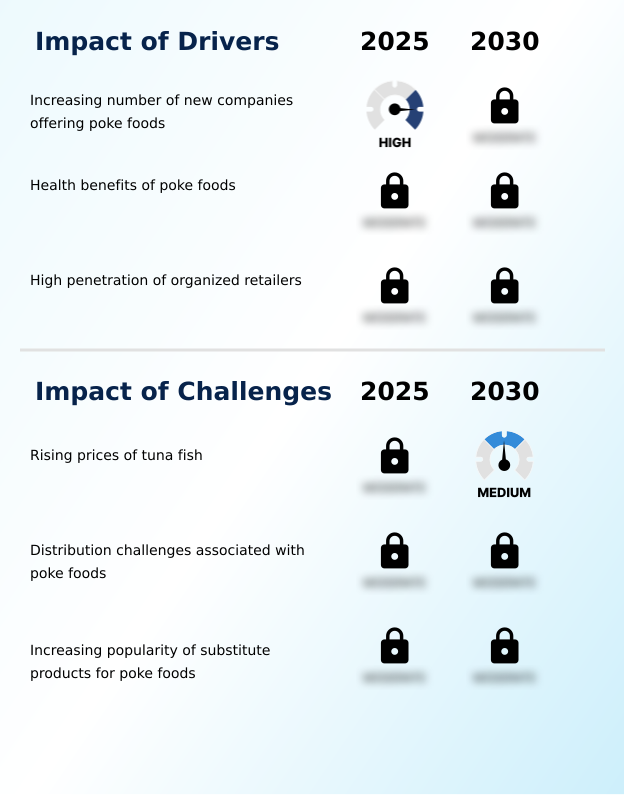
What are the key market drivers leading to the rise in the adoption of Poke Foods Industry?
- The market's growth is significantly driven by the increasing number of new companies offering poke foods, which enhances competition and expands consumer access.
- Market growth is primarily propelled by the fast-casual dining format, which aligns with consumer demand for high-quality, convenient meals.
- The health-conscious positioning of poke, emphasizing fresh fish for poke and quality poke ingredients, is a significant driver, attracting consumers seeking nutritious alternatives.
- The proliferation of new entrants has intensified competition and innovation, leading to diverse offerings like the poke burrito and fusion poke recipes that expand the category's appeal.
- Furthermore, the expansion into retail channels with grab-and-go retail products makes the cuisine more accessible, with some retailers reporting a 15% uplift in fresh-food sales after introducing poke.
- The build-your-own-bowl concept, supported by intuitive online ordering systems and a variety of signature poke sauces, remains a cornerstone of the customer experience, fostering loyalty and repeat business.
What are the market trends shaping the Poke Foods Industry?
- A prominent trend shaping the market is the increasing consumer preference for organic seafood and poke foods. This is driven by a growing awareness of food quality, traceability, and environmental sustainability.
- Key market trends are reshaping consumer engagement and operational models. The increasing demand for customizable poke bowls is a primary factor, with digital platforms reporting that personalized orders, including ahi tuna bowls and spicy salmon poke, generate up to 40% higher average transaction values than fixed-menu items.
- This is coupled with a significant shift toward sustainable seafood sourcing, as brands that provide traceability for their ahi tuna and salmon see customer loyalty improve by over 25%. The expansion of the ghost kitchen model is another critical trend, allowing for rapid market entry with reduced overhead.
- This model effectively supports the growth of plant-based poke options and vegan poke bowls, catering to a wider demographic. Mastery of cold chain logistics and fresh seafood sourcing remains vital to ensure the quality of raw fish preparation for all offerings.
What challenges does the Poke Foods Industry face during its growth?
- A key challenge affecting industry growth is the rising price of tuna fish, which directly impacts profit margins and consumer affordability.
- The market faces considerable challenges that impact profitability and growth. The volatility in seafood prices remains a primary concern, as fluctuations can erode operator margins by up to 20%, particularly for poke restaurant chains heavily reliant on popular but costly high-protein food choices. This necessitates greater supply chain transparency and dynamic menu pricing.
- A second major challenge is the rising popularity of substitute products, including other healthy fast-casual food and raw fish salads, which have diverted approximately 10% of the market share in competitive urban areas. Brands must continually innovate beyond traditional Hawaiian-inspired dishes and clearly communicate the unique poke bowl nutrition facts of their nutrient-dense meal options.
- Moreover, ensuring stringent food safety protocols for ready-to-eat poke products is critical to maintaining consumer trust, especially as franchise expansion models scale.
Exclusive Technavio Analysis on Customer Landscape
The poke foods market forecasting report includes the adoption lifecycle of the market, covering from the innovator’s stage to the laggard’s stage. It focuses on adoption rates in different regions based on penetration. Furthermore, the poke foods market report also includes key purchase criteria and drivers of price sensitivity to help companies evaluate and develop their market growth analysis strategies.
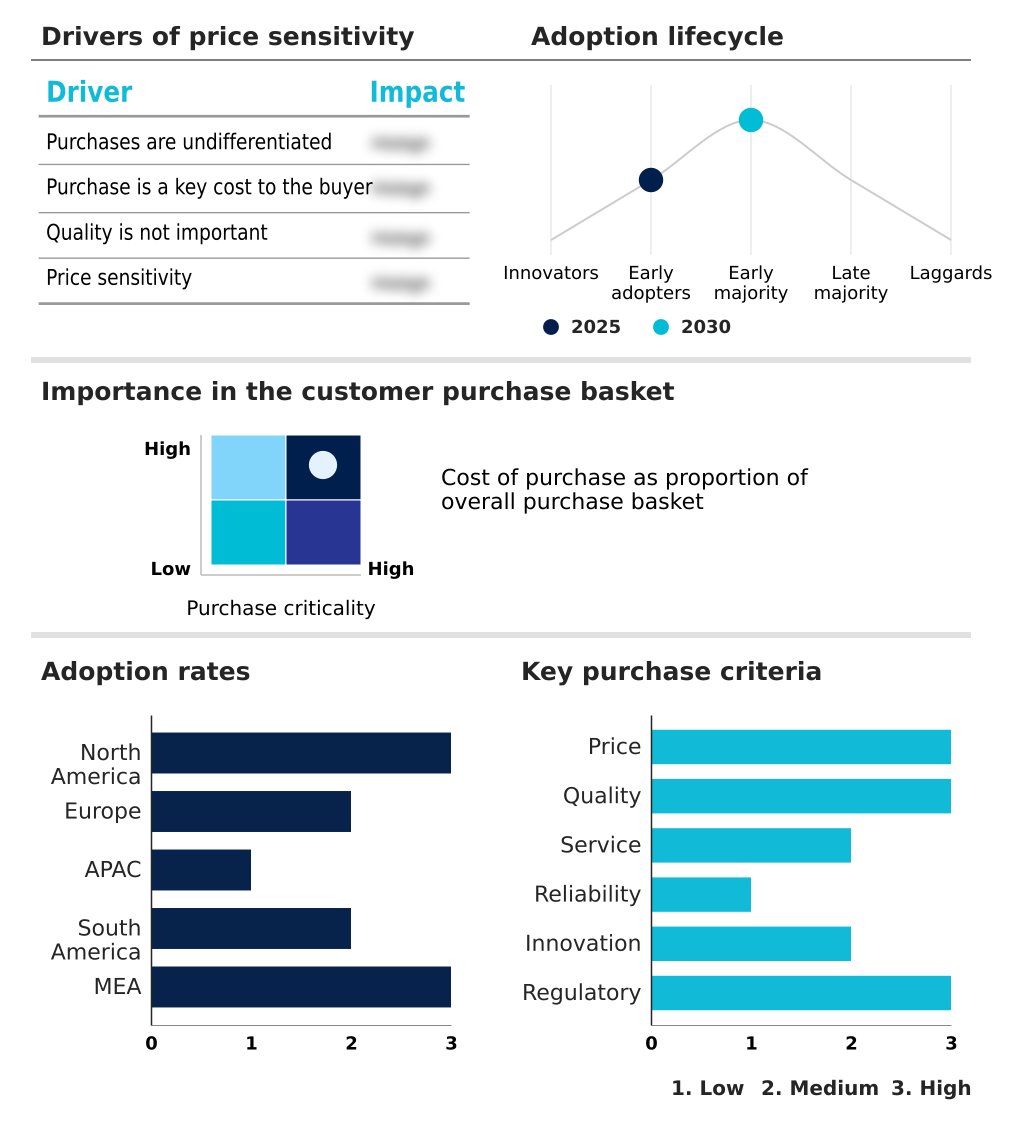
Customer Landscape of Poke Foods Industry
Competitive Landscape
Companies are implementing various strategies, such as strategic alliances, poke foods market forecast, partnerships, mergers and acquisitions, geographical expansion, and product/service launches, to enhance their presence in the industry.
Aloha Poke Co. - Analysts observe a focus on customizable poke bowls, featuring fresh, high-quality seafood and diverse toppings to cater to health-conscious consumer preferences.
The industry research and growth report includes detailed analyses of the competitive landscape of the market and information about key companies, including:
- Aloha Poke Co.
- FreshFin Poke
- Hawaii Poke
- Island Fin Poke Co.
- LemonShark Poke
- Ohana Poke
- Oke Poke
- Pokawa
- Poke Bros.
- Poke House SRL
- Poke N Go
- Poke Time
- Poked
- Pokeworks LLC
- Poki Bowl
- Red Poke
- Sweetfin
- Temakiden
- The Poke Co.
- Uncle Sharkii Poke Bar
Qualitative and quantitative analysis of companies has been conducted to help clients understand the wider business environment as well as the strengths and weaknesses of key industry players. Data is qualitatively analyzed to categorize companies as pure play, category-focused, industry-focused, and diversified; it is quantitatively analyzed to categorize companies as dominant, leading, strong, tentative, and weak.
Recent Development and News in Poke foods market
- In August 2025, Fresh Catch Poke Co. partnered with Balanced Body Foods to open a new express location on Hertel Avenue, combining poke bowls with meal-prep services and introducing a streamlined self‑checkout model for faster customer convenience.
- In August 2025, the International Council for Sustainable Seafood released a comprehensive report detailing new cold-chain logistics protocols designed to enhance the safety and quality of raw fish imports for the global poke foods market.
- In May 2025, AmRest Holdings SE announced a strategic partnership with major supermarket chains to install automated poke preparation kiosks in 500 locations across North America and Europe, aiming to reduce labor costs and maintain product consistency.
- In March 2025, Moeve partnered with Glovo to launch home delivery of its Moeve Eats brands from service stations, a move projected to increase station revenue by over 30% by expanding sales channels.
Dive into Technavio’s robust research methodology, blending expert interviews, extensive data synthesis, and validated models for unparalleled Poke Foods Market insights. See full methodology.
| Market Scope | |
|---|---|
| Page number | 289 |
| Base year | 2025 |
| Historic period | 2020-2024 |
| Forecast period | 2026-2030 |
| Growth momentum & CAGR | Accelerate at a CAGR of 10.2% |
| Market growth 2026-2030 | USD 5848.9 million |
| Market structure | Fragmented |
| YoY growth 2025-2026(%) | 9.2% |
| Key countries | US, Canada, Mexico, Germany, UK, France, Italy, Spain, The Netherlands, China, Japan, India, South Korea, Australia, Indonesia, Brazil, Argentina, Chile, Saudi Arabia, UAE, South Africa, Israel and Turkey |
| Competitive landscape | Leading Companies, Market Positioning of Companies, Competitive Strategies, and Industry Risks |
Research Analyst Overview
- The poke foods market is transitioning from a trend-driven category to a stable fixture in the fast-casual dining format. This maturation is evident in the strategic focus on supply chain transparency and the adoption of advanced food safety protocols for all poke bowl ingredients.
- Key to this evolution is the use of online ordering systems and third-party delivery apps, which have fundamentally altered consumer access. Boardroom decisions increasingly center on franchise expansion models and the development of private label poke offerings for retail channels.
- The integration of automated preparation kiosks in high-traffic areas demonstrates a clear strategy to improve quick service restaurant operations, with some operators achieving a 40% increase in order throughput during peak hours. As the market grows, brands are using digital menu platforms and customer loyalty programs to foster retention.
- Offerings are diversifying from traditional Hawaiian cuisine to include fusion poke recipes and plant-based poke options, ensuring broader appeal while maintaining a focus on nutrient-dense meal options.
What are the Key Data Covered in this Poke Foods Market Research and Growth Report?
-
What is the expected growth of the Poke Foods Market between 2026 and 2030?
-
USD 5.85 billion, at a CAGR of 10.2%
-
-
What segmentation does the market report cover?
-
The report is segmented by Distribution Channel (Offline, and Online), Product (Traditional poke bowls, Sushi burritos, and Poke salads), End-user (Quick service restaurants, Casual dining, and Retail) and Geography (North America, Europe, APAC, South America, Middle East and Africa)
-
-
Which regions are analyzed in the report?
-
North America, Europe, APAC, South America and Middle East and Africa
-
-
What are the key growth drivers and market challenges?
-
Increasing number of new companies offering poke foods, Rising prices of tuna fish
-
-
Who are the major players in the Poke Foods Market?
-
Aloha Poke Co., FreshFin Poke, Hawaii Poke, Island Fin Poke Co., LemonShark Poke, Ohana Poke, Oke Poke, Pokawa, Poke Bros., Poke House SRL, Poke N Go, Poke Time, Poked, Pokeworks LLC, Poki Bowl, Red Poke, Sweetfin, Temakiden, The Poke Co. and Uncle Sharkii Poke Bar
-
Market Research Insights
- The poke foods market is shaped by a dynamic interplay of consumer preferences and operational innovations. The build-your-own-bowl concept remains central, with platforms reporting that customization can increase average order values by up to 25% compared to standard signature poke sauces and bowls.
- This personalization extends to catering to specific dietary needs, such as low-carb poke bowls and gluten-free poke options. The convenience factor is amplified by poke delivery services, where strategic partnerships have demonstrated the ability to boost a brand’s revenue by over 30% by reaching new customer segments.
- Simultaneously, the rise of the poke food truck business model offers a lower-overhead entry point into the market, enabling greater agility and access to diverse locations. This combination of customization, convenience, and accessible business models defines the market's competitive velocity.
We can help! Our analysts can customize this poke foods market research report to meet your requirements.
 RIA -
RIA - 
