


Online On-Demand Food Delivery Services Market Size 2025-2029
The online on-demand food delivery services market size is forecast to increase by USD 470.5 billion, at a CAGR of 26.9% between 2024 and 2029.
- The market is experiencing significant growth, driven by the strategic partnerships between restaurants and online food aggregators. These collaborations enhance the reach and convenience of food delivery services, enabling restaurants to expand their customer base and aggregators to offer a wider selection of options. The market is further fueled by the increasing application of new technologies, such as artificial intelligence and machine learning, which streamline operations and improve the overall customer experience. However, the rising threat from direct delivery services poses a challenge. Companies must differentiate themselves through unique offerings, exceptional customer service, and innovative technologies to maintain a competitive edge in this dynamic market.
- Strategic partnerships and technological advancements present opportunities for growth, while the emergence of direct delivery services necessitates a focus on differentiation and customer satisfaction. Companies seeking to capitalize on market opportunities and navigate challenges effectively must stay agile and responsive to evolving consumer preferences and competitive landscapes.
What will be the Size of the Online On-Demand Food Delivery Services Market during the forecast period?
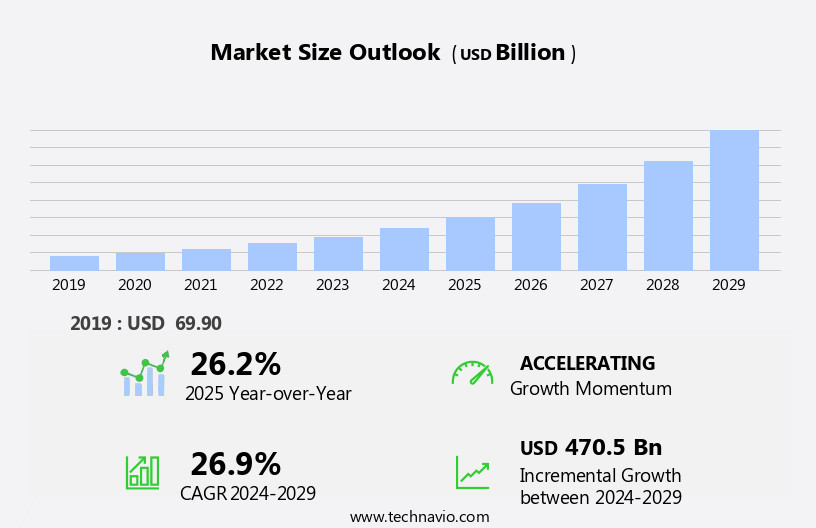
Explore in-depth regional segment analysis with market size data - historical 2019-2023 and forecasts 2025-2029 - in the full report.
Request Free Sample
The market continues to evolve, with dynamic market dynamics shaping its applications across various sectors. Real-time tracking, user interface, and delivery vehicles are key components, ensuring seamless food delivery experiences for customers. Food safety regulations and restaurant partnerships are crucial in maintaining quality and trust. Meal kits and sustainability initiatives cater to diverse consumer preferences, while delivery networks optimize logistics and inventory management. Social responsibility is a growing concern, with companies implementing initiatives to reduce carbon footprint through cloud computing and route planning. Customer engagement is fostered through community engagement, customer service chatbots, and loyalty programs. Restaurant POS integration and order management systems streamline operations, enhancing order accuracy and customer retention.
Fraud prevention and data security are essential in maintaining trust and transparency, while pricing models and data analytics inform strategic decision-making. Delivery scheduling and automation dispatch further improve efficiency, with API integration enabling seamless third-party partnerships. Commission structures and background checks ensure fair compensation for drivers, ensuring a reliable and efficient delivery network. The market's continuous unfolding is marked by ongoing innovations in food preparation, order confirmation, temperature control, and order tracking notifications. Delivery radius expansion and peak demand management cater to evolving consumer needs, with meal kits and dietary restrictions addressing diverse dietary preferences. Environmental impact is a growing concern, with companies investing in sustainable delivery vehicles and packaging solutions.
User experience remains a top priority, with mobile applications and order history features enhancing the overall delivery experience. The market's evolving patterns reflect a commitment to meeting consumer demands while maintaining a responsible business model.
How is this Online On-Demand Food Delivery Services Industry segmented?
The online on-demand food delivery services industry research report provides comprehensive data (region-wise segment analysis), with forecasts and estimates in "USD billion" for the period 2025-2029, as well as historical data from 2019-2023 for the following segments.
- Business Segment
- OFFDS
- Logistics-focused food delivery services
- Type
- Restaurant-to-consumer
- Platform-to-consumer
- End-user
- Family
- Office buildings
- Platform
- Mobile
- Web
- Geography
- North America
- US
- Mexico
- Europe
- France
- Germany
- Italy
- UK
- Middle East and Africa
- UAE
- APAC
- Australia
- China
- India
- Japan
- South Korea
- South America
- Brazil
- Rest of World (ROW)
- North America
By Business Segment Insights
The offds segment is estimated to witness significant growth during the forecast period.
In the on-demand food delivery services market, companies function as intermediaries between restaurants and customers. Customers can explore and compare restaurant menus, prices, reviews, and ratings through the company's website or mobile application. Once an order is placed and confirmed, the company forwards it to the respective restaurant for preparation and delivery. The restaurants manage the logistics of food delivery in this model, which primarily focuses on generating new orders for them. Companies following this business model typically charge a low commission (around 10%-15% of the food price) for their services. Promotional offers and customer service are crucial in this market.
Companies engage with their customers through chatbots and customer support, offering promotional deals and discounts to boost sales. Food allergies and dietary restrictions are accommodated, ensuring a personalized experience for each customer. Logistics optimization and real-time tracking are essential for efficient delivery. GPS tracking and temperature control help maintain the quality of the food during transit. Inventory management and order accuracy are also critical to keep up with peak demand and ensure customer satisfaction. Customer reviews and ratings play a significant role in shaping the market. Companies invest in data analytics to understand customer preferences and tailor their offerings accordingly.
Driver ratings and background checks ensure the safety and reliability of delivery personnel. Grocery delivery and meal kits are expanding the market's scope, with companies partnering with restaurants and grocery stores to offer a wider range of services. Sustainability initiatives and social responsibility are becoming increasingly important, with companies focusing on reducing their carbon footprint and optimizing their delivery networks. In the background, supply chain management, payment gateways, and data security ensure seamless transactions and secure customer information. Sales forecasting and automated dispatch help companies manage their operations effectively and efficiently. In conclusion, the on-demand food delivery services market is dynamic and evolving, with companies focusing on delivering a personalized and efficient experience to customers while ensuring the success of their restaurant partners.
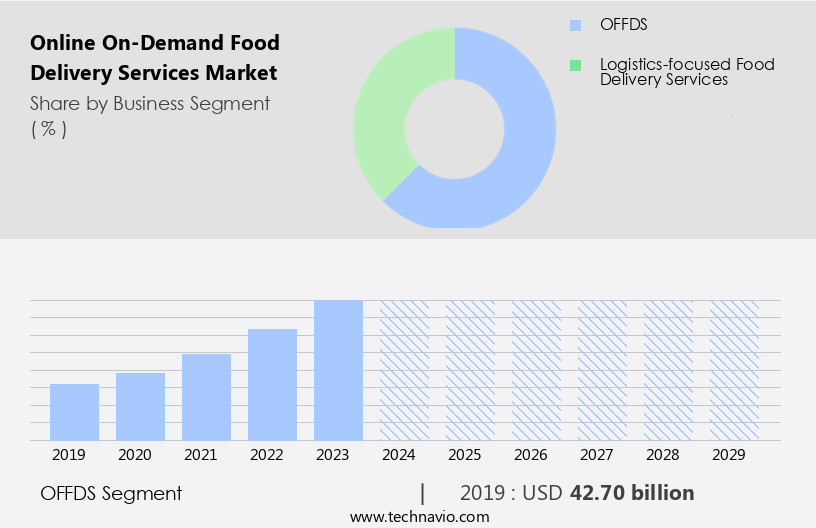
The OFFDS segment was valued at USD 42.70 billion in 2019 and showed a gradual increase during the forecast period.
Regional Analysis
APAC is estimated to contribute 49% to the growth of the global market during the forecast period.Technavio’s analysts have elaborately explained the regional trends and drivers that shape the market during the forecast period.
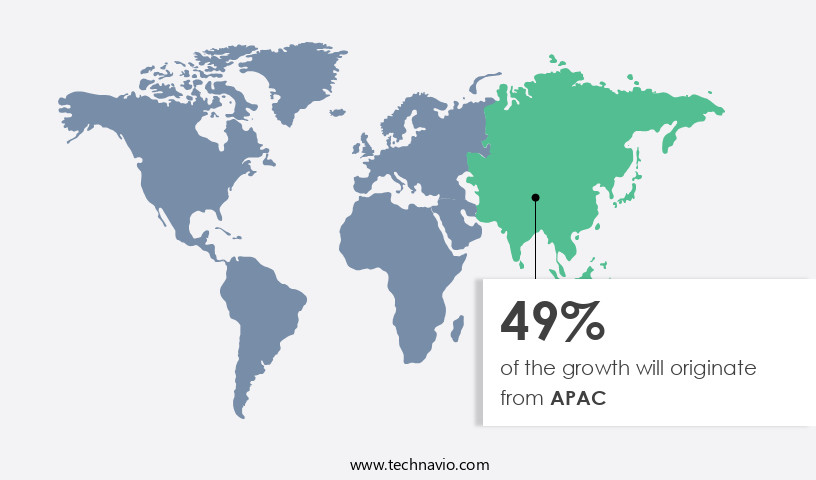
The market is witnessing notable growth, particularly in the APAC region, which is anticipated to expand significantly between 2025 and 2029. This expansion is fueled by increased investments from companies to optimize logistics and surging consumer demand for convenience. Countries like China and India, with their vast populations and expanding urban areas, are major contributors to this growth. For instance, Coloplast A/S reported a robust 8% organic growth in its fiscal year 2022/23, bolstered by its focus on market expansion and operational efficiency improvements. Promotional offers and customer reviews play a pivotal role in driving consumer preference, while delivery time and temperature control are essential factors ensuring customer satisfaction.
Food allergies and dietary restrictions necessitate inventory management and restaurant partnerships to cater to diverse consumer needs. Real-time tracking, order confirmation, and customer service chatbots enhance the user experience, with customer support and driver ratings providing valuable feedback for continuous improvement. Grocery delivery, peak demand management, and sales forecasting are essential components of the market's evolution, with automated dispatch, API integration, and commission structures streamlining operations. Logistics optimization, delivery scheduling, and route planning are crucial for efficient delivery networks, while data analytics and fraud prevention safeguard both customers and drivers. Sustainability initiatives, such as carbon footprint reduction and meal kit offerings, are gaining traction, reflecting the industry's growing social responsibility.
Restaurant POS integration, order management systems, and customer retention programs further strengthen the market's foundation. In conclusion, the market is undergoing continuous transformation, with various entities collaborating to cater to evolving consumer demands and optimize operational efficiency.
Market Dynamics
Our researchers analyzed the data with 2024 as the base year, along with the key drivers, trends, and challenges. A holistic analysis of drivers will help companies refine their marketing strategies to gain a competitive advantage.
In the burgeoning the market, tech-savvy consumers can now satisfy their cravings with just a few clicks. Seamless integration of food ordering apps with various digital payment methods enables contactless transactions, adding to the convenience. Real-time tracking of orders and estimated delivery times provide transparency. Food delivery services leverage geolocation technology to ensure timely deliveries. Customizable meal options cater to diverse dietary needs, including vegetarian, vegan, and gluten-free. Partnerships with popular restaurants expand the menu offerings significantly. Advanced algorithms optimize delivery routes for efficiency. Consumers can rate and review their experiences, fostering accountability and continuous improvement. The market's growth is fueled by increasing urbanization, changing consumer preferences, and the ongoing digital transformation.
What are the key market drivers leading to the rise in the adoption of Online On-Demand Food Delivery Services Industry?
- The strategic partnership between restaurants and online food aggregators is a crucial factor fueling market growth. These collaborations enable restaurants to expand their customer base and increase orders through the aggregators' extensive user networks, while the aggregators benefit from a wider selection of restaurant choices for their users.
- Online on-demand food delivery services have experienced significant growth due to the increasing number of strategic partnerships between restaurants and aggregators. These collaborations allow restaurants to expand their customer base, while online delivery services gain access to a wider range of offerings. Furthermore, partnerships enable data exchange, providing restaurants with valuable customer insights and analytics. Cloud computing technology plays a crucial role in the market, enabling seamless online ordering systems, automated dispatch, and real-time delivery scheduling. Advanced route planning algorithms optimize delivery networks, ensuring order accuracy and efficient delivery. Payment gateways ensure secure transactions, while supply chain management systems maintain inventory and streamline operations.
- Data security is a top priority, with companies implementing robust security measures to protect sensitive customer information. Sales forecasting tools help businesses anticipate demand, enabling them to optimize their operations and meet customer expectations. API integration facilitates seamless communication between various systems, ensuring a harmonious user experience. Commission structures vary, with some companies charging a flat fee, while others take a percentage of each sale. Regardless of the structure, partnerships remain essential for both restaurants and online food delivery services, driving market growth during the forecast period.
What are the market trends shaping the Online On-Demand Food Delivery Services Industry?
- The application of new technologies is gaining significant traction in the market. This trend is mandatory for businesses seeking to remain competitive and innovative.
- The market is witnessing significant technological advancements to enhance various business aspects, including customer base expansion, infrastructure development, and personnel training. In the US, for instance, Dominos Anyware allows consumers to order pizza through a range of Internet of Things (IoT) devices, such as smart TVs, smartwatches, and connected cars, underscoring the relevance of technology in this sector. Moreover, restaurants and food delivery services are focusing on cross-platform ordering capabilities to ensure customer convenience. Beyond technology, there is a growing emphasis on social responsibility, with initiatives in food safety regulations, sustainability, and dietary restrictions. Restaurant partnerships, meal kit offerings, real-time tracking, and order management systems are also key market trends.
- Additionally, loyalty programs, restaurant POS integration, and environmental impact are crucial factors shaping the market's growth trajectory. User interface and user experience remain essential considerations to ensure a seamless ordering process. Overall, the market is poised for continued innovation and growth.
What challenges does the Online On-Demand Food Delivery Services Industry face during its growth?
- The escalating competition from direct delivery services poses a significant challenge to the industry's growth trajectory.
- Online on-demand food delivery services have become a significant trend in the US business landscape, enabling customers to order meals from their preferred restaurants and have them delivered to their doorsteps in a convenient and timely manner. Several restaurants are now opting to manage the delivery process themselves to maintain control over branding, quality, safety, and hygiene. Key factors driving this shift include the ability to engage directly with customers, access to customer data, and the potential to offer personalized promotional offers. Delivery time is a crucial aspect of this service, and restaurants can optimize logistics to ensure efficient delivery and reduce wait times.
- Customer service chatbots and customer support are essential tools for handling inquiries and addressing any issues that may arise during the ordering and delivery process. Food allergies are a concern for many customers, and restaurants can address this by providing accurate and up-to-date information about menu items and ingredients. Delivery radius and peak demand management are essential considerations for restaurants to ensure they can meet customer demand efficiently and effectively. Customer reviews and ratings play a significant role in the success of online on-demand food delivery services. Grocery delivery and order history are additional features that can enhance the customer experience and build customer loyalty.
- Driver compensation and community engagement are also essential components of a successful food delivery service, ensuring that drivers are fairly compensated and that the community benefits from the service. In conclusion, the online on-demand food delivery market is dynamic, with restaurants and delivery services constantly striving to optimize their offerings to meet customer demands and expectations. By focusing on delivery time, promotional offers, food allergies, driver compensation, community engagement, customer service chatbots, customer support, delivery radius, peak demand management, customer reviews, and ratings, restaurants can build a successful and sustainable online food delivery business.
Exclusive Customer Landscape
The online on-demand food delivery services market forecasting report includes the adoption lifecycle of the market, covering from the innovator’s stage to the laggard’s stage. It focuses on adoption rates in different regions based on penetration. Furthermore, the online on-demand food delivery services market report also includes key purchase criteria and drivers of price sensitivity to help companies evaluate and develop their market growth analysis strategies.
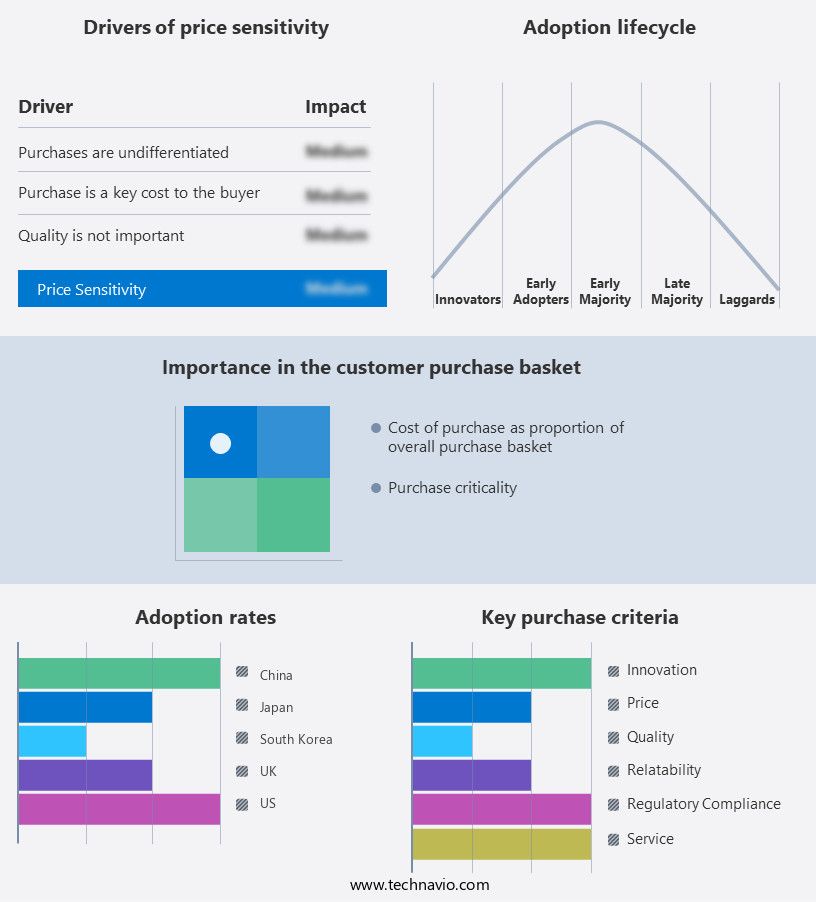
Customer Landscape
Key Companies & Market Insights
Companies are implementing various strategies, such as strategic alliances, online on-demand food delivery services market forecast, partnerships, mergers and acquisitions, geographical expansion, and product/service launches, to enhance their presence in the industry.
Bolt Food - This company provides online, on-demand equipment solutions for fast food establishments, enhancing their delivery services and boosting operational efficiency. Our offerings cater to various industry needs, ensuring seamless integration and optimized performance. With a focus on innovation and quality, we help clients adapt to evolving consumer preferences and market trends.
The industry research and growth report includes detailed analyses of the competitive landscape of the market and information about key companies, including:
- Bolt Food
- ChowNow
- Deliveroo
- Delivery Hero SE
- DoorDash Inc.
- EatStreet
- Foodpanda GmbH
- Glovo (Delivery Hero)
- GoPuff
- Grubhub Inc.
- Instacart
- Just Eat Takeaway.com
- Meituan Dianping
- Menulog Pty Ltd
- Postmates (Uber)
- Rappi Inc.
- Swiggy
- Uber Eats
- Wolt Enterprises Oy
- Zomato Limited
Qualitative and quantitative analysis of companies has been conducted to help clients understand the wider business environment as well as the strengths and weaknesses of key industry players. Data is qualitatively analyzed to categorize companies as pure play, category-focused, industry-focused, and diversified; it is quantitatively analyzed to categorize companies as dominant, leading, strong, tentative, and weak.
Recent Development and News in Online On-Demand Food Delivery Services Market
- In January 2024, DoorDash, a leading online food delivery platform, announced the launch of its new alcohol delivery service in select markets, allowing customers to order alcohol alongside their meals for delivery (DoorDash Press Release). In March 2024, Uber Eats and McDonald's signed a multi-year agreement to expand their partnership, enabling Uber Eats to be the exclusive on-demand delivery service for McDonald's in the US and Canada (Uber Eats Press Release). In April 2025, Grubhub and Seamless merged to form Just Eat Takeaway.Com, creating the world's largest online food delivery marketplace with a combined customer base of over 60 million active users and annual revenues exceeding USD5 billion (Just Eat Takeaway.Com Press Release). In May 2025, Starbucks and DoorDash announced a strategic partnership, making DoorDash the exclusive on-demand delivery partner for Starbucks in the US, allowing customers to order their favorite Starbucks drinks and meals for delivery or pick-up through the DoorDash app (Starbucks Press Release).
Research Analyst Overview
- In the dynamic on-demand food delivery services market, influencer marketing and targeted advertising are key strategies for customer acquisition. Last-mile delivery solutions, such as self-service kiosks and hyperlocal delivery, enhance the user experience, providing personalized recommendations based on customer segmentation and dietary information. Smart refrigerators and automated warehousing enable efficient inventory management and food waste reduction. Competitive advantage is gained through predictive analytics, menu customization, and voice ordering, while churn rate is minimized through A/B testing, conversion rate optimization, and average order value enhancement.
- Nutrition facts, allergen information, and dietary information are essential for catering to diverse customer needs. Micro-fulfillment centers, meal subscription services, and ghost kitchens streamline operations, reducing customer acquisition cost and improving retention rate. Business intelligence tools, drone delivery, and robotic delivery further innovate the market, shaping the future of on-demand food delivery services.
Dive into Technavio’s robust research methodology, blending expert interviews, extensive data synthesis, and validated models for unparalleled Online On-Demand Food Delivery Services Market insights. See full methodology.
|
Market Scope |
|
|
Report Coverage |
Details |
|
Page number |
227 |
|
Base year |
2024 |
|
Historic period |
2019-2023 |
|
Forecast period |
2025-2029 |
|
Growth momentum & CAGR |
Accelerate at a CAGR of 26.9% |
|
Market growth 2025-2029 |
USD 470.5 billion |
|
Market structure |
Fragmented |
|
YoY growth 2024-2025(%) |
26.2 |
|
Key countries |
US, China, Germany, Japan, UK, Australia, India, France, Brazil, UAE, Rest of World (ROW), Saudi Arabia, France, South Korea, Mexico, and Italy |
|
Competitive landscape |
Leading Companies, Market Positioning of Companies, Competitive Strategies, and Industry Risks |
What are the Key Data Covered in this Online On-Demand Food Delivery Services Market Research and Growth Report?
- CAGR of the Online On-Demand Food Delivery Services industry during the forecast period
- Detailed information on factors that will drive the growth and forecasting between 2025 and 2029
- Precise estimation of the size of the market and its contribution of the industry in focus to the parent market
- Accurate predictions about upcoming growth and trends and changes in consumer behaviour
- Growth of the market across APAC, North America, Europe, Middle East and Africa, and South America
- Thorough analysis of the market’s competitive landscape and detailed information about companies
- Comprehensive analysis of factors that will challenge the online on-demand food delivery services market growth of industry companies
We can help! Our analysts can customize this online on-demand food delivery services market research report to meet your requirements.
 RIA -
RIA - 
