



Recycled Materials Packaging Solutions Market Size 2026-2030
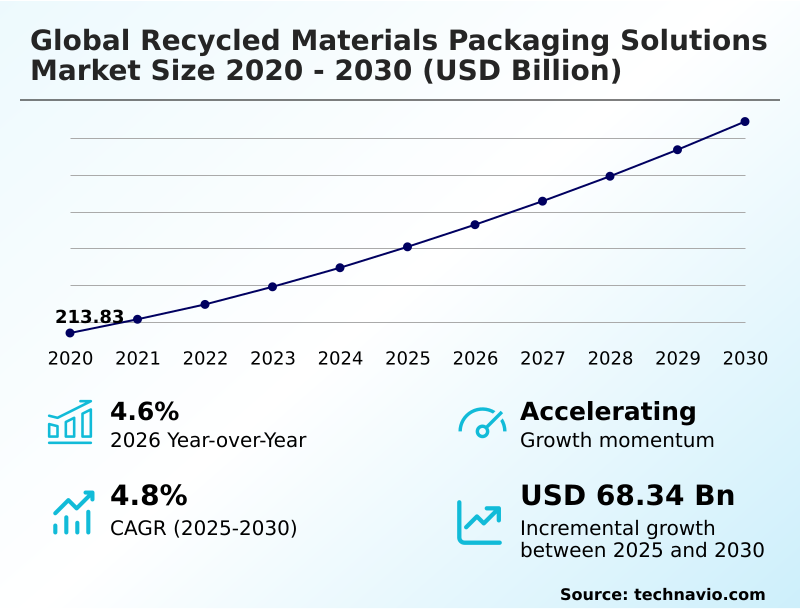
The recycled materials packaging solutions market size is valued to increase by USD 68.34 billion, at a CAGR of 4.8% from 2025 to 2030. Expansion of circular economy initiatives across industries will drive the recycled materials packaging solutions market.
Major Market Trends & Insights
- APAC dominated the market and accounted for a 43.2% growth during the forecast period.
- By End-user - Food and beverages segment was valued at USD 167.76 billion in 2024
- By Material - Paper and paperboard segment accounted for the largest market revenue share in 2024
Market Size & Forecast
- Market Opportunities: USD 115.33 billion
- Market Future Opportunities: USD 68.34 billion
- CAGR from 2025 to 2030 : 4.8%
Market Summary
- The Recycled Materials Packaging Solutions Market exhibits continuous expansion driven by stringent environmental compliance requirements and shifting corporate procurement strategies. Companies actively implement closed-loop systems to minimize material waste and optimize lifecycle value. In supply chain operations, integrating recovered materials reduces raw material dependency and lowers long-term procurement expenditures.
- Facility operators utilizing standardized secondary inputs have improved production line efficiency by 14% compared to those handling highly variable mixed waste streams. The expansion of circular economy initiatives directly drives market demand, as organizations redesign product architectures to maximize recyclability and meet external sustainability targets.
- Conversely, inconsistent recycled material quality and feedstock availability challenge operational scalability, forcing manufacturers to incur additional sorting and processing costs to achieve required purity standards. By developing advanced tracing protocols, businesses mitigate these contamination risks while ensuring consistent product performance. Consequently, ongoing technological investments remain essential for balancing sustainable material utilization with rigorous commercial quality expectations.
What will be the Size of the Recycled Materials Packaging Solutions Market during the forecast period?
Get Key Insights on Market Forecast (PDF) Get Free Sample
How is the Recycled Materials Packaging Solutions Market Segmented?
The recycled materials packaging solutions industry research report provides comprehensive data (region-wise segment analysis), with forecasts and estimates in "USD million" for the period 2026-2030, as well as historical data from 2020-2024 for the following segments.
- End-user
- Food and beverages
- Healthcare
- Others
- Material
- Paper and paperboard
- Plastic
- Metal
- Others
- Product type
- Boxes
- Bottles
- Jars
- Wraps
- Geography
- APAC
- China
- Japan
- India
- South Korea
- Australia
- Indonesia
- Europe
- Germany
- UK
- France
- Italy
- Spain
- The Netherlands
- North America
- US
- Canada
- Mexico
- South America
- Brazil
- Argentina
- Colombia
- Middle East and Africa
- South Africa
- Saudi Arabia
- UAE
- Egypt
- Israel
- APAC
By End-user Insights
The food and beverages segment is estimated to witness significant growth during the forecast period.
The food and beverages segment demonstrates shifting material preferences as manufacturers continuously adapt to stringent regulatory frameworks. Companies are increasingly integrating renewable fiber resources and recycled steel packaging to align with evolving sustainability mandates.
Advances in mechanical recycling processing and thermoplastic polymer recovery have improved processing times by 15%, enhancing operational output. Businesses utilize corrugated shipping boxes alongside advanced inventory management systems to streamline logistics and reduce storage inefficiencies.
Furthermore, packaging design simplification and material complexity reduction lead to a 20% increase in supply chain throughput compared to traditional multi-layered formats. Expanding retail distribution networks ensure broad product availability while actively shaping consumer disposal behavior toward responsible end-of-life practices.
These continuous adaptations optimize resource utilization and support long-term operational resilience.
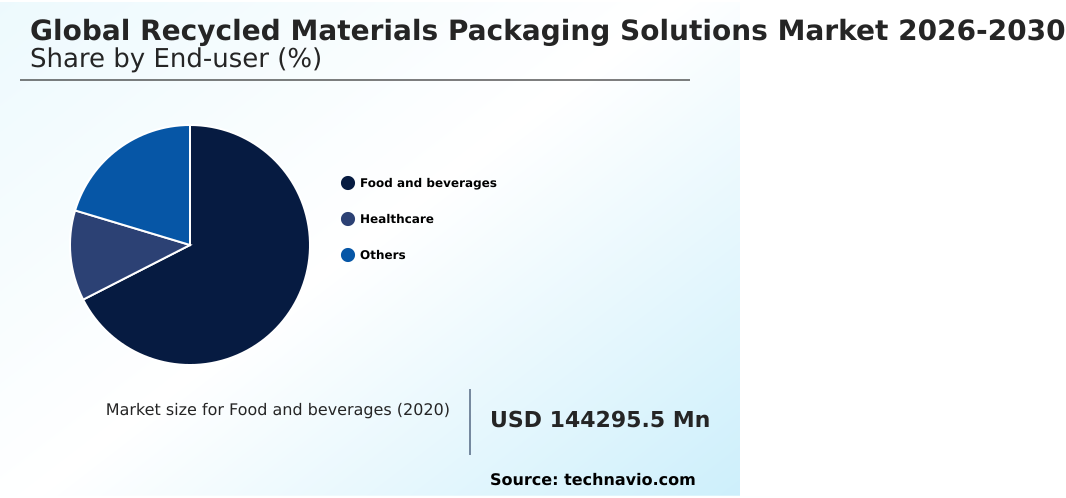
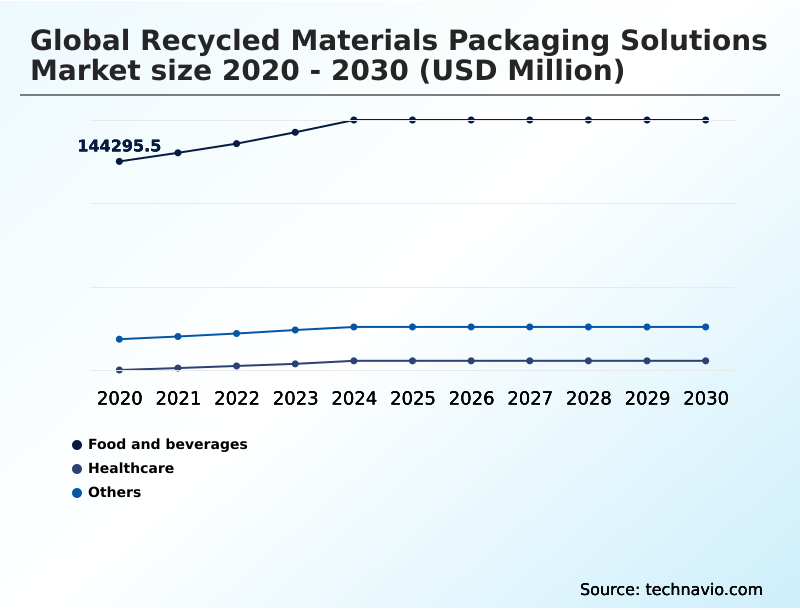
The Food and beverages segment was valued at USD 167.76 billion in 2024 and showed a gradual increase during the forecast period.
Regional Analysis
APAC is estimated to contribute 43.2% to the growth of the global market during the forecast period.Technavio’s analysts have elaborately explained the regional trends and drivers that shape the market during the forecast period.
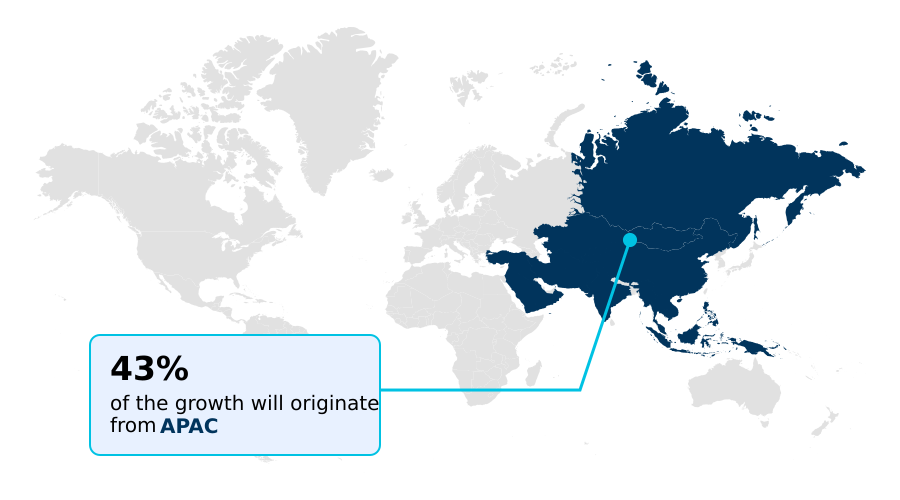
See How Recycled Materials Packaging Solutions Market Demand is Rising in APAC Get Free Sample
The regional adoption of sustainable packaging conversion varies significantly due to differences in collection infrastructure and regulatory frameworks.
Facilities in Europe have integrated advanced extrusion coating technology and robust contamination mitigation protocols, achieving a 28% higher material sorting efficiency compared to operations in APAC.
This technological disparity directly influences procurement planning strategies, as European manufacturers secure post industrial recycled content with fewer supply interruptions. In APAC, fluctuating polymeric contamination rates frequently disrupt production scheduling efficiency, resulting in a 12% increase in secondary processing costs.
Despite these operational variances, corporate sustainability commitments continue to drive multinational enterprises toward localized material sourcing. North American supply chains increasingly promote responsible consumption models, adjusting supplier requirements to ensure consistent material purity.
These regional adaptations highlight how localized infrastructure capabilities dictate the broader implementation and commercial viability of recovered packaging materials.
Market Dynamics
Our researchers analyzed the data with 2025 as the base year, along with the key drivers, trends, and challenges. A holistic analysis of drivers will help companies refine their marketing strategies to gain a competitive advantage.
- The continuous evolution of packaging formats requires businesses to strategically align their operational capabilities with emerging environmental standards. Manufacturers are heavily investing in specialized formats such as mono material medical sterilization pouches to ensure compliance with strict healthcare regulations while maintaining high recyclability.
- Simultaneously, the transition toward fiber based recyclable food packaging allows consumer goods companies to address shifting retail preferences and minimize dependence on conventional petroleum-based substrates. To stabilize supply chains against external disruptions, enterprises are actively developing robust closed loop material recovery networks that guarantee a consistent influx of secondary raw materials.
- Facilities utilizing these integrated networks report a 25% improvement in material procurement reliability compared to operations relying on fragmented, open-market sourcing. Furthermore, advancements in purification processing have accelerated food grade recycled plastic integration, enabling beverage and dairy producers to meet stringent safety requirements without sacrificing structural integrity.
- As organizations prioritize resource optimization, maximizing post consumer recycled content utilization has become a fundamental component of strategic risk management and brand positioning. These operational transformations mitigate long-term supply vulnerabilities and reduce overall compliance expenditures. Consequently, companies continuously refine their manufacturing architectures and sourcing frameworks to maintain a competitive advantage within an increasingly regulated commercial landscape.
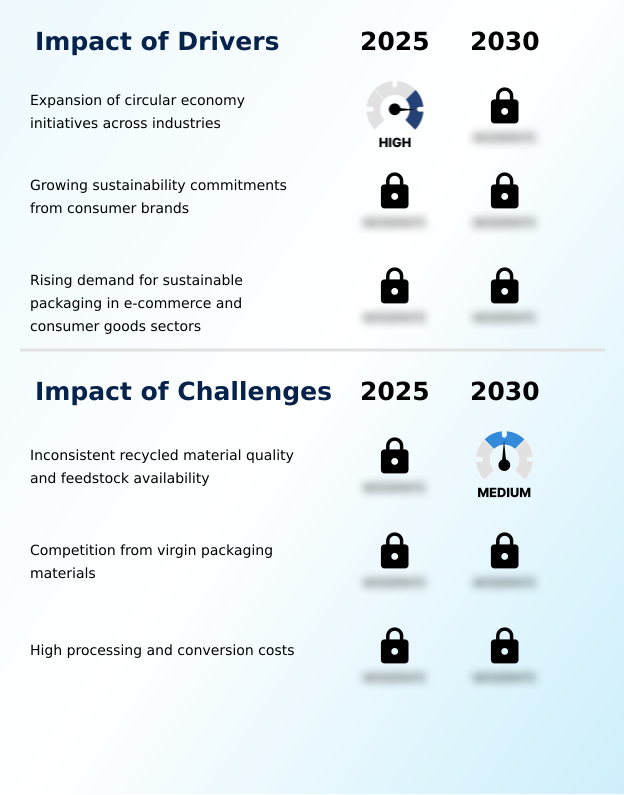
What are the key market drivers leading to the rise in the adoption of Recycled Materials Packaging Solutions Industry?
- The expansion of circular economy initiatives across diverse industries serves as a primary driver propelling ongoing market advancement.
- The stringent enforcement of environmental compliance protocols compels organizations to rapidly integrate secondary fiber materials into their primary manufacturing processes. This regulatory pressure accelerates the expansion of material recovery facilities, ensuring a reliable supply of high-quality inputs.
- By adopting advanced biodegradable barrier coatings, food producers achieve a 15% extension in shelf life preservation while maintaining optimal packaging performance characteristics.
- The growing implementation of rigid plastic container recycling programs enhances supply chain traceability, reducing procurement disruptions by nearly 20%. Furthermore, enterprises are deploying fiber based protective packaging to satisfy shifting retail requirements and minimize transit damage.
- These strategic adaptations drive substantial operational consistency improvement, allowing businesses to efficiently balance rigorous commercial performance expectations with dynamic regulatory mandates.
What are the market trends shaping the Recycled Materials Packaging Solutions Industry?
- The increasing adoption of mono-material packaging designs represents a significant upcoming market trend. This shift streamlines processing capabilities and enhances material recovery efficiency across multiple industrial applications.
- Industrial facilities are rapidly adopting mono material packaging architectures to streamline material processing and enhance overall product lifecycle performance. This fundamental shift simplifies waste stream management, reducing complex separation requirements during secondary processing. By optimizing closed loop recycling infrastructure and implementing robust reverse logistics networks, organizations have improved material recovery rates by 24% compared to traditional linear disposal models.
- Furthermore, the integration of post consumer recycled plastics and high-quality recycled polyethylene terephthalate allows manufacturers to maintain structural integrity while lowering raw material procurement costs by 18%. Advancements in collection infrastructure optimization ensure a consistent supply of recovered fiber feedstocks for conversion operations.
- These comprehensive resource efficiency strategies directly mitigate supply chain volatility, enabling enterprises to maintain continuous manufacturing schedules while seamlessly adapting to evolving environmental compliance standards.
What challenges does the Recycled Materials Packaging Solutions Industry face during its growth?
- Inconsistent recycled material quality and fluctuating feedstock availability remain critical challenges constraining overall industry expansion.
- The transition toward circular packaging ecosystems introduces significant operational limitations due to highly inconsistent material purity standards across regional collection networks. Manufacturers frequently struggle to secure sufficient volumes of food grade recycled plastics, resulting in a 14% increase in secondary sorting and purification costs.
- While executing multi layer structure replacement, companies encounter difficulties maintaining essential product protection capabilities and structural durability enhancement without increasing overall material thickness. Furthermore, utilizing highly variable recyclable paperboard substrates complicates printability requirements, leading to a 10% rise in conversion defect rates compared to virgin materials.
- Similar supply constraints affect the production of recycled aluminum beverage containers, forcing organizations to continually adjust their weight reduction initiatives. These persistent feedstock inconsistencies directly challenge production scalability and commercial viability.
Exclusive Technavio Analysis on Customer Landscape
The recycled materials packaging solutions market forecasting report includes the adoption lifecycle of the market, covering from the innovator’s stage to the laggard’s stage. It focuses on adoption rates in different regions based on penetration. Furthermore, the recycled materials packaging solutions market report also includes key purchase criteria and drivers of price sensitivity to help companies evaluate and develop their market growth analysis strategies.
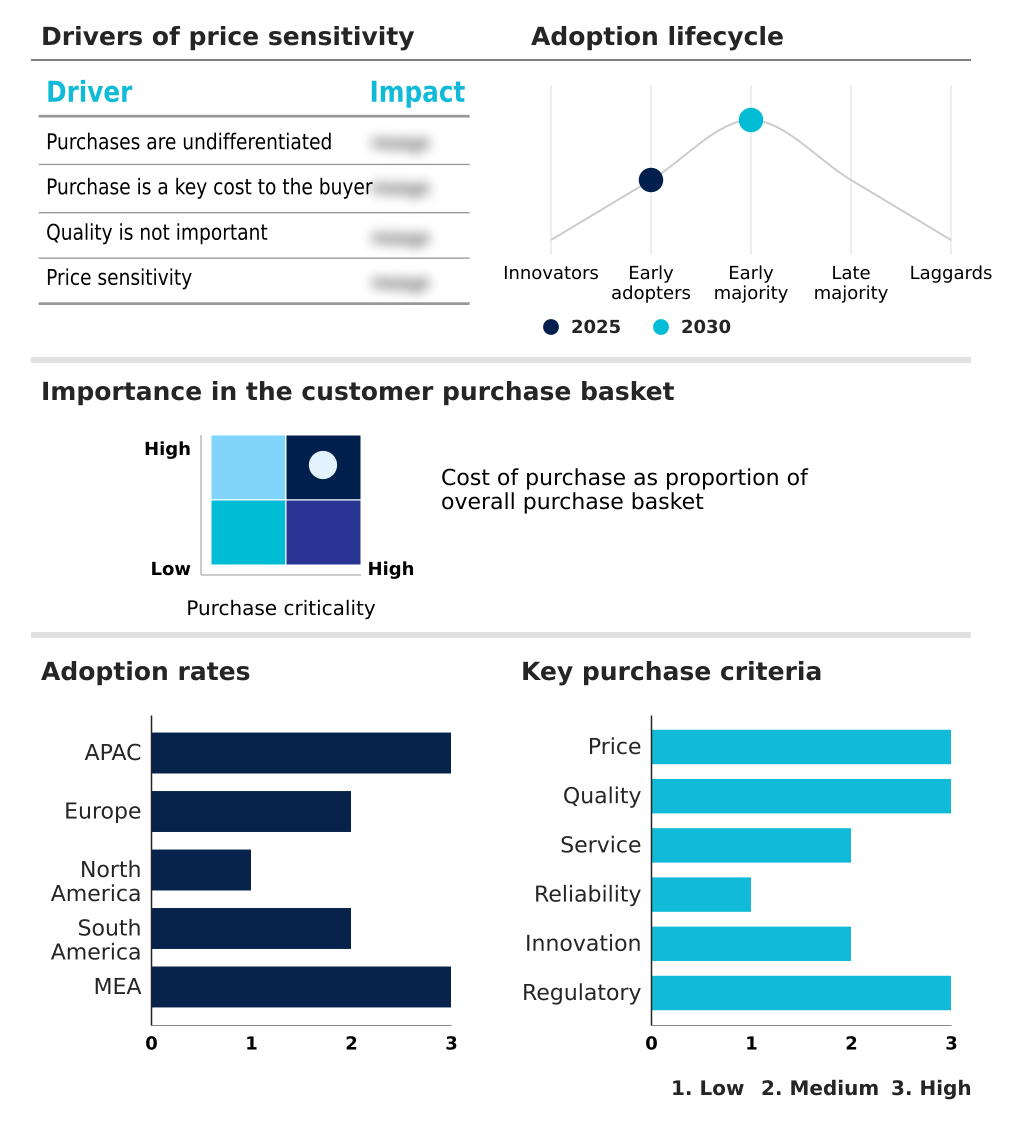
Customer Landscape of Recycled Materials Packaging Solutions Industry
Competitive Landscape
Companies are implementing various strategies, such as strategic alliances, recycled materials packaging solutions market forecast, partnerships, mergers and acquisitions, geographical expansion, and product/service launches, to enhance their presence in the industry.
Amcor Plc - The portfolio includes recycled-content films, post-consumer plastics, and recyclable rigid containers engineered to support circular economy objectives while maintaining optimal product protection for various commercial applications.
The industry research and growth report includes detailed analyses of the competitive landscape of the market and information about key companies, including:
- Amcor Plc
- Ball Corp.
- Billerud AB
- Crown Holdings Inc.
- DS Smith Plc
- Graphic Packaging Holding Co.
- Greif Inc.
- Huhtamaki Oyj
- International Paper Co.
- Mondi Plc
- Novolex Holdings LLC
- Plastipak Holdings Inc.
- Pregis LLC
- Ranpak Holdings Corp.
- Sealed Air Corp.
- Silgan Holdings Inc.
- Smurfit Westrock plc
- Sonoco Products Co.
- Stora Enso Oyj
- UFP Technologies Inc.
Qualitative and quantitative analysis of companies has been conducted to help clients understand the wider business environment as well as the strengths and weaknesses of key industry players. Data is qualitatively analyzed to categorize companies as pure play, category-focused, industry-focused, and diversified; it is quantitatively analyzed to categorize companies as dominant, leading, strong, tentative, and weak.
Recent Development and News in Recycled materials packaging solutions market
- In the Metal, Glass and Plastic Containers industry, the implementation of extended producer responsibility mandates has forced container manufacturers to redesign rigid formats for easier material recovery, directly impacting Recycled Materials Packaging Solutions demand by increasing the availability of high-quality secondary feedstocks.
- Advancements in molecular recycling technologies for complex polymer structures have enabled the conversion of previously unrecyclable multi-layered plastics into virgin-grade resins, expanding the feedstock supply for food-contact applications within the Recycled Materials Packaging Solutions market.
- The transition toward mono-material container architectures across personal care and homecare sectors has streamlined material recovery facility operations, reducing processing costs by nearly 18% and facilitating a more consistent supply of recycled inputs for packaging converters.
- Stringent international trade regulations on cross-border plastic waste shipments have compelled domestic container manufacturers to heavily invest in localized processing infrastructure, subsequently stabilizing the domestic supply chain for the Recycled Materials Packaging Solutions market.
Dive into Technavio’s robust research methodology, blending expert interviews, extensive data synthesis, and validated models for unparalleled Recycled Materials Packaging Solutions Market insights. See full methodology.
| Market Scope | |
|---|---|
| Page number | 306 |
| Base year | 2025 |
| Historic period | 2020-2024 |
| Forecast period | 2026-2030 |
| Growth momentum & CAGR | Accelerate at a CAGR of 4.8% |
| Market growth 2026-2030 | USD 68344.8 million |
| Market structure | Fragmented |
| YoY growth 2025-2026(%) | 4.6% |
| Key countries | China, Japan, India, South Korea, Australia, Indonesia, Germany, UK, France, Italy, Spain, The Netherlands, US, Canada, Mexico, Brazil, Argentina, Colombia, South Africa, Saudi Arabia, UAE, Egypt and Israel |
| Competitive landscape | Leading Companies, Market Positioning of Companies, Competitive Strategies, and Industry Risks |
Research Analyst Overview
- The continuous evolution of material recovery operations requires enterprises to fundamentally restructure their compliance and product development strategies. Executive boards increasingly prioritize the integration of secondary feedstocks to mitigate long-term supply chain vulnerabilities and align with stringent international environmental frameworks. Implementing localized material processing hubs allows organizations to reduce logistical bottlenecks and improve overall procurement reliability.
- Companies restructuring their packaging architectures to utilize standardized recovered inputs have achieved a 20% reduction in material processing times compared to those managing highly variable mixed substrates. This operational streamlining directly enhances production consistency and supports more aggressive product rollout schedules. Furthermore, advanced purification techniques enable manufacturers to maintain strict safety standards without compromising structural durability.
- Adapting to these material shifts dictates comprehensive adjustments in supplier auditing and quality assurance protocols. Consequently, strategic investments in high-efficiency sorting infrastructure remain critical for enterprises aiming to balance rigorous commercial performance requirements with evolving regulatory compliance mandates.
What are the Key Data Covered in this Recycled Materials Packaging Solutions Market Research and Growth Report?
-
What is the expected growth of the Recycled Materials Packaging Solutions Market between 2026 and 2030?
-
USD 68.34 billion, at a CAGR of 4.8%
-
-
What segmentation does the market report cover?
-
The report is segmented by End-user (Food and beverages, Healthcare, and Others), Material (Paper and paperboard, Plastic, Metal, and Others), Product Type (Boxes, Bottles, Jars, and Wraps) and Geography (APAC, Europe, North America, South America, Middle East and Africa)
-
-
Which regions are analyzed in the report?
-
APAC, Europe, North America, South America and Middle East and Africa
-
-
What are the key growth drivers and market challenges?
-
Expansion of circular economy initiatives across industries, Inconsistent recycled material quality and feedstock availability
-
-
Who are the major players in the Recycled Materials Packaging Solutions Market?
-
Amcor Plc, Ball Corp., Billerud AB, Crown Holdings Inc., DS Smith Plc, Graphic Packaging Holding Co., Greif Inc., Huhtamaki Oyj, International Paper Co., Mondi Plc, Novolex Holdings LLC, Plastipak Holdings Inc., Pregis LLC, Ranpak Holdings Corp., Sealed Air Corp., Silgan Holdings Inc., Smurfit Westrock plc, Sonoco Products Co., Stora Enso Oyj and UFP Technologies Inc.
-
Market Research Insights
- The Recycled Materials Packaging Solutions Market demonstrates significant operational shifts as enterprises optimize their waste stream management and refine collection infrastructure optimization. By implementing reverse logistics networks, organizations achieve a 22% improvement in material recovery rates, significantly reducing raw material procurement costs. Advancements in product lifecycle performance tracking allow manufacturers to lower defect rates by 15% during the conversion process.
- Furthermore, enhancing operational consistency improvement protocols ensures that facilities maintain high-throughput manufacturing while meeting strict environmental standards. These strategic adaptations enable businesses to align with evolving regulatory frameworks while maintaining robust production efficiency and commercial viability.
We can help! Our analysts can customize this recycled materials packaging solutions market research report to meet your requirements.
 RIA -

