


Transparent Electronics Market Analysis North America, APAC, Europe, South America, Middle East and Africa - US, China, Germany, UK, Japan - Size and Forecast 2024-2028

Transparent Electronics Market Analysis North America, APAC, Europe, South America, Middle East and Africa - US, China, Germany, UK, Japan - Size and Forecast 2024-2028

Published: Jul 2024 163 Pages SKU: IRTNTR75162

Market Overview at a Glance

$8.20 B
Market Opportunity
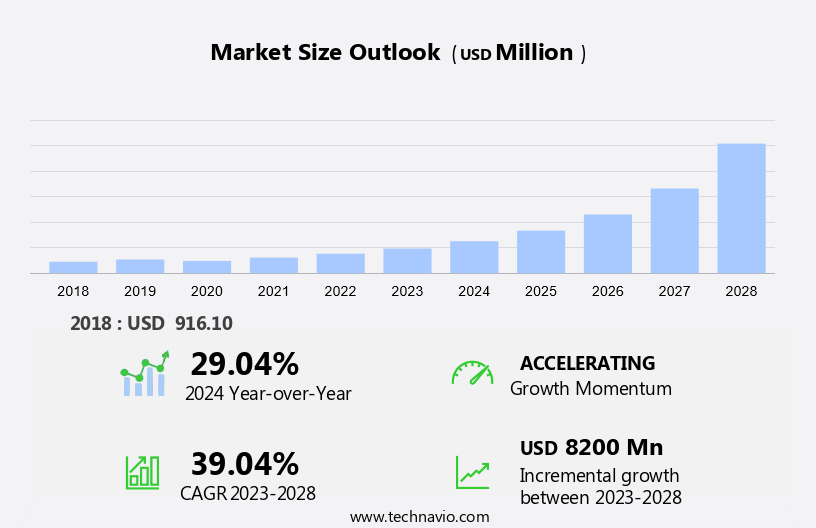
39.04%
CAGR
29.04
YoY growth 2023-2024(%)

Transparent Electronics Market Size 2024-2028

The transparent electronics market size is forecast to increase by USD 8.2 billion, at a CAGR of 39.04% between 2023 and 2028.

  • Transparent electronics, a burgeoning technology market, is experiencing significant growth due to several key trends. The increasing adoption of digital signage in various sectors, including retail, healthcare, and transportation, is driving market expansion. companies are also focusing on new product launches to cater to the evolving needs of consumers and industries. However, high costs associated with the production of transparent electronics remain a challenge, which may hinder market growth. Despite this, the future of transparent electronics looks promising, with potential applications in flexible displays, smart windows, and wearable technology. As technology advances and costs decrease, we can expect to see widespread adoption in various industries and applications.

What will be the Size of the Transparent Electronics Market During the Forecast Period?
Transparent Electronics Market Size

 Request Free Sample

  • The market encompasses a range of technologies, including see-through displays for various applications such as windshield heads-up displays, security systems, and road traffic warnings. Transparent solar cells are another significant segment, focusing on energy conversion efficiency. Keyboard and mouse designs incorporating transparency are gaining traction In the consumer electronic sector, alongside multi-touch technology in smartphones and tablets. Silicon compounds play a crucial role in the development of these products, enabling advancements in transparency and functionality.
  • Transparent displays are also finding applications in construction, healthcare, military and defense, augmented reality, advertising, and other industries. The market's growth is driven by the increasing demand for advanced, sleek, and functional consumer electronic products, as well as the potential for energy generation and information dissemination through transparent technologies.

How is this Transparent Electronics Industry segmented and which is the largest segment?

The transparent electronics industry research report provides comprehensive data (region-wise segment analysis), with forecasts and estimates in "USD billion" for the period 2024-2028, as well as historical data from 2018-2022 for the following segments.

  • Application
    • Consumer electronics
    • Automotive
    • Healthcare
    • Others
  • Product
    • Transparent displays
    • Transparent solar panels
    • Transparent windows
  • Geography
    • North America
      • US
    • APAC
      • China
      • Japan
    • Europe
      • Germany
      • UK
    • South America
    • Middle East and Africa

By Application Insights

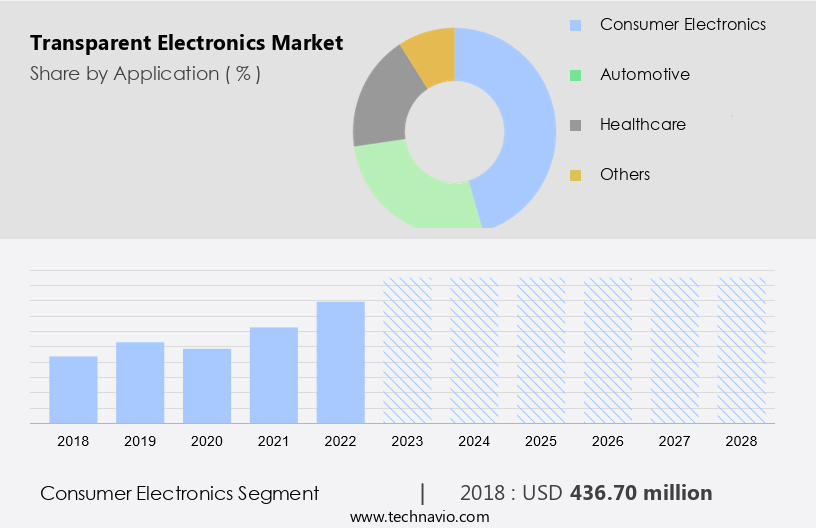
  • The consumer electronics segment is estimated to witness significant growth during the forecast period.

Transparent electronics technology enables the creation of electronic devices on glass surfaces, revolutionizing various industries. In consumer electronics, this innovation drives the miniaturization trend by integrating touch-enabled functions into devices, replacing traditional keyboards and mice. Transparent conducting oxides (TCOs) such as ZnO, CdO, In2O3, and SnO2 facilitate electricity transmission In these devices. Wide band-gap semiconductors are utilized to achieve invisible circuitry. Transparent electronics applications extend beyond consumer electronics, including smart windows, security systems, the automotive sector, and solar cells. 

The market growth is fueled by the increasing use of touch-enable devices, renewable energy sources, and the demand for energy-efficient solutions. Transparent displays, solar panels, and sensors are integral components of this technology, with smartphones, tablets, and wearables leading the adoption. Transparent circuits, touchscreens, and interactive retail displays are also gaining traction. The high cost of production remains a challenge, but advancements in flexible electronics, environmental awareness, and customizable electronics are expected to offset this hurdle.
Transparent Electronics Market Size

Get a glance at the Transparent Electronics Industry report of share of various segments Request Free Sample

The consumer electronics segment was valued at USD 436.70 million in 2018 and showed a gradual increase during the forecast period.

Regional Analysis

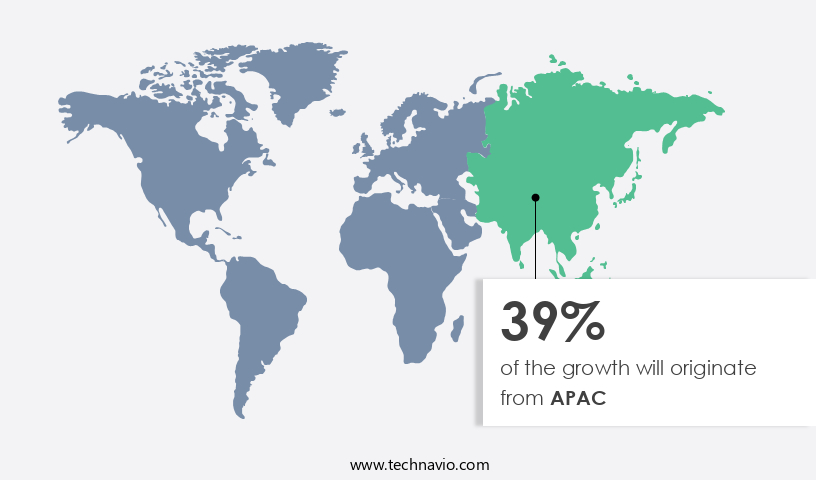
  • APAC is estimated to contribute 39% to the growth of the global market during the forecast period.

Technavio's analysts have elaborately explained the regional trends and drivers that shape the market during the forecast period.
Transparent Electronics Market Share by Geography

For more insights on the market share of various regions, Request Free Sample

The market in North America held the largest revenue share in 2023, driven by the presence of major market players and the growth of the automotive industry, particularly electric vehicles. The automotive sector's adoption of high-tech features, such as transparent displays, is increasing, providing opportunities for companies to expand their business scope. Research and development activities are intensifying to explore new applications for transparent displays and form partnerships with retailers and display manufacturers. The increasing digitalization of industries like automotive, healthcare, and consumer electronics is further fueling the growth of the regional market. Transparent displays are finding applications in various sectors, including smartphones, tablets, consumer electronic products, smart windows, and automotive.

Technologies like silicon compounds, oxide semiconductors, and transparent circuits are integral to the development of these displays. The market encompasses smartphones, tablets, smart windows, solar cells, batteries, sensors, touchscreens, and smart gadgets, among others. Transparent displays offer benefits such as energy conversion efficiency, enhanced security, and road traffic information, making them suitable for various applications. Key end-users include automotive, healthcare, military and defense, security systems, and construction. The market is expected to grow significantly due to the increasing demand for renewable energy sources, electricity demand, and solar power. Transparent solar panels, which can be embedded on glass surfaces, are a promising area of research and development.

Market Dynamics

Our researchers analyzed the data with 2023 as the base year, along with the key drivers, trends, and challenges. A holistic analysis of drivers will help companies refine their marketing strategies to gain a competitive advantage.

What are the key market drivers leading to the rise In the adoption of the Transparent Electronics Industry?

Increasing adoption of digital signage in numerous service sectors is the key driver of the market.

  • The market encompasses see-through displays, solar cells, and circuits, gaining traction in various industries, including consumer electronics, automotive, construction, healthcare, military and defense, and security systems. Transparent displays, such as those used in smartphones and tablets, are increasingly popular due to their ability to blend technology with everyday life, offering features like multi-touch technology, camera, flash, and LED indicators on a semi-transparent section. The automotive sector is a significant market for transparent displays, with smartphone companies integrating these technologies into windshields for road traffic warnings, life-saving information, and augmented reality.
  • Transparency solar cells, a subset of this market, offers energy conversion efficiency, providing renewable energy sources to meet electricity demand. Transparent circuits, sensors, and touchscreens are also essential components of this market, powering smart windows, smartphones, and other smart gadgets. Despite their high cost, the demand for these technologies is increasing due to their potential to enhance consumer experiences and offer customizable electronics, such as smart textiles and interactive retail displays.

What are the market trends shaping the Transparent Electronics Industry?

The increasing focus of companies on new product launches is the upcoming market trend.

  • Transparent electronics, including see-through displays and solar cells, are gaining traction in various industries, particularly In the automotive sector. Innovations in this field are enhancing passenger comfort and safety, with applications ranging from smart windows to road traffic warnings. Transparent circuits, such as those used in smartphones and tablets, are being integrated into consumer electronic products, including keypads, keyboards, mice, and touchscreen devices. Silicon compounds and oxide semiconductors are being used to develop transparent display technology, which is being adopted by smartphone companies for touch-enable devices. The integration of transparent displays into smartphones and other consumer electronics is also driving the development of renewable energy sources, such as solar power, to meet increasing electricity demand.
  • Transparent solar panels, which can be embedded on the glass surface of vehicles or buildings, offer a solution for energy conversion efficiency. These panels can be integrated into semi-transparent sections of smart windows, providing additional functionality as sensors, cameras, flash, LED indicators, and light emitters. The automotive industry is investing heavily in research and development to integrate these advanced technologies into their vehicles. Transparent displays are being used for augmented reality applications, advertising, and smart windows. The use of transparent displays in automotive applications is expected to grow, driven by the increasing demand for energy efficiency, environmental awareness, and advanced safety features.

What challenges does the Transparent Electronics Industry face during its growth?

High costs associated with transparent electronics is a key challenge affecting the industry growth.

  • Transparent electronics, including see-through displays for windshields and smart windows, are gaining traction in various industries due to their potential to provide life-saving information, warnings, and energy conversion through transparency solar cells. However, the high cost of these solutions has limited their adoption to large commercial enterprises, particularly in smart buildings and automotive sectors. Despite the initial investment challenges, the demand for renewable energy sources and electricity efficiency is driving the market. Transparent solar panels, integrated into smartphone display panels, can serve as a potential solution to address electricity demand.
  • In the automotive industry, these solutions can enhance safety and functionality, while in consumer electronics, they can offer touch-enable devices with multi-touch technology and augmented reality. The high cost of transparent electronics is a significant barrier to entry for many industries, including healthcare, military and defense, and construction. However, as the market matures and technology advances, we expect the cost to decrease, making these solutions more accessible to a broader range of applications. The automotive and consumer electronics segments are expected to lead the market growth due to their high demand for advanced features and energy efficiency.

Exclusive Customer Landscape

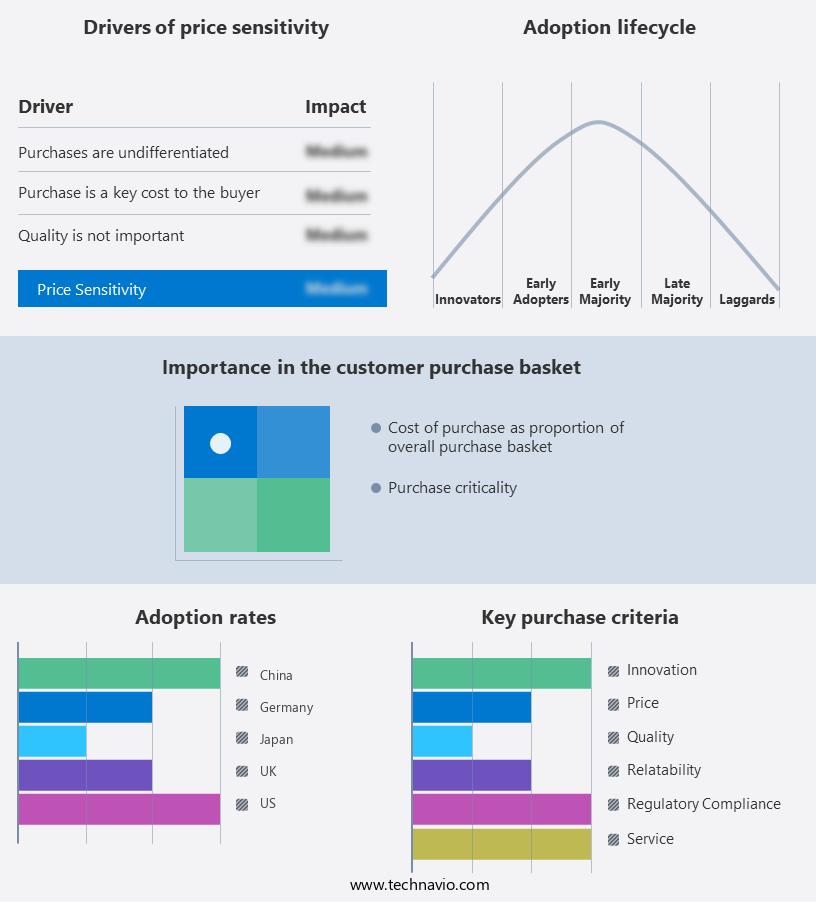
The transparent electronics market forecasting report includes the adoption lifecycle of the market, covering from the innovator's stage to the laggard's stage. It focuses on adoption rates in different regions based on penetration. Furthermore, the transparent electronics market report also includes key purchase criteria and drivers of price sensitivity to help companies evaluate and develop their market growth analysis strategies.
Transparent Electronics Market Share by Geography

 Customer Landscape

Key Companies & Market Insights

Companies are implementing various strategies, such as strategic alliances, transparent electronics market forecast, partnerships, mergers and acquisitions, geographical expansion, and product/service launches, to enhance their presence In the industry.

The industry research and growth report includes detailed analyses of the competitive landscape of the market and information about key companies, including:

  • BOE Technology Group Co. Ltd.
  • Brite Corp.
  • Cambrios Technologies Corp.
  • ClearLED Inc.
  • Corning Inc.
  • Gauzy Ltd.
  • Gentex Corp.
  • LG Electronics Inc.
  • OLEDWorks LLC
  • Onyx Solar Group LLC
  • Panasonic Holdings Corp.
  • Planar Systems Inc.
  • Pro Display
  • RavenWindow
  • Samsung Electronics Co. Ltd.
  • Shenzhen AuroLED Technology Co. Ltd.
  • SHENZHEN NEXNOVO TECHNOLOGY Co. Ltd.
  • Street Communication Inc.
  • TDK Corp.
  • Ubiquitous Energy Inc.

Qualitative and quantitative analysis of companies has been conducted to help clients understand the wider business environment as well as the strengths and weaknesses of key industry players. Data is qualitatively analyzed to categorize companies as pure play, category-focused, industry-focused, and diversified; it is quantitatively analyzed to categorize companies as dominant, leading, strong, tentative, and weak.

Research Analyst Overview

Transparent electronics, a burgeoning technology segment, is gaining significant traction in various industries due to its unique ability to offer functionality without compromising transparency. This technology, which allows for the creation of see-through displays, solar cells, and circuits, among other applications, is poised to revolutionize consumer electronic products and numerous sectors. The integration of transparent electronics in consumer electronic devices, such as smartphones and tablets, presents numerous advantages. For instance, these devices can offer enhanced user experience by allowing users to view essential information, such as notifications or time, without obstructing their view. Moreover, the integration of transparent displays in smartphones and tablets can lead to the development of touch-enabled devices, providing users with a more interactive experience.

Further, transparent electronics also offer significant potential In the automotive sector. Windshields can be transformed into smart windows that display essential road traffic information, life-saving warnings, and even serve as a platform for augmented reality applications. Furthermore, the integration of transparent solar cells into windshields can lead to energy generation while driving, reducing electricity demand and increasing the use of renewable energy sources. The use of transparent electronics extends beyond consumer electronics and automotive applications. In the construction industry, these technologies can be used to create smart windows that regulate temperature and light, providing energy efficiency and environmental awareness.

In healthcare, transparent sensors and displays can be used to monitor patients' vital signs and provide real-time health information. In the military and defense sector, transparent displays can be used for surveillance and communication systems, offering stealth and security benefits. The manufacturing hub for transparent electronics is witnessing significant investment and innovation. Transparent solar panels, for example, are being developed with high energy conversion efficiency, making them a viable alternative to traditional silicon-based solar cells. Transparent circuits, made from oxide semiconductors, are also gaining popularity due to their flexibility and potential for use in wearable devices and interactive retail displays.

Market Scope

Report Coverage

Details

Page number

163

Base year

2023

Historic period

2018-2022

Forecast period

2024-2028

Growth momentum & CAGR

Accelerate at a CAGR of 39.04%

Market Growth 2024-2028

USD 8.2 billion

Market structure

Fragmented

YoY growth 2023-2024(%)

29.04

Key countries

US, China, Germany, UK, and Japan

Competitive landscape

Leading Companies, Market Positioning of Companies, Competitive Strategies, and Industry Risks

Request Free Sample

What are the Key Data Covered in this Transparent Electronics Market Research and Growth Report?

  • CAGR of the Transparent Electronics industry during the forecast period
  • Detailed information on factors that will drive the market growth and forecasting between 2024 and 2028
  • Precise estimation of the size of the market and its contribution of the industry in focus to the parent market
  • Accurate predictions about upcoming growth and trends and changes in consumer behaviour
  • Growth of the market across North America, APAC, Europe, South America, and Middle East and Africa
  • Thorough analysis of the market's competitive landscape and detailed information about companies
  • Comprehensive analysis of factors that will challenge the transparent electronics market growth of industry companies

We can help! Our analysts can customize this transparent electronics market research report to meet your requirements.

Get in touch

1 Executive Summary

  • 1.1 Market overview
    • Executive Summary - Chart on Market Overview
    • Executive Summary - Data Table on Market Overview
    • Executive Summary - Chart on Global Market Characteristics
    • Executive Summary - Chart on Market by Geography
    • Executive Summary - Chart on Market Segmentation by Application
    • Executive Summary - Chart on Market Segmentation by Product
    • Executive Summary - Chart on Incremental Growth
    • Executive Summary - Data Table on Incremental Growth
    • Executive Summary - Chart on Company Market Positioning

2 Market Landscape

  • 2.1 Market ecosystem
    • Parent Market
    • Data Table on - Parent Market
  • 2.2 Market characteristics
    • Market characteristics analysis
  • 2.3 Value chain analysis
    • Value Chain Analysis

3 Market Sizing

  • 3.1 Market definition
    • Offerings of companies included in the market definition
  • 3.2 Market segment analysis
    • Market segments
  • 3.3 Market size 2023
    • 3.4 Market outlook: Forecast for 2023-2028
      • Chart on Global - Market size and forecast 2023-2028 ($ million)
      • Data Table on Global - Market size and forecast 2023-2028 ($ million)
      • Chart on Global Market: Year-over-year growth 2023-2028 (%)
      • Data Table on Global Market: Year-over-year growth 2023-2028 (%)

    4 Historic Market Size

    • 4.1 Global Transparent Electronics Market 2018 - 2022
      • Historic Market Size - Data Table on Global Transparent Electronics Market 2018 - 2022 ($ million)
    • 4.2 Application segment analysis 2018 - 2022
      • Historic Market Size - Application Segment 2018 - 2022 ($ million)
    • 4.3 Product segment analysis 2018 - 2022
      • Historic Market Size - Product Segment 2018 - 2022 ($ million)
    • 4.4 Geography segment analysis 2018 - 2022
      • Historic Market Size - Geography Segment 2018 - 2022 ($ million)
    • 4.5 Country segment analysis 2018 - 2022
      • Historic Market Size - Country Segment 2018 - 2022 ($ million)

    5 Five Forces Analysis

    • 5.1 Five forces summary
      • Five forces analysis - Comparison between 2023 and 2028
    • 5.2 Bargaining power of buyers
      • Bargaining power of buyers - Impact of key factors 2023 and 2028
    • 5.3 Bargaining power of suppliers
      • Bargaining power of suppliers - Impact of key factors in 2023 and 2028
    • 5.4 Threat of new entrants
      • Threat of new entrants - Impact of key factors in 2023 and 2028
    • 5.5 Threat of substitutes
      • Threat of substitutes - Impact of key factors in 2023 and 2028
    • 5.6 Threat of rivalry
      • Threat of rivalry - Impact of key factors in 2023 and 2028
    • 5.7 Market condition
      • Chart on Market condition - Five forces 2023 and 2028

    6 Market Segmentation by Application

    • 6.1 Market segments
      • Chart on Application - Market share 2023-2028 (%)
      • Data Table on Application - Market share 2023-2028 (%)
    • 6.2 Comparison by Application
      • Chart on Comparison by Application
      • Data Table on Comparison by Application
    • 6.3 Consumer electronics - Market size and forecast 2023-2028
      • Chart on Consumer electronics - Market size and forecast 2023-2028 ($ million)
      • Data Table on Consumer electronics - Market size and forecast 2023-2028 ($ million)
      • Chart on Consumer electronics - Year-over-year growth 2023-2028 (%)
      • Data Table on Consumer electronics - Year-over-year growth 2023-2028 (%)
    • 6.4 Automotive - Market size and forecast 2023-2028
      • Chart on Automotive - Market size and forecast 2023-2028 ($ million)
      • Data Table on Automotive - Market size and forecast 2023-2028 ($ million)
      • Chart on Automotive - Year-over-year growth 2023-2028 (%)
      • Data Table on Automotive - Year-over-year growth 2023-2028 (%)
    • 6.5 Healthcare - Market size and forecast 2023-2028
      • Chart on Healthcare - Market size and forecast 2023-2028 ($ million)
      • Data Table on Healthcare - Market size and forecast 2023-2028 ($ million)
      • Chart on Healthcare - Year-over-year growth 2023-2028 (%)
      • Data Table on Healthcare - Year-over-year growth 2023-2028 (%)
    • 6.6 Others - Market size and forecast 2023-2028
      • Chart on Others - Market size and forecast 2023-2028 ($ million)
      • Data Table on Others - Market size and forecast 2023-2028 ($ million)
      • Chart on Others - Year-over-year growth 2023-2028 (%)
      • Data Table on Others - Year-over-year growth 2023-2028 (%)
    • 6.7 Market opportunity by Application
      • Market opportunity by Application ($ million)
      • Data Table on Market opportunity by Application ($ million)

    7 Market Segmentation by Product

    • 7.1 Market segments
      • Chart on Product - Market share 2023-2028 (%)
      • Data Table on Product - Market share 2023-2028 (%)
    • 7.2 Comparison by Product
      • Chart on Comparison by Product
      • Data Table on Comparison by Product
    • 7.3 Transparent displays - Market size and forecast 2023-2028
      • Chart on Transparent displays - Market size and forecast 2023-2028 ($ million)
      • Data Table on Transparent displays - Market size and forecast 2023-2028 ($ million)
      • Chart on Transparent displays - Year-over-year growth 2023-2028 (%)
      • Data Table on Transparent displays - Year-over-year growth 2023-2028 (%)
    • 7.4 Transparent solar panels - Market size and forecast 2023-2028
      • Chart on Transparent solar panels - Market size and forecast 2023-2028 ($ million)
      • Data Table on Transparent solar panels - Market size and forecast 2023-2028 ($ million)
      • Chart on Transparent solar panels - Year-over-year growth 2023-2028 (%)
      • Data Table on Transparent solar panels - Year-over-year growth 2023-2028 (%)
    • 7.5 Transparent windows - Market size and forecast 2023-2028
      • Chart on Transparent windows - Market size and forecast 2023-2028 ($ million)
      • Data Table on Transparent windows - Market size and forecast 2023-2028 ($ million)
      • Chart on Transparent windows - Year-over-year growth 2023-2028 (%)
      • Data Table on Transparent windows - Year-over-year growth 2023-2028 (%)
    • 7.6 Market opportunity by Product
      • Market opportunity by Product ($ million)
      • Data Table on Market opportunity by Product ($ million)

    8 Customer Landscape

    • 8.1 Customer landscape overview
      • Analysis of price sensitivity, lifecycle, customer purchase basket, adoption rates, and purchase criteria

    9 Geographic Landscape

    • 9.1 Geographic segmentation
      • Chart on Market share by geography 2023-2028 (%)
      • Data Table on Market share by geography 2023-2028 (%)
    • 9.2 Geographic comparison
      • Chart on Geographic comparison
      • Data Table on Geographic comparison
    • 9.3 North America - Market size and forecast 2023-2028
      • Chart on North America - Market size and forecast 2023-2028 ($ million)
      • Data Table on North America - Market size and forecast 2023-2028 ($ million)
      • Chart on North America - Year-over-year growth 2023-2028 (%)
      • Data Table on North America - Year-over-year growth 2023-2028 (%)
    • 9.4 APAC - Market size and forecast 2023-2028
      • Chart on APAC - Market size and forecast 2023-2028 ($ million)
      • Data Table on APAC - Market size and forecast 2023-2028 ($ million)
      • Chart on APAC - Year-over-year growth 2023-2028 (%)
      • Data Table on APAC - Year-over-year growth 2023-2028 (%)
    • 9.5 Europe - Market size and forecast 2023-2028
      • Chart on Europe - Market size and forecast 2023-2028 ($ million)
      • Data Table on Europe - Market size and forecast 2023-2028 ($ million)
      • Chart on Europe - Year-over-year growth 2023-2028 (%)
      • Data Table on Europe - Year-over-year growth 2023-2028 (%)
    • 9.6 South America - Market size and forecast 2023-2028
      • Chart on South America - Market size and forecast 2023-2028 ($ million)
      • Data Table on South America - Market size and forecast 2023-2028 ($ million)
      • Chart on South America - Year-over-year growth 2023-2028 (%)
      • Data Table on South America - Year-over-year growth 2023-2028 (%)
    • 9.7 Middle East and Africa - Market size and forecast 2023-2028
      • Chart on Middle East and Africa - Market size and forecast 2023-2028 ($ million)
      • Data Table on Middle East and Africa - Market size and forecast 2023-2028 ($ million)
      • Chart on Middle East and Africa - Year-over-year growth 2023-2028 (%)
      • Data Table on Middle East and Africa - Year-over-year growth 2023-2028 (%)
    • 9.8 US - Market size and forecast 2023-2028
      • Chart on US - Market size and forecast 2023-2028 ($ million)
      • Data Table on US - Market size and forecast 2023-2028 ($ million)
      • Chart on US - Year-over-year growth 2023-2028 (%)
      • Data Table on US - Year-over-year growth 2023-2028 (%)
    • 9.9 China - Market size and forecast 2023-2028
      • Chart on China - Market size and forecast 2023-2028 ($ million)
      • Data Table on China - Market size and forecast 2023-2028 ($ million)
      • Chart on China - Year-over-year growth 2023-2028 (%)
      • Data Table on China - Year-over-year growth 2023-2028 (%)
    • 9.10 Germany - Market size and forecast 2023-2028
      • Chart on Germany - Market size and forecast 2023-2028 ($ million)
      • Data Table on Germany - Market size and forecast 2023-2028 ($ million)
      • Chart on Germany - Year-over-year growth 2023-2028 (%)
      • Data Table on Germany - Year-over-year growth 2023-2028 (%)
    • 9.11 UK - Market size and forecast 2023-2028
      • Chart on UK - Market size and forecast 2023-2028 ($ million)
      • Data Table on UK - Market size and forecast 2023-2028 ($ million)
      • Chart on UK - Year-over-year growth 2023-2028 (%)
      • Data Table on UK - Year-over-year growth 2023-2028 (%)
    • 9.12 Japan - Market size and forecast 2023-2028
      • Chart on Japan - Market size and forecast 2023-2028 ($ million)
      • Data Table on Japan - Market size and forecast 2023-2028 ($ million)
      • Chart on Japan - Year-over-year growth 2023-2028 (%)
      • Data Table on Japan - Year-over-year growth 2023-2028 (%)
    • 9.13 Market opportunity by geography
      • Market opportunity by geography ($ million)
      • Data Tables on Market opportunity by geography ($ million)

    10 Drivers, Challenges, and Opportunity/Restraints

    • 10.1 Market drivers
      • 10.2 Market challenges
        • 10.3 Impact of drivers and challenges
          • Impact of drivers and challenges in 2023 and 2028
        • 10.4 Market opportunities/restraints

          11 Competitive Landscape

          • 11.1 Overview
            • 11.2 Competitive Landscape
              • Overview on criticality of inputs and factors of differentiation
            • 11.3 Landscape disruption
              • Overview on factors of disruption
            • 11.4 Industry risks
              • Impact of key risks on business

            12 Competitive Analysis

            • 12.1 Companies profiled
              • Companies covered
            • 12.2 Market positioning of companies
              • Matrix on companies position and classification
            • 12.3 BOE Technology Group Co. Ltd.
              • BOE Technology Group Co. Ltd. - Overview
              • BOE Technology Group Co. Ltd. - Business segments
              • BOE Technology Group Co. Ltd. - Key offerings
              • BOE Technology Group Co. Ltd. - Segment focus
            • 12.4 Brite Corp.
              • Brite Corp. - Overview
              • Brite Corp. - Product / Service
              • Brite Corp. - Key offerings
            • 12.5 ClearLED Inc.
              • ClearLED Inc. - Overview
              • ClearLED Inc. - Product / Service
              • ClearLED Inc. - Key offerings
            • 12.6 Corning Inc.
              • Corning Inc. - Overview
              • Corning Inc. - Business segments
              • Corning Inc. - Key news
              • Corning Inc. - Key offerings
              • Corning Inc. - Segment focus
            • 12.7 Gentex Corp.
              • Gentex Corp. - Overview
              • Gentex Corp. - Business segments
              • Gentex Corp. - Key news
              • Gentex Corp. - Key offerings
              • Gentex Corp. - Segment focus
            • 12.8 LG Electronics Inc.
              • LG Electronics Inc. - Overview
              • LG Electronics Inc. - Product / Service
              • LG Electronics Inc. - Key news
              • LG Electronics Inc. - Key offerings
            • 12.9 Onyx Solar Group LLC
              • Onyx Solar Group LLC - Overview
              • Onyx Solar Group LLC - Product / Service
              • Onyx Solar Group LLC - Key offerings
            • 12.10 Panasonic Holdings Corp.
              • Panasonic Holdings Corp. - Overview
              • Panasonic Holdings Corp. - Business segments
              • Panasonic Holdings Corp. - Key news
              • Panasonic Holdings Corp. - Key offerings
              • Panasonic Holdings Corp. - Segment focus
            • 12.11 Planar Systems Inc.
              • Planar Systems Inc. - Overview
              • Planar Systems Inc. - Product / Service
              • Planar Systems Inc. - Key offerings
            • 12.12 Pro Display
              • Pro Display - Overview
              • Pro Display - Product / Service
              • Pro Display - Key offerings
            • 12.13 Samsung Electronics Co. Ltd.
              • Samsung Electronics Co. Ltd. - Overview
              • Samsung Electronics Co. Ltd. - Business segments
              • Samsung Electronics Co. Ltd. - Key news
              • Samsung Electronics Co. Ltd. - Key offerings
              • Samsung Electronics Co. Ltd. - Segment focus
            • 12.14 Shenzhen AuroLED Technology Co. Ltd.
              • Shenzhen AuroLED Technology Co. Ltd. - Overview
              • Shenzhen AuroLED Technology Co. Ltd. - Product / Service
              • Shenzhen AuroLED Technology Co. Ltd. - Key offerings
            • 12.15 SHENZHEN NEXNOVO TECHNOLOGY Co. Ltd.
              • SHENZHEN NEXNOVO TECHNOLOGY Co. Ltd. - Overview
              • SHENZHEN NEXNOVO TECHNOLOGY Co. Ltd. - Product / Service
              • SHENZHEN NEXNOVO TECHNOLOGY Co. Ltd. - Key offerings
            • 12.16 TDK Corp.
              • TDK Corp. - Overview
              • TDK Corp. - Business segments
              • TDK Corp. - Key news
              • TDK Corp. - Key offerings
              • TDK Corp. - Segment focus
            • 12.17 Ubiquitous Energy Inc.
              • Ubiquitous Energy Inc. - Overview
              • Ubiquitous Energy Inc. - Product / Service
              • Ubiquitous Energy Inc. - Key offerings

            13 Appendix

            • 13.1 Scope of the report
              • 13.2 Inclusions and exclusions checklist
                • Inclusions checklist
                • Exclusions checklist
              • 13.3 Currency conversion rates for US$
                • Currency conversion rates for US$
              • 13.4 Research methodology
                • Research methodology
              • 13.5 Data procurement
                • Information sources
              • 13.6 Data validation
                • Data validation
              • 13.7 Validation techniques employed for market sizing
                • Validation techniques employed for market sizing
              • 13.8 Data synthesis
                • Data synthesis
              • 360 degree market analysis
                • 360 degree market analysis
              • 13.10 List of abbreviations
                • List of abbreviations

              Research Methodology

              Technavio presents a detailed picture of the market by way of study, synthesis, and summation of data from multiple sources. The analysts have presented the various facets of the market with a particular focus on identifying the key industry influencers. The data thus presented is comprehensive, reliable, and the result of extensive research, both primary and secondary.

              INFORMATION SOURCES

              Primary sources

              • Manufacturers and suppliers
              • Channel partners
              • Industry experts
              • Strategic decision makers

              Secondary sources

              • Industry journals and periodicals
              • Government data
              • Financial reports of key industry players
              • Historical data
              • Press releases

              DATA ANALYSIS

              Data Synthesis

              • Collation of data
              • Estimation of key figures
              • Analysis of derived insights

              Data Validation

              • Triangulation with data models
              • Reference against proprietary databases
              • Corroboration with industry experts

              REPORT WRITING

              Qualitative

              • Market drivers
              • Market challenges
              • Market trends
              • Five forces analysis

              Quantitative

              • Market size and forecast
              • Market segmentation
              • Geographical insights
              • Competitive landscape

              Interested in this report?

              Get your sample now to see our research methodology and insights!

              Download Now

              Frequently Asked Questions

              Transparent Electronics market growth will increase by $ 8200 mn during 2024-2028 .

              The Transparent Electronics market is expected to grow at a CAGR of 39.04% during 2024-2028 .

              Transparent Electronics market is segmented by Application( Consumer electronics, Automotive, Healthcare, Others) Product( Transparent displays, Transparent solar panels, Transparent windows)

              BOE Technology Group Co. Ltd., Brite Corp., Cambrios Technologies Corp., ClearLED Inc., Corning Inc., Gauzy Ltd., Gentex Corp., LG Electronics Inc., OLEDWorks LLC, Onyx Solar Group LLC, Panasonic Holdings Corp., Planar Systems Inc., Pro Display, RavenWindow, Samsung Electronics Co. Ltd., Shenzhen AuroLED Technology Co. Ltd., SHENZHEN NEXNOVO TECHNOLOGY Co. Ltd., Street Communication Inc., TDK Corp., Ubiquitous Energy Inc. are a few of the key vendors in the Transparent Electronics market.

              APAC will register the highest growth rate of 39% among the other regions. Therefore, the Transparent Electronics market in APAC is expected to garner significant business opportunities for the vendors during the forecast period.

              US, China, Germany, UK, Japan

              • Increasing adoption of digital signage in numerous service sectorsThe demand for digital signage is increasing in various sectors is the driving factor this market.
              • such as retail is the driving factor this market.
              • healthcare is the driving factor this market.
              • hospitality is the driving factor this market.
              • education is the driving factor this market.
              • transport is the driving factor this market.
              • government is the driving factor this market.
              • corporate is the driving factor this market.
              • and banking. The high growth of the retail industry will be a major driver for the rising demand for digital signage and is expected to lead to a huge expansion of commercial retail spaces globally. One of the prime uses of digital signage is to create engaging consumer experiences. Thus is the driving factor this market.
              • the service sectors industries such as transportation is the driving factor this market.
              • education is the driving factor this market.
              • healthcare is the driving factor this market.
              • and banking are increasingly adopting digital signage. The spending on digital advertisements has been increasing over the past few years. This is expected to continue during the forecast period as retailers and vendors are increasingly focusing on marketing and promotional activities. With the help of digital advertisements is the driving factor this market.
              • retailers can reach a large consumer base is the driving factor this market.
              • even in remote areas. Digital signage plays an important role in in-house marketing and promotional activities. Thus is the driving factor this market.
              • the adoption of digital signage for marketing and promotional activities are expected to increase is the driving factor this market.
              • which is expected to have a positive impact on the growth of the global transparent electronics market during the forecast period. is the driving factor this market.

              The Transparent Electronics market vendors should focus on grabbing business opportunities from the Consumer electronics segment as it accounted for the largest market share in the base year.
