

Baby Wipes Market Analysis North America, Europe, APAC, South America, Middle East and Africa - US, UK, China, Canada, Germany - Size and Forecast 2024-2028

Baby Wipes Market Analysis North America, Europe, APAC, South America, Middle East and Africa - US, UK, China, Canada, Germany - Size and Forecast 2024-2028

Published: May 2024 174 Pages SKU: IRTNTR44902

Market Overview at a Glance

$1.55 B
Market Opportunity
4.6%
CAGR
4.32
YoY growth 2023-2024(%)

Baby Wipes Market Size 2024-2028

The baby wipes market size is forecast to increase by USD 1.55 billion at a CAGR of 4.6% between 2023 and 2028.

  • The market is witnessing significant growth due to the introduction of diverse product offerings by manufacturers. Product innovation is a key trend In the market, with companies introducing eco-friendly, fragrance-free, and hypoallergenic wipes to cater to the varying needs of consumers. However, increased competition from local brands is leading to stiff competition, forcing market players to focus on pricing strategies and product differentiation. Consumers are increasingly preferring affordable and effective alternatives, making it essential for companies to offer value-added features and competitive pricing. The market analysis report provides a comprehensive study of these trends and growth factors, offering insights into the market's future direction.
  • What will be the Size of the Baby Wipes Market During the Forecast Period?
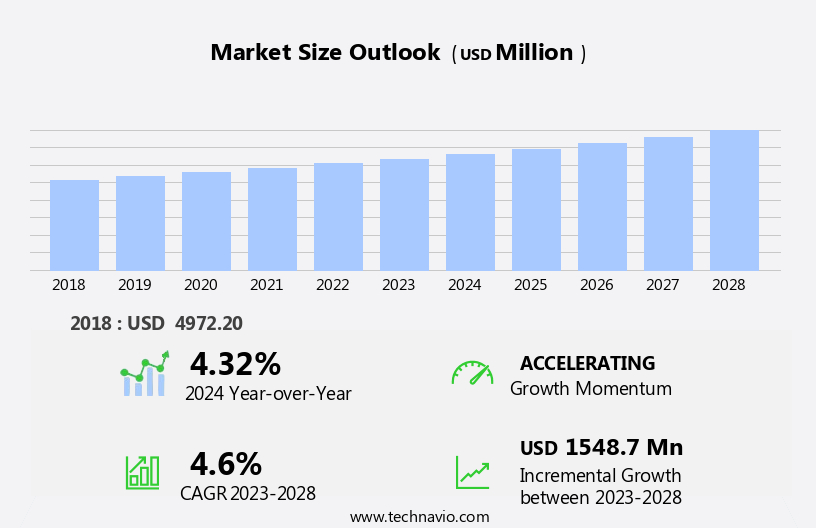
    Baby Wipes Market Size

     Request Free Sample

  • The market caters to the hygiene needs of parents and caregivers for infants and toddlers. Market dynamics are driven by the increasing infant population and the working women population seeking convenience in maintaining their children's hygiene. Formulations of baby wipes vary, with ingredients including cotton, rayon, polyester, polyethylene, mild detergent, amphoteric surfactants, and cleansing agents. Skin infection concerns have led to the development of blended formulations using natural ingredients. The pandemic has accelerated the demand for baby wipes as an essential hygiene product, leading to increased revenues. Niches In the market include wetlaid, airlaid, and spunlace baby wipes, with plastic cases offered as packaging solutions.
  • Distribution channels include pharmacies and online stores, with hand sanitizers and diaper rash treatments complementing sales.
  • How is this Baby Wipes Industry segmented and which is the largest segment?

    The baby wipes industry research report provides comprehensive data (region-wise segment analysis), with forecasts and estimates in "USD million" for the period 2024-2028, as well as historical data from 2018-2022 for the following segments.

    • Distribution Channel
      • Online
      • Offline
    • Technology
      • Spunlace technology
      • Airlaid technology
      • Coform technology
      • Needle punch technology
      • Others
    • Geography
      • North America
        • Canada
        • US
      • Europe
        • Germany
        • UK
      • APAC
        • China
      • South America
        • Middle East and Africa

        By Distribution Channel Insights

        • The online segment is estimated to witness significant growth during the forecast period.

        The market has experienced significant growth in online sales due to evolving consumer preferences. With the increasing reliance on digital platforms for research and purchase decisions, traditional brick-and-mortar stores are being surpassed by online retailers like Amazon.Com and JD.Com. The expansion of e-commerce infrastructure fuels this growth. Parents prioritize ingredients that are gentle on their infants' delicate skin, leading to demand for formulations free from synthetic chemical ingredients, such as phthalates. Companies like Nice-Pak International and Suominen Corporation offer eco-friendly alternatives, such as biodegradable products and vegan materials, like Biolace Bamboo. Product differentiation through packaging innovations, marketing, and advertising, as well as collaborations and partnerships, contribute to market growth.

        The market encompasses wet and dry wipes, sold in various forms, including pouches/boxes, tubes/tins, and plastic cases. Revenues are driven by the increasing working women population, families with infants, and changing lifestyles. Key players include KimberlyClark and Accrol Group, offering wet and dry baby wipes made from cotton, rayon, polyester, polyethylene, and mild detergent. Online sales of baby wipes are expected to continue growing due to their convenience and accessibility.
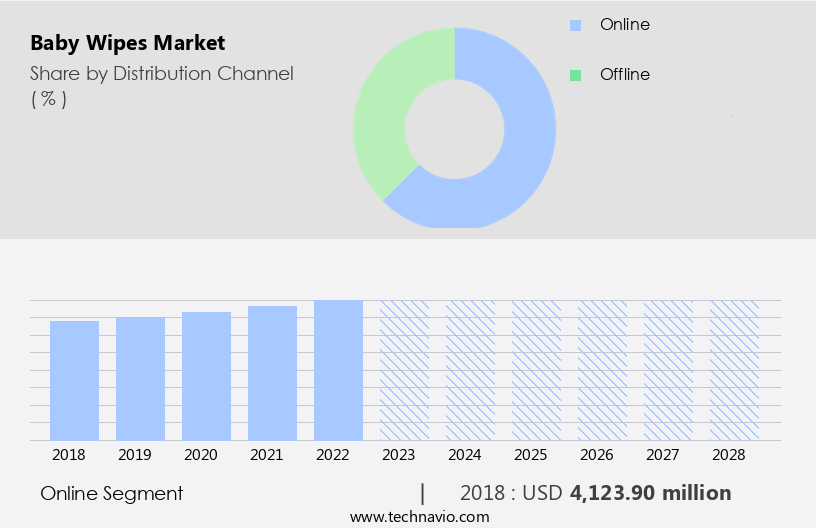
        Baby Wipes Market Size

        Get a glance at the  Baby Wipes Industry report of share of various segments Request Free Sample

        The Online segment was valued at USD 4.12 billion in 2018 and showed a gradual increase during the forecast period.

        Regional Analysis

        • North America is estimated to contribute 39% to the growth of the global market during the forecast period.

        Technavio’s analysts have elaborately explained the regional trends and drivers that shape the market during the forecast period.
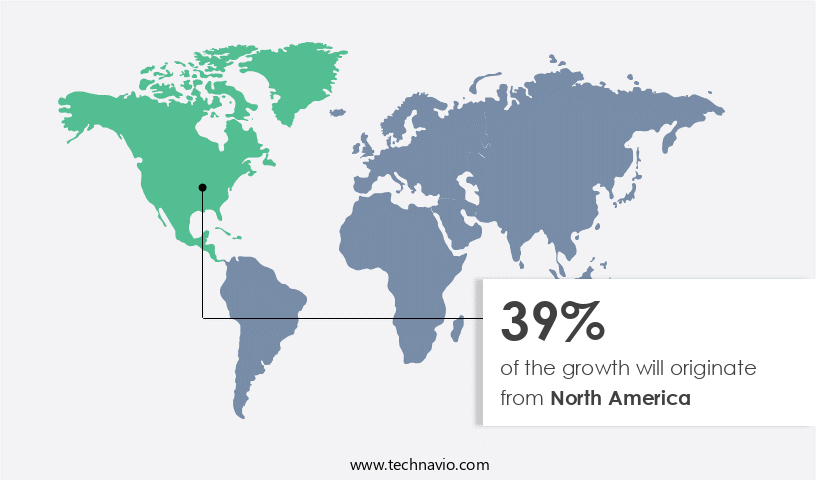
        Baby Wipes Market Share by Geography

        For more insights on the market share of various regions, Request Free Sample

        The market in North America is currently mature, with the US being the largest consumer due to the growing working women population and increasing awareness of hygiene products. Baby wipes are used not only for diaper changes but also for various other purposes, making them a cost-effective and versatile option. Offline retail channels, including hypermarkets, specialty stores, department stores, and warehouse clubs, dominate the sales in this region. Key players In the market include Nice-Pak International, Suominen Corporation, and Accrol Group, among others. The market is witnessing innovation in formulations, such as vegan materials, biodegradable products, and skin-sensitive wipes. However, concerns over counterfeit baby wipes and synthetic chemical ingredients, like phthalates, persist.

        The market is segmented into wet and dry wipes, with the wet segment accounting for the majority of sales due to viral infection control requirements. The product life cycle is shifting towards packaging innovations, marketing and advertising, and collaborations and partnerships to differentiate offerings and cater to consumer expenditure trends. The market value is expected to grow, driven by changing lifestyles, modernization, and urbanization.

        Market Dynamics

        Our  researchers analyzed the data with 2023 as the base year, along with the key drivers, trends, and challenges. A holistic analysis of drivers will help companies refine their marketing strategies to gain a competitive advantage.

        What are the key market drivers leading to the rise In the adoption of Baby Wipes Industry?

        Introduction of varied products by manufacturers is the key driver of the market.

      • The market In the US is experiencing significant growth due to the increasing population of babies and working women. Parents prioritize hygiene products, such as baby wipes, for their infants' cleanliness, particularly during diaper changes and viral infection control. Nice-Pak International and Pandemics have boosted demand for wet wipes, leading to increased revenues. Manufacturers like The Procter and Gamble Co. And Nice-Pak International are focusing on formulations that cater to skin sensitivity, using ingredients like mild detergent, amphoteric surfactants, and cleansing agents. They are also exploring vegan materials, such as Biolace Bamboo from Suominen Corporation, to create eco-friendly and skin-friendly wipes.
      • Counterfeit baby wipes and synthetic chemical ingredients, such as phthalates, are concerns for parents. companies are addressing these issues by collaborating with raw material suppliers to ensure the use of plant-based, semisynthetic, and paper-based packaging. Product differentiation through packaging innovations and marketing and advertising strategies is also a key trend In the market. The market consists of wet and dry segments, with wet wipes being more popular due to their ability to provide moisture and effectively clean the skin. The pouch/box and tube/tin segments cater to various consumer preferences. Hypermarkets & supermarkets, pharmacies, and online stores are the primary sales channels for baby wipes.
      • The market value is expected to grow as babies continue to be a daily essential for families, particularly In the food sector, diagnostic centers, and developing tourist areas. Changing lifestyles, modernization, and urbanization are driving factors, with working mothers increasingly relying on baby wipes for convenience. Despite the benefits, concerns over plastic-containing baby wipes' environmental impact persist. The market is responding by offering biodegradable products and reducing plastic cases. Consumers are also turning to unscented and skin-sensitive wipes from brands like Accrol Group and John Dale Limited. In conclusion, the market In the US is a dynamic and evolving industry, driven by consumer demand for safe, effective, and eco-friendly products.
      • Manufacturers are responding with product innovation, collaborations, and packaging innovations to meet the needs of modern families.
      • What are the market trends shaping the Baby Wipes Industry?

        Product innovation is the upcoming market trend.

      • The market is witnessing significant innovation as parents prioritize eco-friendly and sustainable products. companies are responding to this trend by producing biodegradable baby wipes, aligning with government regulations and consumer preferences. The shift towards biodegradable wipes is driven by parents' concerns over the use of harsh chemicals and alcohol, which can negatively impact infants' delicate skin and contribute to skin infections. Additionally, the environmental impact of traditional baby wipes, which can lead to blockages in sewage systems, has raised awareness for more sustainable alternatives. As a result, companies are exploring various formulations, such as those made from Nice-Pak International's Biolace Bamboo or Suominen Corporation's Wetlaid baby wipes, to meet the evolving demands of the market.
      • This shift is also reflected In the increasing popularity of viscose-dry baby wipes, skin-sensitive wipes, and other plant-based options. In the face of the pandemic, hygiene products, including baby wipes, have seen a surge in demand, making product innovation and packaging innovations crucial for companies to stand out In the market. Consumer expenditure on baby wipes and other daily essentials, such as diapers and hand sanitizers, has increased significantly, particularly among working women and families with infants. The market is segmented into wet and dry wipes, with the wet segment dominating due to its ability to provide thorough cleansing solutions.
      • The pouch/box segment and tube/tin segment cater to different consumer preferences, with the former offering convenience and the latter providing cost-effectiveness. Retail sales of baby wipes are driven by hypermarkets & supermarkets, pharmacies, online stores, and other channels. Despite the growing demand for eco-friendly baby wipes, challenges remain, including the availability of raw materials and the prevalence of counterfeit products. companies must navigate these challenges while continuing to innovate and differentiate their products through packaging, marketing, and collaborations with raw material suppliers.
      • What challenges does the Baby Wipes Industry face during its growth?

        Increased competition from local brands leading to stiff competition is a key challenge affecting the industry growth.

      • The market In the US has seen significant growth due to the increasing demand from parents for convenient and effective cleansing solutions for their infants. The market consists of various formulations, including wet and dry wipes, made from diverse ingredients such as cotton, rayon, polyester, polyethylene, and mild detergent. Ingredients like amphoteric surfactants and cleansing agents are used to ensure gentle cleansing for infants' fragile skin. The pandemic has further boosted the market as parents prioritize hygiene products, leading to increased revenues. However, concerns over skin infections and the use of synthetic chemical ingredients like phthalates have led to a shift towards vegan materials and biodegradable products.
      • Companies like Nice-Pak International, Suominen Corporation, and Biolace Bamboo are at the forefront of this trend. Counterfeit baby wipes and high prices of raw materials have led to price wars and market fragmentation. The price variation among top companies, such as Kimberly Clark Corporation and Accrol Group, is significant. Consumers are also turning to alternative channels like pharmacies, online stores, and hypermarkets & supermarkets for purchasing baby wipes. Product differentiation through packaging innovations, marketing and advertising, and product innovation has become crucial for companies to stand out In the market. Collaborations and partnerships with raw material suppliers and retailers are also key strategies.
      • Consumer expenditure on daily essentials, including baby wipes, has increased due to changing living habits, the growing working women population, and birth rates. The market is segmented into wet and dry wipes, pouch/box segment, tube/tin segment, and plastic cases. The wet segment holds the largest market share due to its ability to provide moisture and effectively clean infants. Viral infection control is a significant driving factor, especially In the wake of the pandemic. The market value is expected to continue growing as families with infants increasingly prioritize personal hygiene and convenience.
      • Exclusive Customer Landscape

        The baby wipes market forecasting report includes the adoption lifecycle of the market, covering from the innovator’s stage to the laggard’s stage. It focuses on adoption rates in different regions based on penetration. Furthermore, the baby wipes market report also includes key purchase criteria and drivers of price sensitivity to help companies evaluate and develop their market growth analysis strategies.
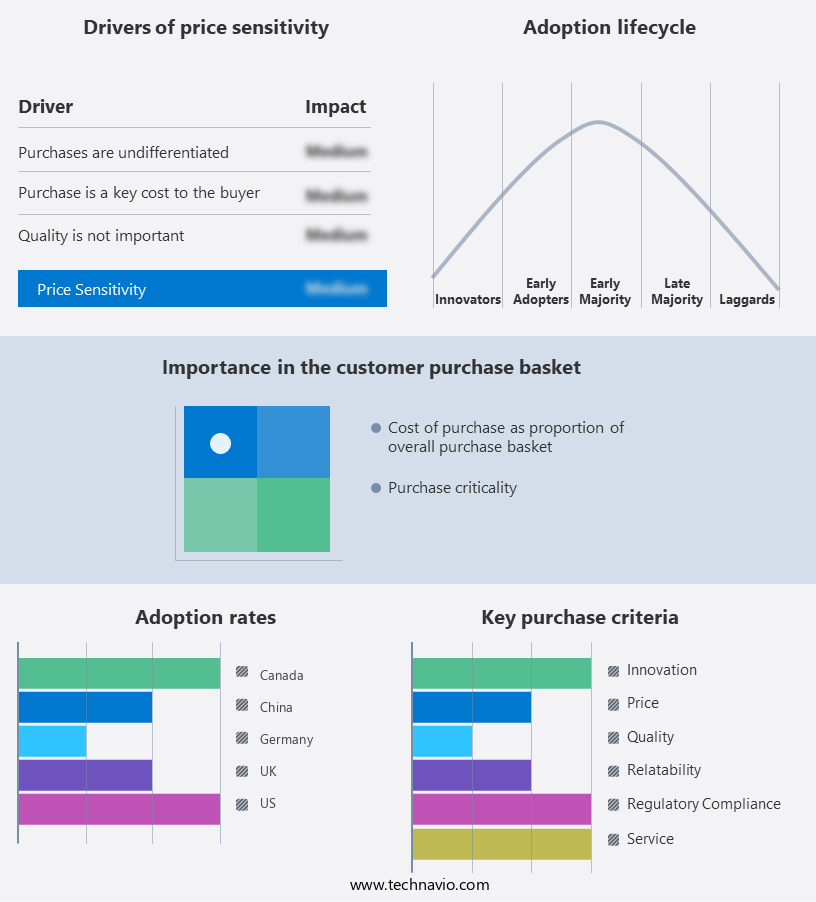
        Baby Wipes Market Share by Geography

         Customer Landscape

        Key Companies & Market Insights

        Companies are implementing various strategies, such as strategic alliances, baby wipes market forecast, partnerships, mergers and acquisitions, geographical expansion, and product/service launches, to enhance their presence In the industry.

        Babisil Products Co. Ltd. - The market encompasses a range of hygiene products designed for infants and toddlers. These wipes are typically used for cleaning the face, hands, and mouths of young children. They are often conveniently packaged in portable containers for on-the-go use. The market for baby wipes experiences consistent demand due to the growing population of new parents and the increasing awareness of the importance of maintaining proper hygiene for infants. The product category offers various benefits, including ease of use, portability, and effectiveness in removing dirt and impurities. Manufacturers prioritize softness, gentle formulations, and biodegradability to cater to the sensitive needs of infants. The market continues to evolve, with innovations in materials, packaging, and sustainability driving growth.

        The industry research and growth report includes detailed analyses of the competitive landscape of the market and information about key companies, including:

        • Babisil Products Co. Ltd.
        • Bodywise Ltd.
        • Caboo
        • Farlin Corp.
        • First Quality Enterprises Inc.
        • Himalaya Wellness Co.
        • Johnson and Johnson Services Inc.
        • Joonya
        • Kimberly Clark Corp.
        • Menmoms
        • Morisons Baby Dreams
        • Mother Sparsh
        • Pigeon Corp.
        • Sebapharma GmbH and Co. KG
        • The Clorox Co.
        • The Procter and Gamble Co.
        • Unicharm Corp.
        • Unilever PLC
        • WaterWipes UC

        Qualitative and quantitative analysis of companies has been conducted to help clients understand the wider business environment as well as the strengths and weaknesses of key industry players. Data is qualitatively analyzed to categorize companies as pure play, category-focused, industry-focused, and diversified; it is quantitatively analyzed to categorize companies as dominant, leading, strong, tentative, and weak.

        Research Analyst Overview

        The market encompasses a broad range of hygiene products designed for the cleansing needs of infants and parents. These wipes, available in various forms and materials, cater to the increasing demand for convenient and effective solutions for maintaining personal hygiene. Parents prioritize the use of baby wipes due to their effectiveness in addressing various cleansing requirements. The formulations of these wipes incorporate mild detergent and cleansing agents, ensuring gentle cleansing for infants' delicate skin. The market offers a variety of wipes, including wetlaid, airlaid, and spunlace, each with unique characteristics. Manufacturers continue to innovate In the market, focusing on product differentiation and packaging solutions.

        For instance, some companies have introduced viscose-dry wipes, skin-sensitive wipes, and plant-based wipes to cater to diverse consumer preferences. Additionally, collaborations and partnerships between industry players and raw material suppliers have led to the development of eco-friendly and biodegradable baby wipes. Packaging innovations have also played a significant role In the market. Wipes are available in various forms, including pouches/boxes, tubes/tins, and plastic cases, catering to different consumer preferences and usage scenarios. The market also includes unscented baby wipes, addressing the needs of parents and infants with sensitive skin. Marketing and advertising efforts have been instrumental in driving sales In the market.

        Companies target various channels, including hypermarkets & supermarkets, pharmacies, online stores, and even salons and spas, to reach their consumer base. The market value continues to grow, driven by factors such as changing lifestyles, modernization, urbanization, and the increasing working women population. Despite the market's growth, challenges persist. Consumer expenditure on baby wipes is influenced by factors such as high prices and concerns over product quality. Counterfeit baby wipes and plastic-containing wipes have also emerged as concerns, with potential negative impacts on both consumers and the environment. The market's product life cycle includes the wet segment, which dominates the market due to its versatility and convenience, and the dry segment, which offers advantages such as longer shelf life and reduced moisture concerns.

        The market's future growth is expected to be driven by factors such as increasing birth rates, the growing daily essentials sector, and the food sector's expansion into baby care products. In conclusion, the market is a dynamic and evolving industry, driven by consumer preferences, technological innovations, and changing societal trends. Companies continue to invest in research and development to cater to diverse consumer needs and preferences, while addressing concerns over product quality and sustainability. The market's future growth is expected to be influenced by factors such as demographic changes, urbanization, and increasing awareness of eco-friendly and biodegradable solutions.

        Market Scope

        Report Coverage

        Details

        Page number

        174

        Base year

        2023

        Historic period

        2018-2022

        Forecast period

        2024-2028

        Growth momentum & CAGR

        Accelerate at a CAGR of 4.6%

        Market growth 2024-2028

        USD 1548.7 million

        Market structure

        Fragmented

        YoY growth 2023-2024(%)

        4.32

        Key countries

        US, UK, China, Canada, and Germany

        Competitive landscape

        Leading Companies, Market Positioning of Companies, Competitive Strategies, and Industry Risks

        Request Free Sample

        What are the Key Data Covered in this Baby Wipes Market Research and Growth Report?

        • CAGR of the Baby Wipes industry during the forecast period
        • Detailed information on factors that will drive the growth and forecasting between 2024 and 2028
        • Precise estimation of the size of the market and its contribution of the industry in focus to the parent market
        • Accurate predictions about upcoming growth and trends and changes in consumer behaviour
        • Growth of the market across North America, Europe, APAC, South America, and Middle East and Africa
        • Thorough analysis of the market’s competitive landscape and detailed information about companies
        • Comprehensive analysis of factors that will challenge the baby wipes market growth of industry companies

        We can help! Our analysts can customize this baby wipes market research report to meet your requirements.

        Get in touch


        Table of Contents not available.

        Research Methodology

        Technavio presents a detailed picture of the market by way of study, synthesis, and summation of data from multiple sources. The analysts have presented the various facets of the market with a particular focus on identifying the key industry influencers. The data thus presented is comprehensive, reliable, and the result of extensive research, both primary and secondary.

        INFORMATION SOURCES

        Primary sources

        • Manufacturers and suppliers
        • Channel partners
        • Industry experts
        • Strategic decision makers

        Secondary sources

        • Industry journals and periodicals
        • Government data
        • Financial reports of key industry players
        • Historical data
        • Press releases

        DATA ANALYSIS

        Data Synthesis

        • Collation of data
        • Estimation of key figures
        • Analysis of derived insights

        Data Validation

        • Triangulation with data models
        • Reference against proprietary databases
        • Corroboration with industry experts

        REPORT WRITING

        Qualitative

        • Market drivers
        • Market challenges
        • Market trends
        • Five forces analysis

        Quantitative

        • Market size and forecast
        • Market segmentation
        • Geographical insights
        • Competitive landscape

        Interested in this report?

        Get your sample now to see our research methodology and insights!

        Download Now

        Frequently Asked Questions

        Baby Wipes market growth will increase by 1548.7 million during 2024-2028.

        The Baby Wipes market is expected to grow at a CAGR of 4.6% during 2024-2028.

        Baby Wipes market is segmented by Distribution Channel( Online, Offline, Coform technology, Needle punch techgnology, Other technologies) Technology( Spunlace technology, Airlaid technology, Coform technology, Needle punch technology, Others)

        Babisil Products Co. Ltd., Bodywise Ltd., Caboo, Farlin Corp., First Quality Enterprises Inc., Himalaya Wellness Co., Johnson and Johnson Services Inc., Joonya, Kimberly Clark Corp., Menmoms, Morisons Baby Dreams, Mother Sparsh, Pigeon Corp., Sebapharma GmbH and Co. KG, The Clorox Co., The Procter and Gamble Co., Unicharm Corp., Unilever PLC, WaterWipes UC are a few of the key vendors in the Baby Wipes market.

        North America will register the highest growth rate of 38.7% among the other regions. Therefore, the Baby Wipes market in North America is expected to garner significant business opportunities for the vendors during the forecast period.

        US, UK, China, Canada, Germany

        • Introduction of varied products by manufacturersBabies have delicate skin is the driving factor this market.
        • and products meant for use on their skin must be manufactured with safe and healthy materials under strict quality checks. Therefore is the driving factor this market.
        • vendors are focusing on launching new products that do not contain chlorine or alcohol is the driving factor this market.
        • are softer on the skin is the driving factor this market.
        • and are biodegradable. For instance is the driving factor this market.
        • Johnson and Johnson offers improved skincare wipes to keep the skin of the baby clean without causing discomfort. Its advanced wipes work like a sponge to effectively remove dirt and impurities. They are made of ultra-fine fabric that is gentle on the delicate skin of newborns. Another manufacturer is the driving factor this market.
        • The Procter and Gamble Co. brand Pampers has also come up with a product line that does not contain phenoxyethanol is the driving factor this market.
        • parabens is the driving factor this market.
        • perfume is the driving factor this market.
        • and alcohol. This will have a positive impact on the growth of the global baby wipes market during the forecast period. is the driving factor this market.

        The Baby Wipes market vendors should focus on grabbing business opportunities from the Online segment as it accounted for the largest market share in the base year.
