



Behavioral Health Software Market Size 2025-2029
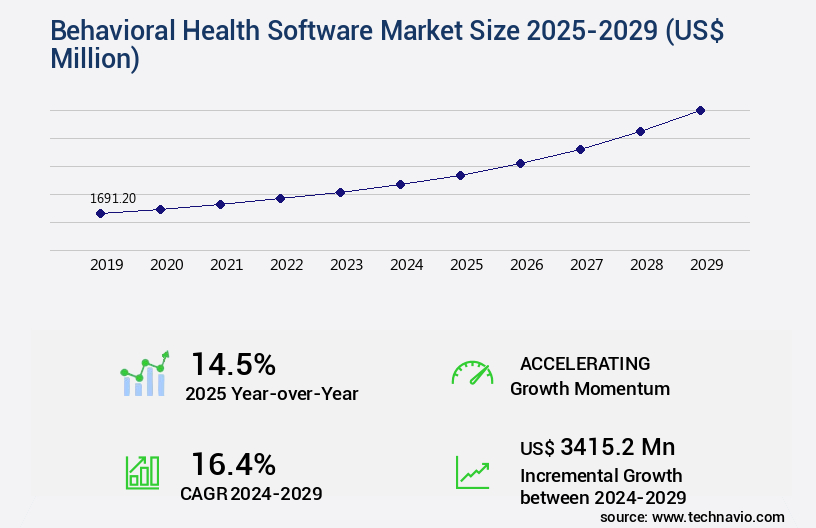
The behavioral health software market size is valued to increase USD 3.42 billion, at a CAGR of 16.4% from 2024 to 2029. Increasing adoption of EHRs will drive the behavioral health software market.
Major Market Trends & Insights
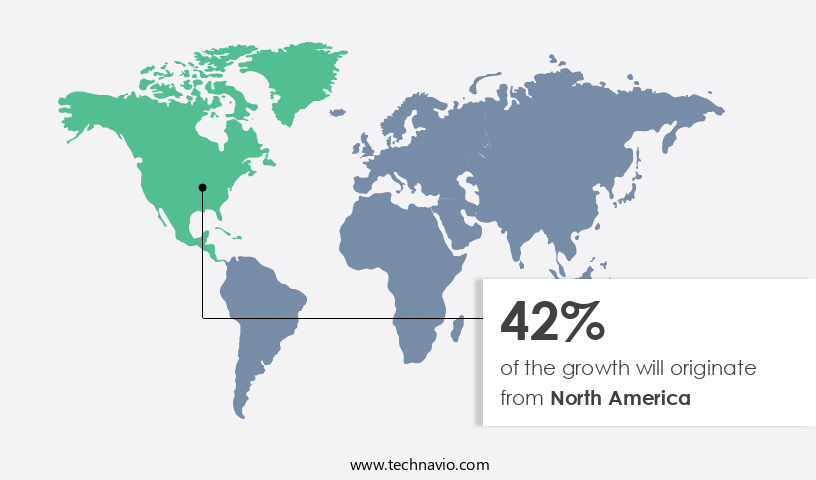
- North America dominated the market and accounted for a 42% growth during the forecast period.
- By Component - Software segment was valued at USD 1.41 billion in 2023
- By End-user - Providers segment accounted for the largest market revenue share in 2023
Market Size & Forecast
- Market Opportunities: USD 279.34 million
- Market Future Opportunities: USD 3415.20 million
- CAGR : 16.4%
- North America: Largest market in 2023
Market Summary
- The market encompasses a continually evolving landscape shaped by advancements in core technologies and applications. Key technologies, such as artificial intelligence and machine learning, are revolutionizing diagnosis and treatment methods, while telehealth and virtual care platforms are driving the emergence of remote behavioral and mental health services. These trends are underpinned by increasing adoption rates, with virtual behavioral health services witnessing a 43% year-over-year growth in usage during the pandemic.
- However, the market faces challenges, including concerns about data security and the threat of cyberattacks, which necessitate robust security measures and regulatory compliance. By staying informed of these dynamics, stakeholders can capitalize on opportunities and navigate the evolving the market landscape.
What will be the Size of the Behavioral Health Software Market during the forecast period?
Get Key Insights on Market Forecast (PDF) Request Free Sample
How is the Behavioral Health Software Market Segmented and what are the key trends of market segmentation?
The behavioral health software industry research report provides comprehensive data (region-wise segment analysis), with forecasts and estimates in "USD million" for the period 2025-2029, as well as historical data from 2019-2023 for the following segments.
- Component
- Software
- Support services
- End-user
- Providers
- Payers
- Patients
- Deployment
- Cloud-based
- On-premises
- Geography
- North America
- US
- Canada
- Europe
- France
- Germany
- Italy
- Spain
- UK
- APAC
- China
- India
- Japan
- Rest of World (ROW)
- North America
By Component Insights
The software segment is estimated to witness significant growth during the forecast period.
The markets witness significant growth as mental health issues, such as depression, stress, anxiety, substance abuse, and addiction, continue to rise. In 2024, the software segment held a substantial market share, with its ability to create custom treatment plans based on clinical evidence and patient records like electronic health records (EHRs). Telehealth's increasing adoption and smartphone penetration further fuel the segment's expansion during the forecast period. Artificial intelligence (AI) and machine learning integration in behavioral health platforms facilitate real-time monitoring, predictive analytics, and personalized care pathways. Cloud-based architecture's scalability, remote accessibility, and cost-effectiveness, particularly for small and mid-sized practices, contribute to its growing popularity.
Moreover, progress note automation, behavioral health assessments, secure messaging systems, HIPAA compliance software, appointment scheduling systems, referral management systems, integrated calendar systems, risk assessment tools, mental health platforms, client intake forms, real-time communication tools, data encryption methods, medication management tools, treatment plan templates, telehealth integration, care coordination features, user role management, billing and coding, practice management software, data interoperability, mobile application development, customizable workflows, secure video conferencing, therapy session tracking, clinical documentation, and patient portal integration are essential features shaping the market's evolution. The future outlook remains promising, with expectations of increased adoption of behavioral health software due to the need for efficient, data-driven care and the integration of advanced technologies like AI and machine learning.
Additionally, data privacy regulations, such as HIPAA, ensure secure handling and sharing of sensitive patient information, further boosting market growth.
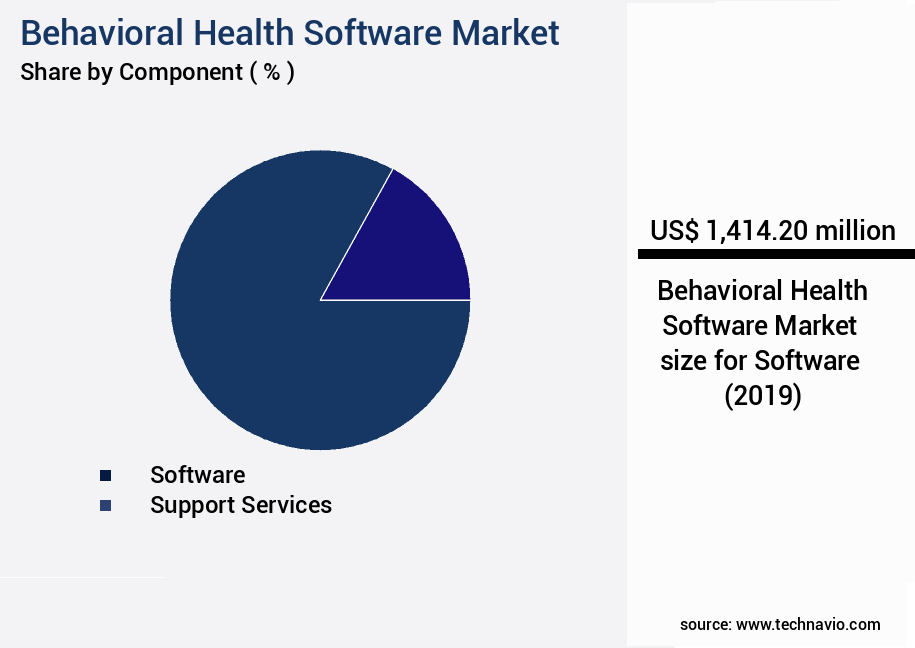
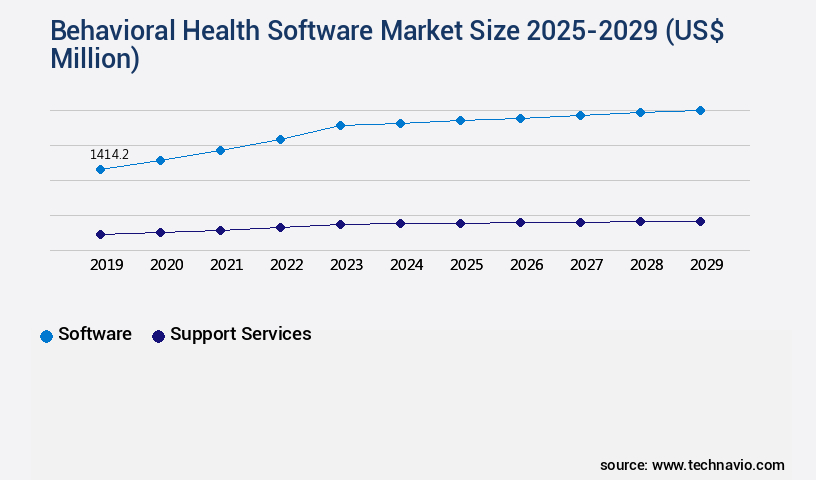
The Software segment was valued at USD 1.41 billion in 2019 and showed a gradual increase during the forecast period.
Regional Analysis
North America is estimated to contribute 42% to the growth of the global market during the forecast period.Technavio's analysts have elaborately explained the regional trends and drivers that shape the market during the forecast period.
See How Behavioral Health Software Market Demand is Rising in North America Request Free Sample
The market in North America is experiencing expansion due to technological advancements in behavioral health management and heightened awareness of substance abuse issues. In 2023, US healthcare spending reached USD5 trillion, representing a substantial 7.6% increase from the previous year. This significant growth was largely driven by the allocation of resources towards addressing behavioral health-related disorders. The healthcare sector's increasing investment in digital technologies, such as behavioral healthcare information software, is fueling the market's growth.
This trend is further bolstered by government initiatives, leading to a rising adoption rate of these digital solutions.
Market Dynamics
Our researchers analyzed the data with 2024 as the base year, along with the key drivers, trends, and challenges. A holistic analysis of drivers will help companies refine their marketing strategies to gain a competitive advantage.
In the Behavioral Health Software Market, electronic health record integration behavioral health streamlines access to patient information, while patient portal features behavioral health software enhance communication and engagement. A secure messaging system mental health platform ensures confidential interactions, supported by data encryption methods hipaa behavioral health for robust protection. The telehealth platform behavioral health compliance and practice management software behavioral health features help providers meet regulatory standards while improving efficiency. Tools like clinical documentation tools behavioral health workflows and appointment scheduling system behavioral health practice simplify daily operations. Incorporating behavioral health assessments risk management tools and treatment planning templates behavioral health outcomes supports personalized care. With care coordination features behavioral health platform and remote patient monitoring behavioral health software, providers can deliver proactive, integrated care that improves both patient satisfaction and treatment success.
The market is witnessing significant growth as electronic health record integration becomes a priority for healthcare providers. This integration enables seamless access to patient data, improving workflows and enhancing patient care. Behavioral health software solutions are increasingly incorporating patient portal features, allowing clients to engage with their care teams remotely and manage their mental health through secure messaging systems. Telehealth platforms, compliant with behavioral health regulations, are gaining traction, enabling remote patient monitoring and treatment. Practice management software is also adapting to include behavioral health features, such as clinical documentation tools and treatment planning templates, to optimize behavioral health workflows.
Appointment scheduling systems are essential for behavioral health practices, ensuring efficient patient engagement and care coordination. Data encryption methods adhering to HIPAA regulations are crucial in securing sensitive information in this market. Behavioral health assessments and risk management tools are integral to the software, aiding in the identification and mitigation of potential risks. Real-time communication tools and secure video conferencing, both HIPAA compliant, are essential for effective remote care delivery. A growing number of behavioral health software providers are investing in customizable workflows and workflow automation tools to cater to diverse practice needs. Reporting analytics dashboards facilitate data-driven decision-making, while integrated billing systems offer cloud-based convenience.
Compared to traditional methods, the adoption of behavioral health software solutions is significantly higher in large-scale healthcare organizations than in smaller practices. This disparity highlights the potential for growth in the mid-market segment, as smaller practices adopt these technologies to streamline their operations and enhance patient care.
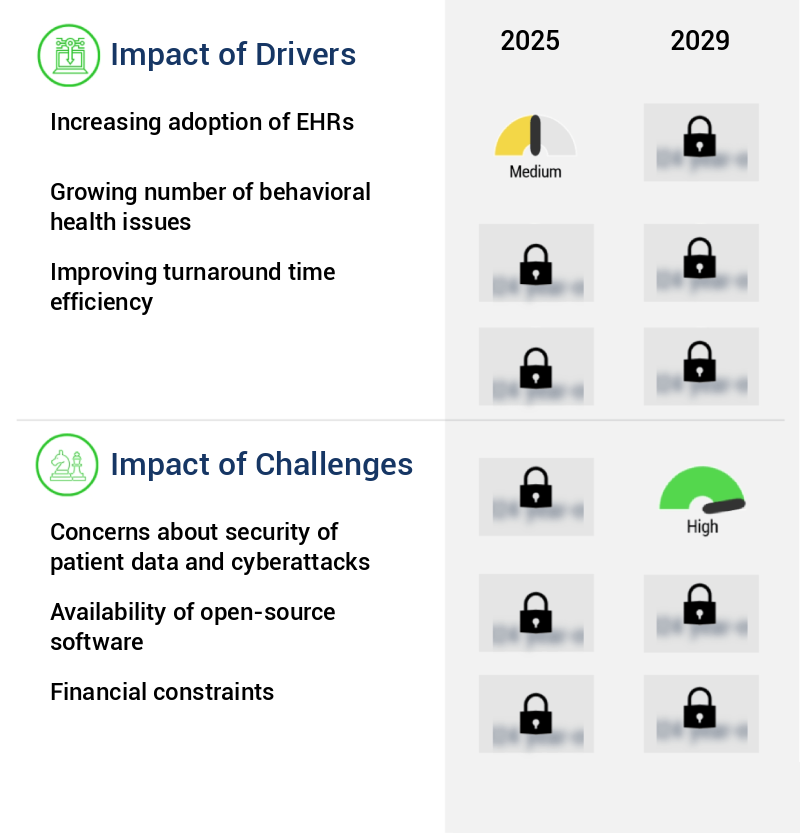
What are the key market drivers leading to the rise in the adoption of Behavioral Health Software Industry?
- The significant expansion in the utilization of Electronic Health Records (EHRs) serves as the primary catalyst for market growth.
- Electronic Health Records (EHRs) and Electronic Medical Records (EMRs) serve as essential digital repositories for collecting and managing patient information. These systems facilitate the storage and organization of data in electronic documents, enhancing accessibility and streamlining hospital workflows. EHRs and EMRs encompass various patient details, including medical histories, diagnoses, medications, treatment plans, immunization dates, allergies, radiology images, and test results. The adoption of EHRs and EMRs has gained momentum as hospitals aim to minimize data replication and maintain up-to-date databases.
- EHR systems' digital nature enables seamless sharing of records across connected devices, ensuring that healthcare professionals have access to comprehensive patient information. This data-driven approach reduces medical errors, enhances accuracy, and improves the overall clarity of medical records. By automating access to patient information, EHRs and EMRs contribute to more efficient and effective healthcare delivery.
What are the market trends shaping the Behavioral Health Software Industry?
- The emergence of virtual behavioral and mental health services represents the latest market trend. This shift towards digital platforms for delivering psychological care is gaining significant traction.
- Telepsychiatry, also known as telemental health services, represents a significant evolution in the delivery of psychological support and psychiatric care. This approach utilizes telecommunications and videoconferencing technology to remotely provide assessments, consultations, and therapy sessions. Telepsychiatry bridges the gap for individuals with mental health concerns, particularly those residing in remote areas or underserved communities. It offers flexibility to patients who cannot physically attend appointments due to illness, emergencies, or mobility issues. Moreover, it empowers mental health professionals to offer continuous care and support between scheduled visits. Telepsychiatry services can be delivered via telephone or the Internet through various channels, such as email, online chats, and videoconferencing.
- The adoption of these services has gained momentum due to their convenience and accessibility. According to a study, approximately 20% of adults in the US experience mental illness each year, yet only 41% receive treatment. Telepsychiatry offers a viable solution to this issue by expanding the reach of mental health services. Furthermore, it enables healthcare systems to optimize resources and improve patient outcomes. Overall, telepsychiatry represents a crucial advancement in mental health care, offering flexibility, accessibility, and improved patient outcomes.
What challenges does the Behavioral Health Software Industry face during its growth?
- The growth of the healthcare industry is significantly impacted by concerns surrounding the security of patient data and the escalating threat of cyberattacks. It is essential to implement robust security measures to safeguard sensitive information and protect against potential breaches, ensuring both patient confidentiality and industry progression.
- The healthcare industry handles vast amounts of sensitive patient data, making it a prime target for data breaches and security threats. With the increasing adoption of automated healthcare systems for electronically storing patient health records and clinical data, the risks of data piracy and security concerns escalate. Common threats include data theft, unauthorized access, inappropriate data disposal, data loss, and hacking. These vulnerabilities can stem from the implementation of bring-your-own-device (BYOD) policies in numerous hospitals. The healthcare sector's cybersecurity landscape is continually evolving, with new technologies intensifying the risk of cyberattacks.
- Data breaches can lead to severe consequences, such as financial losses, reputational damage, and potential harm to patients. As a professional, it is crucial to recognize and address these threats to maintain the integrity and confidentiality of sensitive patient information.
Exclusive Technavio Analysis on Customer Landscape
The behavioral health software market forecasting report includes the adoption lifecycle of the market, covering from the innovator's stage to the laggard's stage. It focuses on adoption rates in different regions based on penetration. Furthermore, the behavioral health software market report also includes key purchase criteria and drivers of price sensitivity to help companies evaluate and develop their market growth analysis strategies.
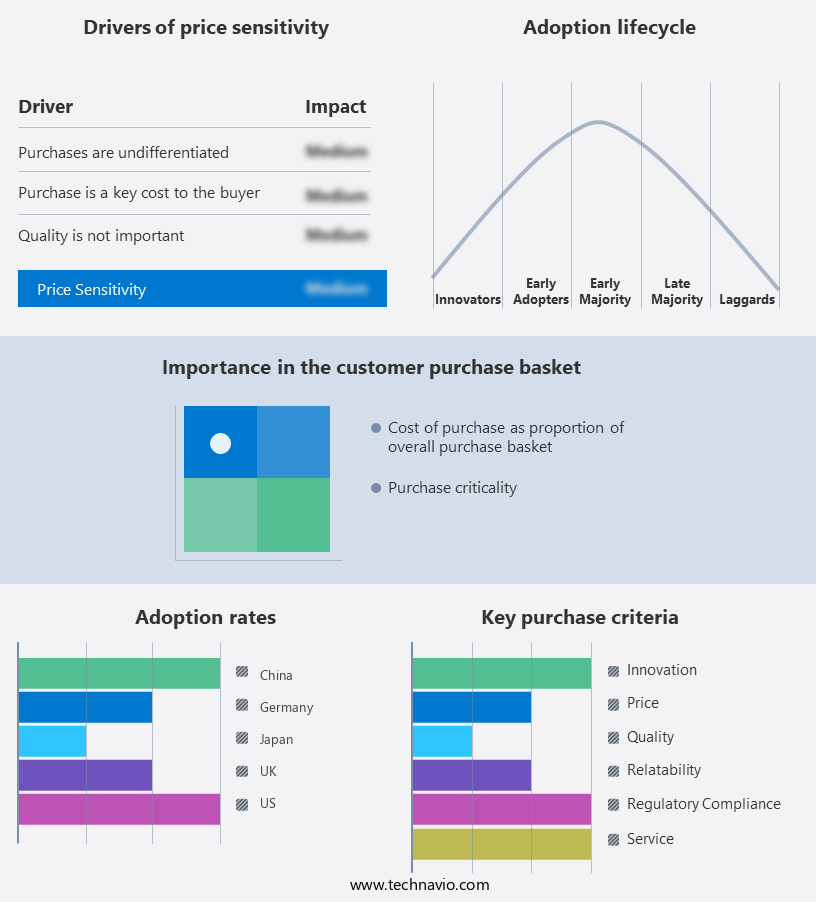
Customer Landscape of Behavioral Health Software Industry
Competitive Landscape
Companies are implementing various strategies, such as strategic alliances, behavioral health software market forecast, partnerships, mergers and acquisitions, geographical expansion, and product/service launches, to enhance their presence in the industry.
Accumedic Computer Systems Inc. - This company specializes in behavioral health software solutions, including AccuMed Behavioral Health EHR, which effectively streamlines practice management and clinical documentation processes for enhanced efficiency and accuracy in the healthcare industry.
The industry research and growth report includes detailed analyses of the competitive landscape of the market and information about key companies, including:
- Accumedic Computer Systems Inc.
- Advanced Data Systems Corp.
- ALLSCRIPTS HEALTHCARE SOLUTIONS INC.
- Core Solutions Inc.
- Credible Behavioral Health Inc.
- Epic Systems Corp.
- EverCommerce Inc.
- Holmusk USA Inc.
- Kareo Inc.
- Meditab Software Inc.
- Netsmart Technologies Inc.
- NextGen Healthcare Inc.
- Ontrak Inc.
- Oracle Corp.
- Raintree Systems Inc.
- Sigmund Software LLC
- The Echo Group
- Valant
- WellSky Corp.
- WRS Health
Qualitative and quantitative analysis of companies has been conducted to help clients understand the wider business environment as well as the strengths and weaknesses of key industry players. Data is qualitatively analyzed to categorize companies as pure play, category-focused, industry-focused, and diversified; it is quantitatively analyzed to categorize companies as dominant, leading, strong, tentative, and weak.
Recent Development and News in Behavioral Health Software Market
- In January 2024, Cerner Corporation, a leading health care technology company, announced the launch of its new Behavioral Health Electronic Health Record (EHR) solution, which integrates mental health and substance use disorder data into primary care EHRs (Cerner.Com). This development aimed to improve care coordination and patient outcomes by streamlining communication between behavioral health providers and primary care physicians.
- In March 2024, IBM Watson Health and Merck KGaA, Darmstadt, Germany, a leading science and technology company, entered into a strategic partnership to develop and commercialize AI-powered diagnostic and therapeutic solutions for mental health conditions (IBM.Com). This collaboration combined IBM's AI capabilities with Merck KGaA's expertise in pharmaceuticals and healthcare services.
- In May 2024, Teladoc Health, a telehealth provider, completed its acquisition of InTouch Health, a leading provider of telehealth solutions for hospitals and healthcare systems (TeladocHealth.Com). The acquisition expanded Teladoc Health's telehealth offerings and strengthened its presence in the hospital market.
- In April 2025, the U.S. Department of Veterans Affairs (VA) awarded a contract to Cerner Corporation to implement its Millennium EHR system at 142 VA medical centers and 1,200 community-based outpatient clinics (VA.Gov). This significant contract marked a major expansion of Cerner's presence in the market and represented a significant investment in digitalizing the VA's healthcare services.
Dive into Technavio's robust research methodology, blending expert interviews, extensive data synthesis, and validated models for unparalleled Behavioral Health Software Market insights. See full methodology.
|
Market Scope |
|
|
Report Coverage |
Details |
|
Page number |
201 |
|
Base year |
2024 |
|
Historic period |
2019-2023 |
|
Forecast period |
2025-2029 |
|
Growth momentum & CAGR |
Accelerate at a CAGR of 16.4% |
|
Market growth 2025-2029 |
USD 3415.2 million |
|
Market structure |
Fragmented |
|
YoY growth 2024-2025(%) |
14.5 |
|
Key countries |
US, Canada, China, Germany, UK, France, Japan, Italy, Spain, and India |
|
Competitive landscape |
Leading Companies, Market Positioning of Companies, Competitive Strategies, and Industry Risks |
Research Analyst Overview
- In the dynamic and evolving landscape of behavioral health, technology plays a pivotal role in streamlining operations and enhancing patient care. One significant trend is the adoption of advanced software solutions, including progress note automation, behavioral health assessments, and secure messaging systems. These tools enable HIPAA compliance, facilitate appointment scheduling, and offer referral management and risk assessment capabilities. Mental health platforms, a crucial component of this market, provide client intake forms, real-time communication tools, and data encryption methods. Medication management tools and cloud-based architecture further bolster these offerings, ensuring seamless integration of API connections and workflow automation.
- Moreover, electronic health records and treatment plan templates are essential features, allowing for data interoperability and telehealth integration. Care coordination features, user role management, billing and coding, and practice management software are additional elements that contribute to the market's growth. Security and privacy remain top priorities, with data encryption methods and HIPAA compliance software ensuring patient data protection. Customizable workflows and secure video conferencing enable efficient therapy session tracking and clinical documentation. Patient portal integration further enhances communication and collaboration between healthcare providers and their clients. As the market continues to unfold, we observe an increasing emphasis on data privacy regulations, mobile application development, and data interoperability.
- This dynamic market is characterized by ongoing innovation and the integration of advanced technologies, ultimately improving patient care and streamlining operational processes.
What are the Key Data Covered in this Behavioral Health Software Market Research and Growth Report?
-
What is the expected growth of the Behavioral Health Software Market between 2025 and 2029?
-
USD 3.42 billion, at a CAGR of 16.4%
-
-
What segmentation does the market report cover?
-
The report segmented by Component (Software and Support services), End-user (Providers, Payers, and Patients), Deployment (Cloud-based and On-premises), and Geography (North America, Europe, APAC, South America, and Middle East and Africa)
-
-
Which regions are analyzed in the report?
-
North America, Europe, APAC, South America, and Middle East and Africa
-
-
What are the key growth drivers and market challenges?
-
Increasing adoption of EHRs, Concerns about security of patient data and cyberattacks
-
-
Who are the major players in the Behavioral Health Software Market?
-
Key Companies Accumedic Computer Systems Inc., Advanced Data Systems Corp., ALLSCRIPTS HEALTHCARE SOLUTIONS INC., Core Solutions Inc., Credible Behavioral Health Inc., Epic Systems Corp., EverCommerce Inc., Holmusk USA Inc., Kareo Inc., Meditab Software Inc., Netsmart Technologies Inc., NextGen Healthcare Inc., Ontrak Inc., Oracle Corp., Raintree Systems Inc., Sigmund Software LLC, The Echo Group, Valant, WellSky Corp., and WRS Health
-
Market Research Insights
- The market continues to expand, driven by the increasing demand for efficient, compliant, and patient-centric solutions. Two significant trends are the automation of administrative tasks and the integration of regulatory compliance features. According to industry estimates, administrative tasks account for up to 30% of clinical staff time, while regulatory non-compliance can result in hefty fines and reputational damage. A leading behavioral health software provider reports that their solution automates 85% of administrative tasks, freeing up clinical staff for patient care. In contrast, a study reveals that only 45% of behavioral health organizations have fully implemented regulatory compliance systems.
- This gap highlights the potential for substantial productivity improvements and risk reduction through the adoption of advanced software solutions. These systems offer scalable infrastructure, secure data storage, remote patient monitoring, compliance management, enhanced care coordination, staff productivity improvement, integrated billing systems, evidence-based interventions, audit trails, patient engagement strategies, improved data security, provider communication tools, quality assurance metrics, reduced administrative burden, personalized treatment plans, client self-service portals, streamlined workflows, flexible platforms, better patient experience, treatment outcome measures, data analytics features, and improved patient outcomes.
We can help! Our analysts can customize this behavioral health software market research report to meet your requirements.
 RIA -
RIA - 
