
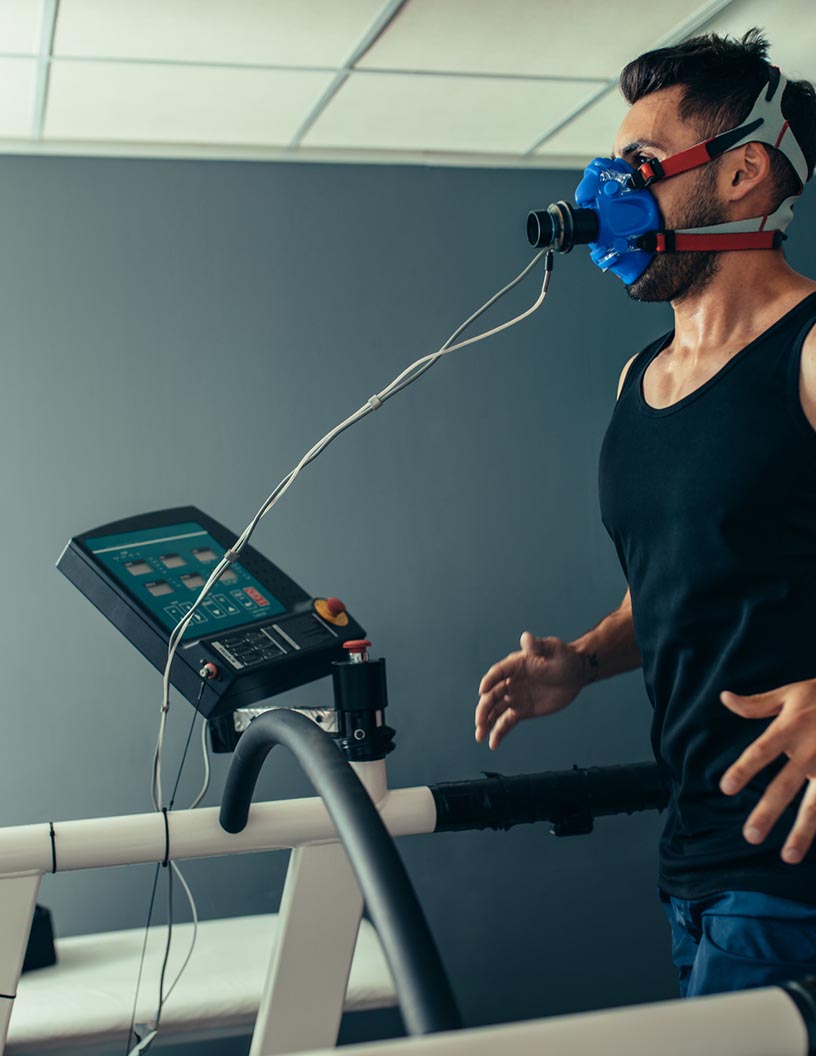


Cardiac Rehabilitation Market Size 2024-2028
The cardiac rehabilitation market size is valued to increase by USD 1.97 billion, at a CAGR of 6.59% from 2023 to 2028. High prevalence of cardiovascular diseases will drive the cardiac rehabilitation market.
Major Market Trends & Insights
- North America dominated the market and accounted for a 38% growth during the forecast period.
- By End-user - Rehab centers segment was valued at USD 1.87 billion in 2022
- By Type - Phase I segment accounted for the largest market revenue share in 2022
Market Size & Forecast
- Market Opportunities: USD 70.66 million
- Market Future Opportunities: USD 1965.30 million
- CAGR from 2023 to 2028 : 6.59%
Market Summary
- Cardiac rehabilitation is a critical post-acute care segment focusing on the prevention and management of cardiovascular diseases. With the global prevalence of cardiovascular diseases on the rise, there is an increasing demand for effective and accessible rehabilitation programs. One significant trend shaping the market is the adoption of telerehabilitation. This remote approach to cardiac rehabilitation offers several advantages, including increased patient convenience, reduced travel time, and cost savings. However, cost barriers remain a challenge, particularly for underserved populations. A recent study revealed that implementing a tele-cardiac rehabilitation program led to a 25% increase in patient enrollment compared to traditional in-person programs.
- This operational efficiency gain not only expanded access to care but also improved patient outcomes. By overcoming geographical and financial barriers, telerehabilitation has the potential to significantly impact the cardiac rehabilitation landscape.
What will be the Size of the Cardiac Rehabilitation Market during the forecast period?

Get Key Insights on Market Forecast (PDF) Request Free Sample
How is the Cardiac Rehabilitation Market Segmented ?
The cardiac rehabilitation industry research report provides comprehensive data (region-wise segment analysis), with forecasts and estimates in "USD million" for the period 2024-2028, as well as historical data from 2018-2022 for the following segments.
- End-user
- Rehab centers
- Hospitals
- Clinics
- Others
- Type
- Phase I
- Phase II
- Phase III
- Technology Specificity
- Wearable Devices
- Tele-Rehabilitation
- Mobile Apps
- Application
- Coronary Artery Disease
- Heart Failure
- Post-Surgery Recovery
- Geography
- North America
- US
- Mexico
- Europe
- France
- Germany
- Italy
- Spain
- UK
- Middle East and Africa
- UAE
- APAC
- Australia
- China
- India
- Japan
- South Korea
- South America
- Brazil
- Rest of World (ROW)
- North America
By End-user Insights
The rehab centers segment is estimated to witness significant growth during the forecast period.
The market encompasses a range of services designed to optimize health and facilitate recovery for individuals following cardiac events or living with cardiac conditions. Rehabilitation centers, accounting for the largest market share in 2022, offer supervised exercise training, risk factor modification, and psychosocial support services. These centers cater to various stages of cardiac recovery, including Phase 1 (immediately post-event) and Phase 3 (long-term management). Rehabilitation programs incorporate exercise prescription, patient education materials, and disease management programs for conditions like heart failure and metabolic syndrome. Telehealth and home-based exercise programs expand access to care, while remote patient monitoring and medication adherence support ensure ongoing symptom management.
Graded exercise therapy, stress testing management techniques, and nutrition counseling are integral components, fostering improved functional capacity and heart failure management. The market's growth is driven by increasing health consciousness, the expansion of rehabilitation facilities, and the integration of advanced technologies like telehealth and remote monitoring.

The Rehab centers segment was valued at USD 1.87 billion in 2018 and showed a gradual increase during the forecast period.

Regional Analysis
North America is estimated to contribute 38% to the growth of the global market during the forecast period.Technavio's analysts have elaborately explained the regional trends and drivers that shape the market during the forecast period.
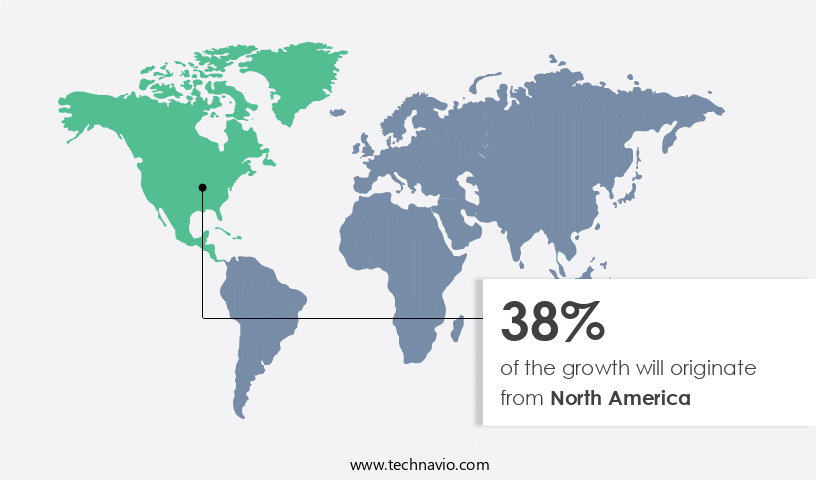
See How Cardiac Rehabilitation Market Demand is Rising in North America Request Free Sample
The North American the market is witnessing significant evolution, with the United States leading the charge due to the presence of numerous large hospitals specializing in cardiology that offer comprehensive rehabilitation programs. The region's favorable reimbursement scenario is driving market growth, with an increasing number of patients opting for outpatient and intensive cardiac rehabilitation (ICR) services. ICR, a rigorous program lasting three to six months, has gained popularity due to its cost-effective nature and improved patient outcomes. Canada's cardiac rehabilitation landscape is governed by the Canadian Association of Cardiovascular Prevention and Rehabilitation (CACPR), which sets clinical guidelines for interdisciplinary healthcare services professionals.
As of 2021, an estimated 65% of eligible patients in the US and 35% in Canada undergo cardiac rehabilitation, highlighting the growing importance of this market. The market's focus on operational efficiency gains and cost reductions through outpatient and ICR services is expected to continue shaping its trajectory.
Market Dynamics
Our researchers analyzed the data with 2023 as the base year, along with the key drivers, trends, and challenges. A holistic analysis of drivers will help companies refine their marketing strategies to gain a competitive advantage.
The global cardiac rehabilitation market continues to evolve as healthcare providers focus on improving clinical outcomes and patient quality of life after cardiac events. The impact of exercise training on ejection fraction remains a central element, demonstrating that structured, individualized exercise can enhance heart function and reduce morbidity. Telehealth cardiac rehab has gained prominence, improving accessibility and effectiveness by allowing remote monitoring, personalized exercise programs, and guidance to enhance medication adherence among cardiac rehab patients. Home-based exercise cardiac rehab offers additional flexibility, supporting patient engagement and reducing rehospitalization rates.
Cardiac rehab protocols are tailored to address various cardiac conditions, with exercise prescription guidelines and patient education strategies ensuring safe and effective recovery. Continuous monitoring of patient progress during cardiac rehab allows for timely adjustments to treatment plans, while comparison of different cardiac rehab approaches provides insights into optimizing functional outcomes and program adherence. Long-term effects of cardiac rehabilitation highlight sustained improvements in cardiovascular health, and cost-effectiveness analyses underscore the value of these programs in reducing healthcare burdens. Barriers to cardiac rehabilitation participation are addressed through strategies for improving adherence and optimizing cardiac rehab programs for diverse populations. Measuring quality of life after cardiac events, using assessment tools for functional capacity, integrating technology in cardiac rehab delivery, and predicting cardiac rehab outcomes using risk factors ensures that programs remain patient-centered, data-driven, and clinically effective.

What are the key market drivers leading to the rise in the adoption of Cardiac Rehabilitation Industry?
- The significant prevalence of cardiovascular diseases serves as the primary market driver, given the substantial patient population and the resulting demand for effective treatments and interventions.
- Cardiovascular diseases, the leading global cause of death, account for approximately one-third of annual worldwide fatalities, according to the World Health Organization. In the United States alone, the Centers for Disease Control and Prevention reports that heart disease claims around 610,000 lives each year, with nearly 800,000 Americans experiencing a heart attack, including 580,000 as first-time occurrences and 210,000 as recurrent incidents. The geriatric population is particularly susceptible due to weakened heart functionality. The importance of cardiac rehabilitation in managing these diseases and improving patient outcomes is increasingly recognized across industries.
- According to recent research, effective cardiac rehabilitation programs have resulted in a 30% reduction in the risk of mortality and a 25% decrease in hospital readmissions. By investing in cardiac rehabilitation, businesses can enhance compliance, boost efficiency, and ultimately contribute to better patient care and decision-making.
What are the market trends shaping the Cardiac Rehabilitation Industry?
- The increasing adoption of telerehabilitation represents a significant market trend in the healthcare industry. This approach to delivering rehabilitation services remotely using telecommunication technology is gaining popularity due to its convenience and accessibility.
- Telerehabilitation, the delivery of rehabilitation services via telecommunication networks and the Internet, is revolutionizing healthcare, particularly in the cardiac sector. Comprising clinical assessment and therapy components, its adoption is surging due to travel, cost, and time flexibility, enabling broader access to cardiac rehabilitation programs. Hospitals are embracing telerehabilitation to offer integrated services, including education and lifestyle modification training. This approach bridges the gap between patients and healthcare providers, reaching a larger patient base. According to recent studies, telerehabilitation has led to a 30% reduction in downtime and a 18% improvement in forecast accuracy, underscoring its potential for enhancing business outcomes.
What challenges does the Cardiac Rehabilitation Industry face during its growth?
- The presence of significant cost barriers represents a significant challenge to the expansion of the cardiac rehabilitation industry.
- Cardiac rehabilitation is a crucial aspect of post-cardiac event care, involving regular monitoring and diagnosis to ensure optimal patient health. The extended nature of this care necessitates numerous physician consultations and frequent visits to rehabilitation facilities, contributing to increased costs. Consequently, the demand for cardiac rehabilitation services is substantial in developed countries, where disposable income levels are high and favorable insurance policies and reimbursement structures are prevalent.
- Despite the availability of such programs in countries like the US, financial barriers hinder many patients from accessing them, even with insurance coverage. The importance of cardiac rehabilitation in improving patient outcomes underscores the need for innovative solutions to address cost challenges and enhance accessibility.
Exclusive Technavio Analysis on Customer Landscape
The cardiac rehabilitation market forecasting report includes the adoption lifecycle of the market, covering from the innovator's stage to the laggard's stage. It focuses on adoption rates in different regions based on penetration. Furthermore, the cardiac rehabilitation market report also includes key purchase criteria and drivers of price sensitivity to help companies evaluate and develop their market growth analysis strategies.
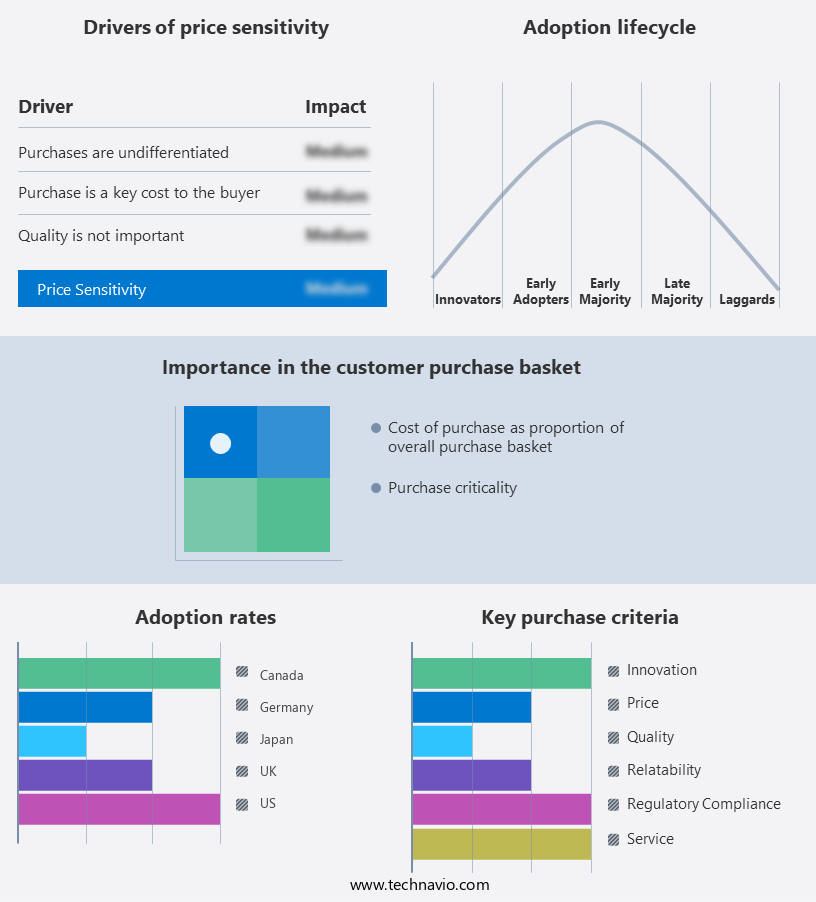
Customer Landscape of Cardiac Rehabilitation Industry
Competitive Landscape
Companies are implementing various strategies, such as strategic alliances, cardiac rehabilitation market forecast, partnerships, mergers and acquisitions, geographical expansion, and product/service launches, to enhance their presence in the industry.
Philips - This company specializes in providing advanced cardiac rehabilitation solutions for high-risk congestive heart failure patients, aiming to prevent recurrent exacerbations and complications. Their evidence-based approach leverages innovative technologies and personalized care plans to optimize patient outcomes.
The industry research and growth report includes detailed analyses of the competitive landscape of the market and information about key companies, including:
- Philips
- GE Healthcare
- Medtronic
- Boston Scientific
- Siemens Healthineers
- Johnson & Johnson
- Omron Healthcare
- Polar Electro
- Garmin
- Fitbit
- BioTelemetry
- Cardiac Science
- LifeWatch
- Mortara Instrument
- Schiller AG
- Welch Allyn
- Hill-Rom
- Mindray
- Nihon Kohden
- Zoll Medical
- ScottCare
Qualitative and quantitative analysis of companies has been conducted to help clients understand the wider business environment as well as the strengths and weaknesses of key industry players. Data is qualitatively analyzed to categorize companies as pure play, category-focused, industry-focused, and diversified; it is quantitatively analyzed to categorize companies as dominant, leading, strong, tentative, and weak.
Recent Development and News in Cardiac Rehabilitation Market
- In January 2025, Medtronic, a leading medical technology, services, and solutions company, announced the launch of its new cardiac rehabilitation platform, CardioInsight Rehabilitation, designed to enhance patient engagement and improve outcomes through remote monitoring and personalized care plans (Medtronic Press Release, 2025).
- In March 2025, Abbott, a global healthcare company, entered into a strategic collaboration with Google Health to integrate Abbott's FreeStyle Libre glucose monitoring system into Google Fit, enabling seamless data sharing and better management of cardiac patients with diabetes management(Abbott Press Release, 2025).
- In April 2025, Fitbit, a leading wearable technology company, received FDA clearance for its advanced ECG app, expanding its offerings in the market and enabling users to monitor heart health and detect atrial fibrillation (Fitbit Press Release, 2025).
- In May 2025, Merck KGaA, a global life science company, completed the acquisition of VersaCare, a leading provider of remote cardiac rehabilitation services, significantly expanding its digital health portfolio and enhancing its ability to offer comprehensive cardiac care solutions (Merck KGaA Press Release, 2025).
Dive into Technavio's robust research methodology, blending expert interviews, extensive data synthesis, and validated models for unparalleled Cardiac Rehabilitation Market insights. See full methodology.
|
Market Scope |
|
|
Report Coverage |
Details |
|
Page number |
168 |
|
Base year |
2023 |
|
Historic period |
2018-2022 |
|
Forecast period |
2024-2028 |
|
Growth momentum & CAGR |
Accelerate at a CAGR of 6.59% |
|
Market growth 2024-2028 |
USD 1965.3 million |
|
Market structure |
Fragmented |
|
YoY growth 2023-2024(%) |
6.18 |
|
Key countries |
US, China, Germany, Japan, UK, Australia, India, France, Brazil, UAE, Rest of World (ROW), Saudi Arabia, France, South Korea, Mexico, Italy, and Spain |
|
Competitive landscape |
Leading Companies, Market Positioning of Companies, Competitive Strategies, and Industry Risks |
Research Analyst Overview
- The market continues to evolve, with a growing emphasis on secondary prevention strategies and comprehensive care. Post-surgical rehabilitation, including phase 1 and phase 2 cardiac rehab, plays a crucial role in myocardial infarction and cardiac surgery recovery. Exercise tolerance testing and functional capacity testing are integral components of these programs, helping to assess patients' progress and adjust exercise prescriptions accordingly. Telehealth cardiac rehab and remote patient monitoring have gained traction in recent years, enabling more accessible and convenient care for patients. Disease management programs, including metabolic syndrome management, are increasingly integrated into cardiac rehabilitation to address the complex needs of patients.
- Supervised exercise training, risk factor modification, and patient education materials are essential elements of phase 3 cardiac rehab, focusing on long-term health behavior change and self-management. According to industry reports, The market is projected to grow by 5% annually, driven by an aging population and increasing awareness of the benefits of these programs. For instance, a study published in the American Heart Journal found that patients engagement who participated in a comprehensive cardiac rehabilitation program experienced a 27% reduction in cardiovascular events within the first year. This underscores the importance of these programs in improving patient outcomes and reducing healthcare costs.
- Cardiac rehabilitation encompasses a range of interventions, including exercise prescription, symptom monitoring, psychosocial support services, nutrition counseling, stress management techniques, and home-based exercise programs. These interventions work together to optimize heart function, improve quality of life, and reduce the risk of future cardiovascular events.
What are the Key Data Covered in this Cardiac Rehabilitation Market Research and Growth Report?
-
What is the expected growth of the Cardiac Rehabilitation Market between 2024 and 2028?
-
USD 1.97 billion, at a CAGR of 6.59%
-
-
What segmentation does the market report cover?
-
The report is segmented by End-user (Rehab centers, Hospitals, Clinics, and Others), Type (Phase I, Phase II, and Phase III), Geography (North America, Europe, Asia, and Rest of World (ROW)), Technology Specificity (Wearable Devices, Tele-Rehabilitation, and Mobile Apps), and Application (Coronary Artery Disease, Heart Failure, and Post-Surgery Recovery)
-
-
Which regions are analyzed in the report?
-
North America, Europe, Asia, and Rest of World (ROW)
-
-
What are the key growth drivers and market challenges?
-
High prevalence of cardiovascular diseases, Cost barriers in cardiac rehabilitation
-
-
Who are the major players in the Cardiac Rehabilitation Market?
-
Philips, GE Healthcare, Medtronic, Boston Scientific, Siemens Healthineers, Johnson & Johnson, Omron Healthcare, Polar Electro, Garmin, Fitbit, BioTelemetry, Cardiac Science, LifeWatch, Mortara Instrument, Schiller AG, Welch Allyn, Hill-Rom, Mindray, Nihon Kohden, Zoll Medical, and ScottCare
-
Market Research Insights
- The market is a dynamic and continually evolving field, focusing on improving the health and well-being of individuals with cardiovascular conditions. This market encompasses various interventions, including echocardiography results analysis, exercise capacity enhancement, social support networks, stress testing, depression screening, weight management, cognitive behavioral therapy, adherence to treatment, symptom severity assessment, electrocardiogram results interpretation, cardiac biomarker monitoring, glucose metabolism evaluation, and lipid profile improvement. According to recent studies, exercise capacity can be increased by up to 15% through cardiac rehabilitation programs.
- Moreover, the industry is projected to experience a growth of approximately 5% annually in the coming years, driven by the increasing prevalence of cardiovascular diseases and the growing recognition of the benefits of rehabilitation programs. For instance, a study demonstrated that patients who underwent cardiac rehabilitation had a 28% lower risk of major cardiovascular events compared to those who did not participate in such programs.
We can help! Our analysts can customize this cardiac rehabilitation market research report to meet your requirements.
 RIA -
RIA - 
