
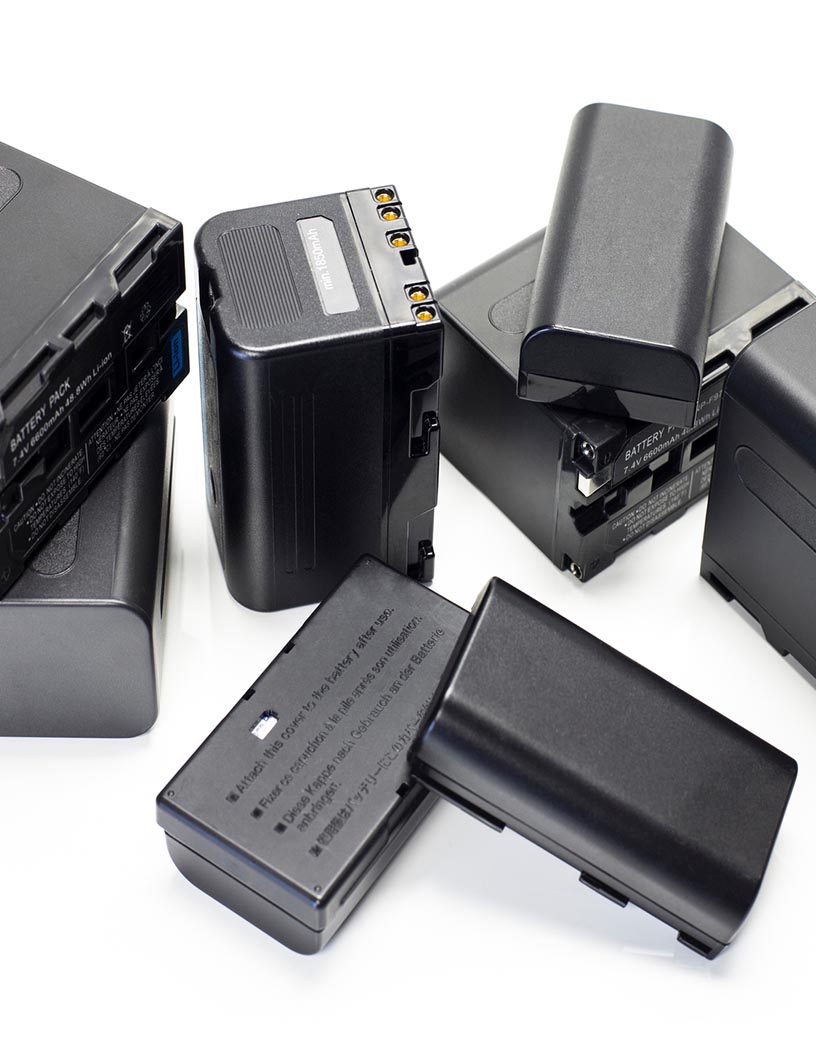


Flat Lithium-ion Battery Market Size 2024-2028
The flat lithium-ion battery market size is forecast to increase by USD 23.25 billion at a CAGR of 13.8% between 2023 and 2028.
- The market is witnessing significant growth due to several key trends. The increasing demand for smartphones and portable electronic devices is driving the market's growth. Moreover, the recycling of Li-ion batteries is gaining popularity due to environmental concerns, which is expected to boost the market's growth.
- However, the availability of substitute products, such as Nickel-Cadmium (Ni-Cd) and Nickel-Metal Hydride (NiMH) batteries, poses a challenge to the market. Despite this, the market is expected to continue its growth trajectory due to the superior performance and longer battery life offered by Li-ion batteries compared to their substitutes. The market analysis report provides an in-depth analysis of these trends and other growth factors, offering valuable insights to stakeholders and market participants.
What will be the Size of the Flat Lithium-ion Battery Market During the Forecast Period?

- The market encompasses a diverse range of applications, including storage devices for renewable energy sources, RC packs, laptop battery repacks, camera batteries, portable devices, microcontrollers, military applications, sensors, and more. These batteries are valued for their lightweight design, high energy density, and long service life.
- However, their chemical characteristics, such as the use of a liquid electrolyte, can lead to challenges like self-discharge rate, electrolyte leakage, internal short circuits, and safety concerns, including the risk of thermal runaway and chemical reactions. To mitigate these issues, research and development efforts are focused on solid electrolyte technologies, improvements in anode and cathode materials, and advancements in safety characteristics, such as discharge termination voltages and conductive collectors.
- The market is expected to grow significantly due to the increasing demand for high-performance batteries with longer service life and higher operating voltage, as well as the expanding use of Li-ion batteries in various industries.
How is this Flat Lithium-ion Battery Industry segmented and which is the largest segment?
The flat lithium-ion battery industry research report provides comprehensive data (region-wise segment analysis), with forecasts and estimates in "USD billion" for the period 2024-2028, as well as historical data from 2018-2022 for the following segments.
- Application
- Consumer electronics
- Automotive
- Others
- Type
- Lithium nickel manganese cobalt
- Lithium titanate
- Lithium iron phosphate
- Lithium cobalt oxide
- Geography
- APAC
- China
- Japan
- South Korea
- North America
- US
- Europe
- Germany
- Middle East and Africa
- South America
- APAC
By Application Insights
- The consumer electronics segment is estimated to witness significant growth during the forecast period.
The global market for flat Lithium-ion (Li-ion) batteries experienced significant growth In the consumer electronics segment in 2021. These batteries are integral to various consumer devices, such as smartphones, laptops, digital cameras, and portable devices. The increasing adoption of electronics manufacturing, fueled by expanding Internet penetration and consumer awareness, propels the market's expansion. Moreover, the burgeoning trend of the connected home concept stimulates the demand for smart appliances, televisions, and other electronics. Flat Li-ion batteries provide advantages like lightweight design, long service life, and high energy density. They are also suitable for renewable energy storage and various applications, such as microcontrollers, sensors, and electric vehicles.
The batteries' components include lithium ions, anode and cathode materials (like lithium oxide and graphite), conductive collectors, and separators. Safety features, such as discharge termination voltage and physical separators, ensure safe operation. The market's growth is influenced by factors like energy conversion efficiency, battery life, and high temperature sensitivity. Innovations in materials, such as nanocomposites and solid electrolytes, contribute to improved performance and longer cycle life. Additionally, advancements in electrochemical energy storage systems, like lithium-sulfur batteries, offer potential for increased energy density and capacity retention. In summary, consumer electronics dominates the global flat Li-ion battery market due to the increasing use of electronic devices and the connected home concept. The advantages of flat Li-ion batteries, such as long service life, high energy density, and suitability for various applications, contribute to their market growth. Ongoing research and development in battery technology will continue to drive advancements and expand the market's potential applications.

Get a glance at the Flat Lithium-ion (Li-ion) Battery Industry report of share of various segments Request Free Sample
The Consumer electronics segment was valued at USD 8.26 billion in 2018 and showed a gradual increase during the forecast period.
Regional Analysis
- APAC is estimated to contribute 43% to the growth of the global market during the forecast period.
Technavio's analysts have elaborately explained the regional trends and drivers that shape the market during the forecast period.

For more insights on the market share of various regions, Request Free Sample
The Asia Pacific (APAC) region is projected to dominate The market due to the rising demand for portable devices, particularly in countries like India, China, Japan, South Korea, and Thailand. APAC's market growth is driven by the increasing production and consumption of electronics, including laptops, cameras, microcontrollers, sensors, and portable devices. Australia, with the world's third-largest lithium reserves, is a significant contributor to the global lithium supply. However, the flat Li-ion battery market in APAC faced challenges in 2020 due to the COVID-19 pandemic. Flat Li-ion batteries consist of lithium ions moving between the anode and cathode through a liquid or solid electrolyte.
The batteries' components include lithium ions, anode (often made of copper or aluminum), cathode (usually lithium oxide or graphite), conductive collector, separator, and electrolyte. The batteries' performance depends on factors such as discharge termination voltage, safety characteristics, energy density, temperature range, and service life. The flat Li-ion battery market is subject to challenges, including self-discharge rate, electrolyte leakage, internal short circuits, and safety concerns. To mitigate these issues, research focuses on developing advanced technologies, such as multilayer films, flexible systems, porous membranes, and physical separators. The market's applications extend to electric vehicles, renewable energy storage, and various industries, with rechargeable cells being a significant component.
The market's growth is influenced by factors like energy conversion, battery life, high temperature sensitivity, and nanocomposites. Emerging technologies like lithium-sulfur (Li-S) batteries, polysulfide electrochemical mechanisms, and sodium-potassium batteries are gaining attention for their capacity retention, specific capacity, and cycle stability. The flat Li-ion battery market's future potential lies in its role in electrochemical energy storage and its ability to meet the increasing demand for energy-efficient and high-performance batteries.
Market Dynamics
Our researchers analyzed the data with 2023 as the base year, along with the key drivers, trends, and challenges. A holistic analysis of drivers will help companies refine their marketing strategies to gain a competitive advantage.
What are the key market drivers leading to the rise In the adoption of Flat Lithium-ion (Li-ion) Battery Industry?
Increase in demand for smartphones is the key driver of the market.
- The market encompasses the production and sales of self-contained, rechargeable batteries using lithium ions for energy storage in various portable devices and renewable energy applications. These batteries are renowned for their lightweight design, long service life, and high energy density, making them ideal for powering laptops, cameras, microcontrollers, sensors, and portable devices. The market's growth is driven by the increasing adoption of renewable energy sources and the need for lightweight, high-performance batteries. Li-ion batteries offer several advantages, including a low self-discharge rate, high operating voltage, and excellent temperature range. However, challenges such as electrolyte leakage, internal short circuits, and safety concerns due to high operating voltages and the risk of thermal runaway persist.
- Manufacturers focus on developing advanced battery technologies, such as solid electrolytes, multilayer films, flexible systems, porous membranes, and physical separators, to address these challenges and expand the application scope of Li-ion batteries. The market is also witnessing the emergence of new battery chemistries, such as lithium-sulfur (Li-S) batteries, lithium alloys, and sodium-potassium batteries, to enhance energy density, specific capacity, cycle stability, and other performance characteristics. The market's growth is further fueled by the increasing demand for energy storage solutions in electric vehicles and other transportation applications, where high energy density, long cycle life, and safety are crucial factors.
- The charging and discharging processes of Li-ion batteries involve complex electrochemical mechanisms, which require precise control of the charging and discharging voltages, electrical resistance, and temperature to ensure optimal battery life and performance. In conclusion, the Flat Lithium-ion Battery Market is expected to grow significantly In the coming years due to the increasing demand for lightweight, high-performance batteries for powering portable devices, renewable energy systems, and electric vehicles. Manufacturers are investing in research and development to address the challenges associated with Li-ion batteries and expand their application scope. The market's growth is also driven by the increasing adoption of advanced battery technologies, such as solid electrolytes, multilayer films, and porous membranes, to enhance battery performance and safety.
What are the market trends shaping the Flat Lithium-ion (Li-ion) Battery Industry?
Increase in recycling of Li-ion batteries is the upcoming market trend.
- Flat Lithium-ion (Li-ion) batteries have gained significant traction In the market due to their application in energy storage devices for renewable energy sources and portable electronic devices. These batteries, which have a self-discharge rate, are valued for their lightweight nature and are commonly used in laptop battery repacks, camera batteries, and portable devices. However, Li-ion batteries come with challenges, such as electrolyte leakage, internal short circuits, and safety concerns due to their high operating voltage and energy density. To mitigate these issues, advancements in battery technology include the use of solid electrolytes, multilayer films, porous membranes, and physical separators. Despite these advancements, Li-ion batteries still face application limitations, including the need for microcontrollers, sensors, and conductive collectors.
- The batteries' anode and cathode consist of lithium ions moving between the electrodes, with lithium oxide (LiMO2) and graphite being common anode and cathode materials, respectively. The charging and discharging processes involve the conversion of electrical energy to chemical energy and vice versa. Li-ion batteries' recycling is crucial due to their toxic and flammable components, valuable metals, and high material costs. The recycling process involves a chemical precipitation methodology to recover minerals, which are then reused In the production of new batteries. The performance and service life of Li-ion batteries are influenced by factors such as temperature range, cycle life, electrical resistance, and coulombic efficiency.
- In addition to Li-ion batteries, other electrochemical energy storage technologies, such as lithium-sulfur (Li-S) batteries, are under development. These batteries have a higher specific capacity and cycle stability but face challenges such as electrochemical mechanism instability and capacity retention. The use of nanocomposites and electrolyte additives is being explored to improve their performance and safety. In conclusion, the flat Li-ion battery market is driven by the increasing demand for energy storage solutions in renewable energy sources and portable electronic devices. The market's growth is influenced by advancements in battery technology, the need for recycling, and the development of alternative battery technologies.
- The challenges of Li-ion batteries, such as safety concerns and high material costs, are being addressed through ongoing research and development efforts.
What challenges does the Flat Lithium-ion (Li-ion) Battery Industry face during its growth?
Availability of substitute products is a key challenge affecting the industry growth.
- Flat Lithium-ion (Li-ion) batteries face competition from various storage devices such as lead-acid and nickel-cadmium batteries. While Li-ion batteries offer advantages like lightweight design, long cycle life, and high energy density, they come with higher costs. In contrast, lead-acid batteries, though less expensive, have a lower self-discharge rate, making them suitable for applications requiring long standby times. Nickel-cadmium batteries, another alternative, offer long life and high discharge rates, making them ideal for use in biomedical equipment, professional video cameras, power tools, and two-way radios. Li-ion batteries consist of an anode made of carbon or lithium, a cathode made of lithium ions (such as lithium cobalt oxide or lithium iron phosphate), and a separator that prevents the anode and cathode from coming into direct contact.
- The batteries use a solid electrolyte or a liquid electrolyte, which conducts ions between the electrodes. Lithium ions move from the cathode to the anode during the discharging process, releasing electrical energy. The performance of Li-ion batteries depends on factors like discharge termination voltage, safety characteristics, temperature range, and service life. The batteries are used in various portable devices, including laptops, cameras, and microcontrollers, as well as in electric vehicles. The charging and discharging processes involve energy conversion, which can affect battery life and performance. Li-ion batteries are known for their high operating voltage, energy density, and temperature range.
- However, they face challenges like electrolyte leakage, internal short circuits, and safety concerns due to their high operating voltage. To address these issues, researchers are exploring alternatives like lithium-sulfur (Li-S) batteries, which use polysulfide electrolytes and porous membranes instead of liquid electrolytes. These batteries offer higher energy density and longer cycle life but face challenges like capacity retention and catalytic degradation. Other alternatives to flat Li-ion batteries include sodium-ion batteries, which use sodium instead of lithium ions and offer advantages like lower cost and higher safety. Sodium-ion batteries use anodes made of sodium, cathodes made of sodium-metal polyanion, and a separator made of microporous materials.
- These batteries have a lower energy density compared to Li-ion batteries but offer advantages like higher specific capacity, cycle stability, and longer cycle life. In summary, while flat Li-ion batteries offer advantages like high energy density and long cycle life, they face competition from alternative storage devices like lead-acid, nickel-cadmium, and sodium-ion batteries. Each type of battery has its unique advantages and challenges, making the choice dependent on the specific application requirements.
Exclusive Customer Landscape
The flat lithium-ion battery market forecasting report includes the adoption lifecycle of the market, covering from the innovator's stage to the laggard's stage. It focuses on adoption rates in different regions based on penetration. Furthermore, the flat Li-ion battery market report also includes key purchase criteria and drivers of price sensitivity to help companies evaluate and develop their market growth analysis strategies.

Customer Landscape
Key Companies & Market Insights
Companies are implementing various strategies, such as strategic alliances, flat lithium-ion (li-ion) battery market forecast, partnerships, mergers and acquisitions, geographical expansion, and product/service launches, to enhance their presence In the industry.
The industry research and growth report includes detailed analyses of the competitive landscape of the market and information about key companies, including:
- Bahco
- DNK POWER Co. Ltd.
- EIT InnoEnergy SE
- Hitachi Ltd.
- LiPol Battery Co. Ltd.
- Lithium Battery Co.
- Lund Instrument Engineering Inc.
- MeriTech Power Ltd.
- MOTOMA
- NGK Insulators Ltd.
- Panasonic Holdings Corp.
- Shenzhen A and S Power Technology Co. Ltd.
- Shenzhen CSIP Science and Technology Co. Ltd.
- Shenzhen SUJOR Energy Technology Co. Ltd.
- Shenzhen VATS Power Source Ltd.
- SparkFun Electronics
- TDK Corp.
- Telemax India Industries Pvt. Ltd.
- Ufine Battery
- Ultralife Corp.
- Ulvac Inc.
Qualitative and quantitative analysis of companies has been conducted to help clients understand the wider business environment as well as the strengths and weaknesses of key industry players. Data is qualitatively analyzed to categorize companies as pure play, category-focused, industry-focused, and diversified; it is quantitatively analyzed to categorize companies as dominant, leading, strong, tentative, and weak.
Research Analyst Overview
Flat lithium-ion (Li-ion) batteries have gained significant attention due to their ability to provide high energy density and long cycle life in various applications, including portable devices and renewable energy storage systems. These batteries operate on the principle of intercalating lithium ions between the electrodes during the charging process and releasing them during discharge. The Li-ion battery consists of several components, including electrodes made of lithium cobalt oxide (LMO) or lithium iron phosphate (LFP) for the cathode, graphite for the anode, and a separator to prevent direct contact between the electrodes. The electrolyte, a liquid or solid electrolyte, facilitates the movement of lithium ions between the electrodes.
One of the advantages of flat Li-ion batteries is their lightweight design, which makes them suitable for use in portable devices. However, they have a self-discharge rate, which can lead to a gradual loss of charge over time when not in use. This issue can be mitigated by using microcontrollers and sensors to monitor and manage the battery's state of charge. The Li-ion battery market is driven by the increasing demand for energy storage solutions in various applications, including electric vehicles, renewable energy systems, and portable devices. The high operating voltage and energy density of these batteries make them an ideal choice for these applications.
The performance of Li-ion batteries is influenced by several factors, including temperature range, safety characteristics, and service life. High temperatures can affect the battery's capacity and cycle life, while safety concerns include internal short circuits, electrolyte leakage, and thermal runaway. To address these challenges, researchers have explored various technologies, such as multilayer films, porous membranes, and physical separators, to improve the battery's performance, safety, and service life. These advancements have led to the development of flexible Li-ion batteries, which offer improved energy density and the ability to conform to various shapes. Another area of research is the use of lithium-sulfur (Li-S) batteries, which offer higher energy density and lower cost compared to traditional Li-ion batteries.
However, the development of Li-S batteries faces challenges related to capacity retention, electrochemical mechanism, and safety concerns, such as polysulfide shuttle effect and catalytic degradation. The development of Li-ion batteries also involves the exploration of alternative materials, such as lithium alloys, nanocomposites, and sodium-potassium batteries, to improve the battery's specific capacity, cycle stability, and charge-discharge cycle. In conclusion, the flat Li-ion battery market is driven by the increasing demand for energy storage solutions in various applications. The development of these batteries involves ongoing research to improve their performance, safety, and cost-effectiveness. The use of advanced materials and technologies, such as multilayer films, porous membranes, and physical separators, as well as the exploration of alternative battery chemistries, is expected to drive the growth of the Li-ion battery market In the future.
|
Market Scope |
|
|
Report Coverage |
Details |
|
Page number |
172 |
|
Base year |
2023 |
|
Historic period |
2018-2022 |
|
Forecast period |
2024-2028 |
|
Growth momentum & CAGR |
Accelerate at a CAGR of 13.8% |
|
Market growth 2024-2028 |
USD 23.25 billion |
|
Market structure |
Fragmented |
|
YoY growth 2023-2024(%) |
11.33 |
|
Key countries |
US, China, South Korea, Japan, and Germany |
|
Competitive landscape |
Leading Companies, Market Positioning of Companies, Competitive Strategies, and Industry Risks |
What are the Key Data Covered in this Flat Lithium-ion Battery Market Research and Growth Report?
- CAGR of the Flat Li-ion Battery industry during the forecast period
- Detailed information on factors that will drive the growth and forecasting between 2024 and 2028
- Precise estimation of the size of the market and its contribution of the industry in focus to the parent market
- Accurate predictions about upcoming growth and trends and changes in consumer behaviour
- Growth of the market across APAC, North America, Europe, Middle East and Africa, and South America
- Thorough analysis of the market's competitive landscape and detailed information about companies
- Comprehensive analysis of factors that will challenge the flat lithium-ion battery market growth of industry companies
We can help! Our analysts can customize this flat Li-ion battery market research report to meet your requirements.
 RIA -
RIA - 
