
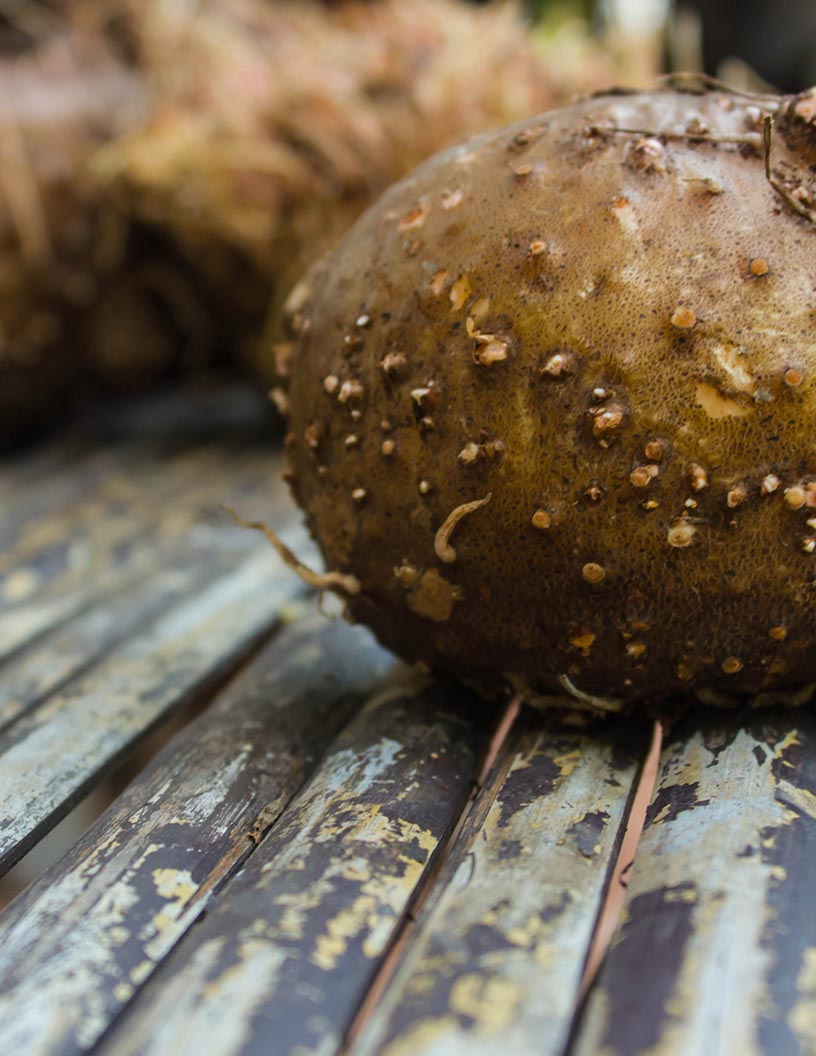


Konjac Market Size 2024-2028
The konjac market size is forecast to increase by USD 454.2 million, at a CAGR of 8.52% between 2023 and 2028.
- The market is experiencing significant growth, driven by the increasing consumption of low-calorie food and rising health consciousness among consumers. The COVID-19 pandemic has accentuated this trend as people seek to improve their immunity and overall wellbeing. However, the market faces challenges, primarily related to potential side effects on human health. The use of Konjac in food and beverage applications, particularly in the form of glucomannan, has raised concerns regarding its safety and efficacy. Companies must address these concerns through rigorous testing and transparency to ensure consumer trust and regulatory compliance. To capitalize on the market's potential, businesses should focus on innovation and product development, catering to the growing demand for healthy, low-calorie alternatives.
- Additionally, strategic partnerships and collaborations can help companies expand their reach and strengthen their market position. Overall, the market presents a promising landscape for companies seeking to offer health-conscious solutions while navigating the challenges associated with consumer safety concerns.
What will be the Size of the Konjac Market during the forecast period?
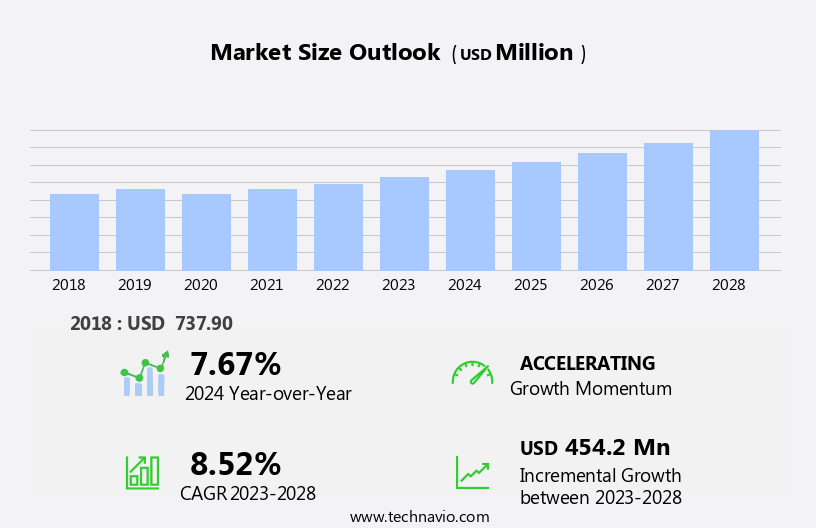
Explore in-depth regional segment analysis with market size data - historical 2018-2022 and forecasts 2024-2028 - in the full report.
Request Free Sample
The market continues to evolve, driven by ongoing research and development in various sectors. Konjac yield improvement remains a key focus, with advancements in cultivation optimization and glucomannan extraction techniques. Post-harvest handling plays a crucial role in maintaining konjac's storage stability, ensuring the preservation of its functional properties. In the realm of cosmetics, konjac's biopolymer structure and sensory evaluation are under constant scrutiny, leading to innovations in konjac-based hydrogels and films. The rheology of konjac flour is another area of active research, as it impacts the texture and performance of various applications. Konjac's hydrogel properties, film permeability, and processing efficiency are also subject to continuous investigation, with the goal of enhancing their utility in food-grade applications.
Quality control measures, including microbial analysis and protein analysis, are essential to ensuring the safety and consistency of konjac products. Consumer acceptance and preference for konjac-derived products continue to shape market dynamics, driving demand for new and improved offerings. The evolving nature of konjac research and development ensures that this versatile biopolymer remains a dynamic and intriguing area of study.
How is this Konjac Industry segmented?
The konjac industry research report provides comprehensive data (region-wise segment analysis), with forecasts and estimates in "USD million" for the period 2024-2028, as well as historical data from 2018-2022 for the following segments.
- End-user
- Food and beverages
- Pharmaceutical
- Cosmetics
- Product Type
- Gum
- Flour
- Dietary fiber
- Sponge
- Application
- Konjac Root
- Konjac Flour
- Konjac Noodles
- Konjac Supplements
- Consumer Segment
- Health-Conscious Consumers
- Vegans
- Gluten-Free Diets
- Geography
- North America
- US
- Canada
- Mexico
- Europe
- France
- Germany
- UK
- Middle East and Africa
- UAE
- APAC
- Indonesia
- Malaysia
- South Korea
- Thailand
- South America
- Brazil
- Rest of World (ROW)
- North America
By End-user Insights
The food and beverages segment is estimated to witness significant growth during the forecast period.
The market is experiencing significant growth due to the functional properties of konjac, including its emulsifying and food gelation abilities, making it an ideal ingredient in the food and beverage industry. The biopolymer structure of konjac allows for various applications, such as meal additives, thickeners, and food jams. Post-harvest handling techniques have been refined to ensure the highest quality and consistency, further boosting market demand. In the cosmetics sector, konjac is valued for its sensory evaluation properties, providing a smooth and silky texture to various personal care products. The nutritional value of konjac, rich in fiber and low in calories, is another factor driving its popularity.
Konjac yield improvement and storage stability have been key areas of focus, ensuring efficient processing and reducing waste. Konjac-based hydrogels exhibit excellent properties, such as high viscosity and film permeability, making them suitable for various applications. The food-grade applications of konjac continue to expand, with cultivation techniques optimized to increase production and improve quality. Konjac glucomannan extraction and protein analysis are crucial components of the production process, ensuring the highest quality product. Consumer acceptance of konjac is high due to its versatility and health benefits. Food manufacturers are increasingly turning to konjac as a natural alternative to synthetic additives, leading to increased demand and market growth.
Maintaining high standards of quality control is essential, with microbial analysis and powder processing techniques continually being refined to ensure the safety and consistency of konjac products. The market is expected to continue its upward trajectory, fueled by these evolving trends and applications.
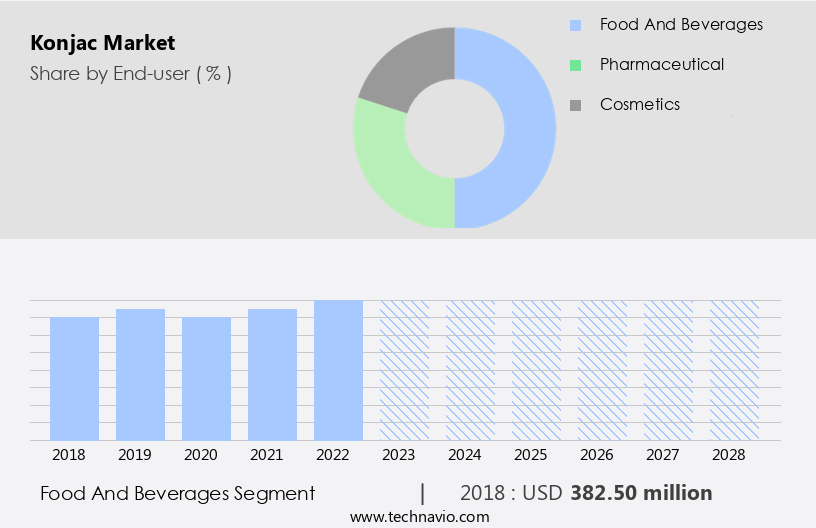
The Food and beverages segment was valued at USD 382.50 million in 2018 and showed a gradual increase during the forecast period.
Regional Analysis
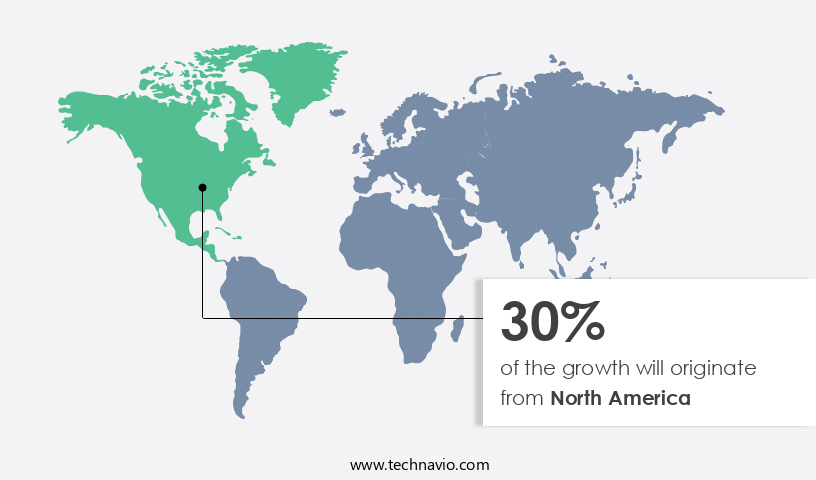
North America is estimated to contribute 30% to the growth of the global market during the forecast period.Technavio's analysts have elaborately explained the regional trends and drivers that shape the market during the forecast period.
Konjac flour, derived from the Konjac plant, has long been utilized in the US food industry as a safe thickening or gelling agent, recognized as such by the Food and Drug Administration (FDA). The addition of a mild alkali, such as calcium hydroxide, transforms konjac flour into a robust, elastic gel that maintains its structure even under prolonged heating conditions. This gel can also form stable complexes with other hydrocolloids, such as starch, xanthan gum, or carrageenan, creating versatile gels with various applications. In the food sector, these gels can be employed to bind water in surimi, meats, or vegetarian products, or function as a fat replacer in numerous processed food items.
In the cosmetics industry, konjac flour's biopolymer structure and sensory evaluation properties make it an attractive ingredient for creating textured skincare products. Post-harvest handling is crucial to ensure the yield improvement and storage stability of konjac flour. The intricate konjac biopolymer structure, consisting of glucomannan, proteins, and carbohydrates, influences its unique rheological properties and film permeability. Efficient processing techniques, including microbial analysis and powder processing, are essential to maintain the quality control of food-grade konjac applications. The ongoing research in konjac cultivation optimization and consumer acceptance further expands the potential applications and market dynamics of this versatile ingredient.
Market Dynamics
Our researchers analyzed the data with 2023 as the base year, along with the key drivers, trends, and challenges. A holistic analysis of drivers will help companies refine their marketing strategies to gain a competitive advantage.
B2B konjac supply solutions leverage advanced konjac processing technologies for quality. Konjac market growth opportunities 2025 include konjac noodles for health foods and gluten-free konjac products, meeting demand. Konjac supply chain software optimizes operations, while konjac market competitive analysis highlights players like Hubei Yizhi. Sustainable konjac farming aligns with eco-friendly food trends. Konjac regulations 2024-2028 shape konjac demand in East Asia 2025. Premium konjac solutions and konjac market insights boost adoption. Konjac for plant-based foods and customized konjac formulations target niches. Konjac market challenges and solutions address texture, with direct procurement strategies for konjac and konjac pricing optimization enhancing profitability. Data-driven konjac market analytics and functional food trends drive innovation.
What are the key market drivers leading to the rise in the adoption of Konjac Industry?
- The consumption of low-calorie food is driving the market's growth due to increasing health consciousness and a growing preference for nutritious and weight-conscious dietary choices.
- Konjac, derived from the Amorphophallus konjac plant, offers functional properties that make it an attractive ingredient in various industries. Its biopolymer structure enables it to function as a thickener, gelling agent, and stabilizer, driving market growth in food, cosmetics, and pharmaceuticals. In food applications, konjac flour is used as a gluten-free alternative for bread thickening. In the cosmetics sector, konjac powder is recognized as a gentle face cleanser. The increasing preference for low-calorie and carbohydrate foods, fueled by health-conscious consumers, is expected to boost the market's growth during the forecast period.
- Furthermore, the potential health benefits of konjac, such as aiding in weight management and cholesterol reduction, add to its market appeal. The versatility and nutritional value of konjac make it a valuable addition to numerous industries, ensuring its continued growth during the forecast years.
What are the market trends shaping the Konjac Industry?
- The increasing awareness of health and wellness, driven in part by the COVID-19 pandemic, represents a significant market trend. This shift in consumer behavior is expected to continue shaping the business landscape in the coming months.
- The global market for konjac-based products has gained significance due to their role in improving yield and enhancing the storage stability of konjac. The unique hydrogel properties of konjac have led to its extensive use in various industries, including food, pharmaceuticals, and cosmetics. The rheology of konjac flour is crucial in its processing, ensuring efficient production and high-quality end-products. Furthermore, the permeability of konjac films is a subject of ongoing research, as it can impact their effectiveness in various applications.
- The COVID-19 pandemic has highlighted the importance of maintaining a healthy diet, with many individuals turning to dietary supplements to manage weight. Konjac-based products offer a natural and effective solution, making them an attractive option for consumers. The focus on improving konjac processing efficiency continues to drive innovation in this market, ensuring its continued growth.
What challenges does the Konjac Industry face during its growth?
- The growth of the industry faces significant challenges due to potential side effects on human health. This issue is of paramount importance and requires careful consideration to ensure the development of safe and effective products.
- Konjac, a gel-forming plant, is widely used in various food-grade applications due to its unique texture and health benefits. However, the market growth may face challenges due to quality concerns. The Food and Drug Administration (FDA) has issued an import alert for konjac candies due to choking hazards. The gelatinous nature of konjac does not dissolve easily in the mouth, increasing the risk of swallowing difficulties and potential obstructions in the esophagus or bowel. This risk is heightened when konjac is taken in tablet form or without sufficient water. To mitigate these issues, research focuses on konjac microbial analysis, konjac powder processing, and konjac cultivation optimization to ensure konjac quality control.
- The consumer acceptance of konjac products relies on addressing these concerns and maintaining consistent product standards. Therefore, the market dynamics will depend on the successful implementation of these strategies to ensure the safety and efficacy of food-grade konjac applications.
Exclusive Customer Landscape
The konjac market forecasting report includes the adoption lifecycle of the market, covering from the innovator's stage to the laggard's stage. It focuses on adoption rates in different regions based on penetration. Furthermore, the konjac market report also includes key purchase criteria and drivers of price sensitivity to help companies evaluate and develop their market growth analysis strategies.
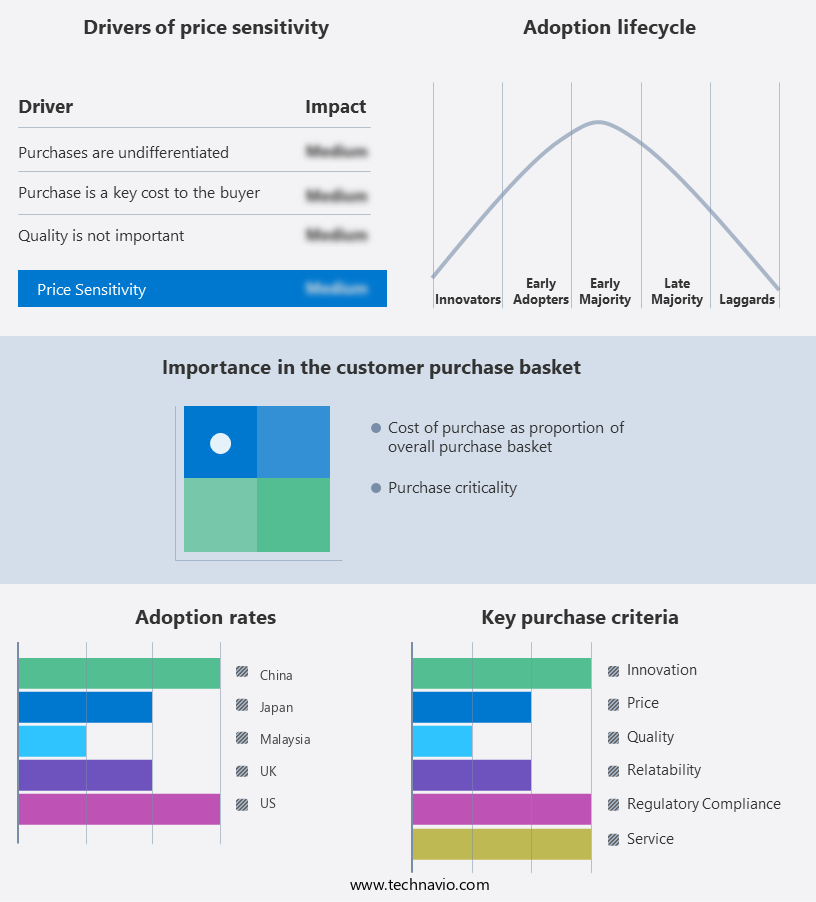
Customer Landscape
Key Companies & Market Insights
Companies are implementing various strategies, such as strategic alliances, konjac market forecast, partnerships, mergers and acquisitions, geographical expansion, and product/service launches, to enhance their presence in the industry.
Andi Johnson Group - The company specializes in producing Konjac-based products, including CongelK-C120, CongelK 3, and CongelK J-28B. These offerings demonstrate the company's commitment to providing high-quality, natural alternatives for various applications. With a focus on innovation and research, the company's Konjac product line caters to diverse industries and consumer needs.
The industry research and growth report includes detailed analyses of the competitive landscape of the market and information about key companies, including:
- Andi Johnson Group
- Baoji Konjac Chemical Co. Ltd.
- BLG
- Hubei Tongyi Konjac Biotechnology Co. Ltd
- Ishibashiya Konjac Co.
- Miracle Noodle
- NAH Foods Ltd
- NOW Health Group Inc.
- Slendier
- The Konjac Sponge Co.
- Zeroodle USA
Qualitative and quantitative analysis of companies has been conducted to help clients understand the wider business environment as well as the strengths and weaknesses of key industry players. Data is qualitatively analyzed to categorize companies as pure play, category-focused, industry-focused, and diversified; it is quantitatively analyzed to categorize companies as dominant, leading, strong, tentative, and weak.
Recent Development and News in Konjac Market
- In January 2024, leading konjac manufacturer, KonaCo, announced the launch of its innovative new product, "Konjacel XL," a high-capacity konjac gel that reportedly increases product yield by 30% compared to traditional konjac gels (KonaCo press release). In March 2024, konjac industry giants, Gelesis and Kao Corporation, formed a strategic partnership to co-develop and commercialize konjac-based food and beverage products with functional health benefits (Gelesis press release).
- In April 2024, major konjac producer, JK Bioengineering, secured a significant investment of USD50 million in a Series C funding round, which will be used to expand its production capacity and accelerate research and development efforts (BusinessWire). In May 2025, the European Commission approved the use of konjac-based food additives as thickeners and gelling agents, opening up a substantial new market for konjac producers in Europe (European Commission press release).
Research Analyst Overview
- The market encompasses various segments, including cultivation practices, application versatility, and labeling requirements. Cultivation practices significantly influence Konjac's economic viability, with ongoing research to optimize processing and sustainability assessment. Konjac's health benefits, such as fiber solubility and gel strength, have fueled its popularity in the food industry. Konjac's versatility extends to various applications, from food and beverage to pharmaceuticals and cosmetics. However, adherence to quality standards and food safety regulations is crucial to maintain consumer trust. Moreover, Konjac's environmental impact and regulatory compliance are essential considerations. Innovations in Konjac product development, such as improved fiber solubility and gel strength, continue to drive market growth.
- Konjac's labeling requirements and application versatility necessitate a focus on regulatory compliance and sustainability. The Konjac industry strives for continuous improvement in processing optimization and waste utilization to ensure long-term economic viability. Despite challenges, the market's potential lies in its diverse applications and health benefits. Market players are investing in research and development to expand its use cases and meet evolving consumer demands.
Dive into Technavio's robust research methodology, blending expert interviews, extensive data synthesis, and validated models for unparalleled Konjac Market insights. See full methodology.
|
Market Scope |
|
|
Report Coverage |
Details |
|
Page number |
149 |
|
Base year |
2023 |
|
Historic period |
2018-2022 |
|
Forecast period |
2024-2028 |
|
Growth momentum & CAGR |
Accelerate at a CAGR of 8.52% |
|
Market growth 2024-2028 |
USD 454.2 million |
|
Market structure |
Concentrated |
|
YoY growth 2023-2024(%) |
7.67 |
|
Key countries |
US, Malaysia, Indonesia, Germany, UK, South Korea, France, Canada, Brazil, Thailand, UAE, and Mexico |
|
Competitive landscape |
Leading Companies, Market Positioning of Companies, Competitive Strategies, and Industry Risks |
What are the Key Data Covered in this Konjac Market Research and Growth Report?
- CAGR of the Konjac industry during the forecast period
- Detailed information on factors that will drive the growth and forecasting between 2024 and 2028
- Precise estimation of the size of the market and its contribution of the industry in focus to the parent market
- Accurate predictions about upcoming growth and trends and changes in consumer behaviour
- Growth of the market across North America, APAC, Europe, South America, and Middle East and Africa
- Thorough analysis of the market's competitive landscape and detailed information about companies
- Comprehensive analysis of factors that will challenge the konjac market growth of industry companies
We can help! Our analysts can customize this konjac market research report to meet your requirements.
 RIA -
RIA - 
