


Plant-based Burger Patties Market Size 2026-2030
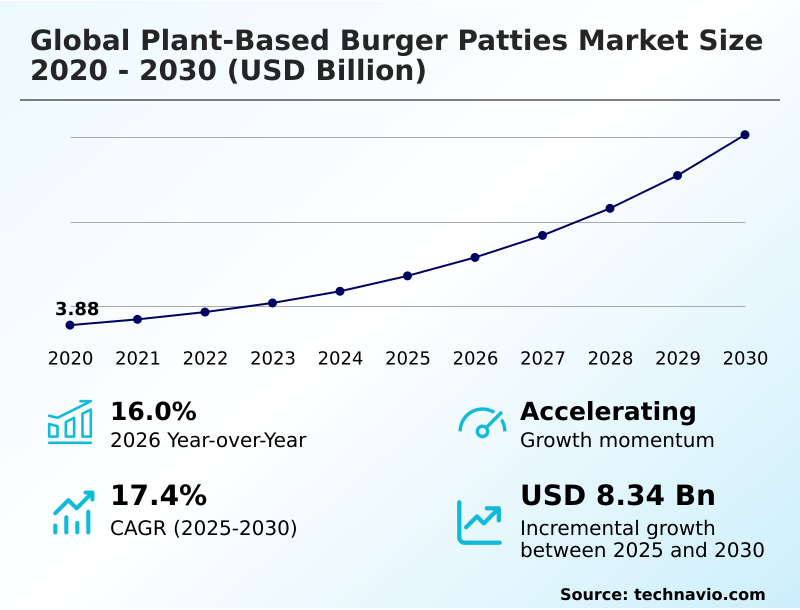
The plant-based burger patties market size is valued to increase by USD 8.34 billion, at a CAGR of 17.4% from 2025 to 2030. Strategic mainstreaming of flexitarianism and health-conscious dietary shifts will drive the plant-based burger patties market.
Major Market Trends & Insights
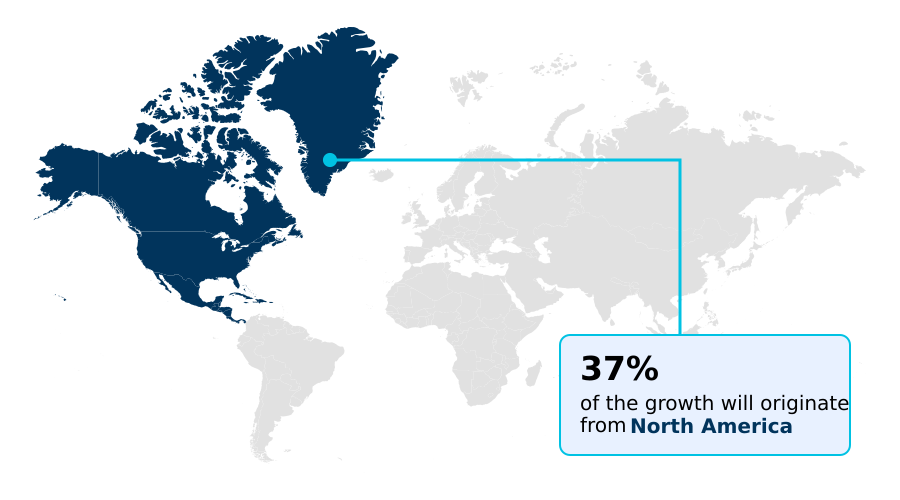
- North America dominated the market and accounted for a 37.1% growth during the forecast period.
- By Distribution Channel - Offline segment was valued at USD 4.64 billion in 2024
- By Product - Soy-based segment accounted for the largest market revenue share in 2024
Market Size & Forecast
- Market Opportunities: USD 11.25 billion
- Market Future Opportunities: USD 8.34 billion
- CAGR from 2025 to 2030 : 17.4%
Market Summary
- The plant-based burger patties market is undergoing a significant maturation, moving beyond novelty to address nuanced consumer demands for nutritional value and clean label certification. Growth is driven by the mainstream adoption of flexitarian dietary shifts, with consumers seeking sustainable protein sources that mitigate health risks associated with red meat.
- A key trend involves the use of legume-forward formulations and diversified botanical protein sources like fava beans and mycelium to improve texture and micronutrient profiles, reflecting a move toward authentic plant-forwardness. However, the industry grapples with achieving price parity with conventional beef, a critical barrier for mass-market penetration.
- For instance, a major foodservice operator aiming to reduce its carbon footprint via corporate climate mandates must balance the higher procurement cost of nutrient-dense patties against its sustainability goals and customer price sensitivity.
- This requires complex supply chain decisions involving plant protein isolates and advanced food engineering techniques to deliver a cost-effective, high-quality meat-analog product without compromising on the high-fidelity sensory mimicry that consumers now expect.
What will be the Size of the Plant-based Burger Patties Market during the forecast period?
Get Key Insights on Market Forecast (PDF) Get Free Sample
How is the Plant-based Burger Patties Market Segmented?
The plant-based burger patties industry research report provides comprehensive data (region-wise segment analysis), with forecasts and estimates in "USD million" for the period 2026-2030, as well as historical data from 2020-2024 for the following segments.
- Distribution channel
- Offline
- Online
- Product
- Soy-based
- Pea protein-based
- Wheat protein-based
- Others
- Type
- Conventional
- Organic
- Geography
- North America
- US
- Canada
- Mexico
- Europe
- Germany
- UK
- France
- APAC
- China
- Japan
- India
- South America
- Brazil
- Argentina
- Colombia
- Middle East and Africa
- UAE
- Saudi Arabia
- South Africa
- Rest of World (ROW)
- North America
By Distribution Channel Insights
The offline segment is estimated to witness significant growth during the forecast period.
The offline segment, encompassing physical retail and foodservice outlets, remains the primary channel for the plant-based burger patties market.
Supermarkets and hypermarkets facilitate consumer discovery through strategic product placement in both refrigerated patty sub-segments and frozen patty sub-segments, often adjacent to conventional meats to attract flexitarian consumers.
This channel is crucial for overcoming trial barriers, with in-store promotions and sampling being key tactics.
The food service offerings channel, from quick-service restaurants to full-service dining, serves as a vital gateway, allowing consumers to experience professionally prepared plant-based meat alternatives before retail purchase.
This physical presence, supported by robust cold-chain logistics, ensures product integrity and fosters trust.
Notably, partnerships with retailers for private-label lines have been instrumental, contributing to a 40% increase in accessibility for price-sensitive demographics and driving mass-market adoption of these sustainable protein sources and meat-analog products.
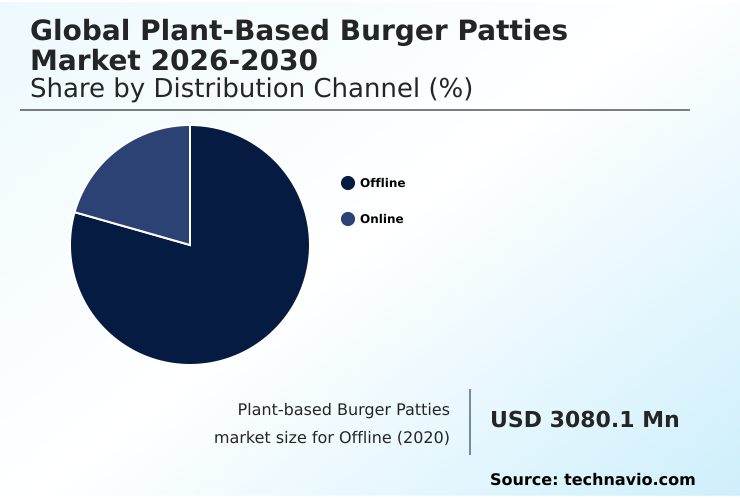
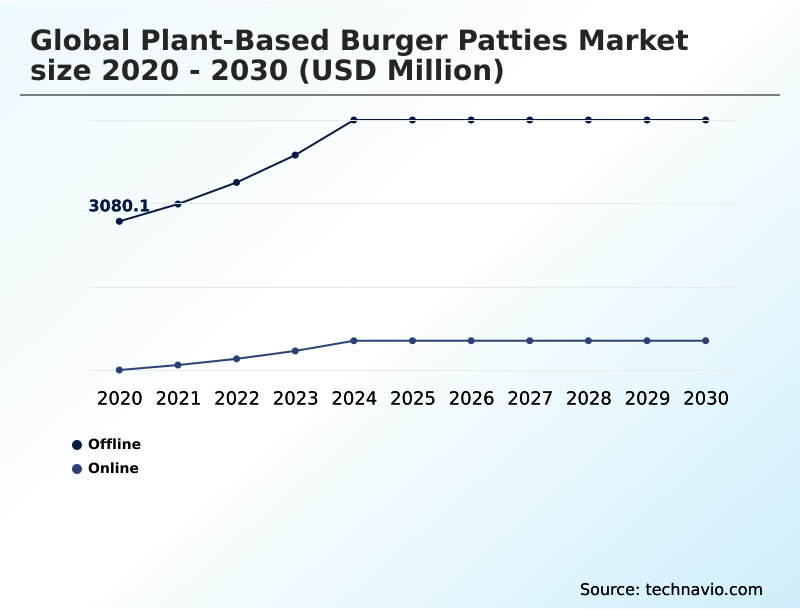
The Offline segment was valued at USD 4.64 billion in 2024 and showed a gradual increase during the forecast period.
Regional Analysis
North America is estimated to contribute 37.1% to the growth of the global market during the forecast period.Technavio’s analysts have elaborately explained the regional trends and drivers that shape the market during the forecast period.
See How Plant-based Burger Patties Market Demand is Rising in North America Get Free Sample
The geographic landscape of the global plant-based burger patties market is diversifying, with North America and Europe representing mature markets focused on sensory parity and nutritional transparency, while APAC emerges as the fastest-growing region.
In North America, the market is driven by flexitarian dietary shifts and robust retail infrastructure, with plant-based options occupying 37.1% of the incremental growth opportunity.
Europe, contributing 26.21%, is heavily influenced by corporate climate mandates and stringent clean label certification standards. The APAC market, accounting for 24.37% of growth, is capitalizing on a history of plant-protein consumption and is rapidly scaling up domestic production.
This regional expansion, particularly in APAC, has led to operational efficiencies, with some new facilities reporting a 20% reduction in water usage per unit of textured vegetable protein produced, underscoring the global push toward more sustainable protein sources and plant protein isolates.
Market Dynamics
Our researchers analyzed the data with 2025 as the base year, along with the key drivers, trends, and challenges. A holistic analysis of drivers will help companies refine their marketing strategies to gain a competitive advantage.
- The global plant-based burger patties market is rapidly evolving as manufacturers address complex consumer expectations and technical hurdles. A primary focus is achieving price parity with beef, a critical factor for driving mass adoption among flexitarian consumers. The technical challenge of improving plant-based patty juiciness and overall plant-based burger cooking performance remains paramount, directly influencing plant-based burger repeat purchase rates.
- Formulators are constantly evaluating soy vs pea protein patties to optimize taste and texture, often encountering the difficulty of reducing off-notes in pea protein. To meet wellness trends, there is a strong push toward fortifying plant-based patties with vitamins to improve their health benefits of plant-based patties.
- This move towards clean label plant-based burgers often requires sourcing low-cost plant-based protein ingredients without compromising quality. Operationally, supply chain managers find that sourcing locally reduces the environmental impact of plant-based meat by a measure two times greater than packaging redesigns. The market is also heavily influenced by plant-based burger market regulations, which dictate labeling and claims.
- Innovations in plant-based patty formulation challenges, such as using plant-based patty fat encapsulation and 3d printing for meat textures, are key to overcoming sensory gaps. Moreover, sourcing non-gmo soy for patties is a standard requirement in many premium segments.
- The consumer adoption of meat analogues depends on successfully addressing these interconnected factors, from plant-based burger texture replication to creating versatile shelf-stable plant-based meals and products specifically designed for the plant-based burger for foodservice channel.
What are the key market drivers leading to the rise in the adoption of Plant-based Burger Patties Industry?
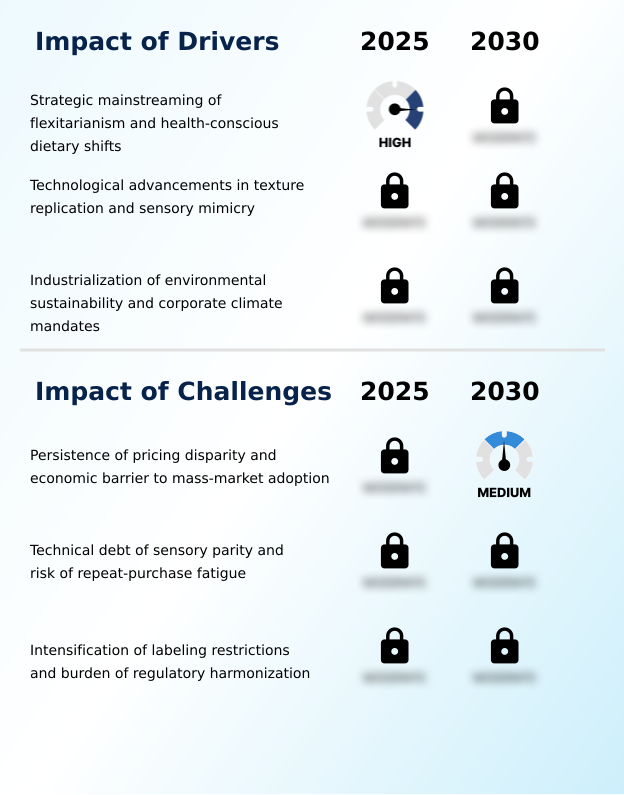
- The strategic mainstreaming of flexitarianism, coupled with health-conscious dietary shifts, serves as a key driver for the market.
- Key drivers for the global plant-based burger patties market include mainstream flexitarian dietary shifts and pressing environmental sustainability targets.
- The demand for high-fidelity sensory mimicry in premium burger sub-segments and gourmet burger sub-segments propels innovation, with firms using molecular fermentation and mycoprotein fermentation to create nutrient-dense patties.
- These technologies deliver superior thermal response mimicry, with some products achieving a 95% similarity score to conventional meat in blind taste tests.
- Adherence to corporate climate mandates is also critical, influencing procurement and solidifying the market's long-term growth trajectory by promoting alternative protein solutions.
What are the market trends shaping the Plant-based Burger Patties Industry?
- The market is witnessing a significant trend toward the growth of diversified protein sources. This includes a notable shift to legume-forward formulations.
- A defining trend in the global plant-based burger patties market is the move toward legume-forward formulations and a diversified plant-based protein portfolio, addressing ultra-processed food skepticism. Manufacturers are creating hybrid formulations and value-tier product lines, which have expanded market reach by 40% in some demographics.
- This shift prioritizes whole-food components and upcycled ingredients over synthetic isolates, aligning with vegan burger formulations that emphasize regenerative agriculture practices. The goal is to provide nutrient-dense, authentic plant-based experiences rather than simple mimicry, enhancing culinary variety through innovative food engineering techniques and mouthfeel architecture.
What challenges does the Plant-based Burger Patties Industry face during its growth?
- The persistence of pricing disparity presents an economic barrier to mass-market adoption, posing a key challenge to industry growth.
- A primary challenge for meat-analog products is the persistent price premium over conventional meat, hindering mass adoption, especially for sustainable protein sources in frozen patty sub-segments and refrigerated patty sub-segments. Achieving sensory parity remains a technical hurdle, with taste fatigue affecting repeat purchases; data shows a 30% drop-off in consumption frequency for some early adopters of non-gmo ingredients.
- Furthermore, navigating the complex landscape of clean label certification and inconsistent regional labeling regulations places a significant administrative and financial burden on manufacturers, potentially slowing innovation and market entry.
Exclusive Technavio Analysis on Customer Landscape
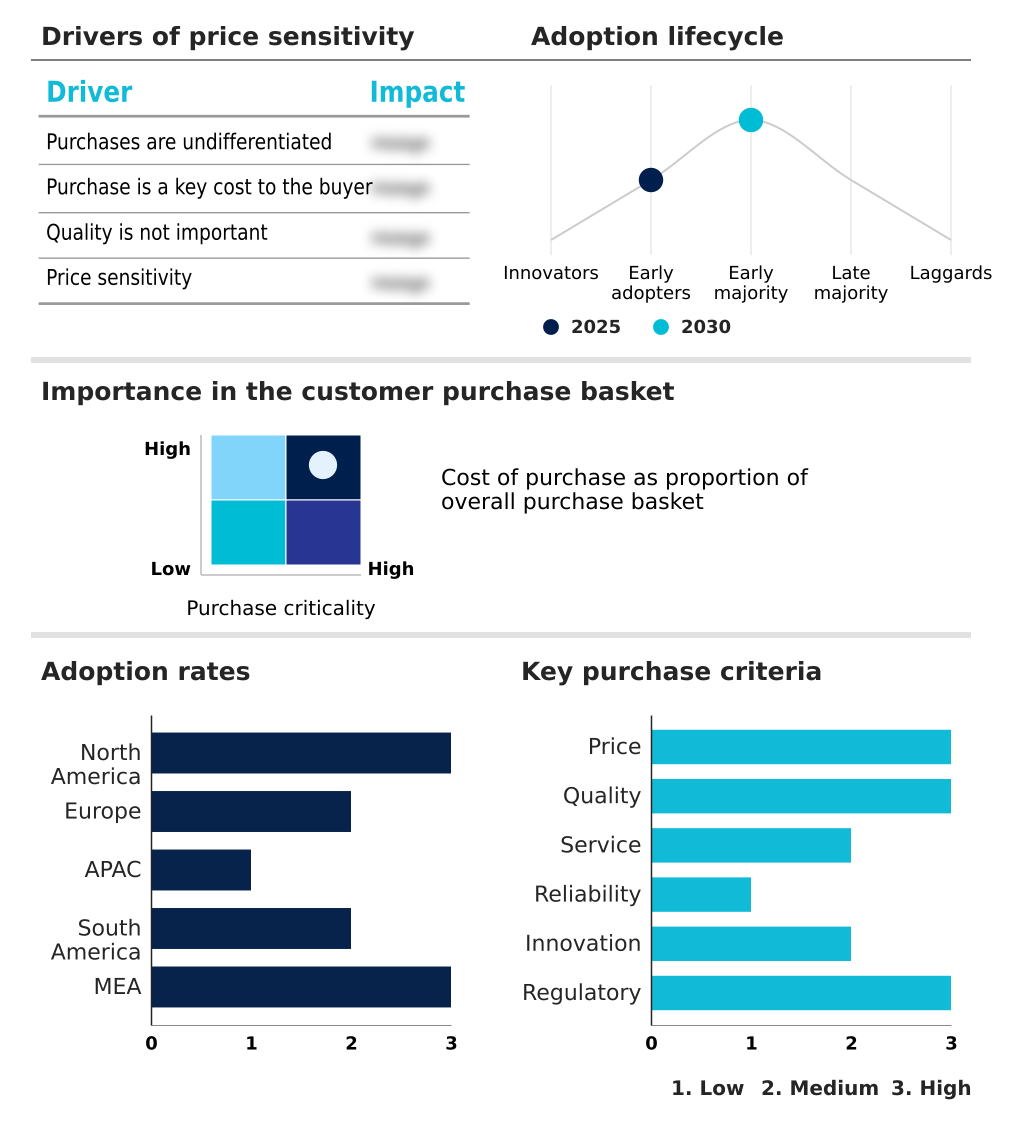
The plant-based burger patties market forecasting report includes the adoption lifecycle of the market, covering from the innovator’s stage to the laggard’s stage. It focuses on adoption rates in different regions based on penetration. Furthermore, the plant-based burger patties market report also includes key purchase criteria and drivers of price sensitivity to help companies evaluate and develop their market growth analysis strategies.
Customer Landscape of Plant-based Burger Patties Industry
Competitive Landscape
Companies are implementing various strategies, such as strategic alliances, plant-based burger patties market forecast, partnerships, mergers and acquisitions, geographical expansion, and product/service launches, to enhance their presence in the industry.
Alpha Foods - Analyst insight indicates a focus on convenient, ready-to-prepare plant-based protein solutions, including patties, tailored for rapid consumer adoption in the meat alternatives category.
The industry research and growth report includes detailed analyses of the competitive landscape of the market and information about key companies, including:
- Alpha Foods
- Amys Kitchen Inc.
- Atlantic Natural Foods LLC
- Beyond Meat Inc.
- Conagra Brands Inc.
- Dr. Praegers Sensible Foods Inc.
- Don Lee Farms
- Heura Foods
- Hungry Planet Inc.
- Impossible Foods Inc.
- Kellanova
- Life Health Foods
- Maple Leaf Foods Inc.
- Nestle SA
- Quorn Foods
- The Kraft Heinz Co.
- Turtle Island Foods, Inc.
- Unilever PLC
- v2 Food Pty Ltd.
- Yves Veggie Cuisine
Qualitative and quantitative analysis of companies has been conducted to help clients understand the wider business environment as well as the strengths and weaknesses of key industry players. Data is qualitatively analyzed to categorize companies as pure play, category-focused, industry-focused, and diversified; it is quantitatively analyzed to categorize companies as dominant, leading, strong, tentative, and weak.
Recent Development and News in Plant-based burger patties market
- In May, 2025, Heura Foods secured substantial financing from the European Investment Bank to scale its additive-free manufacturing processes and expand its market presence.
- In April, 2025, Beyond Meat Inc. debuted its Beyond IV iteration at specialty retailers, featuring a revised protein blend derived from yellow peas and faba beans integrated with avocado oil.
- In March, 2025, Impossible Foods strategically expanded its offline footprint by introducing Impossible Steak Bites, its first pre-cooked plant-based steak alternative for home and foodservice.
- In March, 2025, CV Sciences, Inc. officially entered the plant-based food market with the launch of Lunar Fox Food Co., a brand offering gluten-free alternatives through online and retail channels.
Dive into Technavio’s robust research methodology, blending expert interviews, extensive data synthesis, and validated models for unparalleled Plant-based Burger Patties Market insights. See full methodology.
| Market Scope | |
|---|---|
| Page number | 294 |
| Base year | 2025 |
| Historic period | 2020-2024 |
| Forecast period | 2026-2030 |
| Growth momentum & CAGR | Accelerate at a CAGR of 17.4% |
| Market growth 2026-2030 | USD 8338.1 million |
| Market structure | Fragmented |
| YoY growth 2025-2026(%) | 16.0% |
| Key countries | US, Canada, Mexico, Germany, UK, France, Italy, The Netherlands, Spain, China, Japan, India, South Korea, Australia, Indonesia, Brazil, Argentina, Colombia, UAE, Saudi Arabia, South Africa, Israel and Turkey |
| Competitive landscape | Leading Companies, Market Positioning of Companies, Competitive Strategies, and Industry Risks |
Research Analyst Overview
- The global plant-based burger patties market is defined by a strategic pivot from mere meat imitation to sophisticated food engineering techniques. This evolution is driven by the dual consumer demands for high-fidelity sensory mimicry and nutritional transparency. Leading firms are moving beyond basic textured vegetable protein to employ molecular fermentation and mycoprotein fermentation, achieving superior mouthfeel architecture and flavor profiles.
- A key boardroom decision involves balancing the high R&D cost of precision fermentation against the long-term brand value of achieving superior sensory parity. Success now depends on mastering plant protein isolates from diverse botanical protein sources and integrating them into hybrid formulations and legume-forward formulations.
- Firms that have adopted advanced fat-rendering systems report a 30% increase in positive consumer sensory feedback, a metric directly impacting repeat purchases. This focus on technical excellence, from thermal response mimicry to seitan texturization using vital wheat gluten, is crucial for navigating ultra-processed food skepticism and securing a competitive advantage.
- The commitment to clean label certification and regenerative agriculture practices is no longer optional but a core component of future-proofing product portfolios.
What are the Key Data Covered in this Plant-based Burger Patties Market Research and Growth Report?
-
What is the expected growth of the Plant-based Burger Patties Market between 2026 and 2030?
-
USD 8.34 billion, at a CAGR of 17.4%
-
-
What segmentation does the market report cover?
-
The report is segmented by Distribution Channel (Offline, and Online), Product (Soy-based, Pea protein-based, Wheat protein-based, and Others), Type (Conventional, and Organic) and Geography (North America, Europe, APAC, South America, Middle East and Africa)
-
-
Which regions are analyzed in the report?
-
North America, Europe, APAC, South America and Middle East and Africa
-
-
What are the key growth drivers and market challenges?
-
Strategic mainstreaming of flexitarianism and health-conscious dietary shifts, Persistence of pricing disparity and economic barrier to mass-market adoption
-
-
Who are the major players in the Plant-based Burger Patties Market?
-
Alpha Foods, Amys Kitchen Inc., Atlantic Natural Foods LLC, Beyond Meat Inc., Conagra Brands Inc., Dr. Praegers Sensible Foods Inc., Don Lee Farms, Heura Foods, Hungry Planet Inc., Impossible Foods Inc., Kellanova, Life Health Foods, Maple Leaf Foods Inc., Nestle SA, Quorn Foods, The Kraft Heinz Co., Turtle Island Foods, Inc., Unilever PLC, v2 Food Pty Ltd. and Yves Veggie Cuisine
-
Market Research Insights
- Market dynamics for plant-based meat alternatives are increasingly shaped by the convergence of consumer wellness goals and corporate sustainability objectives. The transition toward flexitarian dietary shifts is no longer a niche trend but a core driver, influencing product development across premium burger sub-segments and gourmet burger sub-segments.
- For manufacturers, this has led to a focus on vegan burger formulations that offer tangible benefits. For example, firms leveraging advanced alternative protein solutions have reported a 15% improvement in consumer repeat-purchase rates.
- Moreover, the strategic alignment with environmental sustainability targets is yielding measurable results; adoption of sustainable protein sources has enabled some food service providers to reduce their menu-related carbon footprint by up to 25%.
- This shift toward plant-based protein portfolio diversification is critical for capturing the modern consumer, who demands both sensory satisfaction and transparent, ethical production from their food service offerings.
We can help! Our analysts can customize this plant-based burger patties market research report to meet your requirements.
 RIA -
RIA - 
