
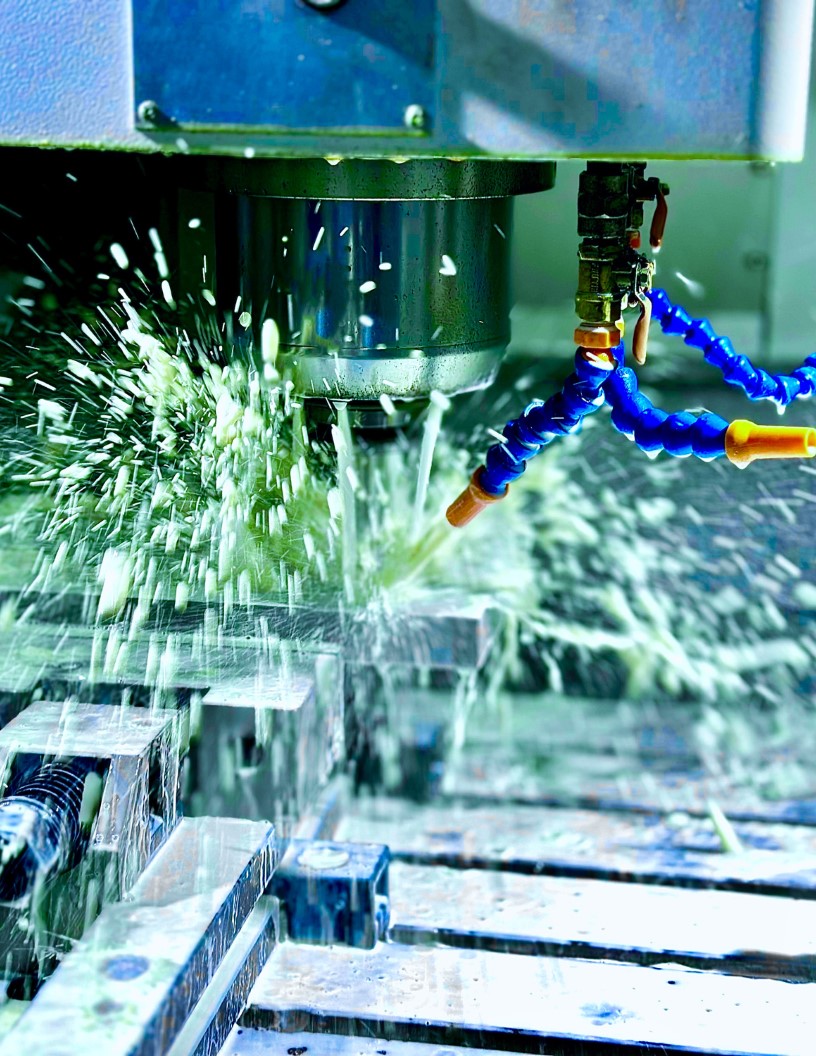

Robotic Cutting, Deburring, and Finishing Market Analysis, Size, and Forecast 2024-2028: North America (Mexico), Europe (France, Germany, Italy, Spain, and UK), Middle East and Africa (UAE), APAC (Australia, China, India, Japan, and South Korea), South America (Brazil), and Rest of World (ROW)

Robotic Cutting, Deburring, and Finishing Market Analysis, Size, and Forecast 2024-2028:
North America (Mexico), Europe (France, Germany, Italy, Spain, and UK), Middle East and Africa (UAE), APAC (Australia, China, India, Japan, and South Korea), South America (Brazil), and Rest of World (ROW)

Published: Mar 2024 159 Pages SKU: IRTNTR77683

Market Overview at a Glance

$4.47 B
Market Opportunity
9.72%
CAGR
9.22
YoY growth 2023-2024(%)

Robotic Cutting, Deburring, and Finishing Market Size 2024-2028

The robotic cutting, deburring, and finishing market size is forecast to increase by USD 4.47 billion at a CAGR of 9.72% between 2023 and 2028.

  • The market is experiencing significant growth due to the increasing demand for industrial robots capable of executing intricate tasks with precision. Technological advancements in robotics services, particularly in the areas of automation and flexibility, are driving this trend. However, the high cost of services for industrial robots poses a significant challenge for market growth. Companies must carefully weigh the benefits of automation against the investment required to implement these technologies. To capitalize on market opportunities, businesses should focus on offering cost-effective solutions and providing value-added services to offset the initial expense.
  • Additionally, collaborating with robotics manufacturers to develop customized, affordable robotic systems could help mitigate the cost barrier and expand market reach. Overall, the market is poised for growth, with technological innovations and the demand for customized solutions driving demand. Companies must navigate the high cost of services to effectively capitalize on these opportunities.

What will be the Size of the Robotic Cutting, Deburring, and Finishing Market during the forecast period?

Robotic Cutting, Deburring, and Finishing Market Size

 Request Free Sample

  • The market continues to evolve, driven by advancements in technologies such as collaborative robots, industrial robots, data analytics, part handling, industrial manufacturing, deep learning, automated cutting, data acquisition, process integration, human-robot collaboration, cutting tools, CNC cutting, and cloud computing. These technologies are seamlessly integrated into manufacturing processes, enabling smart manufacturing in various sectors, including medical device manufacturing and plastic processing. Robotic automation, machine learning, and machine vision are transforming deburring processes, ensuring precise and consistent results. Edge computing and data analytics facilitate real-time process optimization, predictive maintenance, and cycle time reduction. Collaborative robots and human-robot collaboration enable safe and efficient material handling and workpiece processing.
  • Robotic cells, including those for robotic welding and robotic cutting, are becoming more sophisticated, with advanced safety systems, virtual commissioning, and process monitoring capabilities. Finishing systems, including deburring robots and finishing tools, are integrating with process integration and quality control systems to ensure consistent surface finishing and improve overall product quality. The market dynamics are continuously unfolding, with new applications and collaborations emerging in areas such as metal fabrication, plasma cutting, and laser cutting. System integration and digital twin technologies are enabling more efficient and effective manufacturing processes, while artificial intelligence and deep learning are driving innovation in process optimization and robot programming.
  • Overall, the market is characterized by its ongoing evolution and dynamic nature, with new technologies and applications continually emerging to drive efficiency, productivity, and quality in manufacturing processes.

How is this Robotic Cutting, Deburring, and Finishing Industry segmented?

The robotic cutting, deburring, and finishing industry research report provides comprehensive data (region-wise segment analysis), with forecasts and estimates in "USD billion" for the period 2024-2028, as well as historical data from 2018-2022 for the following segments.

  • End-user
    • Automotive industry
    • Metal industry
    • Electronics industry
    • Others
  • Product
    • 6-axis and 7-axis
    • 3-axis to 5-axis
  • End-User
    • OEMs
    • System Integrators
  • Technology Specificity
    • Laser Cutting
    • Water Jet Cutting
    • Plasma Cutting
    • Grinding
  • Geography
    • North America
      • US
      • Mexico
    • Europe
      • France
      • Germany
      • Italy
      • Spain
      • UK
    • Middle East and Africa
      • UAE
    • APAC
      • Australia
      • China
      • India
      • Japan
      • South Korea
    • South America
      • Brazil
    • Rest of World (ROW)

By End-user Insights

The automotive industry segment is estimated to witness significant growth during the forecast period.

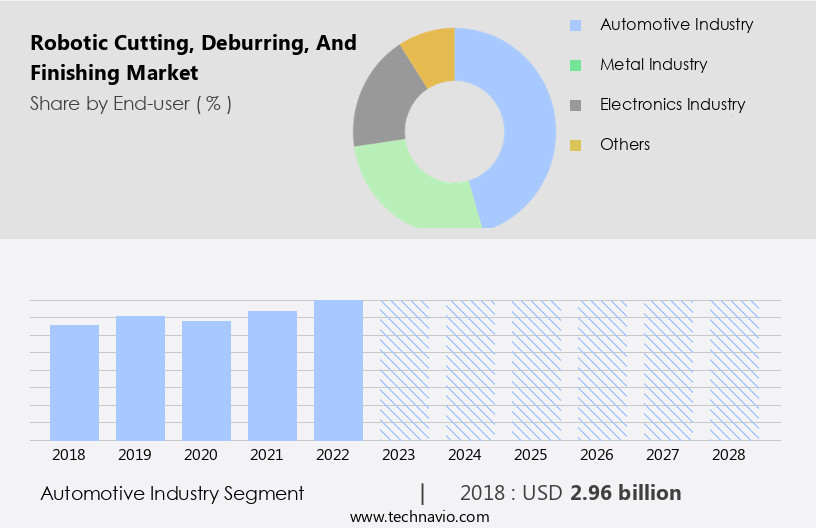
Industrial robots are increasingly being adopted in the automotive industry to streamline manufacturing processes, boost production, enhance quality, minimize scrap, and improve worker safety and energy efficiency. Robotic cutting, deburring, and finishing processes are essential for optimizing operations in this sector. Robotic cutting systems, which utilize technologies like waterjet cutting and plasma cutting, are widely used for precise metal component cutting, such as car bodies and chassis elements. Deburring robots, equipped with advanced deburring tools and machine vision systems, ensure consistent edge finishing and surface quality. Smart manufacturing, machine learning, and edge computing enable real-time process integration, data acquisition, and predictive maintenance, further enhancing the efficiency of these processes.

Collaborative robots and industrial robots, integrated with human-robot collaboration features, enable safer and more efficient workflows. Robotic welding, finishing systems, and material handling solutions are also crucial components of the automotive manufacturing ecosystem. Robotic cells, powered by artificial intelligence and deep learning algorithms, facilitate process optimization and quality control through offline programming, process monitoring, and cycle time reduction. Overall, the integration of these advanced technologies in the automotive manufacturing sector is driving the market towards increased automation, improved productivity, and reduced costs.
Robotic Cutting, Deburring, and Finishing Market Size

Request Free Sample

The Automotive industry segment was valued at USD 2.96 billion in 2018 and showed a gradual increase during the forecast period.

Regional Analysis

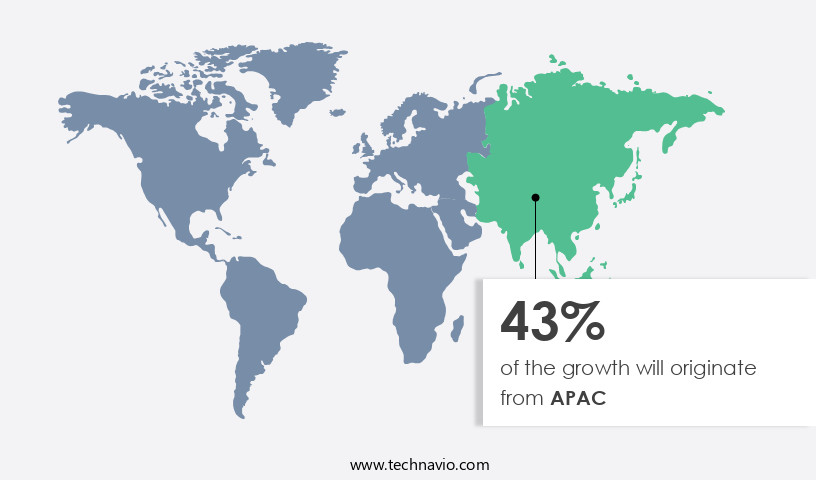
APAC is estimated to contribute 43% to the growth of the global market during the forecast period.Technavio's analysts have elaborately explained the regional trends and drivers that shape the market during the forecast period.
Robotic Cutting, Deburring, and Finishing Market Share by Geography

 Request Free Sample

The market is witnessing significant growth in APAC, particularly in countries like China, Japan, South Korea, Taiwan, and India. This region is a major contributor to market revenue, with a strong presence of leading foreign manufacturers and system integrators. The automotive, F & B, metals, textiles, chemicals, and pharmaceuticals industries are driving demand in this region. Advancements in internet and remote systems technology are also fueling market growth, enabling services such as remote monitoring, virtual commissioning, and offline programming. In addition, the adoption of smart manufacturing, machine learning, and artificial intelligence in industrial manufacturing processes is increasing the demand for robotic automation in deburring and finishing applications.

Local system integrators and industrial robot manufacturers are expected to emerge in APAC, challenging international companies. Plastic processing, laser cutting, and plasma cutting are other sectors that are benefiting from the adoption of robotic technologies for cutting, deburring, and finishing processes. The integration of data analytics, process optimization, and predictive maintenance systems is further enhancing the efficiency and productivity of these processes. Robot programming, quality control, and safety systems are essential components of these applications, ensuring precision and consistency in the final product. The use of collaborative robots and industrial robots, along with finishing tools and end effectors, is enabling human-robot collaboration and improving surface finishing processes.

Cloud computing and system integration are also facilitating the seamless integration of various manufacturing processes, reducing cycle time and improving overall process efficiency.

Market Dynamics

Our researchers analyzed the data with 2023 as the base year, along with the key drivers, trends, and challenges. A holistic analysis of drivers will help companies refine their marketing strategies to gain a competitive advantage.

The Global Robotic Cutting, Deburring, and Finishing Market grows with robotic cutting for automotive and deburring robots for metal fabrication. Robotic finishing market trends highlight 6-axis robotic cutting systems and AI-driven deburring robots. Robotic finishing for aerospace and robotic cutting for electronics drive demand, per robotic cutting market forecast. Laser cutting robots for precision leverage robotic finishing with automation, while robotic deburring for consumer goods ensures quality. Robotic cutting for heavy industry and robotic finishing for semiconductors enhance efficiency. Robotic deburring for medical devices, sustainable robotic cutting solutions, and robotic finishing for smart manufacturing optimize performance. Robotic cutting for industrial automation, advanced robotic deburring technologies, robotic finishing supply chain, robotic cutting for high-volume production, robotic deburring for safety compliance, and robotic finishing for global markets.

What are the key market drivers leading to the rise in the adoption of Robotic Cutting, Deburring, and Finishing Industry?

  • The surge in demand for industrial robots, particularly those capable of executing intricately customized tasks, serves as the primary market driver. 
  • The market is experiencing significant growth due to the increasing automation of industrial processes. Industrial robots are being adopted to optimize processes, reduce cycle times, and enhance quality control. End effectors, such as those used for laser cutting and surface finishing, are essential components of these robotic systems. Process monitoring and predictive maintenance are also critical aspects of robotic automation, ensuring efficient and uninterrupted production. Small and medium-sized businesses are turning to robots and automation to address capacity constraints and labor shortages. In Japan, for instance, labor shortages are expected to intensify, making automation an attractive solution.
  • The market is expected to witness increased investments in these technologies during the forecast period. Robot programming and offline programming are essential for efficient and accurate robot operation. Digital twin technology enables virtual simulation and testing of robotic processes, further enhancing process optimization and reducing errors. Workpiece handling and surface finishing are key applications of robotic automation, providing significant benefits in terms of improved quality, increased productivity, and reduced labor costs. In conclusion, the market is experiencing robust growth due to the increasing demand for process optimization, automation, and labor efficiency in industrial applications. Technological advancements and investments in R&D will continue to drive market growth during the forecast period.

What are the market trends shaping the Robotic Cutting, Deburring, and Finishing Industry?

  • Industrial robotics services are experiencing a significant trend towards technological innovations. This upward market movement is driven by advancements in automation technology.
  • The market is witnessing significant advancements due to the integration of innovative technologies such as machine vision, edge computing, and machine learning (ML) in industrial processes. Waterjet cutting, a popular robotic cutting technique, is benefiting from the adoption of machine vision for improved accuracy and precision. Deburring tools are being enhanced with robotic automation and ML algorithms for efficient deburring of complex geometries. Smart manufacturing is driving the demand for advanced deburring robots and finishing systems. These systems enable real-time monitoring and control, reducing the need for manual intervention. In the medical device manufacturing sector, robotic welding is gaining popularity for its ability to produce high-quality welds with consistent repeatability.
  • Machine tools are being upgraded with advanced software platforms for virtual commissioning and offline programming, enabling faster setup times and increased productivity. ABB, YASKAWA ELECTRIC CORP., KUKA, and FANUC are some of the leading players offering advanced software solutions to improve the efficiency of press tending robots and deburring systems. The integration of IoT and software platforms is revolutionizing the industrial landscape, enabling seamless communication between machines and systems, and paving the way for more efficient and productive manufacturing processes.

What challenges does the Robotic Cutting, Deburring, and Finishing Industry face during its growth?

  • The escalating costs of industrial robotic services pose a significant challenge to the industry's growth trajectory. Industrial robots, including collaborative models, continue to revolutionize manufacturing processes through automated cutting, deburring, and finishing. Data analytics plays a pivotal role in optimizing these applications, enabling real-time process monitoring and predictive maintenance. Industrial manufacturing firms are increasingly adopting deep learning algorithms and data acquisition systems for process integration and improved efficiency. Collaborative robots facilitate human-robot collaboration, allowing for part handling tasks to be shared between workers and machines. Cutting tools, such as CNC cutting systems, are enhanced by the integration of robots, ensuring precision and consistency. Cloud computing further streamlines operations by providing remote access to data and enabling real-time collaboration.
  • Companies in the market face the challenge of ensuring seamless system integration for their clients. This involves navigating contracts, competitive bidding, and evaluations before robots can be deployed. While system integrators offer software packages for easier robot programming and integration, significant investment in system engineering is required to make the process as efficient as possible. Ultimately, the focus is on minimizing any potential loss of time or money for end-users.

Exclusive Customer Landscape

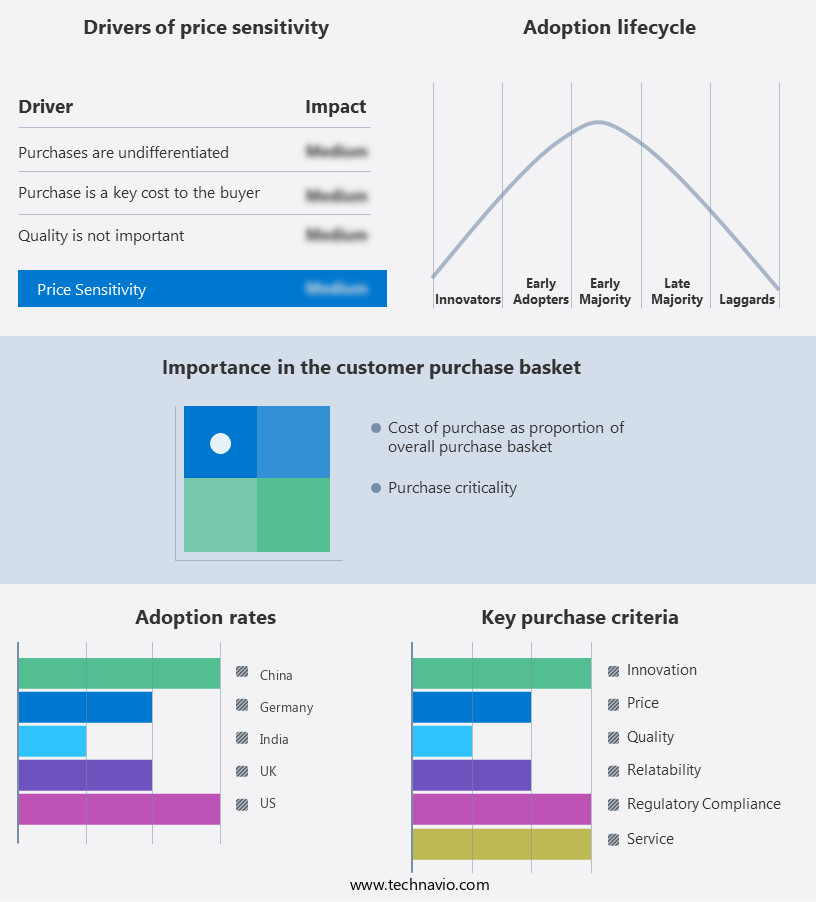
The robotic cutting, deburring, and finishing market forecasting report includes the adoption lifecycle of the market, covering from the innovator's stage to the laggard's stage. It focuses on adoption rates in different regions based on penetration. Furthermore, the robotic cutting, deburring, and finishing market report also includes key purchase criteria and drivers of price sensitivity to help companies evaluate and develop their market growth analysis strategies.
Robotic Cutting, Deburring, and Finishing Market Share by Geography

 Customer Landscape

Key Companies & Market Insights

Companies are implementing various strategies, such as strategic alliances, robotic cutting, deburring, and finishing market forecast, partnerships, mergers and acquisitions, geographical expansion, and product/service launches, to enhance their presence in the industry.

ABB - This company specializes in robotic solutions for casting processing, encompassing cutting, deburring, and finishing techniques. Our offerings include cast cleaning and machining services, enhancing production efficiency and product quality. By leveraging advanced robotics technology, we deliver precise and consistent results, reducing manual labor and associated errors. Our commitment to innovation and excellence sets US apart in the industry, ensuring optimal value for clients.

The industry research and growth report includes detailed analyses of the competitive landscape of the market and information about key companies, including:

  • ABB
  • Fanuc
  • KUKA
  • Yaskawa
  • Kawasaki Robotics
  • Universal Robots
  • Staubli
  • Comau
  • Denso Robotics
  • Mitsubishi Electric
  • Nachi Robotics
  • Omron Adept
  • Hyundai Robotics
  • Doosan Robotics
  • Epson Robotics
  • Techman Robot
  • SIASUN
  • Estun Automation
  • Hans Laser
  • HGTech

Qualitative and quantitative analysis of companies has been conducted to help clients understand the wider business environment as well as the strengths and weaknesses of key industry players. Data is qualitatively analyzed to categorize companies as pure play, category-focused, industry-focused, and diversified; it is quantitatively analyzed to categorize companies as dominant, leading, strong, tentative, and weak.

Recent Development and News in Robotic Cutting, Deburring, And Finishing Market

  • In January 2024, ABB, a leading industrial automation company, introduced its new robotic deburring solution, "Flexible Deburring Cell," which combines robotic cutting, deburring, and finishing capabilities in a single system. This innovation allows manufacturers to automate complex deburring tasks, reducing production time and labor costs (ABB Press Release).
  • In March 2025, Sandvik and General Electric (GE) announced a strategic partnership to integrate Sandvik's robotic cutting and deburring solutions with GE's Additive Manufacturing Systems. This collaboration aims to streamline the production process for metal 3D-printed parts by automating the post-processing stage (Sandvik Press Release).
  • In July 2025, Bosch Rexroth, a leading supplier of industrial technology, completed the acquisition of German robotics company, KUKA. This merger is expected to strengthen Bosch Rexroth's position in the market, providing access to KUKA's advanced automation technologies and expanding its customer base (Bosch Rexroth Press Release).

Research Analyst Overview

The market is experiencing significant growth as industries seek to enhance material removal processes and improve surface treatment for part quality. Robotic grinding and automated inspection are key technologies driving this trend, enabling process efficiency and defect detection. Modular robots and advanced robotics are revolutionizing manufacturing, allowing for flexible automation and dimensional accuracy. Autonomous systems and predictive analytics are also transforming the market, enabling real-time process validation and quality assurance. Three-dimensional printing (3D printer)  and additive manufacturing are further expanding the market's reach, offering new possibilities for surface integrity and cost savings. Burr removal and edge preparation are essential aspects of the robotic workforce, ensuring part quality and tolerance control.

Shot peening and laser ablation are additional surface treatment techniques that offer cost savings and lead time reduction. Reconfigurable systems enable remote monitoring and enable manufacturers to adapt to changing production demands. Overall, the market for robotic cutting, deburring, and finishing is dynamic and innovative, with a focus on improving process efficiency, enhancing surface treatment, and ensuring part quality. The integration of advanced technologies, such as autonomous systems and predictive analytics, is leading to new possibilities and cost savings.

Dive into Technavio's robust research methodology, blending expert interviews, extensive data synthesis, and validated models for unparalleled Robotic Cutting, Deburring, and Finishing Market insights. See full methodology.

Market Scope

Report Coverage

Details

Page number

159

Base year

2023

Historic period

2018-2022

Forecast period

2024-2028

Growth momentum & CAGR

Accelerate at a CAGR of 9.72%

Market growth 2024-2028

USD 4.47 billion

Market structure

Concentrated

YoY growth 2023-2024(%)

9.22

Key countries

US, China, Germany, Japan, UK, Australia, India, France, Brazil, UAE, Rest of World (ROW), Saudi Arabia, France, South Korea, Mexico, Italy, and Spain

Competitive landscape

Leading Companies, Market Positioning of Companies, Competitive Strategies, and Industry Risks

Request Free Sample

What are the Key Data Covered in this Robotic Cutting, Deburring, and Finishing Market Research and Growth Report?

  • CAGR of the Robotic Cutting, Deburring, and Finishing industry during the forecast period
  • Detailed information on factors that will drive the growth and forecasting between 2024 and 2028
  • Precise estimation of the size of the market and its contribution of the industry in focus to the parent market
  • Accurate predictions about upcoming growth and trends and changes in consumer behaviour
  • Growth of the market across APAC, Europe, North America, South America, and Middle East and Africa
  • Thorough analysis of the market's competitive landscape and detailed information about companies
  • Comprehensive analysis of factors that will challenge the robotic cutting, deburring, and finishing market growth of industry companies

We can help! Our analysts can customize this robotic cutting, deburring, and finishing market research report to meet your requirements.

Get in touch

1 Executive Summary

  • 1.1 Market overview
    • Exhibit 01: Executive Summary – Chart on Market Overview
    • Exhibit 02: Executive Summary – Data Table on Market Overview
    • Exhibit 03: Executive Summary – Chart on Global Market Characteristics
    • Exhibit 04: Executive Summary – Chart on Market by Geography
    • Exhibit 05: Executive Summary – Chart on Market Segmentation by End-user
    • Exhibit 06: Executive Summary – Chart on Market Segmentation by Product
    • Exhibit 07: Executive Summary – Chart on Incremental Growth
    • Exhibit 08: Executive Summary – Data Table on Incremental Growth
    • Exhibit 09: Executive Summary – Chart on Vendor Market Positioning

2 Market Landscape

  • 2.1 Market ecosystem
    • Exhibit 10: Parent market
    • Exhibit 11: Market Characteristics

3 Market Sizing

  • 3.1 Market definition
    • Exhibit 12: Offerings of vendors included in the market definition
  • 3.2 Market segment analysis
    • Exhibit 13: Market segments
  • 3.3 Market size 2023
    • 3.4 Market outlook: Forecast for 2023-2028
      • Exhibit 14: Chart on Global - Market size and forecast 2023-2028 ($ million)
      • Exhibit 15: Data Table on Global - Market size and forecast 2023-2028 ($ million)
      • Exhibit 16: Chart on Global Market: Year-over-year growth 2023-2028 (%)
      • Exhibit 17: Data Table on Global Market: Year-over-year growth 2023-2028 (%)

    4 Historic Market Size

    • 4.1 Global robotic cutting, deburring, and finishing market 2018 - 2022
      • Exhibit 18: Historic Market Size – Data Table on global robotic cutting, deburring, and finishing market 2018 - 2022 ($ million)
    • 4.2 End-user Segment Analysis 2018 - 2022
      • Exhibit 19: Historic Market Size – End-user Segment 2018 - 2022 ($ million)
    • 4.3 Product Segment Analysis 2018 - 2022
      • Exhibit 20: Historic Market Size – Product Segment 2018 - 2022 ($ million)
    • 4.4 Geography Segment Analysis 2018 - 2022
      • Exhibit 21: Historic Market Size – Geography Segment 2018 - 2022 ($ million)
    • 4.5 Country Segment Analysis 2018 - 2022
      • Exhibit 22: Historic Market Size – Country Segment 2018 - 2022 ($ million)

    5 Five Forces Analysis

    • 5.1 Five forces summary
      • Exhibit 23: Five forces analysis - Comparison between 2023 and 2028
    • 5.2 Bargaining power of buyers
      • Exhibit 24: Chart on Bargaining power of buyers – Impact of key factors 2023 and 2028
    • 5.3 Bargaining power of suppliers
      • Exhibit 25: Bargaining power of suppliers – Impact of key factors in 2023 and 2028
    • 5.4 Threat of new entrants
      • Exhibit 26: Threat of new entrants – Impact of key factors in 2023 and 2028
    • 5.5 Threat of substitutes
      • Exhibit 27: Threat of substitutes – Impact of key factors in 2023 and 2028
    • 5.6 Threat of rivalry
      • Exhibit 28: Threat of rivalry – Impact of key factors in 2023 and 2028
    • 5.7 Market condition
      • Exhibit 29: Chart on Market condition - Five forces 2023 and 2028

    6 Market Segmentation by End-user

    • 6.1 Market segments
      • Chart on End-user - Market share (2023-2028) (%)
      • Data Table on End-user - Market share (2023-2028) (%)
    • 6.2 Comparison by End-user
      • Chart on Comparison by End-user
      • Data Table on Comparison by End-user
    • 6.3 Automotive industry - Market size and forecast (2023-2028)
      • Chart on Automotive industry - Market size and forecast (2023-2028) ($ million)
      • Data Table on Automotive industry - Market size and forecast (2023-2028) ($ million)
      • Chart on Automotive industry - Year-over-year growth (2023-2028) (%)
      • Data Table on Automotive industry - Year-over-year growth (2023-2028) (%)
    • 6.4 Metal industry - Market size and forecast (2023-2028)
      • Chart on Metal industry - Market size and forecast (2023-2028) ($ million)
      • Data Table on Metal industry - Market size and forecast (2023-2028) ($ million)
      • Chart on Metal industry - Year-over-year growth (2023-2028) (%)
      • Data Table on Metal industry - Year-over-year growth (2023-2028) (%)
    • 6.5 Electronics industry - Market size and forecast (2023-2028)
      • Chart on Electronics industry - Market size and forecast (2023-2028) ($ million)
      • Data Table on Electronics industry - Market size and forecast (2023-2028) ($ million)
      • Chart on Electronics industry - Year-over-year growth (2023-2028) (%)
      • Data Table on Electronics industry - Year-over-year growth (2023-2028) (%)
    • 6.6 Others - Market size and forecast (2023-2028)
      • Chart on Others - Market size and forecast (2023-2028) ($ million)
      • Data Table on Others - Market size and forecast (2023-2028) ($ million)
      • Chart on Others - Year-over-year growth (2023-2028) (%)
      • Data Table on Others - Year-over-year growth (2023-2028) (%)
    • 6.7 Market opportunity by End-user
      • Market opportunity by End-user ($ million)
      • Data Table on Market opportunity by End-user ($ million)

    7 Market Segmentation by Product

    • 7.1 Market segments
      • Chart on Product - Market share (2023-2028) (%)
      • Data Table on Product - Market share (2023-2028) (%)
    • 7.2 Comparison by Product
      • Chart on Comparison by Product
      • Data Table on Comparison by Product
    • 6-axis and 7-axis - Market size and forecast (2023-2028)
      • Chart on 6-axis and 7-axis - Market size and forecast (2023-2028) ($ million)
      • Data Table on 6-axis and 7-axis - Market size and forecast (2023-2028) ($ million)
      • Chart on 6-axis and 7-axis - Year-over-year growth (2023-2028) (%)
      • Data Table on 6-axis and 7-axis - Year-over-year growth (2023-2028) (%)
    • 3-axis to 5-axis - Market size and forecast (2023-2028)
      • Chart on 3-axis to 5-axis - Market size and forecast (2023-2028) ($ million)
      • Data Table on 3-axis to 5-axis - Market size and forecast (2023-2028) ($ million)
      • Chart on 3-axis to 5-axis - Year-over-year growth (2023-2028) (%)
      • Data Table on 3-axis to 5-axis - Year-over-year growth (2023-2028) (%)
    • 7.5 Market opportunity by Product
      • Market opportunity by Product ($ million)
      • Data Table on Market opportunity by Product ($ million)

    8 Market Segmentation by End-User

    • 8.1 Market segments
      • Chart on End-User - Market share (2023-2028) (%)
      • Data Table on End-User - Market share (2023-2028) (%)
    • 8.2 Comparison by End-User
      • Chart on Comparison by End-User
      • Data Table on Comparison by End-User
    • 8.3 OEMs - Market size and forecast (2023-2028)
      • Chart on OEMs - Market size and forecast (2023-2028) ($ million)
      • Data Table on OEMs - Market size and forecast (2023-2028) ($ million)
      • Chart on OEMs - Year-over-year growth (2023-2028) (%)
      • Data Table on OEMs - Year-over-year growth (2023-2028) (%)
    • 8.4 System Integrators - Market size and forecast (2023-2028)
      • Chart on System Integrators - Market size and forecast (2023-2028) ($ million)
      • Data Table on System Integrators - Market size and forecast (2023-2028) ($ million)
      • Chart on System Integrators - Year-over-year growth (2023-2028) (%)
      • Data Table on System Integrators - Year-over-year growth (2023-2028) (%)
    • 8.5 Market opportunity by End-User
      • Market opportunity by End-User ($ million)
      • Data Table on Market opportunity by End-User ($ million)

    9 Market Segmentation by Technology Specificity

    • 9.1 Market segments
      • Chart on Technology Specificity - Market share (2023-2028) (%)
      • Data Table on Technology Specificity - Market share (2023-2028) (%)
    • 9.2 Comparison by Technology Specificity
      • Chart on Comparison by Technology Specificity
      • Data Table on Comparison by Technology Specificity
    • 9.3 Laser Cutting - Market size and forecast (2023-2028)
      • Chart on Laser Cutting - Market size and forecast (2023-2028) ($ million)
      • Data Table on Laser Cutting - Market size and forecast (2023-2028) ($ million)
      • Chart on Laser Cutting - Year-over-year growth (2023-2028) (%)
      • Data Table on Laser Cutting - Year-over-year growth (2023-2028) (%)
    • 9.4 Water Jet Cutting - Market size and forecast (2023-2028)
      • Chart on Water Jet Cutting - Market size and forecast (2023-2028) ($ million)
      • Data Table on Water Jet Cutting - Market size and forecast (2023-2028) ($ million)
      • Chart on Water Jet Cutting - Year-over-year growth (2023-2028) (%)
      • Data Table on Water Jet Cutting - Year-over-year growth (2023-2028) (%)
    • 9.5 Plasma Cutting - Market size and forecast (2023-2028)
      • Chart on Plasma Cutting - Market size and forecast (2023-2028) ($ million)
      • Data Table on Plasma Cutting - Market size and forecast (2023-2028) ($ million)
      • Chart on Plasma Cutting - Year-over-year growth (2023-2028) (%)
      • Data Table on Plasma Cutting - Year-over-year growth (2023-2028) (%)
    • 9.6 Grinding - Market size and forecast (2023-2028)
      • Chart on Grinding - Market size and forecast (2023-2028) ($ million)
      • Data Table on Grinding - Market size and forecast (2023-2028) ($ million)
      • Chart on Grinding - Year-over-year growth (2023-2028) (%)
      • Data Table on Grinding - Year-over-year growth (2023-2028) (%)
    • 9.7 Market opportunity by Technology Specificity
      • Market opportunity by Technology Specificity ($ million)
      • Data Table on Market opportunity by Technology Specificity ($ million)

    8 Customer Landscape

    • 8.1 Customer landscape overview
      • Exhibit 66: Analysis of price sensitivity, lifecycle, customer purchase basket, adoption rates, and purchase criteria

    9 Geographic Landscape

    • 9.1 Geographic segmentation
      • Exhibit 67: Chart on Market share by geography 2023-2028 (%)
      • Exhibit 68: Data Table on Market share by geography 2023-2028 (%)
    • 9.2 Geographic comparison
      • Exhibit 69: Chart on Geographic comparison
      • Exhibit 70: Data Table on Geographic comparison
    • 9.3 APAC - Market size and forecast 2023-2028
      • Exhibit 71: Chart on APAC - Market size and forecast 2023-2028 ($ million)
      • Exhibit 72: Data Table on APAC - Market size and forecast 2023-2028 ($ million)
      • Exhibit 73: Chart on APAC - Year-over-year growth 2023-2028 (%)
      • Exhibit 74: Data Table on APAC - Year-over-year growth 2023-2028 (%)
    • 9.4 Europe - Market size and forecast 2023-2028
      • Exhibit 75: Chart on Europe - Market size and forecast 2023-2028 ($ million)
      • Exhibit 76: Data Table on Europe - Market size and forecast 2023-2028 ($ million)
      • Exhibit 77: Chart on Europe - Year-over-year growth 2023-2028 (%)
      • Exhibit 78: Data Table on Europe - Year-over-year growth 2023-2028 (%)
    • 9.5 North America - Market size and forecast 2023-2028
      • Exhibit 79: Chart on North America - Market size and forecast 2023-2028 ($ million)
      • Exhibit 80: Data Table on North America - Market size and forecast 2023-2028 ($ million)
      • Exhibit 81: Chart on North America - Year-over-year growth 2023-2028 (%)
      • Exhibit 82: Data Table on North America - Year-over-year growth 2023-2028 (%)
    • 9.6 South America - Market size and forecast 2023-2028
      • Exhibit 83: Chart on South America - Market size and forecast 2023-2028 ($ million)
      • Exhibit 84: Data Table on South America - Market size and forecast 2023-2028 ($ million)
      • Exhibit 85: Chart on South America - Year-over-year growth 2023-2028 (%)
      • Exhibit 86: Data Table on South America - Year-over-year growth 2023-2028 (%)
    • 9.7 Middle East and Africa - Market size and forecast 2023-2028
      • Exhibit 87: Chart on Middle East and Africa - Market size and forecast 2023-2028 ($ million)
      • Exhibit 88: Data Table on Middle East and Africa - Market size and forecast 2023-2028 ($ million)
      • Exhibit 89: Chart on Middle East and Africa - Year-over-year growth 2023-2028 (%)
      • Exhibit 90: Data Table on Middle East and Africa - Year-over-year growth 2023-2028 (%)
    • 9.8 China - Market size and forecast 2023-2028
      • Exhibit 91: Chart on China - Market size and forecast 2023-2028 ($ million)
      • Exhibit 92: Data Table on China - Market size and forecast 2023-2028 ($ million)
      • Exhibit 93: Chart on China - Year-over-year growth 2023-2028 (%)
      • Exhibit 94: Data Table on China - Year-over-year growth 2023-2028 (%)
    • 9.9 US - Market size and forecast 2023-2028
      • Exhibit 95: Chart on US - Market size and forecast 2023-2028 ($ million)
      • Exhibit 96: Data Table on US - Market size and forecast 2023-2028 ($ million)
      • Exhibit 97: Chart on US - Year-over-year growth 2023-2028 (%)
      • Exhibit 98: Data Table on US - Year-over-year growth 2023-2028 (%)
    • 9.10 India - Market size and forecast 2023-2028
      • Exhibit 99: Chart on India - Market size and forecast 2023-2028 ($ million)
      • Exhibit 100: Data Table on India - Market size and forecast 2023-2028 ($ million)
      • Exhibit 101: Chart on India - Year-over-year growth 2023-2028 (%)
      • Exhibit 102: Data Table on India - Year-over-year growth 2023-2028 (%)
    • 9.11 UK - Market size and forecast 2023-2028
      • Exhibit 103: Chart on UK - Market size and forecast 2023-2028 ($ million)
      • Exhibit 104: Data Table on UK - Market size and forecast 2023-2028 ($ million)
      • Exhibit 105: Chart on UK - Year-over-year growth 2023-2028 (%)
      • Exhibit 106: Data Table on UK - Year-over-year growth 2023-2028 (%)
    • 9.12 Germany - Market size and forecast 2023-2028
      • Exhibit 107: Chart on Germany - Market size and forecast 2023-2028 ($ million)
      • Exhibit 108: Data Table on Germany - Market size and forecast 2023-2028 ($ million)
      • Exhibit 109: Chart on Germany - Year-over-year growth 2023-2028 (%)
      • Exhibit 110: Data Table on Germany - Year-over-year growth 2023-2028 (%)
    • 9.13 Market opportunity by geography
      • Exhibit 111: Market opportunity by geography ($ million)
      • Exhibit 112: Data Tables on Market opportunity by geography ($ million)
    • 11.14 US - Market size and forecast (2023-2028)
      • Chart on US - Market size and forecast (2023-2028) ($ million)
      • Data Table on US - Market size and forecast (2023-2028) ($ million)
      • Chart on US - Year-over-year growth (2023-2028) (%)
      • Data Table on US - Year-over-year growth (2023-2028) (%)
    • 11.15 Japan - Market size and forecast (2023-2028)
      • Chart on Japan - Market size and forecast (2023-2028) ($ million)
      • Data Table on Japan - Market size and forecast (2023-2028) ($ million)
      • Chart on Japan - Year-over-year growth (2023-2028) (%)
      • Data Table on Japan - Year-over-year growth (2023-2028) (%)
    • 11.16 Australia - Market size and forecast (2023-2028)
      • Chart on Australia - Market size and forecast (2023-2028) ($ million)
      • Data Table on Australia - Market size and forecast (2023-2028) ($ million)
      • Chart on Australia - Year-over-year growth (2023-2028) (%)
      • Data Table on Australia - Year-over-year growth (2023-2028) (%)
    • 11.17 France - Market size and forecast (2023-2028)
      • Chart on France - Market size and forecast (2023-2028) ($ million)
      • Data Table on France - Market size and forecast (2023-2028) ($ million)
      • Chart on France - Year-over-year growth (2023-2028) (%)
      • Data Table on France - Year-over-year growth (2023-2028) (%)
    • 11.18 Brazil - Market size and forecast (2023-2028)
      • Chart on Brazil - Market size and forecast (2023-2028) ($ million)
      • Data Table on Brazil - Market size and forecast (2023-2028) ($ million)
      • Chart on Brazil - Year-over-year growth (2023-2028) (%)
      • Data Table on Brazil - Year-over-year growth (2023-2028) (%)
    • 11.19 UAE - Market size and forecast (2023-2028)
      • Chart on UAE - Market size and forecast (2023-2028) ($ million)
      • Data Table on UAE - Market size and forecast (2023-2028) ($ million)
      • Chart on UAE - Year-over-year growth (2023-2028) (%)
      • Data Table on UAE - Year-over-year growth (2023-2028) (%)
    • 11.20 Rest of World (ROW) - Market size and forecast (2023-2028)
      • Chart on Rest of World (ROW) - Market size and forecast (2023-2028) ($ million)
      • Data Table on Rest of World (ROW) - Market size and forecast (2023-2028) ($ million)
      • Chart on Rest of World (ROW) - Year-over-year growth (2023-2028) (%)
      • Data Table on Rest of World (ROW) - Year-over-year growth (2023-2028) (%)
    • 11.21 Saudi Arabia - Market size and forecast (2023-2028)
      • Chart on Saudi Arabia - Market size and forecast (2023-2028) ($ million)
      • Data Table on Saudi Arabia - Market size and forecast (2023-2028) ($ million)
      • Chart on Saudi Arabia - Year-over-year growth (2023-2028) (%)
      • Data Table on Saudi Arabia - Year-over-year growth (2023-2028) (%)
    • 11.22 South Korea - Market size and forecast (2023-2028)
      • Chart on South Korea - Market size and forecast (2023-2028) ($ million)
      • Data Table on South Korea - Market size and forecast (2023-2028) ($ million)
      • Chart on South Korea - Year-over-year growth (2023-2028) (%)
      • Data Table on South Korea - Year-over-year growth (2023-2028) (%)
    • 11.23 Mexico - Market size and forecast (2023-2028)
      • Chart on Mexico - Market size and forecast (2023-2028) ($ million)
      • Data Table on Mexico - Market size and forecast (2023-2028) ($ million)
      • Chart on Mexico - Year-over-year growth (2023-2028) (%)
      • Data Table on Mexico - Year-over-year growth (2023-2028) (%)
    • 11.24 Italy - Market size and forecast (2023-2028)
      • Chart on Italy - Market size and forecast (2023-2028) ($ million)
      • Data Table on Italy - Market size and forecast (2023-2028) ($ million)
      • Chart on Italy - Year-over-year growth (2023-2028) (%)
      • Data Table on Italy - Year-over-year growth (2023-2028) (%)
    • 11.25 Spain - Market size and forecast (2023-2028)
      • Chart on Spain - Market size and forecast (2023-2028) ($ million)
      • Data Table on Spain - Market size and forecast (2023-2028) ($ million)
      • Chart on Spain - Year-over-year growth (2023-2028) (%)
      • Data Table on Spain - Year-over-year growth (2023-2028) (%)

    10 Drivers, Challenges, and Trends

    • 10.1 Market drivers
      • 10.2 Market challenges
        • 10.3 Impact of drivers and challenges
          • Exhibit 113: Impact of drivers and challenges in 2023 and 2028
        • 10.4 Market trends

          11 Vendor Landscape

          • 11.1 Overview
            • 11.2 Vendor landscape
              • Exhibit 114: Overview on Criticality of inputs and Factors of differentiation
            • 11.3 Landscape disruption
              • Exhibit 115: Overview on factors of disruption
            • 11.4 Industry risks
              • Exhibit 116: Impact of key risks on business

            14 Competitive Analysis

            • 14.1 Companies profiled
              • Companies covered
            • 14.2 Market positioning of companies
              • Matrix on companies position and classification
            • 14.3 ABB
              • ABB - Overview
              • ABB - Product / Service
              • ABB - Key offerings
            • 14.4 Fanuc
              • Fanuc - Overview
              • Fanuc - Product / Service
              • Fanuc - Key offerings
            • 14.5 KUKA
              • KUKA - Overview
              • KUKA - Product / Service
              • KUKA - Key offerings
            • 14.6 Yaskawa
              • Yaskawa - Overview
              • Yaskawa - Product / Service
              • Yaskawa - Key offerings
            • 14.7 Kawasaki Robotics
              • Kawasaki Robotics - Overview
              • Kawasaki Robotics - Product / Service
              • Kawasaki Robotics - Key offerings
            • 14.8 Universal Robots
              • Universal Robots - Overview
              • Universal Robots - Product / Service
              • Universal Robots - Key offerings
            • 14.9 Staubli
              • Staubli - Overview
              • Staubli - Product / Service
              • Staubli - Key offerings
            • 14.10 Comau
              • Comau - Overview
              • Comau - Product / Service
              • Comau - Key offerings
            • 14.11 Denso Robotics
              • Denso Robotics - Overview
              • Denso Robotics - Product / Service
              • Denso Robotics - Key offerings
            • 14.12 Mitsubishi Electric
              • Mitsubishi Electric - Overview
              • Mitsubishi Electric - Product / Service
              • Mitsubishi Electric - Key offerings
            • 14.13 Nachi Robotics
              • Nachi Robotics - Overview
              • Nachi Robotics - Product / Service
              • Nachi Robotics - Key offerings
            • 14.14 Omron Adept
              • Omron Adept - Overview
              • Omron Adept - Product / Service
              • Omron Adept - Key offerings
            • 14.15 Hyundai Robotics
              • Hyundai Robotics - Overview
              • Hyundai Robotics - Product / Service
              • Hyundai Robotics - Key offerings
            • 14.16 Doosan Robotics
              • Doosan Robotics - Overview
              • Doosan Robotics - Product / Service
              • Doosan Robotics - Key offerings
            • 14.17 Epson Robotics
              • Epson Robotics - Overview
              • Epson Robotics - Product / Service
              • Epson Robotics - Key offerings
            • 14.18 Techman Robot
              • Techman Robot - Overview
              • Techman Robot - Product / Service
              • Techman Robot - Key offerings
            • 14.19 SIASUN
              • SIASUN - Overview
              • SIASUN - Product / Service
              • SIASUN - Key offerings
            • 14.20 Estun Automation
              • Estun Automation - Overview
              • Estun Automation - Product / Service
              • Estun Automation - Key offerings
            • 14.21 Hans Laser
              • Hans Laser - Overview
              • Hans Laser - Product / Service
              • Hans Laser - Key offerings
            • 14.22 HGTech
              • HGTech - Overview
              • HGTech - Product / Service
              • HGTech - Key offerings
            • 14.23 Daihen Corp.
              • Daihen Corp. - Overview
              • Daihen Corp. - Product / Service
              • Daihen Corp. - Key offerings
            • 14.24 FANUC Corp.
              • FANUC Corp. - Overview
              • FANUC Corp. - Product / Service
              • FANUC Corp. - Key offerings
            • 14.25 IPG Photonics Corp.
              • IPG Photonics Corp. - Overview
              • IPG Photonics Corp. - Product / Service
              • IPG Photonics Corp. - Key offerings
            • 14.26 Kawasaki Heavy Industries Ltd.
              • Kawasaki Heavy Industries Ltd. - Overview
              • Kawasaki Heavy Industries Ltd. - Product / Service
              • Kawasaki Heavy Industries Ltd. - Key offerings
            • 14.27 MIDEA Group Co. Ltd.
              • MIDEA Group Co. Ltd. - Overview
              • MIDEA Group Co. Ltd. - Product / Service
              • MIDEA Group Co. Ltd. - Key offerings
            • 14.28 Novanta Inc.
              • Novanta Inc. - Overview
              • Novanta Inc. - Product / Service
              • Novanta Inc. - Key offerings
            • 14.29 Staubli International AG
              • Staubli International AG - Overview
              • Staubli International AG - Product / Service
              • Staubli International AG - Key offerings
            • 14.30 Stellantis NV
              • Stellantis NV - Overview
              • Stellantis NV - Product / Service
              • Stellantis NV - Key offerings
            • 14.31 Teradyne Inc.
              • Teradyne Inc. - Overview
              • Teradyne Inc. - Product / Service
              • Teradyne Inc. - Key offerings
            • 14.32 Yaskawa Electric Corp.
              • Yaskawa Electric Corp. - Overview
              • Yaskawa Electric Corp. - Product / Service
              • Yaskawa Electric Corp. - Key offerings
            • 14.33 ABB Ltd.
              • ABB Ltd. - Overview
              • ABB Ltd. - Product / Service
              • ABB Ltd. - Key offerings
            • 14.34 Arcos Srl
              • Arcos Srl - Overview
              • Arcos Srl - Product / Service
              • Arcos Srl - Key offerings
            • 14.35 Fastems Group
              • Fastems Group - Overview
              • Fastems Group - Product / Service
              • Fastems Group - Key offerings
            • 14.36 Romheld Automation Pty Ltd.
              • Romheld Automation Pty Ltd. - Overview
              • Romheld Automation Pty Ltd. - Product / Service
              • Romheld Automation Pty Ltd. - Key offerings

            13 Appendix

            • 13.1 Scope of the report
              • 13.2 Inclusions and exclusions checklist
                • Exhibit 176: Inclusions checklist
                • Exhibit 177: Exclusions checklist
              • 13.3 Currency conversion rates for US$
                • Exhibit 178: Currency conversion rates for US$
              • 13.4 Research methodology
                • Exhibit 179: Research methodology
                • Exhibit 180: Validation techniques employed for market sizing
                • Exhibit 181: Information sources
              • 13.5 List of abbreviations
                • Exhibit 182: List of abbreviations

              Research Methodology

              Technavio presents a detailed picture of the market by way of study, synthesis, and summation of data from multiple sources. The analysts have presented the various facets of the market with a particular focus on identifying the key industry influencers. The data thus presented is comprehensive, reliable, and the result of extensive research, both primary and secondary.

              INFORMATION SOURCES

              Primary sources

              • Manufacturers and suppliers
              • Channel partners
              • Industry experts
              • Strategic decision makers

              Secondary sources

              • Industry journals and periodicals
              • Government data
              • Financial reports of key industry players
              • Historical data
              • Press releases

              DATA ANALYSIS

              Data Synthesis

              • Collation of data
              • Estimation of key figures
              • Analysis of derived insights

              Data Validation

              • Triangulation with data models
              • Reference against proprietary databases
              • Corroboration with industry experts

              REPORT WRITING

              Qualitative

              • Market drivers
              • Market challenges
              • Market trends
              • Five forces analysis

              Quantitative

              • Market size and forecast
              • Market segmentation
              • Geographical insights
              • Competitive landscape

              Interested in this report?

              Get your sample now to see our research methodology and insights!

              Download Now

              Frequently Asked Questions

              Robotic Cutting, Deburring, and Finishing market growth will increase by $ 4.47 bn during 2024-2028 .

              The Robotic Cutting, Deburring, and Finishing market is expected to grow at a CAGR of 9.72% during 2024-2028 .

              Robotic Cutting, Deburring, and Finishing market is segmented by End-user( Automotive industry, Metal industry, Electronics industry, Others) Product( 6-axis and 7-axis, 3-axis to 5-axis, 3-axis to 5-axis)

              ABB, Fanuc, KUKA, Yaskawa, Kawasaki Robotics, Universal Robots, Staubli, Comau, Denso Robotics, Mitsubishi Electric, Nachi Robotics, Omron Adept, Hyundai Robotics, Doosan Robotics, Epson Robotics, Techman Robot, SIASUN, Estun Automation, Hans Laser, HGTech are a few of the key vendors in the Robotic Cutting, Deburring, and Finishing market.

              APAC will register the highest growth rate of 43% among the other regions. Therefore, the Robotic Cutting, Deburring, and Finishing market in APAC is expected to garner significant business opportunities for the vendors during the forecast period.

              US, China, Germany, Japan, UK, Australia, India, France, Brazil, UAE, Rest of World (ROW), Saudi Arabia, France, South Korea, Mexico, Italy, Spain

              • Surge in demand for industrial robots for highly customized tasksWith technological advancements and investments in R and D in robotics is the driving factor this market.
              • the global robotic cutting is the driving factor this market.
              • deburring is the driving factor this market.
              • and finishing market is experiencing strong demand for a variety of industrial applications. Manufacturers are increasingly automating their day-to-day manual processes with industrial robots to improve production and operational efficiency. They allow for smaller margins of error while also increasing employee safety. Small and medium-sized businesses are finding it increasingly difficult to secure adequate production line capacity. Labor shortages in countries like Japan will exacerbate the situation. To meet rising demand is the driving factor this market.
              • industrial players are expected to invest more in technologies such as robots and automation during the forecast period. By 2050 is the driving factor this market.
              • the working-age population in the world is expected to decrease significantly is the driving factor this market.
              • especially in countries such as China is the driving factor this market.
              • Japan is the driving factor this market.
              • Germany is the driving factor this market.
              • Russia is the driving factor this market.
              • and France. This fear has triggered increased adoption of applications such as material handling to reduce the dependency on human workers in operations. The ability of robots to multitask and work within a short span of time has also resulted in an increase in their demand in industries. There is a rising need for employees who can oversee the whole operation continuously. As lengthy shift times can reduce the productivity and efficiency of employees along with the possibility of faults due to humaan error is the driving factor this market.
              • industrial players will opt for industrial robots. Industrial robots are being used to improve a variety of applications is the driving factor this market.
              • including welding and soldering is the driving factor this market.
              • painting is the driving factor this market.
              • assembly and disassembly is the driving factor this market.
              • and cutting and milling is the driving factor this market.
              • among others. The automotive sector contributes the most revenue to the global industrial robots market among end-users. End-users are increasingly demanding application-specific robots. Many vendors are creating customized robots to meet market demand and gain a competitive advantage over competitors. Thus is the driving factor this market.
              • the increase in the demand for application-specific industrial robots will positively impact manufacturers that can launch services to cater to customized requirements and will propel the growth of the global robotic cutting is the driving factor this market.
              • deburring is the driving factor this market.
              • and finishing market during the forecast period. is the driving factor this market.

              The Robotic Cutting, Deburring, and Finishing market vendors should focus on grabbing business opportunities from the Automotive industry segment as it accounted for the largest market share in the base year.
