
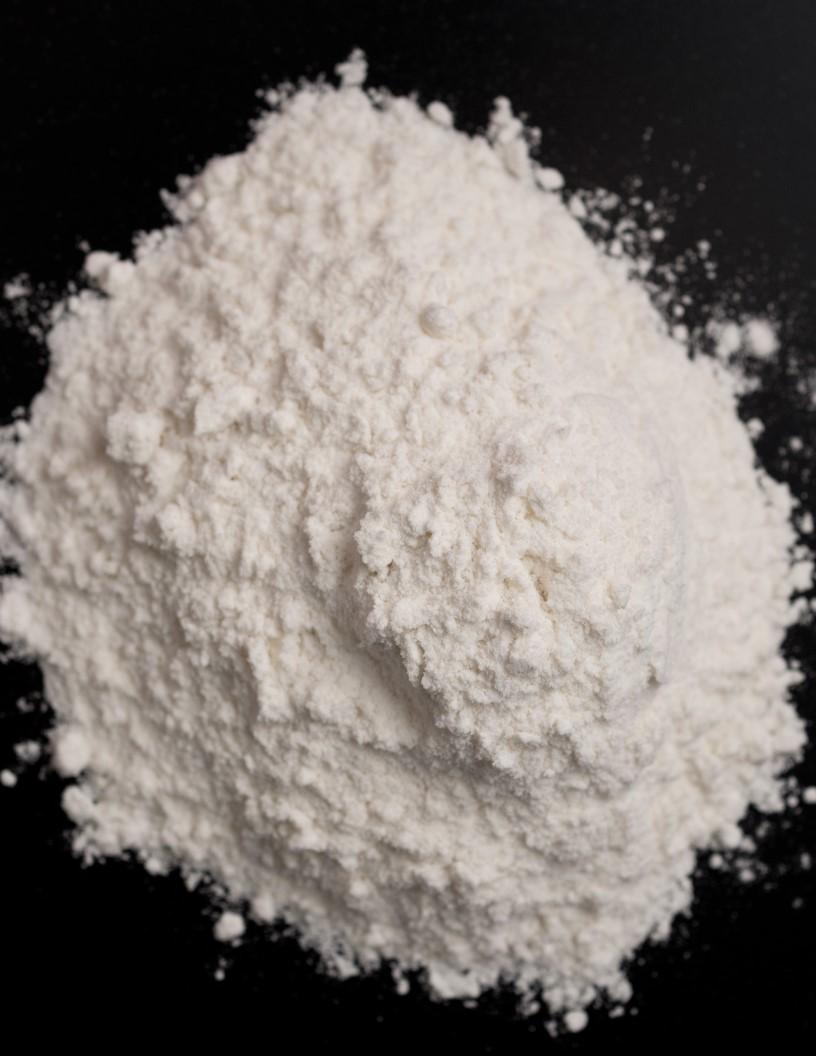


Sebacic Acid Market Size 2024-2028
The sebacic acid market size is forecast to increase by USD 96.8 million at a CAGR of 3.5% between 2023 and 2028.
What will be the Size of the Sebacic Acid Market During the Forecast Period?

How is this Sebacic Acid Industry segmented and which is the largest segment?
The sebacic acid industry research report provides comprehensive data (region-wise segment analysis), with forecasts and estimates in "USD million" for the period 2024-2028, as well as historical data from 2018-2022 for the following segments.
- Application
- Polymer manufacturing
- Coolants
- Industrial use
- Ester manufacturing
- Others
- Source
- Castor oil
- Adipic acid
- Geography
- APAC
- China
- India
- Japan
- North America
- US
- Europe
- Germany
- South America
- Middle East and Africa
- APAC
By Application Insights
- The polymer manufacturing segment is estimated to witness significant growth during the forecast period.
Sebacic acid, a dibasic carboxylic acid, plays a crucial role In the production of high-performance polymers, particularly Nylon 6,10. This compound is derived from the reaction of hexamethylenediamine and sebacic acid, which is then polymerized at approximately 240 degrees Celsius. Nylon 6,10 is valued for its superior properties, including high dimensional stability, electrical conductivity, and resistance to environmental stress cracking. These attributes make it a preferred choice in various industries, such as automotive, electronics, and textiles. In the automotive sector, it is used in engine structures, wheel gears, and LED holders, among others. In the textile industry, its lower moisture absorption and strength properties are exploited.
Furthermore, sebacic acid is increasingly used In the production of bio-based polymers, coatings, adhesives, decorative materials, and bio-polyamides. The Sebacic acid industry is projected to witness steady growth due to increasing demand from these markets, especially In the LAMEA region. Despite the high initial investment and infrastructure limitations, manufacturers are adapting to environmental awareness and strategies to reduce carbon monoxide emissions. Emerging innovations include the use of Azelaic acid-based plasticizers and the development of new product lines with lower dissolving temperatures and improved hydrophobicity.
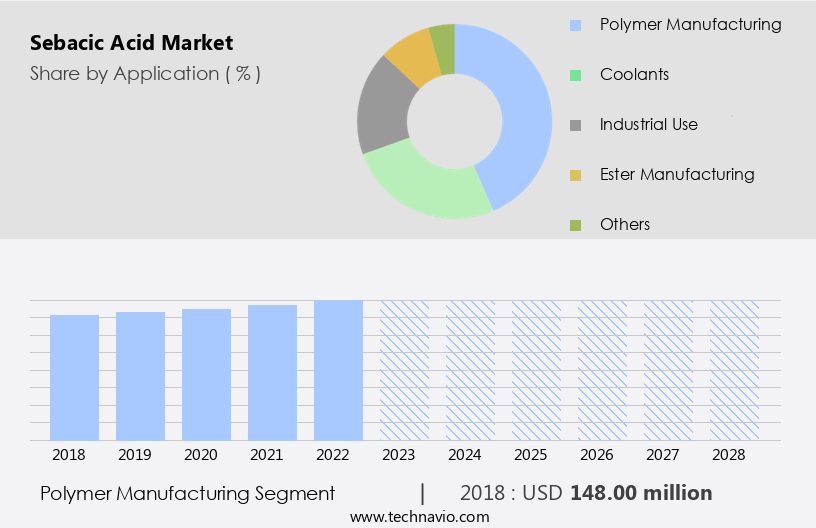
Get a glance at the Sebacic Acid Industry report of share of various segments Request Free Sample
The Polymer manufacturing segment was valued at USD 148.00 million in 2018 and showed a gradual increase during the forecast period.
Regional Analysis
- APAC is estimated to contribute 51% to the growth of the global market during the forecast period.
Technavio’s analysts have elaborately explained the regional trends and drivers that shape the market during the forecast period.
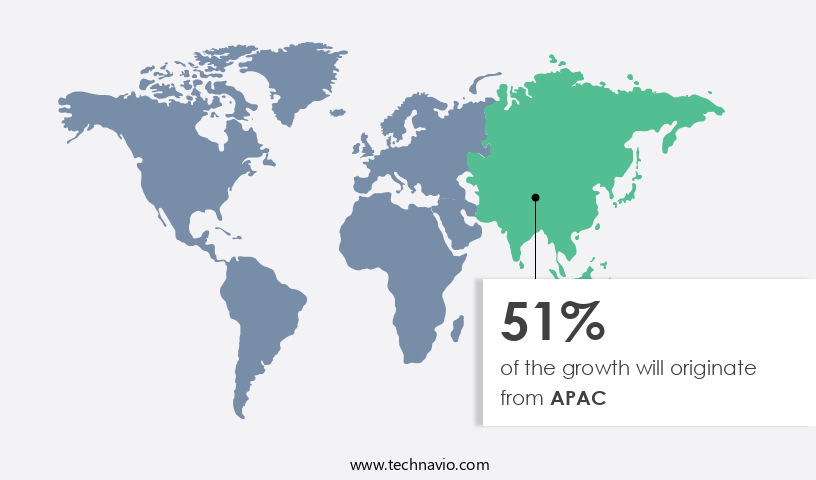
For more insights on the market share of various regions, Request Free Sample
The market in APAC is the largest and fastest-growing consumer In the global industry. With a vast consumer base and the availability of raw materials and low-cost labor, APAC is expected to dominate the market during the forecast period. End-user industries, particularly automotive, polymer, and others, are the major drivers of the market in APAC. The presence of leading automotive manufacturers in countries like China, India, Japan, and South Korea is anticipated to increase the demand for Sebacic acid due to its application as a coolant in automotive vehicles. Sebacic acid is a crucial component in rubber compounding, elastomers, and synthetic fibers used in automotive manufacturing.
Additionally, the market expansion is influenced by the increasing demand for bio-based products and the shift towards environmental awareness. The Sebacic acid industry sources raw materials primarily from castor oil. The market serves various sectors, including personal care, healthcare, construction, lubricants & greases, metalworking fluids, coatings, adhesives, decorative materials, bio-based polymers, and plasticizers. Innovations In the industry include the production of Azelaic acid-based plasticizers and bio-polyamides. However, challenges such as high initial investment, intermittency and reliability, infrastructure limitations, and supply chain disruptions may impact the market growth.
Market Dynamics
Our researchers analyzed the data with 2023 as the base year, along with the key drivers, trends, and challenges. A holistic analysis of drivers will help companies refine their marketing strategies to gain a competitive advantage.
What are the key market drivers leading to the rise In the adoption of Sebacic Acid Industry?
Increasing demand for sebacic acid in automotive industry is the key driver of the market.
What are the market trends shaping the Sebacic Acid Industry?
Increasing demand for EVs is the upcoming market trend.
What challenges does the Sebacic Acid Industry face during its growth?
Fluctuations in castor oil prices caused by extreme dependence on climate is a key challenge affecting the industry growth.
Exclusive Customer Landscape
The sebacic acid market forecasting report includes the adoption lifecycle of the market, covering from the innovator’s stage to the laggard’s stage. It focuses on adoption rates in different regions based on penetration. Furthermore, the sebacic acid market report also includes key purchase criteria and drivers of price sensitivity to help companies evaluate and develop their market growth analysis strategies.
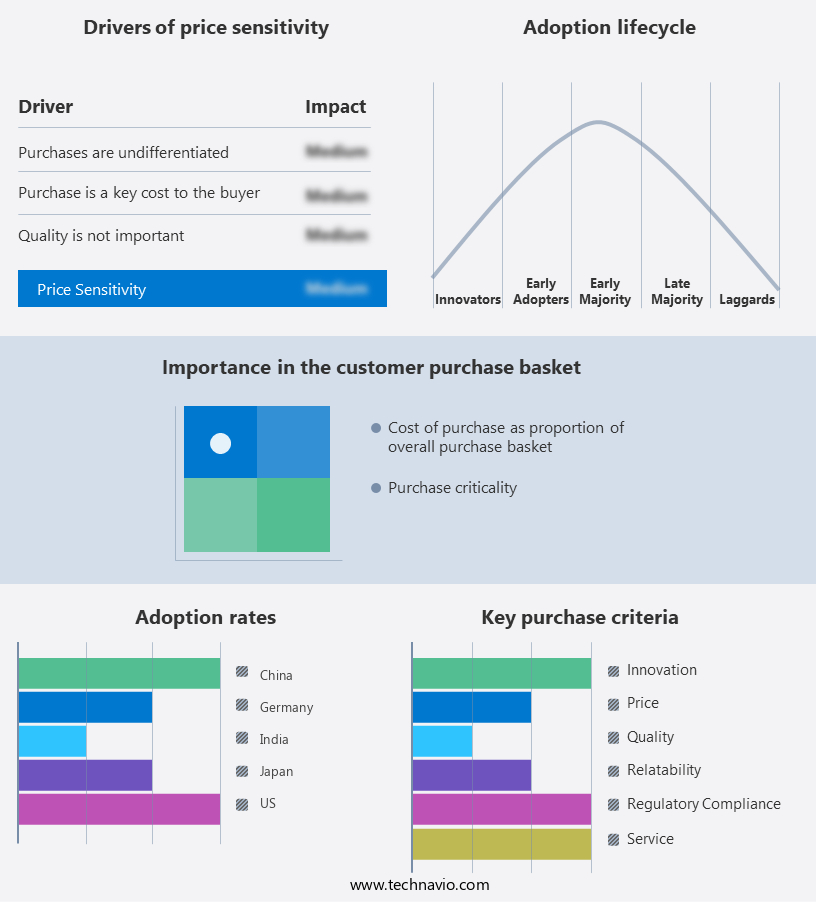
Customer Landscape
Key Companies & Market Insights
Companies are implementing various strategies, such as strategic alliances, sebacic acid market forecast, partnerships, mergers and acquisitions, geographical expansion, and product/service launches, to enhance their presence In the industry.
Arkema SA - Sebacic acid, a bio-based chemical derived from renewable resources, is gaining traction in various industries due to its versatile applications. Oleris and Forane foam, two offerings In the company's sebacic acid product line, contribute to this trend. These foam products offer advantages such as improved performance, enhanced sustainability, and reduced environmental impact compared to their petroleum-based counterparts. The market is expected to grow steadily, driven by increasing demand for biodegradable plastics, personal care products, and lubricants. The shift towards renewable and eco-friendly alternatives is a key factor fueling this growth.
The industry research and growth report includes detailed analyses of the competitive landscape of the market and information about key companies, including:
- Arkema SA
- Central Drug House Pvt. Ltd.
- Chemtech B.V.
- Corvay GmbH
- Hengshui Jinghua Chemical Co. Ltd.
- HOKOKU Corp.
- Inolex Inc.
- Jayant Agro Organics Ltd.
- LABDHI CHEMICALS
- Merck KGaA
- Naugra Export
- Santa Cruz Biotechnology Inc.
- Sebacic India Ltd.
- Shivam Castor Products Pvt. Ltd.
- Silver Fern Chemical Inc.
- Thermo Fisher Scientific Inc.
- Tianxing Biotechnology Co. Ltd.
- Tokyo Chemical Industry Co. Ltd.
- Wilmar International Ltd.
- Wincom Inc.
Qualitative and quantitative analysis of companies has been conducted to help clients understand the wider business environment as well as the strengths and weaknesses of key industry players. Data is qualitatively analyzed to categorize companies as pure play, category-focused, industry-focused, and diversified; it is quantitatively analyzed to categorize companies as dominant, leading, strong, tentative, and weak.
Research Analyst Overview
Sebacic acid, a versatile dibasic carboxylic acid, has gained significant attention in various industries due to its unique properties. This organic compound, derived from the hydrolysis of castor oil, offers numerous benefits in diverse applications. Sebacic acid's chemical structure, characterized by its solidness and hydrophobicity, makes it an essential ingredient in various sectors. Its role in coating applications, for instance, is noteworthy. In this context, it enhances the performance of coatings by improving their chemical resistance and adhesion properties. Moreover, sebacic acid's adaptability extends to the realm of bio-based polymers. In the production of bio-polyamides, it acts as a key building block, contributing to the growth of this sector.
The emergence of bio-based polymers is driven by environmental awareness and the increasing demand for sustainable alternatives. Sebacic acid also finds extensive use in personal care and cosmetics. Its role In the formulation of various personal care products is significant due to its excellent emollient properties. It is also used as a plasticizer In the production of azelaic acid-based plasticizers, further expanding its reach in this industry. The construction sector is another major consumer of sebacic acid. In lubricants & greases, it is used to enhance the performance of these products, particularly in metalworking fluids. Its ability to lower dissolving temperatures makes it an ideal choice for these applications.
Furthermore, sebacic acid is a crucial component In the production of various adhesives and decorative materials. Its chemical resistance and solidness make it an excellent choice for these applications. The healthcare sector also benefits from sebacic acid. Dermatologists often recommend products containing sebacic acid for its ability to improve skin health. Its use In the production of bio-based polyesters for medical applications is another area of growth. The growth rate of the sebacic acid industry is influenced by several factors. The high initial investment required for its production and the intermittency and reliability of the supply chain are some of the challenges faced by manufacturers.
Additionally, infrastructure limitations and public perception can impact the industry's growth. Despite these challenges, the sebacic acid industry continues to innovate. Emery Oleochemicals, a leading player In the industry, has recently introduced new product lines, further expanding the potential applications of sebacic acid. In conclusion, sebacic acid is a versatile compound with a wide range of applications in various industries. Its unique properties, including its solidness, hydrophobicity, and adaptability, make it an essential ingredient In the production of coatings, bio-based polymers, personal care products, lubricants, adhesives, and decorative materials. The challenges faced by the industry, such as high initial investment and infrastructure limitations, are being addressed through innovation and strategic planning.
The future of the sebacic acid industry looks promising, driven by the growing demand for sustainable and high-performance materials.
|
Market Scope |
|
|
Report Coverage |
Details |
|
Page number |
176 |
|
Base year |
2023 |
|
Historic period |
2018-2022 |
|
Forecast period |
2024-2028 |
|
Growth momentum & CAGR |
Accelerate at a CAGR of 3.5% |
|
Market growth 2024-2028 |
USD 96.8 million |
|
Market structure |
Fragmented |
|
YoY growth 2023-2024(%) |
3.34 |
|
Key countries |
US, China, Japan, Germany, and India |
|
Competitive landscape |
Leading Companies, Market Positioning of Companies, Competitive Strategies, and Industry Risks |
What are the Key Data Covered in this Sebacic Acid Market Research and Growth Report?
- CAGR of the Sebacic Acid industry during the forecast period
- Detailed information on factors that will drive the growth and forecasting between 2024 and 2028
- Precise estimation of the size of the market and its contribution of the industry in focus to the parent market
- Accurate predictions about upcoming growth and trends and changes in consumer behaviour
- Growth of the market across APAC, North America, Europe, South America, and Middle East and Africa
- Thorough analysis of the market’s competitive landscape and detailed information about companies
- Comprehensive analysis of factors that will challenge the sebacic acid market growth of industry companies
We can help! Our analysts can customize this sebacic acid market research report to meet your requirements.
 RIA -
RIA - 
