



Alternative Data Market Size 2025-2029
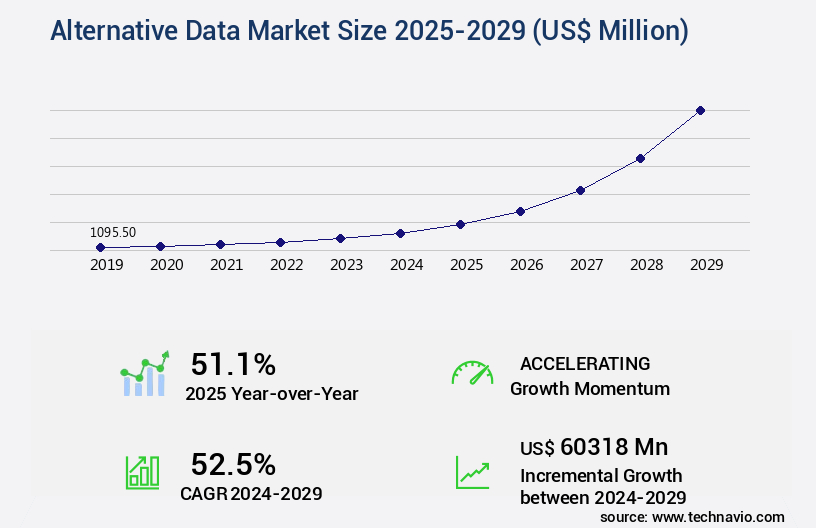
The alternative data market size is valued to increase USD 60.32 billion, at a CAGR of 52.5% from 2024 to 2029. Increased availability and diversity of data sources will drive the alternative data market.
Major Market Trends & Insights
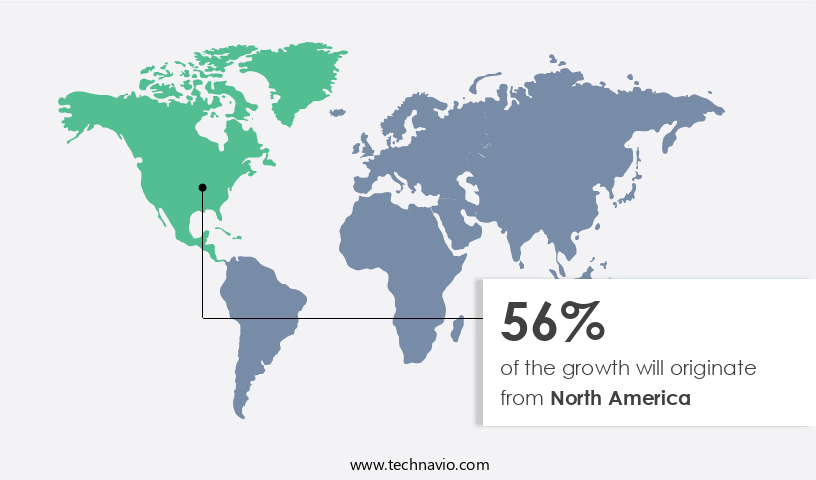
- North America dominated the market and accounted for a 56% growth during the forecast period.
- By Type - Credit and debit card transactions segment was valued at USD 228.40 billion in 2023
- By End-user - BFSI segment accounted for the largest market revenue share in 2023
Market Size & Forecast
- Market Opportunities: USD 6.00 million
- Market Future Opportunities: USD 60318.00 million
- CAGR from 2024 to 2029 : 52.5%
Market Summary
- The market represents a dynamic and rapidly expanding landscape, driven by the increasing availability and diversity of data sources. With the rise of alternative data-driven investment strategies, businesses and investors are increasingly relying on non-traditional data to gain a competitive edge. Core technologies, such as machine learning and natural language processing, are transforming the way alternative data is collected, analyzed, and utilized. Despite its potential, the market faces challenges related to data quality and standardization. According to a recent study, alternative data accounts for only 10% of the total data used in financial services, yet 45% of firms surveyed reported issues with data quality.
- Service types, including data providers, data aggregators, and data analytics firms, are addressing these challenges by offering solutions to ensure data accuracy and reliability. Regional mentions, such as North America and Europe, are leading the adoption of alternative data, with Europe projected to grow at a significant rate due to increasing regulatory support for alternative data usage. The market's continuous evolution is influenced by various factors, including technological advancements, changing regulations, and emerging trends in data usage.
What will be the Size of the Alternative Data Market during the forecast period?
Get Key Insights on Market Forecast (PDF) Request Free Sample
How is the Alternative Data Market Segmented ?
The alternative data industry research report provides comprehensive data (region-wise segment analysis), with forecasts and estimates in "USD million" for the period 2025-2029, as well as historical data from 2019-2023 for the following segments.
- Type
- Credit and debit card transactions
- Social media
- Mobile application usage
- Web scrapped data
- Others
- End-user
- BFSI
- IT and telecommunication
- Retail
- Others
- Geography
- North America
- US
- Canada
- Mexico
- Europe
- France
- Germany
- Italy
- UK
- APAC
- China
- India
- Japan
- Rest of World (ROW)
- North America
By Type Insights
The credit and debit card transactions segment is estimated to witness significant growth during the forecast period.
Alternative data derived from credit and debit card transactions plays a significant role in offering valuable insights for market analysts, financial institutions, and businesses. This data category is segmented into credit card and debit card transactions. Credit card transactions serve as a rich source of information on consumers' discretionary spending, revealing their luxury spending tendencies and credit management skills. Debit card transactions, on the other hand, shed light on essential spending habits, budgeting strategies, and daily expenses, providing insights into consumers' practical needs and lifestyle choices. Market analysts and financial institutions utilize this data to enhance their strategies and customer experiences.
Natural language processing (NLP) and sentiment analysis tools help extract valuable insights from this data. Anomaly detection systems enable the identification of unusual spending patterns, while data validation techniques ensure data accuracy. Risk management frameworks and hypothesis testing methods are employed to assess potential risks and opportunities. Data visualization dashboards and machine learning models facilitate data exploration and trend analysis. Data quality metrics and signal processing methods ensure data reliability and accuracy. Data governance policies and real-time data streams enable timely access to data. Time series forecasting, clustering techniques, and high-frequency data analysis provide insights into trends and patterns.
Model training datasets and model evaluation metrics are essential for model development and performance assessment. Data security protocols are crucial to protect sensitive financial information. Economic indicators and compliance regulations play a role in the context of this market. Unstructured data analysis, data cleansing pipelines, and statistical significance are essential for deriving meaningful insights from this data. News sentiment scores and regression analysis methods help in understanding market trends and consumer behavior. Feature engineering processes and data integration tools facilitate data preparation for analysis. Web scraping techniques and predictive modeling algorithms enable the collection and analysis of data from various sources.
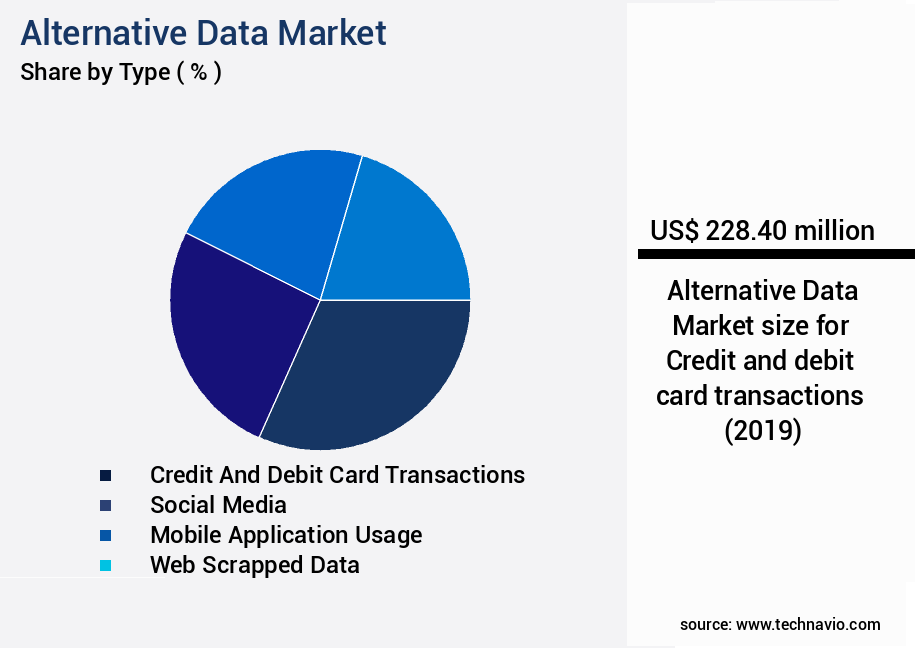
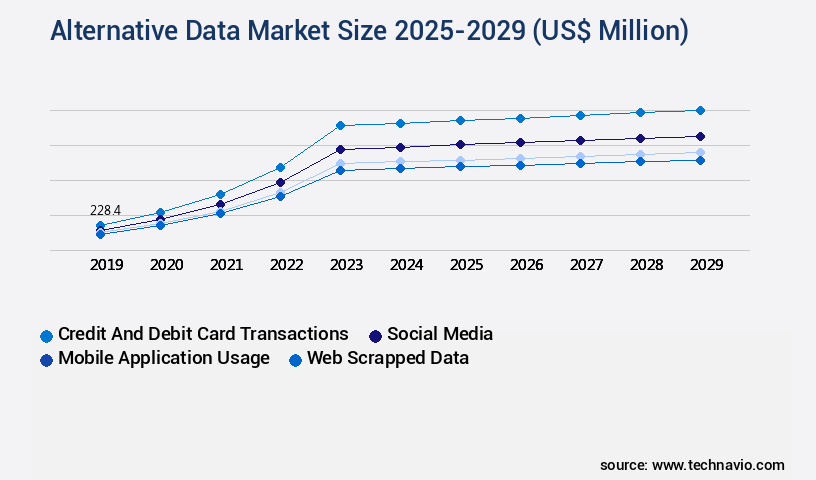
The Credit and debit card transactions segment was valued at USD 228.40 billion in 2019 and showed a gradual increase during the forecast period.
Financial data feeds and structured data formats are essential for data analysis and reporting. Classification algorithms help in categorizing data and identifying trends. Adoption of alternative data in financial services grew by 21%, with a projected increase of 25% in industry growth expectations. These figures underscore the importance and potential of alternative data in the financial sector.Financial data feeds and structured data formats are essential for data analysis and reporting. Classification algorithms help in categorizing data and identifying trends. Adoption of alternative data in financial services grew by 21%, with a projected increase of 25% in industry growth expectations. These figures underscore the importance and potential of alternative data in the financial sector.
Regional Analysis
North America is estimated to contribute 56% to the growth of the global market during the forecast period. Technavio’s analysts have elaborately explained the regional trends and drivers that shape the market during the forecast period.
See How Alternative Data Market Demand is Rising in North America Request Free Sample
In the dynamic world of financial and business analytics, North America stands out as a pioneering region, particularly in the realm of alternative data. This market encompasses a diverse range of non-traditional data sources, such as social media activity, satellite imagery, web scraping, and sensor data. These innovative data sources have gained significant traction among financial institutions, hedge funds, and investment firms in the US and Canada. Alternative data offers unique insights into market dynamics, consumer trends, and economic indicators, providing a competitive edge in risk analysis and investment decision-making. For instance, financial institutions in the US leverage alternative data to enhance their risk assessment processes, while startups and established players employ satellite images and geospatial information to evaluate retail store performance, monitor supply chains, and forecast economic conditions.
The impact of alternative data is evident in the growing number of applications and use cases. According to recent industry estimates, the market in North America is projected to reach over 1.5 billion data points annually, with an increasing number of data providers and consumers. This growth underscores the market's potential to revolutionize the financial and business landscape.
Market Dynamics
Our researchers analyzed the data with 2024 as the base year, along with the key drivers, trends, and challenges. A holistic analysis of drivers will help companies refine their marketing strategies to gain a competitive advantage.
The market is experiencing robust growth as financial institutions and businesses increasingly leverage innovative data sources to enhance their decision-making processes. Alternative data, which includes financial statement data validation, social media sentiment impact assessment, economic indicator forecasting models, and real-time market data integration pipelines, is revolutionizing industries by providing high-frequency trading data processing, predictive maintenance using sensor data, credit risk scoring, fraud detection using machine learning, and regulatory compliance for financial data. One notable trend in the market is the adoption of advanced analytics techniques such as machine learning models for financial forecasting, natural language processing for news sentiment, time series forecasting for economic indicators, and regression analysis for financial modeling.
These techniques enable more accurate and timely insights, giving organizations a competitive edge. Moreover, data security protocols and data governance framework implementation are becoming essential as alternative data often includes sensitive information. Big data infrastructure for alternative data and cloud-based storage solutions are crucial for managing the vast amounts of data generated daily. According to market intelligence, the industrial sector accounts for a significantly larger share of alternative data consumption compared to the academic sector. This is due to the sector's data-intensive nature and the need for real-time insights to optimize operations and maintain regulatory compliance.
In conclusion, the market is transforming the financial and business landscape with its ability to provide valuable insights from diverse data sources. As the market continues to evolve, we can expect further innovations in data processing, analytics, and security to address the growing demand for actionable intelligence.
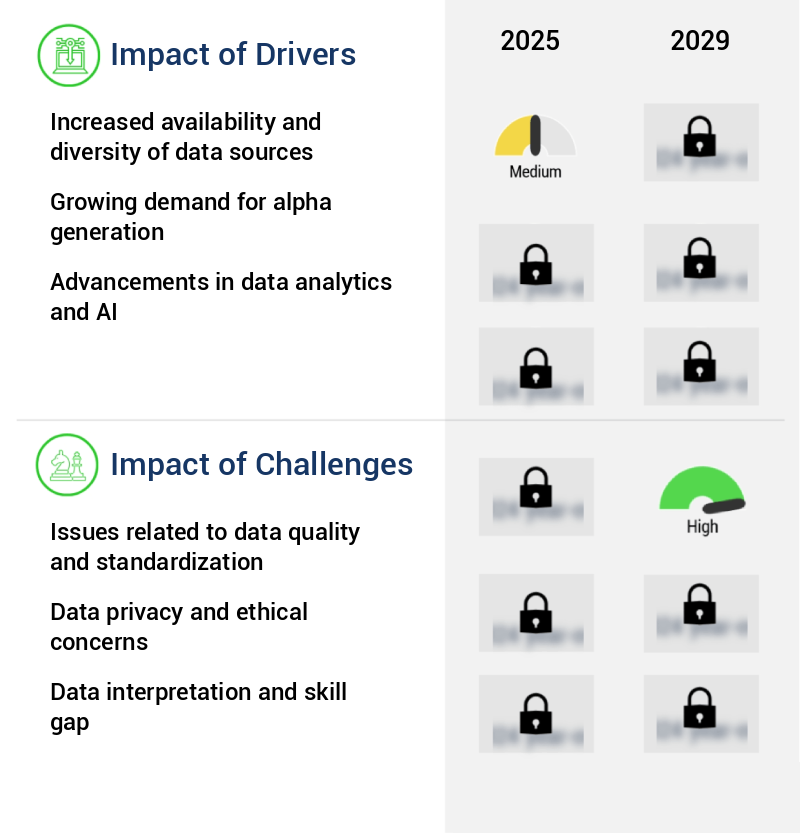
What are the key market drivers leading to the rise in the adoption of Alternative Data Industry?
- The market's expansion is primarily driven by the growing abundance and variety of accessible data sources.
- The market has gained significant traction in the information economy, driven by the proliferation of digital technologies generating vast amounts of non-traditional data. Sources encompass social media, satellite imagery, web scraping, sensors, and IoT devices. This data offers valuable insights beyond financial metrics, enabling market participants to make informed decisions. In the financial sector, alternative data has become a game-changer. Hedge funds and asset managers leverage this data to gain a competitive edge in anticipating market trends. For instance, sentiment analysis of social media data can predict consumer behavior and market sentiment. Similarly, satellite imagery data can reveal insights into agricultural production and weather patterns, influencing commodity prices.
- Moreover, alternative data is transforming industries like healthcare, retail, and logistics. In healthcare, patient data from wearable devices and electronic health records can improve patient care and research. Retailers use data from customer loyalty programs and social media to tailor marketing strategies and enhance customer experiences. In logistics, real-time data from GPS and IoT sensors optimize supply chain management and delivery routes. The continuous evolution of alternative data sources and applications underscores its importance in today's data-driven business landscape.
What are the market trends shaping the Alternative Data Industry?
- The rising trend in the financial market is the adoption of alternative data-driven investment strategies. An increasing number of investors are turning to data-driven approaches for making informed investment decisions.
- Alternative data has emerged as a valuable tool for investors seeking to stay informed about market trends in an increasingly complex business landscape. Traditional financial metrics often fail to capture the intricacies of evolving industries and emerging trends. To address this challenge, investors are increasingly relying on non-traditional data sources, such as mobile location data and foot traffic trends, to gain unique insights into consumer behavior and supply chain dynamics.
- By analyzing this data, investors can make more informed decisions about a company's financial health and revenue prospects, ultimately leading to better investment outcomes. The use of alternative data in the investment process is a testament to the importance of staying informed and adaptive in today's fast-paced business environment.
What challenges does the Alternative Data Industry face during its growth?
- The growth of the industry is significantly impacted by challenges related to data quality and standardization. Ensuring accurate, consistent, and reliable data is essential for effective decision-making and business success.
- The market encompasses a multitude of diverse and heterogeneous sources, posing integration and analysis challenges. Unlike conventional data sets, alternative data providers employ distinct collection methodologies and structures, leading to potential discrepancies. Moreover, a significant portion of alternative data is unstructured, raising data quality concerns. To extract valuable insights from these sources, advanced techniques like natural language processing (NLP), sentiment analysis, and other sophisticated methods are employed.
- These techniques enable the extraction of valuable information from various alternative data sources, such as social media, satellite imagery, and web scraping. The continuous evolution of alternative data sources and their applications across various sectors underscores the importance of these advanced techniques in unlocking actionable business insights.
Exclusive Technavio Analysis on Customer Landscape
The alternative data market forecasting report includes the adoption lifecycle of the market, covering from the innovator’s stage to the laggard’s stage. It focuses on adoption rates in different regions based on penetration. Furthermore, the alternative data market report also includes key purchase criteria and drivers of price sensitivity to help companies evaluate and develop their market growth analysis strategies.
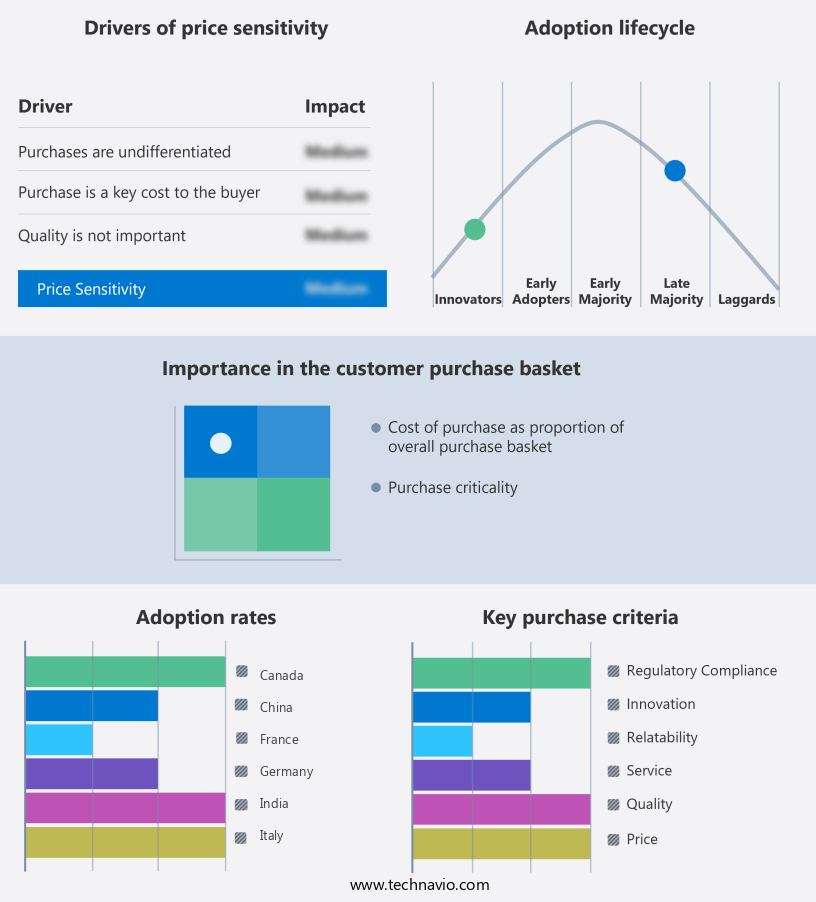
Customer Landscape of Alternative Data Industry
Competitive Landscape
Companies are implementing various strategies, such as strategic alliances, alternative data market forecast, partnerships, mergers and acquisitions, geographical expansion, and product/service launches, to enhance their presence in the industry.
Advan Research Corp. - This company specializes in providing alternative data, including geolocation insights, catering to the financial sector.
The industry research and growth report includes detailed analyses of the competitive landscape of the market and information about key companies, including:
- Advan Research Corp.
- Beijing Tendcloud Tianxia Technology Co. Ltd.
- Convergence Inc.
- Dataminr Inc.
- Eagle Alpha Ltd.
- FactSet Research Systems Inc.
- Geotab Inc.
- Intrinio Inc.
- Japan Exchange Group Inc.
- M Science LLC
- Moodys Corp.
- Preqin Ltd.
- RavenPack International S.L.U.
- Refinitiv
- Symphony Innovation LLC
- The Earnest Analytics Co.
- Thinknum Alternative Data
- UBS Group AG
- Visible Alpha LLC
- Yipit LLC
Qualitative and quantitative analysis of companies has been conducted to help clients understand the wider business environment as well as the strengths and weaknesses of key industry players. Data is qualitatively analyzed to categorize companies as pure play, category-focused, industry-focused, and diversified; it is quantitatively analyzed to categorize companies as dominant, leading, strong, tentative, and weak.
Recent Development and News in Alternative Data Market
- In January 2024, Factiva, a Dow Jones company, announced the expansion of its alternative data partnerships with leading data providers such as IHS Markit and Quandl (Factiva Press Release). This collaboration aimed to offer clients enhanced access to a broader range of alternative data sources, thereby strengthening Factiva's position as a comprehensive business information provider.
- In March 2024, S&P Global Market Intelligence, a leading provider of financial market intelligence, completed the acquisition of Kensho Technologies, a pioneer in alternative data and analytics (S&P Global Press Release). The acquisition was expected to bolster S&P's existing data offerings and enhance its capabilities in alternative data analytics for the financial services industry.
- In May 2024, the European Securities and Markets Authority (ESMA) published a consultation paper on the use of alternative data in the European financial markets (ESMA Consultation Paper). The paper aimed to provide guidance on the regulatory framework for the use of alternative data and promote its adoption in the European financial sector, contributing to a more competitive and innovative market.
- In February 2025, Google Cloud announced the launch of its new alternative data analytics platform, BigQuery ML, which uses machine learning models to analyze alternative data (Google Cloud Press Release). The platform's integration with Google's vast cloud infrastructure and data storage capabilities made it an attractive solution for businesses seeking to process and analyze large volumes of alternative data efficiently.
Dive into Technavio’s robust research methodology, blending expert interviews, extensive data synthesis, and validated models for unparalleled Alternative Data Market insights. See full methodology.
|
Market Scope |
|
|
Report Coverage |
Details |
|
Page number |
197 |
|
Base year |
2024 |
|
Historic period |
2019-2023 |
|
Forecast period |
2025-2029 |
|
Growth momentum & CAGR |
Accelerate at a CAGR of 52.5% |
|
Market growth 2025-2029 |
USD 60318 million |
|
Market structure |
Fragmented |
|
YoY growth 2024-2025(%) |
51.1 |
|
Key countries |
US, Canada, China, UK, Mexico, Germany, Japan, India, Italy, and France |
|
Competitive landscape |
Leading Companies, Market Positioning of Companies, Competitive Strategies, and Industry Risks |
Research Analyst Overview
- In the dynamic and evolving market, businesses increasingly rely on advanced tools and techniques to gain a competitive edge. Natural language processing (NLP) and sentiment analysis are two such essential technologies that enable organizations to extract valuable insights from vast amounts of unstructured data. These tools analyze text data from various sources, including social media, news articles, and customer feedback, to uncover hidden trends and patterns. Anomaly detection systems, another critical component, help identify unusual or irregular data points, providing early warnings for potential risks and opportunities. Alternative data sources, such as satellite imagery, weather data, and IoT sensors, offer unique insights that traditional data sources may overlook.
- Data validation techniques ensure the accuracy and reliability of the alternative data used, while risk management frameworks help mitigate potential risks associated with these new data sources. Hypothesis testing methods and data visualization dashboards facilitate data exploration and interpretation, enabling businesses to make informed decisions. Machine learning models and data quality metrics are crucial for model training and evaluation, ensuring the accuracy and effectiveness of predictive models. Signal processing methods and data governance policies help manage real-time data streams, ensuring data security and compliance with regulations. Economic indicators and compliance regulations are essential contextual data points that complement alternative data, providing a more comprehensive understanding of market trends and dynamics.
- Unstructured data analysis, data cleansing pipelines, and statistical significance are essential techniques for managing and interpreting large, complex datasets. News sentiment scores and regression analysis methods help businesses understand the impact of news events and trends on market sentiment, while feature engineering processes and data integration tools facilitate the seamless integration of alternative data with traditional data sources. Web scraping techniques and predictive modeling algorithms enable businesses to access and analyze data from various online sources, including financial data feeds and structured data formats. Classification algorithms and time series forecasting techniques help businesses make accurate predictions and identify trends in alternative data.
- In summary, the market is characterized by continuous innovation and the integration of various advanced technologies and techniques to extract valuable insights from vast amounts of data. These include natural language processing, sentiment analysis, anomaly detection, alternative data sources, data validation, risk management, machine learning, data quality, signal processing, data governance, real-time data management, economic indicators, compliance regulations, unstructured data analysis, data cleansing, statistical significance, news sentiment, regression analysis, feature engineering, data integration, web scraping, predictive modeling, financial data feeds, structured data formats, and classification algorithms.
What are the Key Data Covered in this Alternative Data Market Research and Growth Report?
-
What is the expected growth of the Alternative Data Market between 2025 and 2029?
-
USD 60.32 billion, at a CAGR of 52.5%
-
-
What segmentation does the market report cover?
-
The report is segmented by Type (Credit and debit card transactions, Social media, Mobile application usage, Web scrapped data, and Others), End-user (BFSI, IT and telecommunication, Retail, and Others), and Geography (North America, Europe, APAC, South America, and Middle East and Africa)
-
-
Which regions are analyzed in the report?
-
North America, Europe, APAC, South America, and Middle East and Africa
-
-
What are the key growth drivers and market challenges?
-
Increased availability and diversity of data sources, Issues related to data quality and standardization
-
-
Who are the major players in the Alternative Data Market?
-
Advan Research Corp., Beijing Tendcloud Tianxia Technology Co. Ltd., Convergence Inc., Dataminr Inc., Eagle Alpha Ltd., FactSet Research Systems Inc., Geotab Inc., Intrinio Inc., Japan Exchange Group Inc., M Science LLC, Moodys Corp., Preqin Ltd., RavenPack International S.L.U., Refinitiv, Symphony Innovation LLC, The Earnest Analytics Co., Thinknum Alternative Data, UBS Group AG, Visible Alpha LLC, and Yipit LLC
-
Market Research Insights
- The market continues to evolve, incorporating various techniques to process and transform raw data into valuable insights. Two key areas of focus are sensor data processing and regulatory reporting. Sensor data processing employs parallel processing techniques and model retraining schedules to analyze vast volumes of real-time data. In contrast, regulatory reporting adheres to strict standards, requiring data lineage tracking, encryption techniques, and access control mechanisms to ensure compliance. Data transformation methods, such as audio analysis techniques and text analytics, are essential in extracting meaningful information from diverse data sources. Big data infrastructure, including cloud-based data storage and API integrations, facilitates the efficient handling of large datasets.
- Performance monitoring tools and query optimization strategies enhance data warehousing solutions, while distributed computing and model deployment strategies enable scalability. Data enrichment strategies, like data mining techniques and image recognition systems, add context and depth to raw data. Fraud detection algorithms and data versioning systems ensure data accuracy and security, while audit trails and backtesting methodologies maintain transparency and reliability. Data aggregation platforms and database management systems streamline data access and management, enabling businesses to make informed decisions based on accurate, timely insights.
We can help! Our analysts can customize this alternative data market research report to meet your requirements.
 RIA -
RIA - 
