


Compressor Control Systems Market Analysis APAC, North America, Europe, South America, Middle East and Africa - US, China, Japan, Germany, Canada - Size and Forecast 2024-2028

Compressor Control Systems Market Analysis APAC, North America, Europe, South America, Middle East and Africa - US, China, Japan, Germany, Canada - Size and Forecast 2024-2028

Published: Jul 2024 162 Pages SKU: IRTNTR70181

Market Overview at a Glance

$1.24 B
Market Opportunity
4.5%
CAGR
4.23
YoY growth 2023-2024(%)

Compressor Control Systems Market Size 2024-2028

The compressor control systems market size is forecast to increase by USD 1.24 billion at a CAGR of 4.5% between 2023 and 2028.

  • The market is experiencing significant growth due to the increasing focus on energy efficiency in various industries. Compressor systems consume a substantial amount of energy, and optimizing their performance through advanced control systems can lead to substantial energy savings. Another trend driving market growth is the provision of waste heat recovery, which allows businesses to utilize the heat generated during the compression process for other applications, thereby reducing energy costs. These technologies enable such as AI and improved efficiency, reliability, and safety in compressor operations. However, a lack of awareness about the benefits of advanced compressor control systems remains a challenge for market growth. Companies are investing in marketing and education efforts to increase awareness and promote the adoption of these systems. Overall, the market is poised for steady growth In the coming years.

What will be the Size of the Compressor Control Systems Market During the Forecast Period?
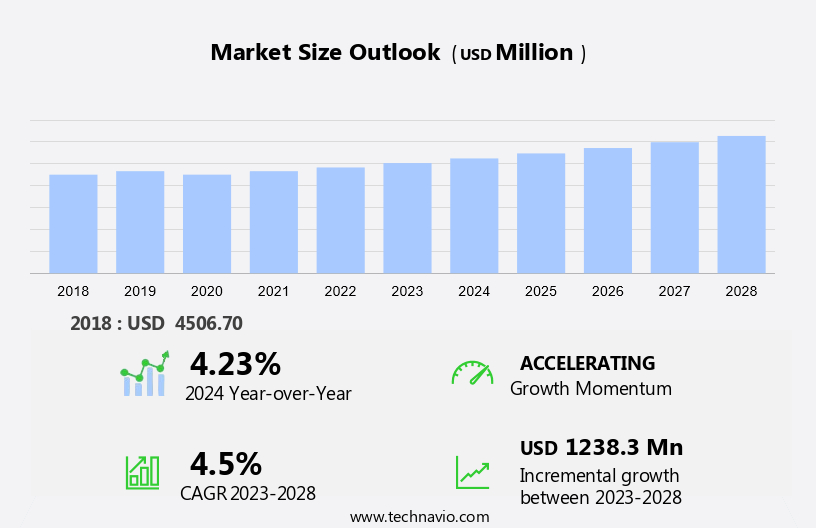
Compressor Control Systems Market Size

 Request Free Sample

  • The market encompasses a wide range of applications in power generation, petrochemicals, metals, mining, oil, gas, refining industries, and various other sectors. Compressor control systems play a crucial role in processes such as liquefied natural gas (LNG) production, compressed natural gas (CNG) stations, long-distance gas transmission, oil pipelines, and gas distribution. These systems are integral to the operation of compressors In the oil and gas, refining, and petrochemical industries, including shale gas basins. Key trends In the market include the integration of advanced technologies like supervisory control and data acquisition (SCADA), human-machine interfaces (HMI), transmitters, sensors, valves, actuators, drives, and motors.
  • Additionally, the market is driven by the growing demand for energy and resources, particularly In the power generation and industrial sectors. Overall, the market is expected to experience steady growth due to the increasing importance of optimizing compressor performance and reducing operational costs.

How is this Compressor Control Systems Industry segmented and which is the largest segment?

The compressor control systems industry research report provides comprehensive data (region-wise segment analysis), with forecasts and estimates in "USD billion" for the period 2024-2028, as well as historical data from 2018-2022 for the following segments.

  • Product
    • Control elements
    • Communication
  • End-user
    • Process manufacturing
    • Discrete manufacturing
  • Geography
    • APAC
      • China
      • Japan
    • North America
      • Canada
      • US
    • Europe
      • Germany
    • South America
    • Middle East and Africa

By Product Insights

The control elements segment is estimated to witness significant growth during the forecast period. Compressor control systems encompass devices that regulate, monitor, receive inputs, and provide outputs for optimal compressor performance. These systems consist of various control elements, including sensors, programmable automation controllers (PAC) and programmable logic controllers (PLC), human-machine interfaces (HMI) and Input/output (I/O) modules, and final control elements such as variable frequency drives and valves. Sensors, like flow, level, pressure, and temperature sensors, are essential components. The adoption of closed-loop compressor control systems is increasing due to their cost-saving potential in industrial applications. Additionally, these systems enhance compressor safety and longevity through features like motor overload protection and anti-surge protection. The energy sector, including power generation, petrochemicals, metals, mining, oil, gas, refining, liquefied natural gas, compressed natural gas, long-distance pipelines, gas distribution, and petroleum industries, significantly benefit from compressor control systems.

Key industries like shale gas basins, automobile manufacturing, and chemical processing also utilize these systems for product quality specifications and production site safety. With growing natural gas and oil demand, the need for energy production expansion and stricter regulations on CO2 emissions from power plants, mining productivity, and water consumption, compressor control systems are becoming increasingly important.
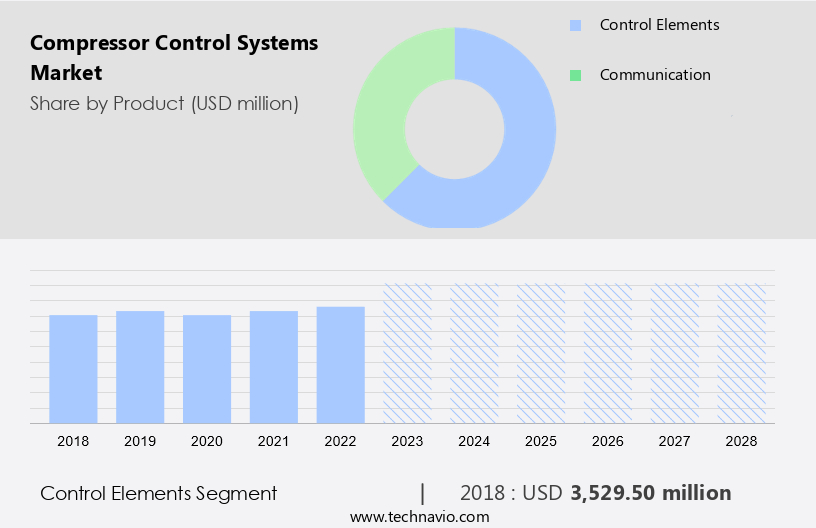
Compressor Control Systems Market Size

Get a glance at the market report of share of various segments Request Free Sample

The control elements segment was valued at USD 3.53 billion in 2018 and showed a gradual increase during the forecast period.

Regional Analysis

APAC is estimated to contribute 45% to the growth of the global market during the forecast period. Technavio's analysts have elaborately explained the regional trends and drivers that shape the market during the forecast period.
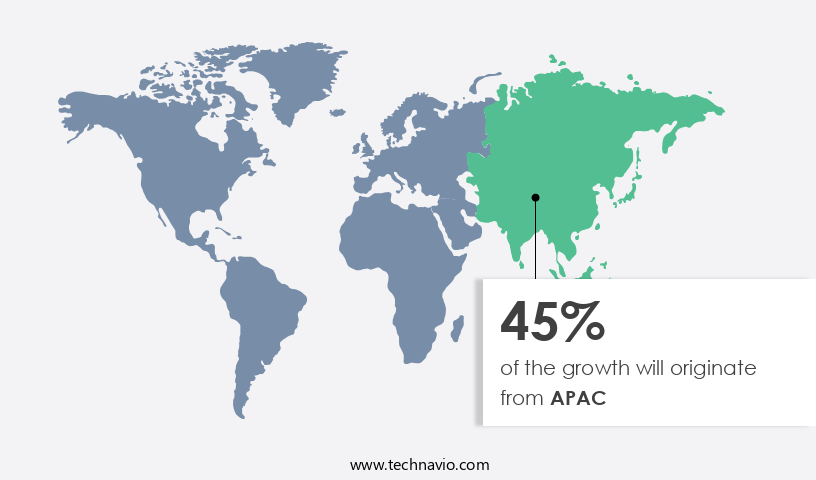
Compressor Control Systems Market Share by Geography

For more insights on the market size of various regions, Request Free Sample

The market in APAC is anticipated to witness significant growth, with China, Japan, India, and South Korea leading the charge. The expansion of industries such as food and beverages, FMCG and consumer durables, and oil refining is driving market growth. In China and India, the increasing automobile penetration is fueling the demand for fuel, leading to new refining capacity additions. Additionally, China's investment in natural gas pipeline construction for import and distribution is expected to boost the market. The oil refining sector's growth in APAC is attributed to the increasing crude oil imports and the construction of new refineries. The demand for natural gas in APAC is also surging due to its use in power generation and industrial applications.

Key industries such as petrochemicals, metals, mining, oil, gas, refining, liquefied natural gas (LNG), compressed natural gas (CNG), long-distance gas, and oil pipelines, gas distribution, petroleum industries, and shale gas basins are major consumers of compressor control systems. Market growth is further influenced by product quality specifications, natural gas and oil demand, and energy production expansion. Environmental specifications, social distancing measures at production sites, and price volatility are key challenges. Product developments and stringent regulations are also shaping the market landscape.

Market Dynamics

Our researchers analyzed the data with 2023 as the base year, along with the key drivers, trends, and challenges. A holistic analysis of drivers will help companies refine their marketing strategies to gain a competitive advantage.

What are the key market drivers leading to the rise In the adoption of Compressor Control Systems Industry?

Increasing focus on improving energy efficiency of compressors is the key driver of the market.

  • Compressor control systems play a crucial role in various industries such as power generation, petrochemicals, metals, mining, oil, gas, refining, and liquefied natural gas (LNG) production. These systems are essential for compressing gases and liquids to meet specifications for transport via long-distance pipelines, gas distribution, and energy production. In the oil and gas sector, compressor control is vital for shale gas extraction and natural gas processing. Advanced compressor technologies are being developed to meet increasing energy production demands and stringent environmental specifications. The petroleum industries, including refining, require compressor control for various processes. Compressors are used In the production sites of chemical, mining, and mining productivity enhancement.
  • Natural gas demand, oil demand, naphtha demand, fuel oil demand, motor gasoline demand, and kerosene oil demand drive the need for compressor control systems. Price volatility and stringent regulations In the oil and gas sector necessitate the use of efficient compressor control systems. Automobile manufacturing also relies on compressor control systems for various applications. Supervisory Control and Human Machine Interface (HMI) systems are used to monitor and control compressor operations. Transmitters, sensors, valves, actuators, drives, and motors are integral components of compressor control systems. Water consumption and wastewater management are significant concerns in various industries. Energy production expansion is another factor driving the demand for compressor control systems. Safety systems, such as those used in portable air compressors, are also essential for ensuring safe and efficient compressor operations. The compressor control market is expected to grow due to these factors and the increasing need for energy efficiency and productivity.

What are the market trends shaping the Compressor Control Systems Industry?

Provision of waste heat recovery is the upcoming market trend.

  • Compressor control systems play a crucial role in various industries, including power generation, petrochemicals, metals, mining, oil, gas, refining, and liquefied natural gas (LNG) and compressed natural gas (CNG) sectors. These systems are essential for compressing air, gas, and other fluids for long-distance transportation via pipelines, gas distribution, and energy production. In the oil and gas industries, compressor control systems are vital for shale gas extraction and natural gas extraction. Advanced compressors are being developed to meet environmental specifications and increasing product quality specifications in response to growing natural gas and oil demand, as well as naphtha, fuel oil, motor gasoline, and kerosene oil demand.
  • The energy production sector is focusing on reducing CO2 emissions by utilizing waste heat from compressors. Up to 94% of this waste heat can be captured with a well-designed closed cooling system. This captured heat can be used to generate electricity in power plants or for heating buildings and industrial processes. Mining productivity is also benefiting, which help maintain optimal operating conditions for mining activities. Product developments and price volatility In the oil and gas industries, as well as stringent regulations, are driving the need for advanced compressor control systems. Oil exporters and mining companies are investing heavily to ensure safety, efficiency, and compliance with environmental regulations.
  • Additionally, water consumption and wastewater management are becoming increasingly important considerations in compressor control systems, as water scarcity and environmental concerns continue to grow. Safety systems, such as human machine interfaces, transmitters, sensors, valves, actuators, drives, and motors, are essential components. These components help ensure optimal performance, reduce downtime, and minimize maintenance costs. Portable air compressors, like those from Bobcat, are also gaining popularity due to their flexibility and ease of use in various applications. Overall, they are a vital component of the energy production, mining, and industrial sectors, and their importance is expected to continue growing In the coming years.

What challenges does the Compressor Control Systems Industry face during its growth?

Lack of awareness about benefits of advanced compressor control systems is a key challenge affecting the industry growth.

  • Compressor control systems play a crucial role in various industries such as power generation, petrochemicals, metals, mining, oil, gas, refining, and liquefied natural gas (LNG) production. These systems are essential for compressing natural gas for long-distance transmission through pipelines and for gas distribution, as well as for compressing oil for transportation through pipelines. In the oil and gas industry, compressor control systems are used extensively in shale gas basins and natural gas extraction sites. Advanced compressor technologies are being developed to reduce energy consumption and meet environmental specifications. The demand is driven by the increasing energy production, particularly In the power generation sector, and the growth in mining productivity.
  • However, price volatility and stringent regulations pose challenges to market growth. In the petroleum industries, compressor control systems are used to optimize production at refining sites and ensure product quality specifications. The automobile industry also utilizes them for manufacturing processes. Safety is a significant concern In the compressor control market. Safety systems, including supervisory control, human machine interface, transmitters, sensors, valves, actuators, drives, and motors, are integrated into compressor control systems to ensure safe and efficient operations. The use in various industries is expected to continue due to the increasing demand for energy production and the need to reduce CO2 emissions from power plants.
  • Additionally, the mining industry's water consumption and wastewater management requirements are driving the adoption to optimize water usage and reduce environmental impact. Mining activities and oil and gas exploration, particularly in shale gas basins, require compressor control systems for drilling operations and the transportation of natural gas and oil. The compressor control market is expected to grow as energy production expansion continues, particularly in regions with significant oil and gas reserves. Hence, they are essential for various industries, including power generation, petrochemicals, metals, mining, oil, gas, refining, and LNG production. These systems help optimize production, reduce energy consumption, and ensure safety and environmental compliance. The market is driven by increasing energy production and the need to reduce CO2 emissions, but faces challenges from price volatility and stringent regulations. The use is expected to continue to grow as industries seek to optimize operations and reduce environmental impact.

Exclusive Customer Landscape

The market forecasting report includes the adoption lifecycle of the market, market growth and forecasting, covering from the innovator's stage to the laggard's stage. It focuses on adoption rates in different regions based on penetration. Furthermore, the market report also includes key purchase criteria and drivers of price sensitivity to help companies evaluate and develop their market growth analysis strategies.
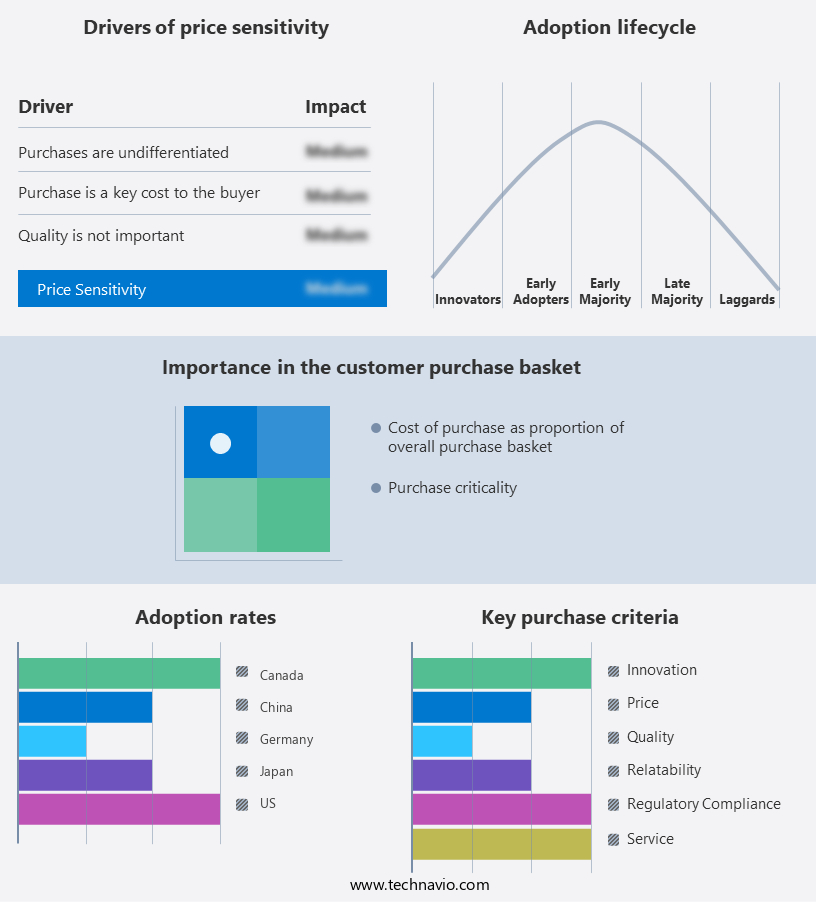
Compressor Control Systems Market Share by Geography

 Customer Landscape

Key Companies & Market Insights

Companies are implementing various strategies, such as strategic alliances, market forecast, partnerships, mergers and acquisitions, geographical expansion, and product/service launches, to enhance their presence In the industry.

The industry research and growth report includes detailed analyses of the competitive landscape of the market and information about key companies, including:

  • ABB Ltd.
  • Atlas Copco AB
  • Baker Hughes Co.
  • BOGE
  • Case Controls
  • ComAp AS
  • Connell Industries Inc.
  • Emerson Electric Co.
  • FS ELLIOTT Co. LLC
  • HOERBIGER Holding AG
  • Honeywell International Inc.
  • Ing. Enea Mattei Spa
  • Ingersoll Rand Inc.
  • KAESER KOMPRESSOREN SE
  • MAPNA Group Co.
  • Petrotech Inc.
  • RENNER GmbH Kompressoren
  • Rockwell Automation Inc.
  • Schneider Electric SE
  • Woodward Inc.

Qualitative and quantitative analysis of companies has been conducted to help clients understand the wider business environment as well as the strengths and weaknesses of key industry players. Data is qualitatively analyzed to categorize companies as pure play, category-focused, industry-focused, and diversified; it is quantitatively analyzed to categorize companies as dominant, leading, strong, tentative, and weak.

Research Analyst Overview

The market encompasses a wide range of applications across various industries, including power generation and the processing of petroleum, petrochemicals, metals, mining, and natural gas. These systems play a crucial role in optimizing the performance and efficiency of compressors used In these sectors. They are essential in power generation to ensure the reliable and efficient operation of gas turbines and internal combustion engines. In the petroleum and petrochemical industries, they are utilized in refining processes, shale gas extraction, and natural gas processing. In the mining sector, compressor control systems are employed to power mining equipment and ensure the safe and efficient transport of minerals.

Advanced compressor control systems are continually being developed to meet the evolving needs of these industries. These systems incorporate various components such as supervisory control, human-machine interfaces, transmitters, sensors, valves, actuators, drives, and motors. The integration of these components enables compressor control systems to optimize performance, reduce energy consumption, and improve product quality. The market is influenced by several market dynamics. Development expenditure In the oil and gas industry, driven by the need to meet increasing natural gas and oil demand, is a significant factor. Natural gas demand is expected to grow due to its role as a cleaner alternative to coal and oil in power generation.

Similarly, oil demand is expected to remain strong, driven by the transportation sector and industrial applications. Environmental specifications and regulations are also shaping the market. Stringent regulations aimed at reducing CO2 emissions from power plants and mining activities are driving the adoption of more efficient compressor control systems. Social distancing and production site safety are becoming increasingly important considerations, leading to the development of advanced safety systems and remote monitoring capabilities. The mining industry is undergoing significant productivity improvements, driven by the adoption of advanced technologies such as automation and data analytics. These technologies are being integrated into to optimize performance and reduce downtime.

Price volatility In the oil and gas industry is another factor influencing the market. Fluctuating prices can impact the profitability of oil and gas producers, leading them to prioritize cost savings and efficiency improvements. They can help achieve these goals by optimizing compressor performance and reducing energy consumption. The market is expected to grow as the demand for energy production and the processing of natural resources continues to increase. The integration of advanced technologies and the adoption of stringent regulations are driving innovation and improving efficiency and performance. Hence, the market plays a critical role in optimizing the performance and efficiency of compressors across various industries, including power generation, petroleum, petrochemicals, metals, mining, and natural gas. The market is influenced by several market dynamics, including development expenditure, environmental regulations, social distancing, mining productivity, and price volatility. Advanced technologies and innovations are driving the development of more efficient and cost-effective compressor control systems.

Market Scope

Report Coverage

Details

Page number

162

Base year

2023

Historic period

2018-2022

Forecast period

2024-2028

Growth momentum & CAGR

Accelerate at a CAGR of 4.5%

Market growth 2024-2028

USD 1.24 billion

Market structure

Fragmented

YoY growth 2023-2024(%)

4.23

Key countries

US, China, Japan, Germany, and Canada

Competitive landscape

Leading Companies, Market Positioning of Companies, Competitive Strategies, and Industry Risks

Request Free Sample

What are the Key Data Covered in this Market Research and Growth Report?

  • CAGR of the industry during the forecast period
  • Detailed information on factors that will drive the growth and forecasting between 2024 and 2028
  • Precise estimation of the size of the market and its contribution of the industry in focus to the parent market
  • Accurate predictions about upcoming growth and trends and changes in consumer behaviour
  • Growth of the market across APAC, North America, Europe, South America, and Middle East and Africa
  • Thorough analysis of the market's competitive landscape and detailed information about companies
  • Comprehensive analysis of factors that will challenge the market growth of industry companies

We can help! Our analysts can customize this market research report to meet your requirements.

Get in touch

1 Executive Summary

  • 1.1 Market overview
    • Executive Summary - Chart on Market Overview
    • Executive Summary - Data Table on Market Overview
    • Executive Summary - Chart on Global Market Characteristics
    • Executive Summary - Chart on Market by Geography
    • Executive Summary - Chart on Market Segmentation by Product
    • Executive Summary - Chart on Market Segmentation by End-user
    • Executive Summary - Chart on Incremental Growth
    • Executive Summary - Data Table on Incremental Growth
    • Executive Summary - Chart on Company Market Positioning

2 Market Landscape

  • 2.1 Market ecosystem
    • Parent Market
    • Data Table on - Parent Market
  • 2.2 Market characteristics
    • Market characteristics analysis
  • 2.3 Value chain analysis
    • Value Chain Analysis

3 Market Sizing

  • 3.1 Market definition
    • Offerings of companies included in the market definition
  • 3.2 Market segment analysis
    • Market segments
  • 3.3 Market size 2023
    • 3.4 Market outlook: Forecast for 2023-2028
      • Chart on Global - Market size and forecast 2023-2028 ($ million)
      • Data Table on Global - Market size and forecast 2023-2028 ($ million)
      • Chart on Global Market: Year-over-year growth 2023-2028 (%)
      • Data Table on Global Market: Year-over-year growth 2023-2028 (%)

    4 Historic Market Size

    • 4.1 Global Compressor Control Systems Market 2018 - 2022
      • Historic Market Size - Data Table on Global Compressor Control Systems Market 2018 - 2022 ($ million)
    • 4.2 Product segment analysis 2018 - 2022
      • Historic Market Size - Product Segment 2018 - 2022 ($ million)
    • 4.3 End-user segment analysis 2018 - 2022
      • Historic Market Size - End-user Segment 2018 - 2022 ($ million)
    • 4.4 Geography segment analysis 2018 - 2022
      • Historic Market Size - Geography Segment 2018 - 2022 ($ million)
    • 4.5 Country segment analysis 2018 - 2022
      • Historic Market Size - Country Segment 2018 - 2022 ($ million)

    5 Five Forces Analysis

    • 5.1 Five forces summary
      • Five forces analysis - Comparison between 2023 and 2028
    • 5.2 Bargaining power of buyers
      • Bargaining power of buyers - Impact of key factors 2023 and 2028
    • 5.3 Bargaining power of suppliers
      • Bargaining power of suppliers - Impact of key factors in 2023 and 2028
    • 5.4 Threat of new entrants
      • Threat of new entrants - Impact of key factors in 2023 and 2028
    • 5.5 Threat of substitutes
      • Threat of substitutes - Impact of key factors in 2023 and 2028
    • 5.6 Threat of rivalry
      • Threat of rivalry - Impact of key factors in 2023 and 2028
    • 5.7 Market condition
      • Chart on Market condition - Five forces 2023 and 2028

    6 Market Segmentation by Product

    • 6.1 Market segments
      • Chart on Product - Market share 2023-2028 (%)
      • Data Table on Product - Market share 2023-2028 (%)
    • 6.2 Comparison by Product
      • Chart on Comparison by Product
      • Data Table on Comparison by Product
    • 6.3 Control elements - Market size and forecast 2023-2028
      • Chart on Control elements - Market size and forecast 2023-2028 ($ million)
      • Data Table on Control elements - Market size and forecast 2023-2028 ($ million)
      • Chart on Control elements - Year-over-year growth 2023-2028 (%)
      • Data Table on Control elements - Year-over-year growth 2023-2028 (%)
    • 6.4 Communication - Market size and forecast 2023-2028
      • Chart on Communication - Market size and forecast 2023-2028 ($ million)
      • Data Table on Communication - Market size and forecast 2023-2028 ($ million)
      • Chart on Communication - Year-over-year growth 2023-2028 (%)
      • Data Table on Communication - Year-over-year growth 2023-2028 (%)
    • 6.5 Market opportunity by Product
      • Market opportunity by Product ($ million)
      • Data Table on Market opportunity by Product ($ million)

    7 Market Segmentation by End-user

    • 7.1 Market segments
      • Chart on End-user - Market share 2023-2028 (%)
      • Data Table on End-user - Market share 2023-2028 (%)
    • 7.2 Comparison by End-user
      • Chart on Comparison by End-user
      • Data Table on Comparison by End-user
    • 7.3 Process manufacturing - Market size and forecast 2023-2028
      • Chart on Process manufacturing - Market size and forecast 2023-2028 ($ million)
      • Data Table on Process manufacturing - Market size and forecast 2023-2028 ($ million)
      • Chart on Process manufacturing - Year-over-year growth 2023-2028 (%)
      • Data Table on Process manufacturing - Year-over-year growth 2023-2028 (%)
    • 7.4 Discrete manufacturing - Market size and forecast 2023-2028
      • Chart on Discrete manufacturing - Market size and forecast 2023-2028 ($ million)
      • Data Table on Discrete manufacturing - Market size and forecast 2023-2028 ($ million)
      • Chart on Discrete manufacturing - Year-over-year growth 2023-2028 (%)
      • Data Table on Discrete manufacturing - Year-over-year growth 2023-2028 (%)
    • 7.5 Market opportunity by End-user
      • Market opportunity by End-user ($ million)
      • Data Table on Market opportunity by End-user ($ million)

    8 Customer Landscape

    • 8.1 Customer landscape overview
      • Analysis of price sensitivity, lifecycle, customer purchase basket, adoption rates, and purchase criteria

    9 Geographic Landscape

    • 9.1 Geographic segmentation
      • Chart on Market share by geography 2023-2028 (%)
      • Data Table on Market share by geography 2023-2028 (%)
    • 9.2 Geographic comparison
      • Chart on Geographic comparison
      • Data Table on Geographic comparison
    • 9.3 APAC - Market size and forecast 2023-2028
      • Chart on APAC - Market size and forecast 2023-2028 ($ million)
      • Data Table on APAC - Market size and forecast 2023-2028 ($ million)
      • Chart on APAC - Year-over-year growth 2023-2028 (%)
      • Data Table on APAC - Year-over-year growth 2023-2028 (%)
    • 9.4 North America - Market size and forecast 2023-2028
      • Chart on North America - Market size and forecast 2023-2028 ($ million)
      • Data Table on North America - Market size and forecast 2023-2028 ($ million)
      • Chart on North America - Year-over-year growth 2023-2028 (%)
      • Data Table on North America - Year-over-year growth 2023-2028 (%)
    • 9.5 Europe - Market size and forecast 2023-2028
      • Chart on Europe - Market size and forecast 2023-2028 ($ million)
      • Data Table on Europe - Market size and forecast 2023-2028 ($ million)
      • Chart on Europe - Year-over-year growth 2023-2028 (%)
      • Data Table on Europe - Year-over-year growth 2023-2028 (%)
    • 9.6 South America - Market size and forecast 2023-2028
      • Chart on South America - Market size and forecast 2023-2028 ($ million)
      • Data Table on South America - Market size and forecast 2023-2028 ($ million)
      • Chart on South America - Year-over-year growth 2023-2028 (%)
      • Data Table on South America - Year-over-year growth 2023-2028 (%)
    • 9.7 Middle East and Africa - Market size and forecast 2023-2028
      • Chart on Middle East and Africa - Market size and forecast 2023-2028 ($ million)
      • Data Table on Middle East and Africa - Market size and forecast 2023-2028 ($ million)
      • Chart on Middle East and Africa - Year-over-year growth 2023-2028 (%)
      • Data Table on Middle East and Africa - Year-over-year growth 2023-2028 (%)
    • 9.8 US - Market size and forecast 2023-2028
      • Chart on US - Market size and forecast 2023-2028 ($ million)
      • Data Table on US - Market size and forecast 2023-2028 ($ million)
      • Chart on US - Year-over-year growth 2023-2028 (%)
      • Data Table on US - Year-over-year growth 2023-2028 (%)
    • 9.9 China - Market size and forecast 2023-2028
      • Chart on China - Market size and forecast 2023-2028 ($ million)
      • Data Table on China - Market size and forecast 2023-2028 ($ million)
      • Chart on China - Year-over-year growth 2023-2028 (%)
      • Data Table on China - Year-over-year growth 2023-2028 (%)
    • 9.10 Japan - Market size and forecast 2023-2028
      • Chart on Japan - Market size and forecast 2023-2028 ($ million)
      • Data Table on Japan - Market size and forecast 2023-2028 ($ million)
      • Chart on Japan - Year-over-year growth 2023-2028 (%)
      • Data Table on Japan - Year-over-year growth 2023-2028 (%)
    • 9.11 Germany - Market size and forecast 2023-2028
      • Chart on Germany - Market size and forecast 2023-2028 ($ million)
      • Data Table on Germany - Market size and forecast 2023-2028 ($ million)
      • Chart on Germany - Year-over-year growth 2023-2028 (%)
      • Data Table on Germany - Year-over-year growth 2023-2028 (%)
    • 9.12 Canada - Market size and forecast 2023-2028
      • Chart on Canada - Market size and forecast 2023-2028 ($ million)
      • Data Table on Canada - Market size and forecast 2023-2028 ($ million)
      • Chart on Canada - Year-over-year growth 2023-2028 (%)
      • Data Table on Canada - Year-over-year growth 2023-2028 (%)
    • 9.13 Market opportunity by geography
      • Market opportunity by geography ($ million)
      • Data Tables on Market opportunity by geography ($ million)

    10 Drivers, Challenges, and Opportunity/Restraints

    • 10.1 Market drivers
      • 10.2 Market challenges
        • 10.3 Impact of drivers and challenges
          • Impact of drivers and challenges in 2023 and 2028
        • 10.4 Market opportunities/restraints

          11 Competitive Landscape

          • 11.1 Overview
            • 11.2 Competitive Landscape
              • Overview on criticality of inputs and factors of differentiation
            • 11.3 Landscape disruption
              • Overview on factors of disruption
            • 11.4 Industry risks
              • Impact of key risks on business

            12 Competitive Analysis

            • 12.1 Companies profiled
              • Companies covered
            • 12.2 Market positioning of companies
              • Matrix on companies position and classification
            • 12.3 ABB Ltd.
              • ABB Ltd. - Overview
              • ABB Ltd. - Business segments
              • ABB Ltd. - Key news
              • ABB Ltd. - Key offerings
              • ABB Ltd. - Segment focus
            • 12.4 Baker Hughes Co.
              • Baker Hughes Co. - Overview
              • Baker Hughes Co. - Business segments
              • Baker Hughes Co. - Key news
              • Baker Hughes Co. - Key offerings
              • Baker Hughes Co. - Segment focus
            • 12.5 BOGE
              • BOGE - Overview
              • BOGE - Product / Service
              • BOGE - Key offerings
            • 12.6 Connell Industries Inc.
              • Connell Industries Inc. - Overview
              • Connell Industries Inc. - Product / Service
              • Connell Industries Inc. - Key offerings
            • 12.7 FS ELLIOTT Co. LLC
              • FS ELLIOTT Co. LLC - Overview
              • FS ELLIOTT Co. LLC - Product / Service
              • FS ELLIOTT Co. LLC - Key offerings
            • 12.8 HOERBIGER Holding AG
              • HOERBIGER Holding AG - Overview
              • HOERBIGER Holding AG - Product / Service
              • HOERBIGER Holding AG - Key offerings
            • 12.9 Honeywell International Inc.
              • Honeywell International Inc. - Overview
              • Honeywell International Inc. - Business segments
              • Honeywell International Inc. - Key news
              • Honeywell International Inc. - Key offerings
              • Honeywell International Inc. - Segment focus
            • 12.10 Ingersoll Rand Inc.
              • Ingersoll Rand Inc. - Overview
              • Ingersoll Rand Inc. - Business segments
              • Ingersoll Rand Inc. - Key news
              • Ingersoll Rand Inc. - Key offerings
              • Ingersoll Rand Inc. - Segment focus
            • 12.11 Schneider Electric SE
              • Schneider Electric SE - Overview
              • Schneider Electric SE - Business segments
              • Schneider Electric SE - Key news
              • Schneider Electric SE - Key offerings
              • Schneider Electric SE - Segment focus
            • 12.12 Woodward Inc.
              • Woodward Inc. - Overview
              • Woodward Inc. - Business segments
              • Woodward Inc. - Key news
              • Woodward Inc. - Key offerings
              • Woodward Inc. - Segment focus

            13 Appendix

            • 13.1 Scope of the report
              • 13.2 Inclusions and exclusions checklist
                • Inclusions checklist
                • Exclusions checklist
              • 13.3 Currency conversion rates for US$
                • Currency conversion rates for US$
              • 13.4 Research methodology
                • Research methodology
              • 13.5 Data procurement
                • Information sources
              • 13.6 Data validation
                • Data validation
              • 13.7 Validation techniques employed for market sizing
                • Validation techniques employed for market sizing
              • 13.8 Data synthesis
                • Data synthesis
              • 13.9 360 degree market analysis
                • 360 degree market analysis
              • 13.10 List of abbreviations
                • List of abbreviations

              Research Methodology

              Technavio presents a detailed picture of the market by way of study, synthesis, and summation of data from multiple sources. The analysts have presented the various facets of the market with a particular focus on identifying the key industry influencers. The data thus presented is comprehensive, reliable, and the result of extensive research, both primary and secondary.

              INFORMATION SOURCES

              Primary sources

              • Manufacturers and suppliers
              • Channel partners
              • Industry experts
              • Strategic decision makers

              Secondary sources

              • Industry journals and periodicals
              • Government data
              • Financial reports of key industry players
              • Historical data
              • Press releases

              DATA ANALYSIS

              Data Synthesis

              • Collation of data
              • Estimation of key figures
              • Analysis of derived insights

              Data Validation

              • Triangulation with data models
              • Reference against proprietary databases
              • Corroboration with industry experts

              REPORT WRITING

              Qualitative

              • Market drivers
              • Market challenges
              • Market trends
              • Five forces analysis

              Quantitative

              • Market size and forecast
              • Market segmentation
              • Geographical insights
              • Competitive landscape

              Interested in this report?

              Get your sample now to see our research methodology and insights!

              Download Now

              Frequently Asked Questions

              Compressor Control Systems market growth will increase by $ 1238.3 mn during 2024-2028 .

              The Compressor Control Systems market is expected to grow at a CAGR of 4.5% during 2024-2028 .

              Compressor Control Systems market is segmented by Product( Control elements, Communication) End-user( Process manufacturing, Discrete manufacturing)

              ABB Ltd., Atlas Copco AB, Baker Hughes Co., BOGE, Case Controls, ComAp AS, Connell Industries Inc., Emerson Electric Co., FS ELLIOTT Co. LLC, HOERBIGER Holding AG, Honeywell International Inc., Ing. Enea Mattei Spa, Ingersoll Rand Inc., KAESER KOMPRESSOREN SE, MAPNA Group Co., Petrotech Inc., RENNER GmbH Kompressoren, Rockwell Automation Inc., Schneider Electric SE, Woodward Inc. are a few of the key vendors in the Compressor Control Systems market.

              APAC will register the highest growth rate of 45% among the other regions. Therefore, the Compressor Control Systems market in APAC is expected to garner significant business opportunities for the vendors during the forecast period.

              US, China, Japan, Germany, Canada

              • Increasing focus on improving energy efficiency of compressorsCompressors are among the least efficient utilities of an industrial plant. Therefore is the driving factor this market.
              • they consume a significant amount of energy. This aspect is prominent with respect to discrete manufacturing is the driving factor this market.
              • wherein new compressors are added with increasing compressed air load. This contributes to the deployment of individual compressors for multiple sections of plants. Each compressor is designed to meet the peak load demand of the assigned section of the plant. However is the driving factor this market.
              • it is highly unlikely for the compressed air demands of each section of the plant to peak at once. Therefore is the driving factor this market.
              • the total installed capacity of compressed air systems in most discrete manufacturing plants is higher than their total peak load demand. Redundancies such as equipment failure is the driving factor this market.
              • scheduled maintenance is the driving factor this market.
              • or seasonal peak load demand also lead to high installed capacity. Therefore is the driving factor this market.
              • most of the compressors in discrete manufacturing operate in silos and at part loads. A few industrial facilities do integrate multiple compressors to have a common discharge header. However is the driving factor this market.
              • they usually do not design a single control system for multiple compressors as the load is shared equally between multiple compressors. Consequently is the driving factor this market.
              • all the compressors are operated at part load most of the time. This increases the operating cost of the compressed air utility system. The efficiency of a compressor is the driving factor this market.
              • which can be expressed as average compressor-specific power is the driving factor this market.
              • goes down when it works at part load. Specific power refers to the power that a compressor consumes to produce 100 CFM (cubic feet per minute) of compressed air at given discharge pressure. As the load or demand for compressed air goes down is the driving factor this market.
              • the average specific power of a compressor increases. The low efficiency of compressed air systems proves very costly for a plant as compressors consume is the driving factor this market.
              • on average is the driving factor this market.
              • almost 10% of the industrial energy is the driving factor this market.
              • for instance is the driving factor this market.
              • in the US. The above factors imply that the discrete manufacturing industry is focusing on operating a minimum number of compressors at peak load instead of operating multiple compressors at part loads. This is achieved by using suitably designed compressor control systems. This ensures the purchase of compressors online sequentially as the compressed air load increases. In such a control system is the driving factor this market.
              • baseload compressors usually operate at full capacity is the driving factor this market.
              • thereby giving optimum efficiency. An additional compressor is the driving factor this market.
              • which is usually termed as the trim compressor is the driving factor this market.
              • is brought online only when the demand exceeds the baseload need. This facilitates the flexibility of operating a maximum number of compressors at peak load except for trim compressors. Therefore is the driving factor this market.
              • the overall efficiency of compressed air systems improves and results in significant energy savings. The cost-saving potential offered by compressor control systems is increasing their installation in discrete manufacturing. is the driving factor this market.

              The Compressor Control Systems market vendors should focus on grabbing business opportunities from the Control elements segment as it accounted for the largest market share in the base year.
