



Data Monetization Market Size 2024-2028
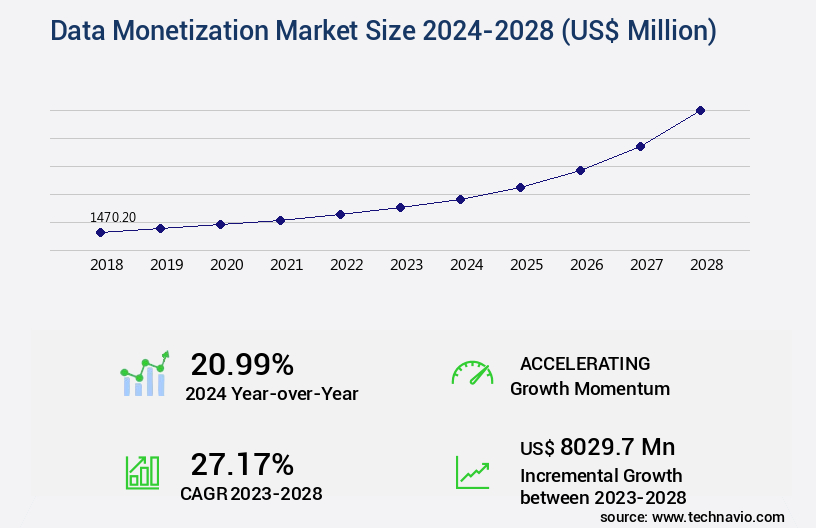
The data monetization market size is valued to increase USD 8.03 billion, at a CAGR of 27.17% from 2023 to 2028. High adoption of data monetization by various end-users will drive the data monetization market.
Major Market Trends & Insights
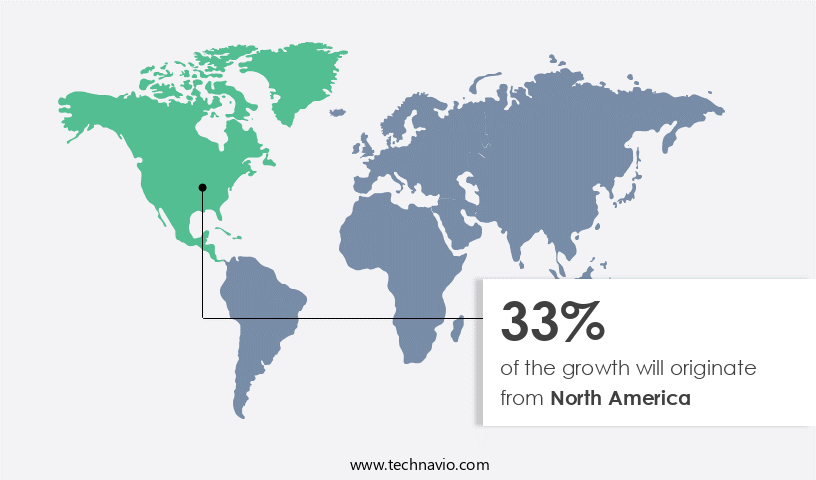
- North America dominated the market and accounted for a 33% growth during the forecast period.
- By Type - Solution segment was valued at USD 999.20 billion in 2022
- By Platform - BFSI segment accounted for the largest market revenue share in 2022
Market Size & Forecast
- Market Opportunities: USD 680.91 million
- Market Future Opportunities: USD 8029.70 million
- CAGR from 2023 to 2028 : 27.17%
Market Summary
- The market has experienced significant growth, with businesses increasingly recognizing the value of their data as an asset. According to recent estimates, The market is projected to reach USD125.3 billion by 2027, driven by the digital transformation of industries and the adoption of advanced analytics technologies. This trend is fueled by the growing recognition that data can be leveraged to create new revenue streams and enhance customer experiences. However, the market's evolution is not without challenges. Data privacy and regulatory compliance are paramount concerns, with stringent regulations such as GDPR and CCPA shaping the market's direction.
- To monetize data effectively, businesses must ensure they have robust data security measures in place and are transparent about their data usage practices. Moreover, the market's future direction is influenced by emerging trends, such as the increasing adoption of edge computing and the rise of blockchain technology. These technologies offer new opportunities for data monetization, enabling real-time data processing and secure, decentralized data sharing. Despite these challenges, the future of data monetization looks promising, with businesses continuing to explore new ways to leverage their data to create value. The market's growth is underpinned by the increasing importance of data in driving business innovation and competitiveness.
- As such, data monetization is set to become a key strategic priority for businesses across industries.
What will be the Size of the Data Monetization Market during the forecast period?
Get Key Insights on Market Forecast (PDF) Request Free Sample
How is the Data Monetization Market Segmented ?
The data monetization industry research report provides comprehensive data (region-wise segment analysis), with forecasts and estimates in "USD million" for the period 2024-2028, as well as historical data from 2018-2022 for the following segments.
- Type
- Solution
- Service
- Platform
- BFSI
- E-commerce and retail
- Media and entertainment
- Manufacturing
- Others
- Geography
- North America
- US
- Canada
- Europe
- Germany
- APAC
- China
- Japan
- Rest of World (ROW)
- North America
By Type Insights
The solution segment is estimated to witness significant growth during the forecast period.
In the digital age, data has become a valuable asset for businesses, fueling growth through the monetization of insights and services. With the exponential increase in data generation from various sources like customer interactions, IoT devices, and social media, organizations are leveraging advanced technologies such as big data analytics, machine learning, and artificial intelligence to transform raw data into actionable insights. Retail giants like Walmart and Amazon are leading the charge, using customer data for personalized marketing campaigns, targeted recommendations, optimized pricing strategies, and improved inventory management. Data monetization encompasses various strategies, including data licensing agreements, predictive modeling techniques, and data enrichment.
Data security protocols, encryption methods, and anonymization techniques ensure data privacy, while revenue sharing models and subscription management systems facilitate transactions. Compliance regulations and metadata management are crucial components of data governance frameworks, ensuring data quality and security. Data visualization dashboards, real-time data streaming, and dynamic pricing models enable businesses to gain valuable insights and respond to market trends in a timely manner. According to recent estimates, The market is expected to reach USD115.2 billion by 2026, underscoring its growing importance in the business landscape.
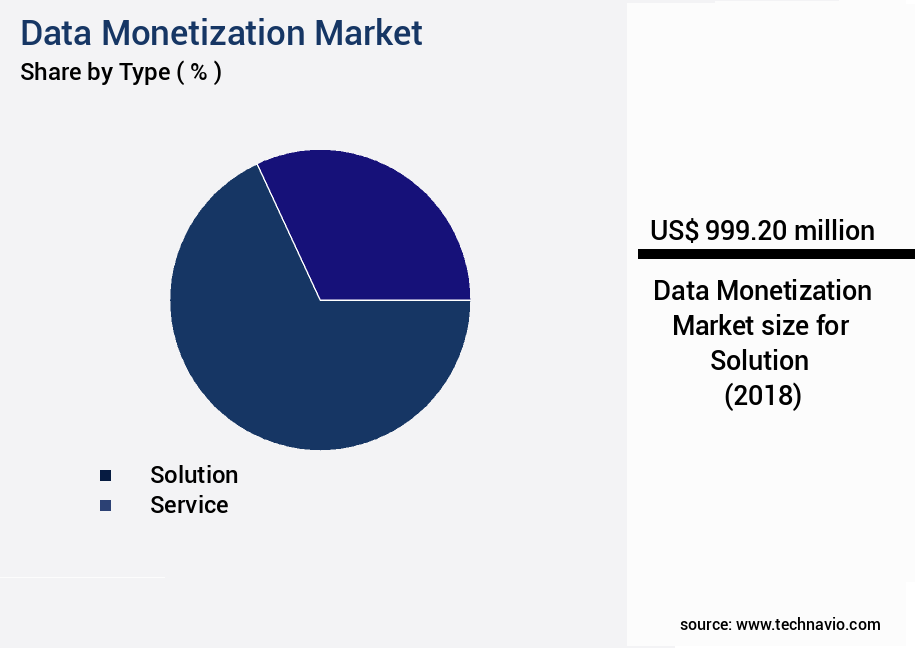
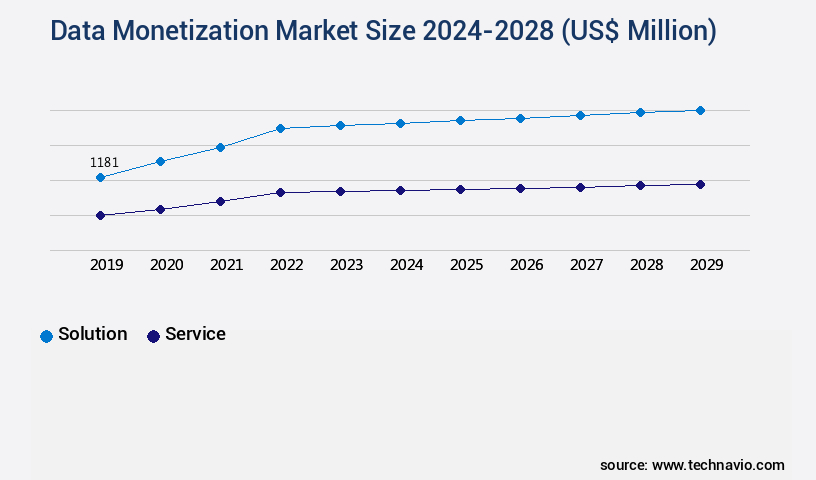
The Solution segment was valued at USD 999.20 billion in 2018 and showed a gradual increase during the forecast period.
Regional Analysis
North America is estimated to contribute 33% to the growth of the global market during the forecast period.Technavio's analysts have elaborately explained the regional trends and drivers that shape the market during the forecast period.
See How Data Monetization Market Demand is Rising in North America Request Free Sample
Data monetization, the process of generating revenue from data, has gained significant traction in North America, with various industries such as BFSI, retail, and e-commerce embracing this trend. The region's well-established data infrastructure, characterized by advanced data collection and storage capabilities, plays a pivotal role in driving data monetization. North America's innovation ecosystem, marked by a large presence of technology companies, start-ups, and venture capital firms, fuels the development of advanced data analytics and monetization solutions. This competitive marketplace for data-driven services is further bolstered by a favorable regulatory environment, a customer-centric approach, industry diversity, and the recognition of competitive advantage derived from data.
According to recent reports, the North American the market is expected to exhibit substantial growth, underscoring its importance in the digital economy.
Market Dynamics
Our researchers analyzed the data with 2023 as the base year, along with the key drivers, trends, and challenges. A holistic analysis of drivers will help companies refine their marketing strategies to gain a competitive advantage.
The market is experiencing unprecedented growth as businesses increasingly recognize the value of their data beyond traditional use cases. Companies are implementing effective data licensing strategies to maximize revenue streams, ensuring data privacy compliance to build trust with customers, and leveraging real-time data streams to gain competitive advantages. Robust data security systems are being built to protect sensitive information, while creating personalized data feeds and designing dynamic pricing models cater to specific customer segments. Managing data quality metrics and improving data aggregation processes are crucial for businesses to optimize their data transformation efforts. Utilizing predictive modeling techniques, applying machine learning algorithms, and developing data governance frameworks are essential for gaining insights from complex data sets.
Key performance indicators (KPIs) such as data accuracy, completeness, and timeliness are being closely monitored to maintain high-quality data. Adoption rates of advanced data monetization strategies in the technology sector are nearly double those in the manufacturing industry, highlighting the significant potential for growth in traditionally data-rich sectors. Building a strong data monetization strategy involves not only optimizing data transformation but also implementing data encryption methods, managing data access control, defining data usage agreements, and monitoring data security protocols. Establishing data retention policies, maintaining data lineage tracking, using data visualization dashboards, and conducting data quality assessments are critical components of a comprehensive data monetization strategy.
By focusing on these areas, businesses can effectively leverage their data as a valuable asset, driving innovation, enhancing customer experiences, and generating new revenue streams.
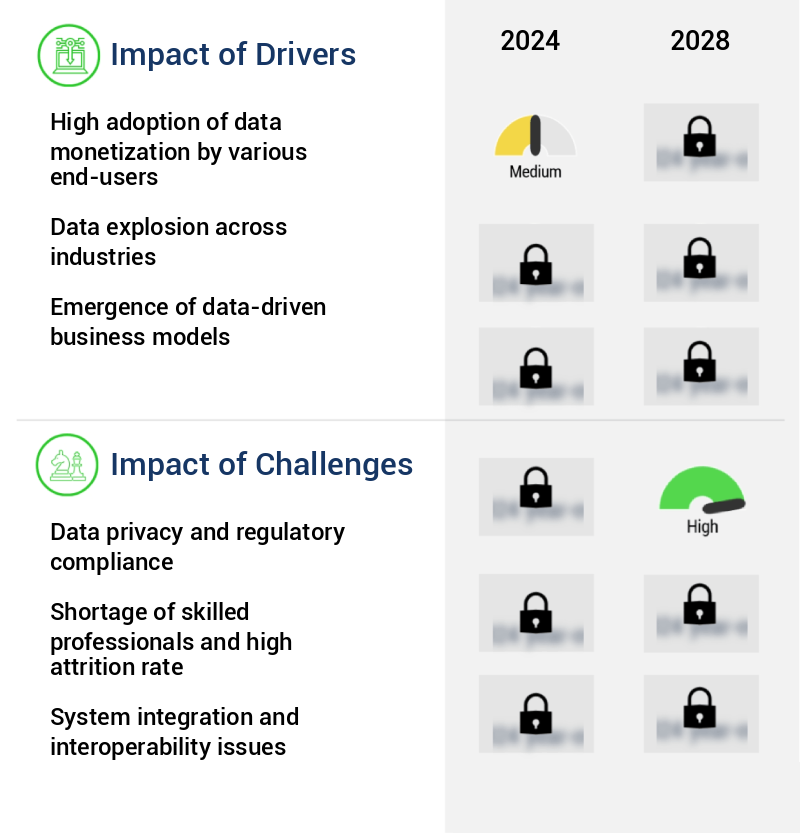
What are the key market drivers leading to the rise in the adoption of Data Monetization Industry?
- The significant adoption of data monetization strategies by a multitude of end-users serves as the primary growth catalyst for the market.
- Data monetization has emerged as a strategic priority for businesses in diverse sectors, with organizations recognizing the potential value of their data for driving growth and competitive advantage. In the financial industry, data monetization is being utilized to refine risk assessment, bolster fraud detection, and enhance customer segmentation. The healthcare sector is leveraging data monetization to optimize patient care, allocate resources effectively, and advance medical research.
- Retail and e-commerce businesses, which handle extensive customer data, can leverage data monetization to uncover deeper insights into consumer preferences, tailor experiences, and execute targeted marketing campaigns. The continuous evolution of data monetization applications underscores its significance across industries, as businesses strive to capitalize on their data assets to gain a competitive edge.
What are the market trends shaping the Data Monetization Industry?
- Digital transformation is an inevitable market trend for businesses. This trend prioritizes the adoption of digital technologies to enhance operations, improve customer experience, and gain a competitive edge.
- In today's digital landscape, industries such as BFSI and automotive are generating massive amounts of data through digital technologies, IoT devices, social media, and other digital channels. This data influx opens up avenues for organizations to monetize their data assets and enhance the value of their digital initiatives. Cloud computing plays a pivotal role in this transformation, enabling businesses to store and process large data volumes at a reduced cost. The abundance of data offers numerous opportunities for companies to analyze their data and develop data-driven products and services. For instance, in the BFSI sector, predictive analytics can help identify customer behavior patterns and tailor financial services accordingly.
- In the automotive industry, real-time data analysis can optimize vehicle performance and maintenance. This data-driven approach not only generates revenue but also fosters better customer engagement and improves operational efficiency. By leveraging their data assets, organizations can gain a competitive edge and stay ahead in the ever-evolving digital market.
What challenges does the Data Monetization Industry face during its growth?
- Ensuring data privacy and regulatory compliance is a critical challenge that significantly impacts the growth of industries, requiring meticulous adherence to mandated regulations and safeguarding of sensitive information.
- Data monetization, the practice of sharing or selling data assets, is a significant trend in various industries. However, it comes with inherent risks, particularly around data privacy. Regulations such as the General Data Protection Regulation (GDPR) and the California Consumer Privacy Act (CCPA) impose stringent requirements on how organizations handle personal data. Monetizing data increases the risk of data breaches and unauthorized access, which can lead to reputational damage and financial penalties. To mitigate these risks, organizations must implement robust data governance practices, including proper consent mechanisms and anonymization techniques. The complexity of adhering to these regulations may hinder the growth of the market in the forecast period.
- Despite this challenge, the market continues to evolve, with applications spanning sectors like healthcare, finance, and marketing. For instance, healthcare organizations use data monetization to improve patient outcomes and reduce costs, while financial institutions leverage it for risk management and fraud detection. In the marketing sector, data monetization enables personalized customer experiences and targeted advertising. Overall, the market presents opportunities for innovation and growth, but organizations must navigate the regulatory landscape carefully.
Exclusive Technavio Analysis on Customer Landscape
The data monetization market forecasting report includes the adoption lifecycle of the market, covering from the innovator's stage to the laggard's stage. It focuses on adoption rates in different regions based on penetration. Furthermore, the data monetization market report also includes key purchase criteria and drivers of price sensitivity to help companies evaluate and develop their market growth analysis strategies.
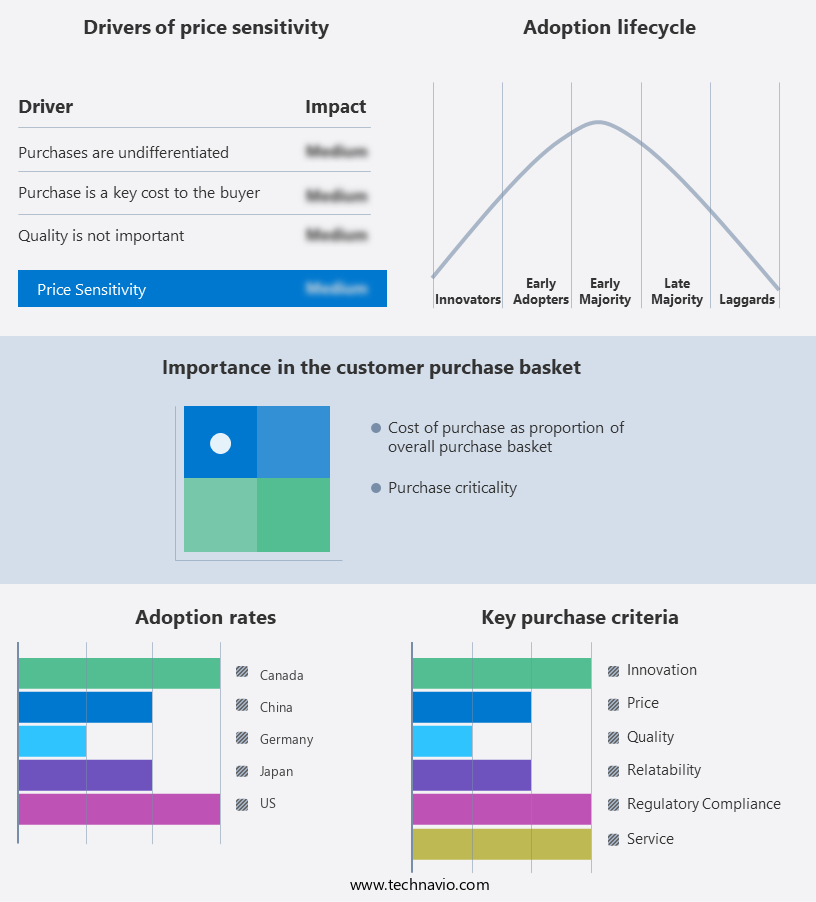
Customer Landscape of Data Monetization Industry
Competitive Landscape
Companies are implementing various strategies, such as strategic alliances, data monetization market forecast, partnerships, mergers and acquisitions, geographical expansion, and product/service launches, to enhance their presence in the industry.
Accenture Plc - The company specializes in data monetization, providing advanced solutions like Embedded Analytics and Generative AI through Google's data monetization framework. These innovative offerings enable businesses to maximize value from their data assets.
The industry research and growth report includes detailed analyses of the competitive landscape of the market and information about key companies, including:
- Accenture Plc
- Adastra Group
- Alphabet Inc.
- Ciena Corp.
- Cisco Systems Inc.
- CoreSite Realty Corp.
- Dawex Systems.
- Emu Analytics Ltd.
- Enea AB
- Equinix Inc.
- Extreme Networks Inc.
- Infosys Ltd.
- International Business Machines Corp.
- Juniper Networks Inc.
- Microsoft Corp.
- Ness Technologies Inc.
- NetScout Systems Inc.
- Nippon Telegraph And Telephone Corp.
- Nokia Corp.
- Oracle Corp.
- SAP SE
- Thales Group
- Viavi Solutions Inc.
Qualitative and quantitative analysis of companies has been conducted to help clients understand the wider business environment as well as the strengths and weaknesses of key industry players. Data is qualitatively analyzed to categorize companies as pure play, category-focused, industry-focused, and diversified; it is quantitatively analyzed to categorize companies as dominant, leading, strong, tentative, and weak.
Recent Development and News in Data Monetization Market
- In January 2024, IBM announced the launch of its new Data Monetization Fabric, a platform designed to help businesses monetize their data through advanced analytics, AI, and blockchain technologies. The platform was showcased at the Consumer Electronics Show (CES) in Las Vegas (IBM Press Release, 2024).
- In March 2024, Microsoft and Adobe entered into a strategic partnership to integrate Microsoft Azure's AI and data services with Adobe Experience Platform. This collaboration aimed to help businesses create personalized customer experiences by leveraging their data (Microsoft News Center, 2024).
- In April 2025, Snowflake, a leading data cloud company, raised USD1.0 billion in its initial public offering (IPO), making it one of the largest tech IPOs of the year. The proceeds from the offering would be used to fuel the company's growth and expand its data monetization services (Snowflake Press Release, 2025).
- In May 2025, the European Union's General Data Protection Regulation (GDPR) was strengthened with the adoption of the Data Act. The legislation aims to give data owners more control over their data and incentivize businesses to create new data markets (European Commission, 2025). This development is expected to significantly impact the data monetization landscape in Europe.
Dive into Technavio's robust research methodology, blending expert interviews, extensive data synthesis, and validated models for unparalleled Data Monetization Market insights. See full methodology.
|
Market Scope |
|
|
Report Coverage |
Details |
|
Page number |
189 |
|
Base year |
2023 |
|
Historic period |
2018-2022 |
|
Forecast period |
2024-2028 |
|
Growth momentum & CAGR |
Accelerate at a CAGR of 27.17% |
|
Market growth 2024-2028 |
USD 8029.7 million |
|
Market structure |
Fragmented |
|
YoY growth 2023-2024(%) |
20.99 |
|
Key countries |
US, Canada, China, Japan, and Germany |
|
Competitive landscape |
Leading Companies, Market Positioning of Companies, Competitive Strategies, and Industry Risks |
Research Analyst Overview
- In the dynamic and ever-evolving the market, organizations are increasingly recognizing the value of their data as a strategic asset. Behavioral targeting, a key data monetization strategy, allows businesses to understand consumer preferences and tailor offerings accordingly, driving revenue growth. Data lineage tracking ensures transparency and accountability, enabling companies to trace data origins and monitor its journey throughout the organization. Data enrichment strategies, such as adding context or external data to existing information, enhance the value of data and improve decision-making capabilities. Data licensing agreements and revenue sharing models provide additional revenue streams, while predictive modeling techniques enable accurate forecasting and proactive business responses.
- Data privacy standards, like GDPR and CCPA, set regulations for handling personal data, ensuring user trust and compliance. Big data analytics uncovers hidden trends and patterns, driving business innovation. User authentication systems secure access to sensitive data, while data anonymization techniques maintain privacy. Revenue sharing models and subscription management systems facilitate seamless monetization of data. Data exchange formats and customer data platforms streamline data sharing between organizations. Data access controls and API integration ensure secure and controlled data access. Machine learning algorithms power advanced data analytics, enabling personalized data feeds and real-time data streaming. Metadata management and data lifecycle management maintain data consistency and quality.
- Data transformation processes adapt data to various formats and structures. Compliance regulations, such as HIPAA and PCI-DSS, set industry-specific standards for data handling. Dynamic pricing models adjust pricing based on market conditions and demand. Data visualization dashboards provide actionable insights, while metadata management ensures data accuracy and consistency. Cloud storage solutions offer scalable and cost-effective data storage, while data aggregation pipelines collect and process data from multiple sources. Data governance frameworks establish policies and procedures for effective data management. Fraud detection systems protect against data breaches and unauthorized access. Among various industries, the market is projected to grow at a significant pace compared to traditional industries, with a recent study estimating that the data economy could reach USD3 trillion by 2025.
- This underscores the immense potential for businesses to leverage their data as a valuable asset.
What are the Key Data Covered in this Data Monetization Market Research and Growth Report?
-
What is the expected growth of the Data Monetization Market between 2024 and 2028?
-
USD 8.03 billion, at a CAGR of 27.17%
-
-
What segmentation does the market report cover?
-
The report is segmented by Type (Solution and Service), Platform (BFSI, E-commerce and retail, Media and entertainment, Manufacturing, and Others), and Geography (North America, APAC, Europe, South America, and Middle East and Africa)
-
-
Which regions are analyzed in the report?
-
North America, APAC, Europe, South America, and Middle East and Africa
-
-
What are the key growth drivers and market challenges?
-
High adoption of data monetization by various end-users, Data privacy and regulatory compliance
-
-
Who are the major players in the Data Monetization Market?
-
Accenture Plc, Adastra Group, Alphabet Inc., Ciena Corp., Cisco Systems Inc., CoreSite Realty Corp., Dawex Systems., Emu Analytics Ltd., Enea AB, Equinix Inc., Extreme Networks Inc., Infosys Ltd., International Business Machines Corp., Juniper Networks Inc., Microsoft Corp., Ness Technologies Inc., NetScout Systems Inc., Nippon Telegraph And Telephone Corp., Nokia Corp., Oracle Corp., SAP SE, Thales Group, and Viavi Solutions Inc.
-
Market Research Insights
- The market encompasses a range of strategies and technologies that enable businesses to leverage their data as an asset. Two key areas of investment in this market are data security and data analytics. According to industry estimates, the global data security market is projected to reach USD150 billion by 2023, driven by the increasing importance of protecting sensitive data. In contrast, the data analytics market, which includes value-based pricing, customer segmentation, and AI-driven insights, is projected to surpass USD200 billion by 2024. These figures underscore the significant value businesses can derive from their data, whether through enhancing security or unlocking new insights.
- Data monetization strategies encompass various approaches, such as data sharing agreements, data syndication networks, and premium data access, all of which require robust data governance policies, compliance certifications, access control lists, data masking techniques, security incident response, and data breach prevention measures. Additionally, data marketplace platforms facilitate the buying and selling of data, while open data initiatives promote the sharing of non-sensitive data for public benefit. Data retention policies, third-party risk management, data broker services, data encryption keys, and data usage tracking are other essential components of data monetization strategies. Data privacy regulations, data loss prevention, risk assessment models, business intelligence tools, and data quality assessment further ensure the ethical and effective use of data.
We can help! Our analysts can customize this data monetization market research report to meet your requirements.
 RIA -
RIA - 
