
Teenage Personal Care Product Market Size 2025-2029
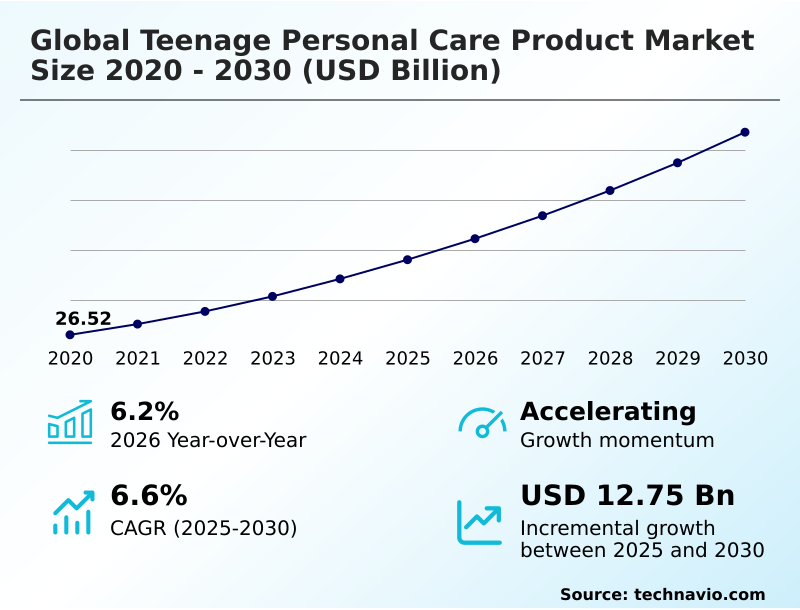
The teenage personal care product market size is forecast to increase by USD 11.86 billion, at a CAGR of 6.5% between 2024 and 2029.
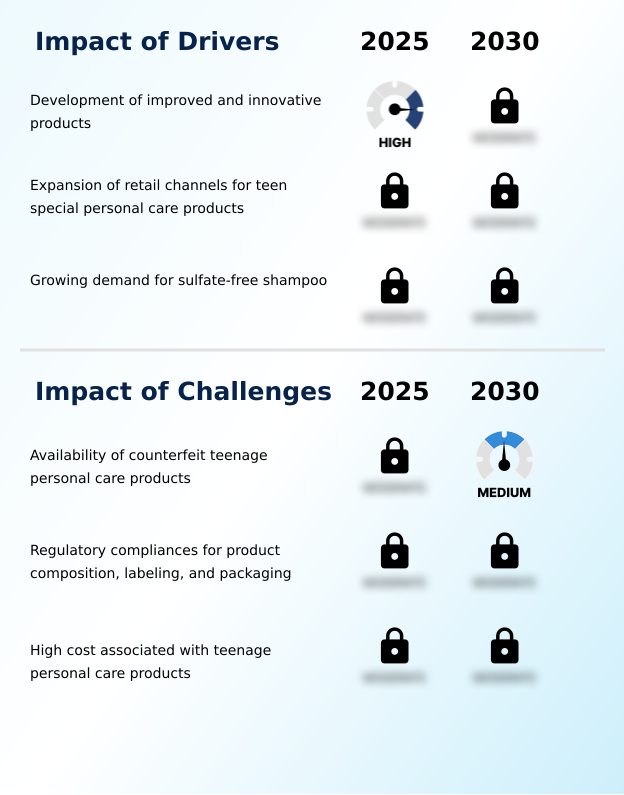
- The market is driven by the continuous development of improved and innovative products catering to the unique needs and preferences of this demographic. This segment is increasingly focusing on natural and organic personal care product offerings, as well as personalized solutions, to resonate with the health-conscious and socially-conscious consumer base. Another significant trend shaping the market is the extensive use of social media marketing to engage with the target audience and build brand loyalty. However, the market faces challenges in the form of the proliferation of counterfeit products, which undermine brand reputation and consumer trust.
- These counterfeits, often sold at lower prices, can lead to a loss of sales for legitimate brands and potentially harm the health and safety of consumers. Companies seeking to capitalize on market opportunities and navigate challenges effectively must prioritize product innovation, invest in digital marketing strategies, and collaborate with industry stakeholders to combat counterfeiting.
What will be the Size of the Teenage Personal Care Product Market during the forecast period?
Request Free Sample
The market continues to evolve, shaped by various dynamics and applications across sectors. Clean beauty, a growing trend, influences specialty stores as consumers seek out natural and ethical sourcing. Social media's impact is significant, with influencer marketing driving product discovery and brand loyalty. Anti-aging products cater to the premium market, while marketing strategies focus on lip care, body image, and trend forecasting. Lip care and body image concerns intertwine with mental health, leading to an increased demand for sensitive skin products and vegan options. Premium market offerings prioritize safety testing, subscription services, and biodegradable packaging. Mass market retailers adapt to these trends, offering a wide range of product categories from facial cleansers and body washes to acne treatment and hair removal.
Nail care and packaging design also play crucial roles, with scent profiles and youth culture shaping preferences. Price sensitivity and personal style influence purchasing decisions, while age groups and ingredient labeling become essential factors for brand loyalty. Beauty standards and social norms continue to evolve, with generation Z leading the way in embracing clean beauty and body positivity. Marketing strategies for teenage personal care products must remain adaptive, addressing the ever-changing landscape of consumer preferences and trends. The market's continuous unfolding requires a keen understanding of the interconnected factors, from product innovation and fragrance preferences to price sensitivity and customer feedback.
How is this Teenage Personal Care Product Industry segmented?
The teenage personal care product industry research report provides comprehensive data (region-wise segment analysis), with forecasts and estimates in "USD billion" for the period 2025-2029, as well as historical data from 2019-2023 for the following segments.
- Distribution Channel
- Product
- Skincare products
- Haircare products
- Color cosmetics
- Others
- Type
- Geography
- North America
- Europe
- Middle East and Africa
- APAC
- South America
- Rest of World (ROW)
By Distribution Channel Insights
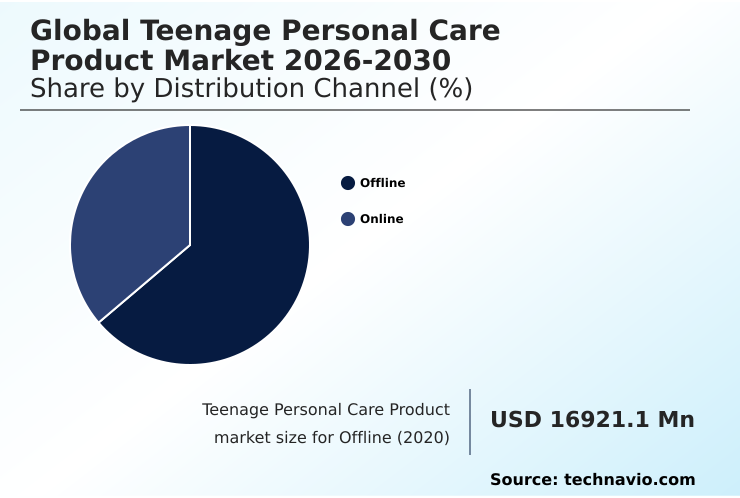
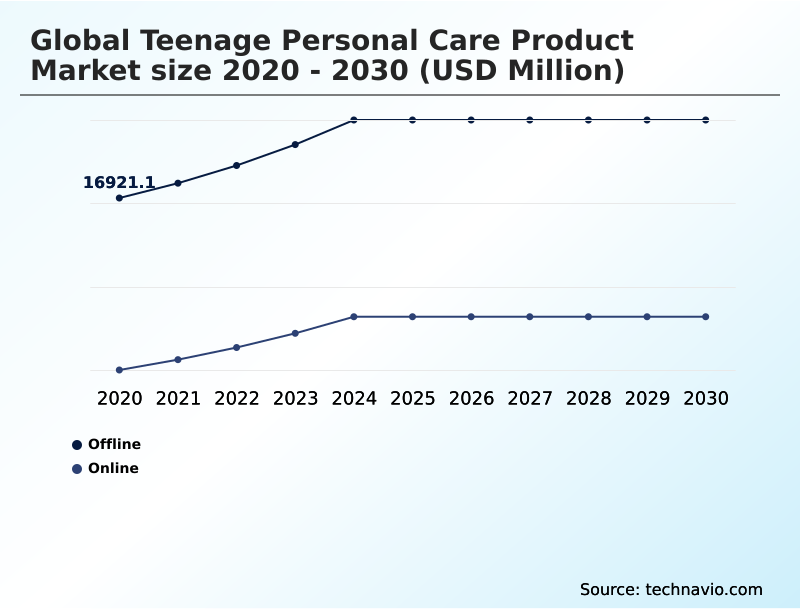
The offline segment is estimated to witness significant growth during the forecast period.
The teenage personal care market in the US and other regions is witnessing significant growth, driven by the expansion of retail channels and the increasing preference for convenience. Offline retailers, including department stores, specialty stores, and supermarkets, are capitalizing on this trend by offering a wide range of products catering to diverse skin concerns, hair styles, and fragrance preferences. Consumers are drawn to these outlets due to attractive pricing and an enjoyable shopping experience. The ambiance, discounts, and strategic product placement in stores further encourage purchases. The market for teenage personal care products is expected to continue growing, with an increase in the number of retail outlets in the US, the UK, and Brazil.
Product innovation is another key factor fueling market growth. Exfoliating scrubs, facial cleansers, body washes, and other personal care products are being formulated with natural ingredients, ethical sourcing, and eco-friendly packaging. Brands are focusing on catering to specific skin concerns, such as dry skin, oily skin, sensitive skin, and acne treatment, while also addressing mental health and body positivity. Cruelty-free, organic, and vegan products are gaining popularity, as are anti-aging and premium products. Digital marketing and social media influence are playing a significant role in driving sales. Consumer feedback and reviews are readily available online, allowing potential buyers to make informed decisions.
Subscription services and online retailers offer convenience and product availability, while influencer marketing and trend forecasting help shape consumer preferences. Safety testing and ingredient labeling are becoming increasingly important, with transparency being a key concern for many consumers. The market for teenage personal care cosmetic products is diverse and dynamic, with various players catering to different demographics and age groups. Generation Z, in particular, is driving demand for clean beauty, sustainable packaging, and ethical sourcing. The market is expected to continue evolving, with a focus on addressing hair concerns, such as hair loss and damaged hair, as well as skin concerns, such as mental health and environmental impact. The future of the teenage personal care market is bright, with numerous opportunities for innovation and growth.

Request Free Sample
The Offline segment was valued at USD 17.68 billion in 2019 and showed a gradual increase during the forecast period.
Regional Analysis
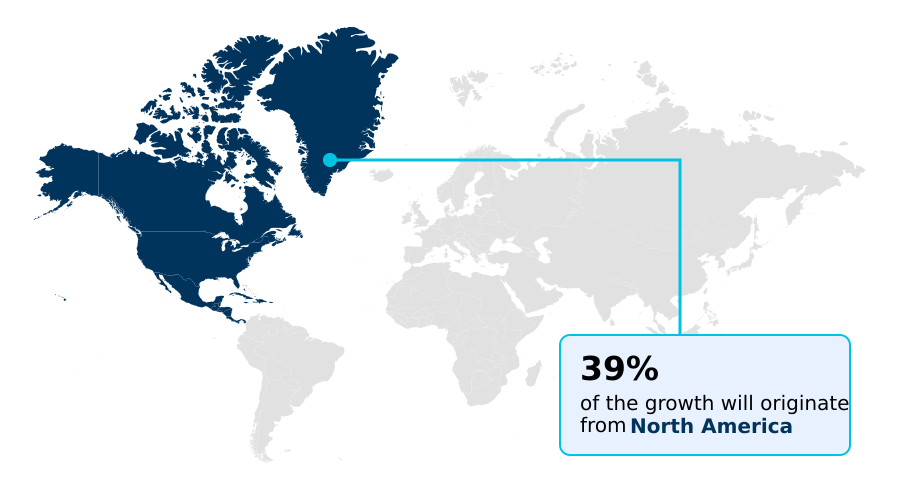
North America is estimated to contribute 40% to the growth of the global market during the forecast period.Technavio's analysts have elaborately explained the regional trends and drivers that shape the market during the forecast period.
Request Free Sample
The teenage personal care market in North America is experiencing steady growth due to the influence of millennial fashion trends. Hairstyles and haircuts, such as the side parting and pompadour look, drive demand for hair care and styling products like gels, wax, hair oils, serums, hair foams, and dry shampoo. Product innovation, including fragrance preferences and ethical sourcing, is a key focus for brands catering to this demographic. Digital marketing and social media influence are essential channels for reaching this tech-savvy generation. Sensitive skin and mental health concerns are also priorities, leading to the development of specialized products.
Natural ingredients, clean beauty, and vegan options are increasingly preferred. Packaging recycling and environmental impact are also important considerations, with a shift towards biodegradable materials. Anti-aging products, lip care, and body image are other areas of growth. Pricing sensitivity and brand loyalty are factors influencing consumer choices, while clinical studies and safety testing ensure product efficacy and safety. Trend forecasting and influencer marketing help keep brands in tune with the evolving needs and preferences of Generation Z. Acne treatment, hair removal, and hair concerns are common skin issues addressed in the market. The mass market offers a wide range of product availability, while specialty stores cater to niche markets.
Product claims, packaging design, and ingredient labeling are crucial elements of marketing strategies. Body positivity and self-care are cultural norms that continue to shape the market. Age groups from teenagers to young adults are the primary consumers, with a diverse range of hair and skin concerns.
Market Dynamics
Our researchers analyzed the data with 2024 as the base year, along with the key drivers, trends, and challenges. A holistic analysis of drivers will help companies refine their marketing strategies to gain a competitive advantage.
What are the key market drivers leading to the rise in the adoption of Teenage Personal Care Product Industry?
- The market's growth is primarily fueled by the development and introduction of advanced and innovative products.
- The personal care product market has experienced significant growth due to various trends and consumer preferences. One notable trend is the increasing demand for products made with natural ingredients, reflecting a growing consciousness towards health and wellness. This shift is particularly prominent among younger generations, who prioritize mental health and self-care as part of their personal style. Another trend is the development of innovative hair removal and skincare solutions catering to specific concerns, such as oily skin or body hair. Cruelty-free and organic products have also gained popularity, driven by consumer awareness and ethical considerations. Clinical studies and scientific advancements have led to the introduction of effective and efficient personal care products, addressing various skin and hair concerns.
- Price sensitivity remains a crucial factor, with many consumers seeking affordable options without compromising on quality. Brand loyalty is another significant driver, with consumers often sticking to their preferred brands due to trust, consistency, and scent profiles. The influence of youth culture continues to shape the market, with social media and influencer marketing playing a crucial role in product discovery and promotion. Body positivity and self-acceptance have also impacted the personal care industry, leading to a wider range of products catering to diverse needs and demographics. Overall, the personal care product market is expected to continue growing, driven by consumer preferences, technological advancements, and marketing initiatives.
What are the market trends shaping the Teenage Personal Care Product Industry?
- The use of social media marketing is increasingly popular for promoting personal care products to teenagers. This marketing trend reflects the growing influence of social media platforms in shaping consumer preferences among young demographics.
- The market is experiencing significant growth, driven by various factors. The increasing emphasis on clean beauty and safety testing has led consumers to seek out specialty stores offering natural and organic products. Social media influence plays a pivotal role in market trends, with platforms like Facebook, Twitter, Instagram, and YouTube promoting anti-aging products, lip care, body image, and premium market offerings. The e-commerce industry's expansion and increased internet penetration have fueled demand for a wide array of personal care items, including body care, nail care, and subscription services.
- Marketing strategies, such as influencer marketing, have become essential tools for companies to reach their target audience effectively. Trend forecasting is another crucial aspect of the market, with packaging design playing a significant role in product differentiation and consumer appeal. Overall, the personal care market continues to evolve, with a focus on innovation, quality, and consumer preferences.
What challenges does the Teenage Personal Care Product Industry face during its growth?
- The proliferation of counterfeit teenage personal care products poses a significant challenge to the industry's growth, requiring heightened vigilance and regulatory action to safeguard consumer trust and ensure product authenticity.
- The market experiences significant growth due to increasing demand for hair care and styling items. However, a concerning trend emerges with the rising prevalence of counterfeit products. These imitations, often made from substandard materials, can negatively impact sensitive skin and cause hair damage. The proliferation of e-commerce platforms and department stores contributes to the accessibility of counterfeit products, making it challenging for consumers to discern authentic items. Counterfeit products' affordability is a major draw for consumers, particularly among Generation Z. Social norms and beauty standards further fuel the demand for these items. However, the influx of counterfeit products poses a threat to genuine companies, potentially impacting their sales and pricing strategies.
- Transparency in ingredient labeling is crucial for consumers, particularly those with sensitive skin. As such, there is a growing preference for vegan and e-co friendly products made from biodegradable materials. Customer feedback plays a vital role in shaping market trends, with acne treatment and hair styling being popular categories. Online retailers have capitalized on this trend, offering a wide range of personal care products to cater to diverse consumer needs. In conclusion, the market is witnessing dynamic growth, driven by evolving consumer preferences and social norms. However, the emergence of counterfeit products poses a challenge for companies, requiring them to prioritize product availability, transparency, and customer satisfaction.
Exclusive Customer Landscape
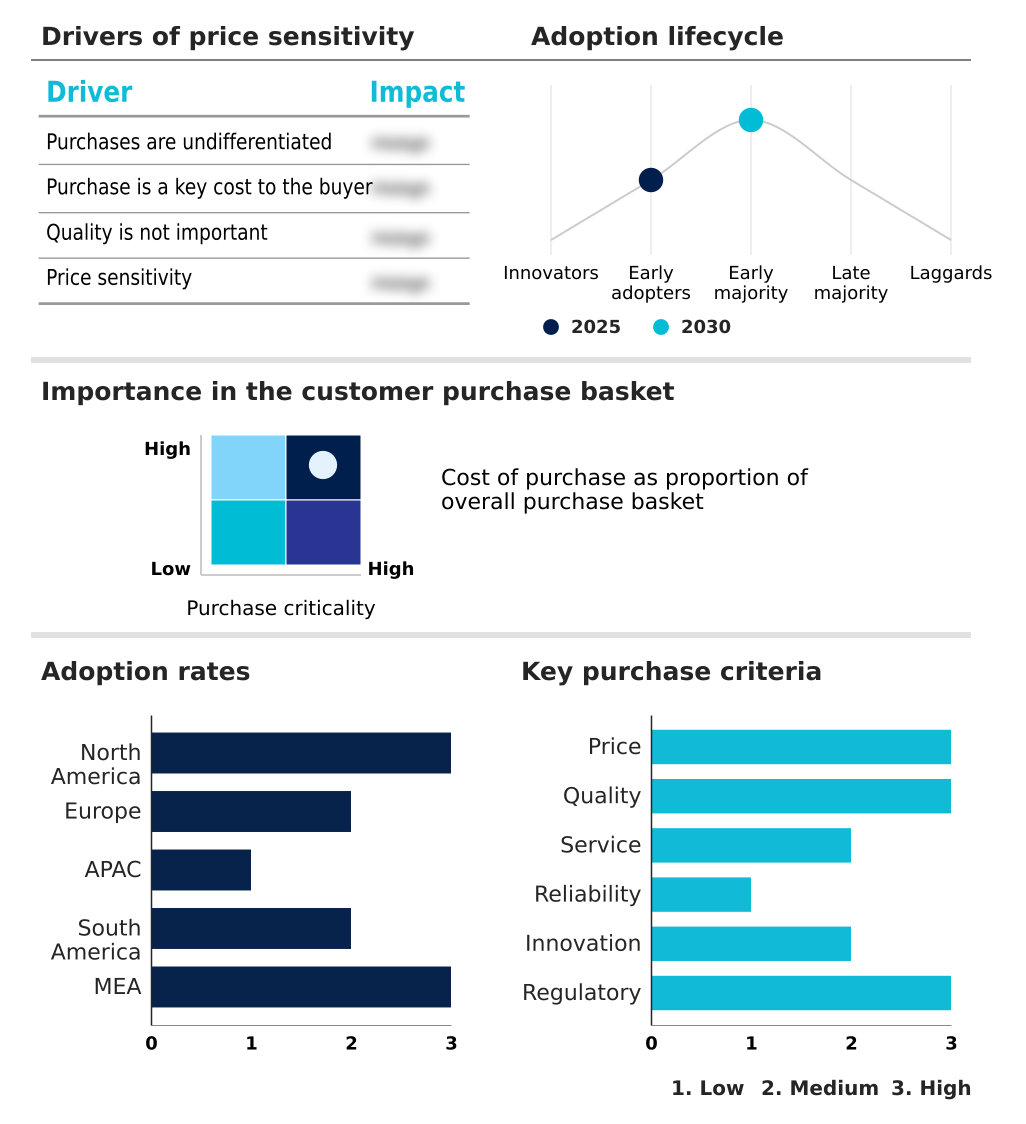
The teenage personal care product market forecasting report includes the adoption lifecycle of the market, covering from the innovator's stage to the laggard's stage. It focuses on adoption rates in different regions based on penetration. Furthermore, the teenage personal care product market report also includes key purchase criteria and drivers of price sensitivity to help companies evaluate and develop their market growth analysis strategies.
Customer Landscape
Key Companies & Market Insights
Companies are implementing various strategies, such as strategic alliances, teenage personal care product market forecast, partnerships, mergers and acquisitions, geographical expansion, and product/service launches, to enhance their presence in the industry.
Bayer AG - The company specializes in providing a range of personal care solutions for teenagers under the brands Eucerin, La Prairie, and Labello. Eucerin caters to sensitive skin needs, La Prairie offers luxury skincare products, and Labello focuses on lip care. By prioritizing originality, our offerings elevate search engine exposure while delivering clear and informative benefits to our customers. The brands' commitment to innovation and quality aligns with our company's dedication to meeting the unique skincare requirements of teenagers.
The industry research and growth report includes detailed analyses of the competitive landscape of the market and information about key companies, including:
- Bayer AG
- Beiersdorf AG
- Carma Laboratories Inc.
- Colgate Palmolive Co.
- Coty Inc.
- EOS Products LLC
- ROCK GROUP
- Johnson and Johnson Inc.
- Kao Corp.
- Kimberly Clark Corp.
- LOreal SA
- Natura and Co Holding SA
- Oriflame Cosmetics S.A.
- Revlon Inc.
- Shiseido Co. Ltd.
- The Avon Co.
- The Clorox Co.
- The Estee Lauder Co. Inc.
- The Procter and Gamble Co.
- Unilever PLC
Qualitative and quantitative analysis of companies has been conducted to help clients understand the wider business environment as well as the strengths and weaknesses of key industry players. Data is qualitatively analyzed to categorize companies as pure play, category-focused, industry-focused, and diversified; it is quantitatively analyzed to categorize companies as dominant, leading, strong, tentative, and weak.
Recent Development and News in Teenage Personal Care Product Market
- In February 2023, L'Oréal, a global cosmetics leader, introduced a new line of teenage personal care products under its NYX Professional Makeup brand. The collection, named "NYX Teenage," focuses on acne-prone skin and is designed to cater to the unique skincare needs of teenagers (L'Oréal Press Release, 2023).
- In May 2024, Unilever, a leading consumer goods company, announced a strategic partnership with TikTok to promote its teenage personal care brand, Dove, through the popular social media platform. The collaboration aimed to reach younger generations and increase brand engagement (Unilever Press Release, 2024).
- In August 2024, Procter & Gamble (P&G) completed the acquisition of Billie, a direct-to-consumer feminine care brand, expanding its reach in the teenage personal care market. The deal was valued at approximately USD300 million, strengthening P&G's position in the market (MarketWatch, 2024).
Research Analyst Overview
- The teenage personal care market is witnessing significant trends and innovations, driven by consumer preferences for sustainable and tech-enabled solutions. AI-powered skincare is gaining traction, offering personalized recommendations based on individual skin types and concerns. Refillable products and zero-waste initiatives are promoting sustainability, aligning with the growing awareness of environmental issues. Gift sets and product bundles are popular choices during holidays and special occasions, providing value to customers. Influencer campaigns and brand ambassadors leverage social media engagement to reach younger audiences, while affiliate marketing and email marketing drive sales and loyalty. Emerging technologies like AR/VR experiences and virtual try-on enhance the shopping experience, allowing customers to test products virtually.
- Research and development in clean ingredients and trending ingredients cater to health-conscious consumers, with clinical trials ensuring efficacy and safety. Loyalty programs and customer relationship management systems help retailers build long-term relationships, while sustainable packaging and SMS marketing cater to eco-conscious consumers. Personalized recommendations and user-generated content contribute to a more engaging shopping experience. Product development focuses on meeting the evolving needs of teenagers, with trial sizes and peer reviews allowing customers to make informed decisions. Beauty apps offer convenience and accessibility, making it easier for teenagers to manage their skincare regimen and stay updated on the latest trends.
Dive into Technavio's robust research methodology, blending expert interviews, extensive data synthesis, and validated models for unparalleled Teenage Personal Care Product Market insights. See full methodology.
|
Market Scope
|
|
Report Coverage
|
Details
|
|
Page number
|
207
|
|
Base year
|
2024
|
|
Historic period
|
2019-2023 |
|
Forecast period
|
2025-2029
|
|
Growth momentum & CAGR
|
Accelerate at a CAGR of 6.5%
|
|
Market growth 2025-2029
|
USD 11.86 billion
|
|
Market structure
|
Fragmented
|
|
YoY growth 2024-2025(%)
|
6.0
|
|
Key countries
|
US, UK, Germany, China, Japan, Canada, France, India, Italy, Brazil, and UAE
|
|
Competitive landscape
|
Leading Companies, Market Positioning of Companies, Competitive Strategies, and Industry Risks
|
Request Free Sample
What are the Key Data Covered in this Teenage Personal Care Product Market Research and Growth Report?
- CAGR of the Teenage Personal Care Product industry during the forecast period
- Detailed information on factors that will drive the growth and forecasting between 2025 and 2029
- Precise estimation of the size of the market and its contribution of the industry in focus to the parent market
- Accurate predictions about upcoming growth and trends and changes in consumer behaviour
- Growth of the market across North America, Europe, APAC, South America, and Middle East and Africa
- Thorough analysis of the market's competitive landscape and detailed information about companies
- Comprehensive analysis of factors that will challenge the teenage personal care product market growth of industry companies
We can help! Our analysts can customize this teenage personal care product market research report to meet your requirements.
Get in touch
1 Executive Summary
- 1.1 Market overview
- Executive Summary - Chart on Market Overview
- Executive Summary - Data Table on Market Overview
- Executive Summary - Chart on Global Market Characteristics
- Executive Summary - Chart on Market by Geography
- Executive Summary - Chart on Market Segmentation by Distribution Channel
- Executive Summary - Chart on Market Segmentation by Product
- Executive Summary - Chart on Incremental Growth
- Executive Summary - Data Table on Incremental Growth
- Executive Summary - Chart on Company Market Positioning
2 Technavio Analysis
- 2.1 Analysis of price sensitivity, lifecycle, customer purchase basket, adoption rates, and purchase criteria
- Analysis of price sensitivity, lifecycle, customer purchase basket, adoption rates, and purchase criteria
- 2.2 Criticality of inputs and Factors of differentiation
- Overview on criticality of inputs and factors of differentiation
- 2.3 Factors of disruption
- Overview on factors of disruption
- 2.4 Impact of drivers and challenges
- Impact of drivers and challenges in 2024 and 2029
3 Market Landscape
- 3.1 Market ecosystem
- Parent Market
- Data Table on - Parent Market
- 3.2 Market characteristics
- Market characteristics analysis
4 Market Sizing
- 4.1 Market definition
- Offerings of companies included in the market definition
- 4.2 Market segment analysis
- 4.4 Market outlook: Forecast for 2024-2029
- Chart on Global - Market size and forecast 2024-2029 ($ million)
- Data Table on Global - Market size and forecast 2024-2029 ($ million)
- Chart on Global Market: Year-over-year growth 2024-2029 (%)
- Data Table on Global Market: Year-over-year growth 2024-2029 (%)
5 Historic Market Size
- 5.1 Global Teenage Personal Care Product Market 2019 - 2023
- Historic Market Size - Data Table on Global Teenage Personal Care Product Market 2019 - 2023 ($ million)
- 5.2 Distribution Channel segment analysis 2019 - 2023
- Historic Market Size - Distribution Channel Segment 2019 - 2023 ($ million)
- 5.3 Product segment analysis 2019 - 2023
- Historic Market Size - Product Segment 2019 - 2023 ($ million)
- 5.4 Geography segment analysis 2019 - 2023
- Historic Market Size - Geography Segment 2019 - 2023 ($ million)
- 5.5 Country segment analysis 2019 - 2023
- Historic Market Size - Country Segment 2019 - 2023 ($ million)
6 Qualitative Analysis
- 6.1 The AI impact on Global Teenage Personal Care Product Market
7 Five Forces Analysis
- 7.1 Five forces summary
- Five forces analysis - Comparison between 2024 and 2029
- 7.2 Bargaining power of buyers
- Bargaining power of buyers - Impact of key factors 2024 and 2029
- 7.3 Bargaining power of suppliers
- Bargaining power of suppliers - Impact of key factors in 2024 and 2029
- 7.4 Threat of new entrants
- Threat of new entrants - Impact of key factors in 2024 and 2029
- 7.5 Threat of substitutes
- Threat of substitutes - Impact of key factors in 2024 and 2029
- 7.6 Threat of rivalry
- Threat of rivalry - Impact of key factors in 2024 and 2029
- 7.7 Market condition
- Chart on Market condition - Five forces 2024 and 2029
8 Market Segmentation by Distribution Channel
- 8.1 Market segments
- Chart on Distribution Channel - Market share (2024-2029) (%)
- Data Table on Distribution Channel - Market share (2024-2029) (%)
- 8.2 Comparison by Distribution Channel
- Chart on Comparison by Distribution Channel
- Data Table on Comparison by Distribution Channel
- 8.3 Offline - Market size and forecast (2024-2029)
- Chart on Offline - Market size and forecast (2024-2029) ($ million)
- Data Table on Offline - Market size and forecast (2024-2029) ($ million)
- Chart on Offline - Year-over-year growth (2024-2029) (%)
- Data Table on Offline - Year-over-year growth (2024-2029) (%)
- 8.4 Online - Market size and forecast (2024-2029)
- Chart on Online - Market size and forecast (2024-2029) ($ million)
- Data Table on Online - Market size and forecast (2024-2029) ($ million)
- Chart on Online - Year-over-year growth (2024-2029) (%)
- Data Table on Online - Year-over-year growth (2024-2029) (%)
- 8.5 Market opportunity by Distribution Channel
- Market opportunity by $segment_name ($ million)
- Data Table on Market opportunity by $segment_name ($ million)
9 Market Segmentation by Product
- 9.1 Market segments
- Chart on Product - Market share (2024-2029) (%)
- Data Table on Product - Market share (2024-2029) (%)
- 9.2 Comparison by Product
- Chart on Comparison by Product
- Data Table on Comparison by Product
- 9.3 Skincare products - Market size and forecast (2024-2029)
- Chart on Skincare products - Market size and forecast (2024-2029) ($ million)
- Data Table on Skincare products - Market size and forecast (2024-2029) ($ million)
- Chart on Skincare products - Year-over-year growth (2024-2029) (%)
- Data Table on Skincare products - Year-over-year growth (2024-2029) (%)
- 9.4 Haircare products - Market size and forecast (2024-2029)
- Chart on Haircare products - Market size and forecast (2024-2029) ($ million)
- Data Table on Haircare products - Market size and forecast (2024-2029) ($ million)
- Chart on Haircare products - Year-over-year growth (2024-2029) (%)
- Data Table on Haircare products - Year-over-year growth (2024-2029) (%)
- 9.5 Color cosmetics - Market size and forecast (2024-2029)
- Chart on Color cosmetics - Market size and forecast (2024-2029) ($ million)
- Data Table on Color cosmetics - Market size and forecast (2024-2029) ($ million)
- Chart on Color cosmetics - Year-over-year growth (2024-2029) (%)
- Data Table on Color cosmetics - Year-over-year growth (2024-2029) (%)
- 9.6 Others - Market size and forecast (2024-2029)
- Chart on Others - Market size and forecast (2024-2029) ($ million)
- Data Table on Others - Market size and forecast (2024-2029) ($ million)
- Chart on Others - Year-over-year growth (2024-2029) (%)
- Data Table on Others - Year-over-year growth (2024-2029) (%)
- 9.7 Market opportunity by Product
- Market opportunity by $segment_name ($ million)
- Data Table on Market opportunity by $segment_name ($ million)
10 Market Segmentation by Type
- 10.1 Market segments
- Chart on Type - Market share (2024-2029) (%)
- Data Table on Type - Market share (2024-2029) (%)
- 10.2 Comparison by Type
- Chart on Comparison by Type
- Data Table on Comparison by Type
- 10.3 Conventional - Market size and forecast (2024-2029)
- Chart on Conventional - Market size and forecast (2024-2029) ($ million)
- Data Table on Conventional - Market size and forecast (2024-2029) ($ million)
- Chart on Conventional - Year-over-year growth (2024-2029) (%)
- Data Table on Conventional - Year-over-year growth (2024-2029) (%)
- 10.4 Organic - Market size and forecast (2024-2029)
- Chart on Organic - Market size and forecast (2024-2029) ($ million)
- Data Table on Organic - Market size and forecast (2024-2029) ($ million)
- Chart on Organic - Year-over-year growth (2024-2029) (%)
- Data Table on Organic - Year-over-year growth (2024-2029) (%)
- 10.5 Market opportunity by Type
- Market opportunity by $segment_name ($ million)
- Data Table on Market opportunity by $segment_name ($ million)
11 Customer Landscape
- 11.1 Customer landscape overview
- Analysis of price sensitivity, lifecycle, customer purchase basket, adoption rates, and purchase criteria
12 Geographic Landscape
- 12.1 Geographic segmentation
- Chart on Market share by geography 2024-2029 (%)
- Data Table on Market share by geography 2024-2029 (%)
- 12.2 North America - Market size and forecast (2024-2029)
- Chart on North America - Market size and forecast (2024-2029) ($ million)
- Data Table on North America - Market size and forecast (2024-2029) ($ million)
- Chart on North America - Year-over-year growth (2024-2029) (%)
- Data Table on North America - Year-over-year growth (2024-2029) (%)
- Chart on Geographic comparison
- Data Table on Geographic comparison
- 12.3 Europe - Market size and forecast (2024-2029)
- Chart on Europe - Market size and forecast (2024-2029) ($ million)
- Data Table on Europe - Market size and forecast (2024-2029) ($ million)
- Chart on Europe - Year-over-year growth (2024-2029) (%)
- Data Table on Europe - Year-over-year growth (2024-2029) (%)
- 12.4 APAC - Market size and forecast (2024-2029)
- Chart on APAC - Market size and forecast (2024-2029) ($ million)
- Data Table on APAC - Market size and forecast (2024-2029) ($ million)
- Chart on APAC - Year-over-year growth (2024-2029) (%)
- Data Table on APAC - Year-over-year growth (2024-2029) (%)
- 12.5 South America - Market size and forecast (2024-2029)
- Chart on South America - Market size and forecast (2024-2029) ($ million)
- Data Table on South America - Market size and forecast (2024-2029) ($ million)
- Chart on South America - Year-over-year growth (2024-2029) (%)
- Data Table on South America - Year-over-year growth (2024-2029) (%)
- 12.6 Middle East and Africa - Market size and forecast (2024-2029)
- Chart on Middle East and Africa - Market size and forecast (2024-2029) ($ million)
- Data Table on Middle East and Africa - Market size and forecast (2024-2029) ($ million)
- Chart on Middle East and Africa - Year-over-year growth (2024-2029) (%)
- Data Table on Middle East and Africa - Year-over-year growth (2024-2029) (%)
- 12.7 US - Market size and forecast (2024-2029)
- Chart on US - Market size and forecast (2024-2029) ($ million)
- Data Table on US - Market size and forecast (2024-2029) ($ million)
- Chart on US - Year-over-year growth (2024-2029) (%)
- Data Table on US - Year-over-year growth (2024-2029) (%)
- Chart on Middle East and Africa - Market size and forecast 2024-2029 ($ million)
- 12.8 UK - Market size and forecast (2024-2029)
- Chart on UK - Market size and forecast (2024-2029) ($ million)
- Data Table on UK - Market size and forecast (2024-2029) ($ million)
- Chart on UK - Year-over-year growth (2024-2029) (%)
- Data Table on UK - Year-over-year growth (2024-2029) (%)
- 12.9 Germany - Market size and forecast (2024-2029)
- Chart on Germany - Market size and forecast (2024-2029) ($ million)
- Data Table on Germany - Market size and forecast (2024-2029) ($ million)
- Chart on Germany - Year-over-year growth (2024-2029) (%)
- Data Table on Germany - Year-over-year growth (2024-2029) (%)
- 12.10 China - Market size and forecast (2024-2029)
- Chart on China - Market size and forecast (2024-2029) ($ million)
- Data Table on China - Market size and forecast (2024-2029) ($ million)
- Chart on China - Year-over-year growth (2024-2029) (%)
- Data Table on China - Year-over-year growth (2024-2029) (%)
- 12.11 Japan - Market size and forecast (2024-2029)
- Chart on Japan - Market size and forecast (2024-2029) ($ million)
- Data Table on Japan - Market size and forecast (2024-2029) ($ million)
- Chart on Japan - Year-over-year growth (2024-2029) (%)
- Data Table on Japan - Year-over-year growth (2024-2029) (%)
- 12.12 Canada - Market size and forecast (2024-2029)
- Chart on Canada - Market size and forecast (2024-2029) ($ million)
- Data Table on Canada - Market size and forecast (2024-2029) ($ million)
- Chart on Canada - Year-over-year growth (2024-2029) (%)
- Data Table on Canada - Year-over-year growth (2024-2029) (%)
- 12.13 France - Market size and forecast (2024-2029)
- Chart on France - Market size and forecast (2024-2029) ($ million)
- Data Table on France - Market size and forecast (2024-2029) ($ million)
- Chart on France - Year-over-year growth (2024-2029) (%)
- Data Table on France - Year-over-year growth (2024-2029) (%)
- 12.14 India - Market size and forecast (2024-2029)
- Chart on India - Market size and forecast (2024-2029) ($ million)
- Data Table on India - Market size and forecast (2024-2029) ($ million)
- Chart on India - Year-over-year growth (2024-2029) (%)
- Data Table on India - Year-over-year growth (2024-2029) (%)
- 12.15 Brazil - Market size and forecast (2024-2029)
- Chart on Brazil - Market size and forecast (2024-2029) ($ million)
- Data Table on Brazil - Market size and forecast (2024-2029) ($ million)
- Chart on Brazil - Year-over-year growth (2024-2029) (%)
- Data Table on Brazil - Year-over-year growth (2024-2029) (%)
- 12.16 Italy - Market size and forecast (2024-2029)
- Chart on Italy - Market size and forecast (2024-2029) ($ million)
- Data Table on Italy - Market size and forecast (2024-2029) ($ million)
- Chart on Italy - Year-over-year growth (2024-2029) (%)
- Data Table on Italy - Year-over-year growth (2024-2029) (%)
- 12.17 Brazil - Market size and forecast (2024-2029)
- Chart on Brazil - Market size and forecast (2024-2029) ($ million)
- Data Table on Brazil - Market size and forecast (2024-2029) ($ million)
- Chart on Brazil - Year-over-year growth (2024-2029) (%)
- Data Table on Brazil - Year-over-year growth (2024-2029) (%)
- 12.18 UAE - Market size and forecast (2024-2029)
- Chart on UAE - Market size and forecast (2024-2029) ($ million)
- Data Table on UAE - Market size and forecast (2024-2029) ($ million)
- Chart on UAE - Year-over-year growth (2024-2029) (%)
- Data Table on UAE - Year-over-year growth (2024-2029) (%)
- Market opportunity by geography ($ million)
- Data Tables on Market opportunity by geography ($ million)
- 12.18 Rest of World - Market size and forecast (2024-2029)
- Chart on Rest of World - Market size and forecast (2024-2029) ($ million)
- Data Table on Rest of World - Market size and forecast (2024-2029) ($ million)
- Chart on Rest of World - Year-over-year growth (2024-2029) (%)
- Data Table on Rest of World- Year-over-year growth (2024-2029) (%)
- Market opportunity by geography ($ million)
- Data Tables on Market opportunity by geography ($ million)
13 Drivers, Challenges, and Opportunity/Restraints
- 13.3 Impact of drivers and challenges
- Impact of drivers and challenges in 2024 and 2029
- 13.4 Market opportunities/restraints
14 Competitive Landscape
- 14.2 Competitive Landscape
- Overview on criticality of inputs and factors of differentiation
- 14.3 Landscape disruption
- Overview on factors of disruption
- 14.4 Industry risks
- Impact of key risks on business
15 Competitive Analysis
- 15.2 Company ranking index
- 15.3 Market positioning of companies
- Matrix on companies position and classification
- 15.4 Beiersdorf AG
- Beiersdorf AG - Overview
- Beiersdorf AG - Business segments
- Beiersdorf AG - Key news
- Beiersdorf AG - Key offerings
- Beiersdorf AG - Segment focus
- SWOT
- 15.5 Colgate Palmolive Co.
- Colgate Palmolive Co. - Overview
- Colgate Palmolive Co. - Business segments
- Colgate Palmolive Co. - Key news
- Colgate Palmolive Co. - Key offerings
- Colgate Palmolive Co. - Segment focus
- SWOT
- 15.6 Coty Inc.
- Coty Inc. - Overview
- Coty Inc. - Business segments
- Coty Inc. - Key news
- Coty Inc. - Key offerings
- Coty Inc. - Segment focus
- SWOT
- 15.7 Johnson and Johnson Inc.
- Johnson and Johnson Inc. - Overview
- Johnson and Johnson Inc. - Business segments
- Johnson and Johnson Inc. - Key news
- Johnson and Johnson Inc. - Key offerings
- Johnson and Johnson Inc. - Segment focus
- SWOT
- 15.8 Kao Corp.
- Kao Corp. - Overview
- Kao Corp. - Business segments
- Kao Corp. - Key news
- Kao Corp. - Key offerings
- Kao Corp. - Segment focus
- SWOT
- 15.9 Kimberly Clark Corp.
- Kimberly Clark Corp. - Overview
- Kimberly Clark Corp. - Business segments
- Kimberly Clark Corp. - Key news
- Kimberly Clark Corp. - Key offerings
- Kimberly Clark Corp. - Segment focus
- SWOT
- 15.10 LOreal SA
- LOreal SA - Overview
- LOreal SA - Business segments
- LOreal SA - Key news
- LOreal SA - Key offerings
- LOreal SA - Segment focus
- SWOT
- 15.11 Natura and Co Holding SA
- Natura and Co Holding SA - Overview
- Natura and Co Holding SA - Business segments
- Natura and Co Holding SA - Key offerings
- Natura and Co Holding SA - Segment focus
- SWOT
- 15.12 Oriflame Cosmetics S.A.
- Oriflame Cosmetics S.A. - Overview
- Oriflame Cosmetics S.A. - Product / Service
- Oriflame Cosmetics S.A. - Key offerings
- SWOT
- 15.13 Revlon Inc.
- Revlon Inc. - Overview
- Revlon Inc. - Business segments
- Revlon Inc. - Key offerings
- Revlon Inc. - Segment focus
- SWOT
- 15.14 Shiseido Co. Ltd.
- Shiseido Co. Ltd. - Overview
- Shiseido Co. Ltd. - Product / Service
- Shiseido Co. Ltd. - Key news
- Shiseido Co. Ltd. - Key offerings
- SWOT
- 15.15 The Avon Co.
- The Avon Co. - Overview
- The Avon Co. - Product / Service
- The Avon Co. - Key offerings
- SWOT
- 15.16 The Estee Lauder Co. Inc.
- The Estee Lauder Co. Inc. - Overview
- The Estee Lauder Co. Inc. - Product / Service
- The Estee Lauder Co. Inc. - Key news
- The Estee Lauder Co. Inc. - Key offerings
- SWOT
- 15.17 The Procter and Gamble Co.
- The Procter and Gamble Co. - Overview
- The Procter and Gamble Co. - Business segments
- The Procter and Gamble Co. - Key news
- The Procter and Gamble Co. - Key offerings
- The Procter and Gamble Co. - Segment focus
- SWOT
- 15.18 Unilever PLC
- Unilever PLC - Overview
- Unilever PLC - Business segments
- Unilever PLC - Key offerings
- Unilever PLC - Segment focus
- SWOT
16 Appendix
- 16.2 Inclusions and exclusions checklist
- Inclusions checklist
- Exclusions checklist
- 16.3 Currency conversion rates for US$
- Currency conversion rates for US$
- 16.4 Research methodology
- 16.7 Validation techniques employed for market sizing
- Validation techniques employed for market sizing
- 16.9 360 degree market analysis
- 360 degree market analysis
- 16.10 List of abbreviations