


Automotive IC Market Size 2024-2028
The automotive IC market size is forecast to increase by USD 23.3 billion, at a CAGR of 10.82% between 2023 and 2028.
- The market is experiencing significant shifts, driven by the rapid electrification of automobiles and the emergence of Internet of Things (IoT) technology in automotive IC design. The automotive industry's transition towards electric vehicles (EVs) is gaining momentum, necessitating the development of advanced ICs for battery management systems, power electronics, and motor control. Simultaneously, IoT is revolutionizing the automotive sector by enabling connected cars, advanced driver-assistance systems (ADAS), and autonomous driving technologies. However, these trends come with challenges. The increasing complexity in automotive IC design necessitates advanced engineering skills and significant investments in research and development. Moreover, ensuring the reliability and safety of these advanced systems in the harsh automotive environment poses significant challenges.
- Companies must navigate these challenges to capitalize on the immense opportunities presented by the electrification of automobiles and the integration of IoT technology. Strategic partnerships, continuous innovation, and a focus on safety and reliability will be crucial for success in this dynamic market.
What will be the Size of the Automotive IC Market during the forecast period?
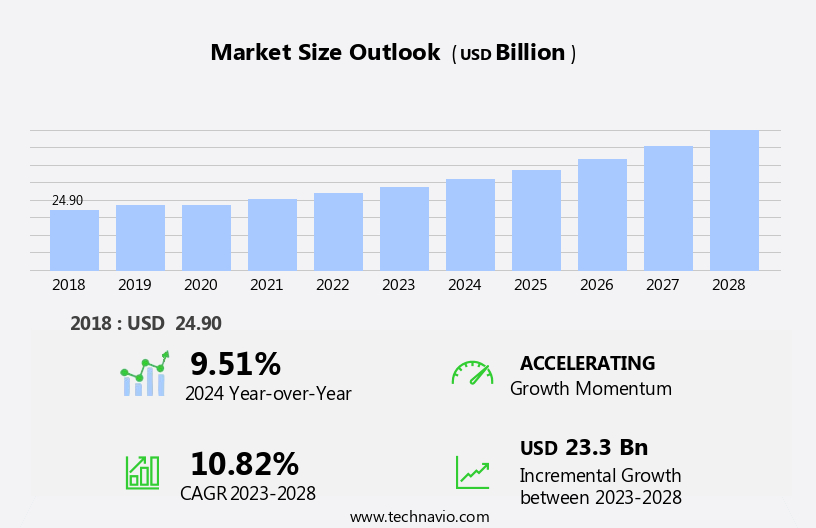
Explore in-depth regional segment analysis with market size data - historical 2017-2022 and forecasts 2024-2028 - in the full report.
Request Free Sample
The market continues to evolve, driven by advancements in electrical noise reduction and component miniaturization. Automotive microcontrollers, a key component in this market, are becoming more sophisticated, enabling secure boot processes and in-vehicle networking. Power semiconductor devices and high-speed data buses facilitate the integration of advanced driver-assistance systems and infotainment systems. Fault detection algorithms and powertrain control systems are essential for ensuring functional safety standards. Software defined vehicles and hardware acceleration techniques are revolutionizing the industry, leading to the development of autonomous driving technology. Embedded system design and hardware-in-the-loop simulation are crucial for the design and testing of these complex systems.
The automotive communication protocols and sensor integration techniques enable real-time operating systems to manage the vast amounts of data generated by these systems. Low-power design methodologies and system-on-chip architecture are essential for optimizing power consumption. Thermal management solutions and digital signal processing are critical for maintaining optimal operating temperatures and processing complex data streams. Circuit board assembly and integrated circuit packaging are essential for the physical realization of these systems. Over-the-air updates and wireless sensor networks enable remote monitoring and maintenance, enhancing the overall customer experience. Electronic control units and analog-to-digital converters are integral components of these systems, ensuring precise data acquisition and processing.
According to industry reports, the market is expected to grow by over 10% annually, driven by the increasing demand for advanced safety features and connected vehicles. This growth is a testament to the continuous dynamism and innovation in this market. For instance, a leading automaker reported a 25% increase in sales of electric vehicles equipped with advanced driver-assistance systems in the last quarter.
How is this Automotive IC Industry segmented?
The automotive IC industry research report provides comprehensive data (region-wise segment analysis), with forecasts and estimates in "USD billion" for the period 2024-2028, as well as historical data from 2017-2022 for the following segments.
- Type
- Discrete
- Logic
- Micro components
- Analog
- Others
- Vehicle Type
- Passenger cars
- Commercial vehicles
- Geography
- North America
- US
- Europe
- Germany
- UK
- APAC
- China
- Japan
- Rest of World (ROW)
- North America
By Type Insights
The discrete segment is estimated to witness significant growth during the forecast period.
In the dynamic automotive industry, various technological advancements are shaping the landscape of discrete ICs. Sensors, such as micro-electro-mechanical system (MEMS) sensors, are witnessing significant growth. MEMS sensors, which include torque, force, pressure, accelerometer, and proximity sensors, are increasingly demanded for their ability to provide accurate and reliable data, unaffected by environmental factors. These smart sensors play a pivotal role in the Internet of Things (IoT) ecosystem, particularly in connected vehicles. The data generated by these sensors is assigned a unique identifier, enabling transmission through the Internet or similar networks via a wireless sensor and actuator network (WSAN) protocol.
Automotive microcontrollers are also undergoing component miniaturization, leading to increased integration and improved performance. Secure boot processes ensure system protection against unauthorized access. In-vehicle networking facilitates seamless communication between various subsystems, such as powertrain control systems and infotainment systems. Power semiconductor devices and high-speed data buses enable efficient power management and real-time data processing. Fault detection algorithms and advanced driver-assistance systems (ADAS) employ model-based design and real-time operating systems for enhanced safety and functionality. Functional safety standards, such as ISO 26262, ensure the reliability and safety of these systems. Autonomous driving technology and software-defined vehicles rely on hardware acceleration techniques and digital signal processing for advanced perception and decision-making capabilities.
The automotive industry is expected to grow by approximately 5% annually, driven by the integration of advanced technologies and the increasing demand for electric and autonomous vehicles. System-on-chip architecture, thermal management solutions, and low-power design methodologies are essential for optimizing power consumption and enhancing performance. Circuit board assembly and integrated circuit packaging ensure the reliable and efficient manufacturing of these complex systems. Over-the-air updates and wireless sensor networks enable remote monitoring and maintenance, improving overall vehicle efficiency and reducing downtime.
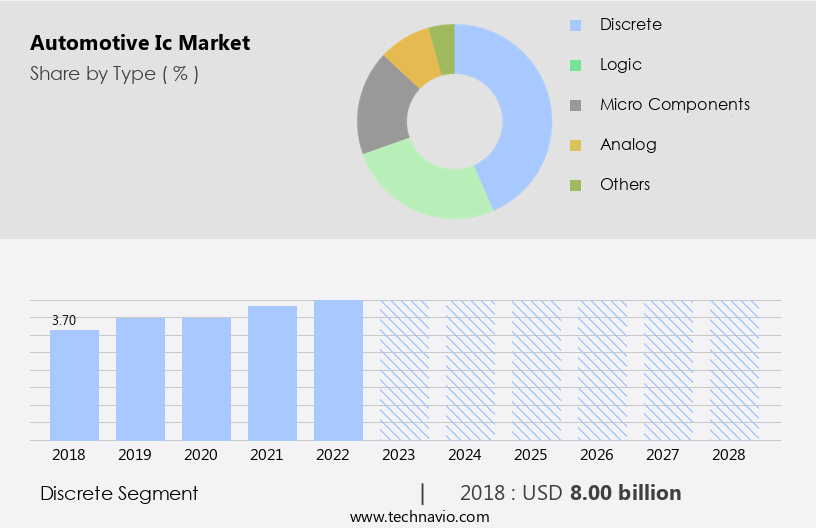
The Discrete segment was valued at USD 8.00 billion in 2018 and showed a gradual increase during the forecast period.
Regional Analysis
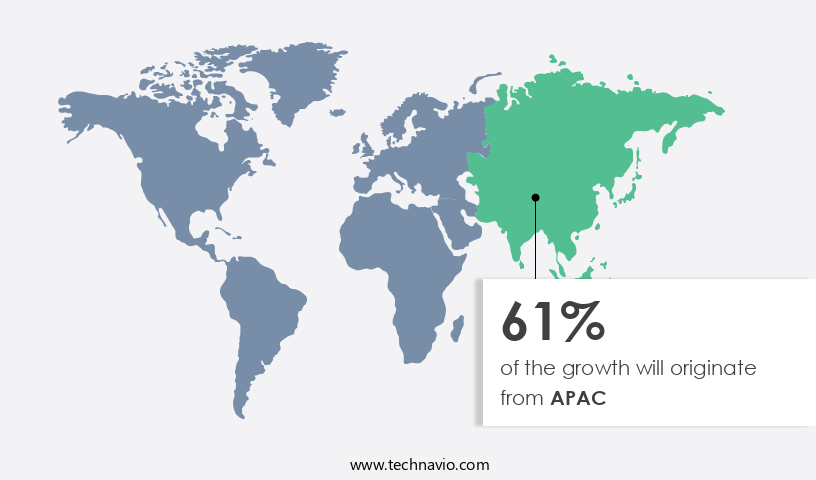
APAC is estimated to contribute 61% to the growth of the global market during the forecast period. Technavio's analysts have elaborately explained the regional trends and drivers that shape the market during the forecast period.
The market is experiencing significant growth due to the increasing demand for advanced technologies in the automotive industry. Electrical noise reduction and automotive microcontrollers play crucial roles in enhancing vehicle performance and fuel efficiency. Component miniaturization enables the integration of more features into smaller spaces, while secure boot processes ensure vehicle security. In-vehicle networking facilitates communication between various systems, and power semiconductor devices power the electrical systems. High-speed data buses enable real-time data transfer, and fault detection algorithms ensure system reliability. Powertrain control systems optimize engine performance, and infotainment systems integration offers a seamless user experience.
Software-defined vehicles and hardware acceleration techniques enable faster processing and customization. Autonomous driving technology and advanced driver-assistance systems are transforming the industry, with model-based design and real-time operating systems ensuring reliable performance. Functional safety standards, automotive communication protocols, and sensor integration techniques prioritize safety and connectivity. Low-power design methodologies and system-on-chip architecture reduce energy consumption, while thermal management solutions maintain optimal operating temperatures. Digital signal processing and circuit board assembly ensure accurate data processing and efficient manufacturing. Over-the-air updates and wireless sensor networks enable remote monitoring and maintenance. The market is expected to grow by over 10% annually, driven by emerging markets in China and India, where vehicle demand is surging.
Key players, such as Alcon Electronics and Xiamen Sanan Integrated Circuits, are investing heavily in R&D and production to meet this demand.
Market Dynamics
Our researchers analyzed the data with 2023 as the base year, along with the key drivers, trends, and challenges. A holistic analysis of drivers will help companies refine their marketing strategies to gain a competitive advantage.
What are the key market drivers leading to the rise in the adoption of Automotive IC Industry?
- The rapid electrification of automobiles serves as the primary market catalyst.
- The market is experiencing significant growth due to the decreasing cost of integrated circuits (ICs) and the increasing demand for electronics in vehicles. This trend is driven by the expanding use of sensors, microcontrollers, and analog converters in powertrain systems, as well as the electrification of drivetrains, vehicle intelligence, and consumerization of auto electronics. The drivetrain segment, which includes hybrid and electric vehicles, is expected to account for nearly 30% of the overall IC usage in the automotive industry.
- For instance, the demand for electronic components in drivetrains has increased by 15% annually over the past five years. The automotive semiconductor market is poised for continued expansion, with industry growth projected at around 12% per year.
What are the market trends shaping the Automotive IC Industry?
- The IoT market is experiencing significant growth, with its emergence representing the latest trend in technology.
- The market is experiencing significant growth due to the increasing integration of Internet of Things (IoT) technology in connected cars. Two primary approaches are being used by automakers to incorporate IoT: embedded and tethered. Embedded systems utilize chipsets and built-in antennas, while tethered systems connect to drivers' smartphones. The adoption of IoT sensors and real-time tracking is driving the market, leading to numerous applications such as: 1. Real-time car telematics tracking 2. Connected vehicle sensors 3. Vehicle location tracking 4. Fuel tracking 5. Vehicle usage analytics 6. Speed control 7. Fleet and driver management 8.
- Car leasing solutions 9. In traffic management, the market is expected to grow robustly as the applications of IoT expand, offering substantial opportunities for automakers and investors. Current adoption trends indicate a surge in the market, with an estimated 25% of new cars being connected by 2025. This growth is attributed to the increasing demand for advanced safety features, improved driver experience, and the potential for cost savings through real-time monitoring and analytics.
What challenges does the Automotive IC Industry face during its growth?
- The complexity of automotive integrated circuit (IC) design poses a significant challenge that can hinder the growth of the automotive industry. This intricacy encompasses various aspects, including safety requirements, functional safety standards, and the integration of advanced technologies such as autonomous driving and electric vehicles. Addressing these challenges necessitates continuous innovation and collaboration among industry experts and stakeholders to ensure the development of reliable, efficient, and cost-effective IC solutions.
- The market faces intricate design challenges due to the complexity of microprocessors in vehicles. With numerous transistors and extended copper lines, the reliability of these components is paramount. The automotive IC design process is significantly more intricate than that of consumer electronics, such as mobile phones and home appliances. This complexity stems from the necessity of producing highly dependable ICs, as their replacement is costly and can significantly impact a vehicle's price. Furthermore, new designs must function effectively under the harsh environmental conditions and intricate vehicle systems.
- For instance, a leading automotive IC manufacturer reported a 20% increase in sales due to the implementation of advanced safety features in their products. The market is projected to grow by over 15% in the next five years, reflecting the increasing demand for advanced vehicle technologies.
Exclusive Customer Landscape
The automotive IC market forecasting report includes the adoption lifecycle of the market, covering from the innovator's stage to the laggard's stage. It focuses on adoption rates in different regions based on penetration. Furthermore, the automotive IC market report also includes key purchase criteria and drivers of price sensitivity to help companies evaluate and develop their market growth analysis strategies.
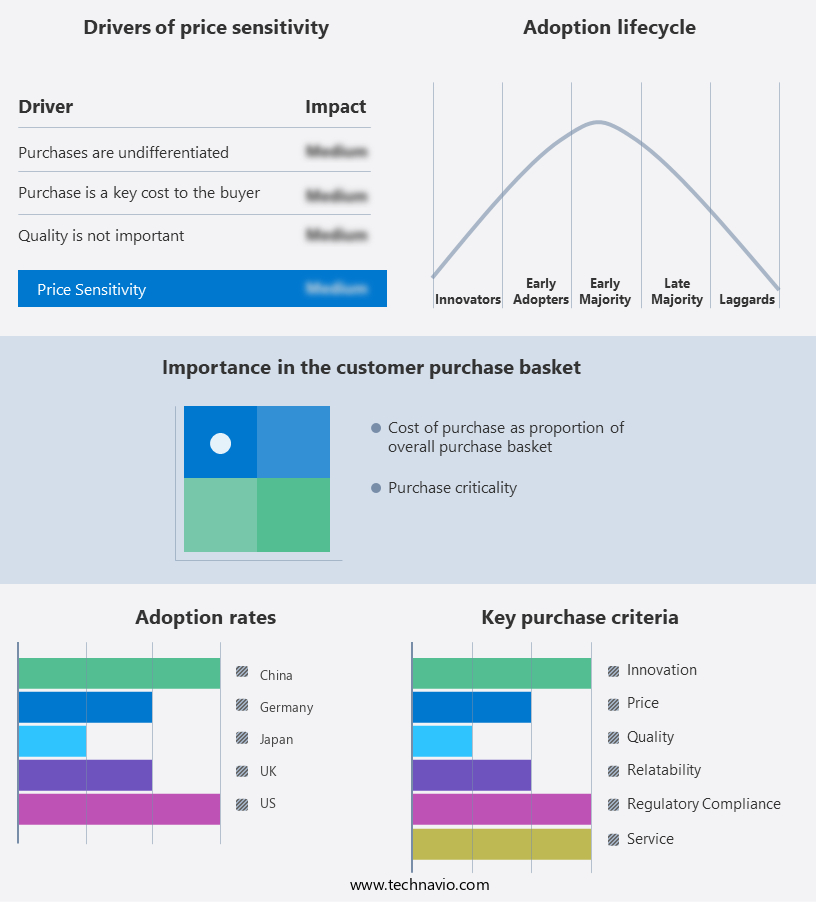
Customer Landscape
Key Companies & Market Insights
Companies are implementing various strategies, such as strategic alliances, automotive IC market forecast, partnerships, mergers and acquisitions, geographical expansion, and product/service launches, to enhance their presence in the industry.
Allegro MicroSystems Inc. - This company specializes in advanced driver-assistance systems (ADAS) technology for the automotive industry, providing innovative solutions to enhance vehicle safety and improve overall driving experience.
The industry research and growth report includes detailed analyses of the competitive landscape of the market and information about key companies, including:
- Allegro MicroSystems Inc.
- Analog Devices Inc.
- Infineon Technologies AG
- Intel Corp.
- KLA Corp.
- Microchip Technology Inc.
- Micron Technology Inc.
- NXP Semiconductors NV
- ON Semiconductor Corp.
- Power Clinic Inc.
- Qualcomm Inc.
- Renesas Electronics Corp.
- Robert Bosch GmbH
- ROHM Co. Ltd.
- Samsung Electronics Co. Ltd.
- Siemens AG
- STMicroelectronics International N.V.
- Texas Instruments Inc.
- Toshiba Corp.
- Wanxiang America Corp.
Qualitative and quantitative analysis of companies has been conducted to help clients understand the wider business environment as well as the strengths and weaknesses of key industry players. Data is qualitatively analyzed to categorize companies as pure play, category-focused, industry-focused, and diversified; it is quantitatively analyzed to categorize companies as dominant, leading, strong, tentative, and weak.
Recent Development and News in Automotive IC Market
- In January 2024, Infineon Technologies AG, a leading automotive semiconductor supplier, announced the launch of its new AURIX TC3xx family of microcontrollers (MCUs) for advanced driver-assistance systems (ADAS) and electric vehicles (EVs) (Infineon Press Release, 2024). These MCUs offer increased performance and security features, making them suitable for next-generation automotive applications.
- In March 2024, NXP Semiconductors and Qualcomm entered into a strategic partnership to develop and supply automotive-grade wireless charging solutions for electric and hybrid vehicles (NXP Press Release, 2024). This collaboration aims to combine NXP's expertise in automotive safety and wireless charging with Qualcomm's wireless charging technology, enhancing the EV charging experience.
- In May 2024, Renesas Electronics Corporation completed the acquisition of Dialog Semiconductor, a leading supplier of power management, wireless, and connectivity solutions for the automotive industry (Renesas Press Release, 2024). This acquisition strengthened Renesas' position in the automotive semiconductor market, expanding its product portfolio and enhancing its R&D capabilities.
- In April 2025, the European Union announced the approval of new regulations to mandate the installation of Event Data Recorders (EDRs) in all new types of vehicles from July 2025 (EU Commission Press Release, 2025). These EDRs will record critical vehicle data in the event of accidents, enabling better accident analysis and improving vehicle safety.
Research Analyst Overview
- The market continues to evolve, driven by advancements in technologies such as integrated power modules, gallium nitride transistors, and high frequency switching using silicon carbide MOSFETs. Machine learning algorithms are increasingly being integrated into automotive systems, enabling applications in automotive ethernet, vehicle dynamics control, and GPS navigation systems. The market is expected to grow at a significant rate, with industry analysts projecting a 20% increase in demand for automotive ICs by 2025. For instance, the adoption of energy harvesting techniques in hybrid vehicle architectures has led to a 15% increase in sales for a major automotive component supplier.
- Furthermore, the integration of lidar sensor technology, CAN bus communication, and camera image processing in automotive radar systems necessitates the development of reliable quality assurance processes and robust software testing methodologies. The implementation of cybersecurity measures, path planning algorithms, data fusion techniques, deep learning applications, memory management units, object detection algorithms, electric vehicle inverters, and vehicle localization techniques are essential for ensuring the safety and efficiency of modern automotive systems.
Dive into Technavio's robust research methodology, blending expert interviews, extensive data synthesis, and validated models for unparalleled Automotive IC Market insights. See full methodology.
|
Market Scope |
|
|
Report Coverage |
Details |
|
Page number |
191 |
|
Base year |
2023 |
|
Historic period |
2017-2022 |
|
Forecast period |
2024-2028 |
|
Growth momentum & CAGR |
Accelerate at a CAGR of 10.82% |
|
Market growth 2024-2028 |
USD 23.3 billion |
|
Market structure |
Fragmented |
|
YoY growth 2023-2024(%) |
9.51 |
|
Key countries |
China, US, Germany, UK, and Japan |
|
Competitive landscape |
Leading Companies, Market Positioning of Companies, Competitive Strategies, and Industry Risks |
What are the Key Data Covered in this Automotive IC Market Research and Growth Report?
- CAGR of the Automotive IC industry during the forecast period
- Detailed information on factors that will drive the growth and forecasting between 2024 and 2028
- Precise estimation of the size of the market and its contribution of the industry in focus to the parent market
- Accurate predictions about upcoming growth and trends and changes in consumer behaviour
- Growth of the market across APAC, Europe, North America, South America, and Middle East and Africa
- Thorough analysis of the market's competitive landscape and detailed information about companies
- Comprehensive analysis of factors that will challenge the automotive IC market growth of industry companies
We can help! Our analysts can customize this automotive IC market research report to meet your requirements.
 RIA -
RIA - 
