


Peanut Butter Market Size 2026-2030
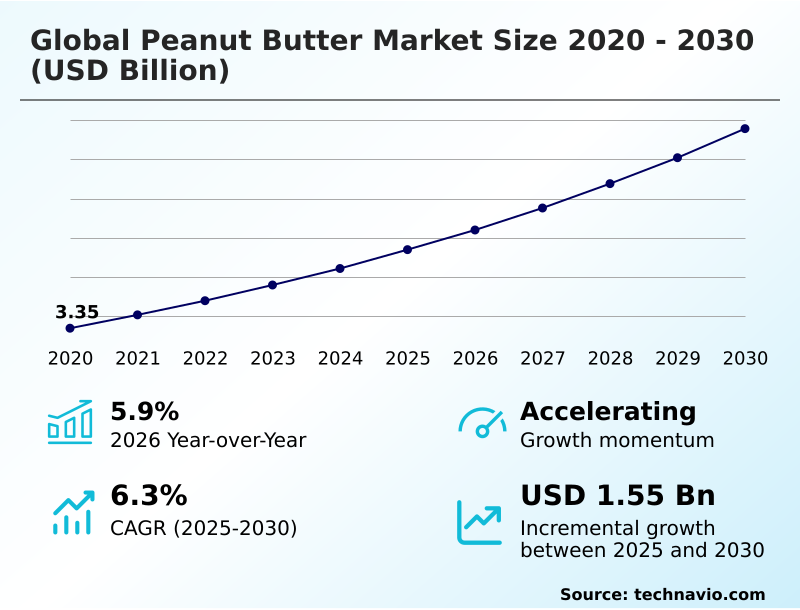
The peanut butter market size is valued to increase by USD 1.55 billion, at a CAGR of 6.3% from 2025 to 2030. Heightened consumer emphasis on health, wellness, and plant-based nutrition will drive the peanut butter market.
Major Market Trends & Insights
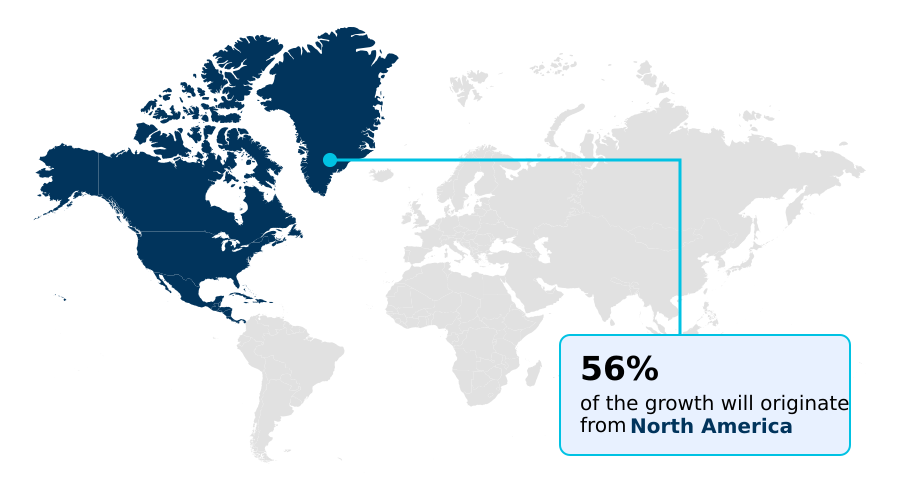
- North America dominated the market and accounted for a 55.7% growth during the forecast period.
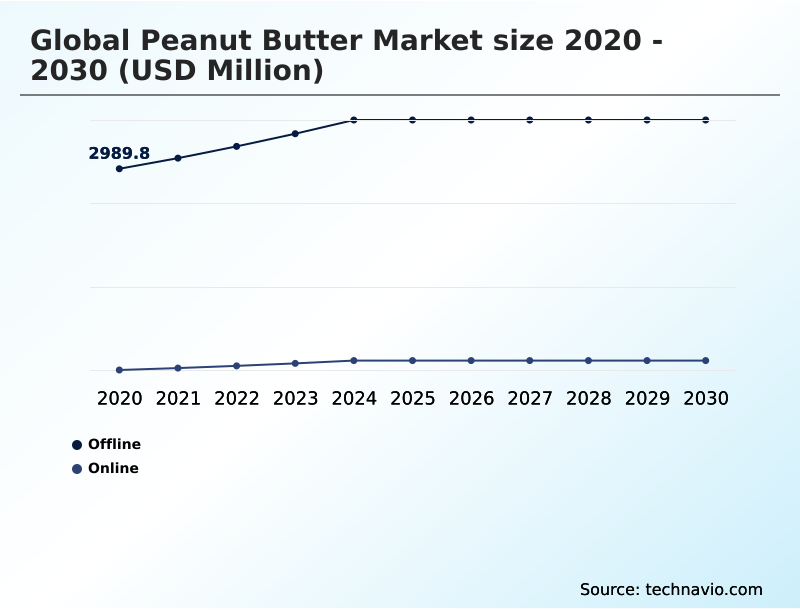
- By Distribution Channel - Offline segment was valued at USD 3.63 billion in 2024
- By Type - Crunchy segment accounted for the largest market revenue share in 2024
Market Size & Forecast
- Market Opportunities: USD 2.54 billion
- Market Future Opportunities: USD 1.55 billion
- CAGR from 2025 to 2030 : 6.3%
Market Summary
- The peanut butter market is undergoing a significant transformation driven by evolving consumer health consciousness and demand for convenient, nutrient-dense foods. The shift towards plant-based diets has elevated the status of peanut butter as a primary source of protein and monounsaturated fats, moving it from a simple spread to a functional health food.
- This is fueling innovation, leading to a proliferation of clean label products, including organic formulations and no-sugar-added varieties, alongside a growing interest in gourmet flavors. Concurrently, the industry is adapting to modern lifestyles with formats like single-serving packs and squeeze pouches for on-the-go consumption. However, manufacturers must navigate significant operational hurdles.
- For instance, a company aiming to launch a new all-natural version must implement stringent allergen control programs to prevent cross-contamination, a costly but non-negotiable process. They must also develop a resilient supply chain strategy to buffer against the volatility of raw material pricing, which can directly impact profitability.
- Balancing these innovative opportunities with operational and safety challenges is the central dynamic defining the market today.
What will be the Size of the Peanut Butter Market during the forecast period?
Get Key Insights on Market Forecast (PDF) Get Free Sample
How is the Peanut Butter Market Segmented?
The peanut butter industry research report provides comprehensive data (region-wise segment analysis), with forecasts and estimates in "USD million" for the period 2026-2030, as well as historical data from 2020-2024 for the following segments.
- Distribution channel
- Offline
- Online
- Type
- Crunchy
- Creamy
- Others
- Product type
- Plain
- Flavored
- Geography
- North America
- US
- Canada
- Mexico
- South America
- Brazil
- Argentina
- Europe
- Germany
- UK
- The Netherlands
- APAC
- China
- India
- Japan
- Middle East and Africa
- Saudi Arabia
- South Africa
- UAE
- Rest of World (ROW)
- North America
By Distribution Channel Insights
The offline segment is estimated to witness significant growth during the forecast period.
The offline channel, encompassing hypermarkets and convenience stores, remains the dominant sales pathway, where securing premium shelf placement is critical to influence consumer preferences and mitigate product commoditization.
While traditional offerings with creamy texture and crunchy texture are staples, retailers are expanding assortments to include natural peanut butter to meet health-driven demand. This channel is also vital for foodservice applications.
The competition between national brands and private label peanut butter intensifies the need for product differentiation through clear allergen declarations and innovative formats like single-serving packs.
Efficient management of shelf-stable spreads is crucial, as supply chain instability can disrupt availability and impact brand loyalty, with North America alone representing an opportunity of over 55%.
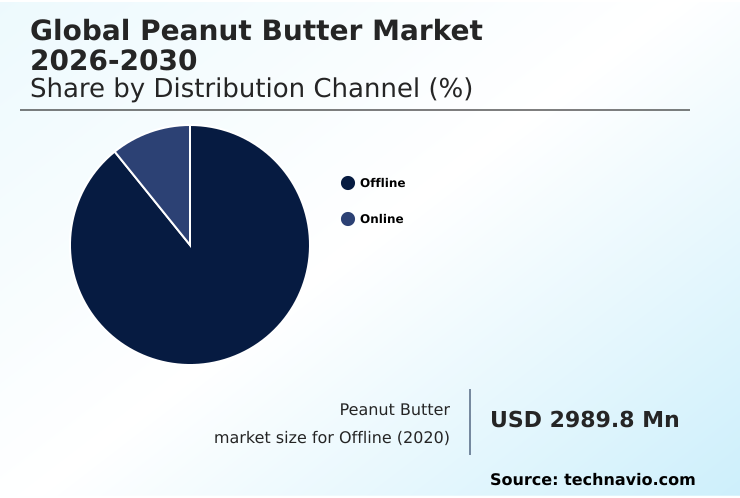
The Offline segment was valued at USD 3.63 billion in 2024 and showed a gradual increase during the forecast period.
Regional Analysis
North America is estimated to contribute 55.7% to the growth of the global market during the forecast period.Technavio’s analysts have elaborately explained the regional trends and drivers that shape the market during the forecast period.
See How Peanut Butter Market Demand is Rising in North America Get Free Sample
The global geographic landscape is characterized by varied maturity levels and growth drivers. North America, while a mature market, continues to present over 55% of the incremental growth opportunity, driven by premiumization and demand for healthy peanut butter.
In contrast, APAC is an emerging region where rising incomes and Western dietary influences are boosting interest in peanut butter nutrition and plant-based protein, with e-commerce platforms being a key enabler of this growth.
Optimized regional supply chains in North America reduce logistics costs by over 20% compared to fragmented distribution in developing markets. Across regions, a universal trend is the push for organic formulations and gourmet flavors.
This requires adapting to local tastes while managing raw material pricing and implementing strict allergen control programs.
Market Dynamics
Our researchers analyzed the data with 2025 as the base year, along with the key drivers, trends, and challenges. A holistic analysis of drivers will help companies refine their marketing strategies to gain a competitive advantage.
- Understanding the nuances of the global peanut butter market requires looking beyond broad trends to specific consumer behaviors and product attributes. The classic creamy vs crunchy peanut butter preference remains a key segmentation, but decisions are increasingly influenced by specific health goals.
- Consumers actively research the benefits of natural peanut butter and seek out the best peanut butter for keto diet plans or products specifically designed for peanut butter for muscle building. This has led to the popularity of low calorie powdered peanut butter uses in smoothies and baking.
- A significant driver of premiumization is ingredient scrutiny, with a growing demand for peanut butter without hydrogenated oils and a desire to understand how is organic peanut butter made. These consumer trends in nut butter market are forcing brands to innovate continuously, leading to new flavored peanut butter market trends and advancements in peanut butter packaging innovations.
- Operationally, the challenges in peanut butter supply chain, such as the impact of peanut prices on market, remain a primary concern. Simultaneously, the growth of private label peanut butter adds competitive pressure. Public health issues, such as the dangers of peanut allergies in schools, necessitate clear marketing and create a market for substitutes for peanut butter allergies.
- Brands that clearly communicate their value proposition, such as being one of the leading clean label peanut butter brands, report customer retention rates that are twice as high as competitors with less transparent marketing strategies for peanut butter.
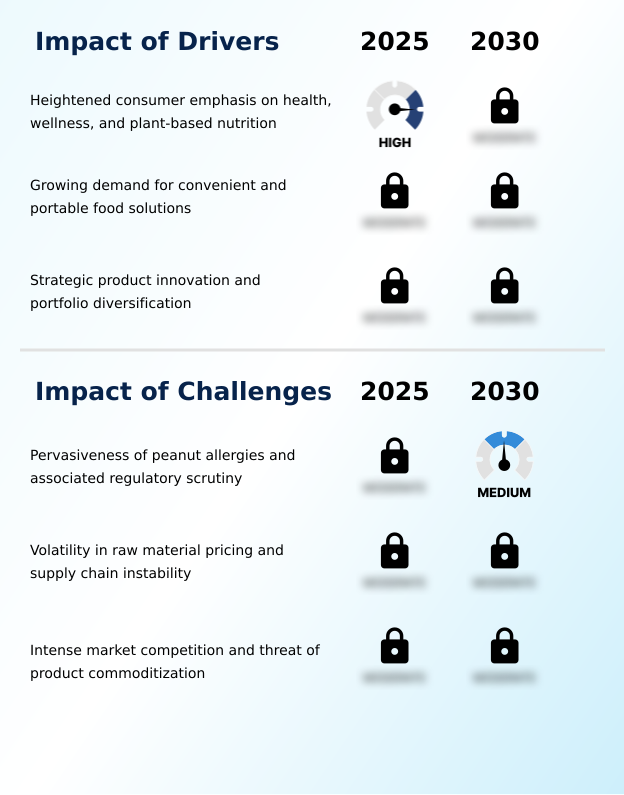
What are the key market drivers leading to the rise in the adoption of Peanut Butter Industry?
- The market's growth is primarily driven by a heightened consumer emphasis on health, wellness, and plant-based nutrition.
- The market's momentum is heavily fueled by the global health and wellness movement, with consumers actively seeking out products with a strong nutritional profile.
- The demand for clean label products and all-natural versions rich in monounsaturated fats has become a primary driver.
- As a source of vegan protein sources, peanut butter's appeal has broadened considerably, with products marketed as protein-rich spreads seeing a search volume increase of over 50% year-over-year.
- Convenience is another critical factor, addressed through innovative formats like squeeze pouches, which are ideal for on-the-go peanut butter snacks.
- The peanut butter manufacturing process is also evolving to create low-sugar peanut butter and low-sodium varieties for sports nutrition spreads, often enhanced with whey protein, catering to an audience that scrutinizes every ingredient.
What are the market trends shaping the Peanut Butter Industry?
- The market is increasingly shaped by the ascent of clean label and minimally processed formulations. This trend reflects a significant consumer shift toward products with simple, transparent ingredients.
- A significant trend is the market's expansion into premium and functional categories, driven by consumer demand for products aligning with specific health objectives. The rise of alternative nut butters and seed butters, often marketed as peanut allergy alternatives, has compelled innovation. This has led to a surge in fortified peanut butters containing functional ingredients like probiotics and omega-3 fatty acids.
- These premium nut butters, including artisanal peanut butter variants with non-gmo verification, often command a 40% higher price point. This trend toward ingredient transparency and products with no palm oil spreads is particularly appealing to consumers following specific lifestyles, such as those seeking ketogenic diet snacks.
- Brands that successfully innovate in this space report a 25% higher repeat purchase rate, underscoring the value of catering to these sophisticated preferences.
What challenges does the Peanut Butter Industry face during its growth?
- A key challenge affecting industry growth is the pervasiveness of peanut allergies and the associated regulatory scrutiny.
- The market faces significant operational and competitive challenges, primarily stemming from agricultural dependencies and consumer health concerns. Volatility in the price of dry-roasted peanuts can cause raw material pricing fluctuations of up to 35% annually, impacting everything from bulk peanut butter supply to consumer-facing dietary spreads. This necessitates sophisticated food ingredient solutions to maintain stable costs.
- Formulating a shelf-stable food paste without traditional stabilizers or hydrogenated oils, which prevents natural peanut oil separation, is a technical hurdle for natural food spreads. Furthermore, the market is highly competitive, with private label offerings capturing over 30% of the share in some regions.
- This pressures brands to innovate beyond simple peanut butter recipes into areas like savory spices to differentiate their culinary applications.
Exclusive Technavio Analysis on Customer Landscape
The peanut butter market forecasting report includes the adoption lifecycle of the market, covering from the innovator’s stage to the laggard’s stage. It focuses on adoption rates in different regions based on penetration. Furthermore, the peanut butter market report also includes key purchase criteria and drivers of price sensitivity to help companies evaluate and develop their market growth analysis strategies.
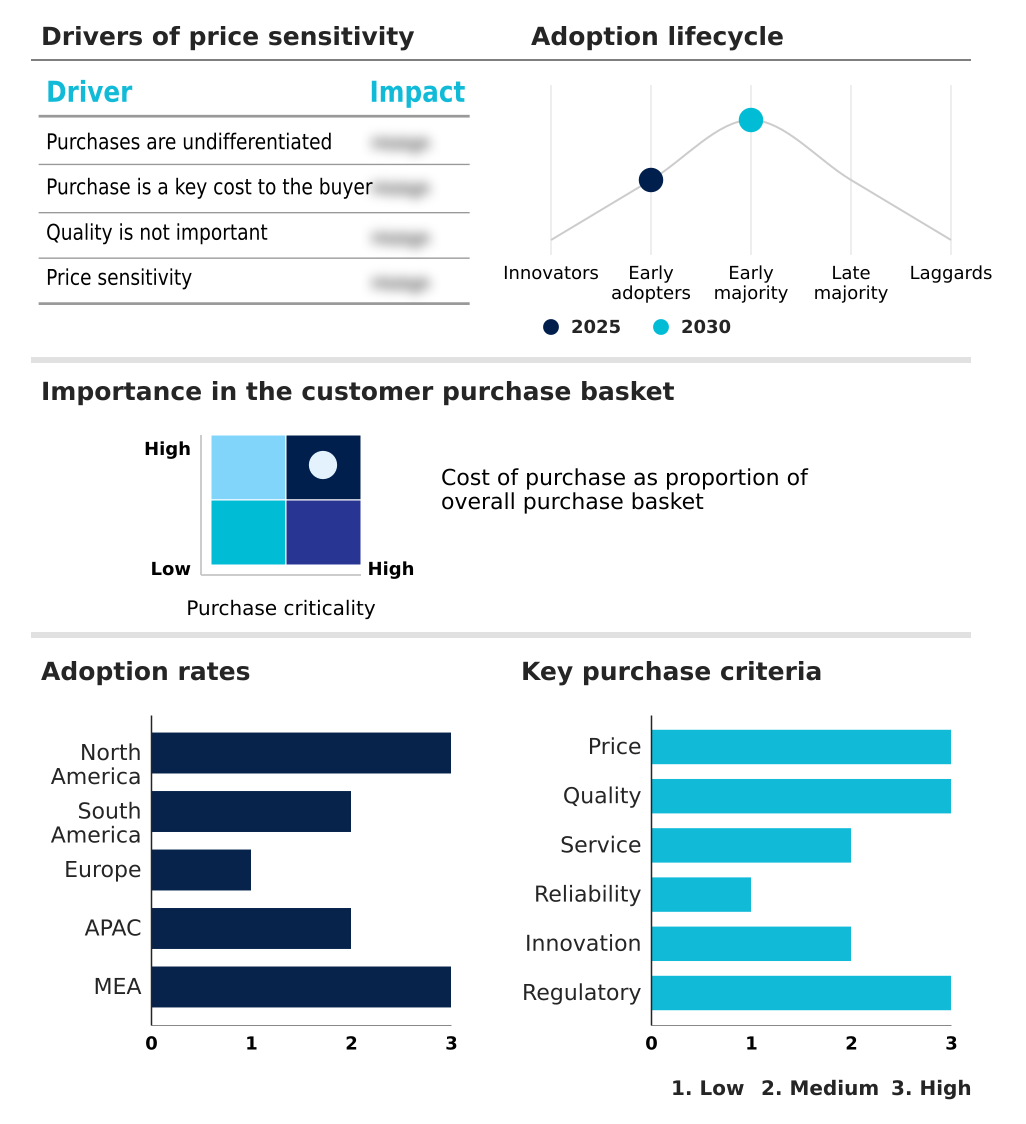
Customer Landscape of Peanut Butter Industry
Competitive Landscape
Companies are implementing various strategies, such as strategic alliances, peanut butter market forecast, partnerships, mergers and acquisitions, geographical expansion, and product/service launches, to enhance their presence in the industry.
Algood Food Co. - Delivers a comprehensive portfolio of branded food products, specializing in protein-rich spreads for global retail, foodservice, and international consumer markets.
The industry research and growth report includes detailed analyses of the competitive landscape of the market and information about key companies, including:
- Algood Food Co.
- China Kunyu Industrial
- Galdisa USA Inc.
- Hormel Foods Corp.
- ManiLife
- Nuflower
- Nuts N More
- NuttZo LLC
- Oetker Group
- Peanut Butter and Co.
- Pip and Nut Ltd.
- Post Holdings Inc.
- Sonya Foods Pvt. Ltd.
- Swartberg B.V.
- Teddie Natural Peanut Butter
- The Hain Celestial Group
- The J.M. Smucker Co.
- The Kraft Heinz Co.
- The Kroger Co.
- Unilever PLC
Qualitative and quantitative analysis of companies has been conducted to help clients understand the wider business environment as well as the strengths and weaknesses of key industry players. Data is qualitatively analyzed to categorize companies as pure play, category-focused, industry-focused, and diversified; it is quantitatively analyzed to categorize companies as dominant, leading, strong, tentative, and weak.
Recent Development and News in Peanut butter market
- In April 2025, Hormel Foods Corp. launched a limited-edition honey-cinnamon flavored variant of its Skippy brand, leveraging a collaboration with a wellness influencer to drive social media engagement and appeal to consumers seeking novel taste experiences.
- In January 2025, The J.M. Smucker Co. announced a significant investment in a new peanut roasting facility in Georgia to enhance supply chain efficiency and support the growth of its natural product lines.
- In October 2024, The Kroger Co. expanded its Simple Truth organic private label to include a fortified peanut butter with added plant-based protein and omega-3s, directly targeting health-conscious shoppers.
- In September 2024, Pip and Nut Ltd. partnered with a sustainable packaging provider to convert its entire product range to jars made from 100% recycled materials, addressing consumer demand for environmental responsibility.
Dive into Technavio’s robust research methodology, blending expert interviews, extensive data synthesis, and validated models for unparalleled Peanut Butter Market insights. See full methodology.
| Market Scope | |
|---|---|
| Page number | 292 |
| Base year | 2025 |
| Historic period | 2020-2024 |
| Forecast period | 2026-2030 |
| Growth momentum & CAGR | Accelerate at a CAGR of 6.3% |
| Market growth 2026-2030 | USD 1545.5 million |
| Market structure | Fragmented |
| YoY growth 2025-2026(%) | 5.9% |
| Key countries | US, Canada, Mexico, Brazil, Argentina, Chile, Germany, UK, The Netherlands, France, Italy, Spain, China, India, Japan, Australia, South Korea, Indonesia, Saudi Arabia, South Africa, UAE, Turkey and Israel |
| Competitive landscape | Leading Companies, Market Positioning of Companies, Competitive Strategies, and Industry Risks |
Research Analyst Overview
- The peanut butter market's evolution is defined by a strategic pivot toward health-centric and transparent manufacturing. The industry is moving beyond its traditional food paste form, focusing on an enhanced nutritional profile rich in plant-based protein and monounsaturated fats.
- Key to this transition is the development of clean label products, including all-natural versions and organic formulations that avoid hydrogenated oils and stabilizers, addressing the issue of peanut oil separation naturally. Formats are diversifying from bulk jars to convenient single-serving packs and squeeze pouches.
- Product innovation is rampant, with the introduction of powdered peanut butter, fortified peanut butters with functional ingredients like whey protein, omega-3 fatty acids, and probiotics, and a wide array of gourmet flavors with savory spices. This shift places immense pressure on operations, where stringent allergen control programs are now standard, improving line changeover efficiency by over 30%.
- Boardroom decisions are increasingly focused on navigating supply chain instability and volatile raw material pricing. This involves a delicate balance between achieving premiumization with no-sugar-added and low-sodium varieties and avoiding product commoditization, all while ensuring strict compliance with allergen declarations.
What are the Key Data Covered in this Peanut Butter Market Research and Growth Report?
-
What is the expected growth of the Peanut Butter Market between 2026 and 2030?
-
USD 1.55 billion, at a CAGR of 6.3%
-
-
What segmentation does the market report cover?
-
The report is segmented by Distribution Channel (Offline, and Online), Type (Crunchy, Creamy, and Others), Product Type (Plain, and Flavored) and Geography (North America, South America, Europe, APAC, Middle East and Africa)
-
-
Which regions are analyzed in the report?
-
North America, South America, Europe, APAC and Middle East and Africa
-
-
What are the key growth drivers and market challenges?
-
Heightened consumer emphasis on health, wellness, and plant-based nutrition, Pervasiveness of peanut allergies and associated regulatory scrutiny
-
-
Who are the major players in the Peanut Butter Market?
-
Algood Food Co., China Kunyu Industrial, Galdisa USA Inc., Hormel Foods Corp., ManiLife, Nuflower, Nuts N More, NuttZo LLC, Oetker Group, Peanut Butter and Co., Pip and Nut Ltd., Post Holdings Inc., Sonya Foods Pvt. Ltd., Swartberg B.V., Teddie Natural Peanut Butter, The Hain Celestial Group, The J.M. Smucker Co., The Kraft Heinz Co., The Kroger Co. and Unilever PLC
-
Market Research Insights
- Market dynamics are increasingly shaped by sophisticated consumer preferences and a focus on measurable health outcomes, driving product differentiation. For example, brands that emphasize ingredient transparency and ethical sourcing are seeing a 15% higher consumer loyalty rate than their conventional counterparts.
- On the operational side, the adoption of advanced food ingredient solutions allows for greater flexibility in creating specialized dietary spreads for sports nutrition or ketogenic diet snacks. Furthermore, the strategic use of e-commerce platforms has proven to increase market reach to niche consumer segments by over 40%.
- The focus on sustainable packaging is not just an ethical consideration; it directly impacts brand perception and repeat purchases. This complex interplay of consumer demands and operational efficiencies defines the competitive landscape.
We can help! Our analysts can customize this peanut butter market research report to meet your requirements.
 RIA -
RIA - 
